























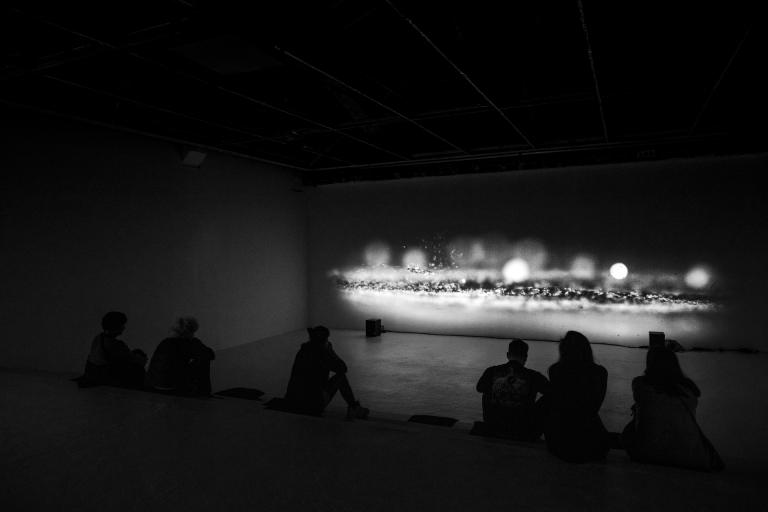
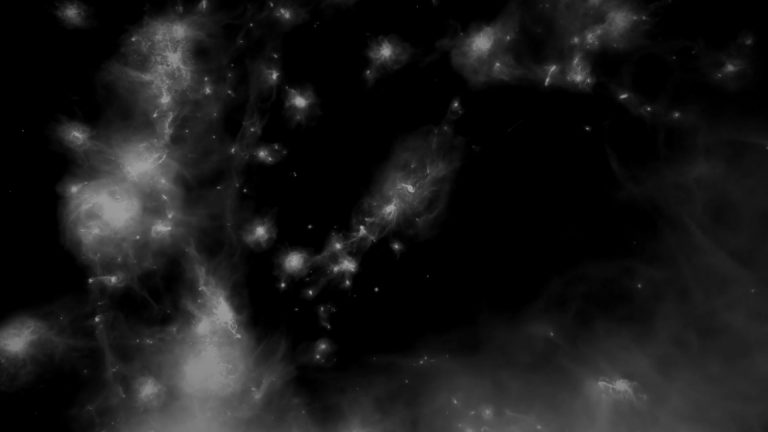
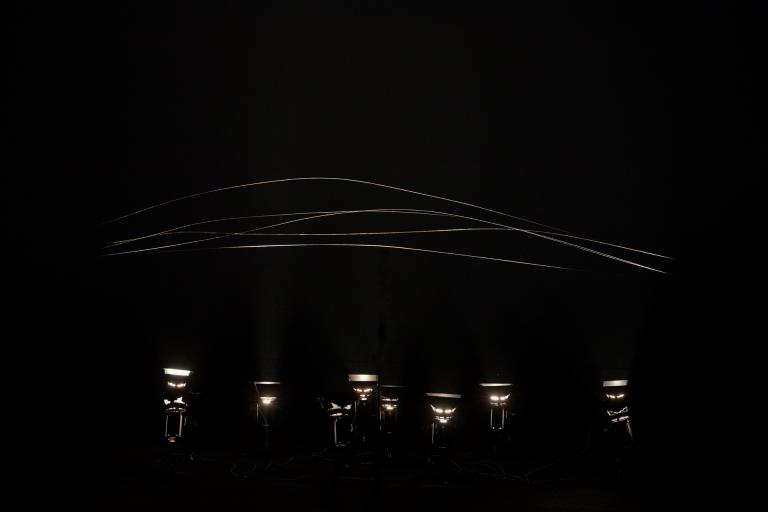

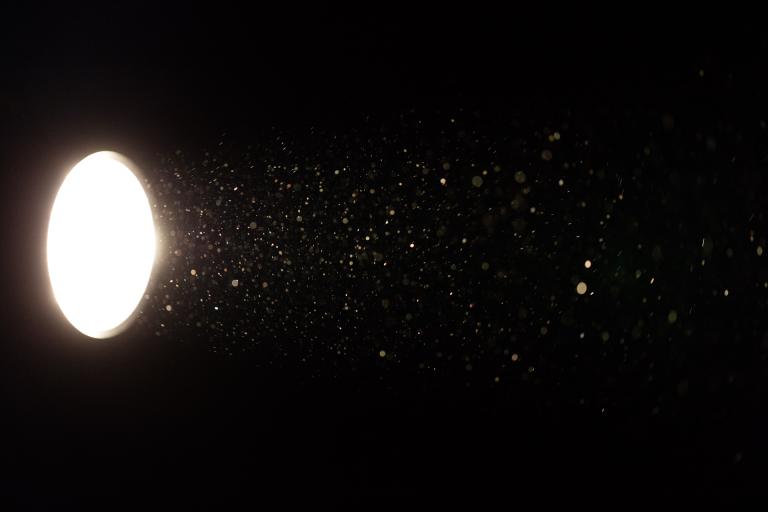





...
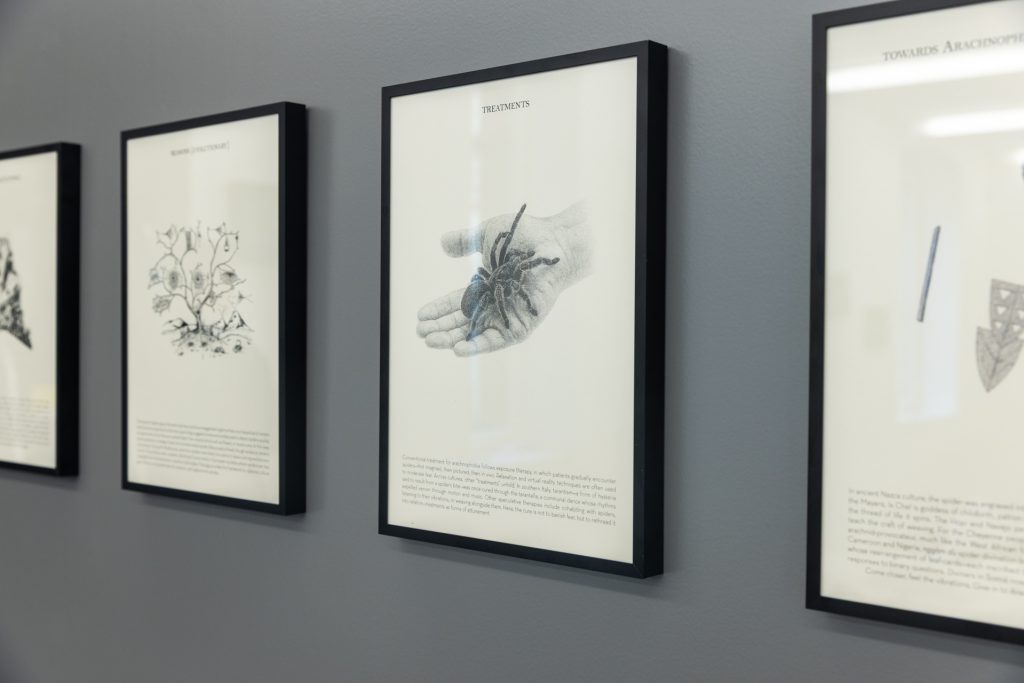
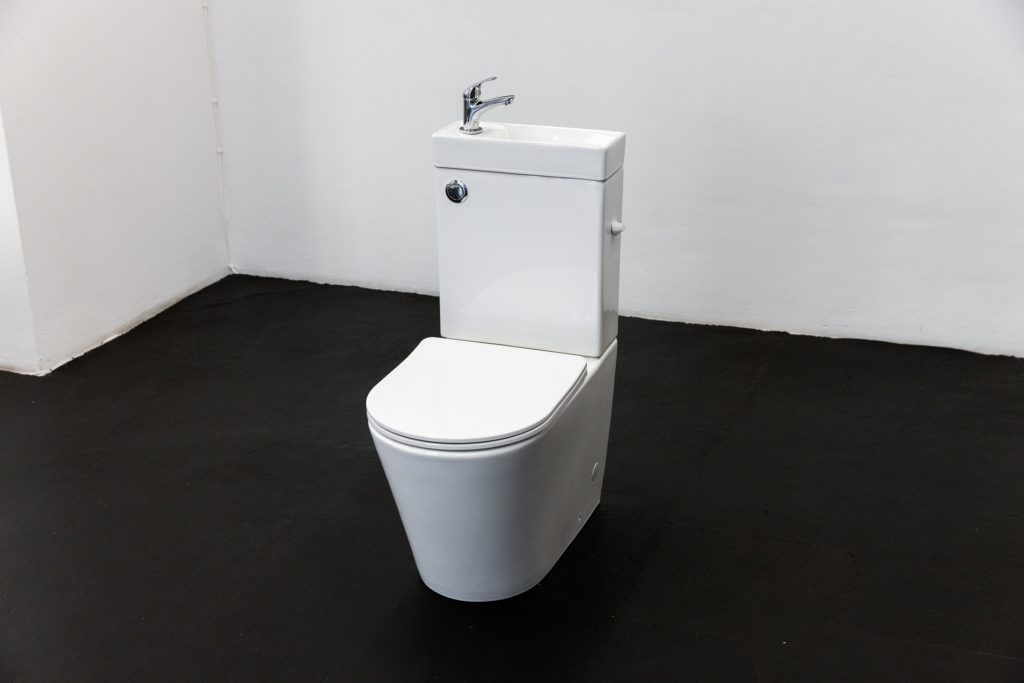
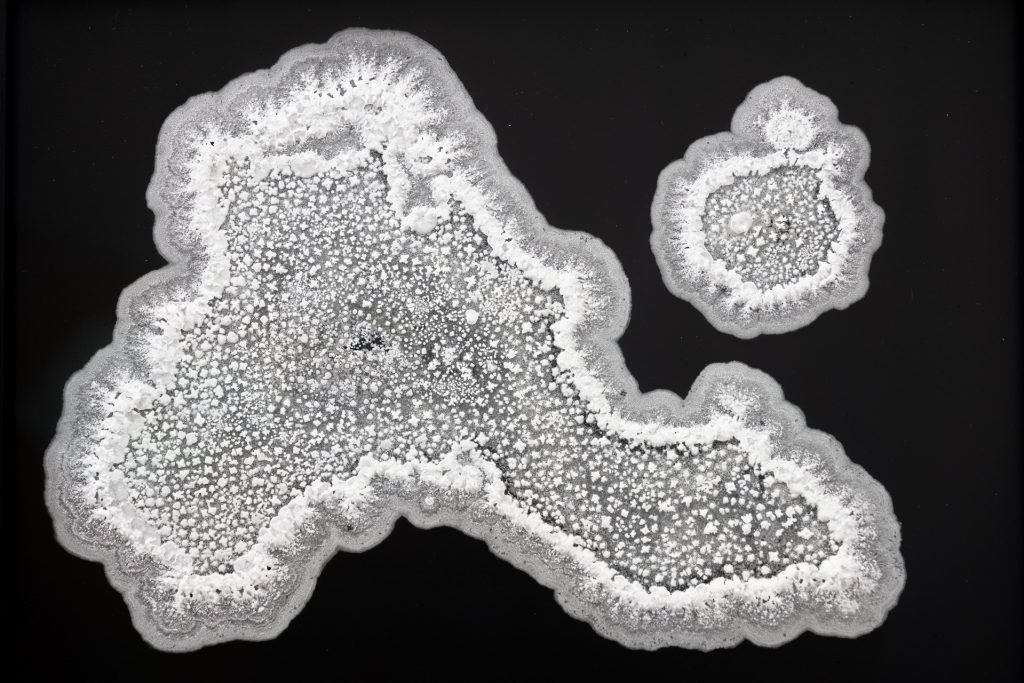
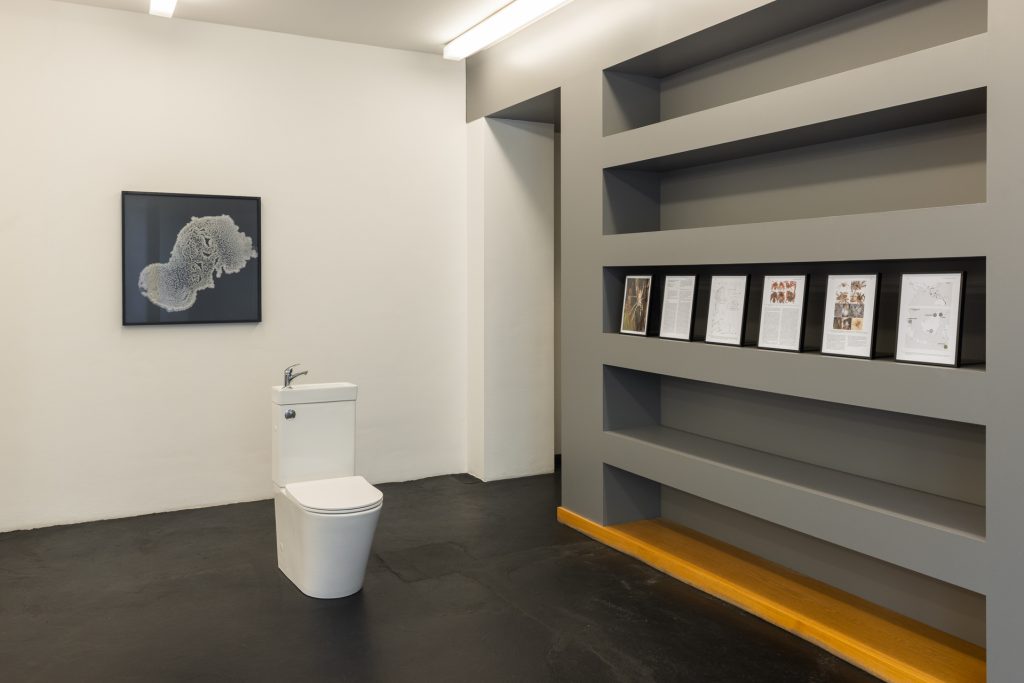































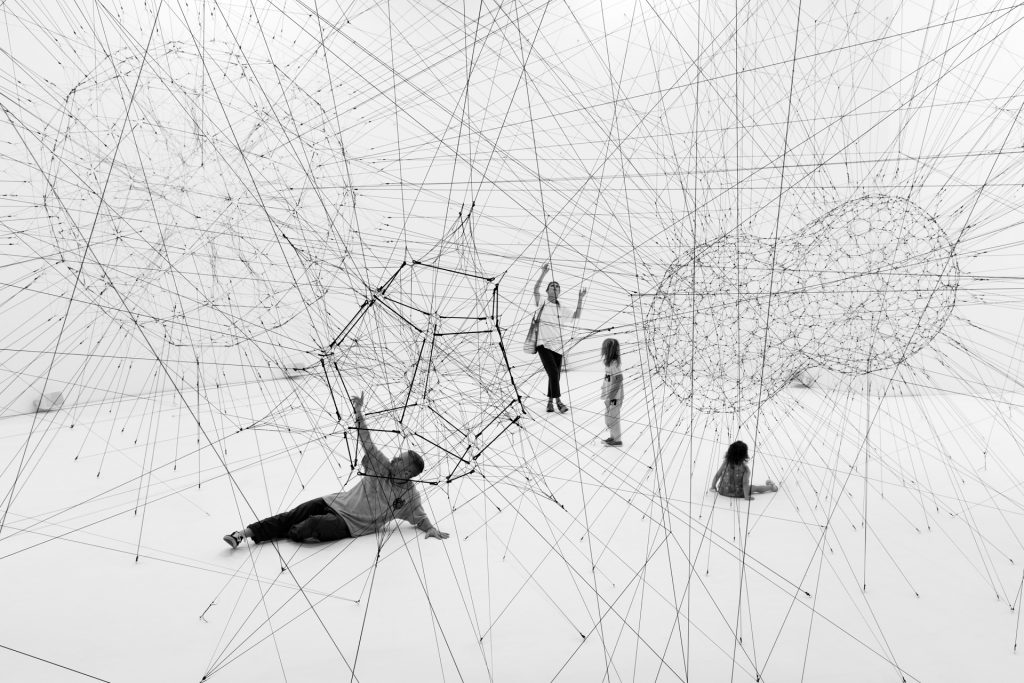

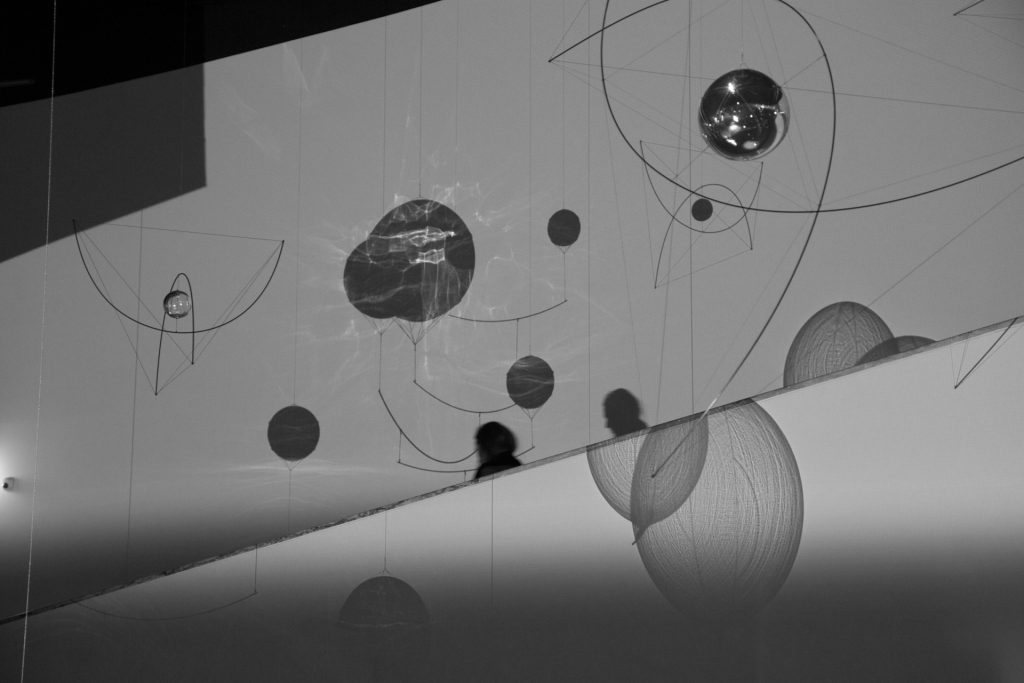
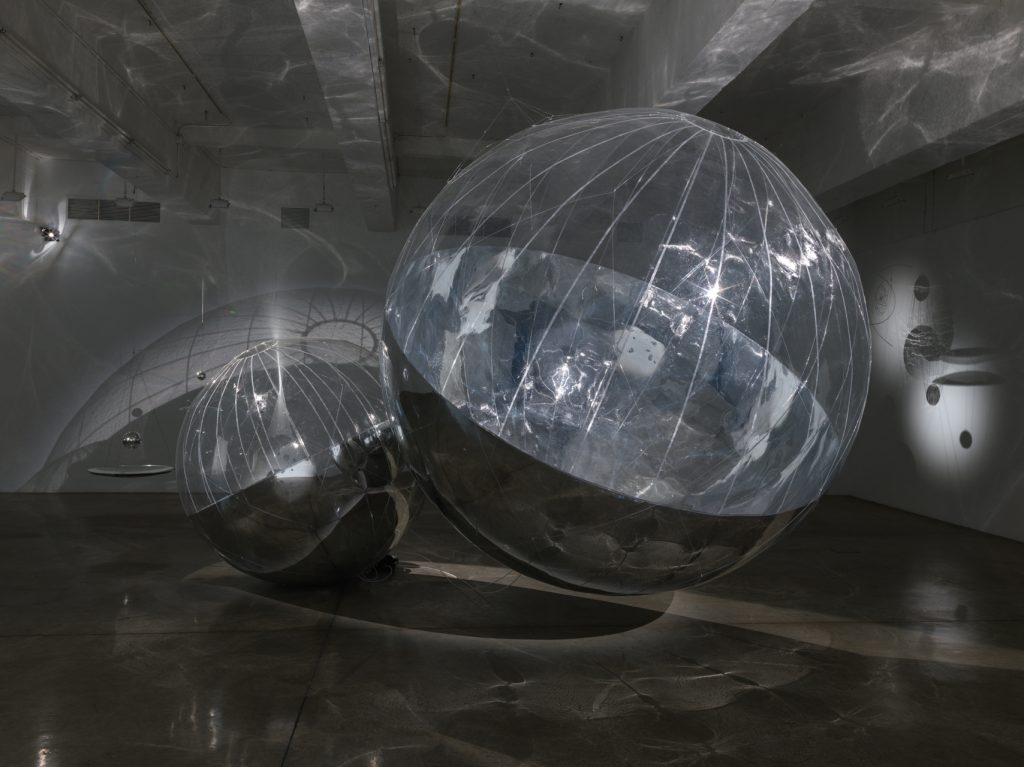

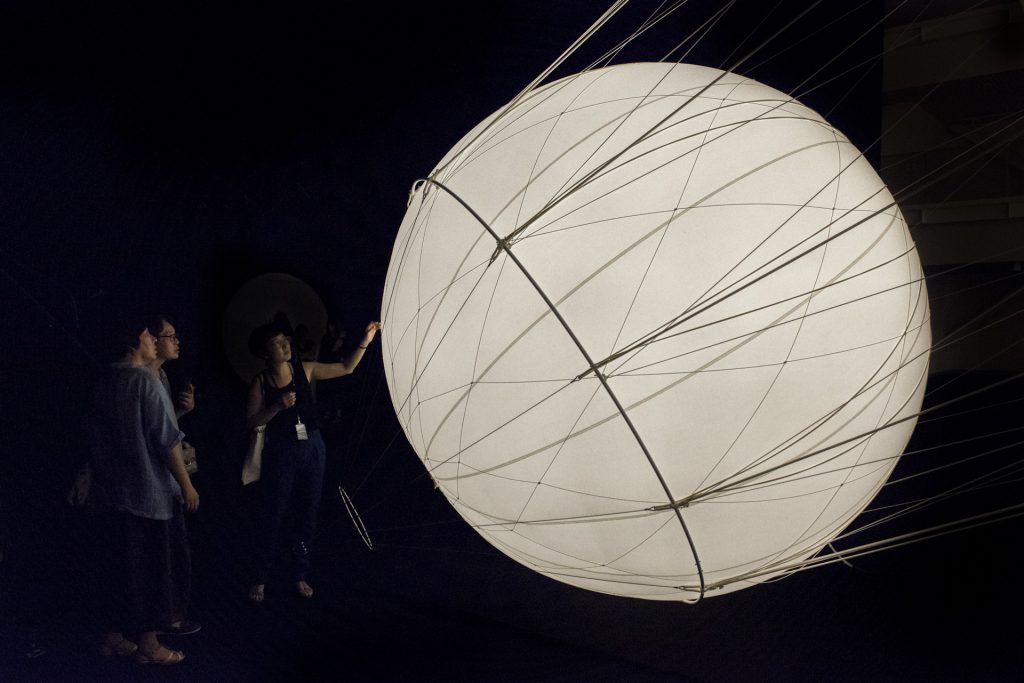
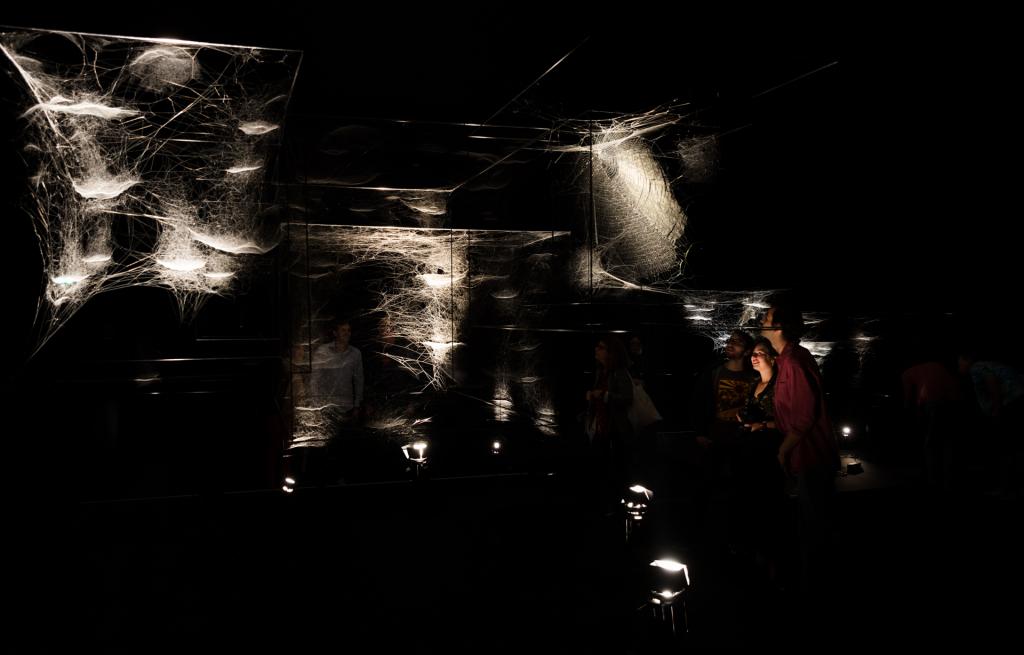
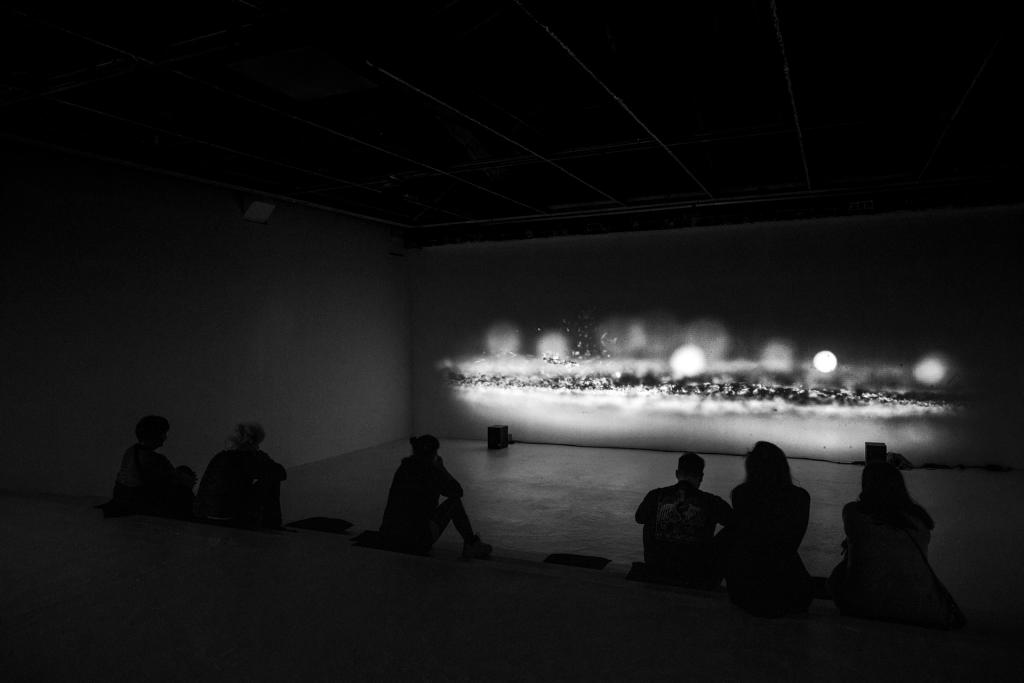
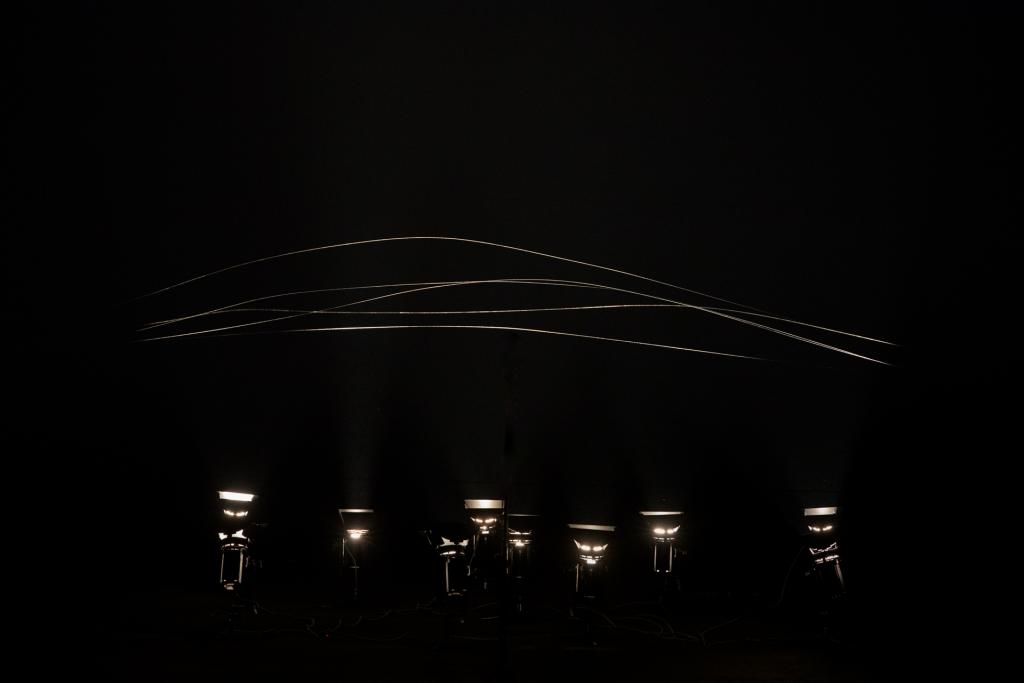
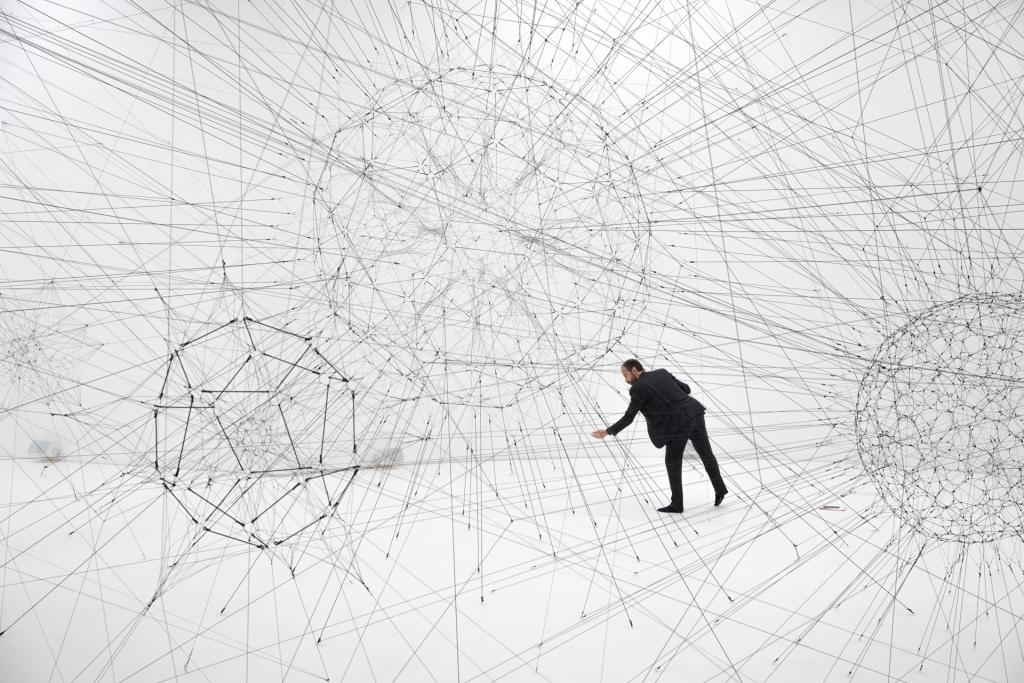
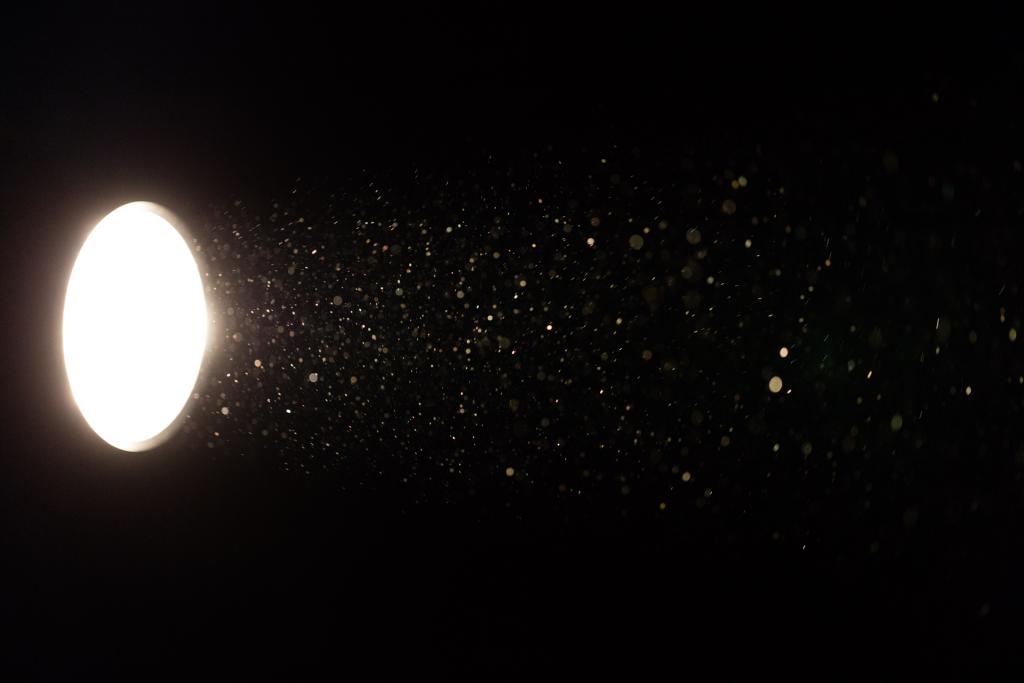
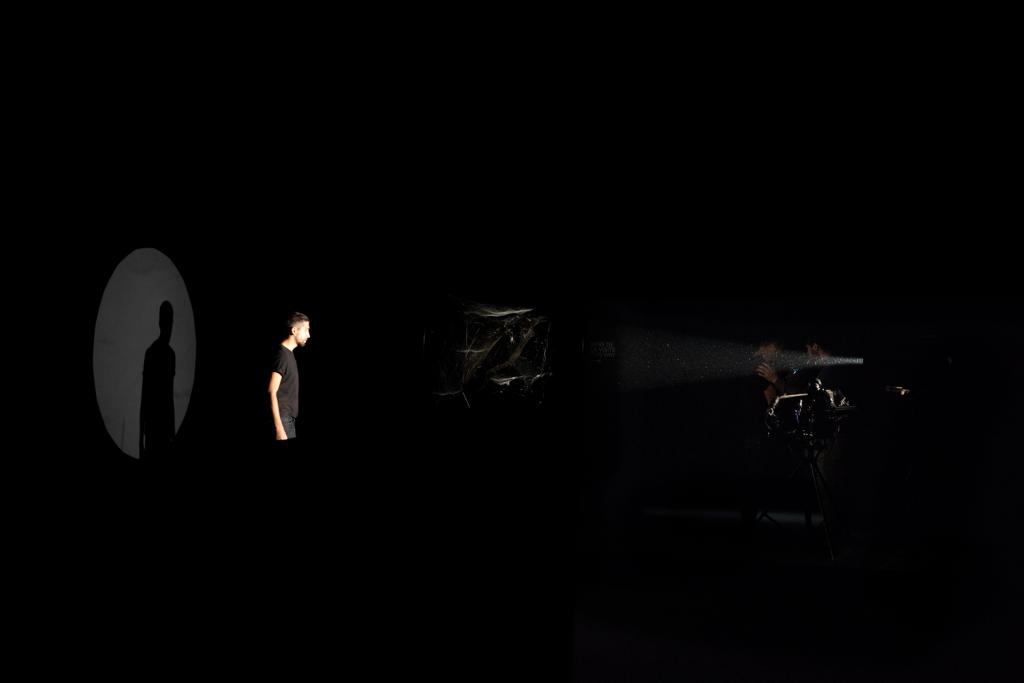


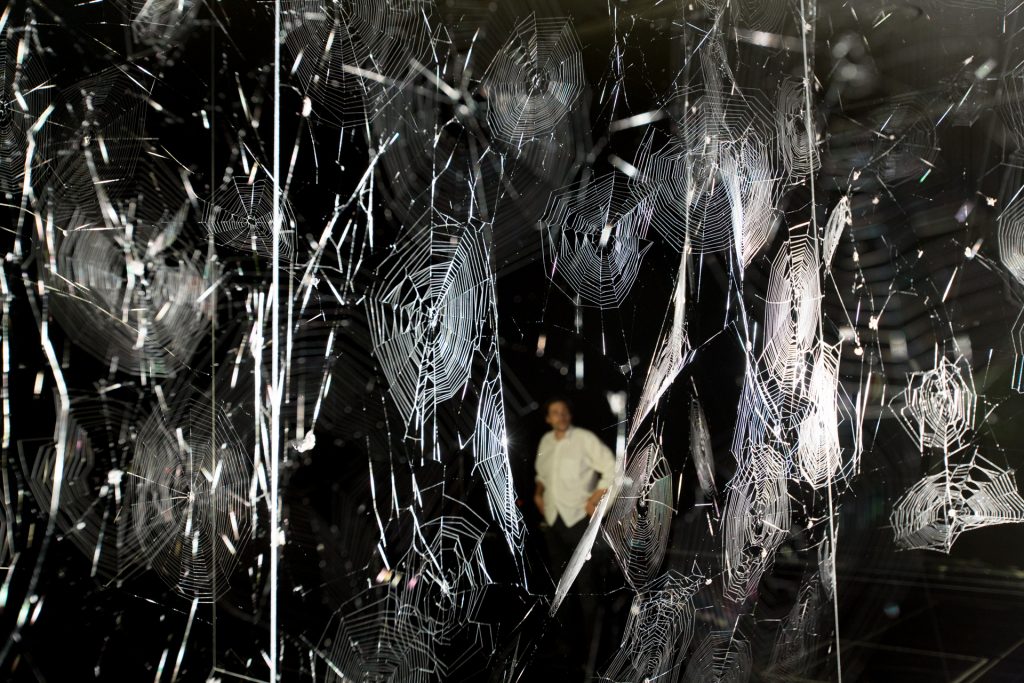





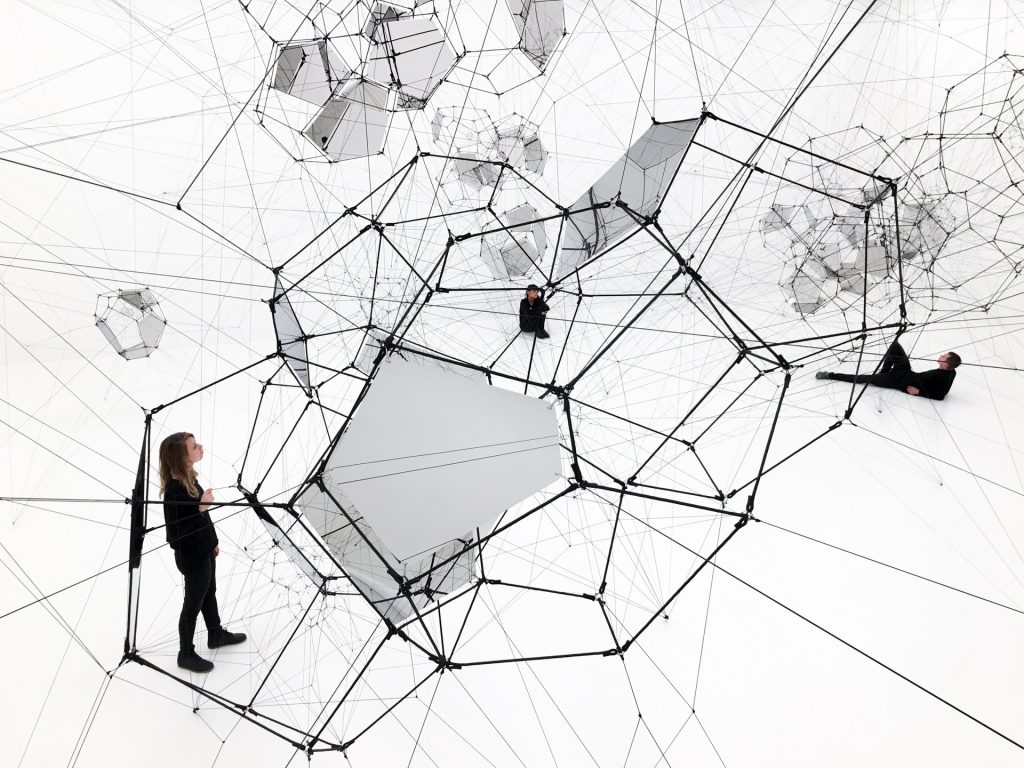

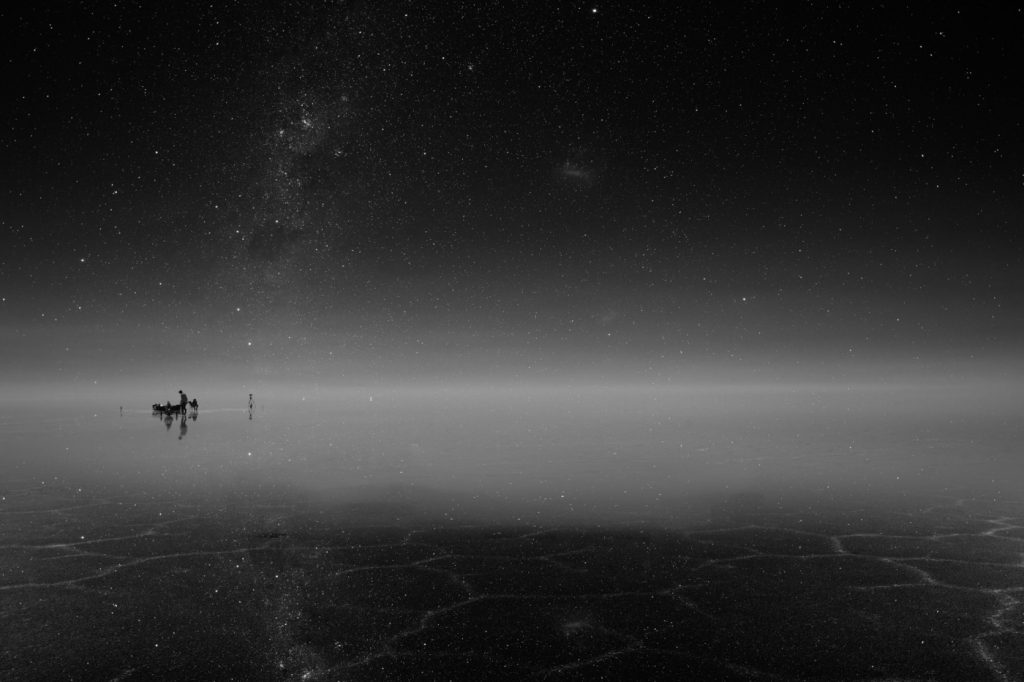


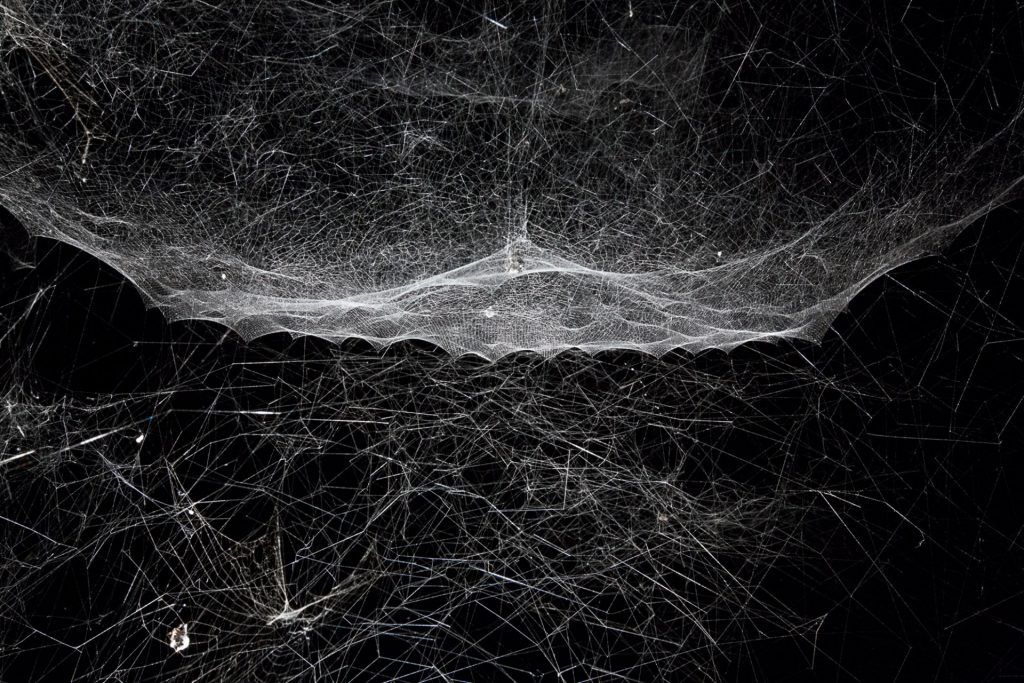
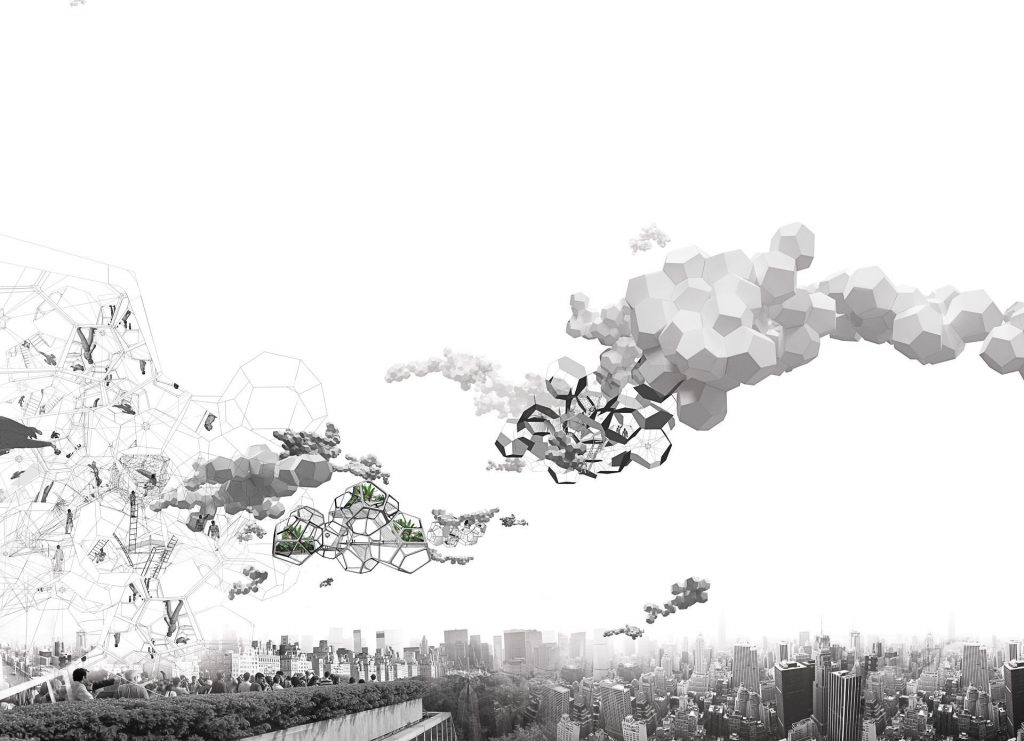
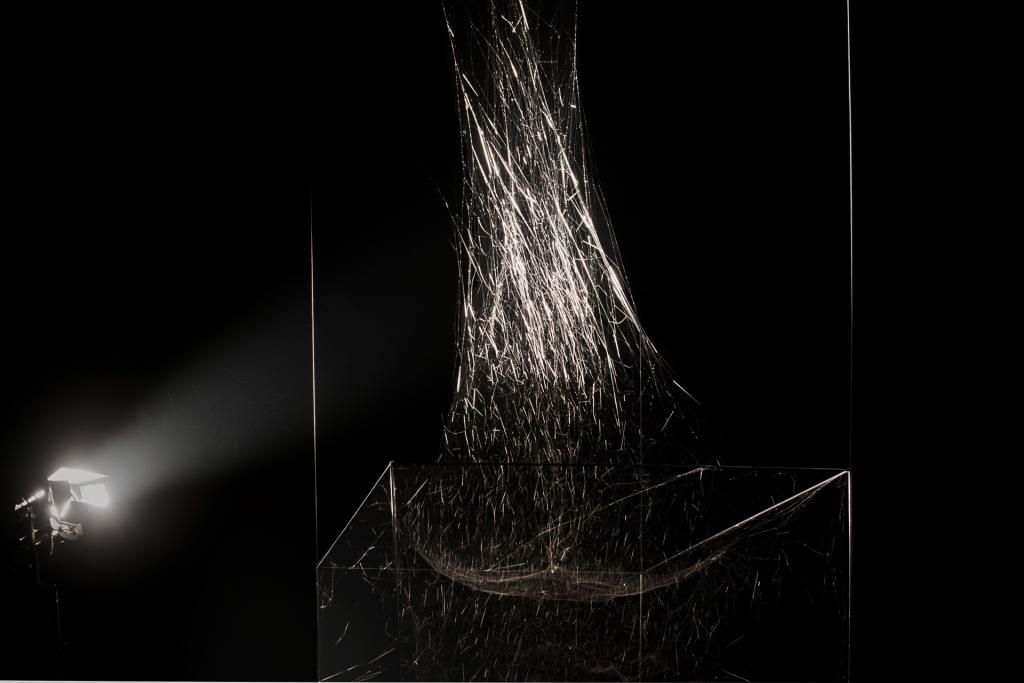
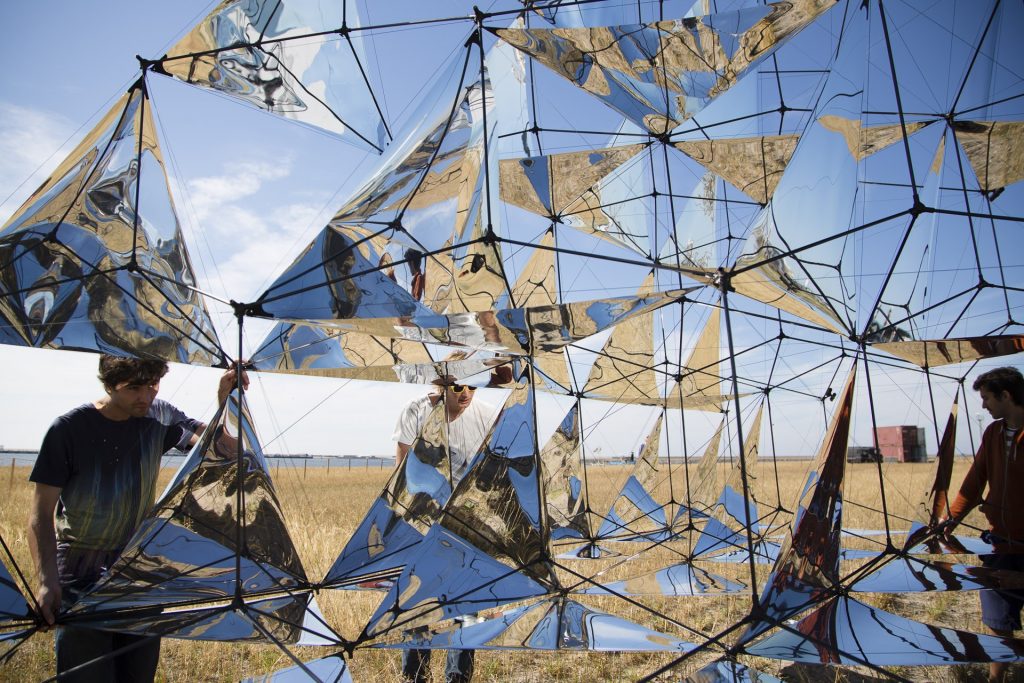
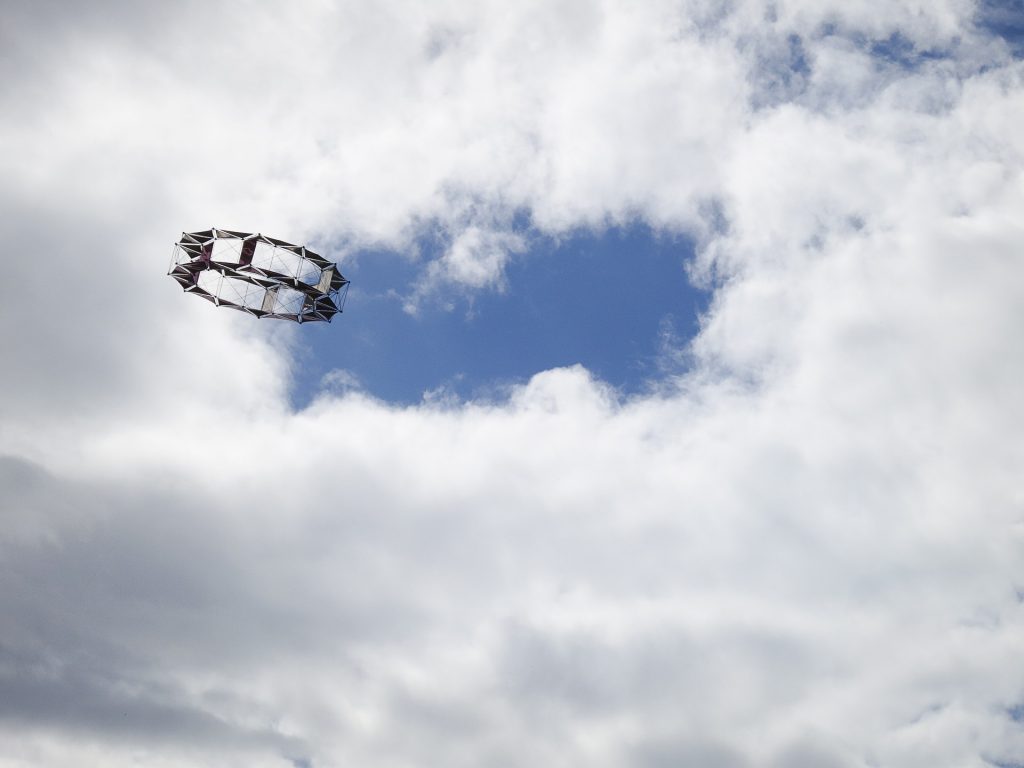
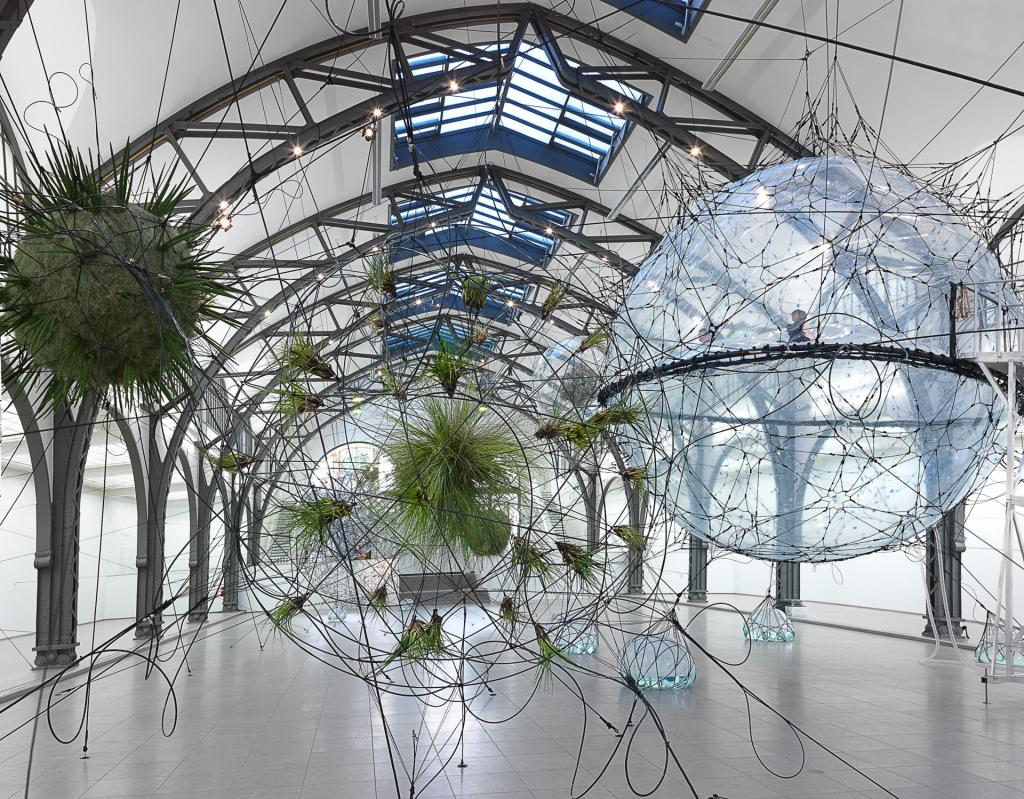



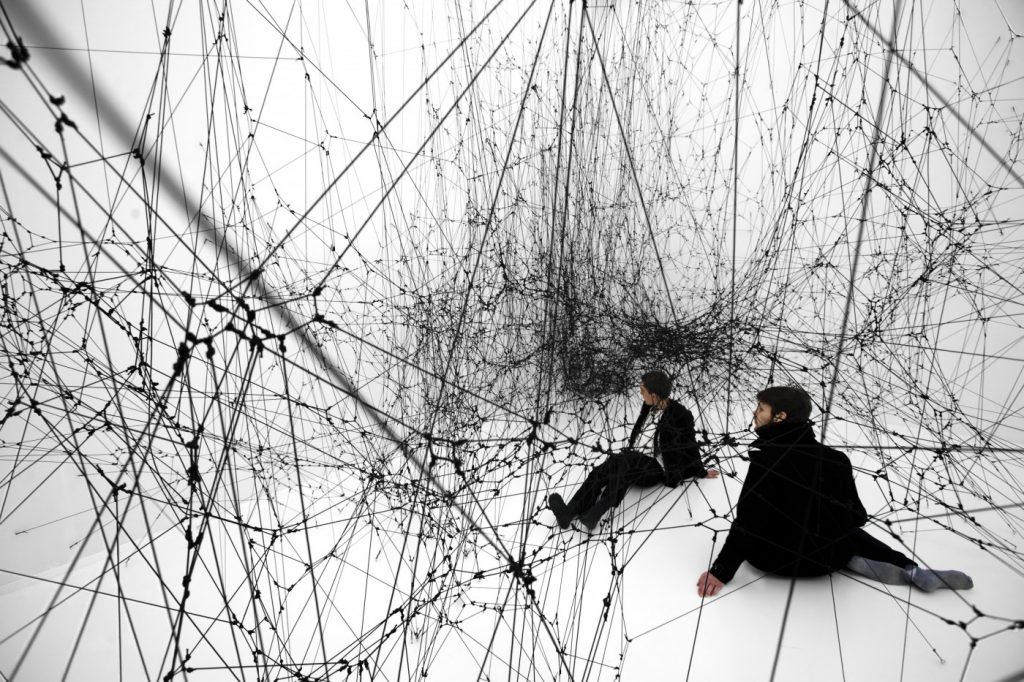


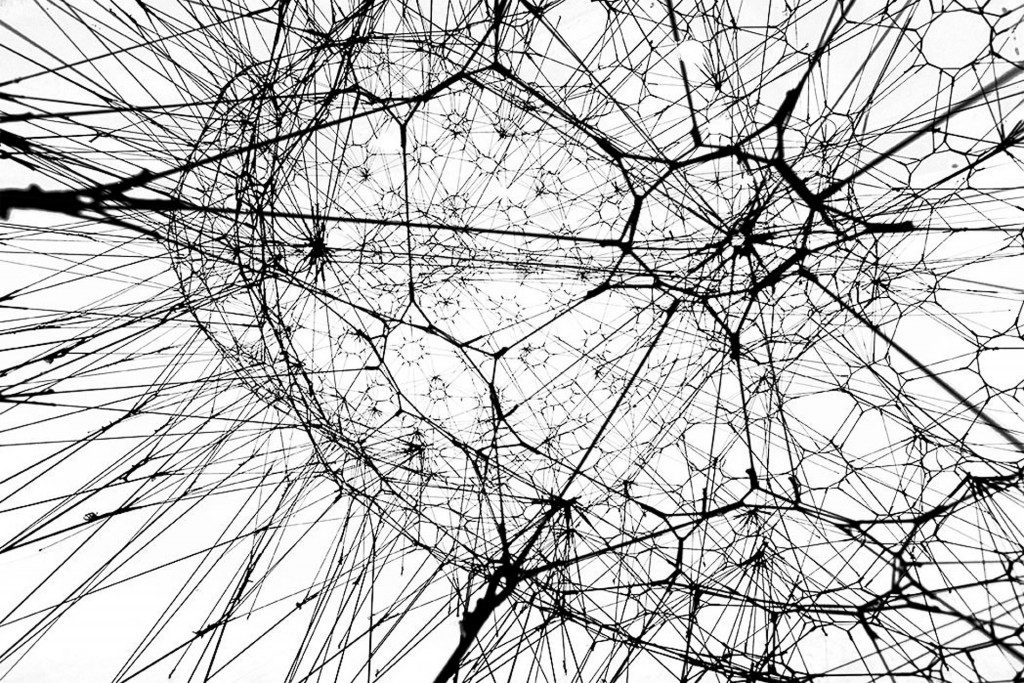


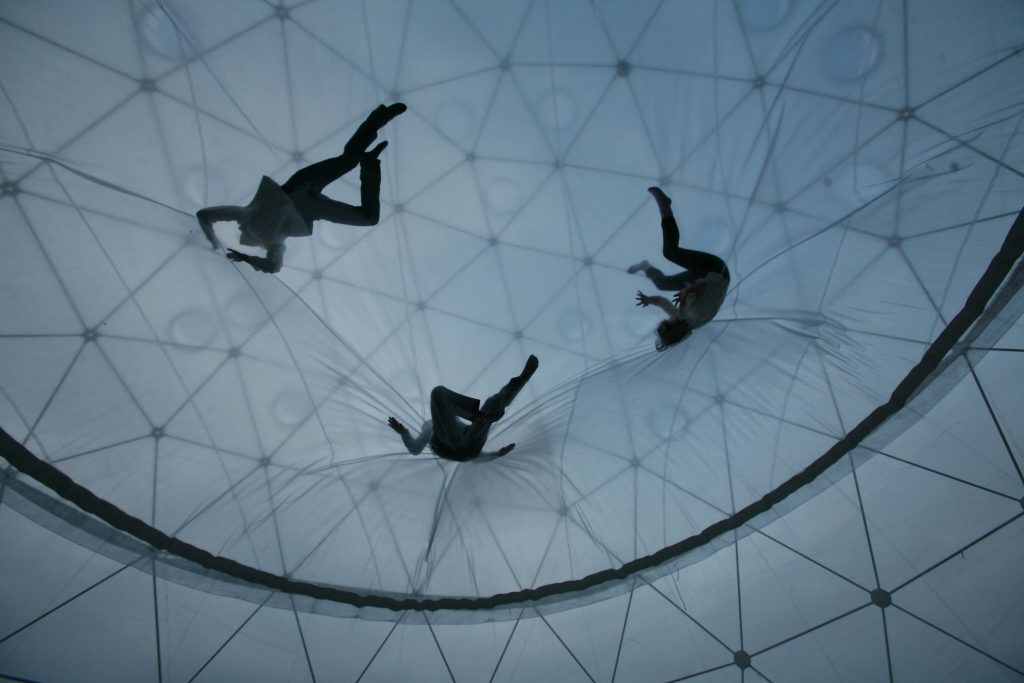

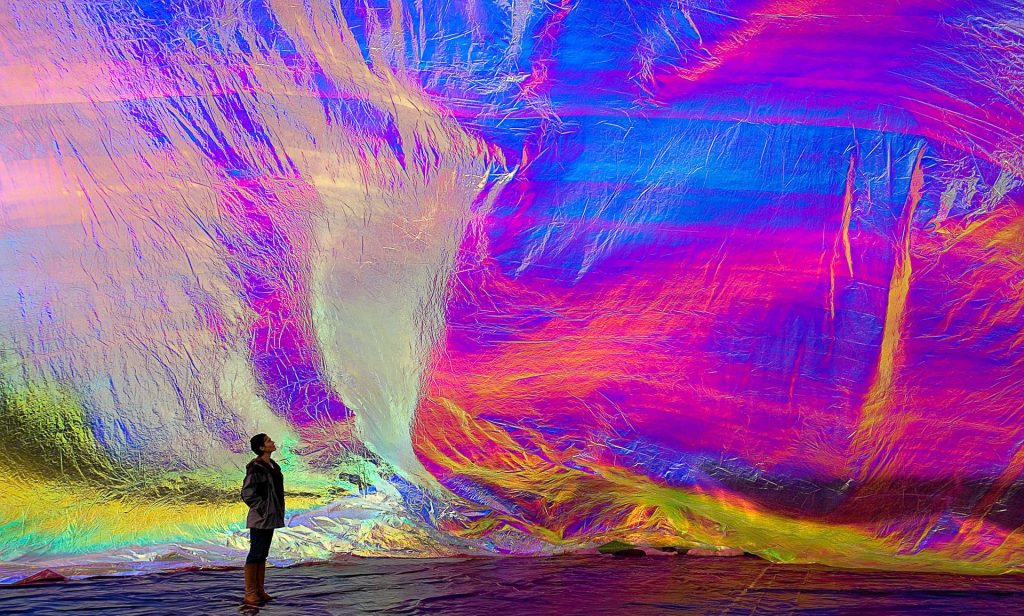


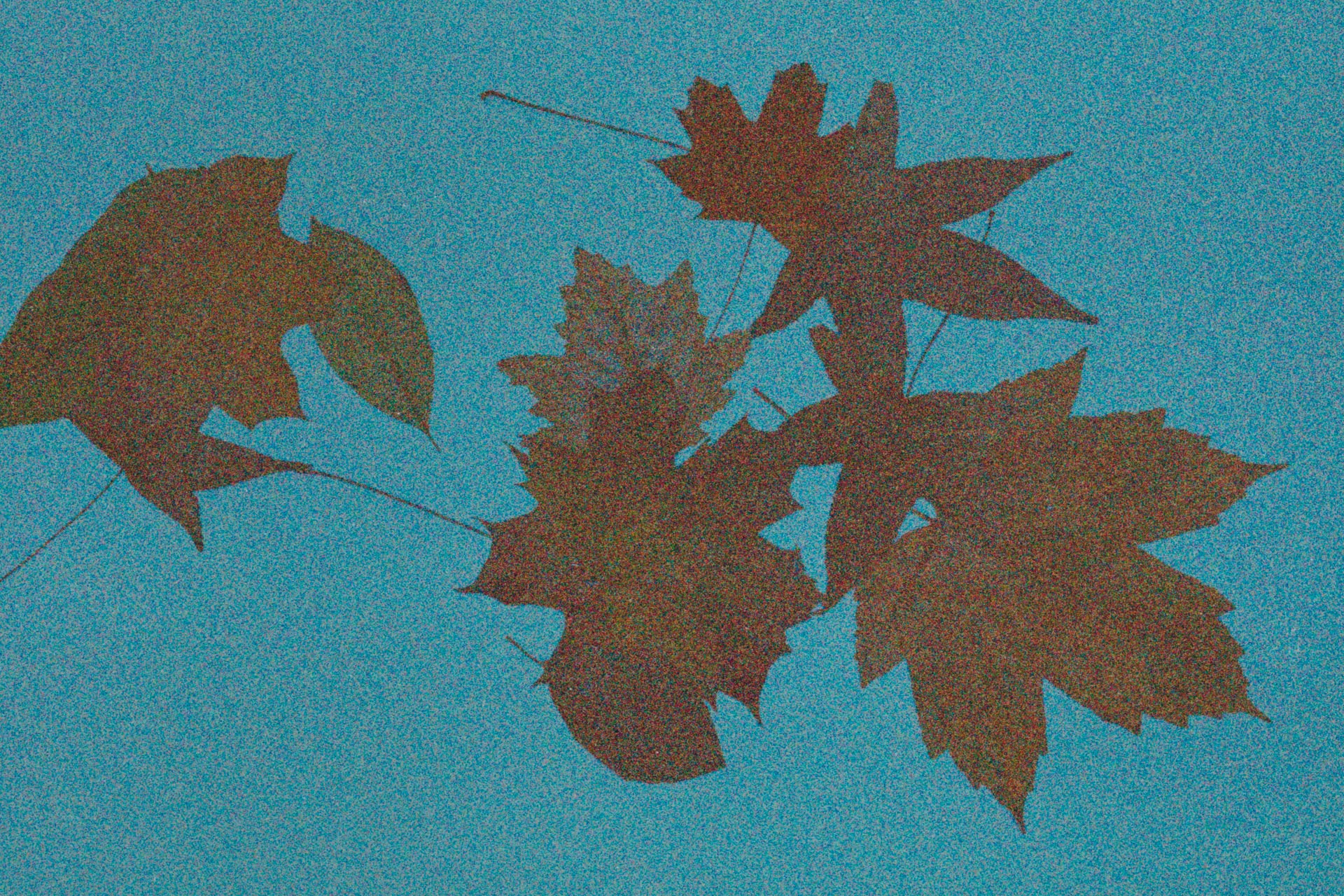


We are entangled in a world created by plants, bound to them materially, culturally and emotionally. They decorate human celebrations of birth, union, or departure; plants populate our shared homes, exhaling the oxygen we inhale. In our socialisation with plants, their pigment acts upon us too: a flower’s colour as a marker of life and death, the inherent waning of its foliage a decisive factor in keeping or discarding them from their place of decoration. What other timelines, modes of register and acts of witnessing might their colour speak of?
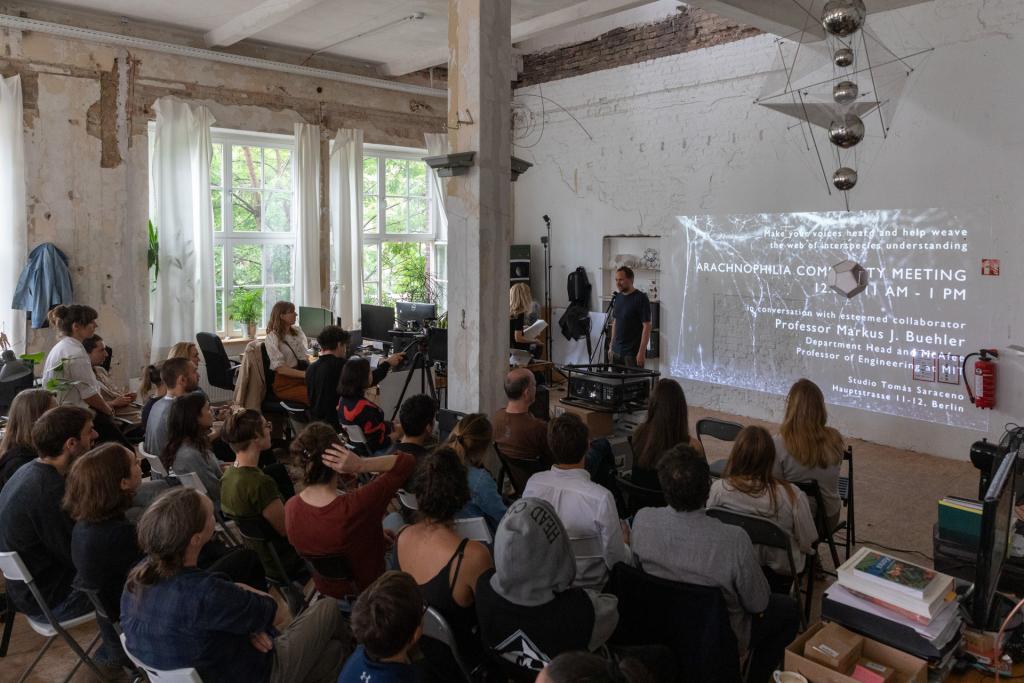
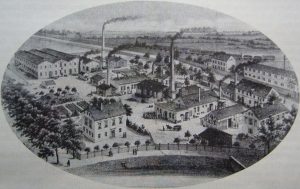
Studio Tomás Saraceno occupies the factory building on the former site of photographic film and dye manufacturer Actien-Gesellschaft für Anilin-Fabrication (AGFA). Since locating to the building in 2012, the studio has grown into the space, noticing and becoming a part of its multispecies ecology. Embedded in its web of coexistence, however, is a history of chemical colonization. Until 1994, factories in the east of Berlin would deposit their poison into the banks of the Spree. The end of such activity had not come soon enough: despite the decontamination of the earth that is currently being undertaken, there are still poisoned soils below the studio today.
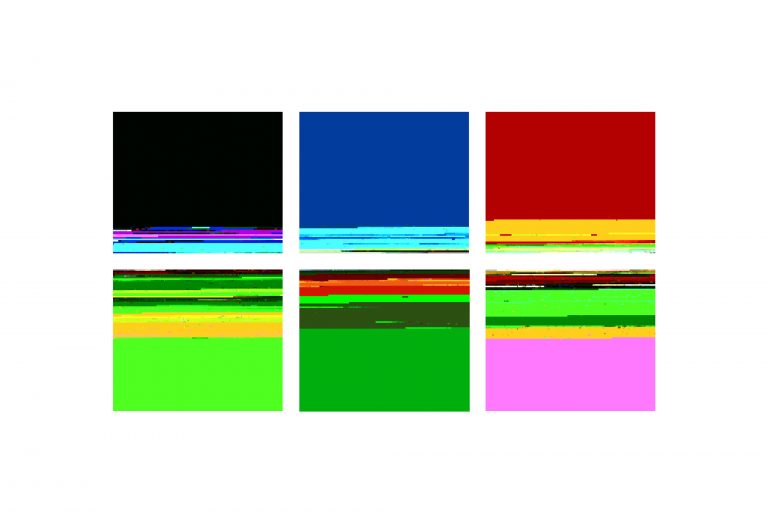
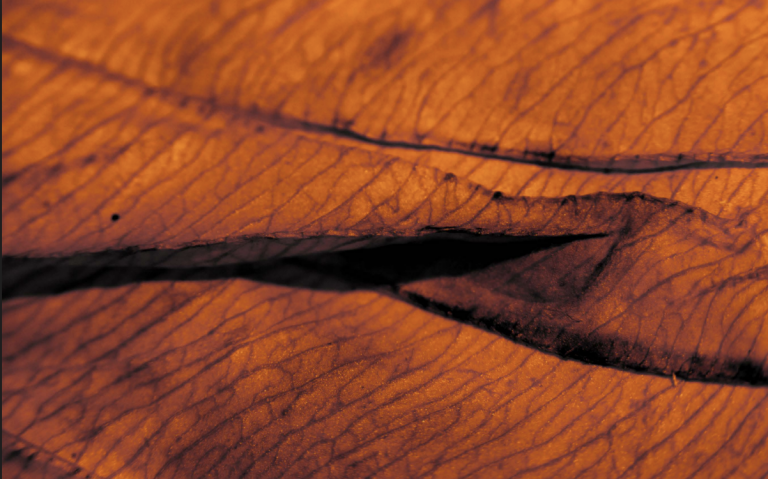
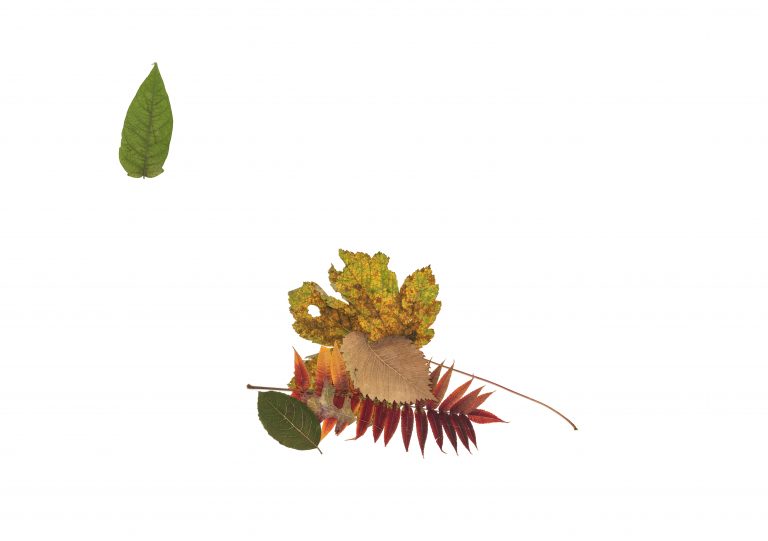
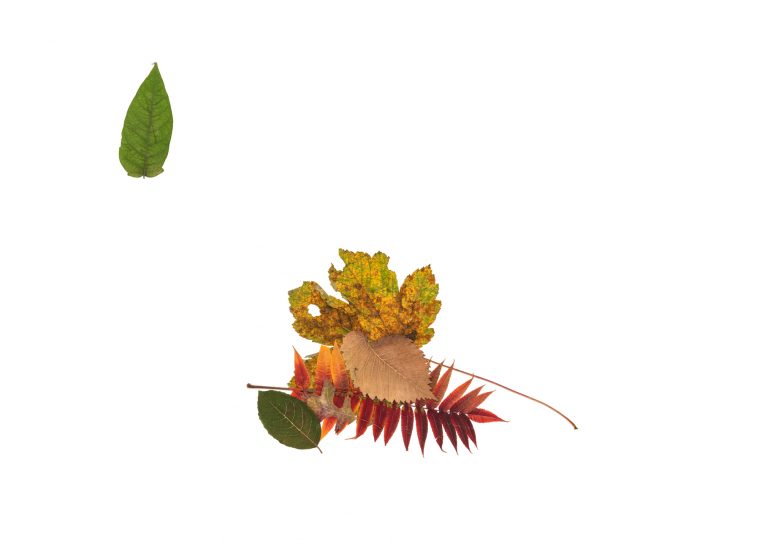
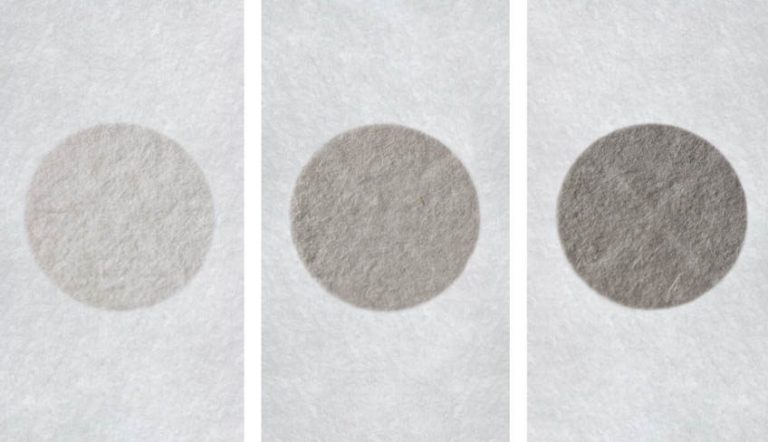
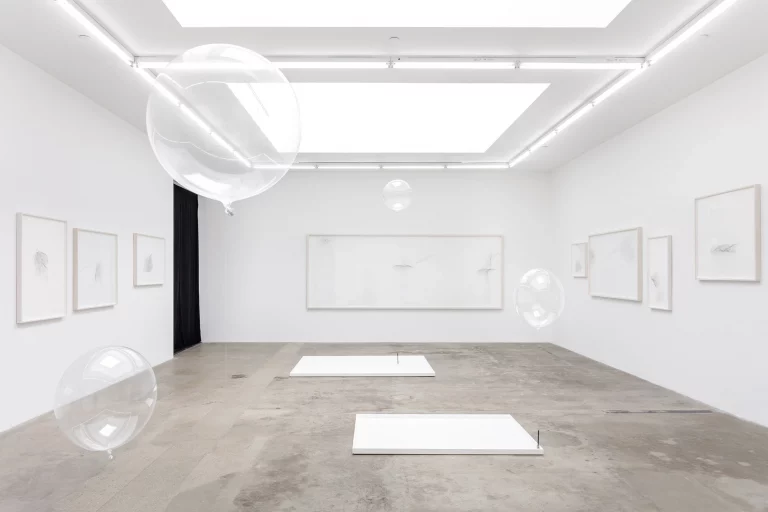
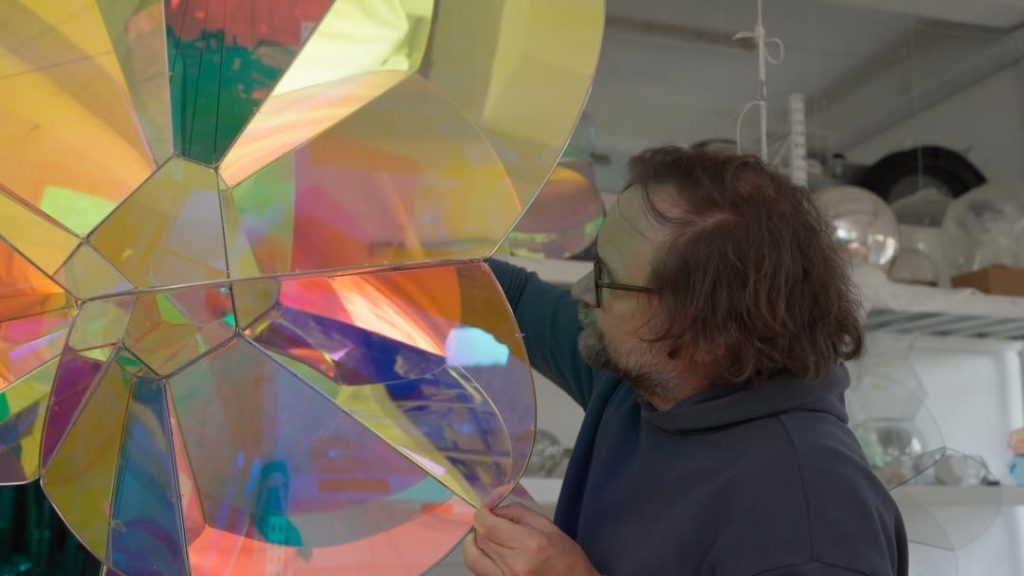
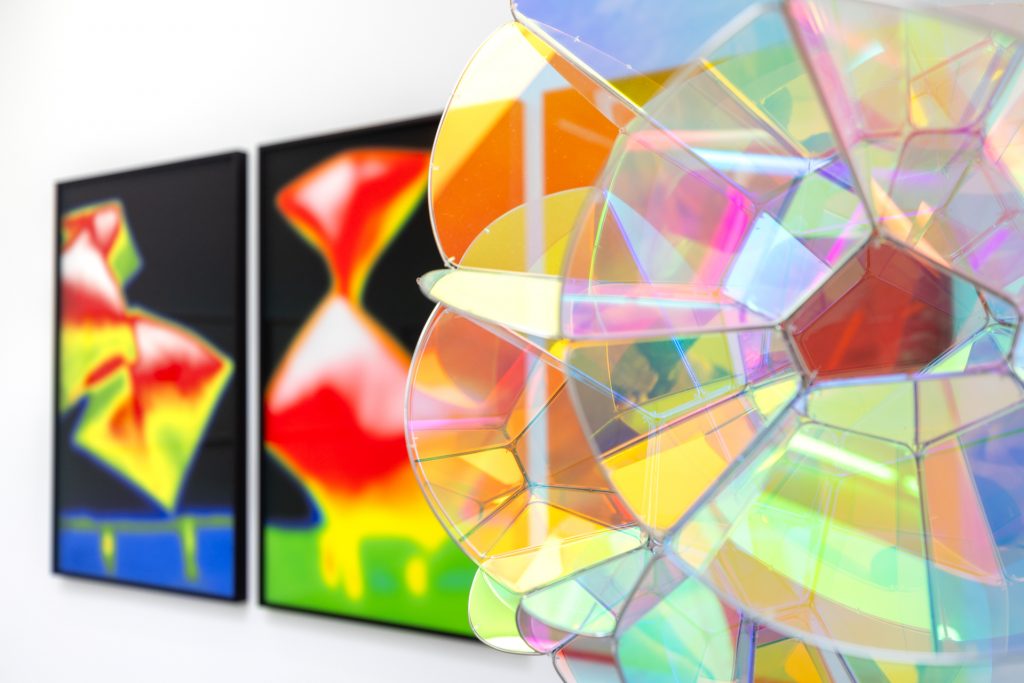
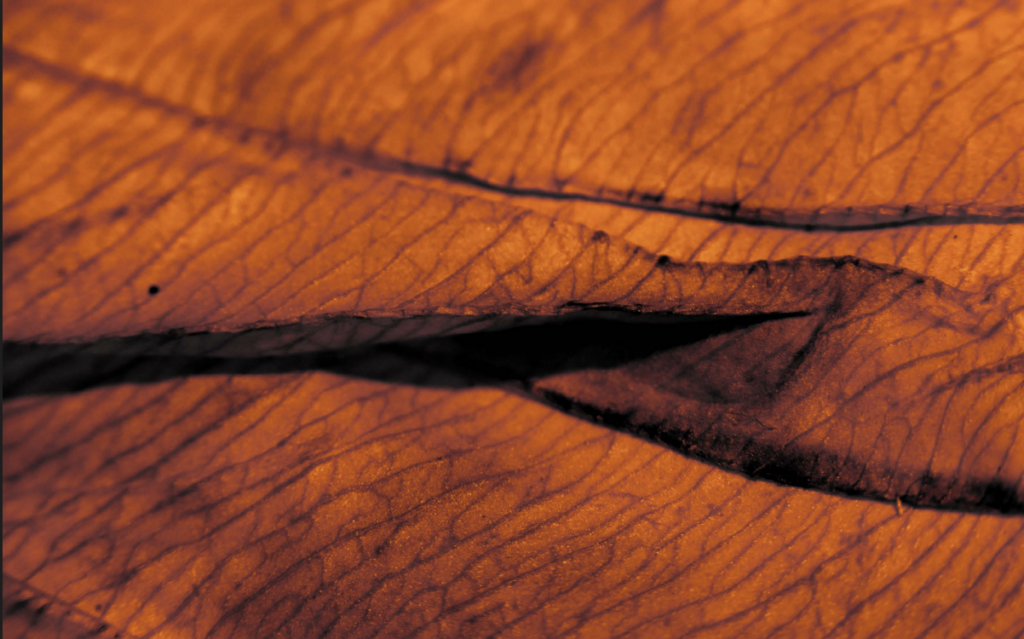
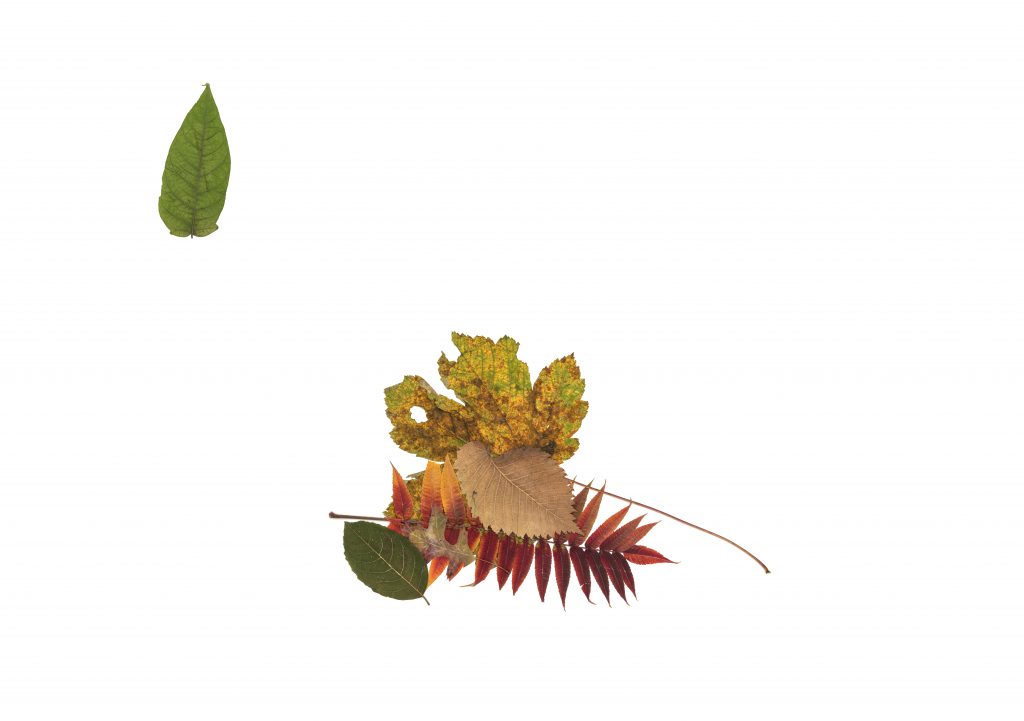
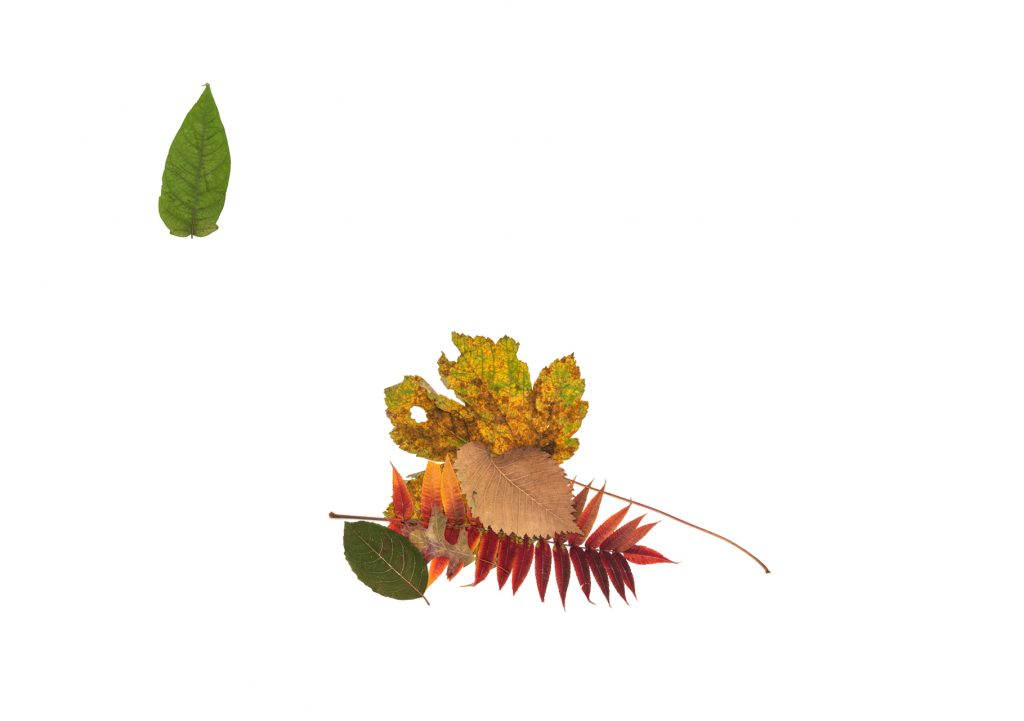
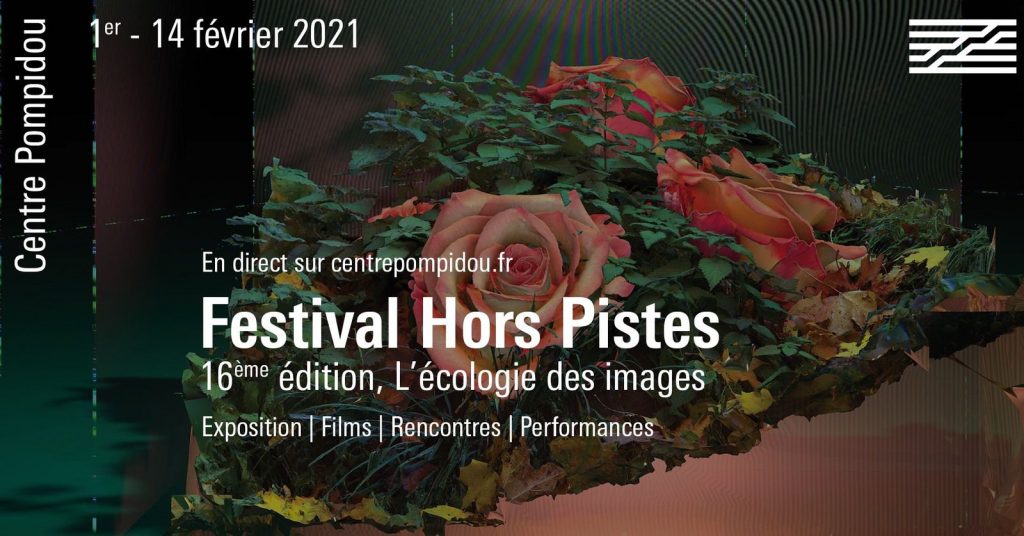
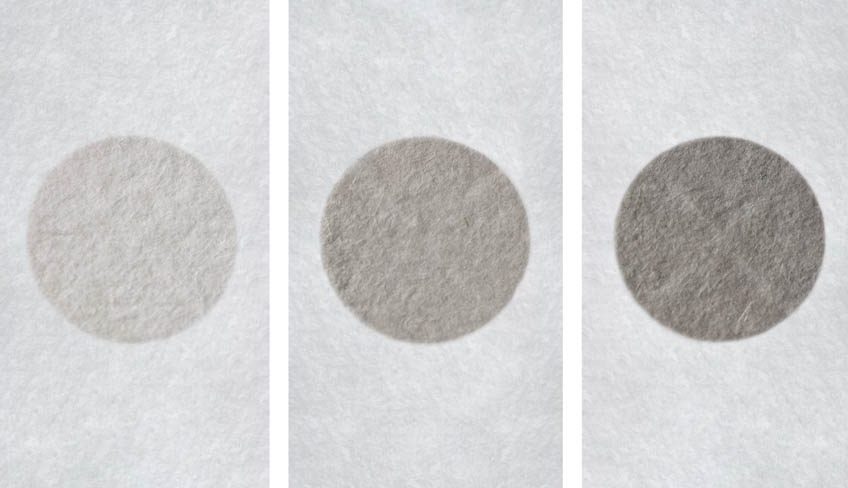
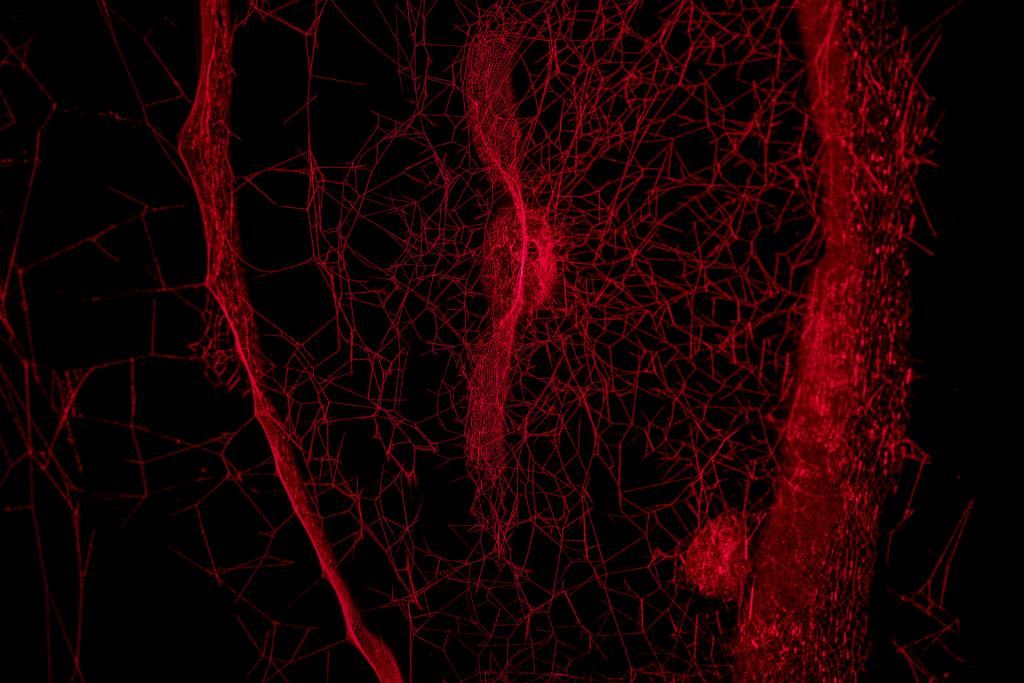
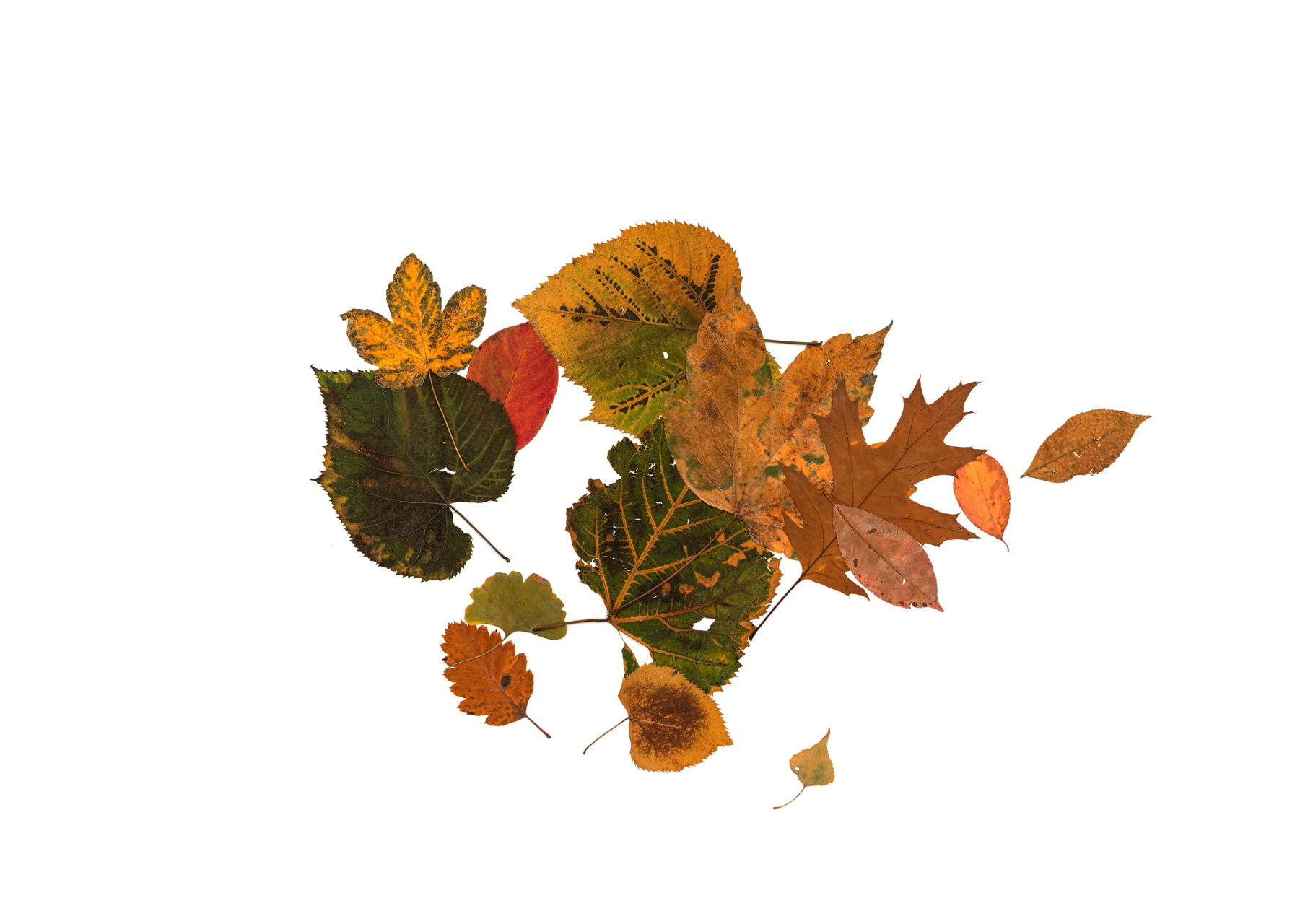
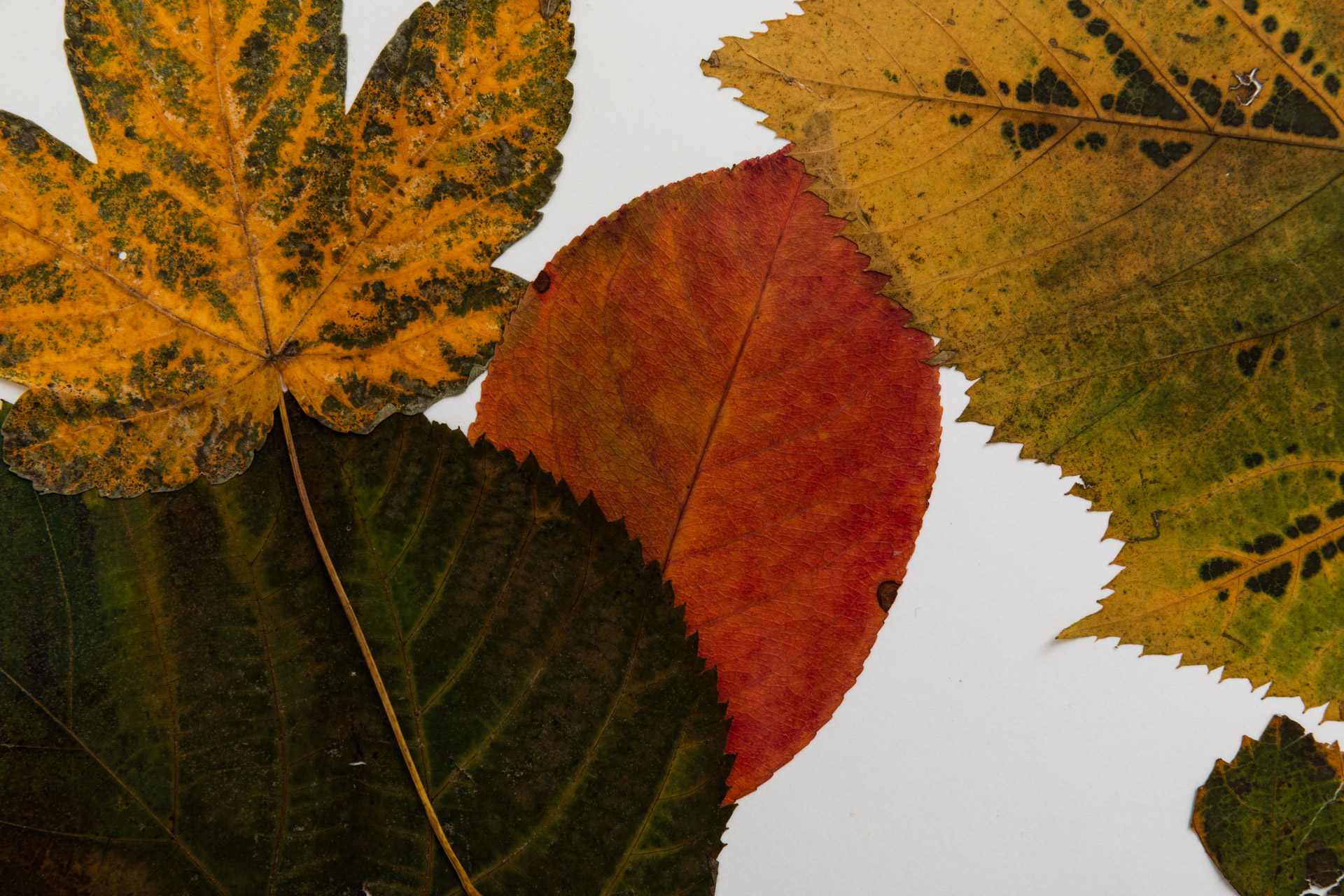
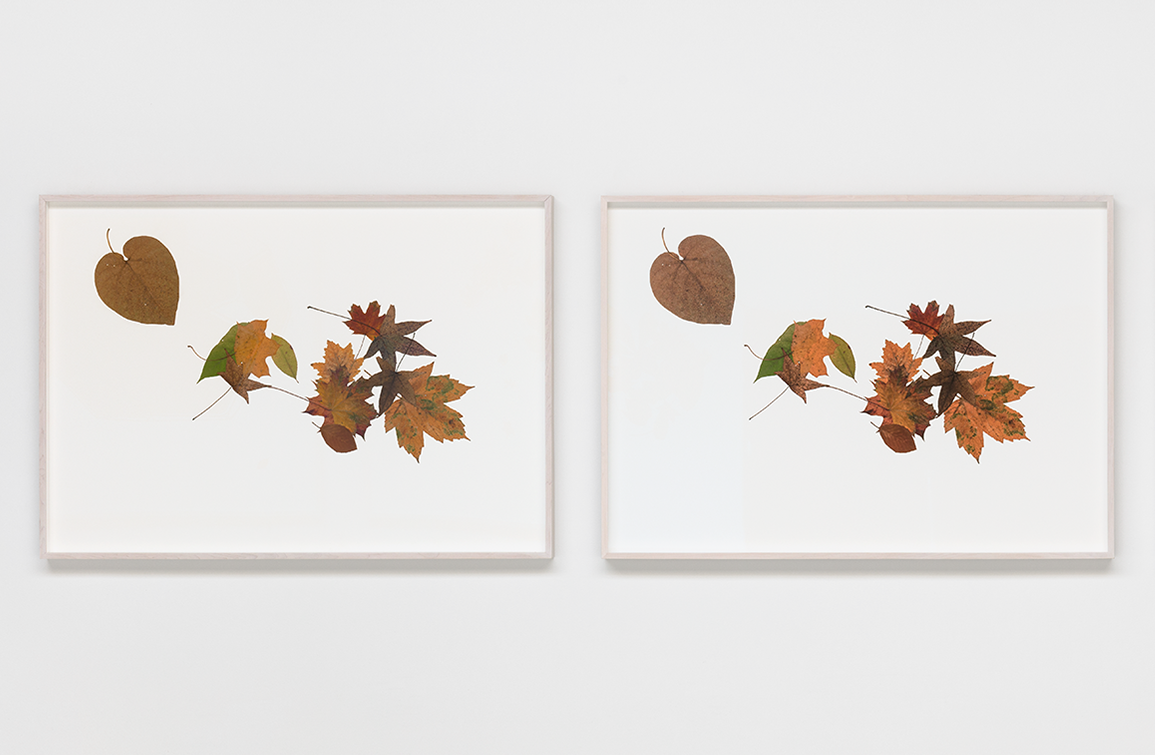
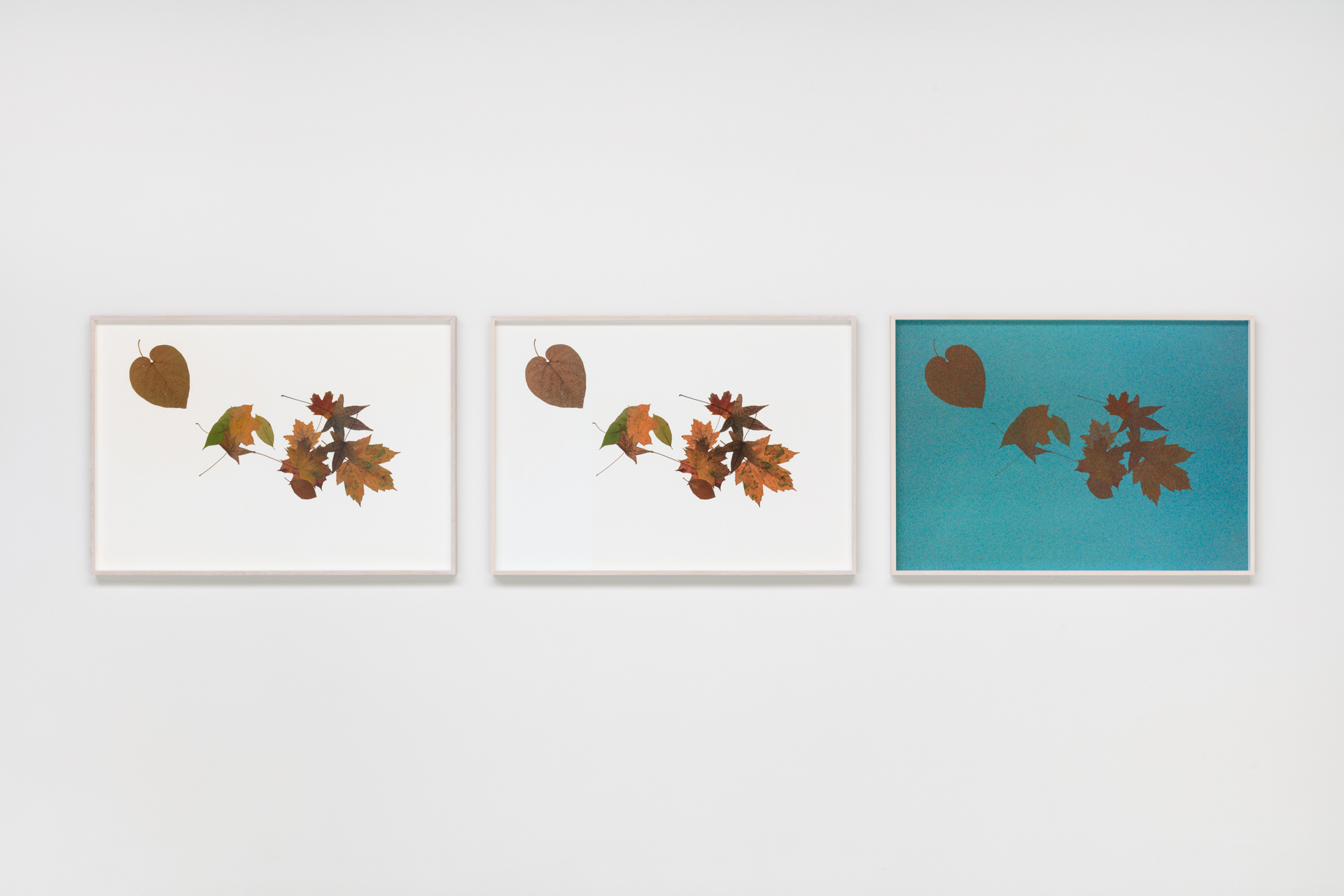
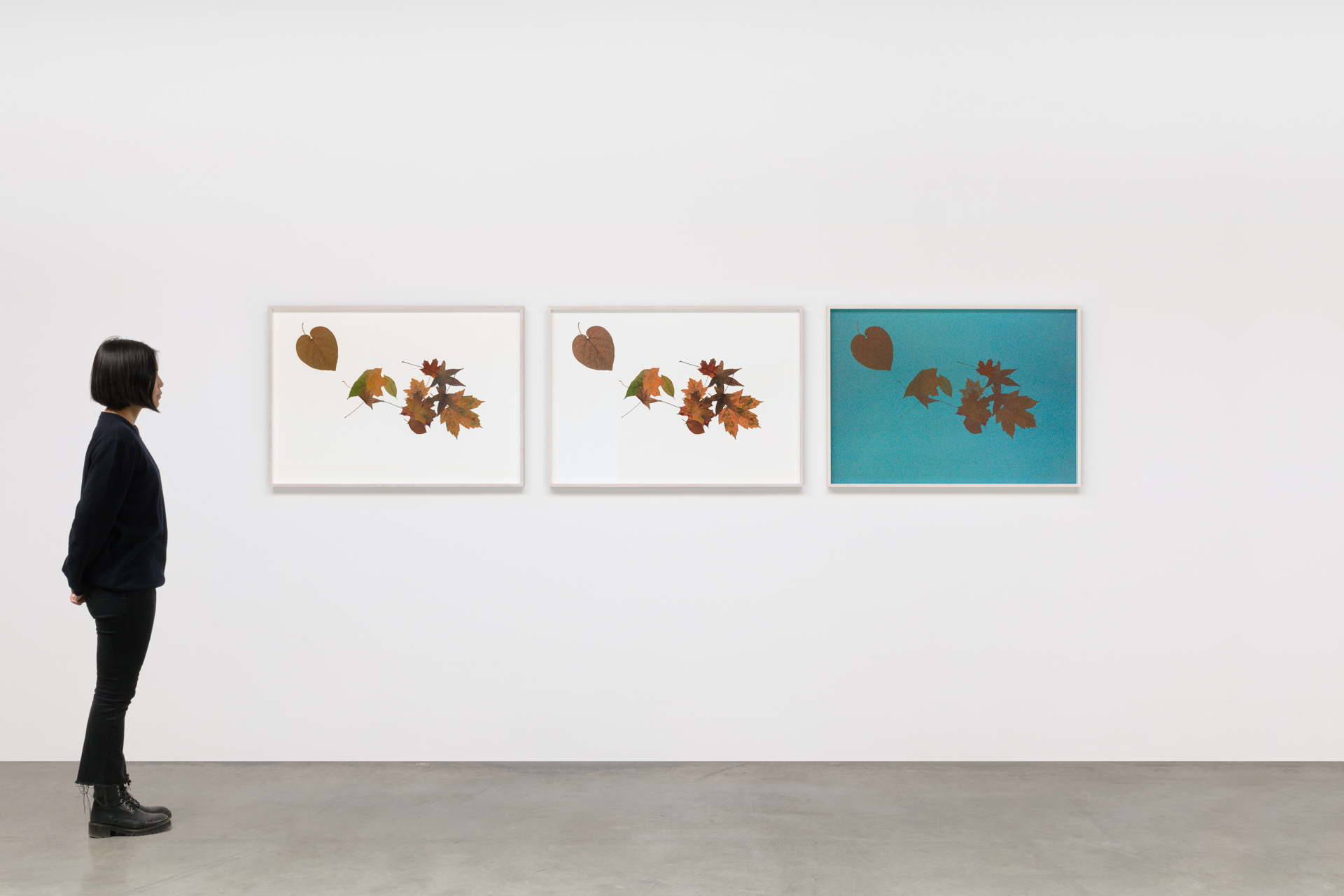
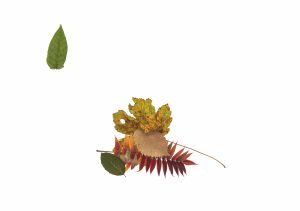
Silent Autumn reflects on the chemical threads that bind the web of life, as well as their continuous transformation. The colours of foliage that compose the artwork place them within the temporality of Earthly seasons. Autumn, the time when they naturally break off from the tree, heralds the approaching winter, when energy accumulates in the underworld of the cold ground, preparing to feed a new cycle of life in the spring. As the colour of leaves wanes, it signals the slow process of disentanglement between the mother plant, capable of photosynthesis, and those organisms with which she had established photosymbiotic threads of relation. Variations in colour materialize the passing of time, the aliveness of matter, the constant process of becoming that pushes all that is towards dissolution and transmutation.
By bringing these chemical ties to the forefront of consciousness, Silent Autumn invites viewers to slow down and attune to the continuous process of composition and decomposition of which they are a part, to the abundance of subtle messages encoded in the language of pigments. Variations in the composition’s shading will be further affected by human action, as the type of light to which the artwork is exposed will affect its pigmentation. What do these colours reveal? How might the hues of our world altered in the Anthropocene, carrying, as Rachel Carson so powerfully uncovers in Silent Spring, the traces of the Earth’s increasing toxification? Can practices of careful attention affirm plants’ creative agency, the world-making power of their existence in time?
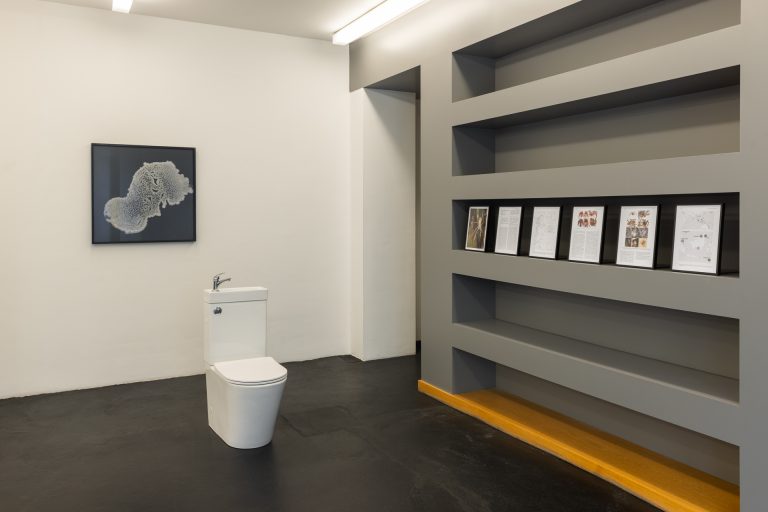
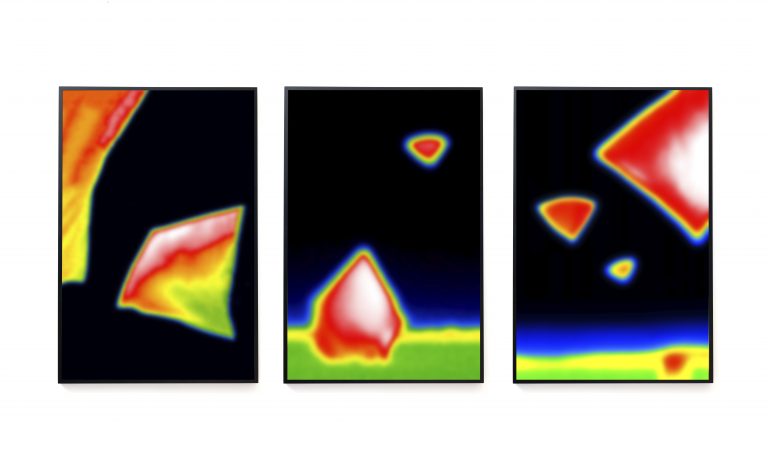
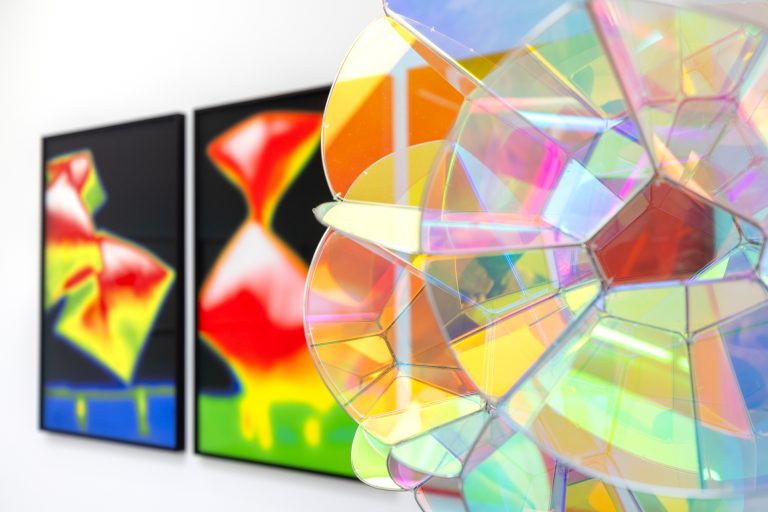
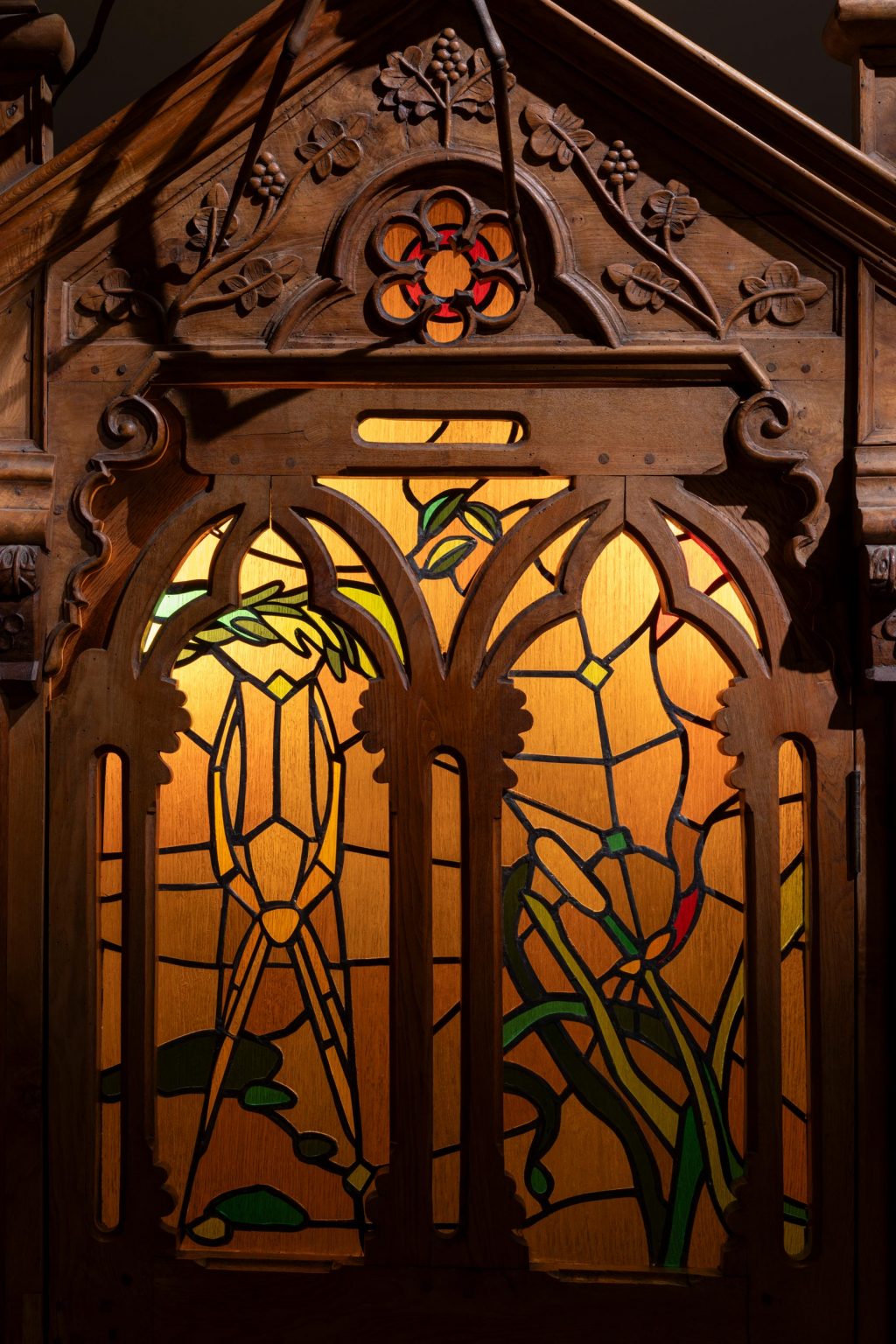
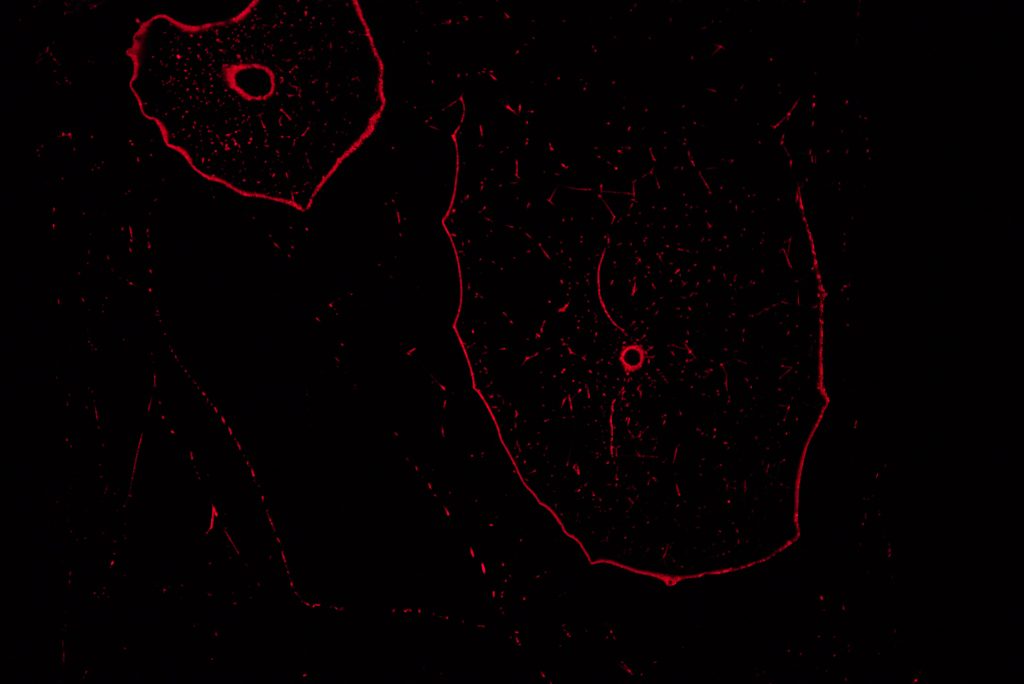
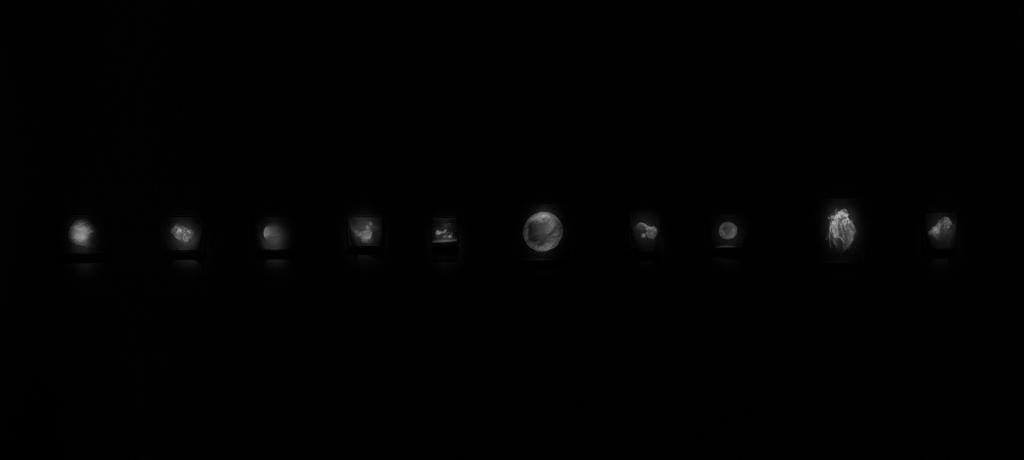
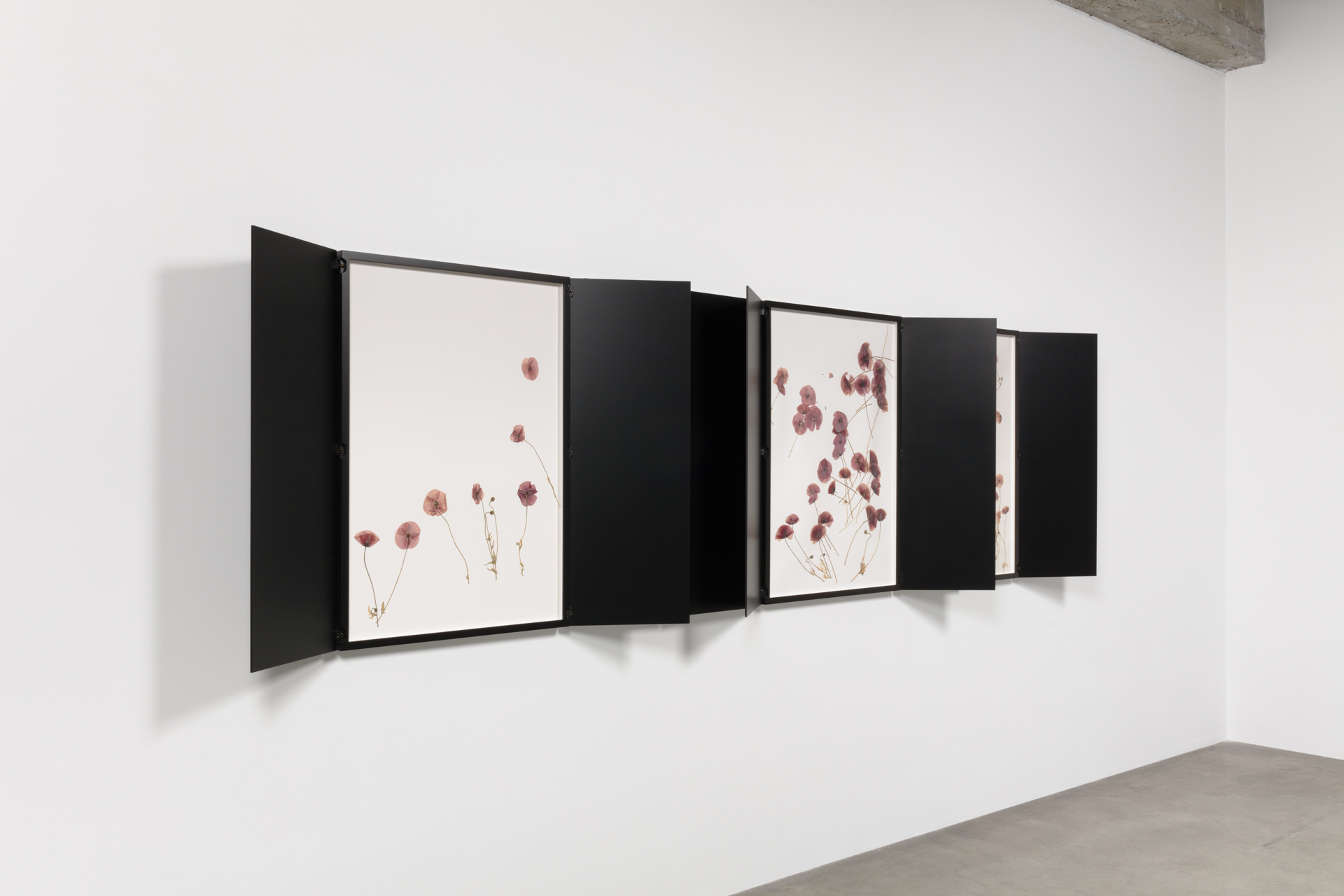
Silent Spring tells the story of those which should have never grown: poppy flowers, collected from the contaminated soil that surrounds the artist’s studio in Berlin-Rummelsburg and pressed behind glass, are taken as a material witness to the building’s former resident and their malignant impressions left upon its land. Behind the delicate composition is an insidious underworld: the flower’s pigmentation is the yield of past poisoning, their arrangement a by-product of accidental innovation, their foliage a poetic trace of historic debris. Framed behind shutters, visitors are invited to observe and re-observe the artwork across its own autonomous narration of nature’s overlooked mutability.
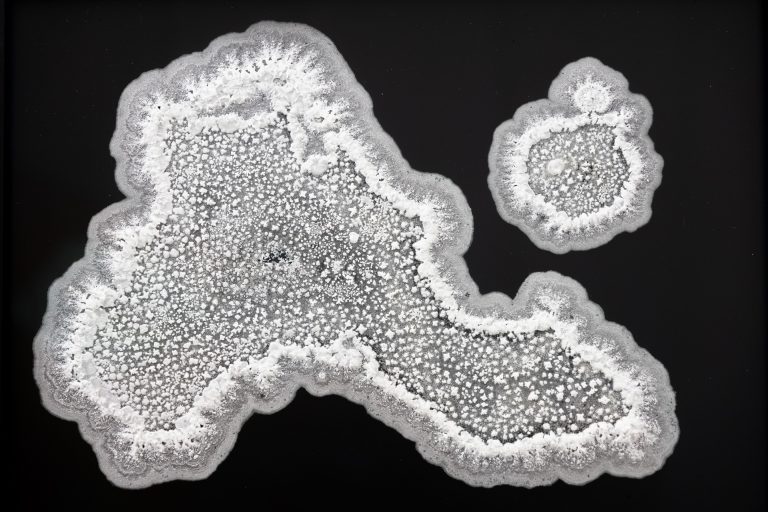
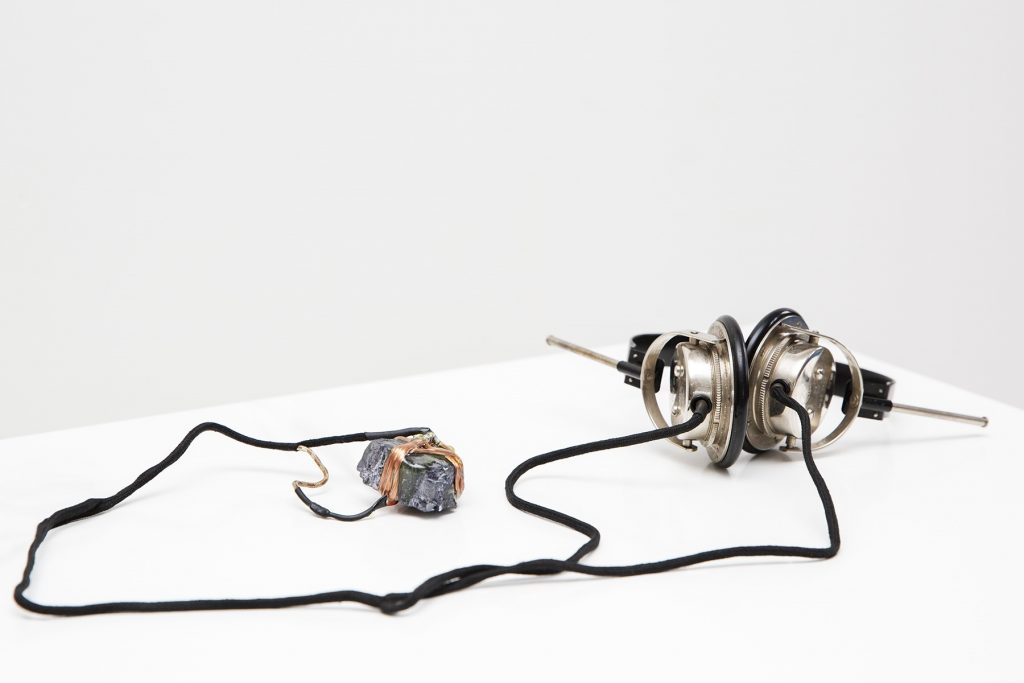
In its years as a manufacturer of dyestuffs, Agfa had attempted to faithfully reproduce pigments of nature, most notably in 1878 when it first invented the dye Malachitgrün (Malachite green), named after the mineral of nature that bore a similarly intense hue. What would become the company’s most successful colour was used as a dye on silk, wool, leather and paper, but found further application more controversially as an antimicrobial ‘medication’ for fish in the aquaculture industry. As other pigments produced by Agfa were similarly derived, its fuchsin and gentian violet dyes had been named after flowering plants, nature was inadvertently woven into the processes of patenting and commodification of colour. However, Agfa’s quest for natural truths was already tainted by industrial falsehood: residual chemicals from each pigment’s production would be deposited into the factory’s nearby river Spree, contaminating adjacent soils and forever altering the colour of its nature after.
Years later, Agfa would enter the market of photochemical products, most successfully through the production of dry plates and photographic films. Their history as producers of the photographic process—symbolic as the exposing of light through the medium of film—is refracted critically by Tomás Saraceno today, as the flowers that compose the artwork are refigured as the direct interlocutors of light’s transformative potential. Choosing not to halt that process of exposure, the flowers will continue to ‘grow’ in their narration throughout their presentation.
In Silent Spring, a history of waste and its geographies of disposal are woven into the capitolocentric narrative of supply and demand. Against environmental injustices, historic and present-day, these material witnesses whose colour and growth have registered the Earth’s human-made distortion are explicated from a building’s underworld. In a globalized world where rituals and habits have transformed the earth at rhythms of genocide and extinction, where our habits of consumption have reached unbearable levels, the artwork asks: can a poetics of (im)mutability offer us a means to remedy history’s divergent quest for natural truth?
Select exhibitions:
2024 | Widening the Lens: Photography, Ecology, and the Contemporary Landscape, Carnegie Museum. Pittsburgh, PA, USA.
2024 | Life of Webs, Espace Muraille. Geneva, Switzerland.
2022 | Silent Autumn, Tanya Bonakdar Gallery. New York, USA.
...