

























...

























































tomás saracenoi
01.11 – 20.12.2025
neugerriemschneider, Berlin, Germany
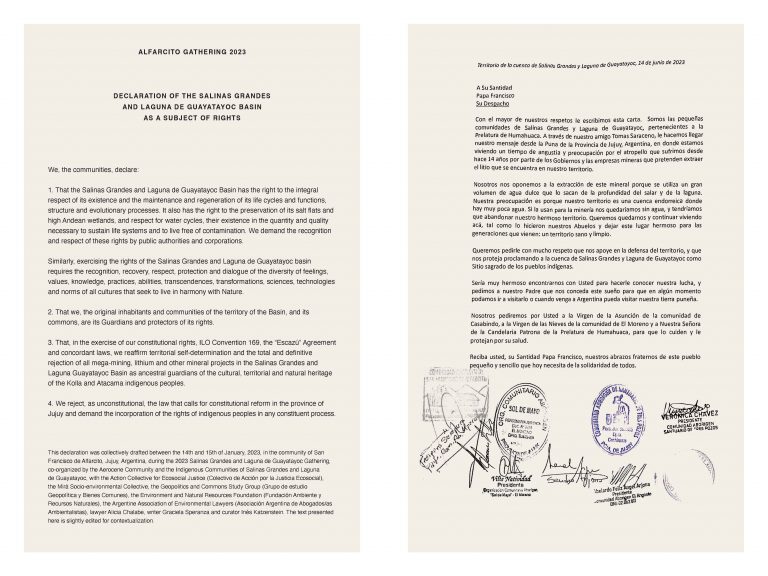
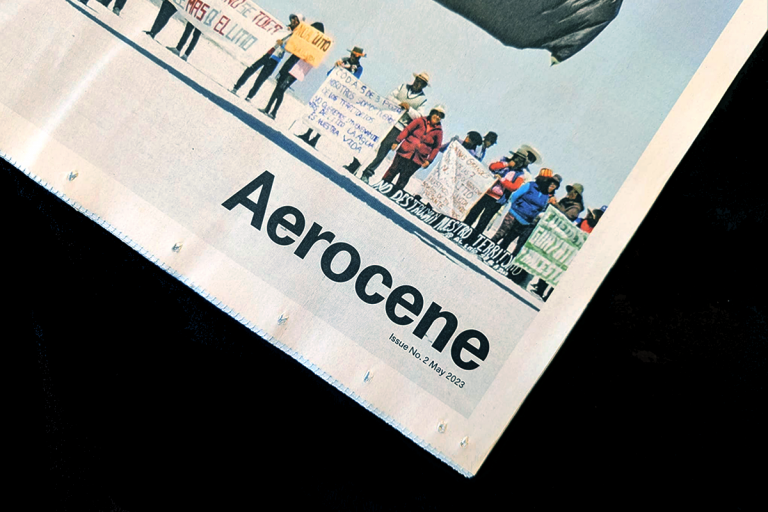
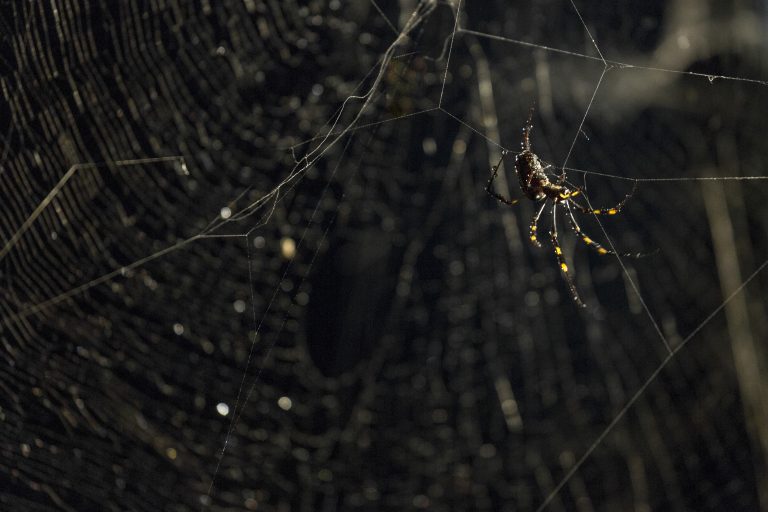
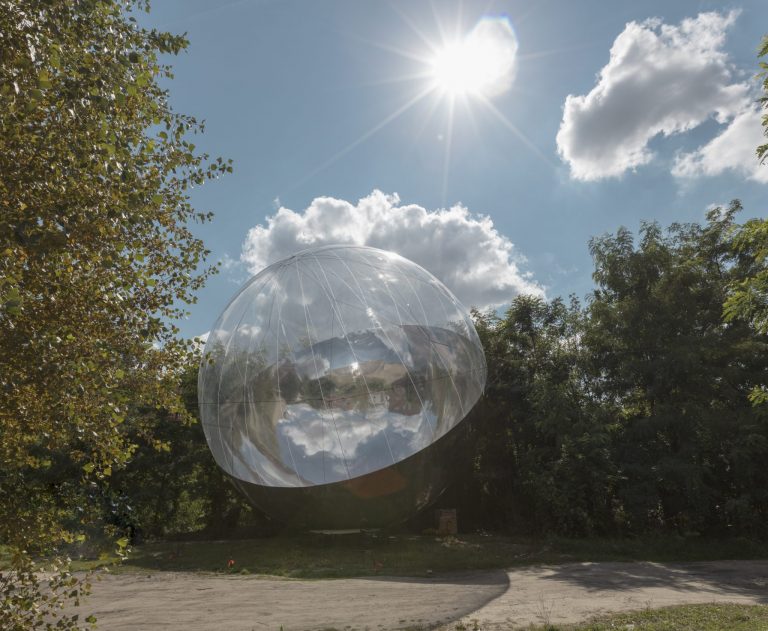
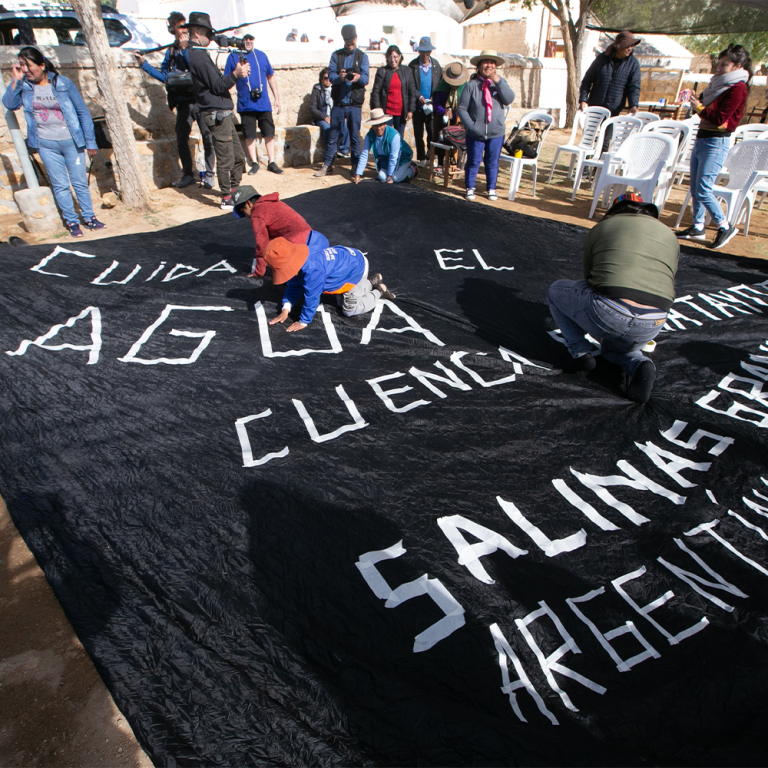
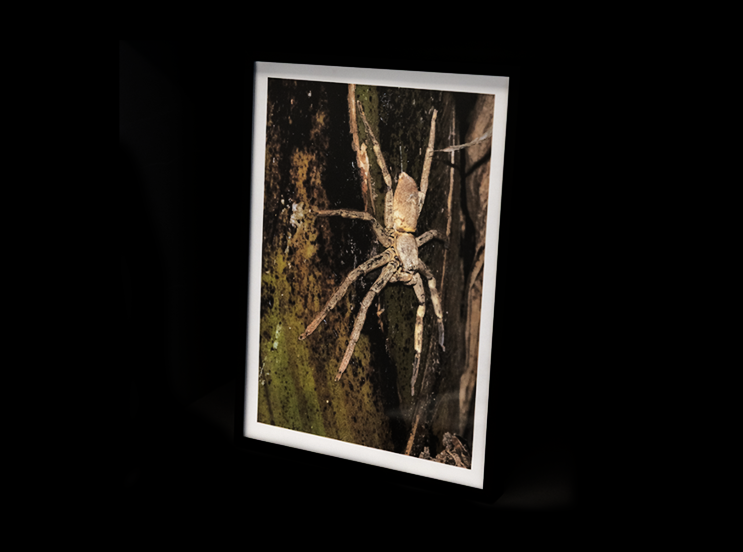
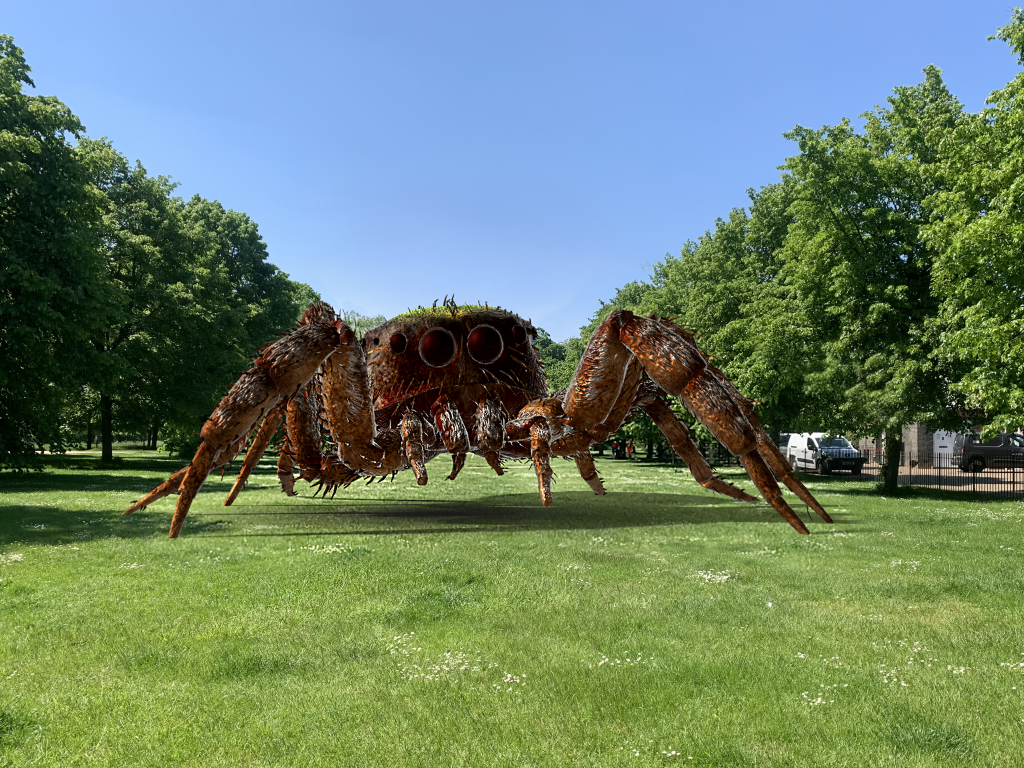
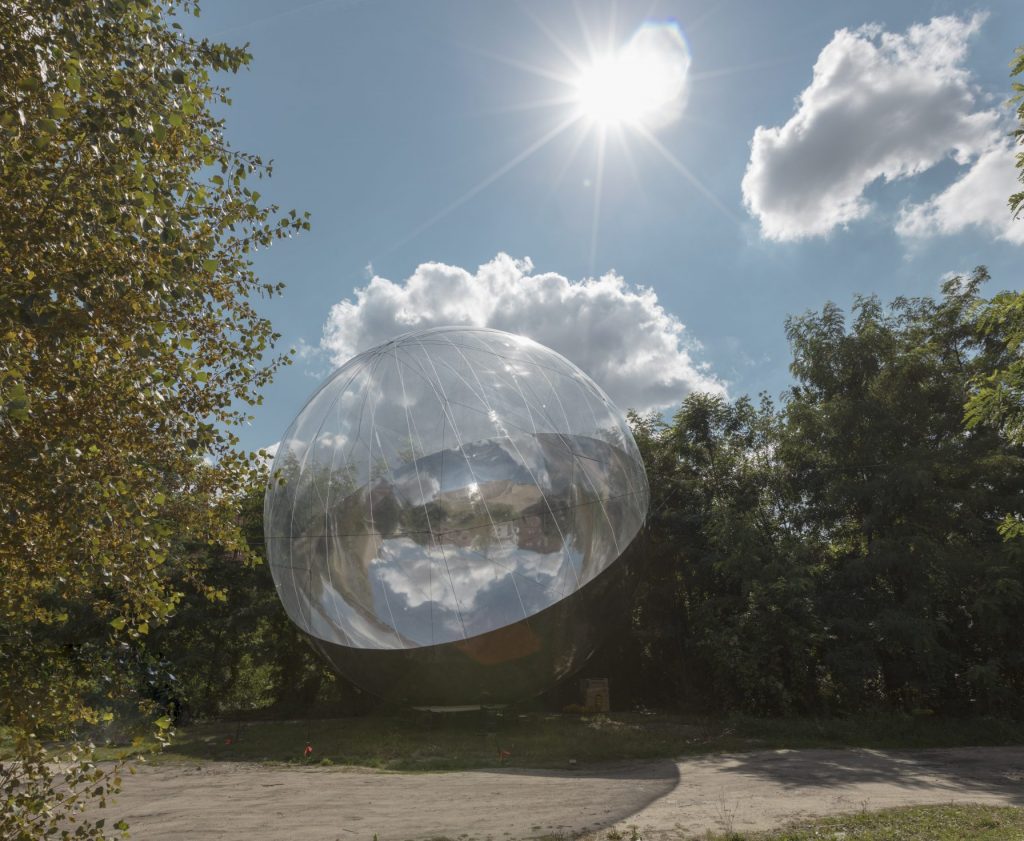
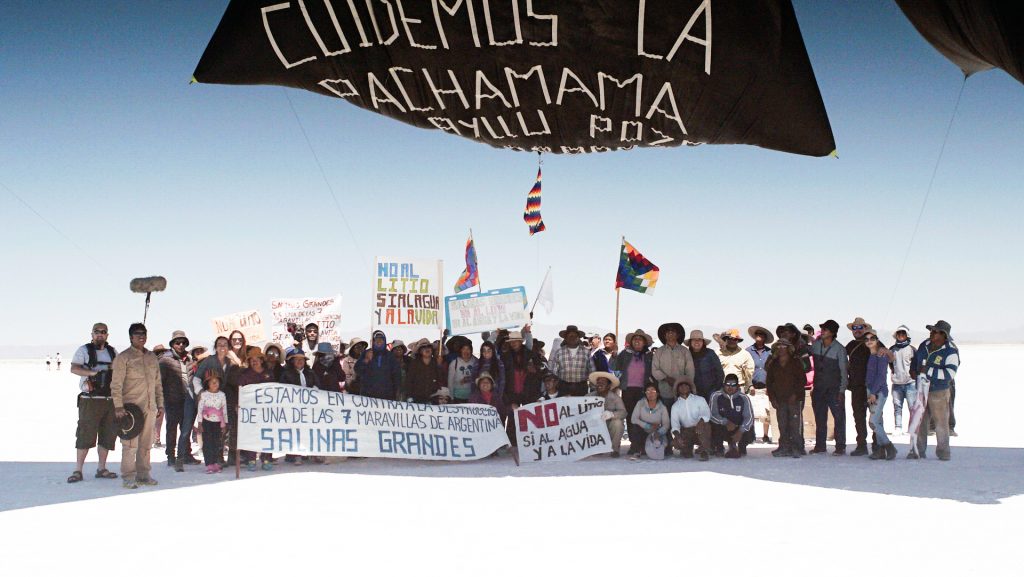
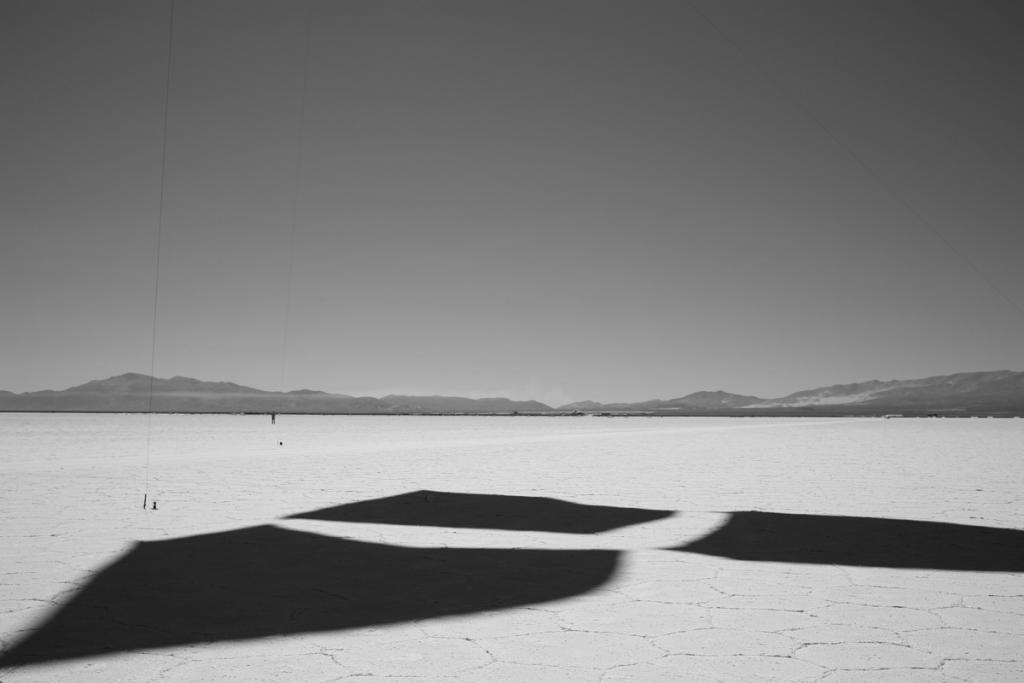
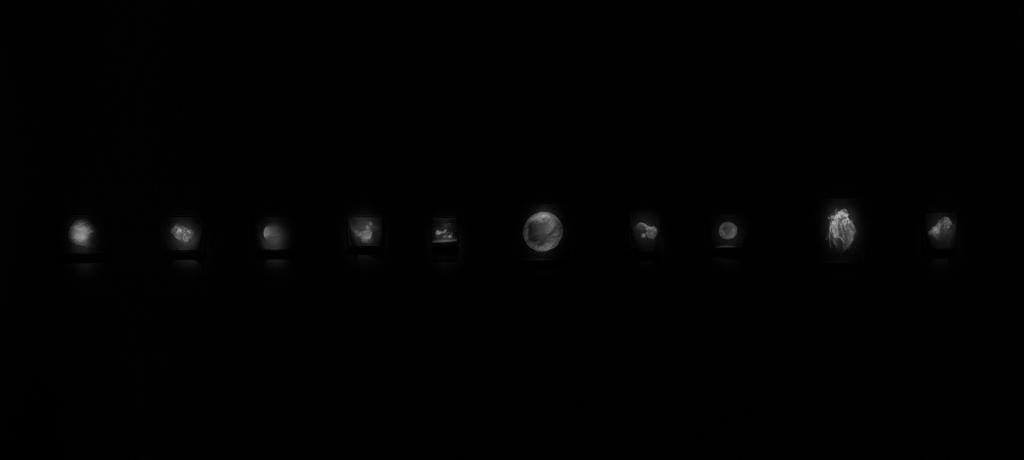
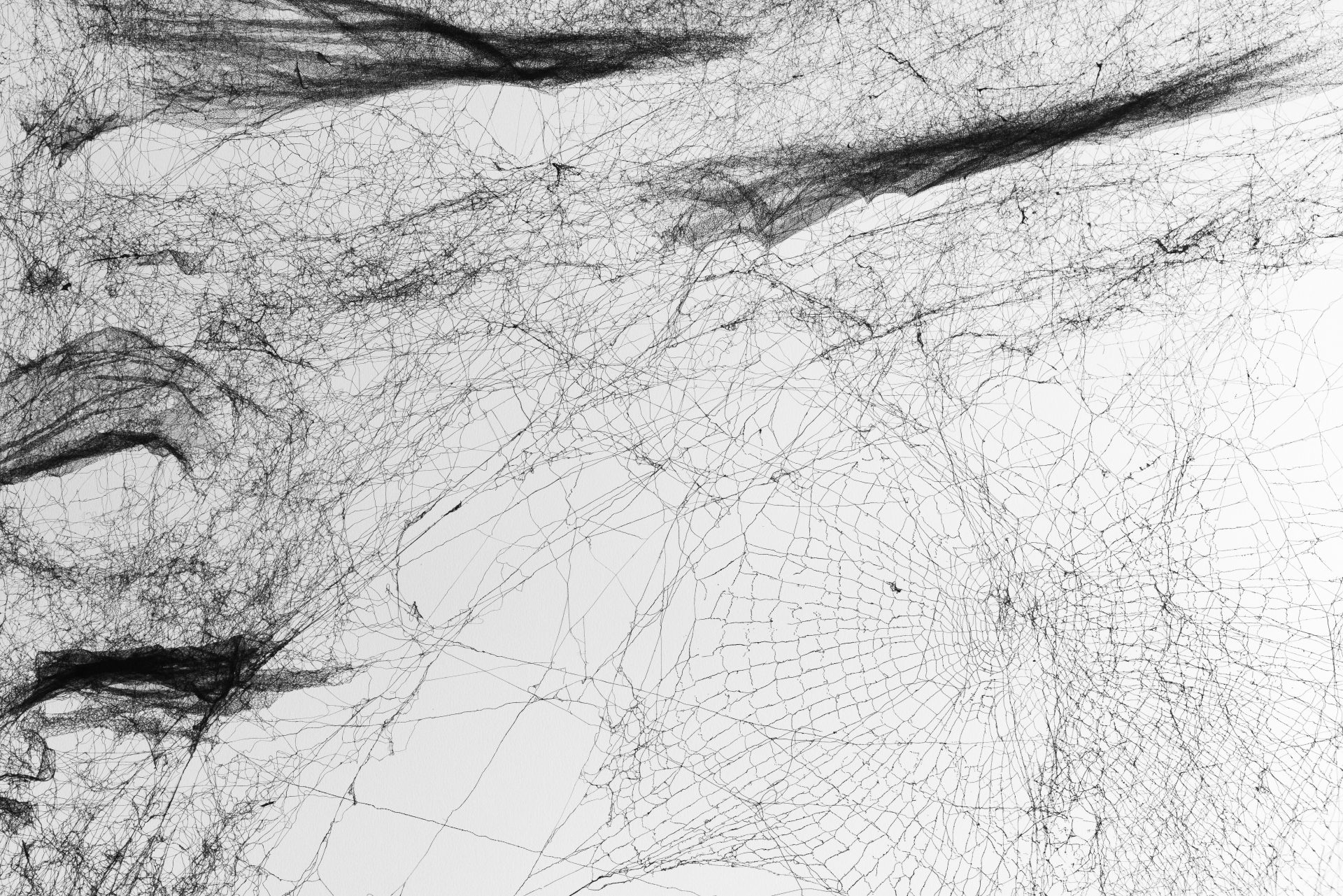
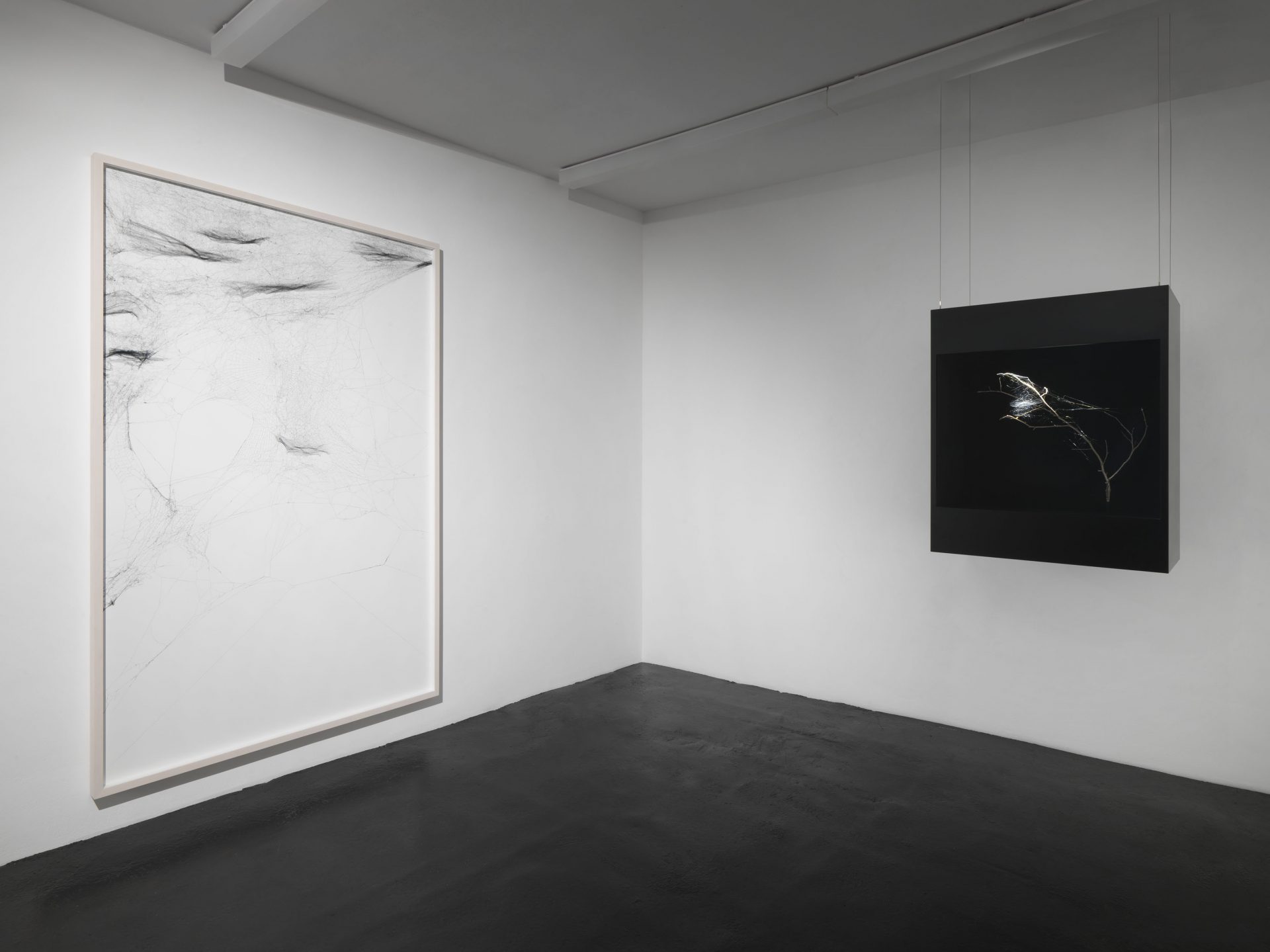
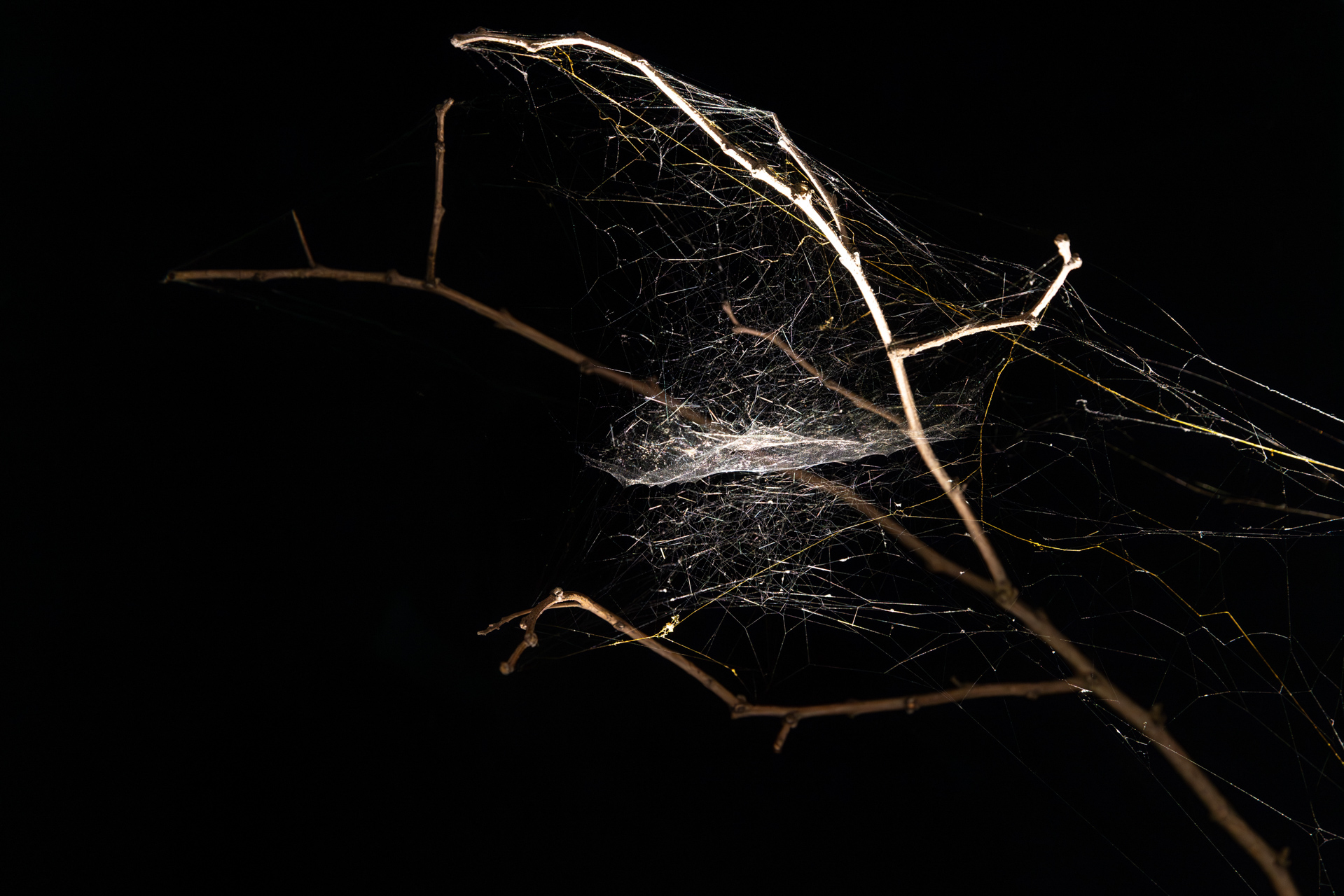
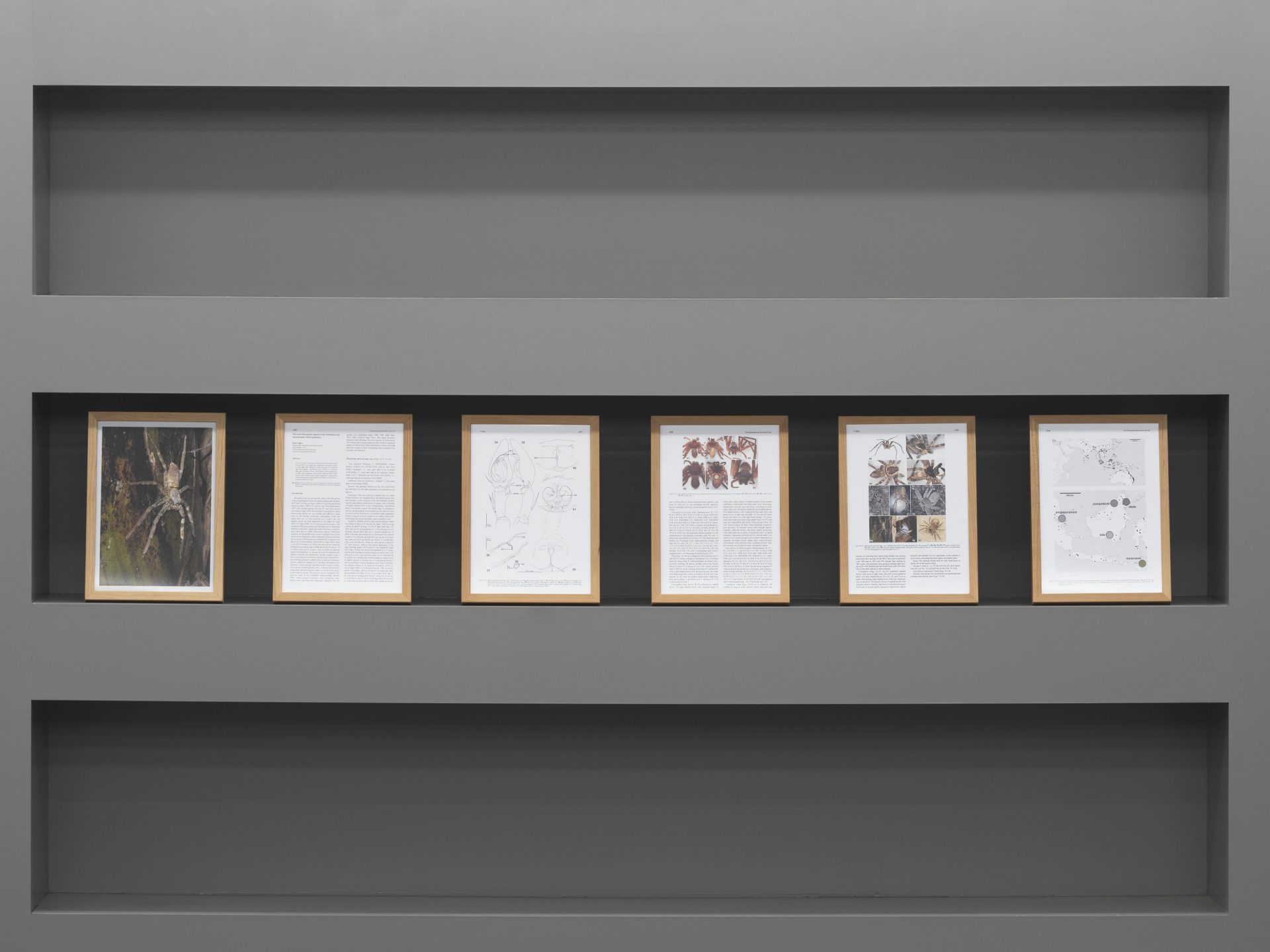
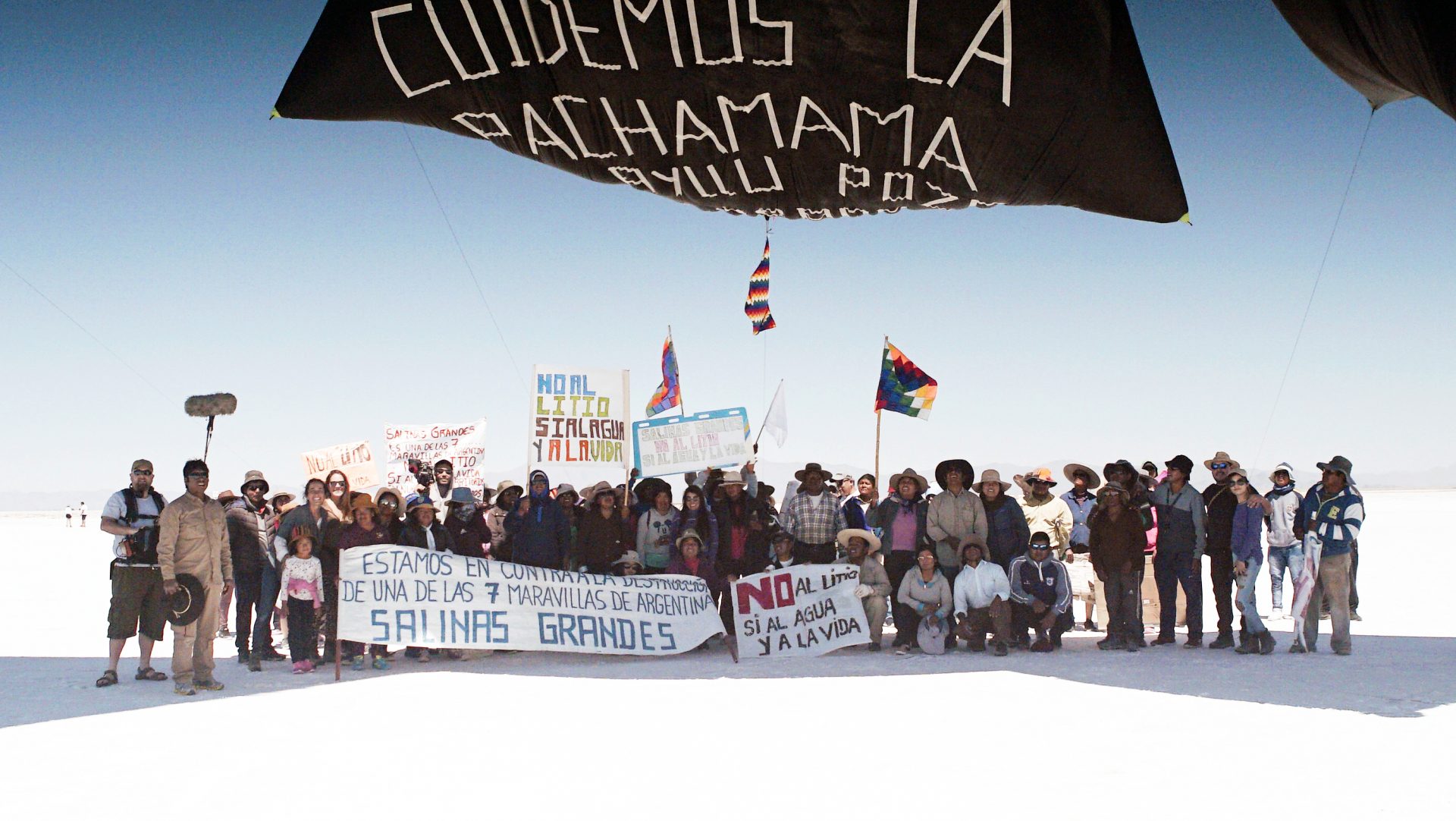
Tomás Saraceno’s second solo exhibition with neugerriemschneider, tomás saracenoi, staged in anticipation of his 2026 show at Haus der Kunst, Munich, centers on cycles of water as they become both material and metaphor. This exhibition, the title of which draws upon Heteropoda saracenoi, a spider newly named after the artist by arachnologist Peter Jäger, is rooted in Saraceno’s long-standing collaborations with the Indigenous communities of Salinas Grandes and Laguna de Guayatayoc in northern Argentina. The water that emerges on the region’s salt plains acts as both teacher and contested resource for these communities, as the exploitative practices of companies purporting to provide environmentally friendly energy not only drain water, but also threaten ancestral knowledge and lived memory. These concerns flow into Saraceno’s exhibition, crucially shaping the works on view.
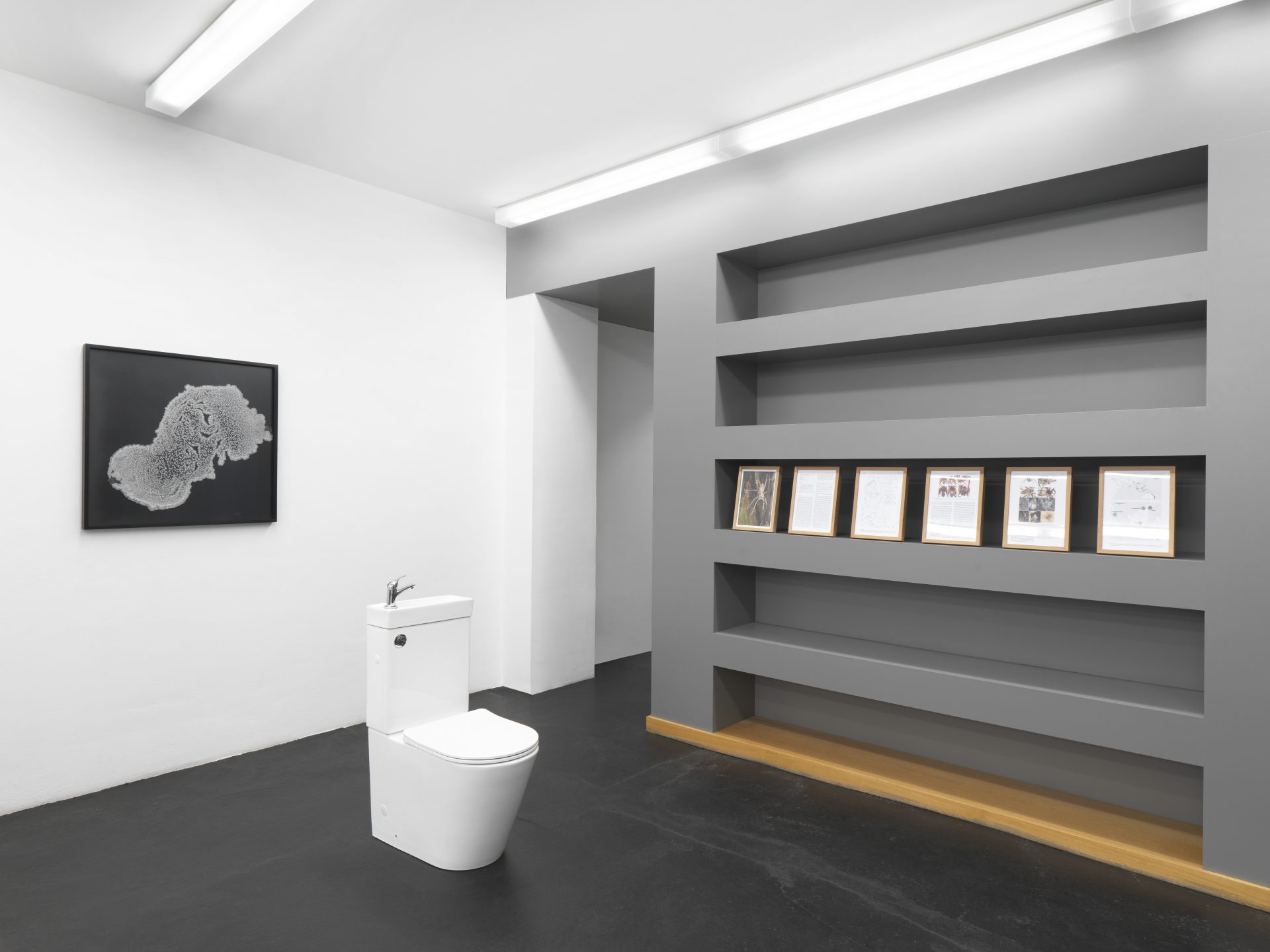

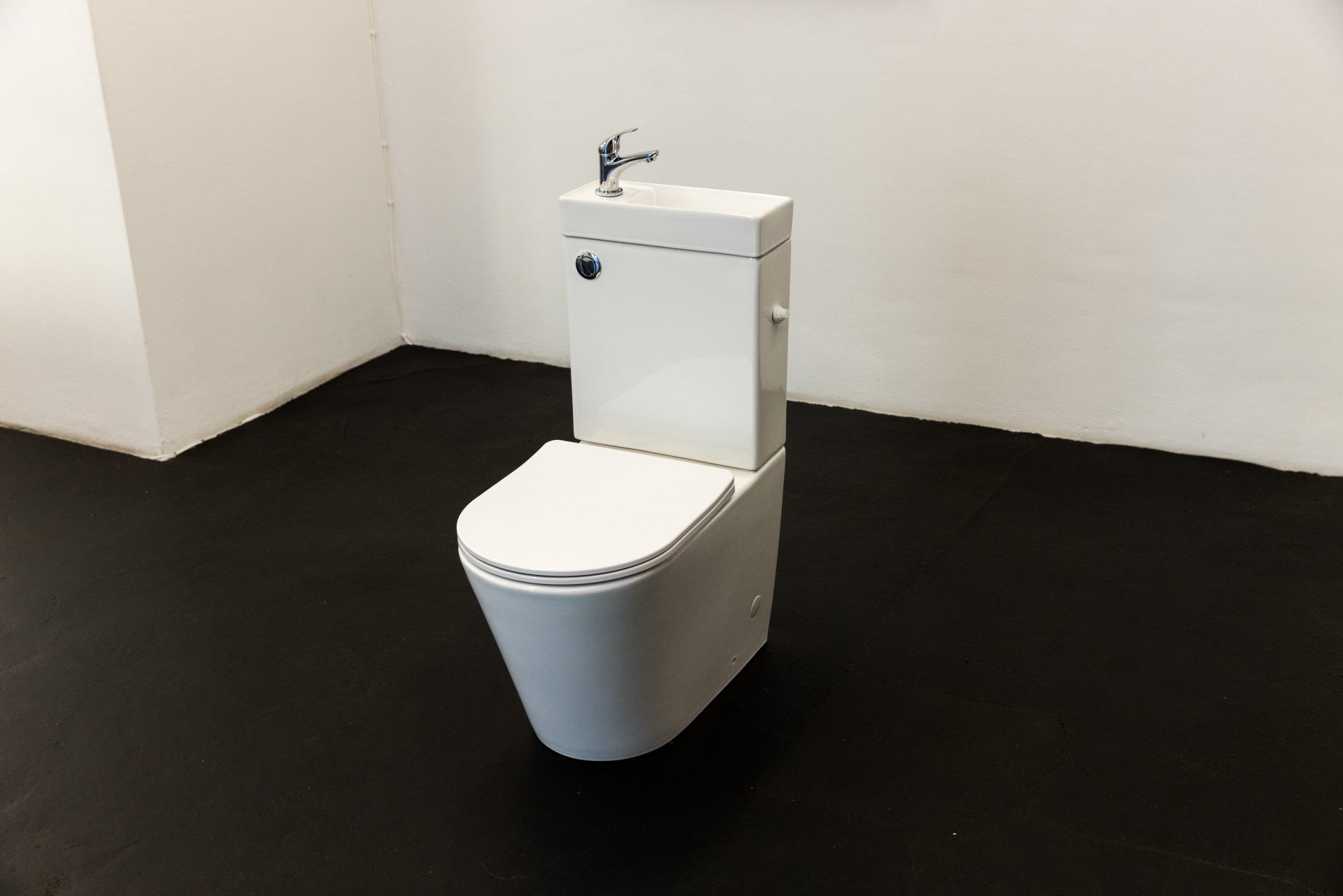

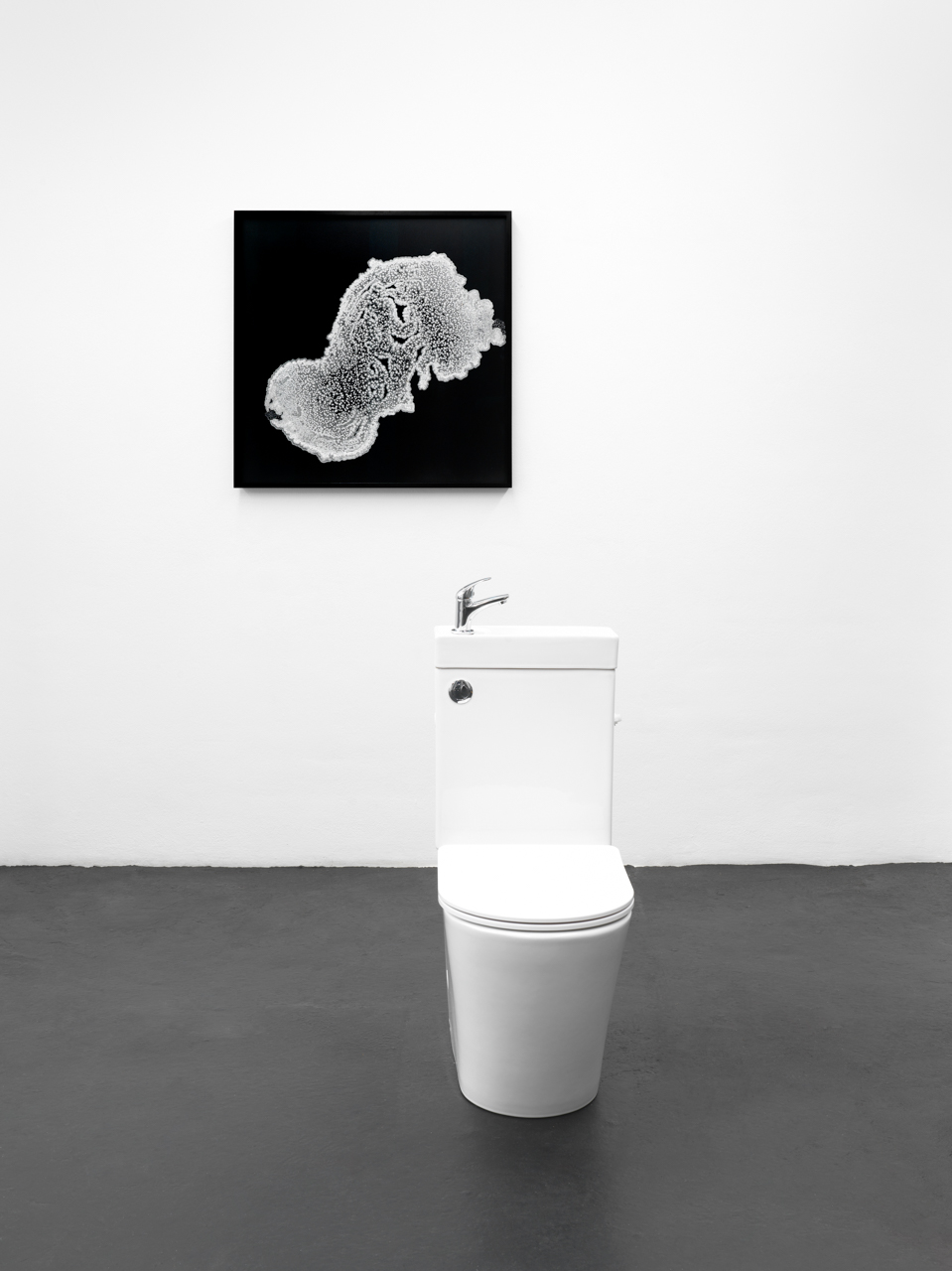
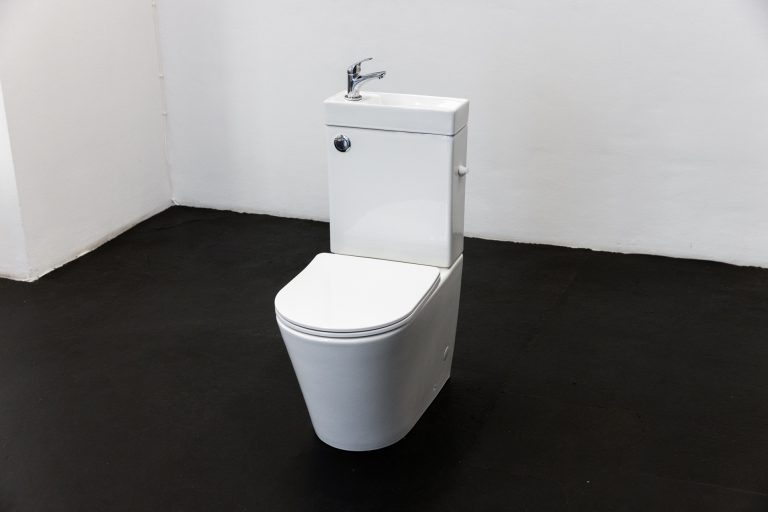
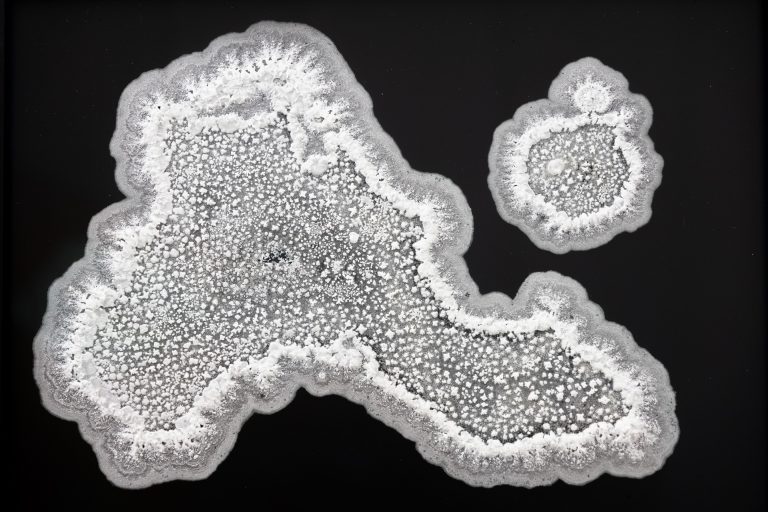
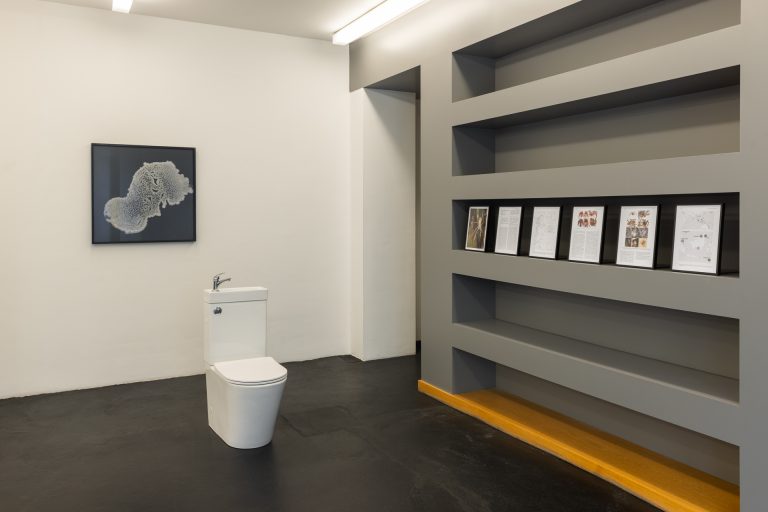
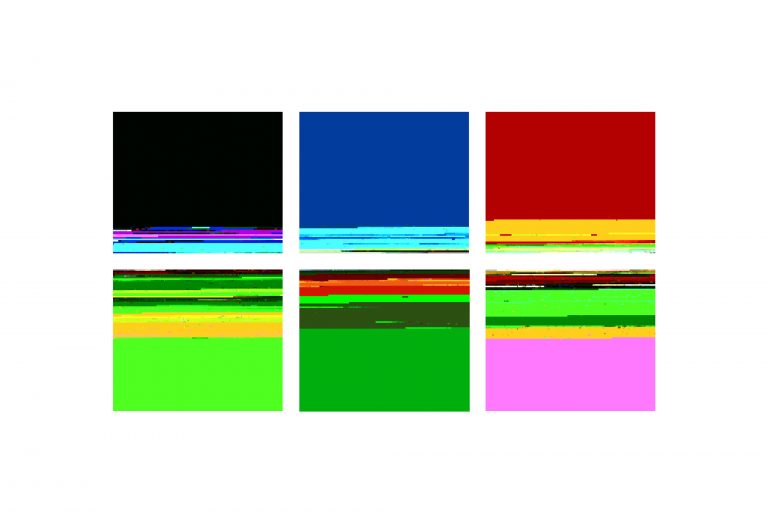
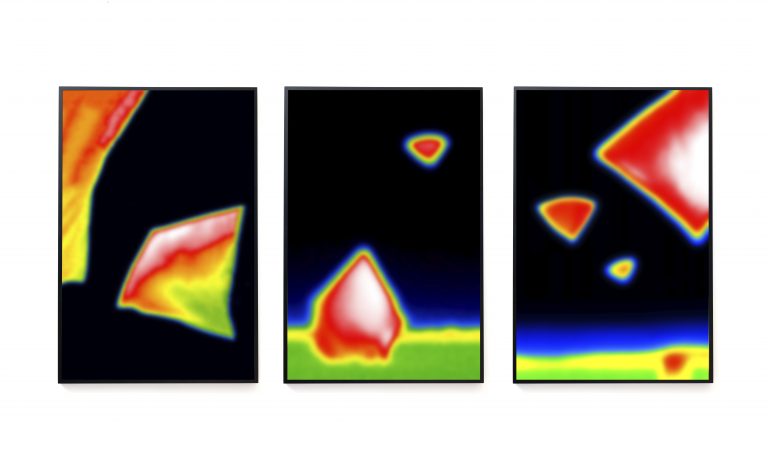
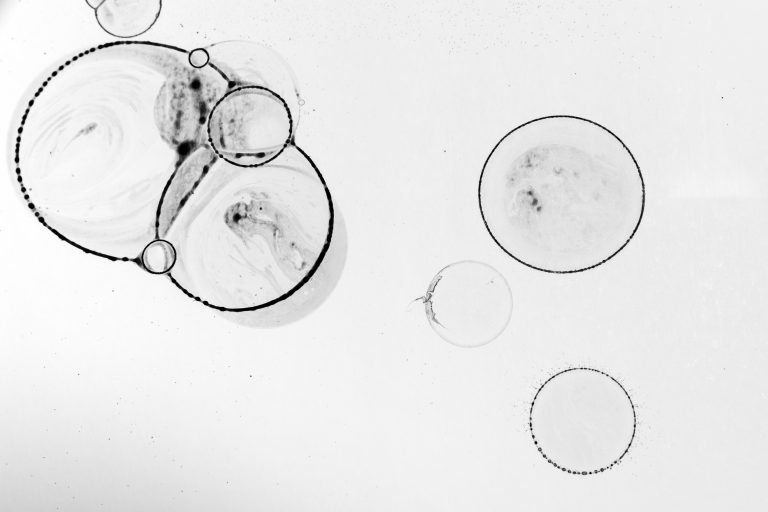
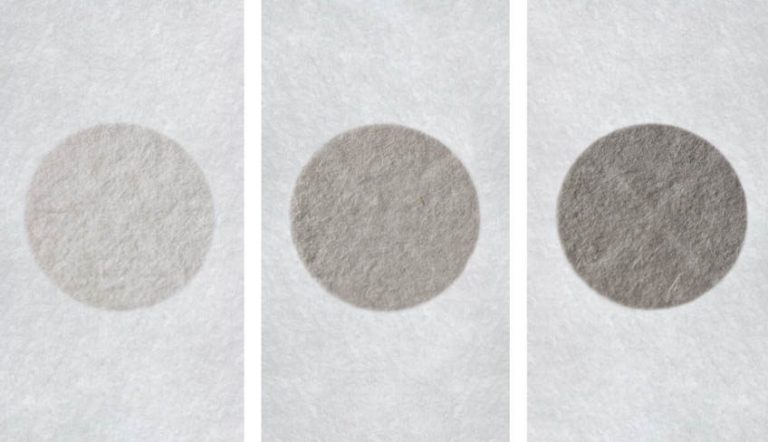
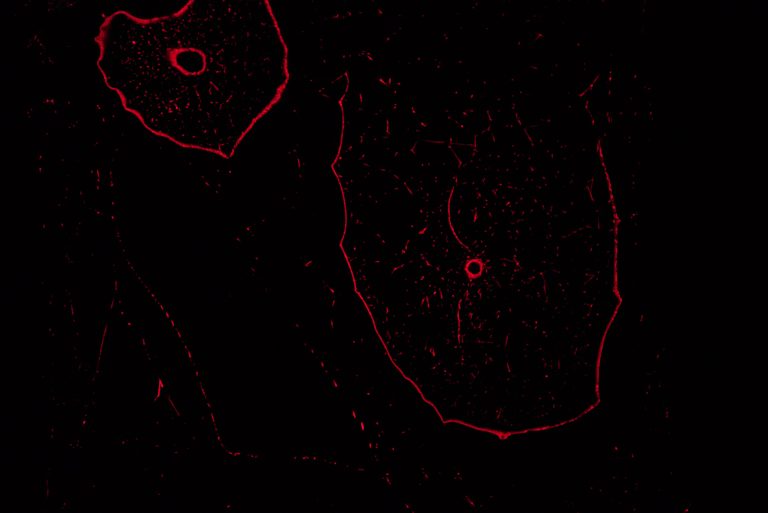
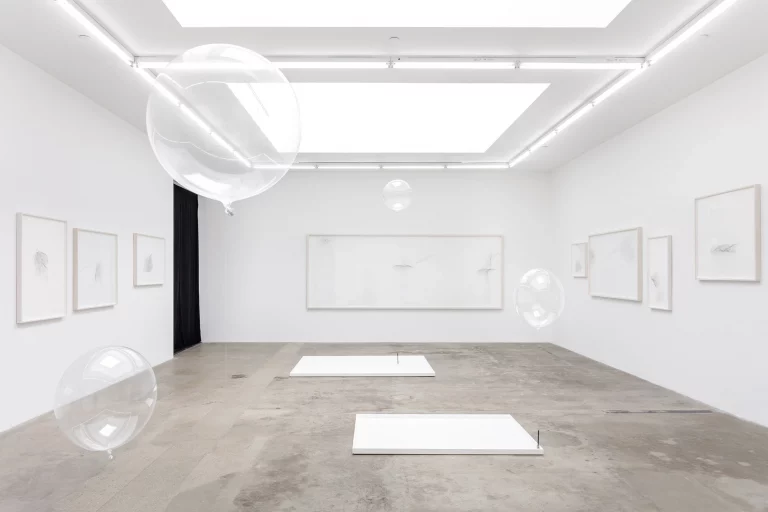
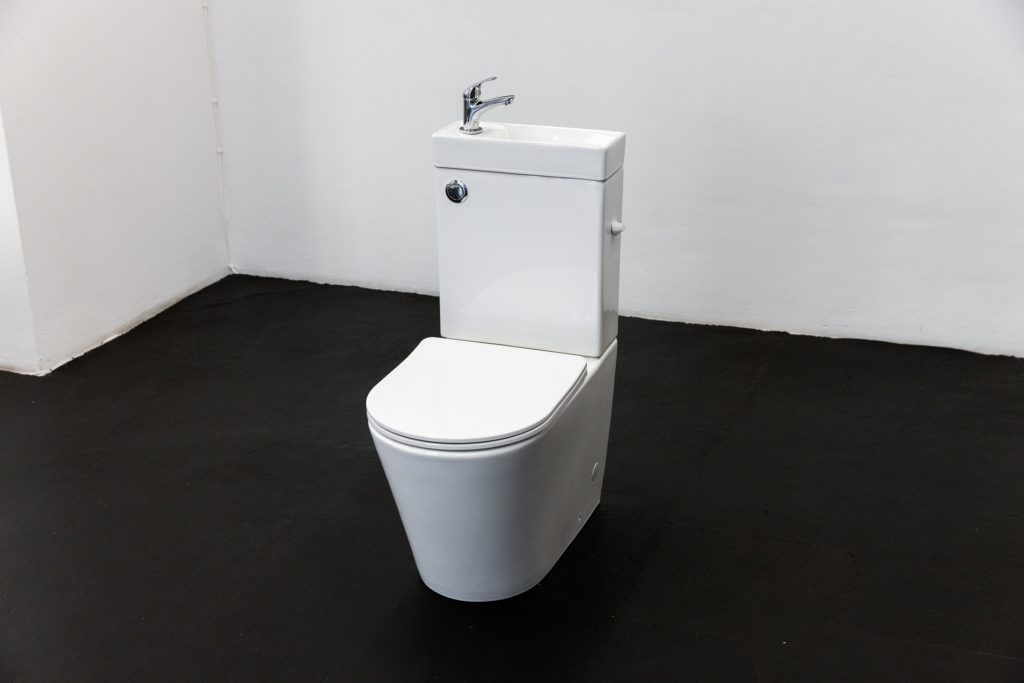
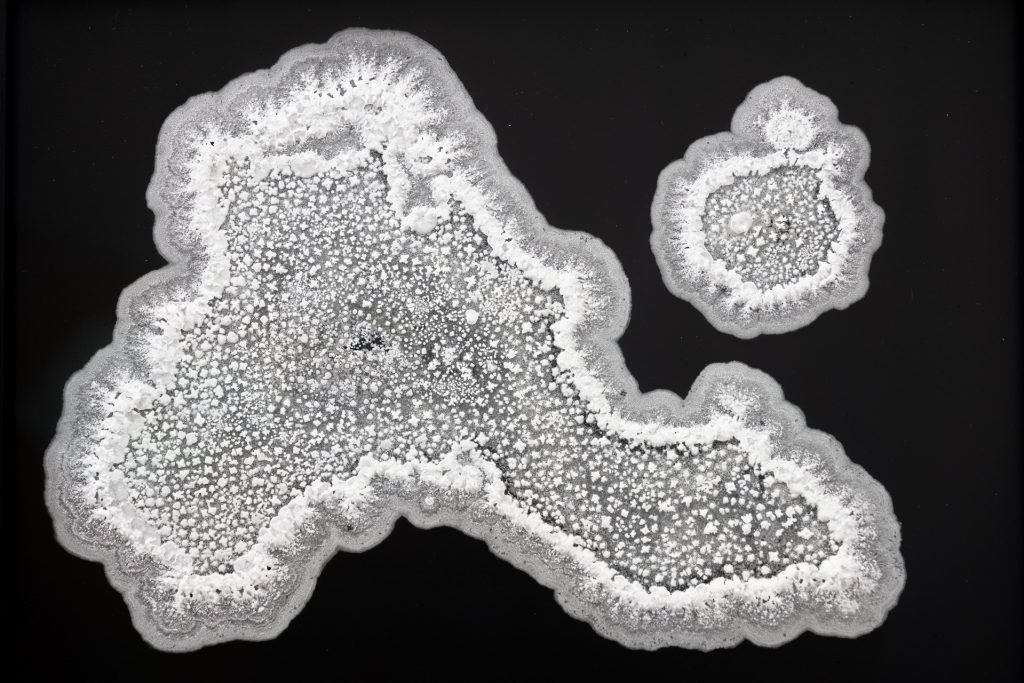
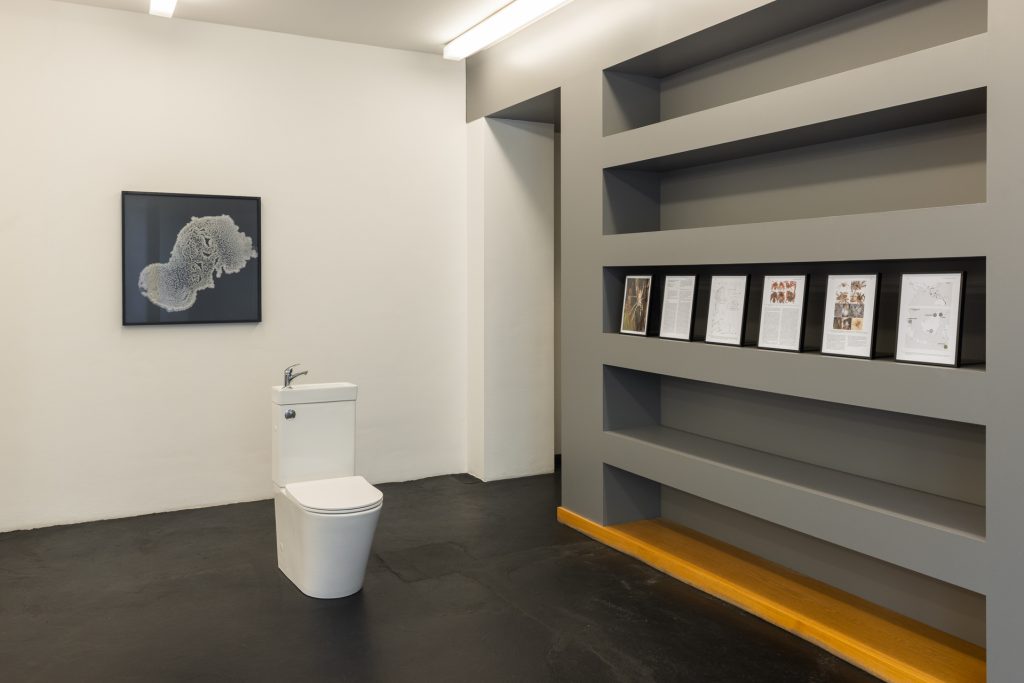
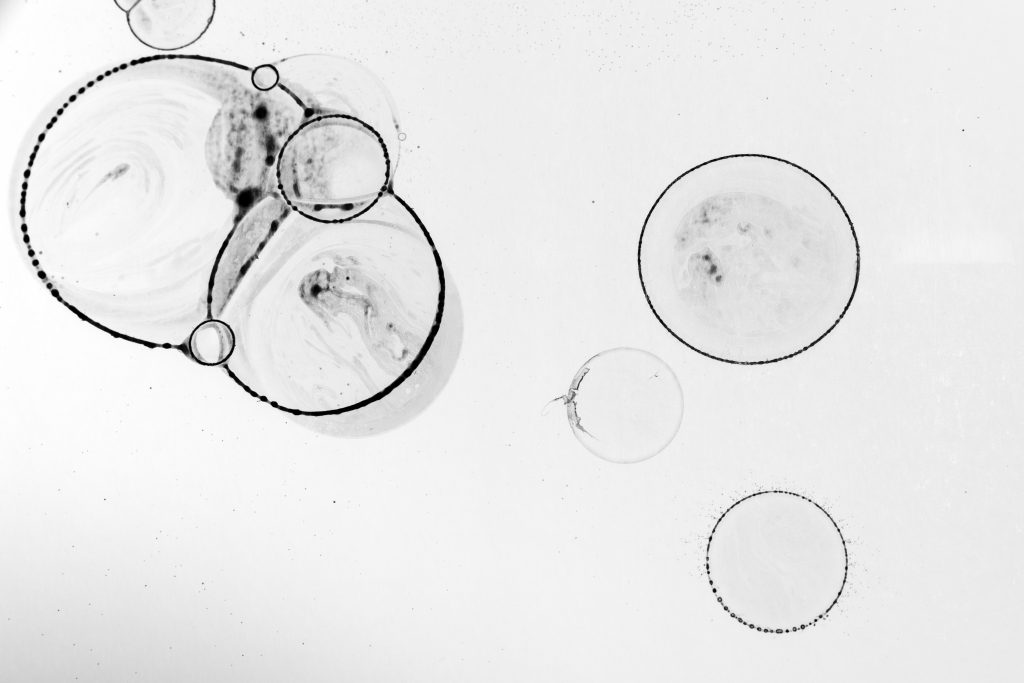
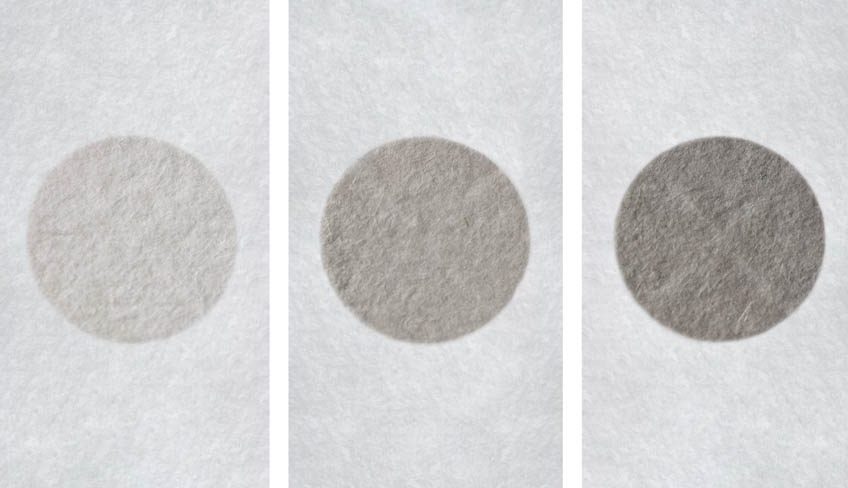
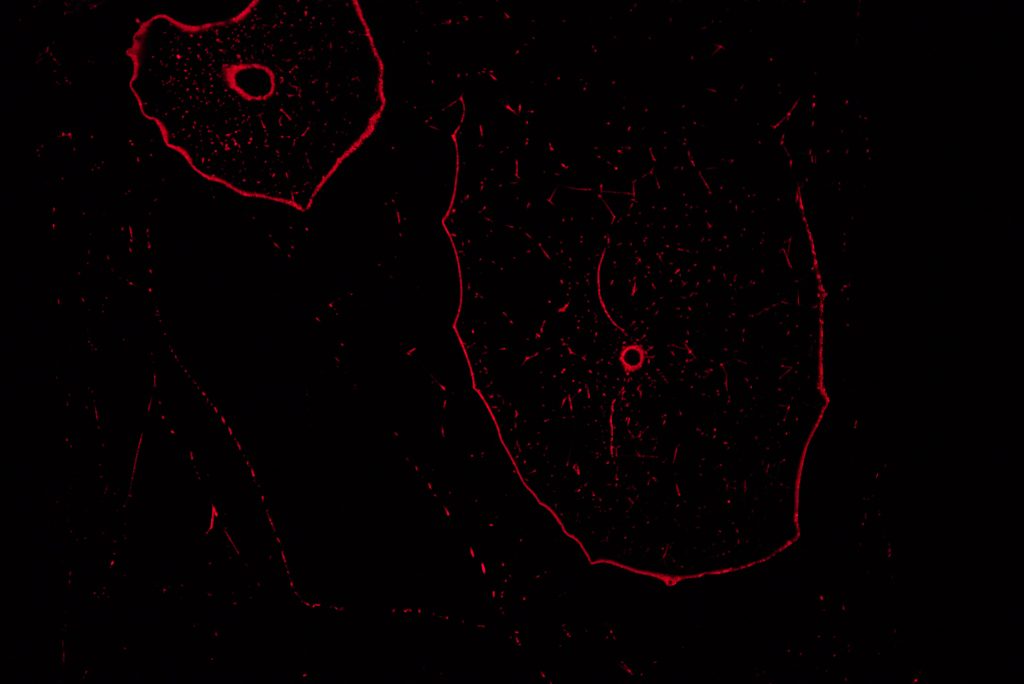
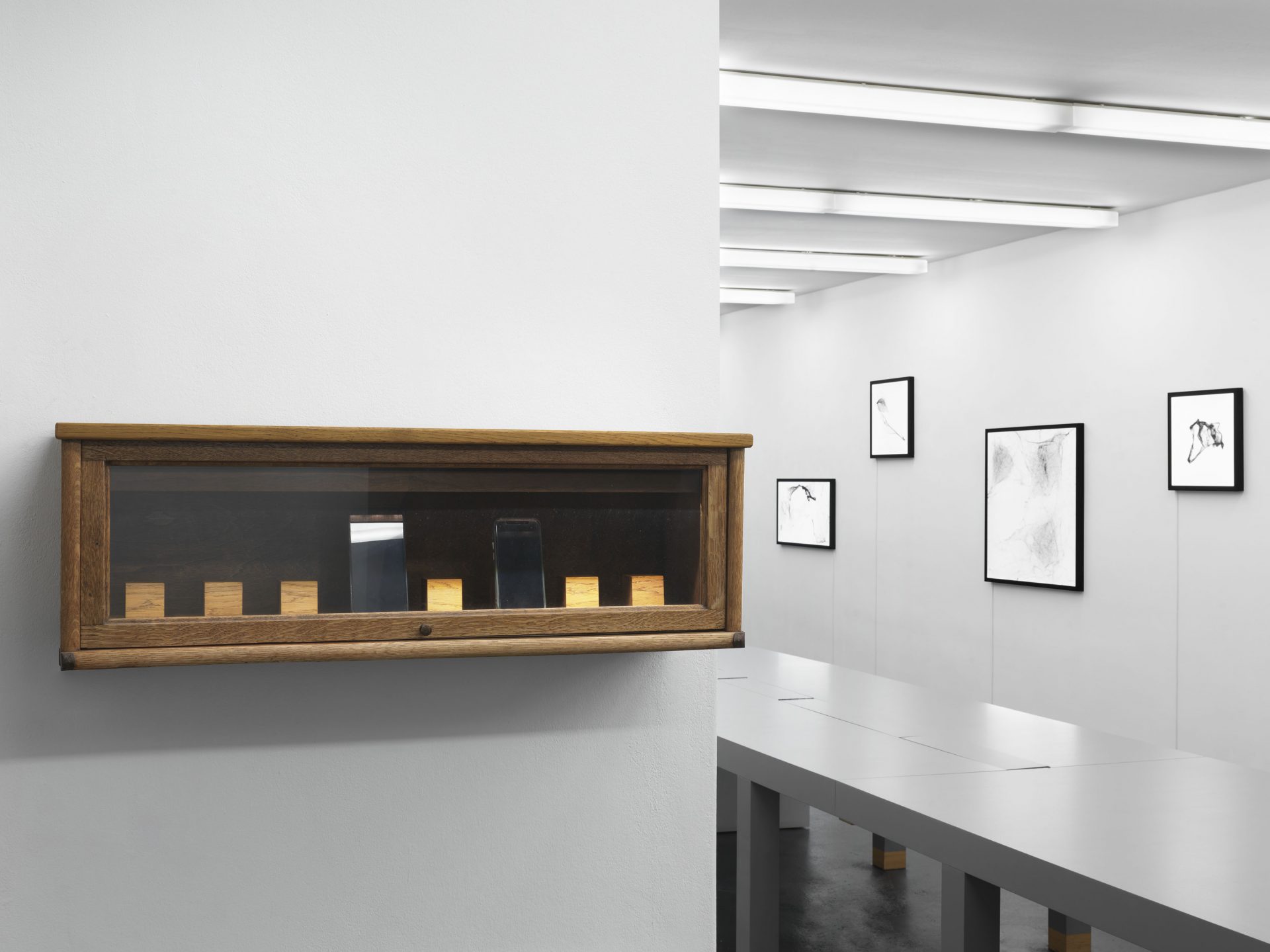
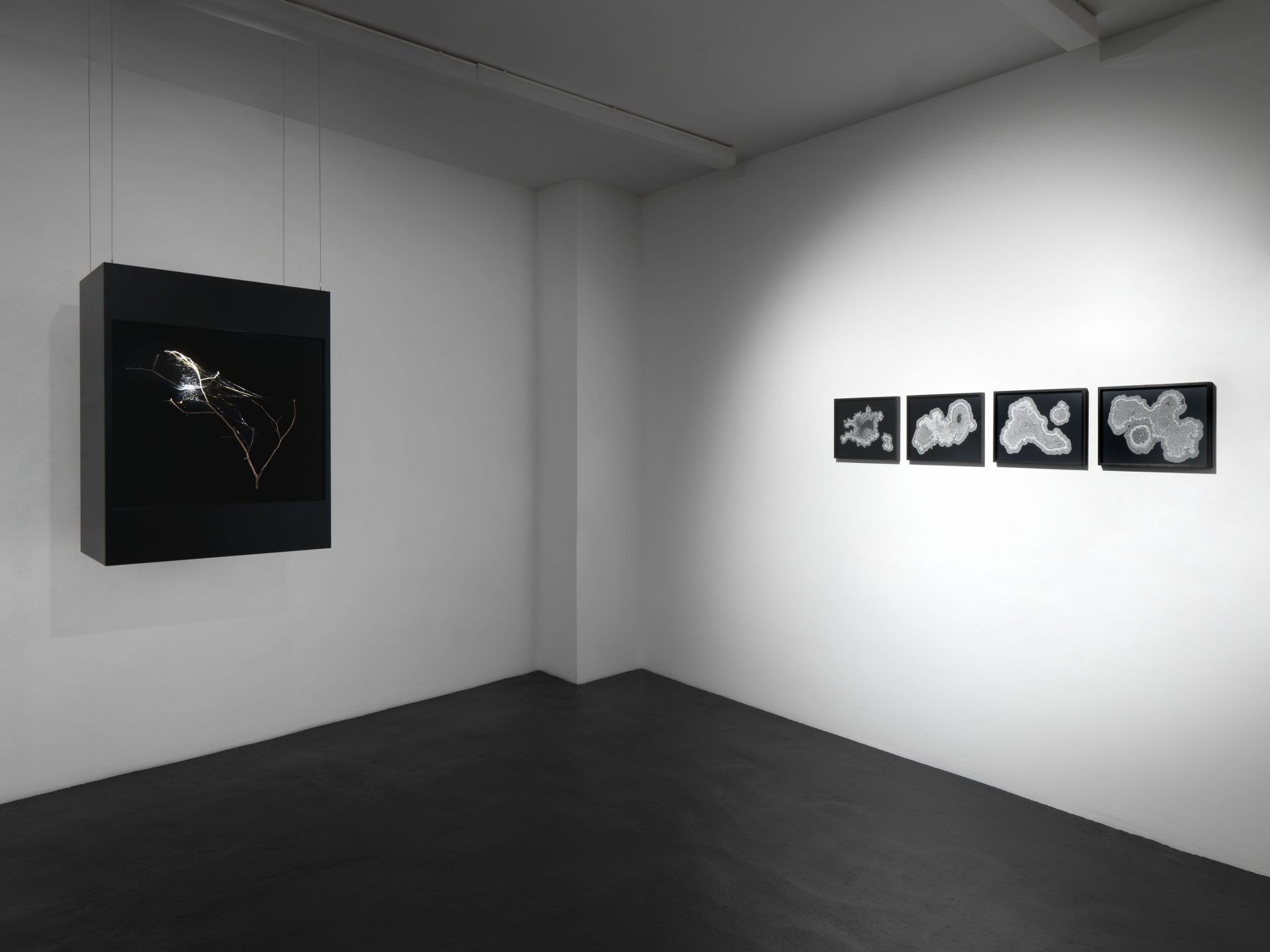
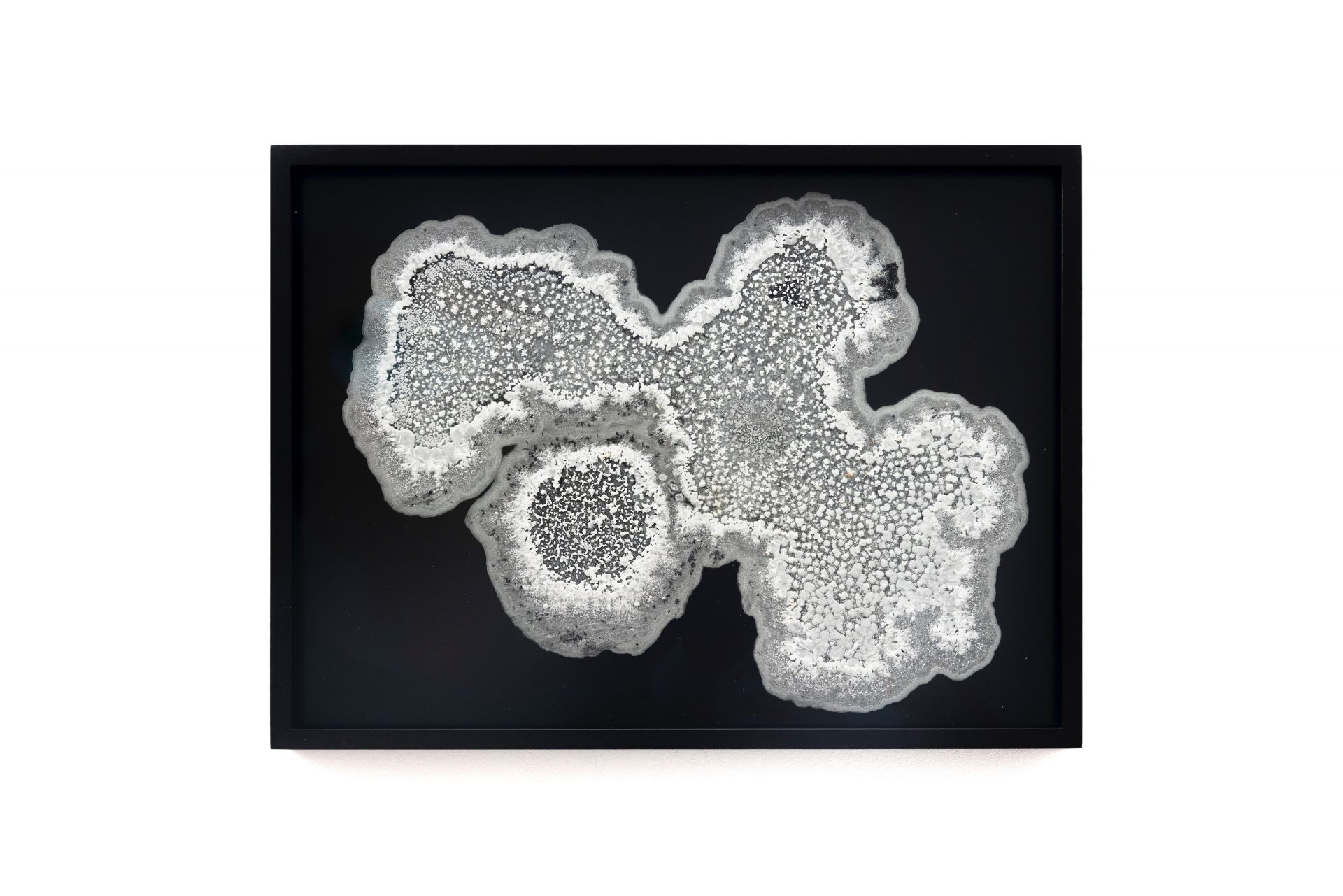
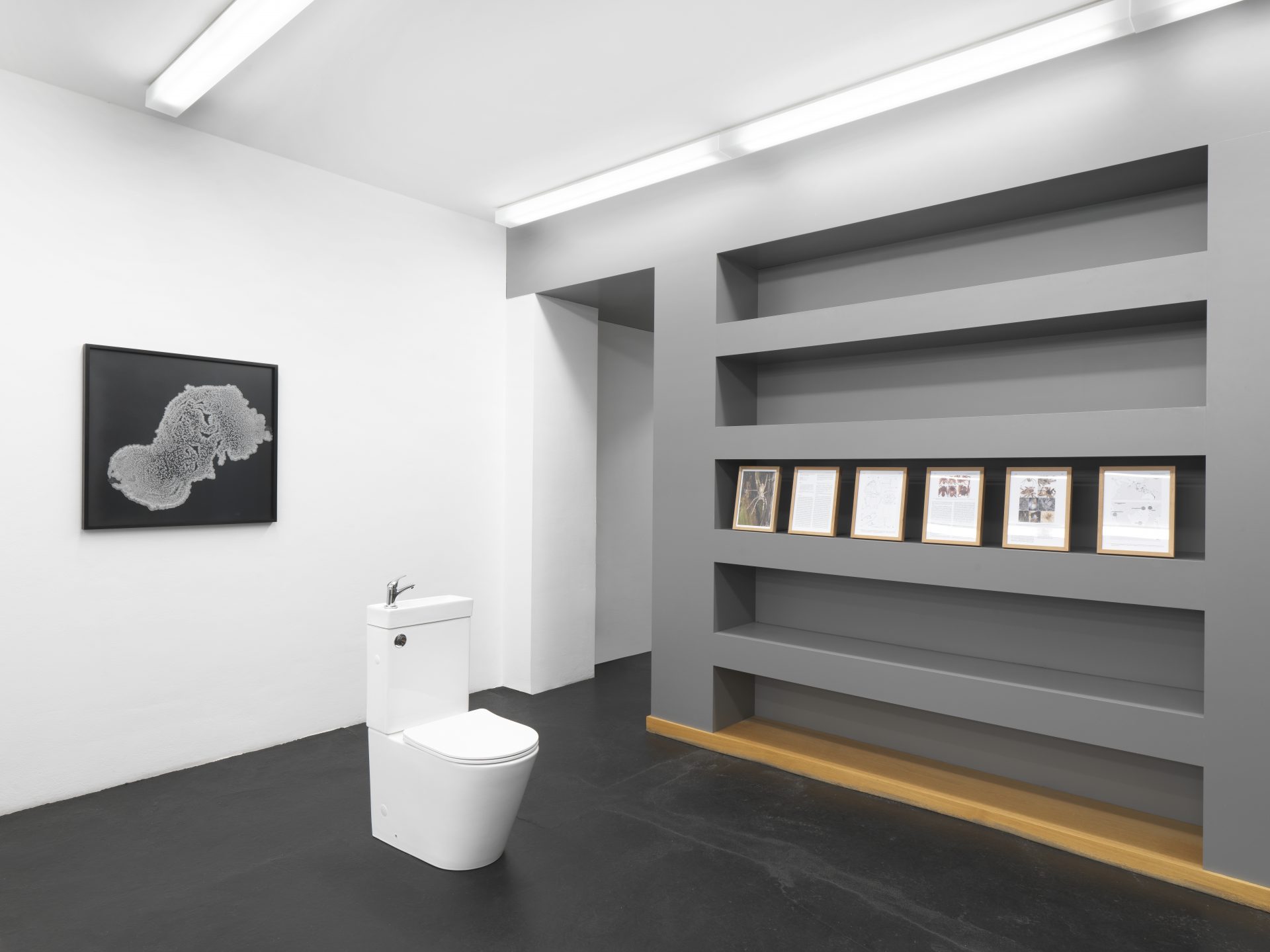
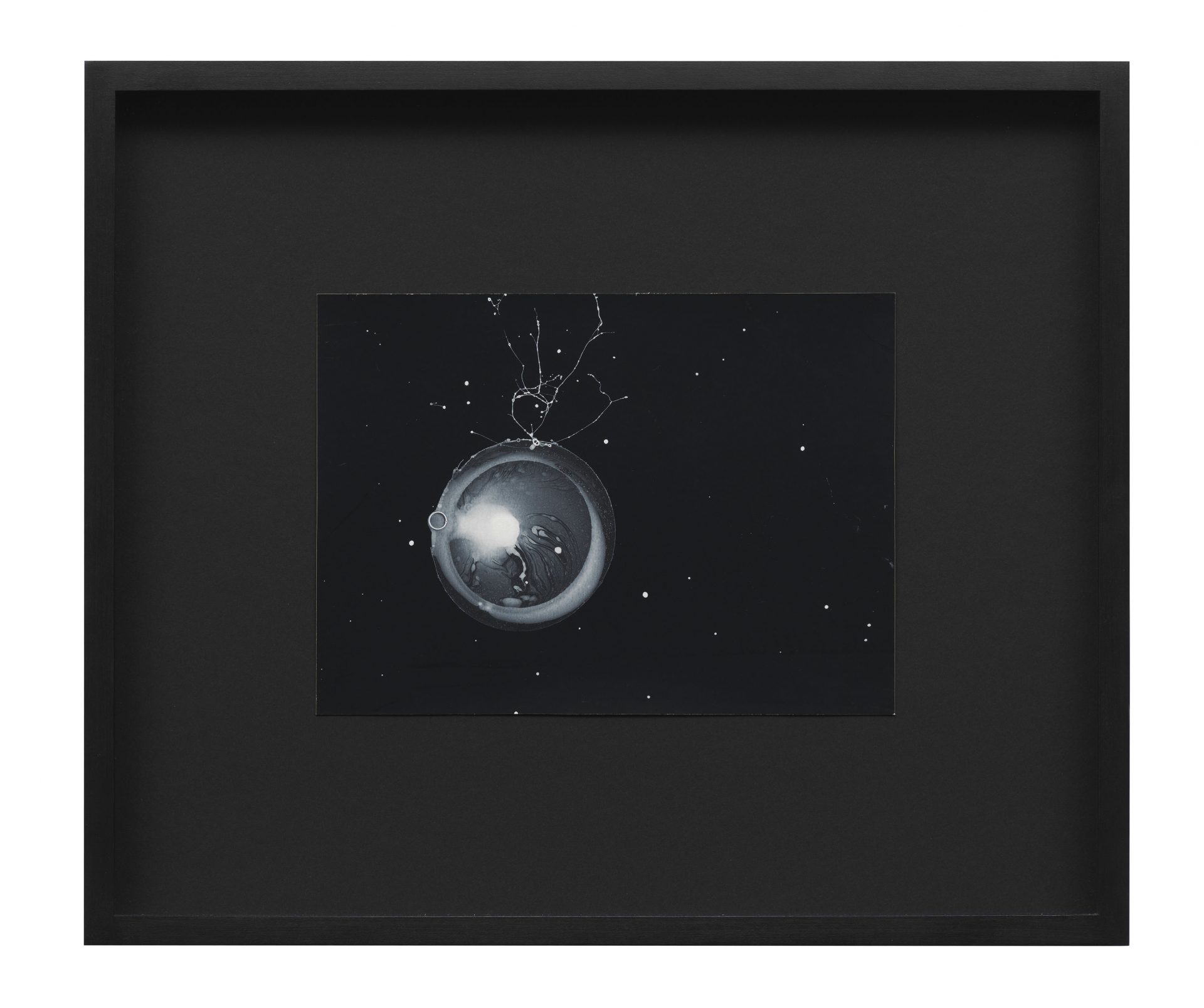
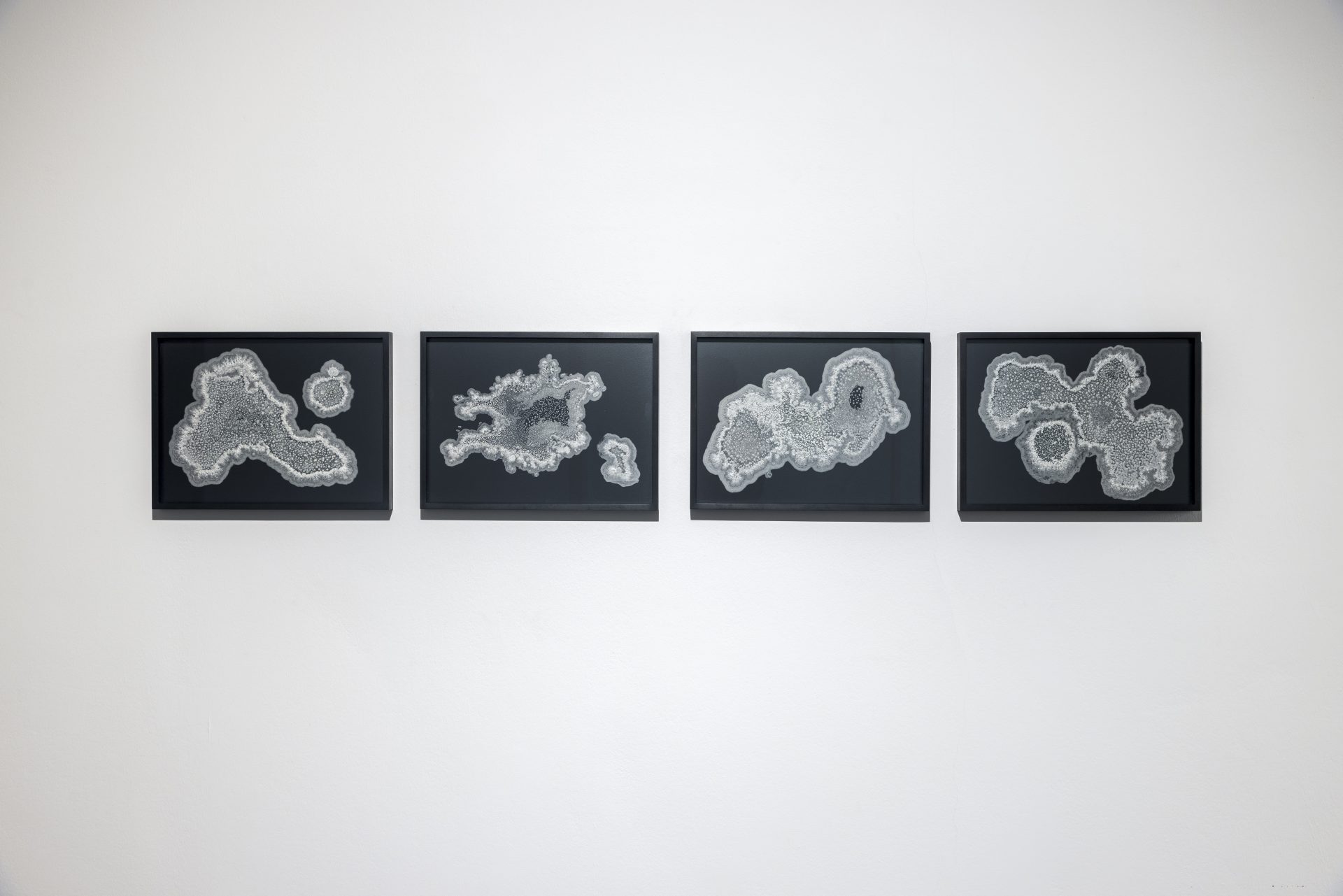
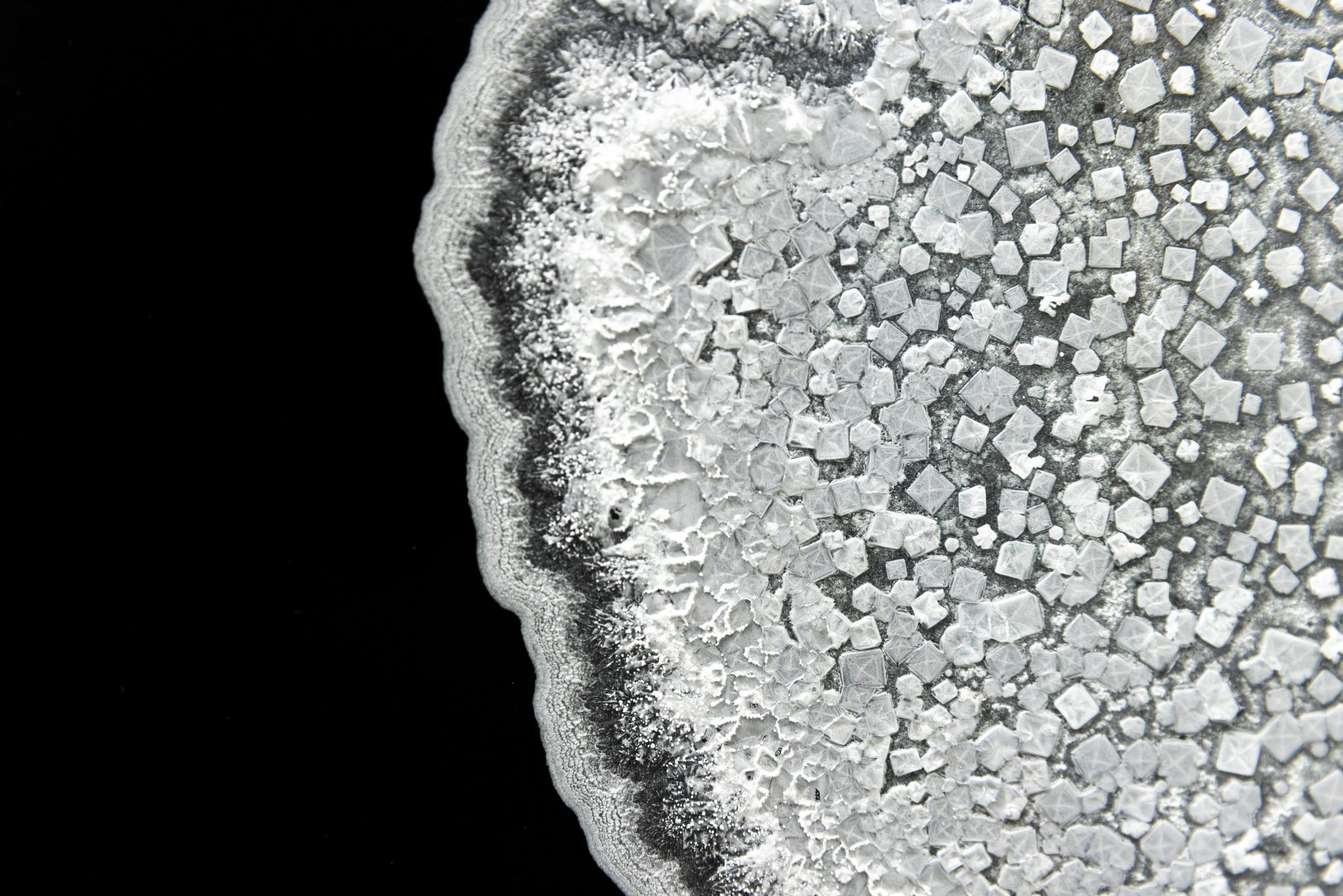
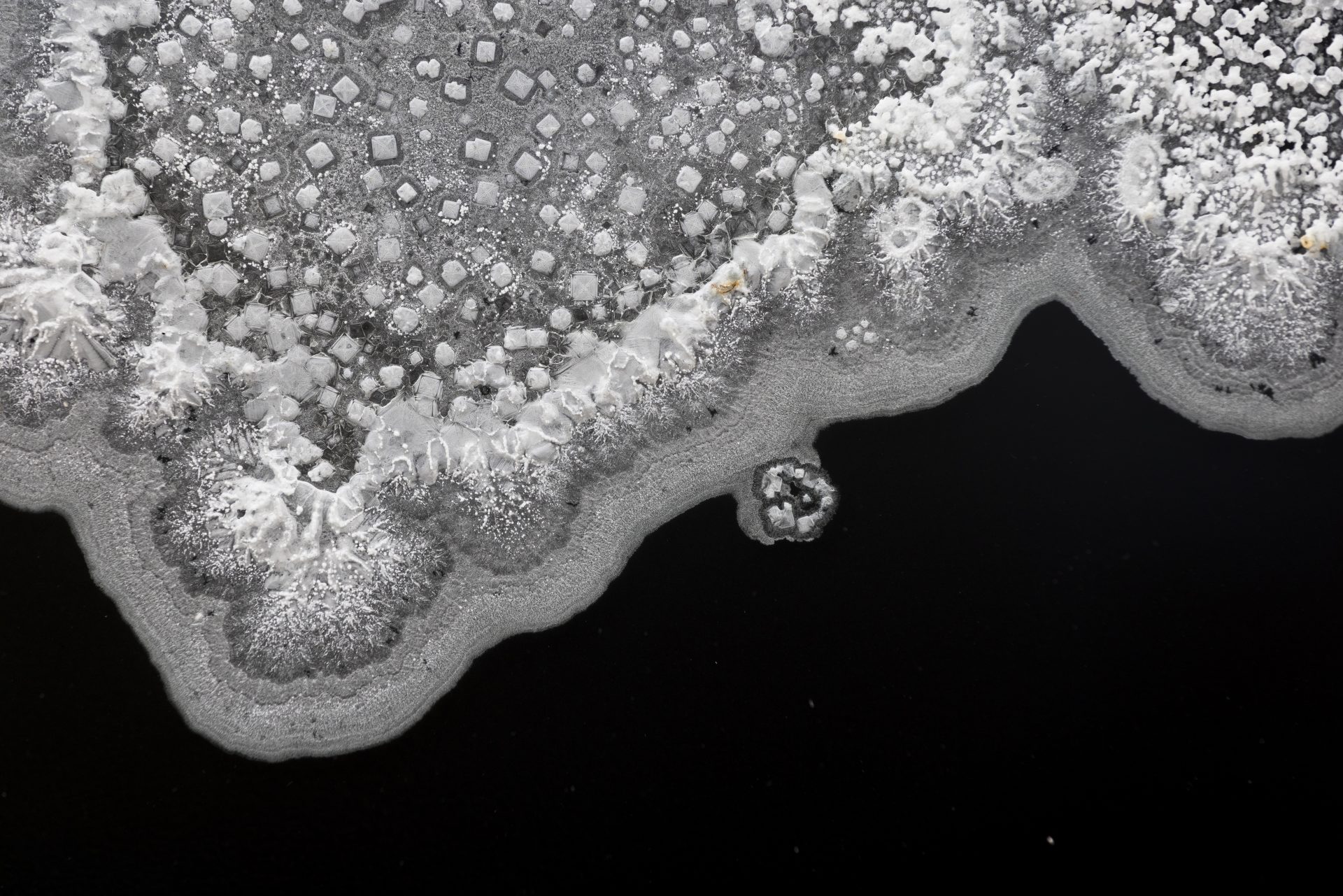
Arriving at the gallery, visitors encounter a free-standing toilet. A familiar object at first glance, its inner plumbing has been reconfigured to be able to recycle handwashing water for flushing. Placed as a sculptural presence, it becomes a proof of concept for a system already in use across all of the artist’s studio’s toilets, that if realized in a gallery context could save up to 14,000 liters of water per year—approximately the annual use of a standard household toilet in Germany. Saraceno’s intervention stands as an attempt to connect differently to cycles of water. Nearby, prints formed through salt’s slow evaporation extend this gesture from the mechanical to the elemental, recording water’s passage into mineral. Each crystalline surface captures the delicate equilibrium that, when altered, endangers the reciprocal relations that have sustained biodiverse life across Salinas Grandes and Laguna de Guayatayoc for millennia.
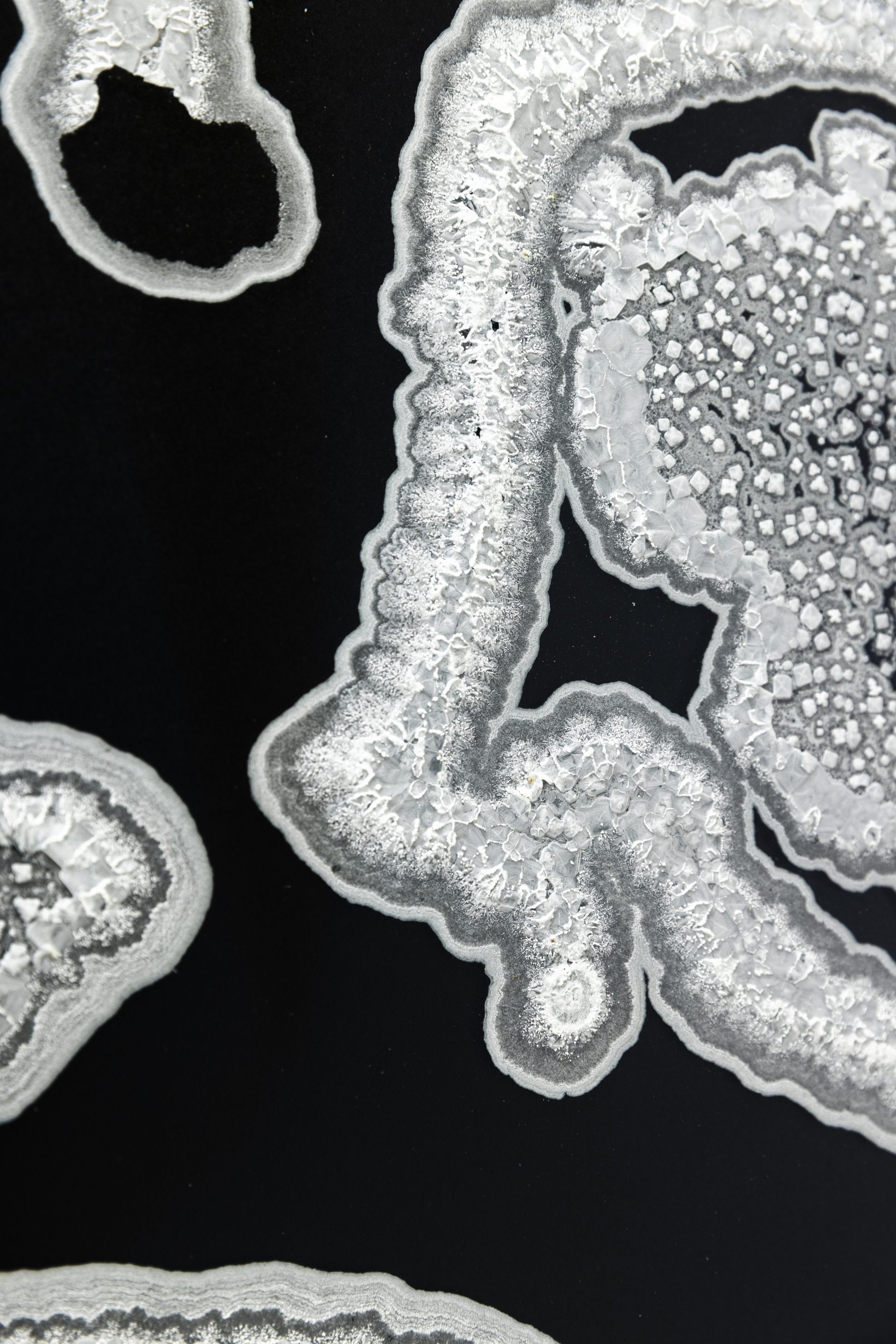
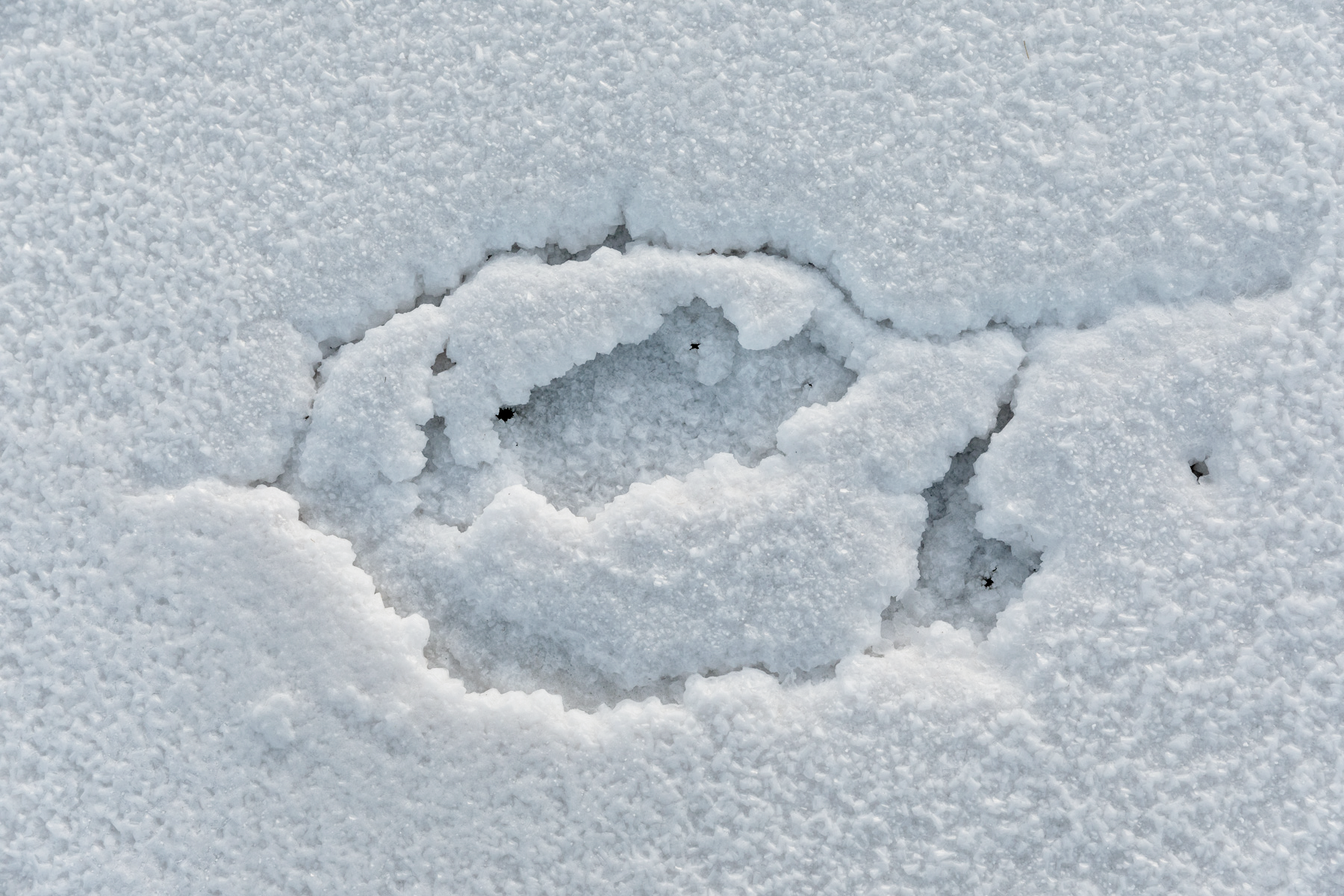
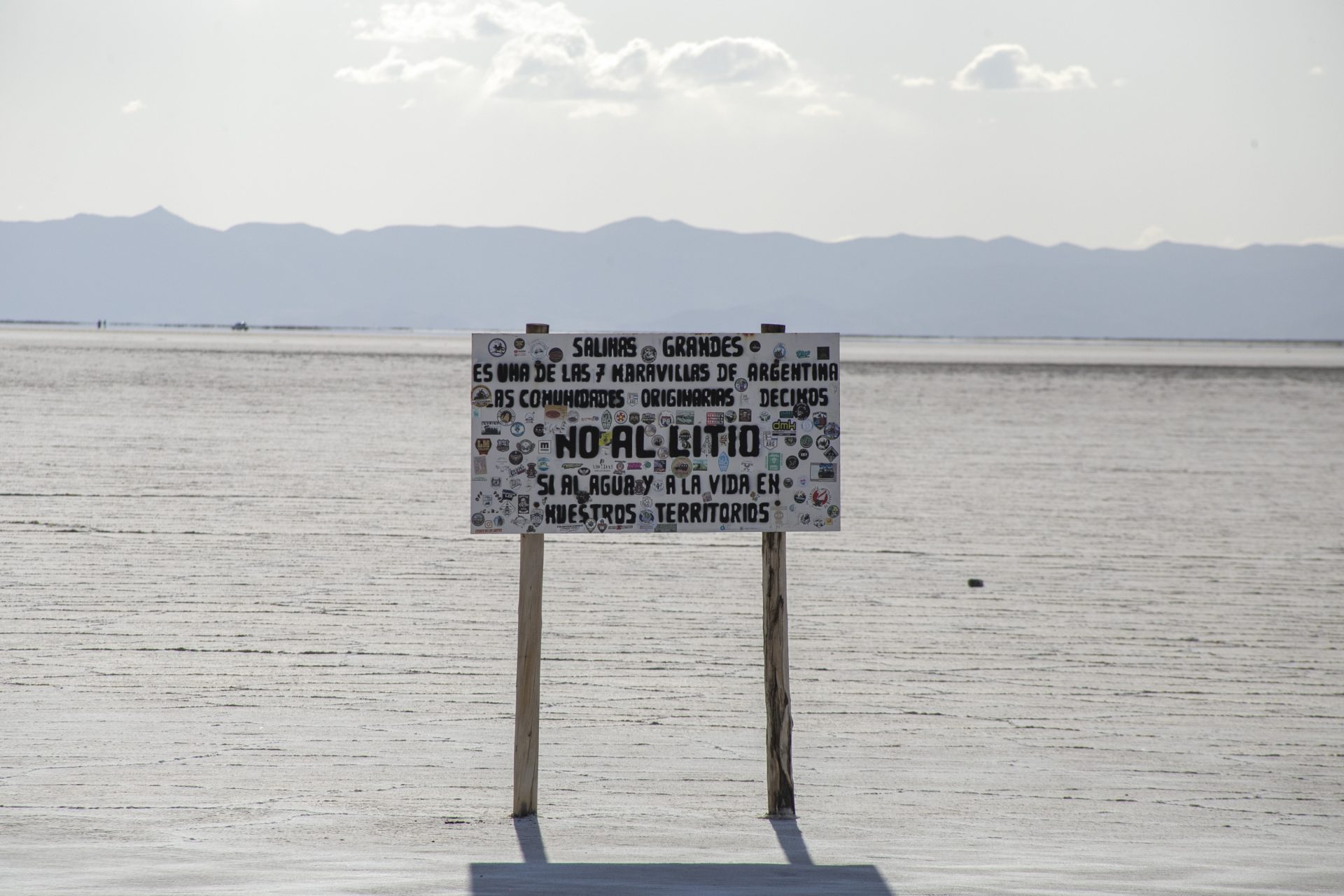
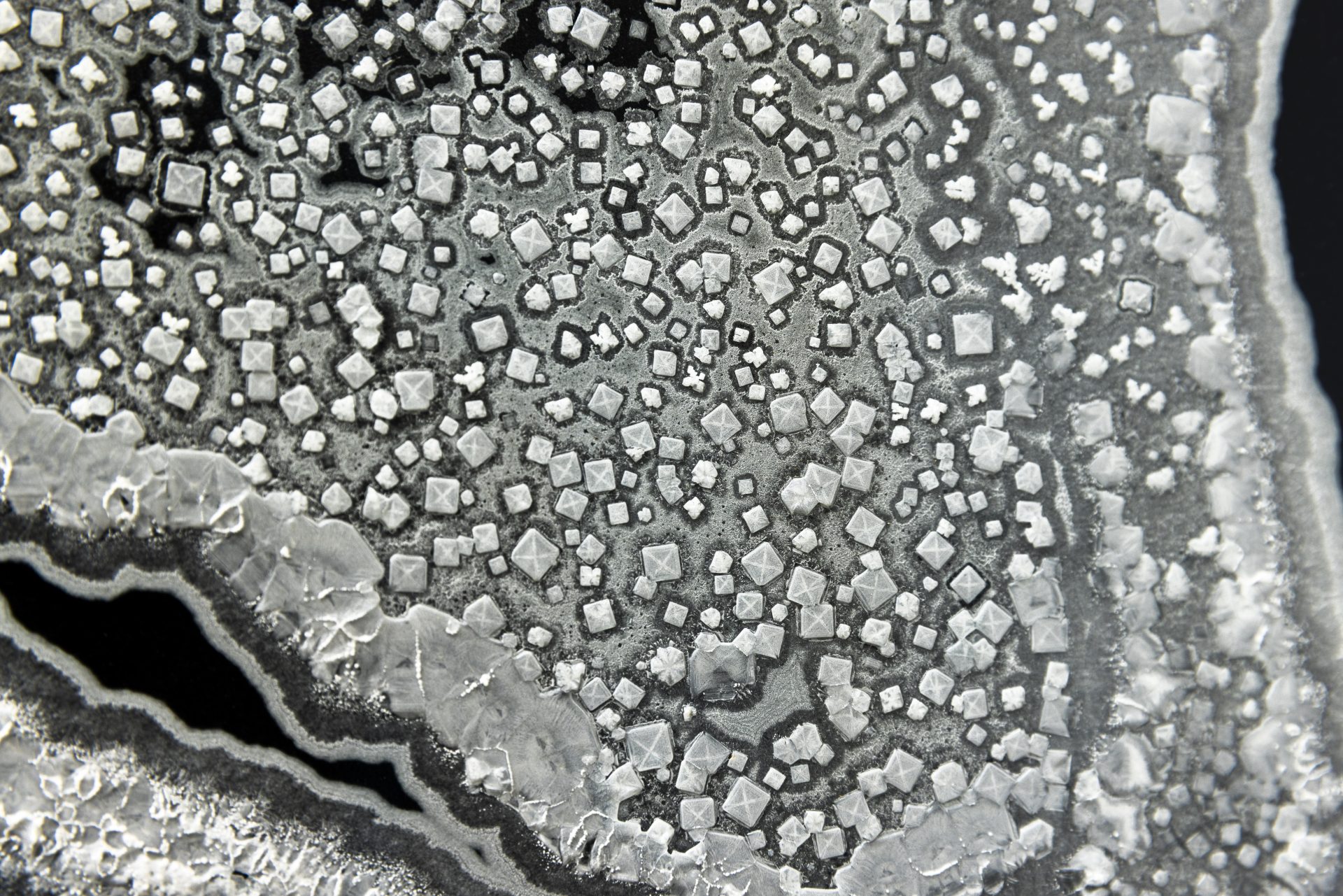
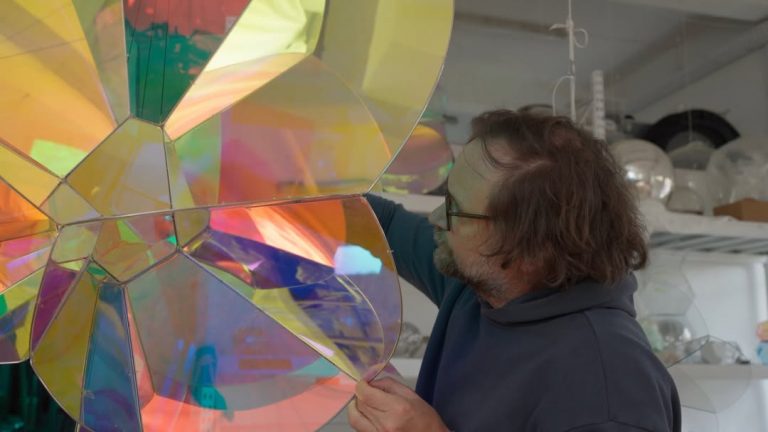
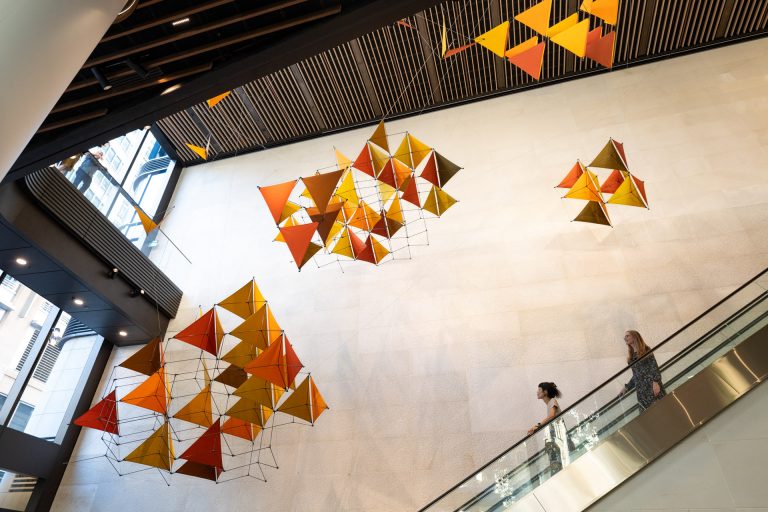
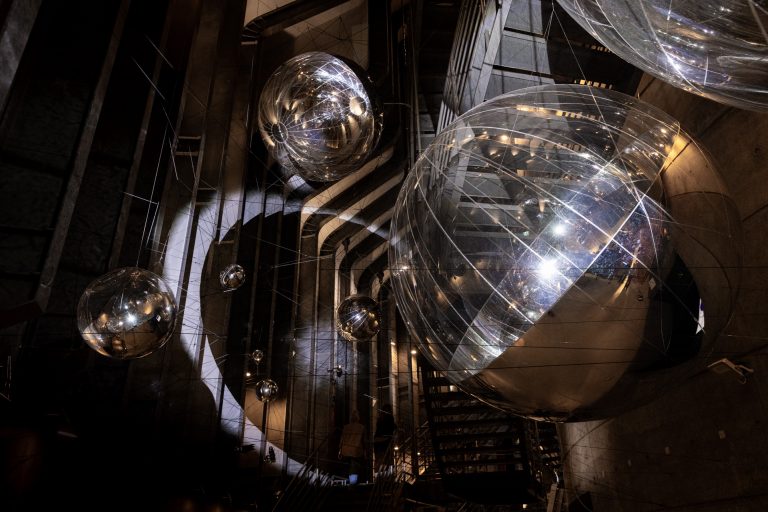
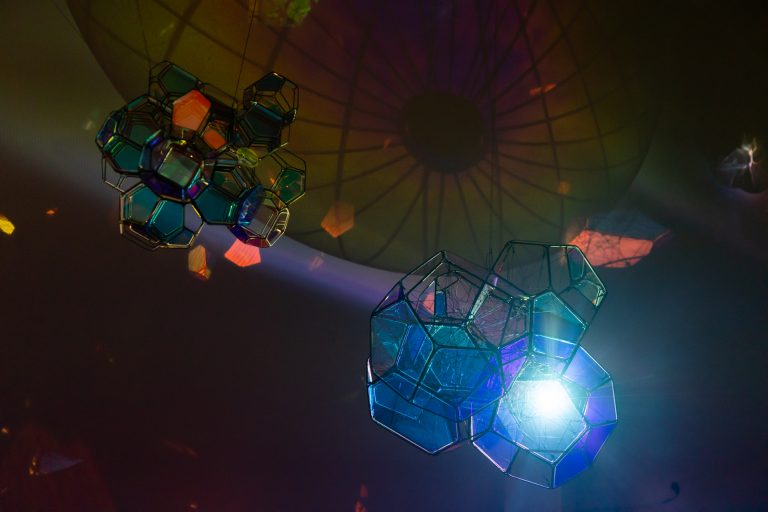
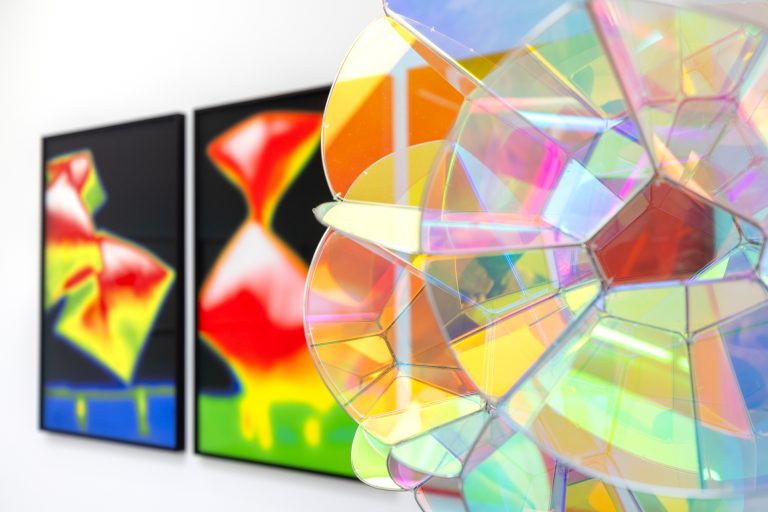
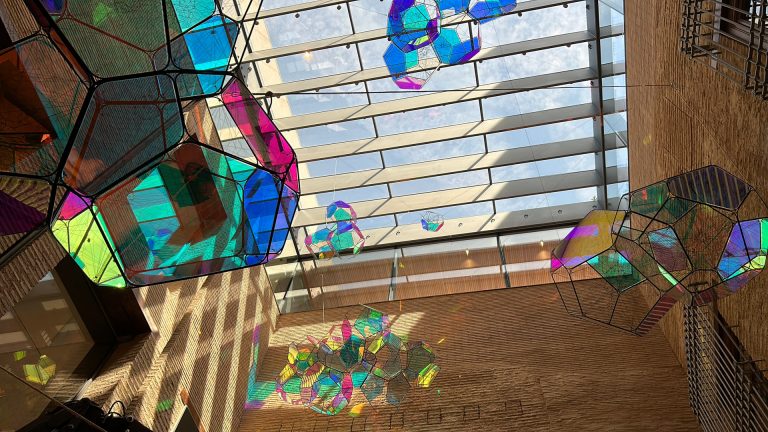
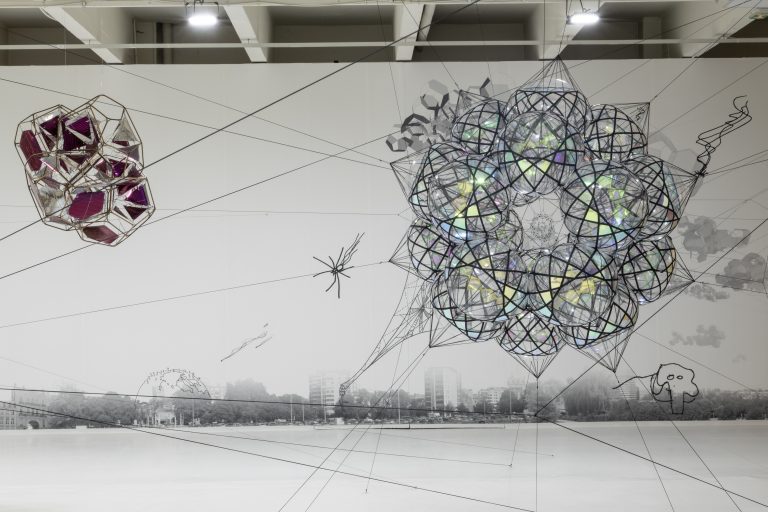
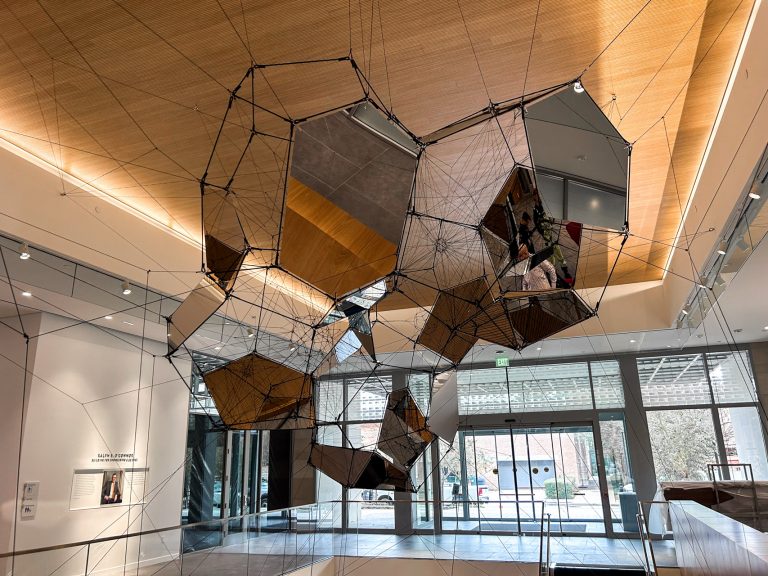
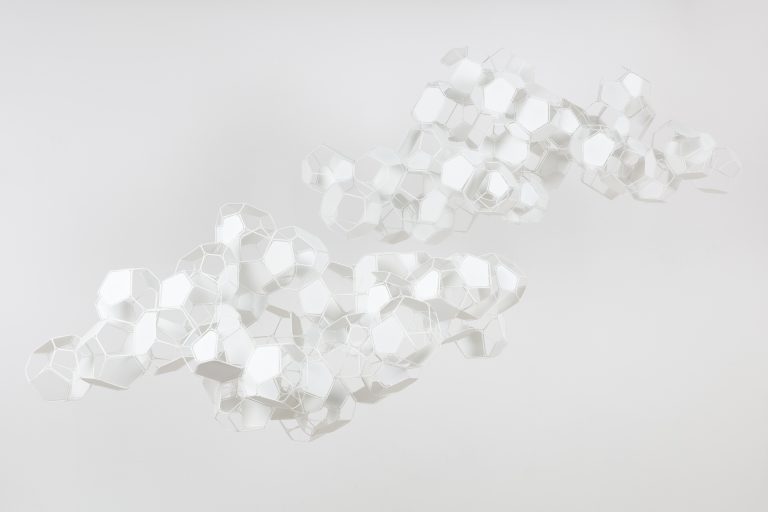
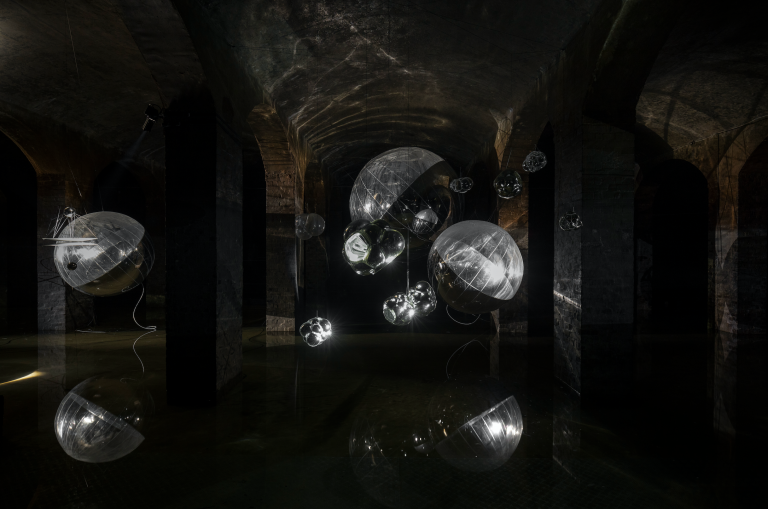
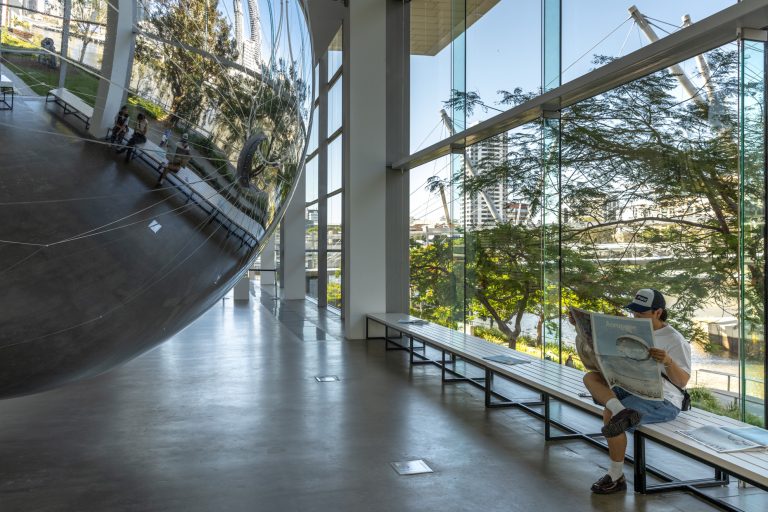
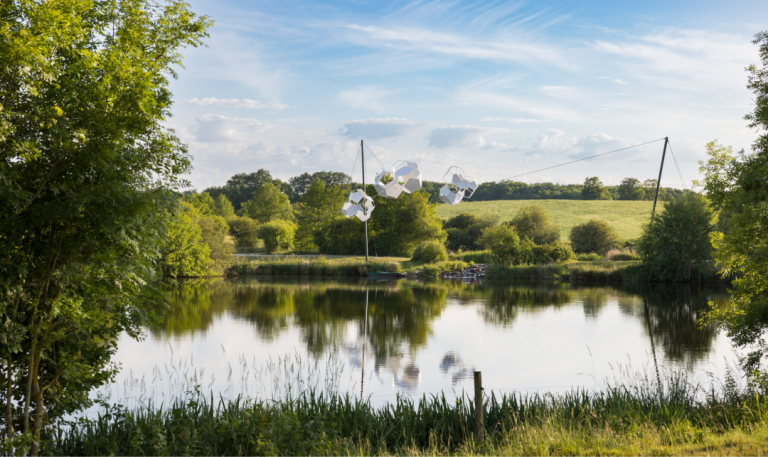
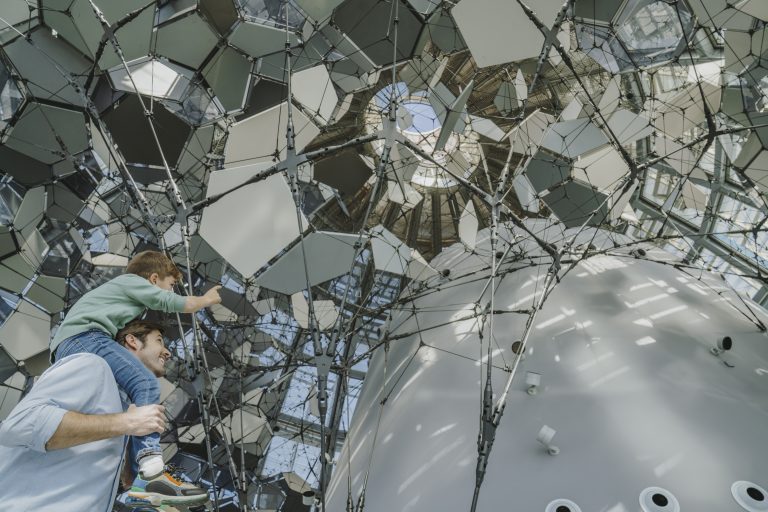
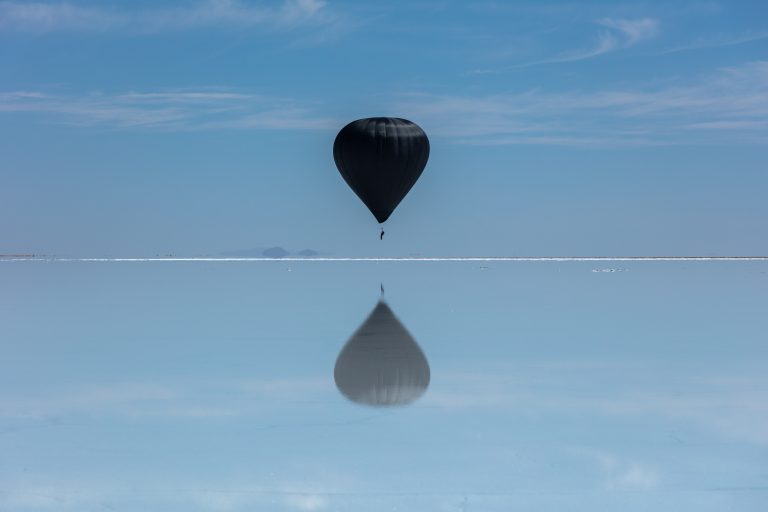
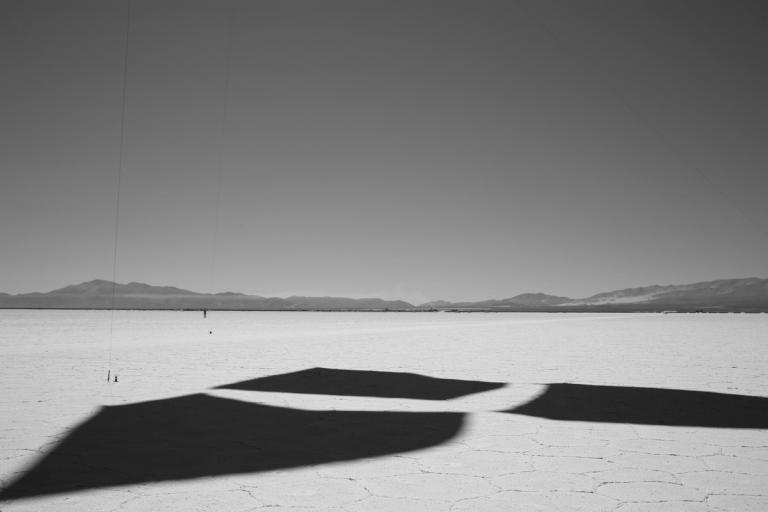
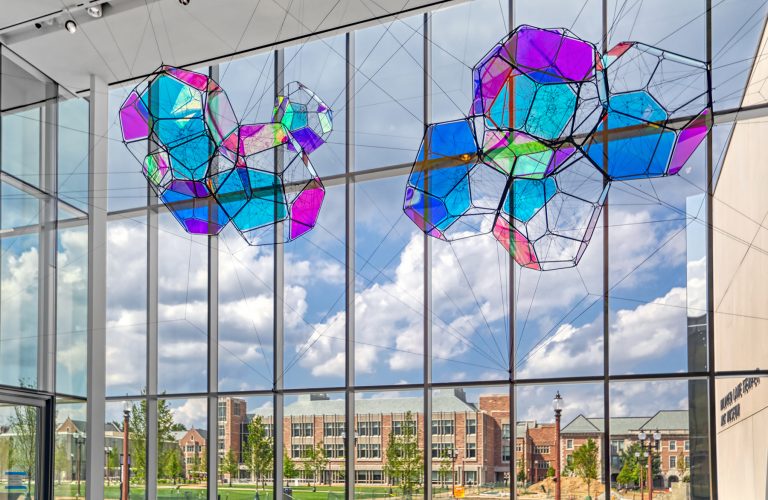
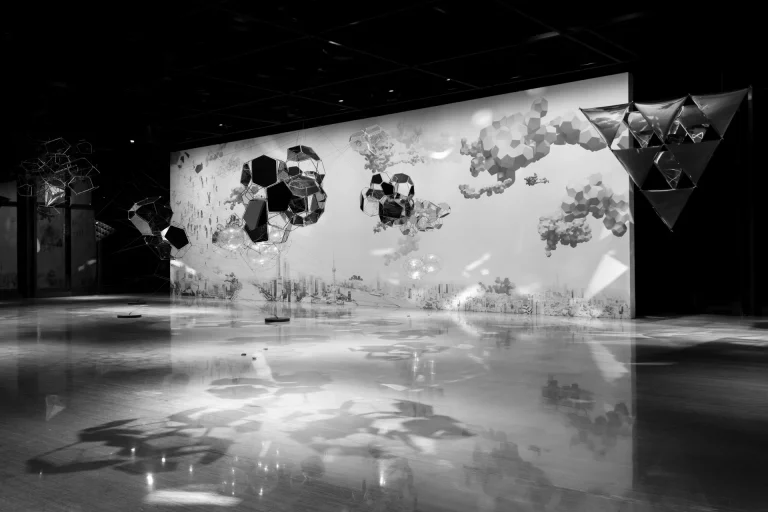
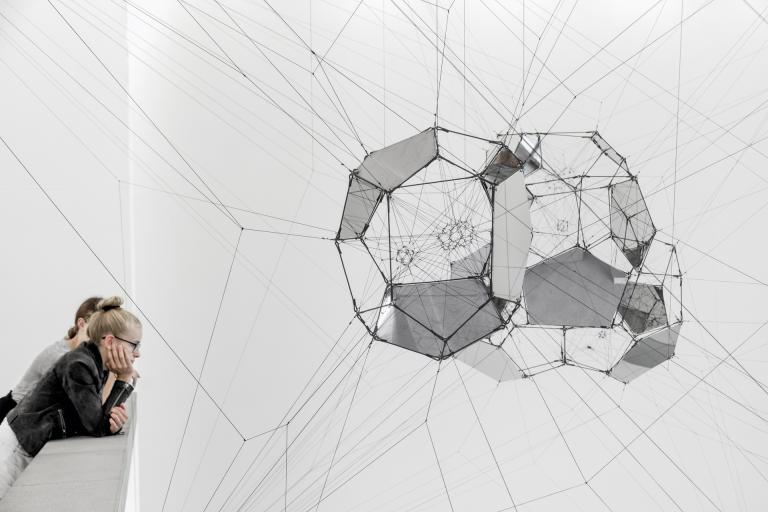
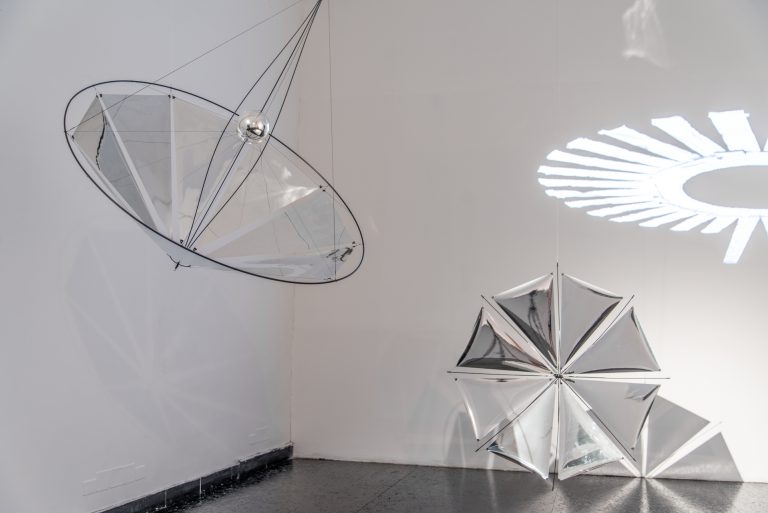
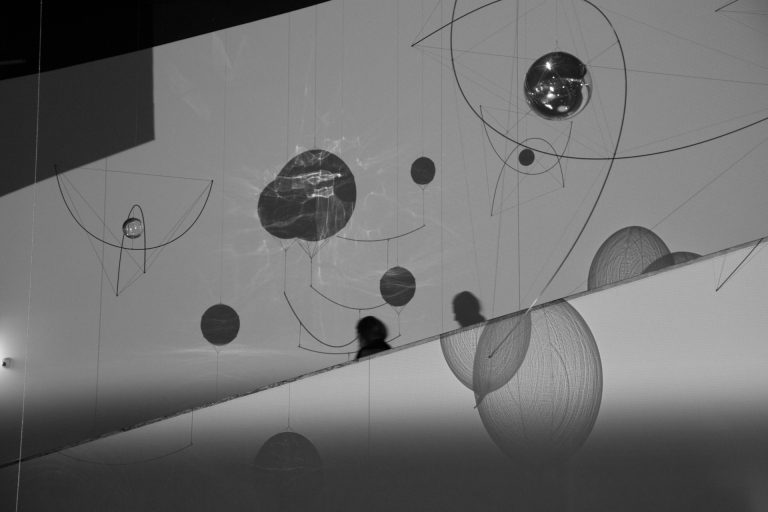
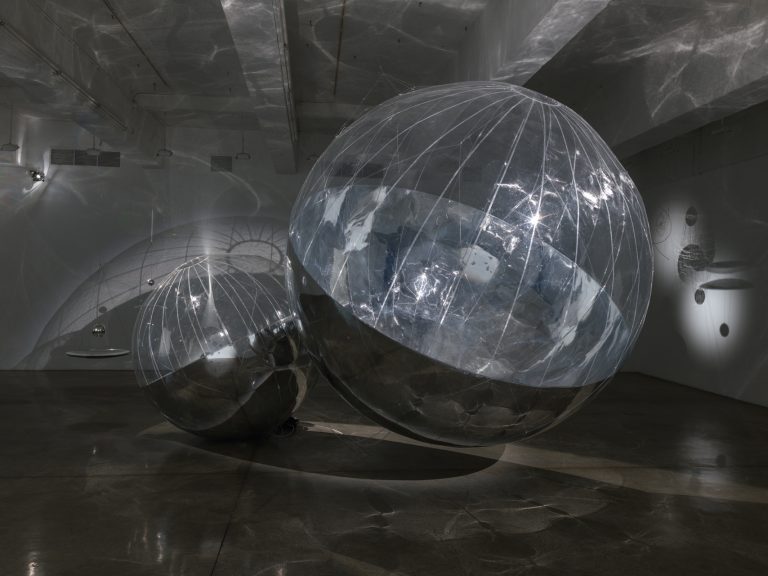
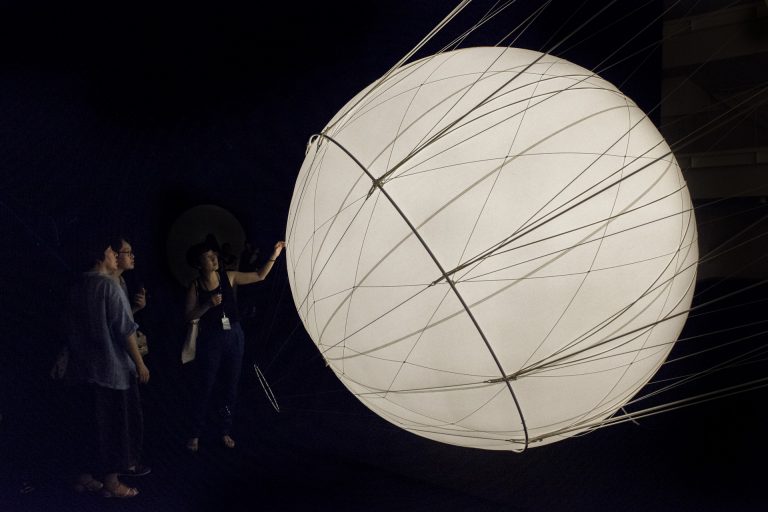
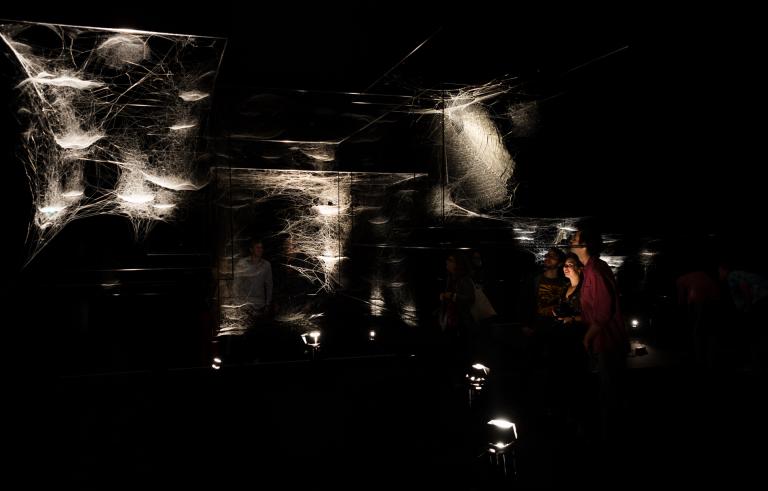
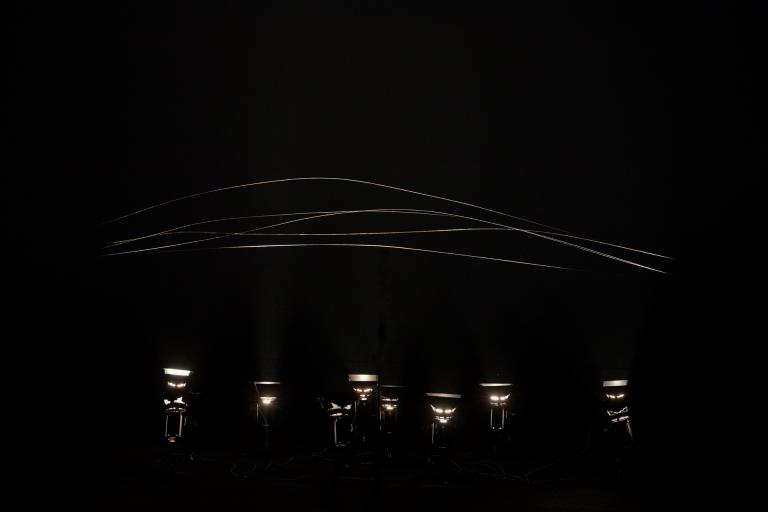
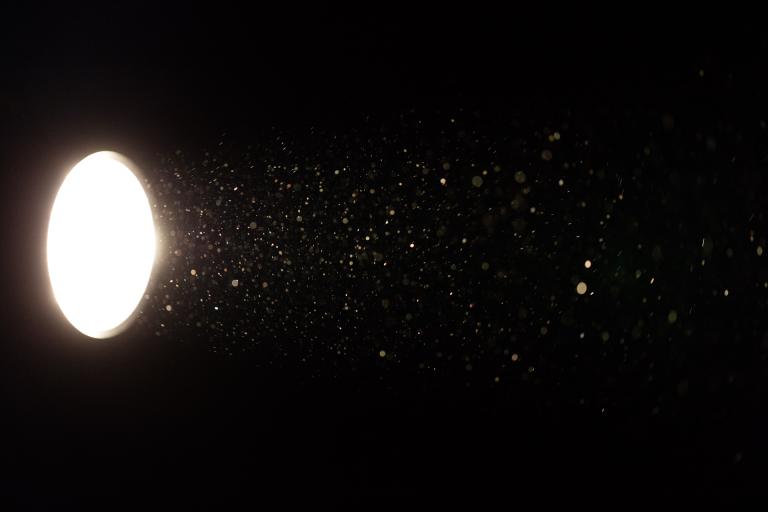
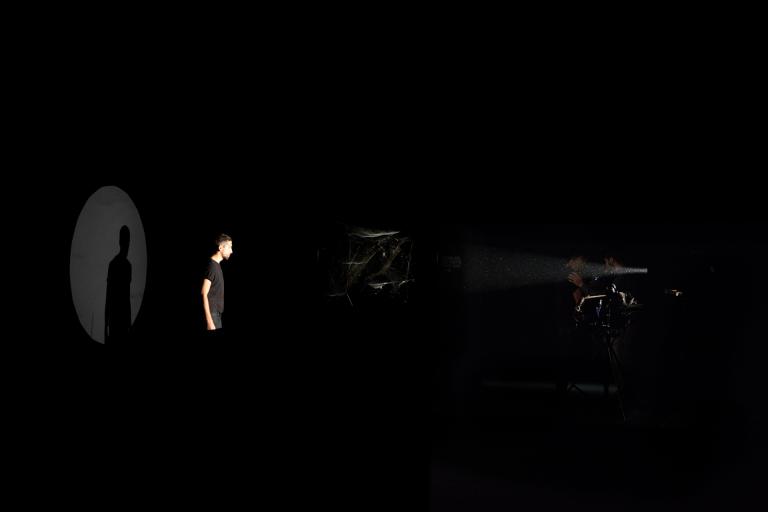
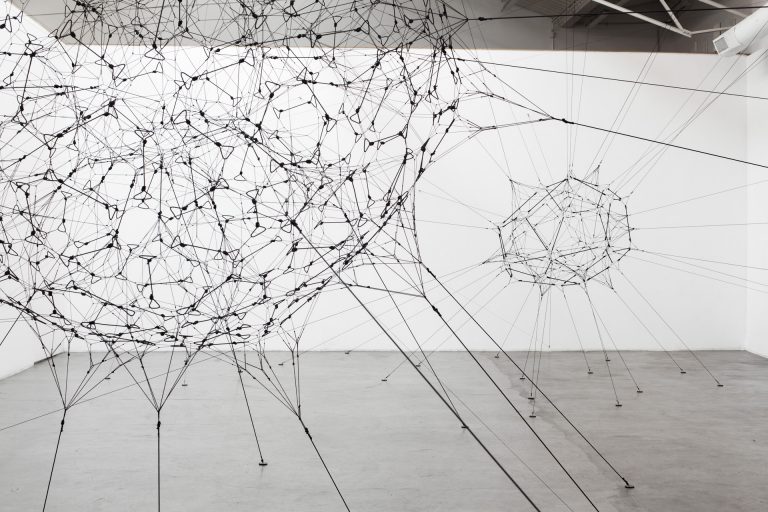
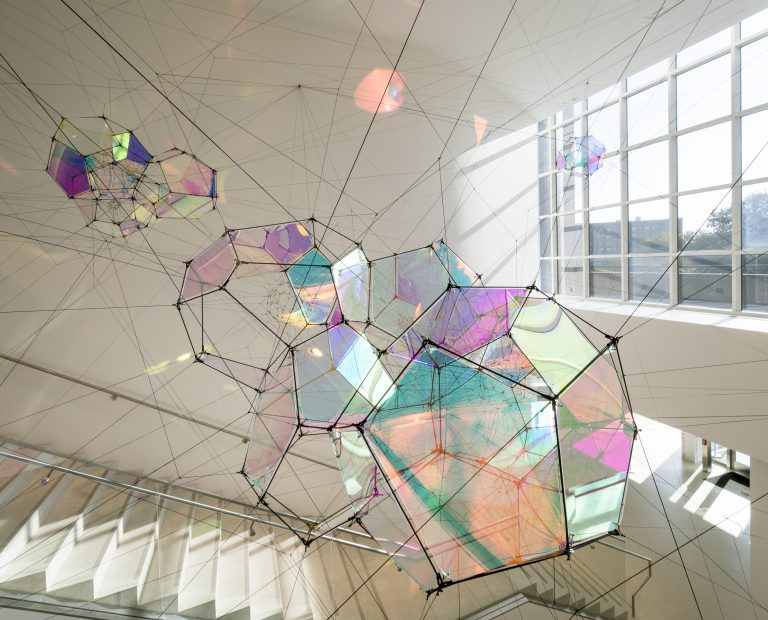
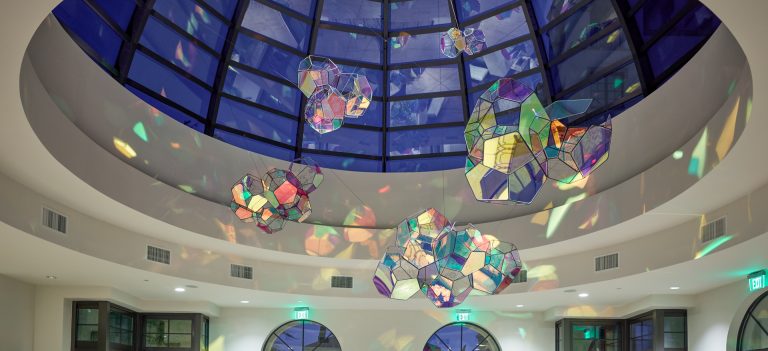
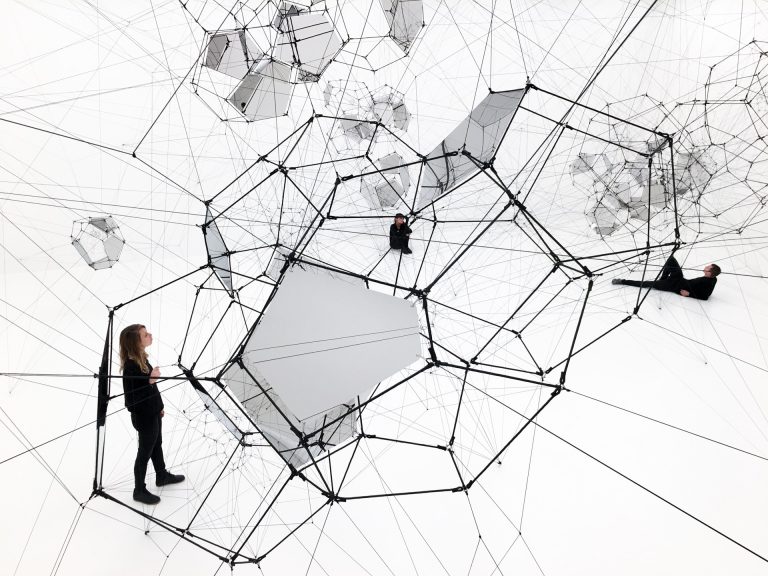
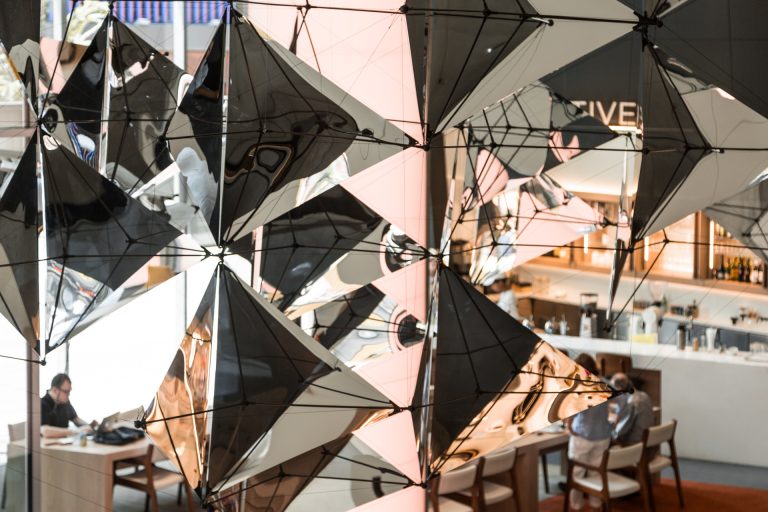
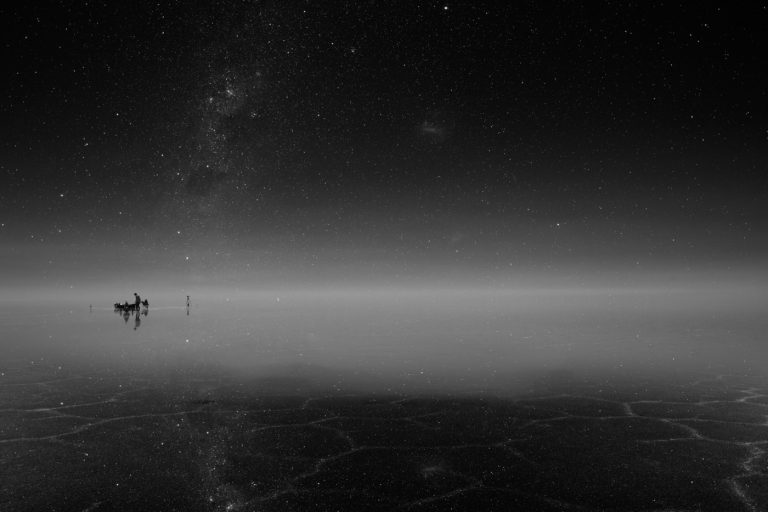
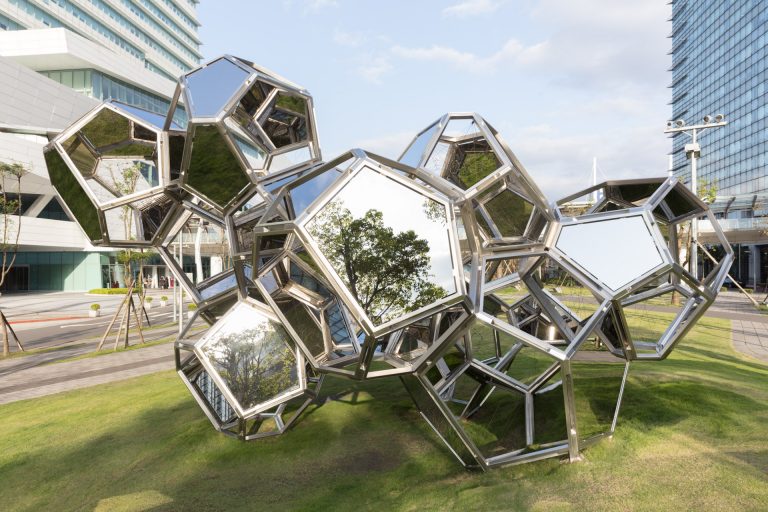
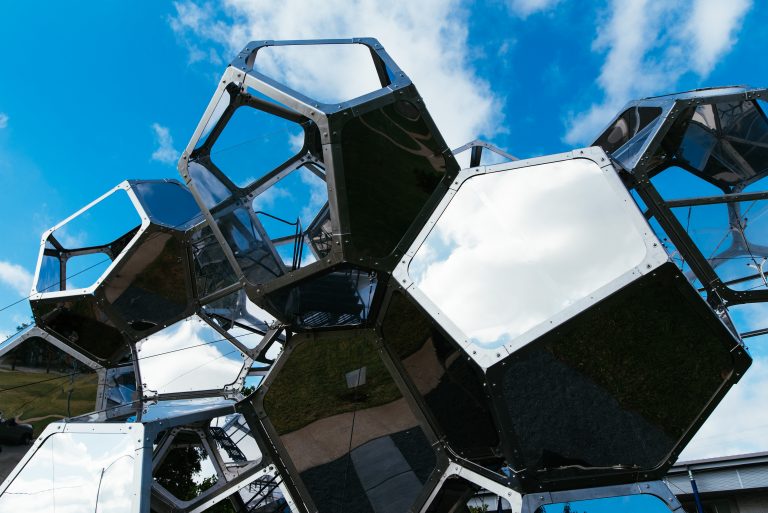
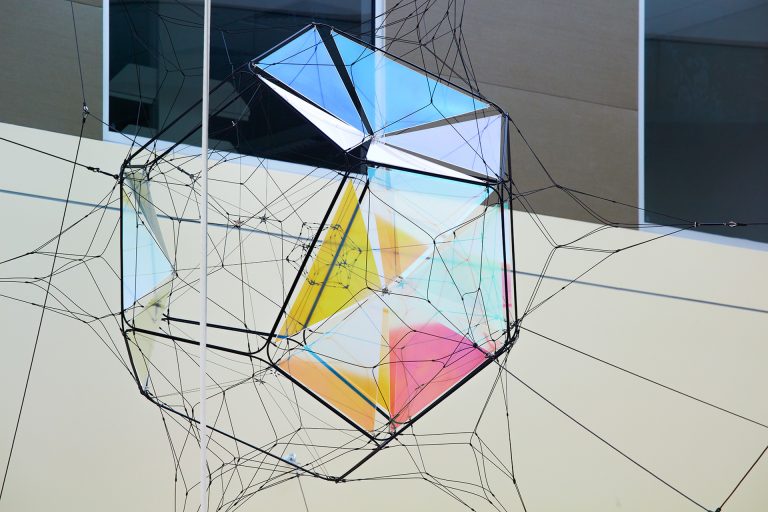
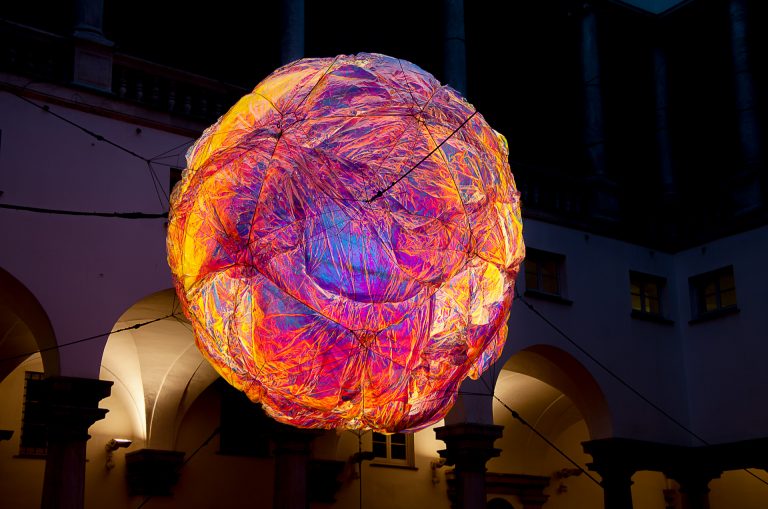
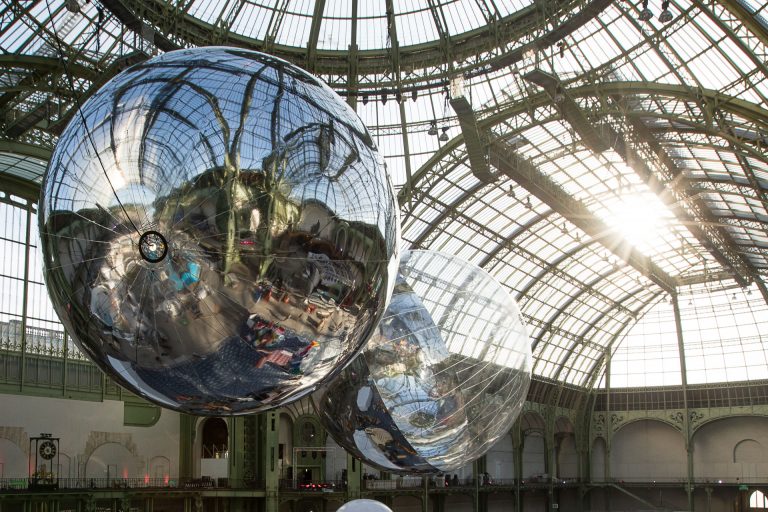
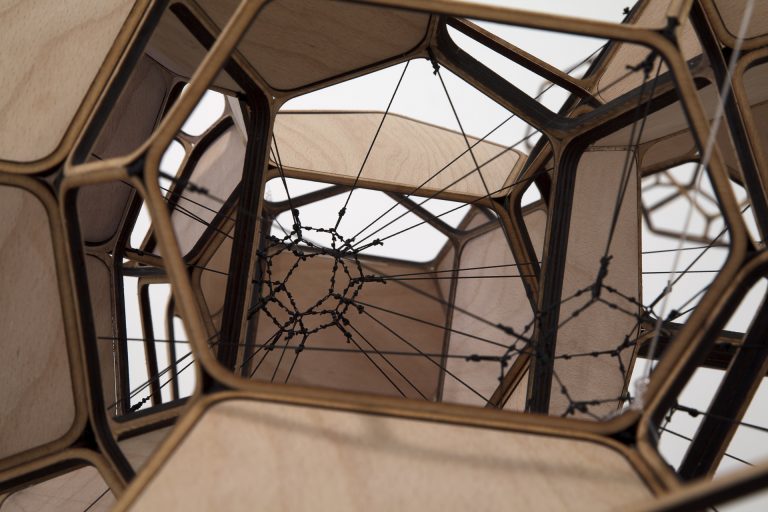
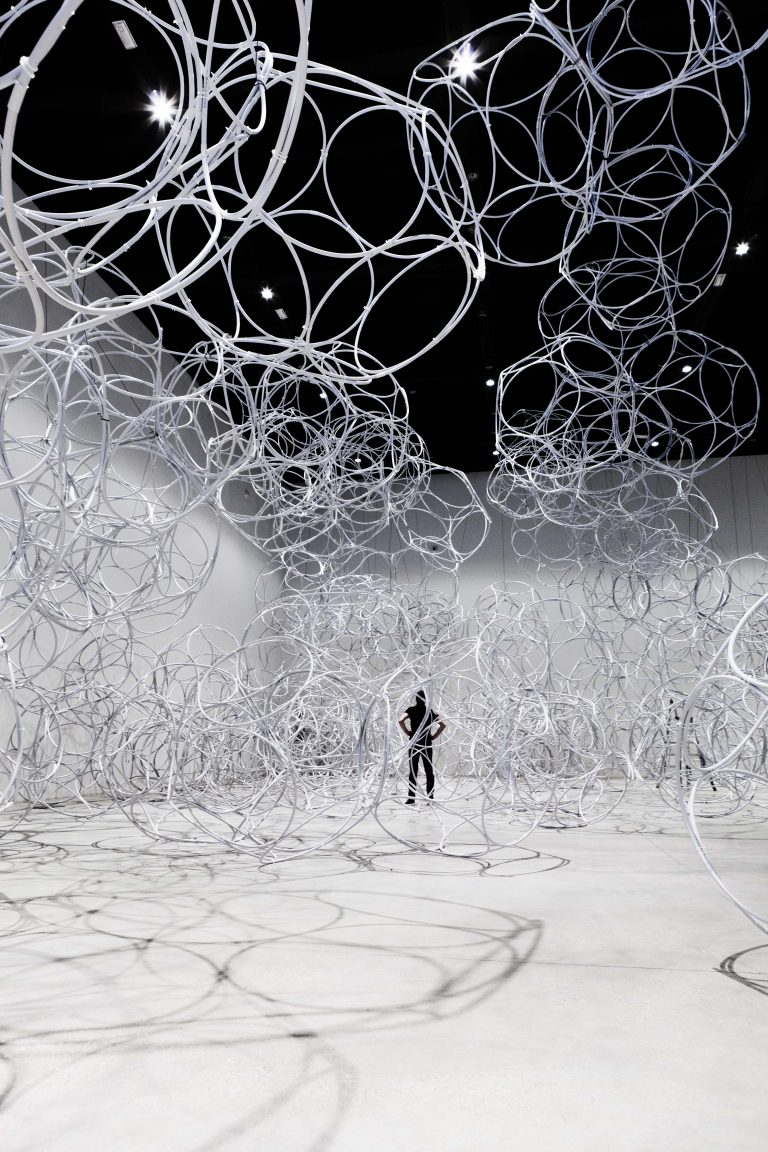
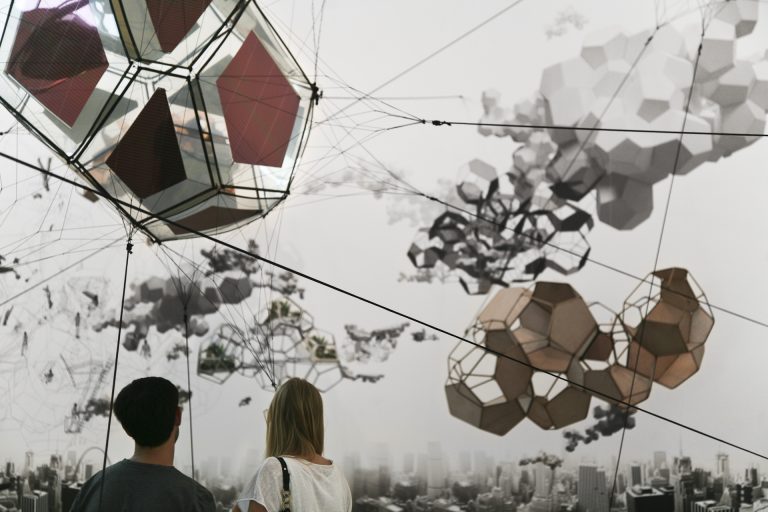
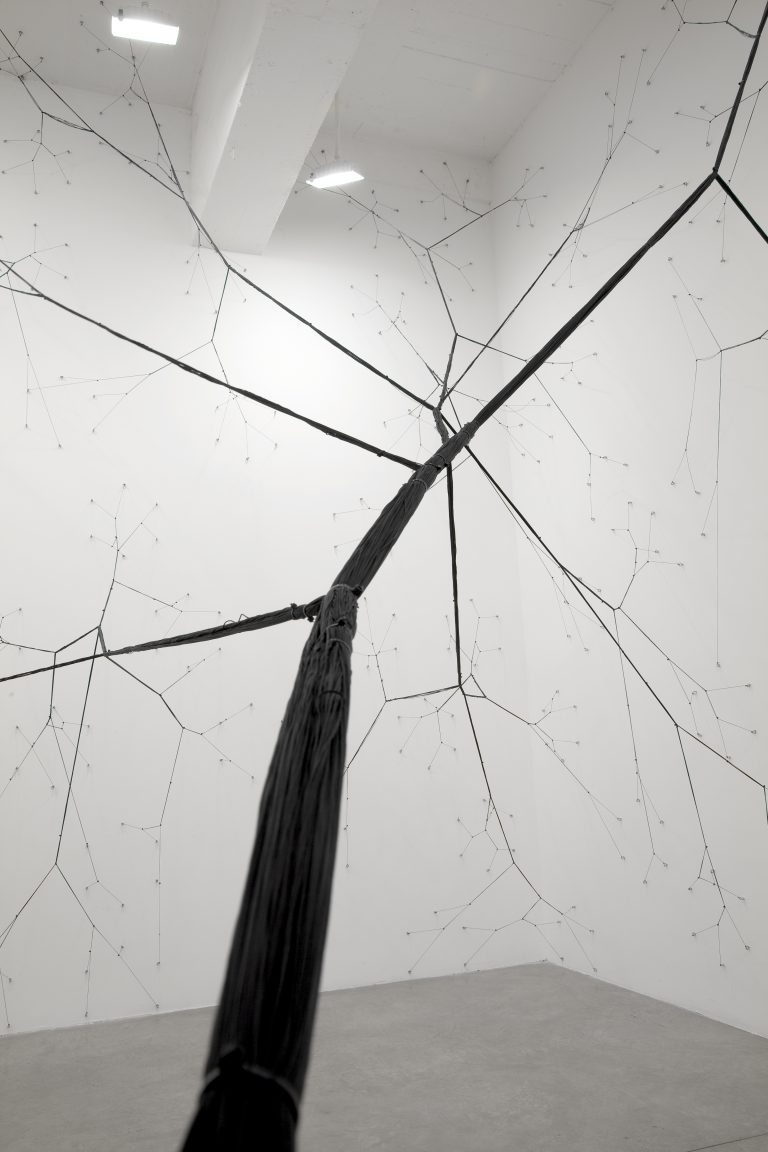
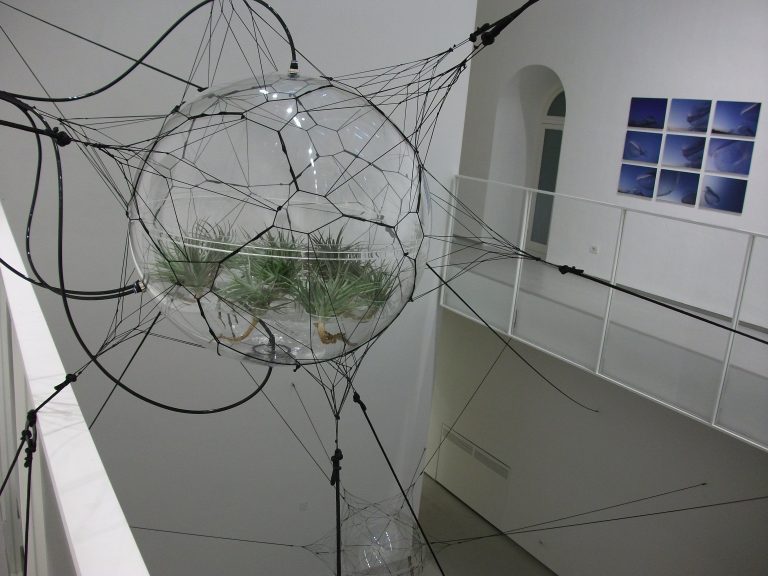
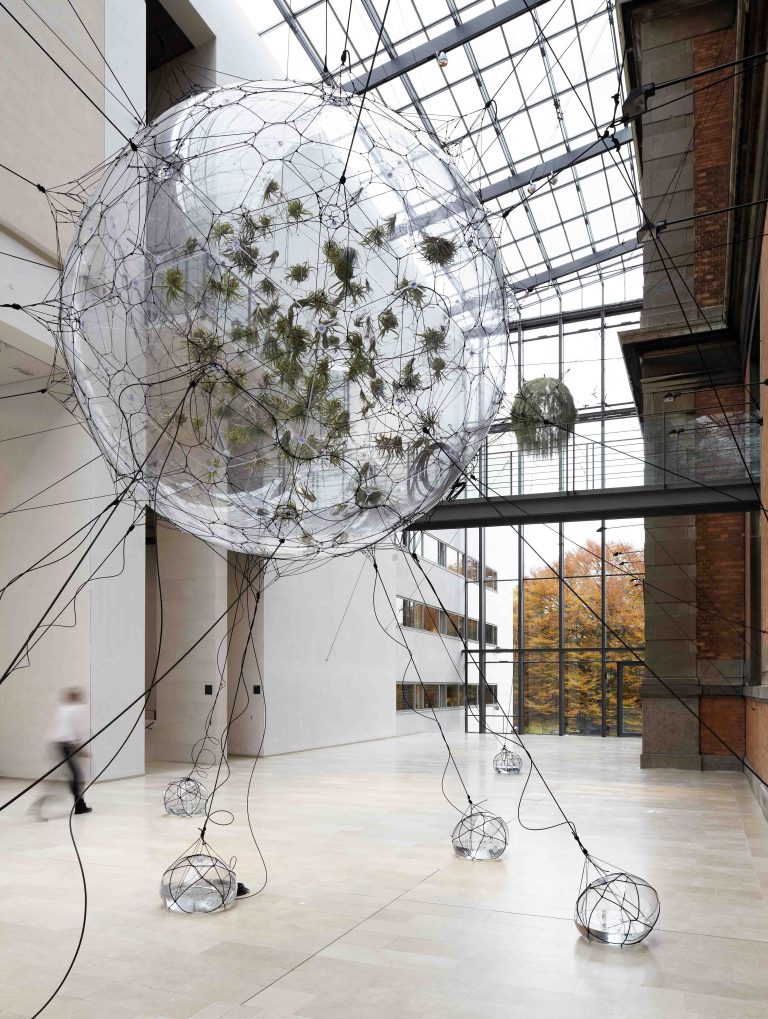
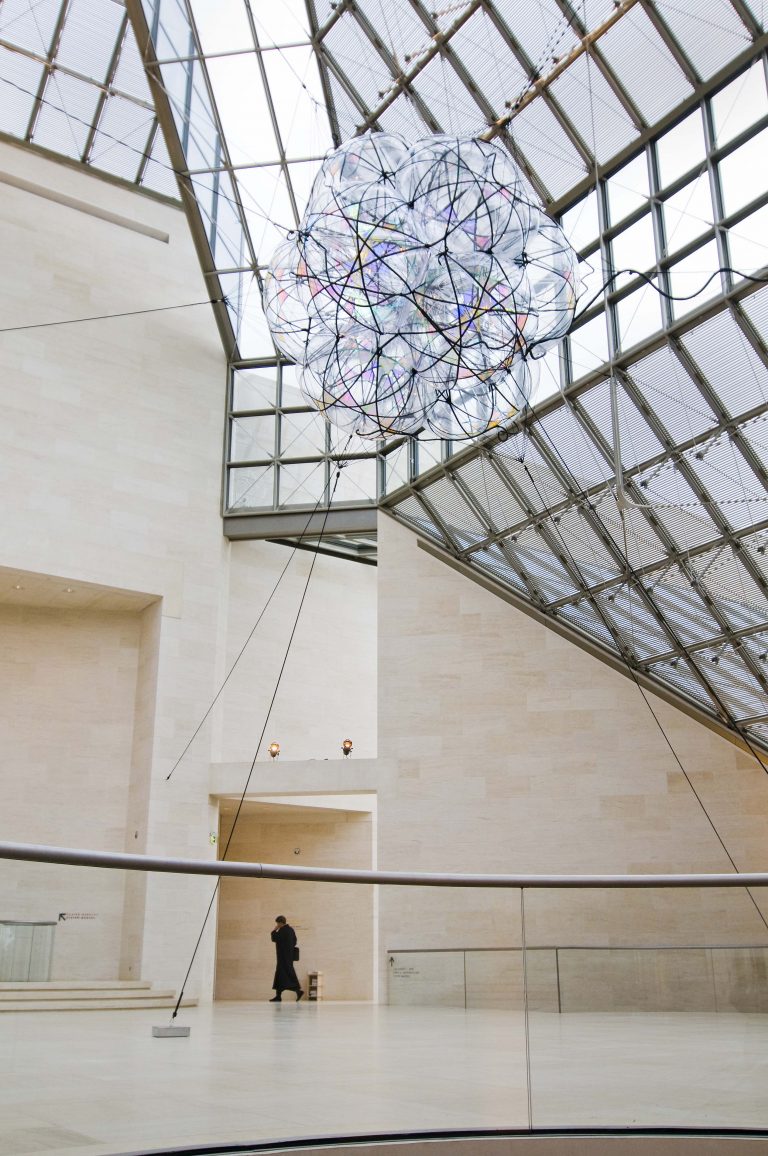
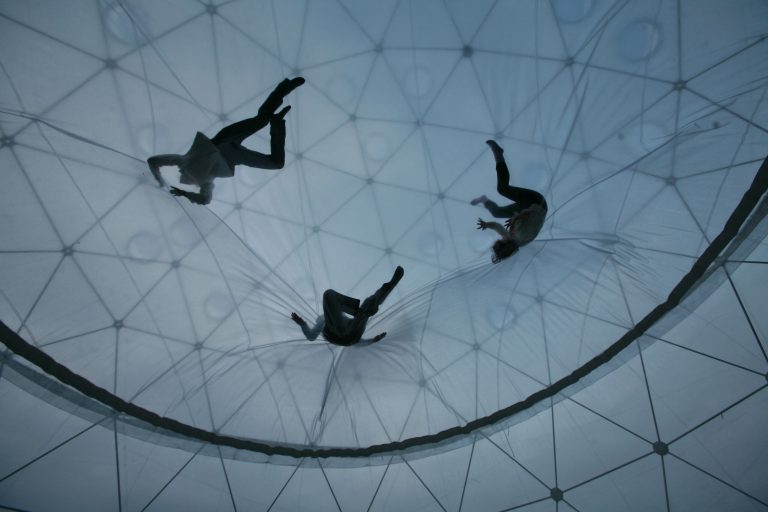
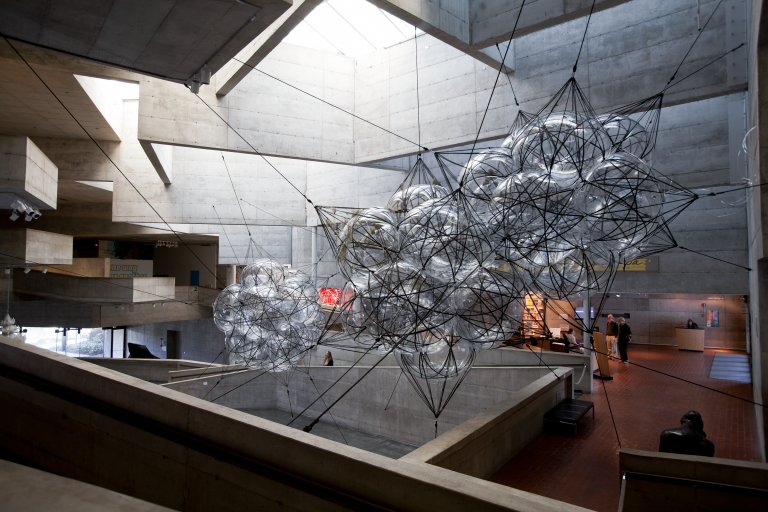
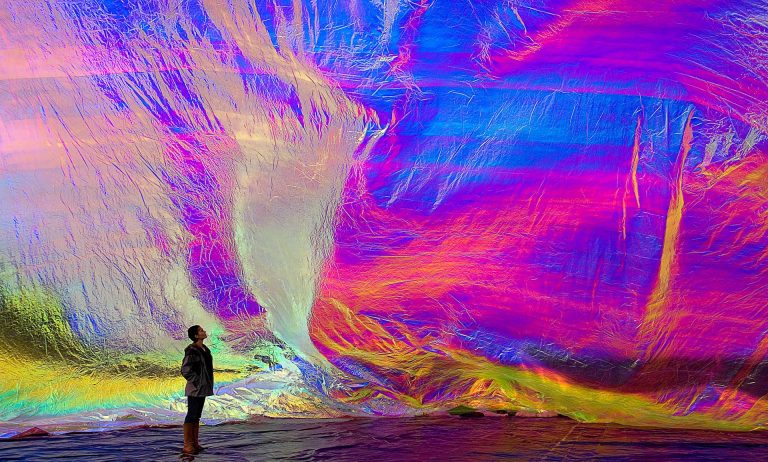
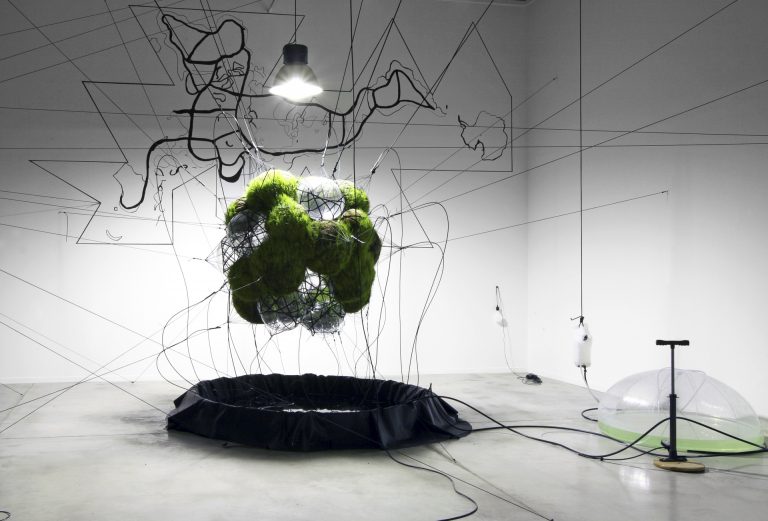
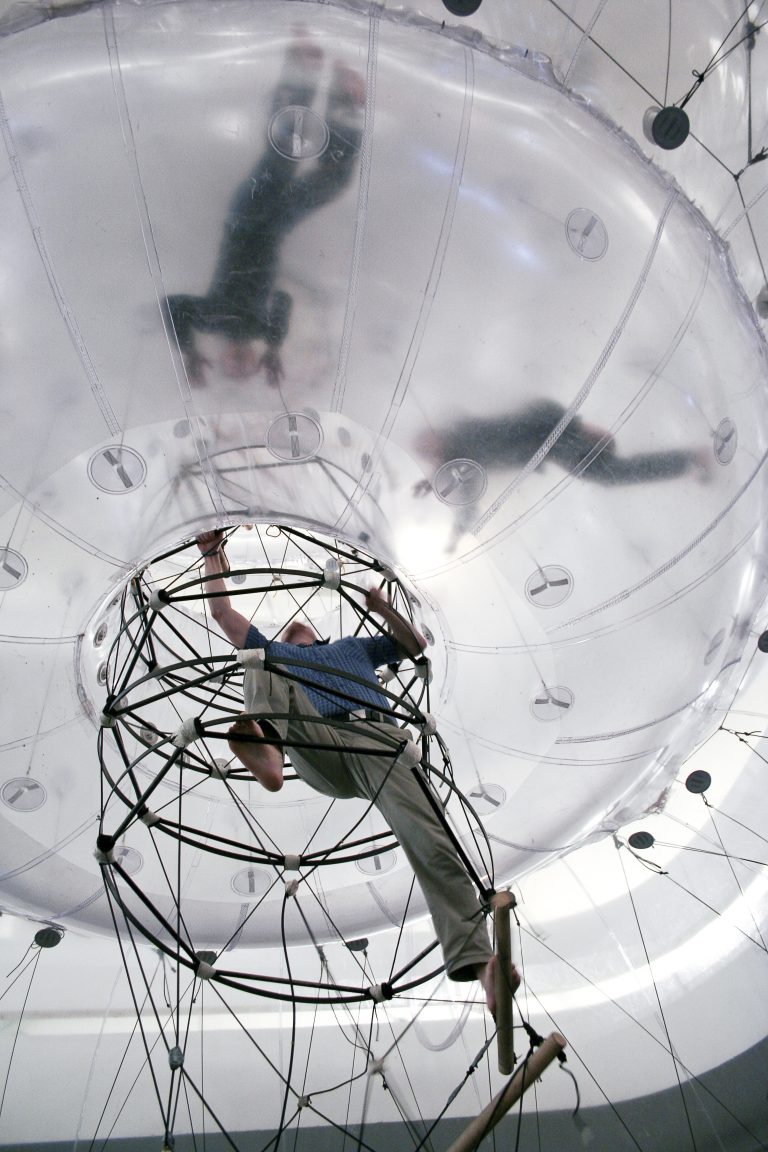
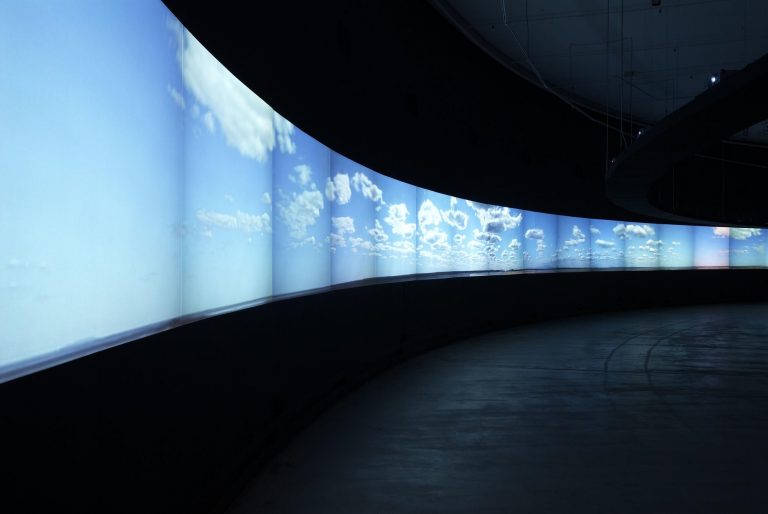
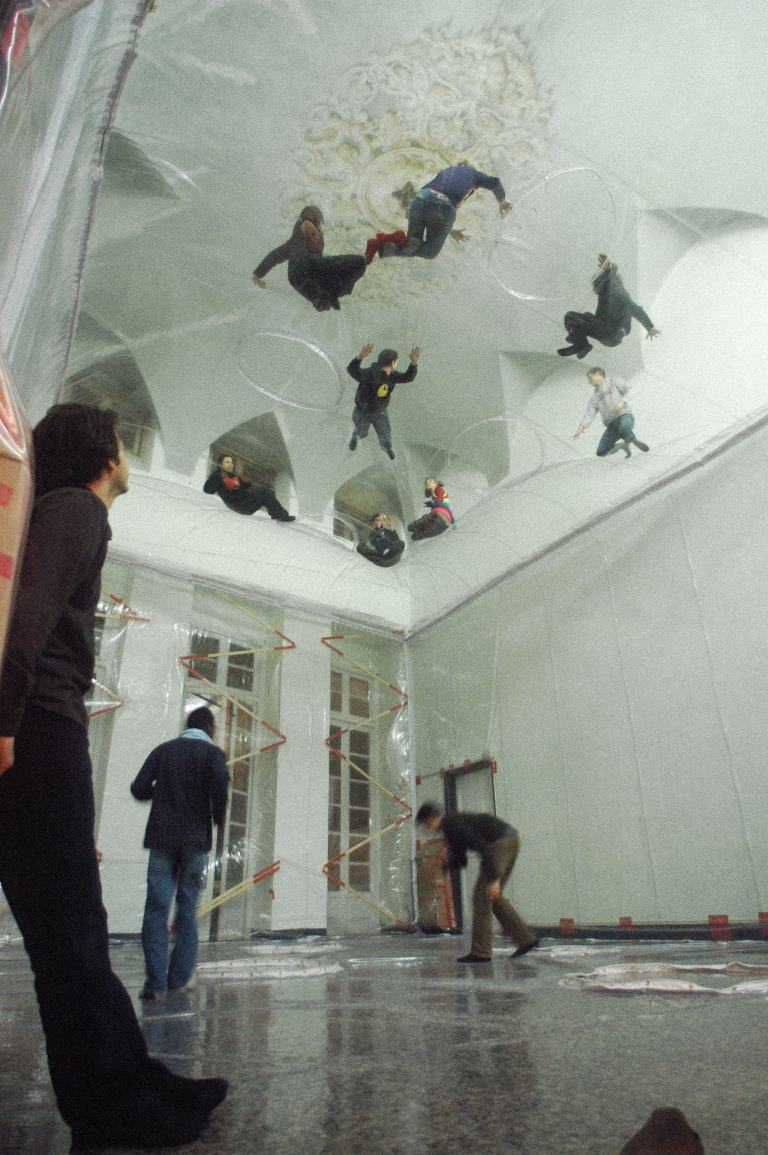
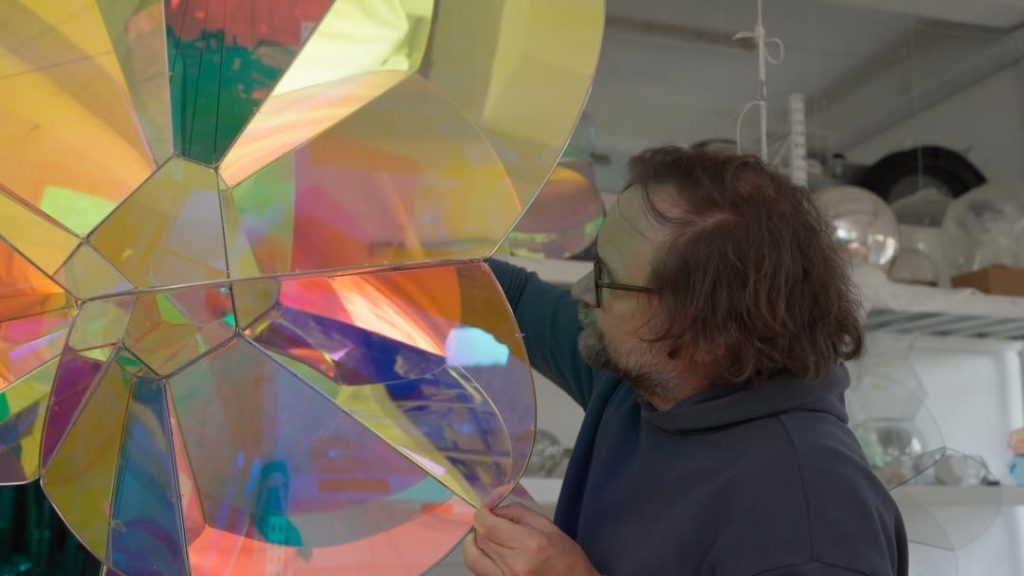
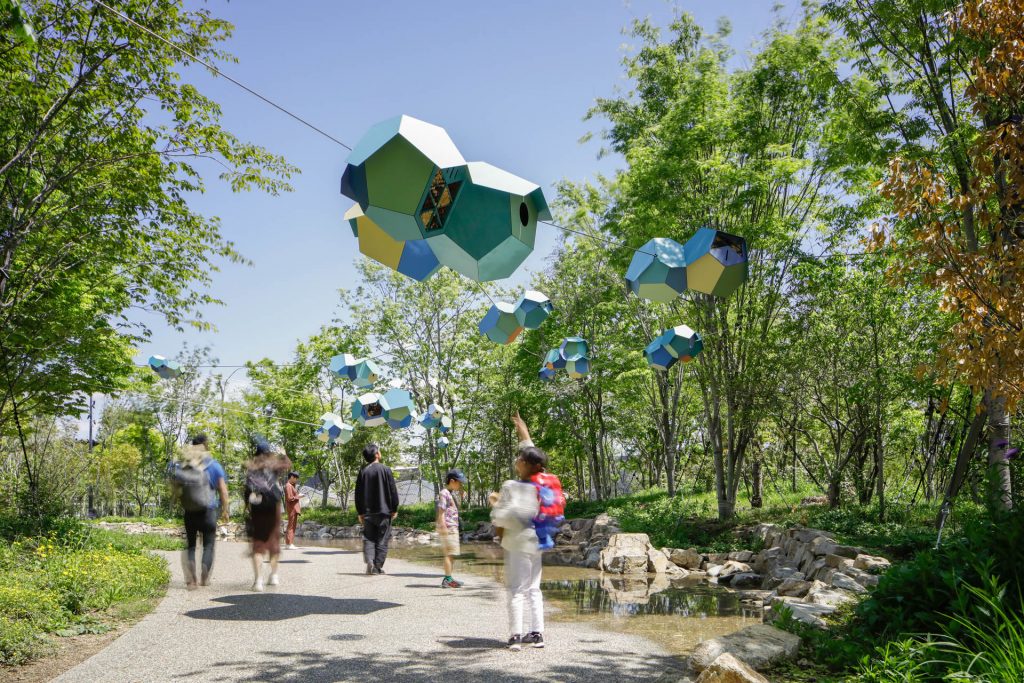
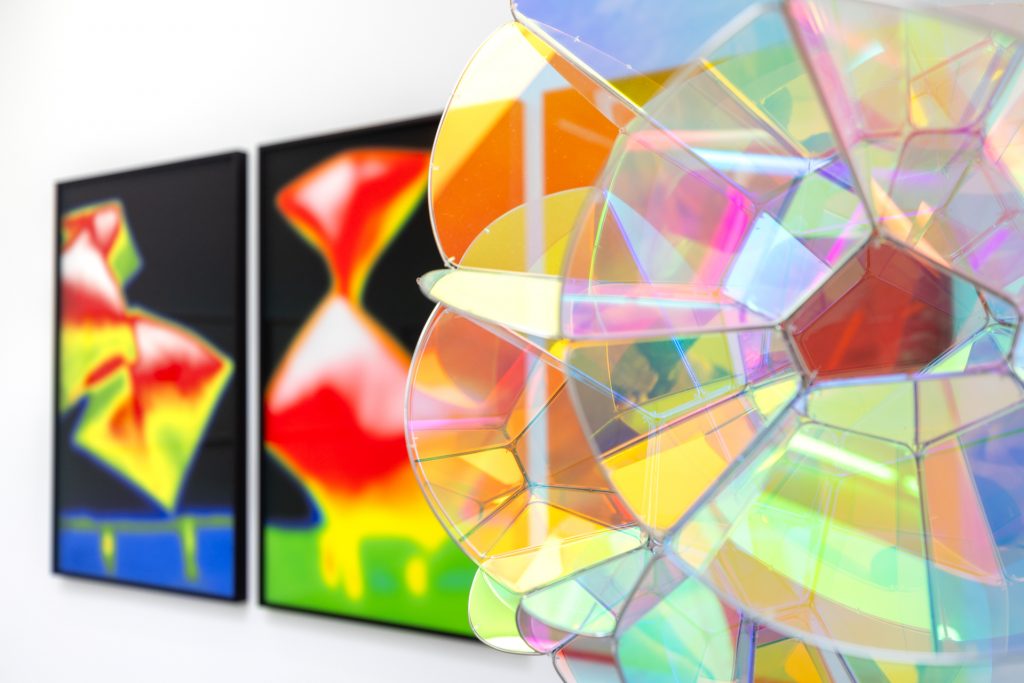
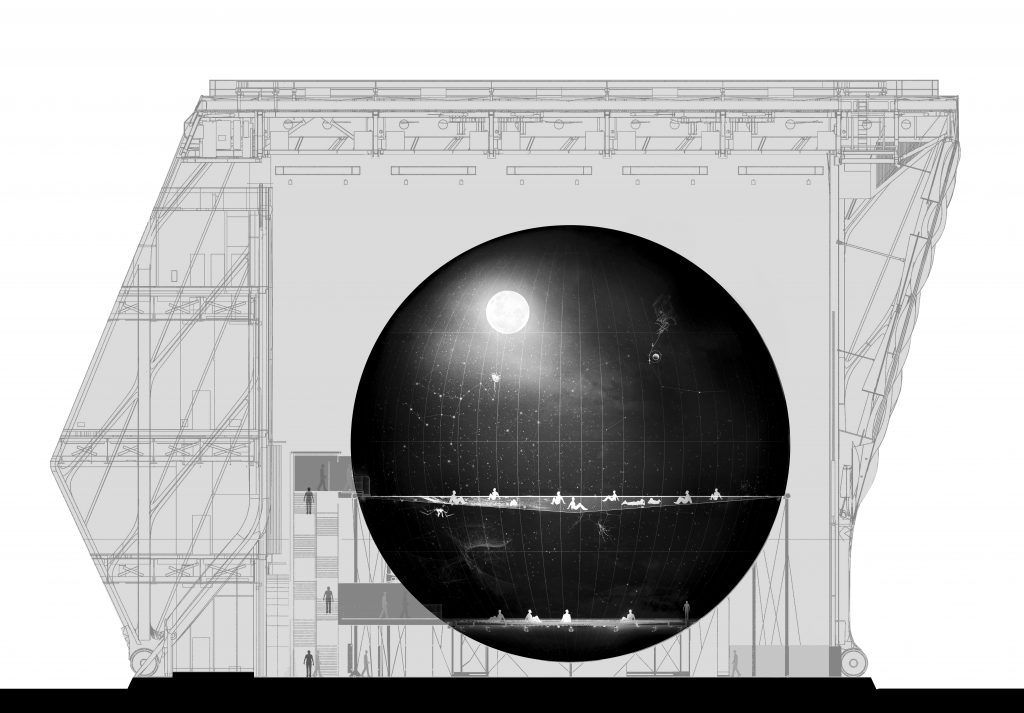
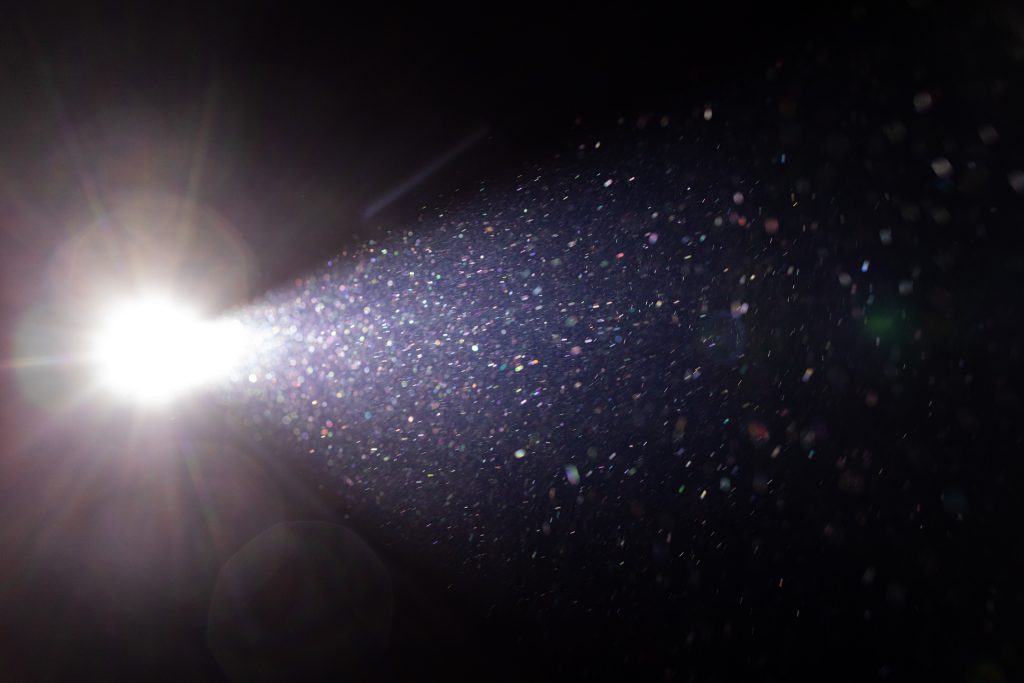
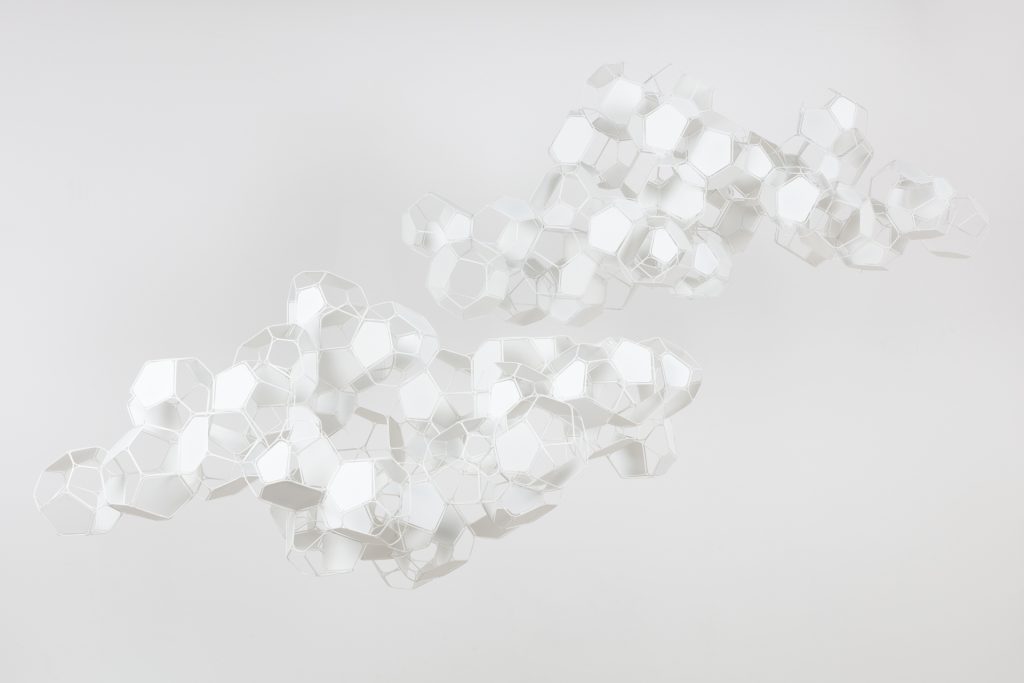
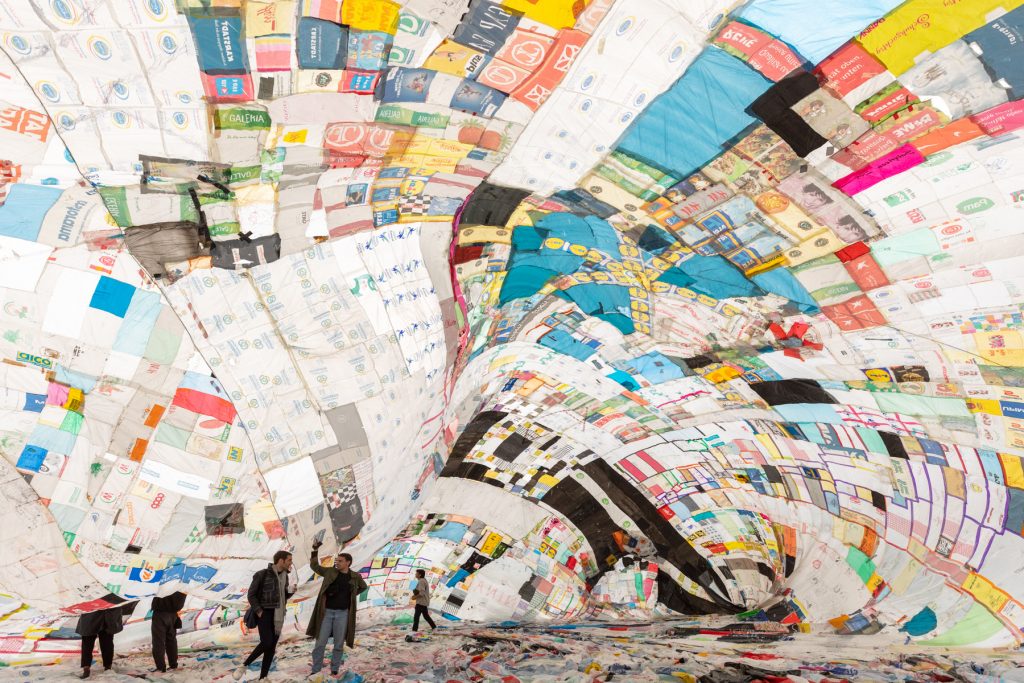
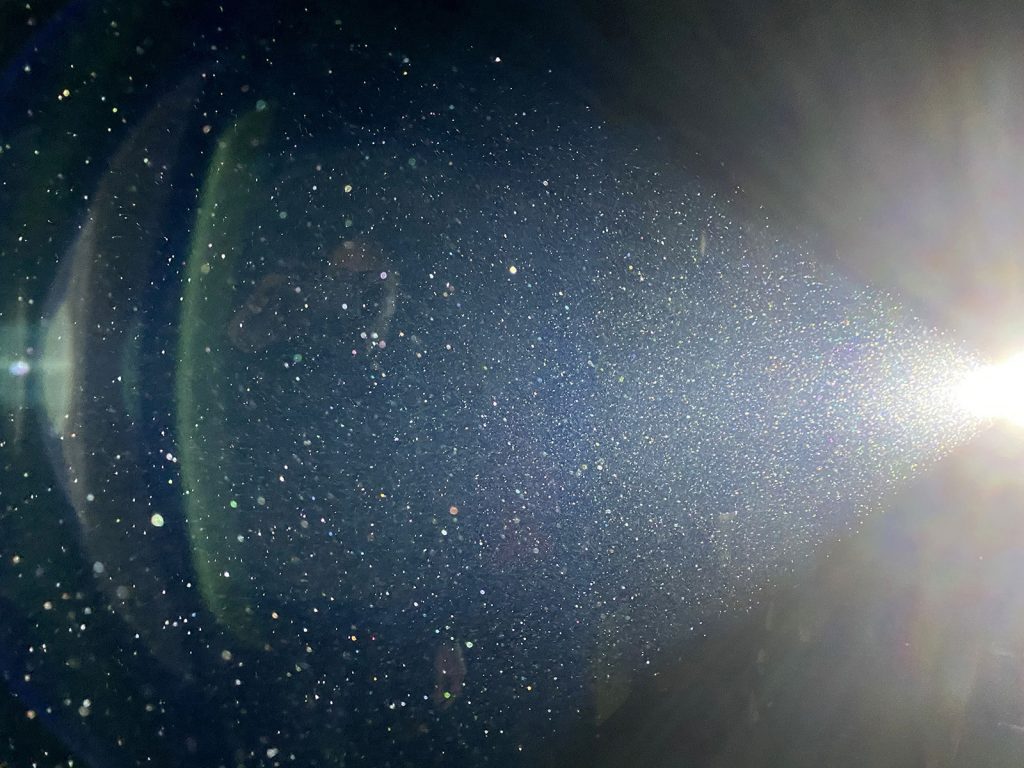
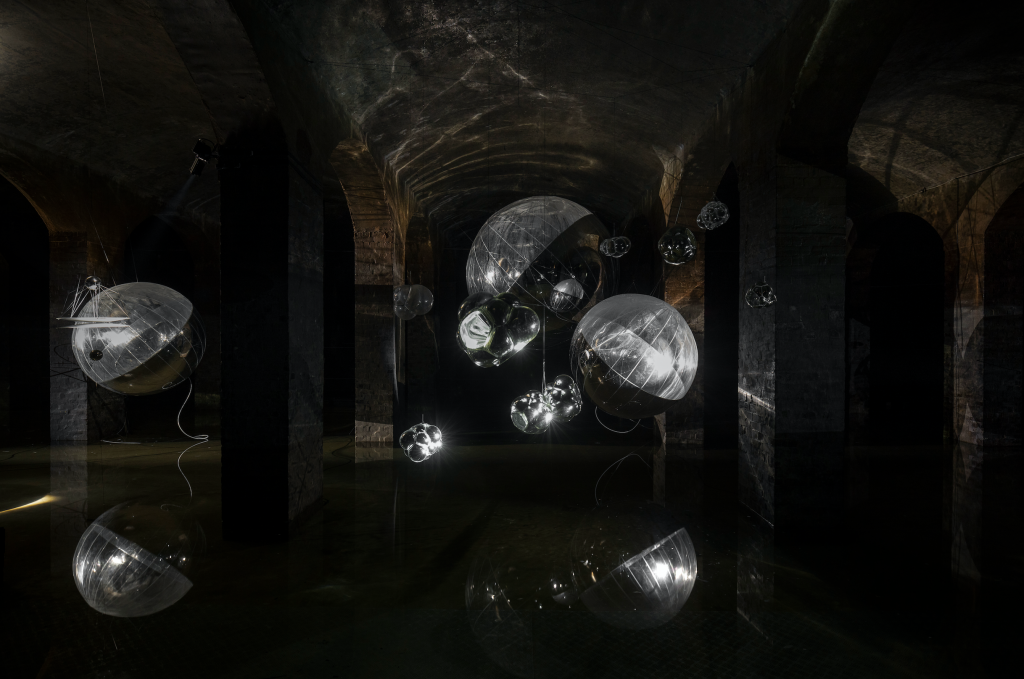
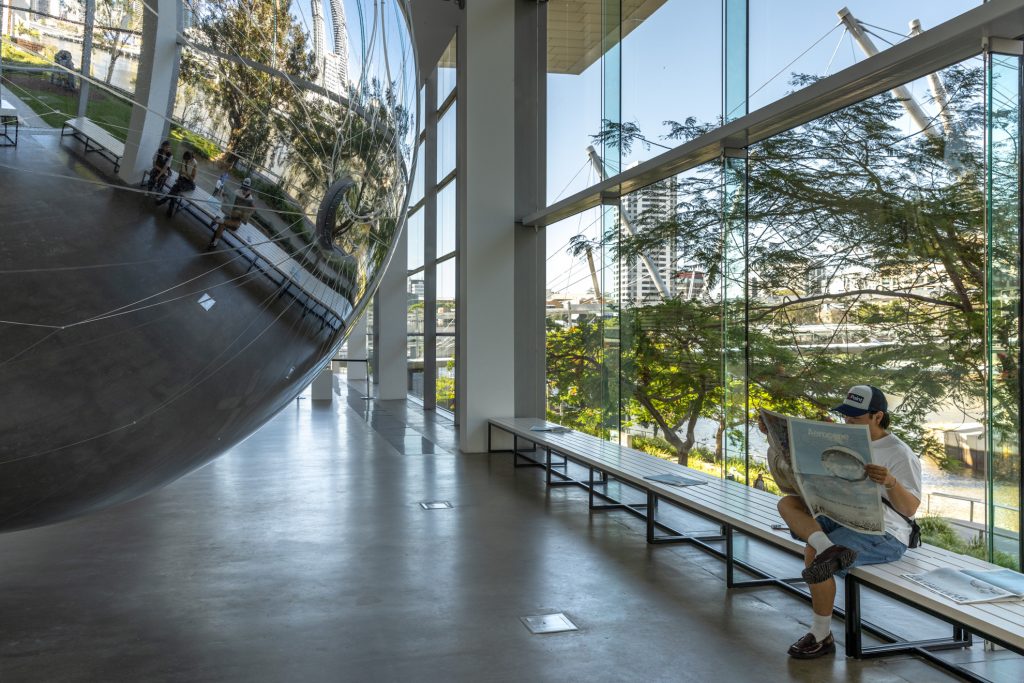
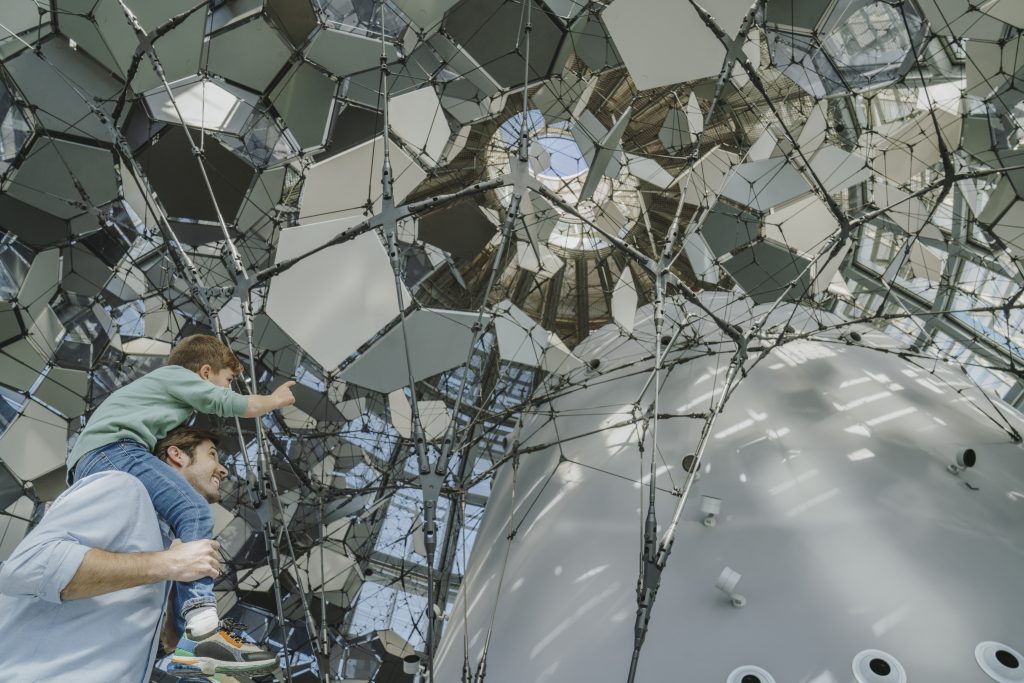
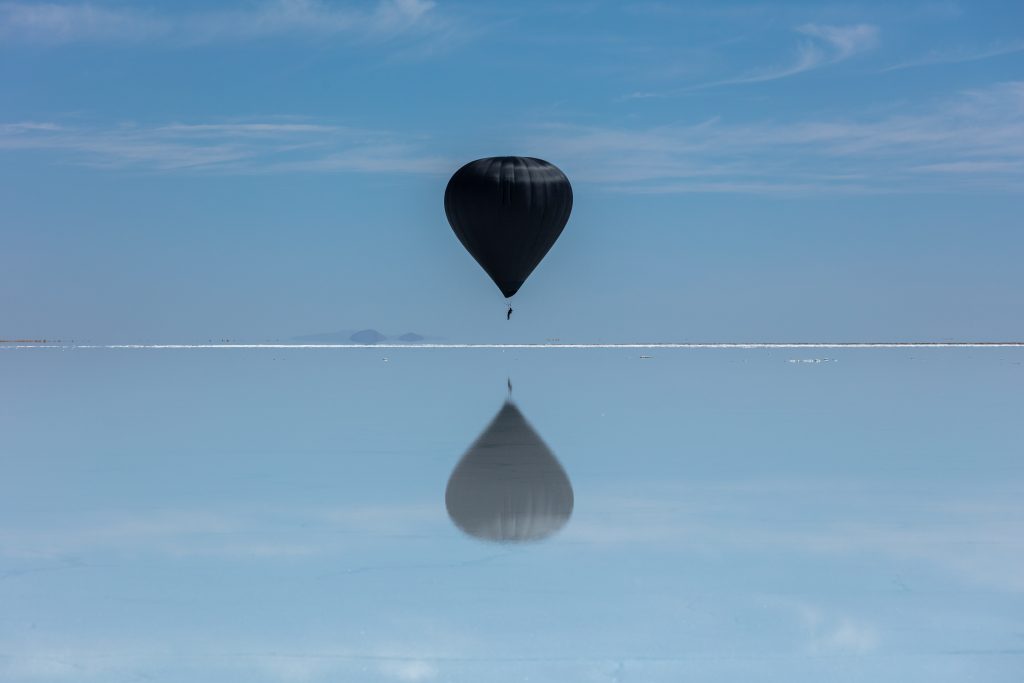
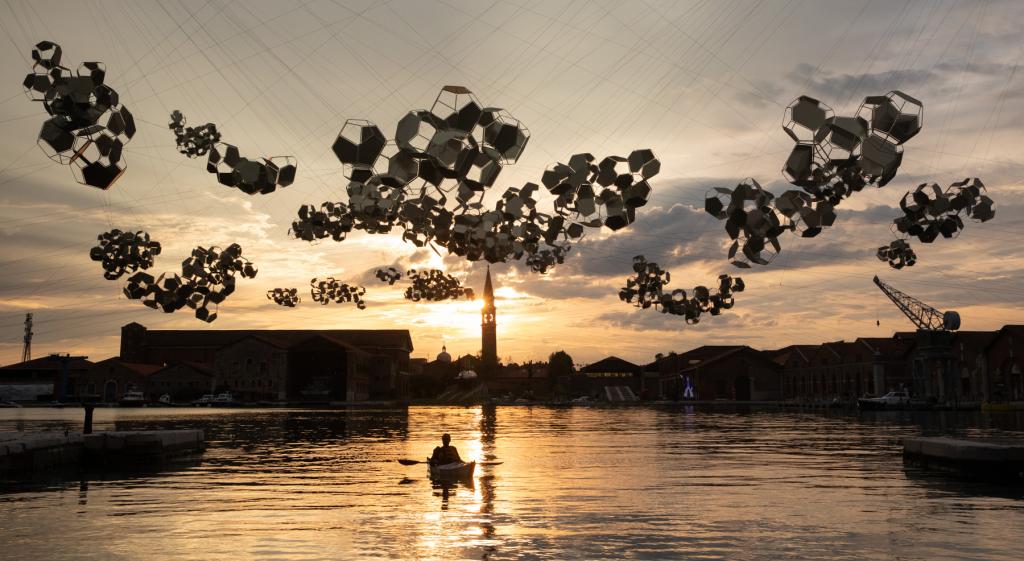
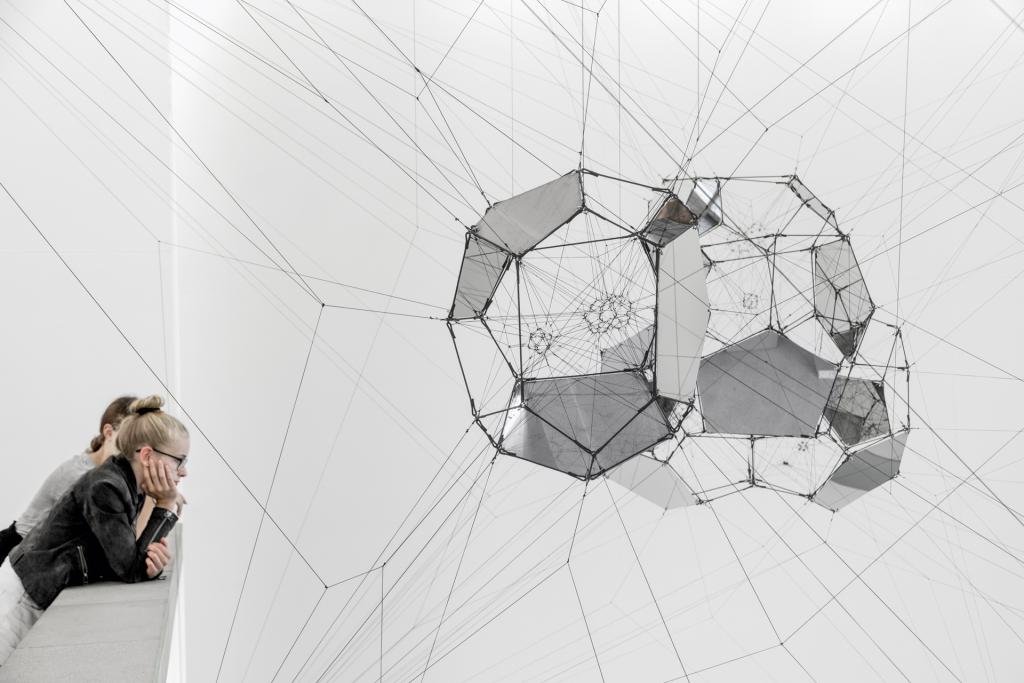
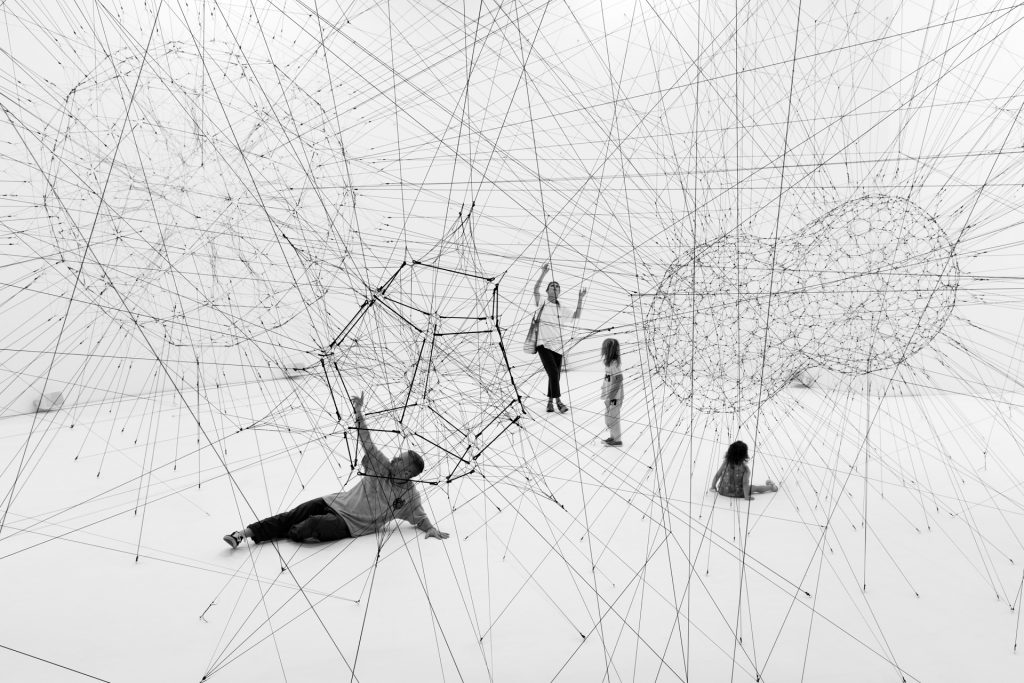
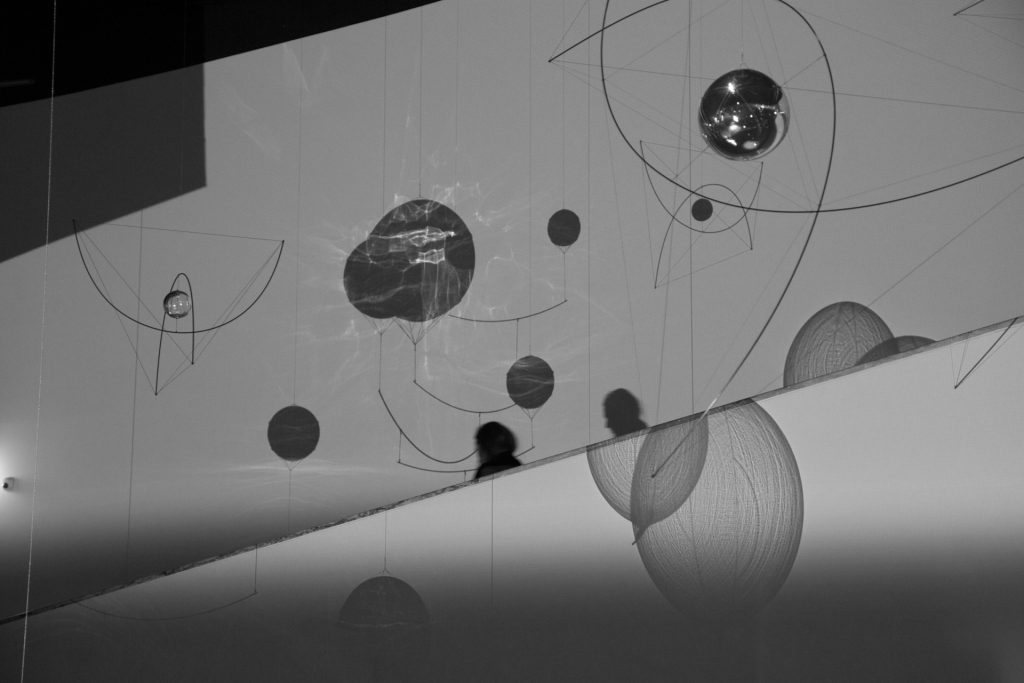
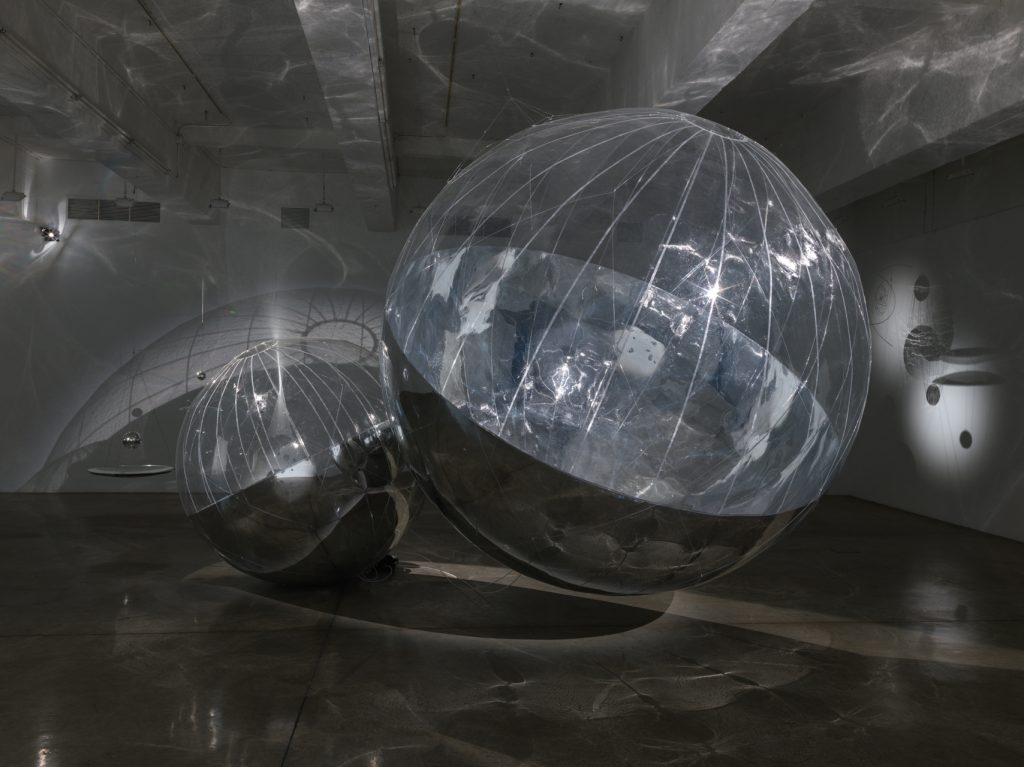
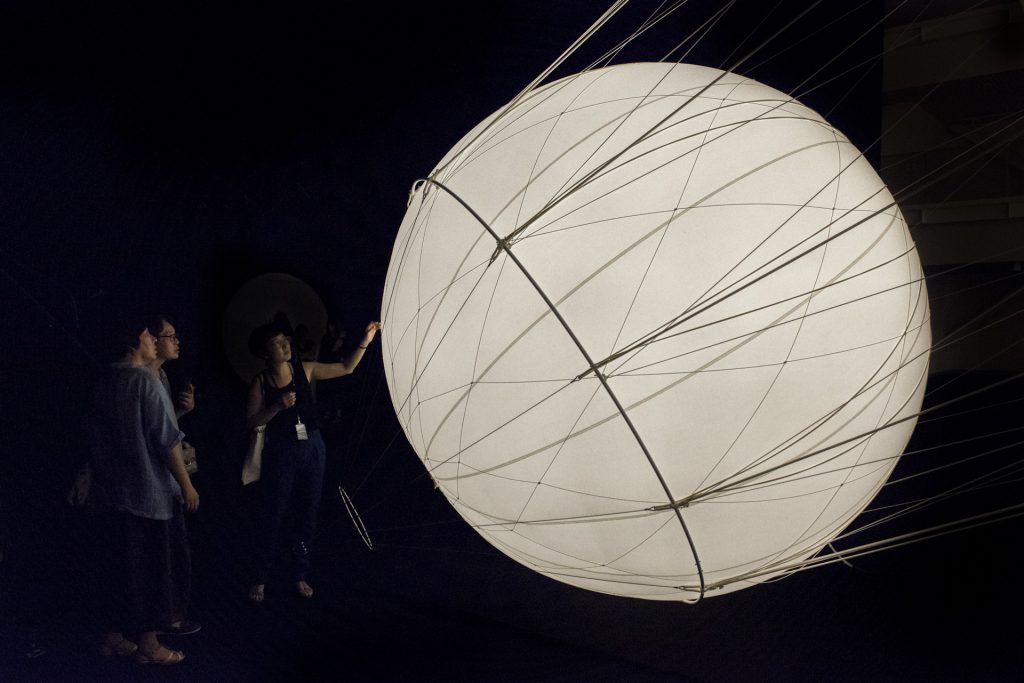
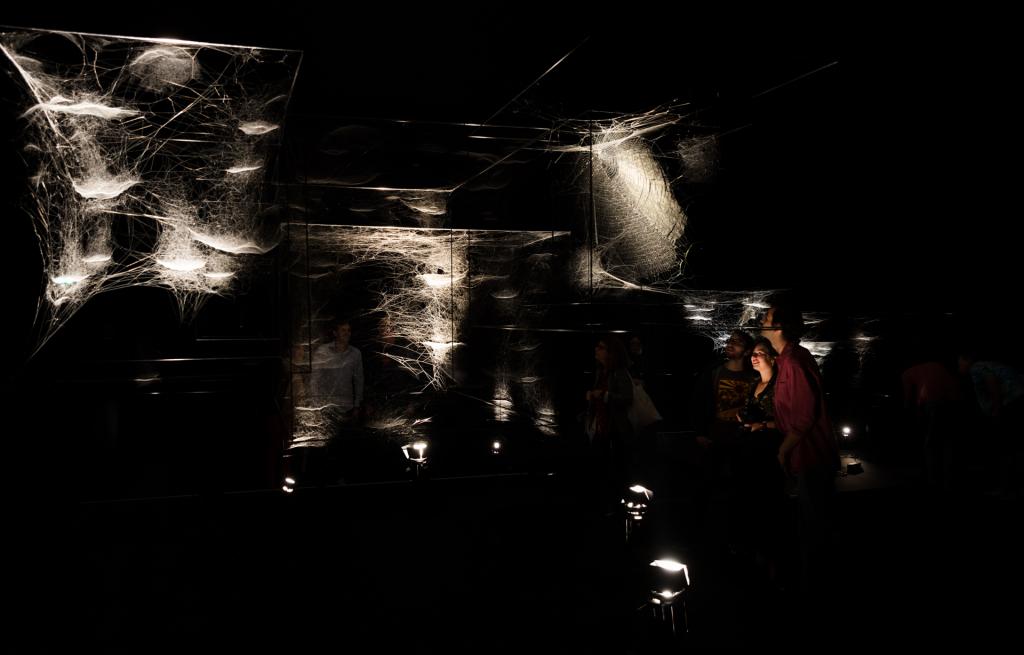
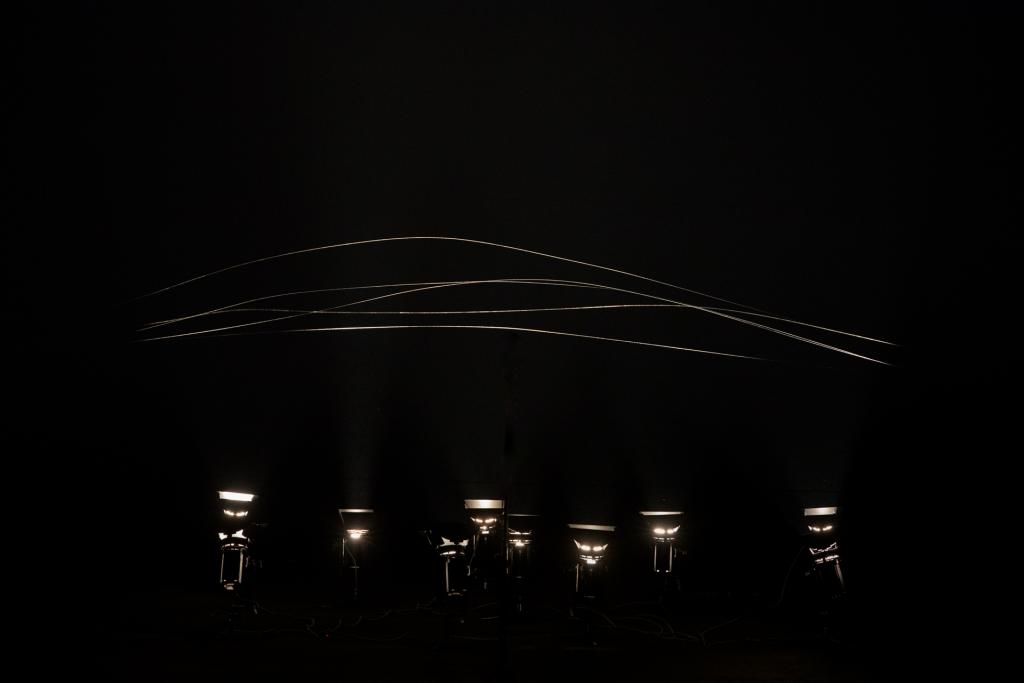
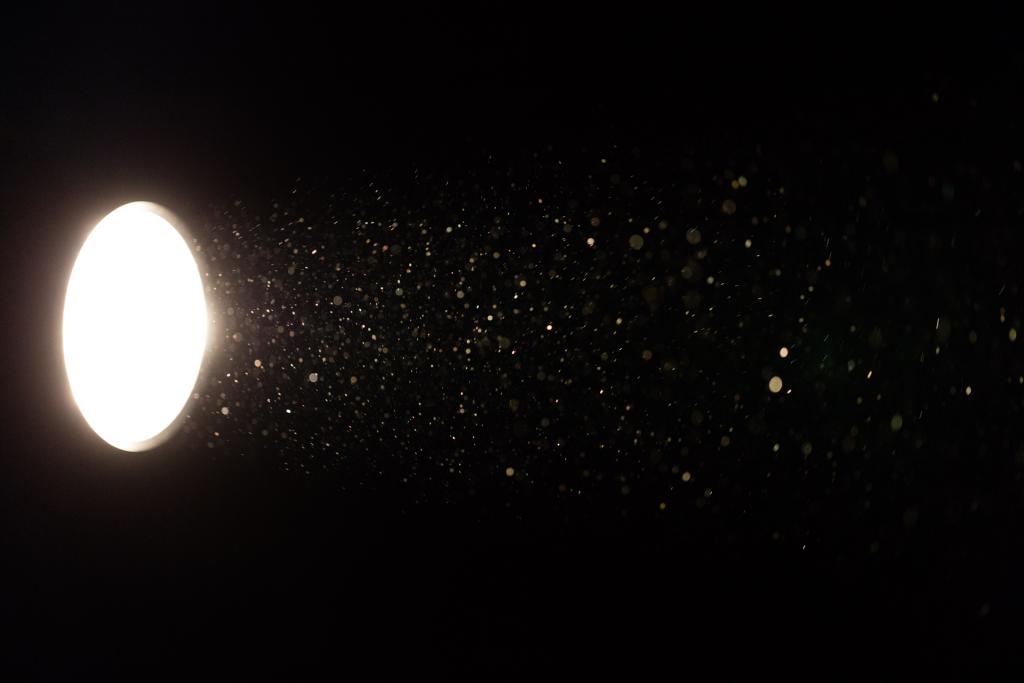
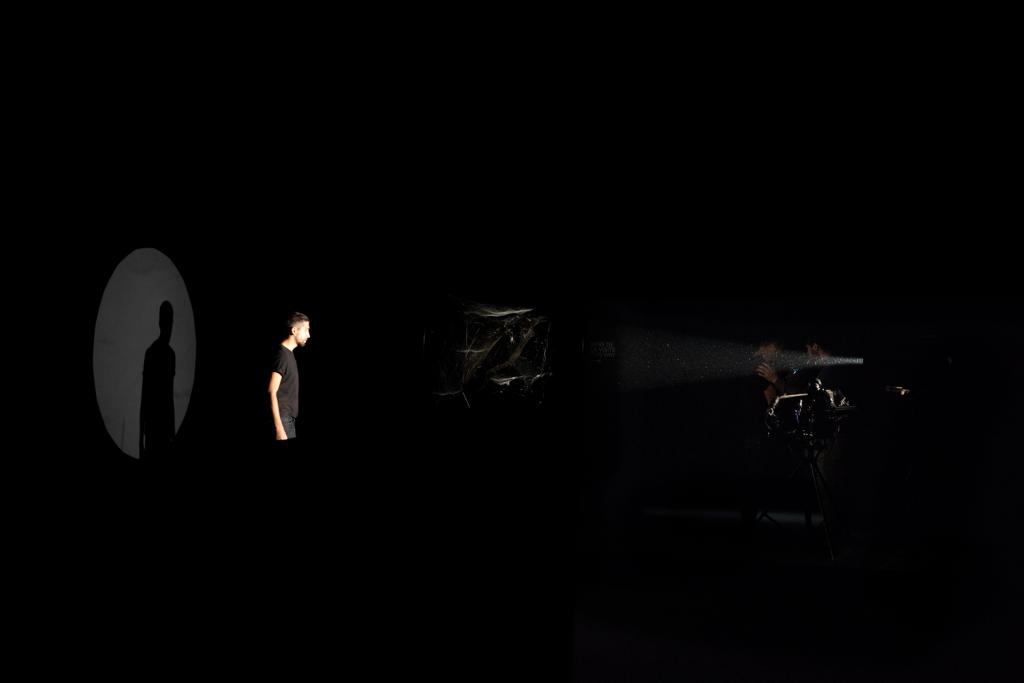
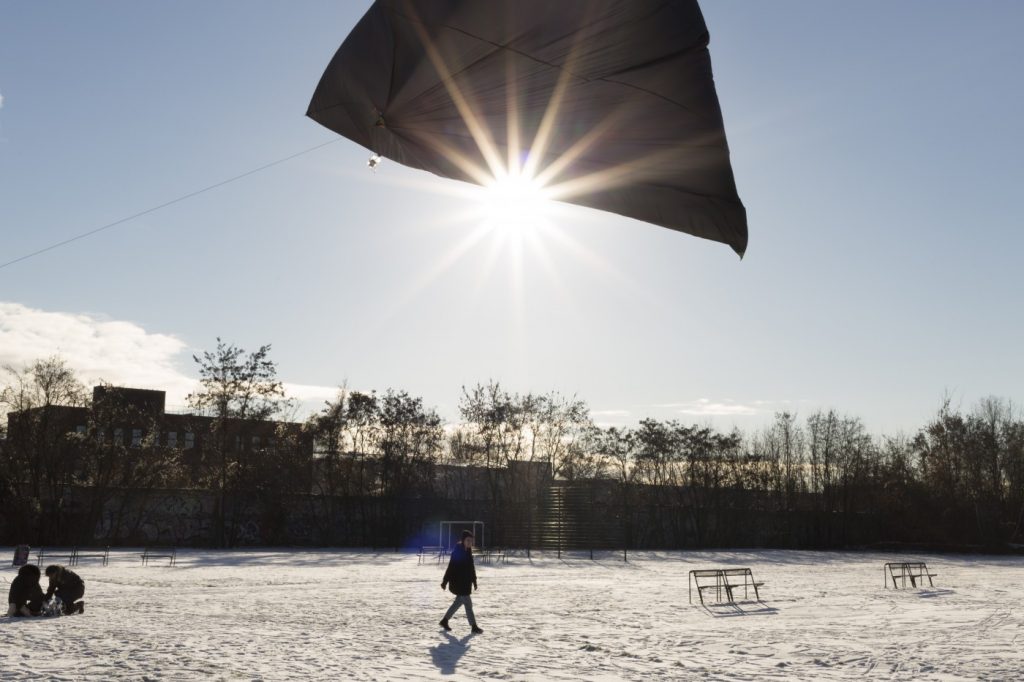
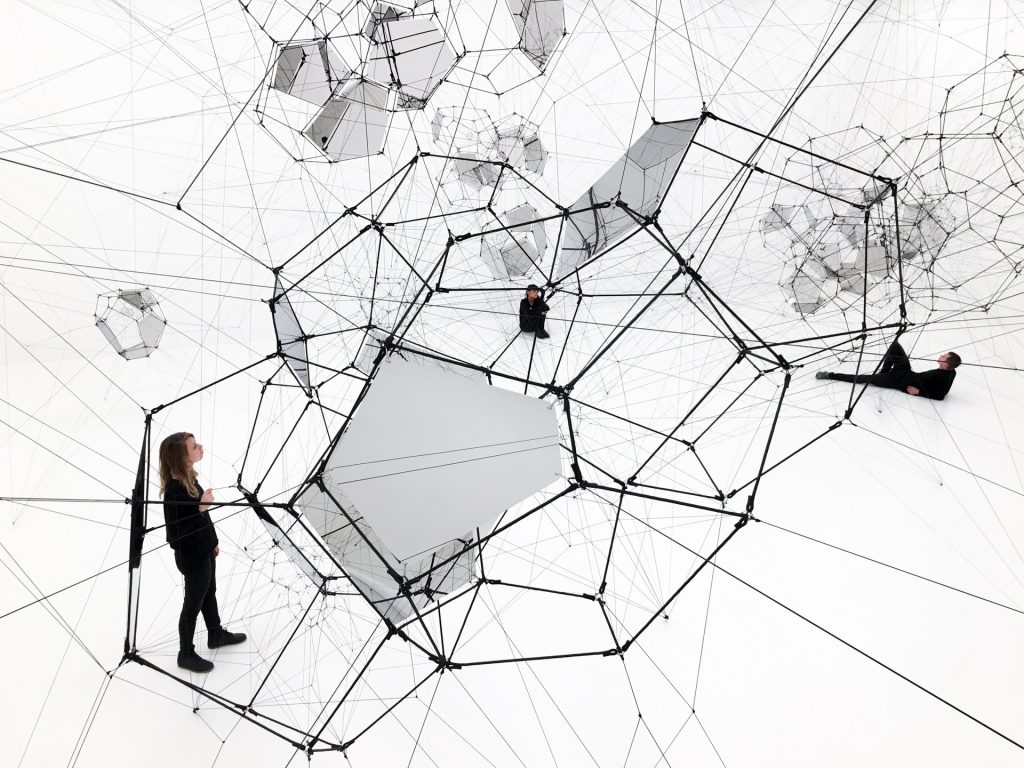
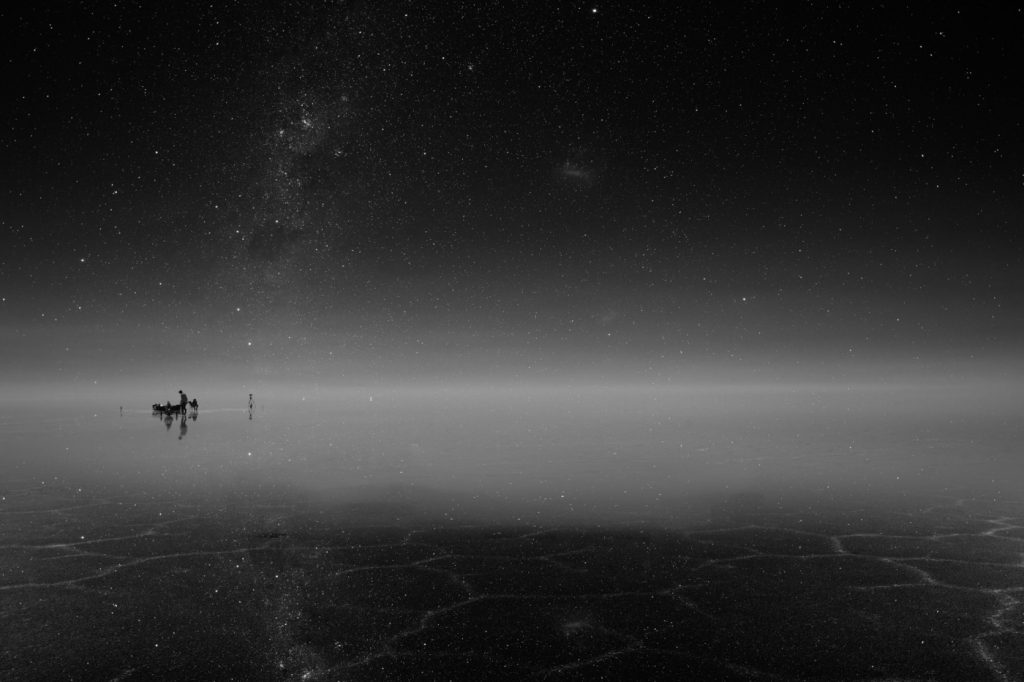
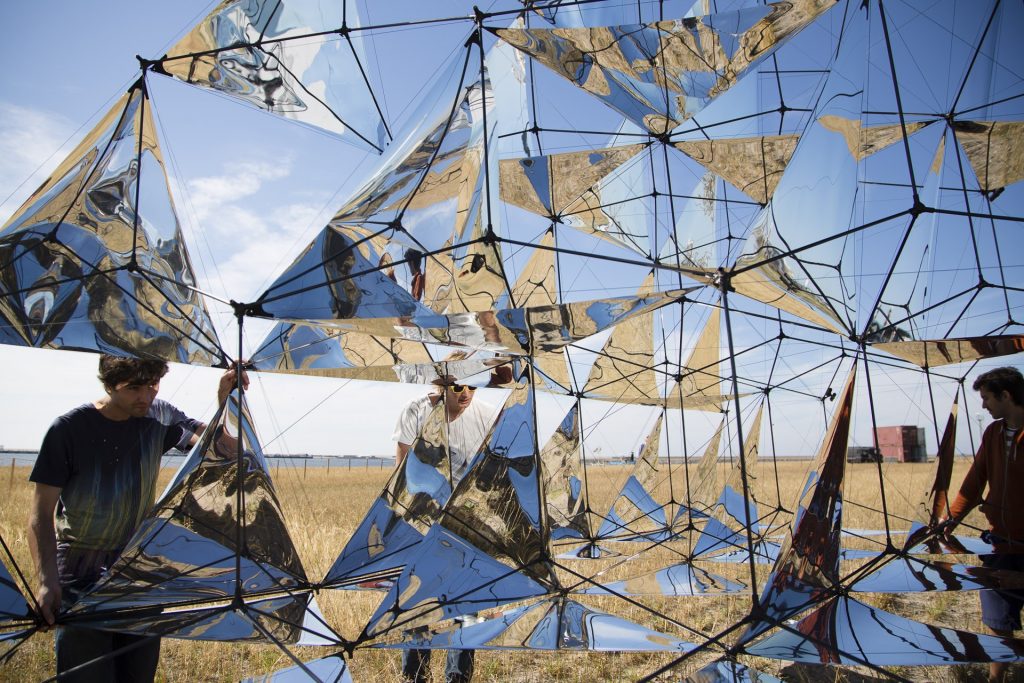
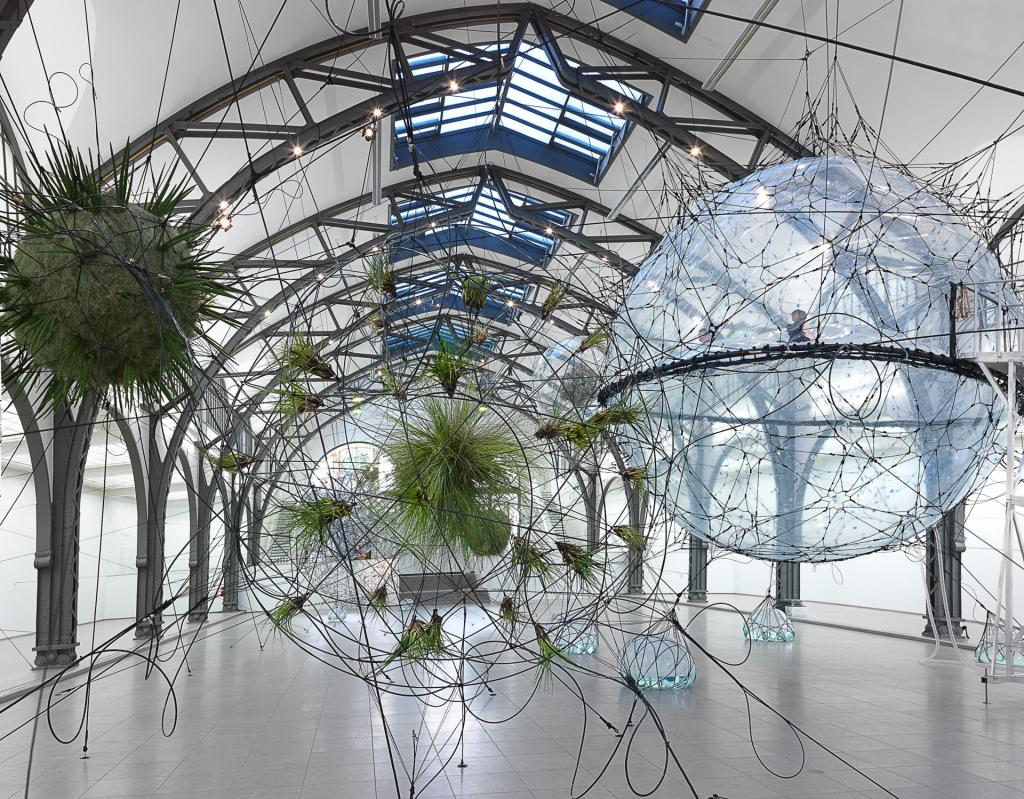
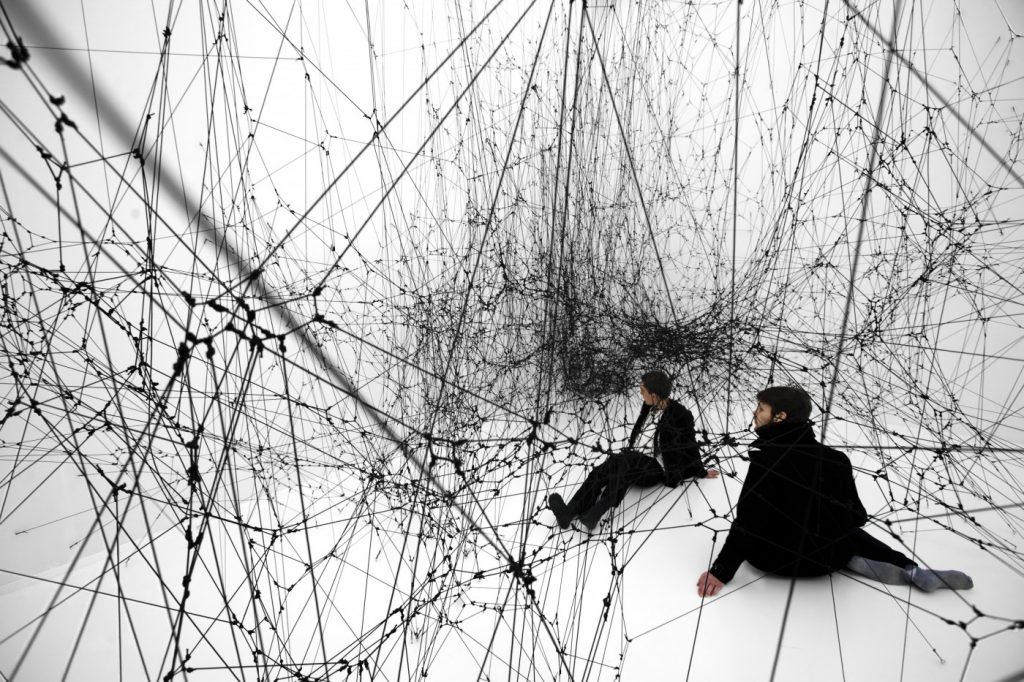
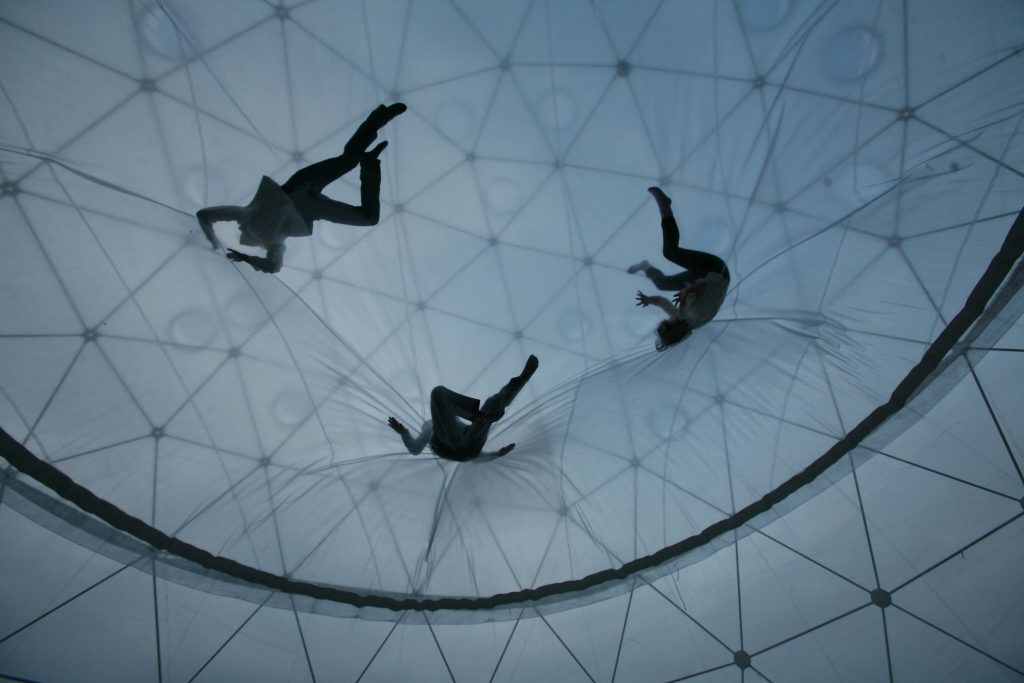
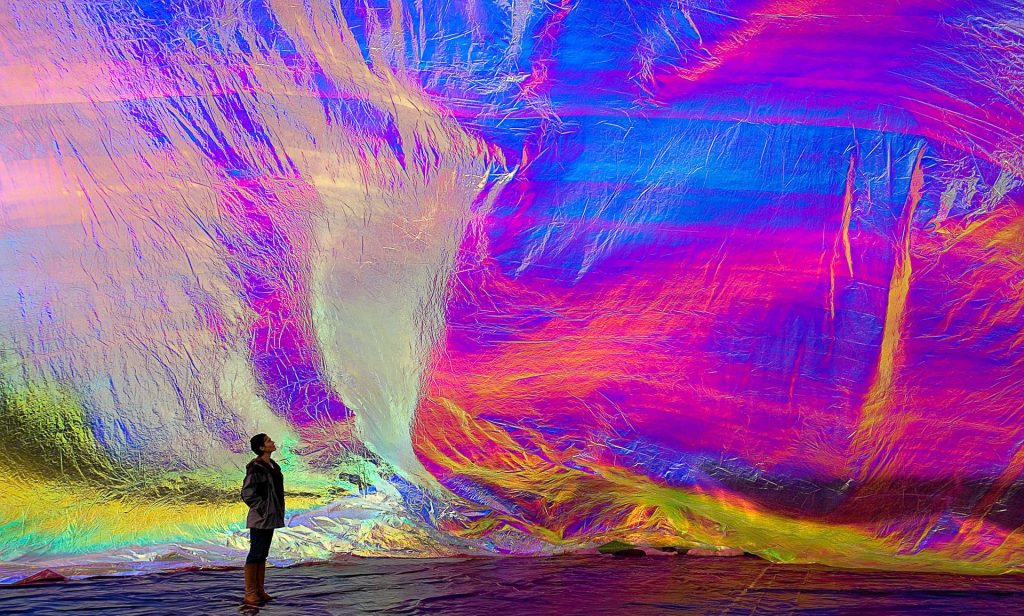
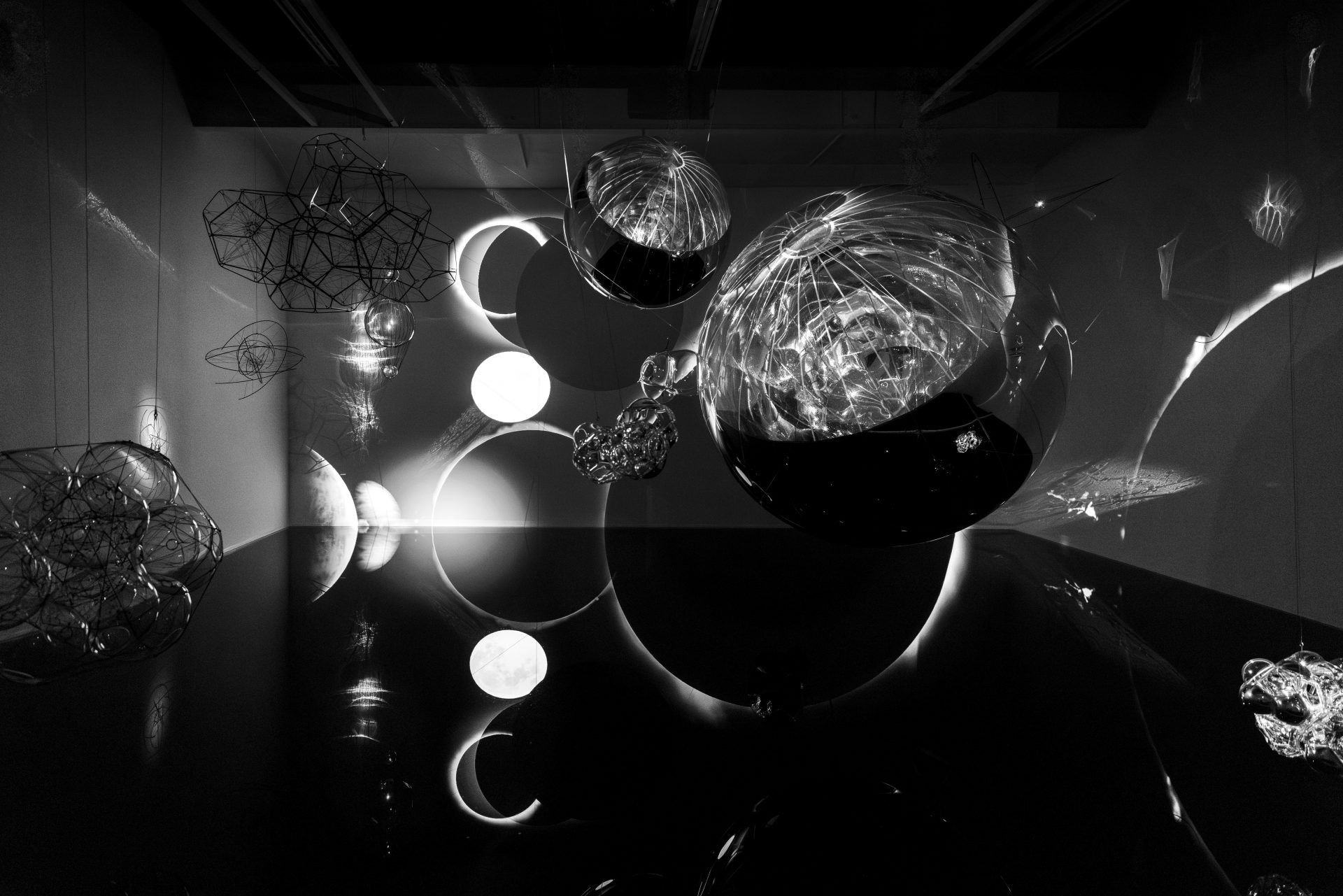
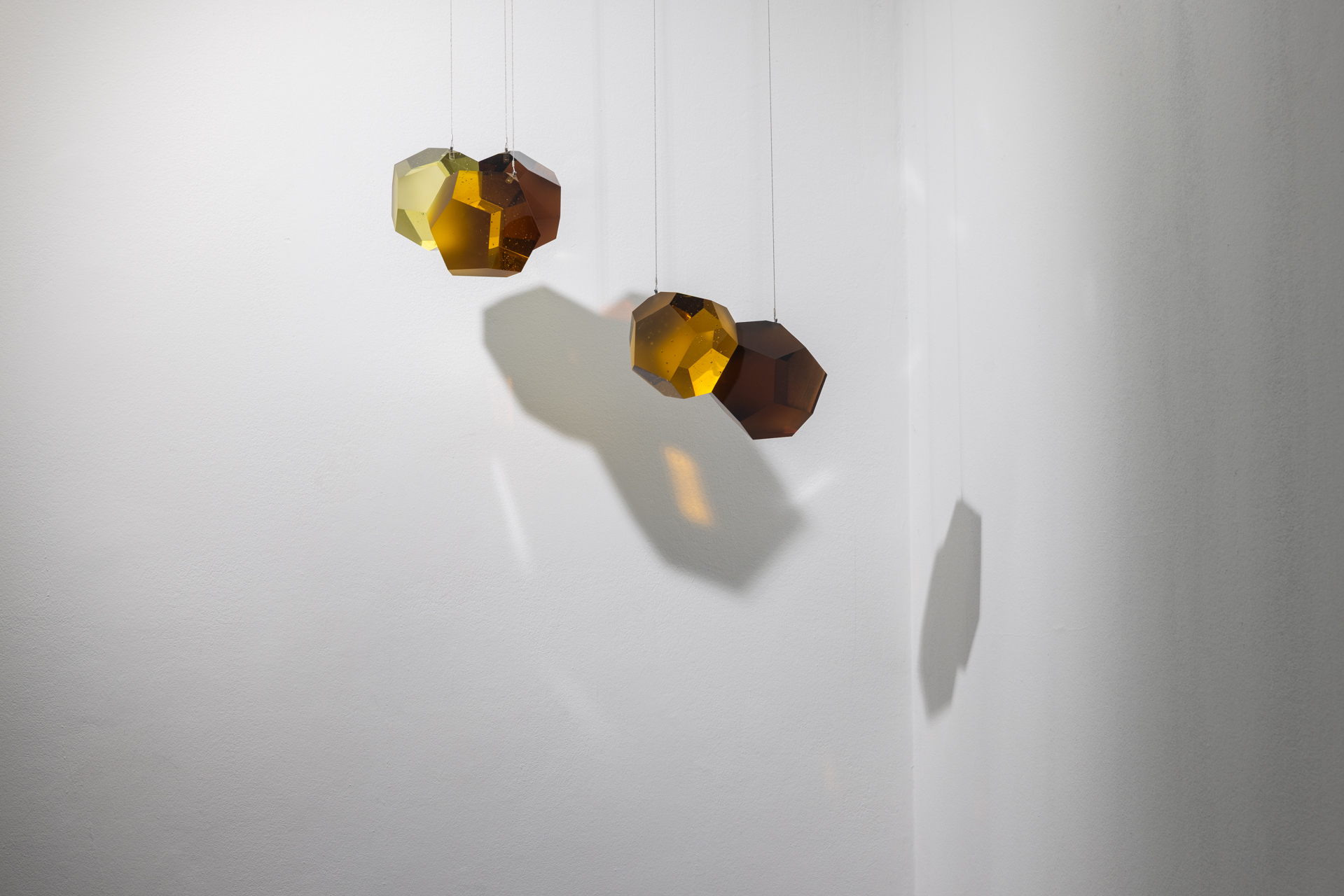
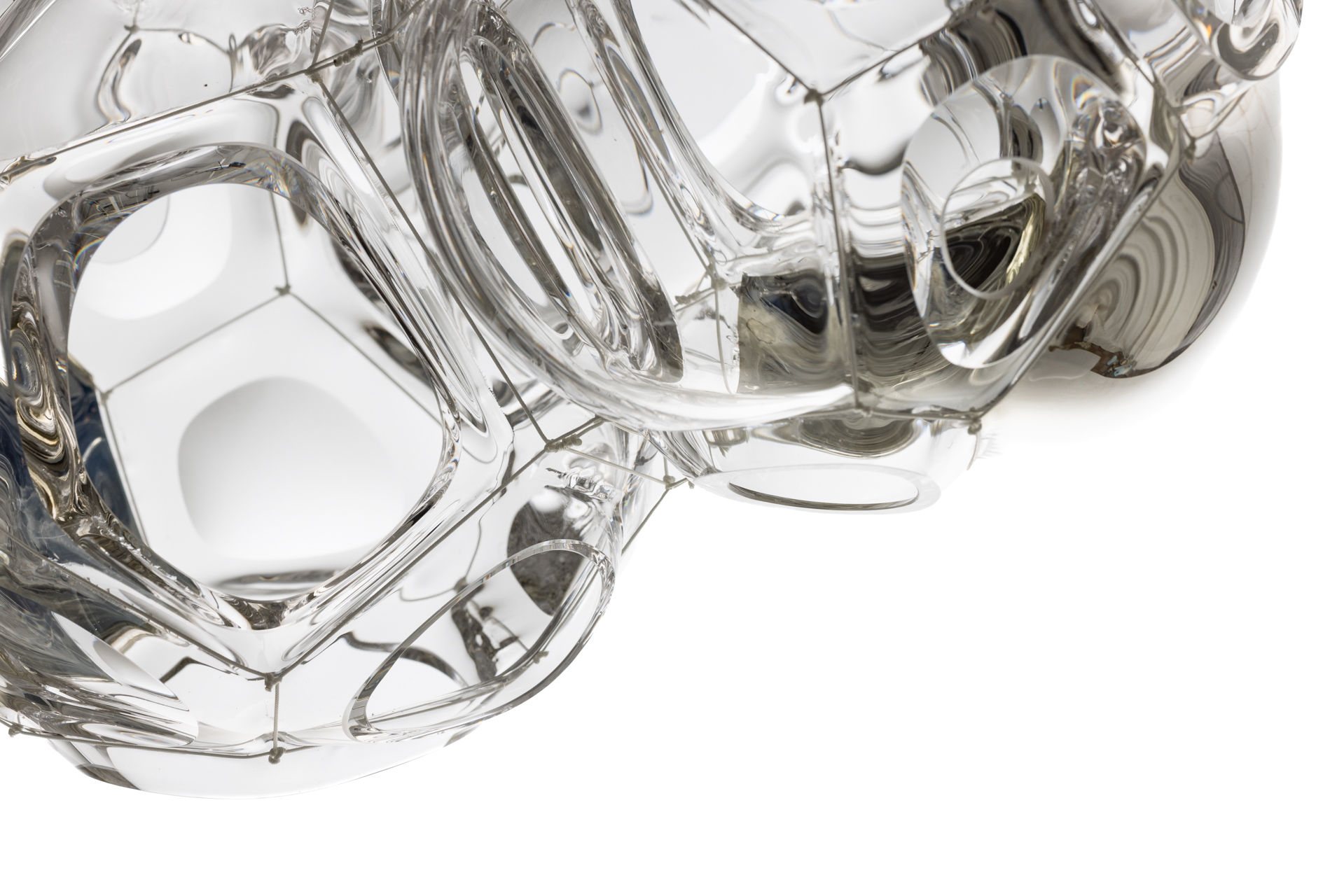
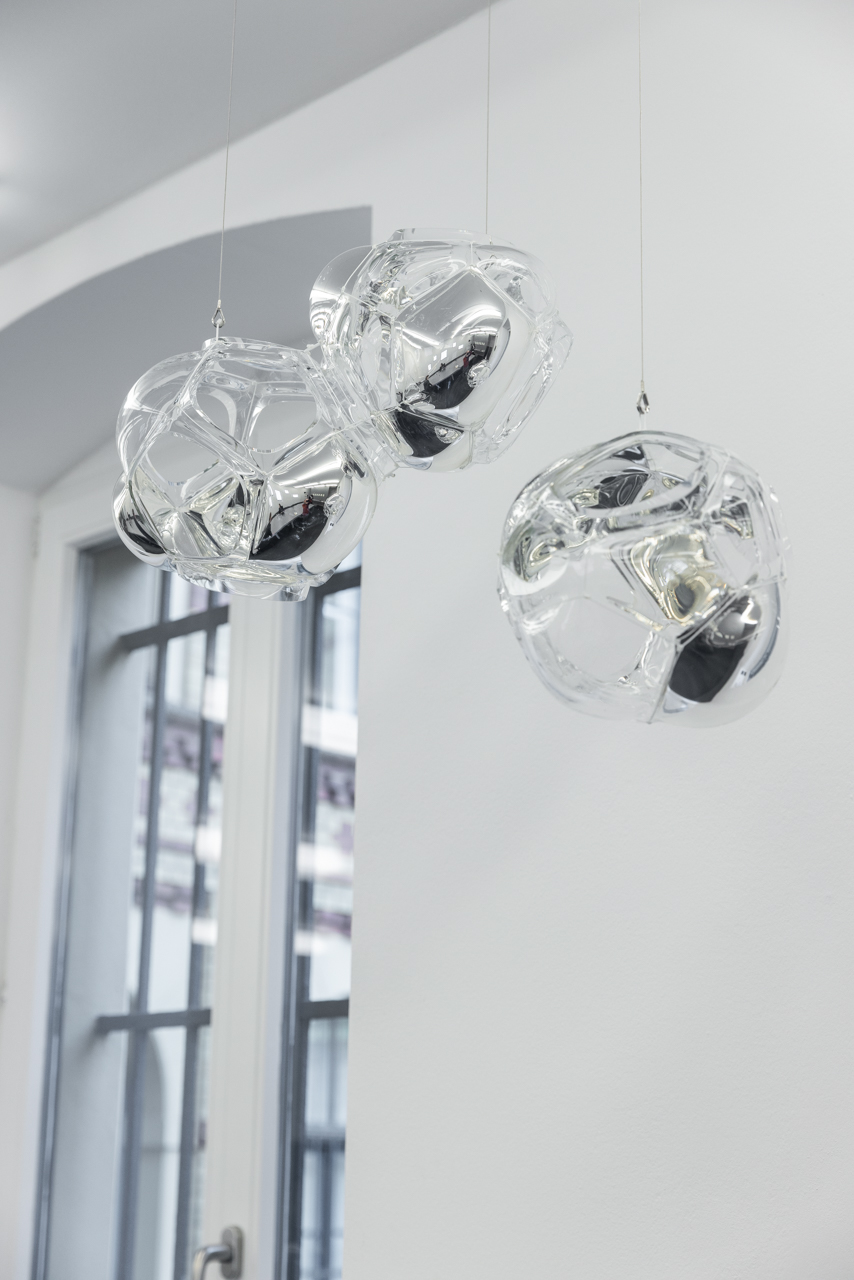
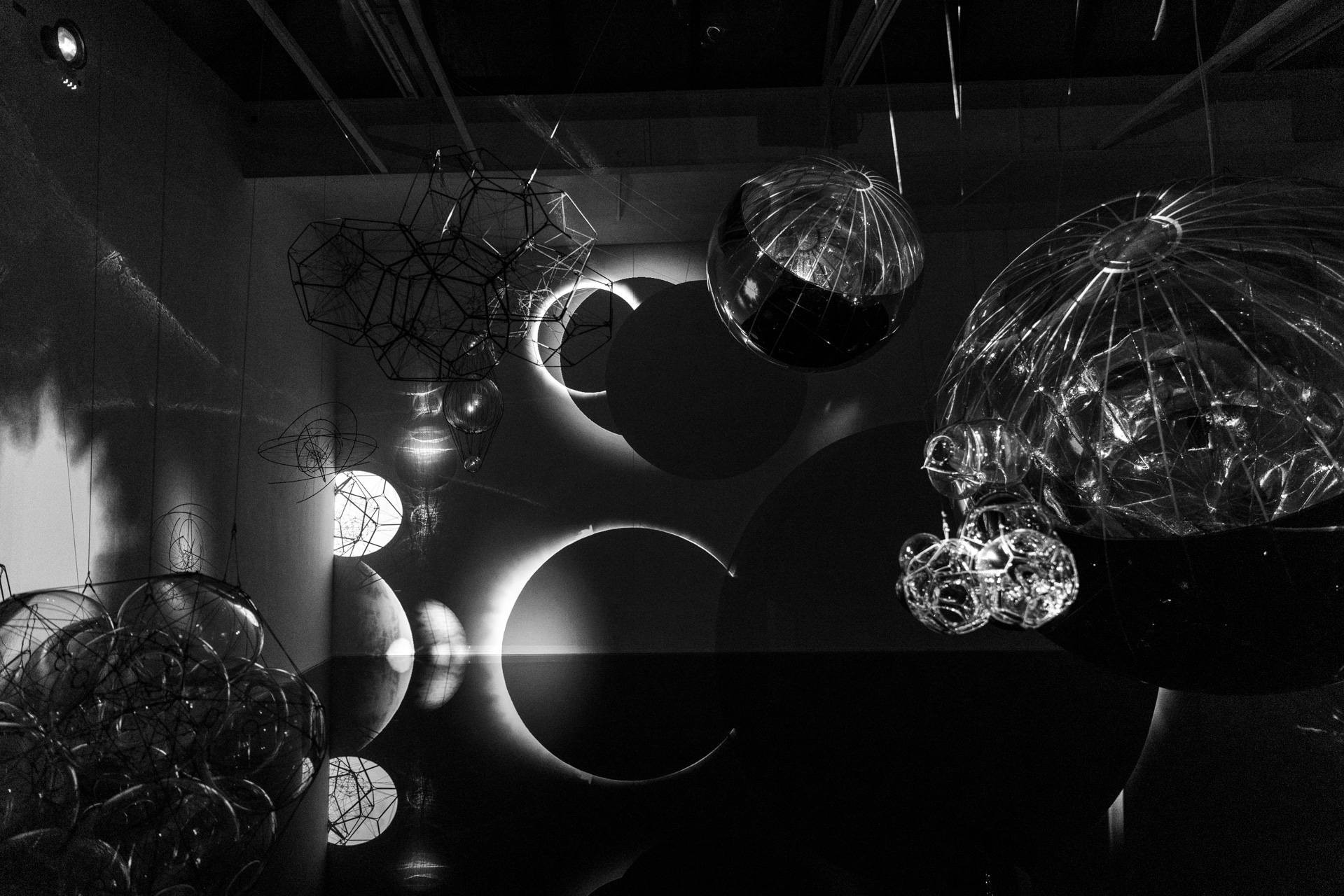
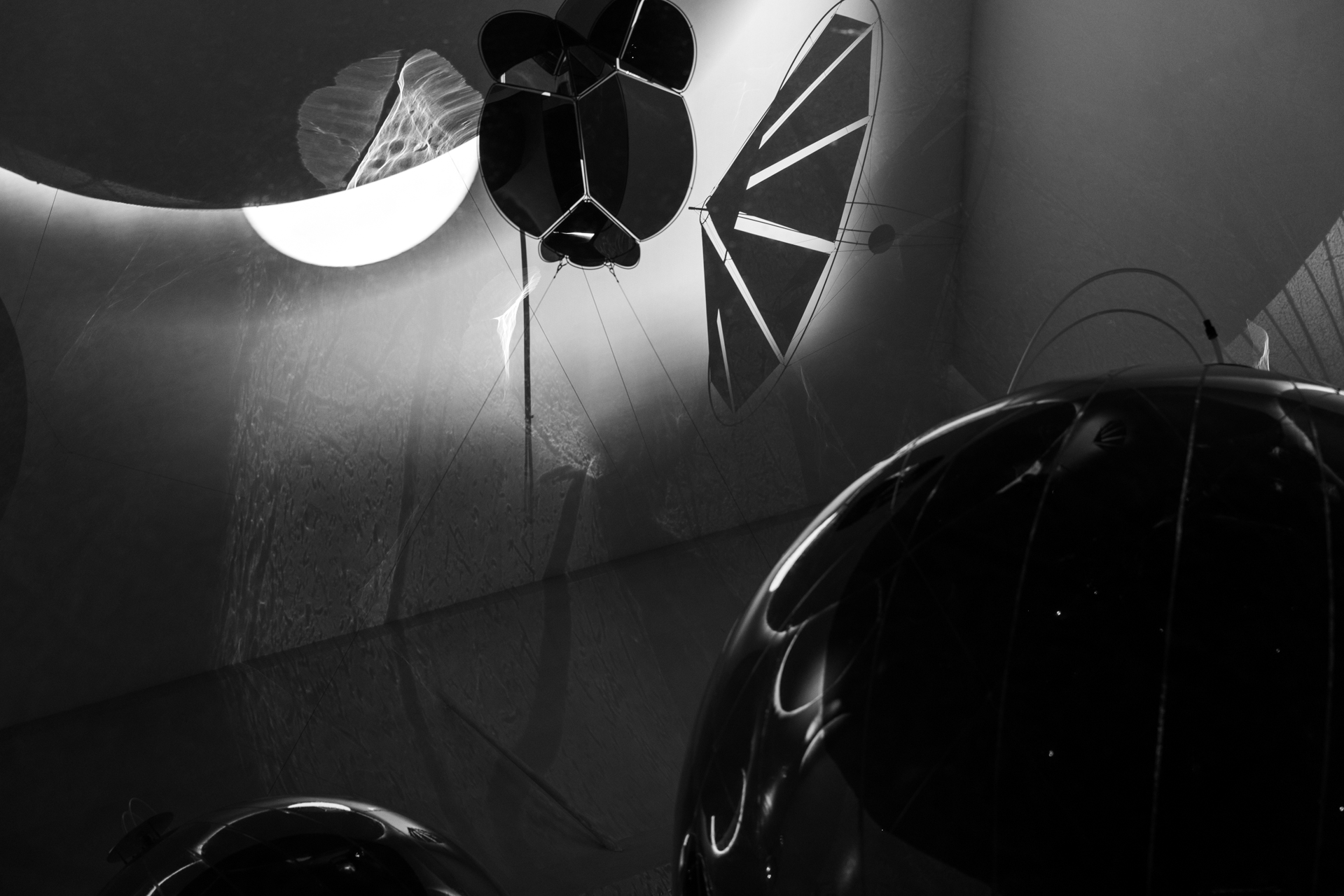
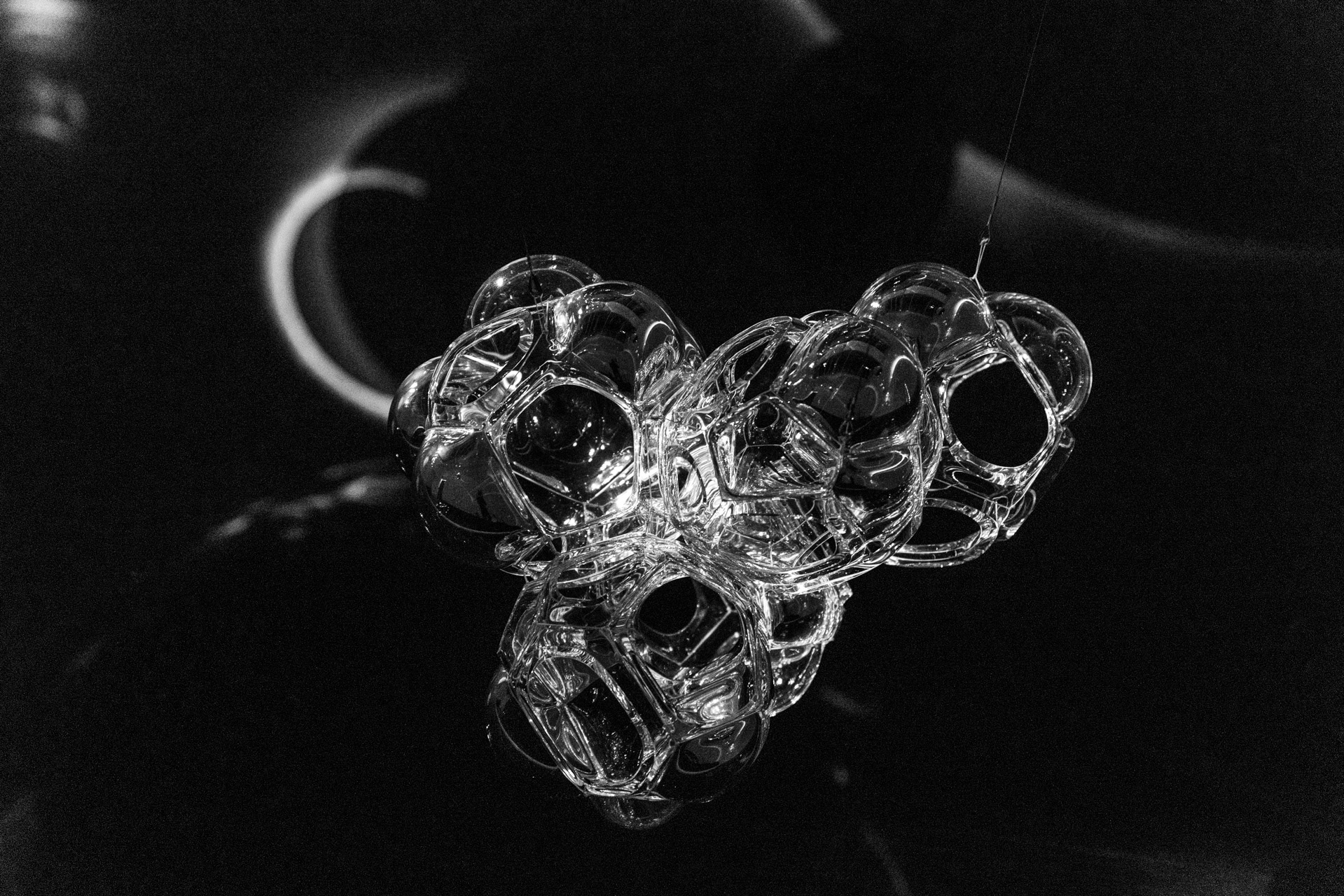
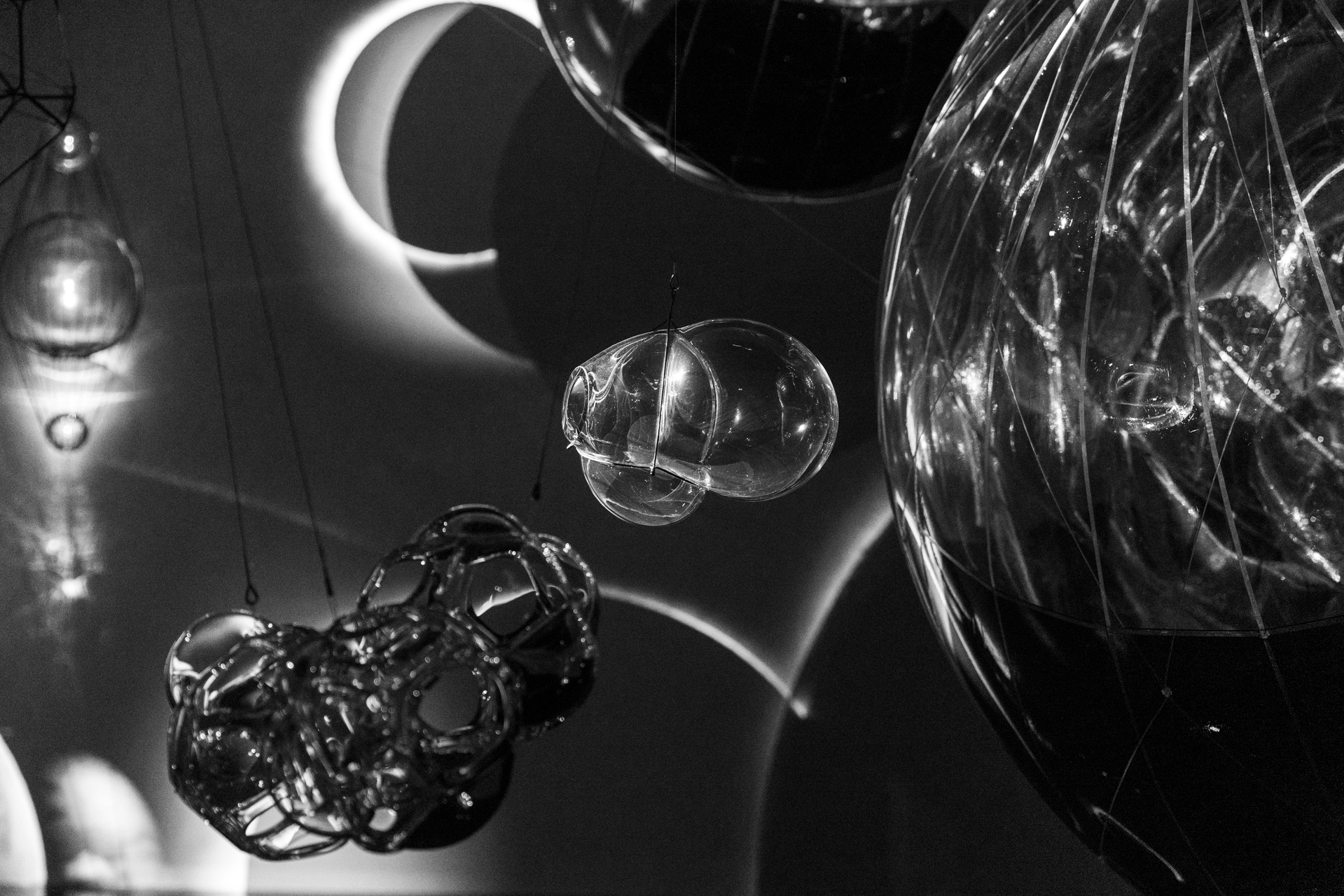
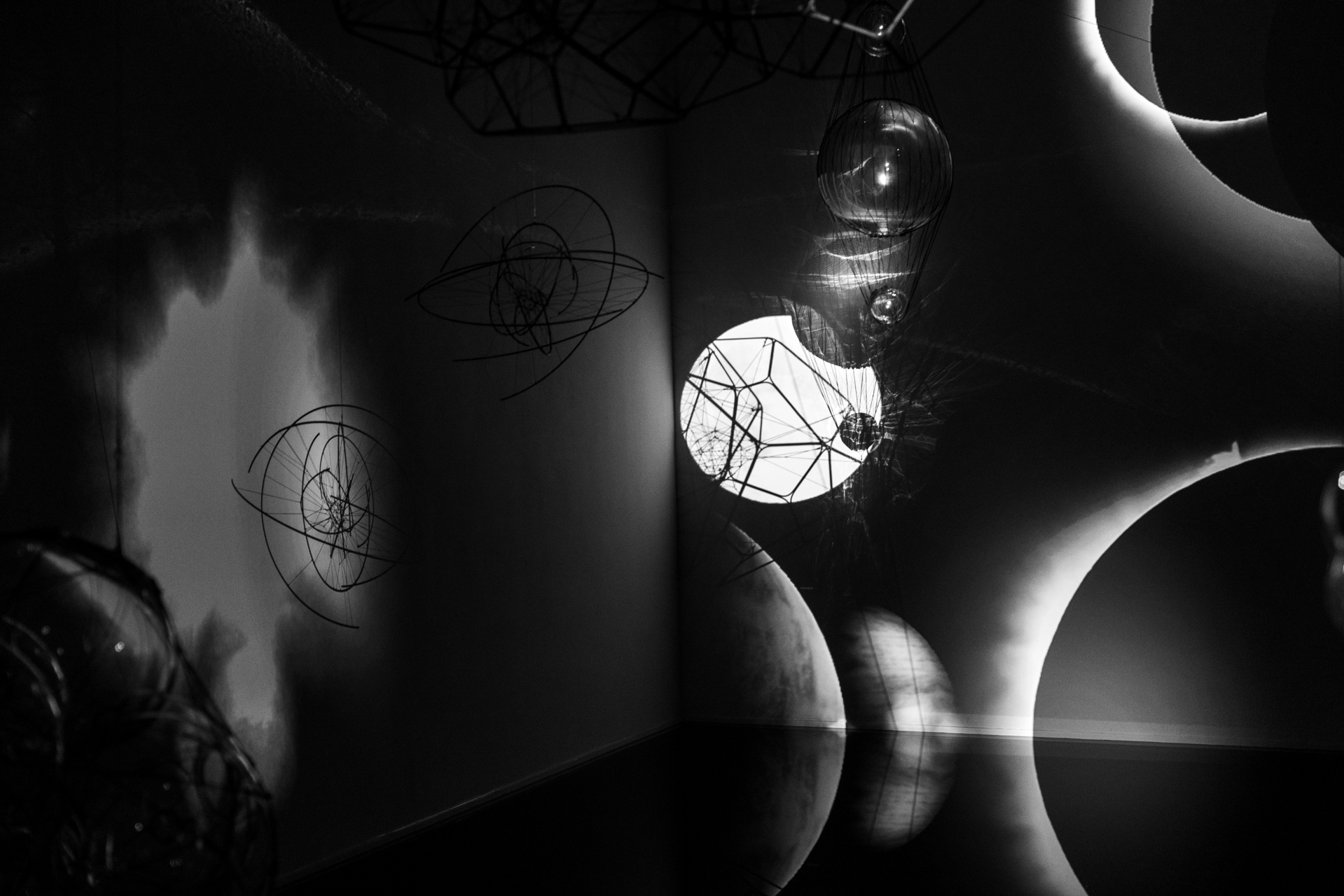
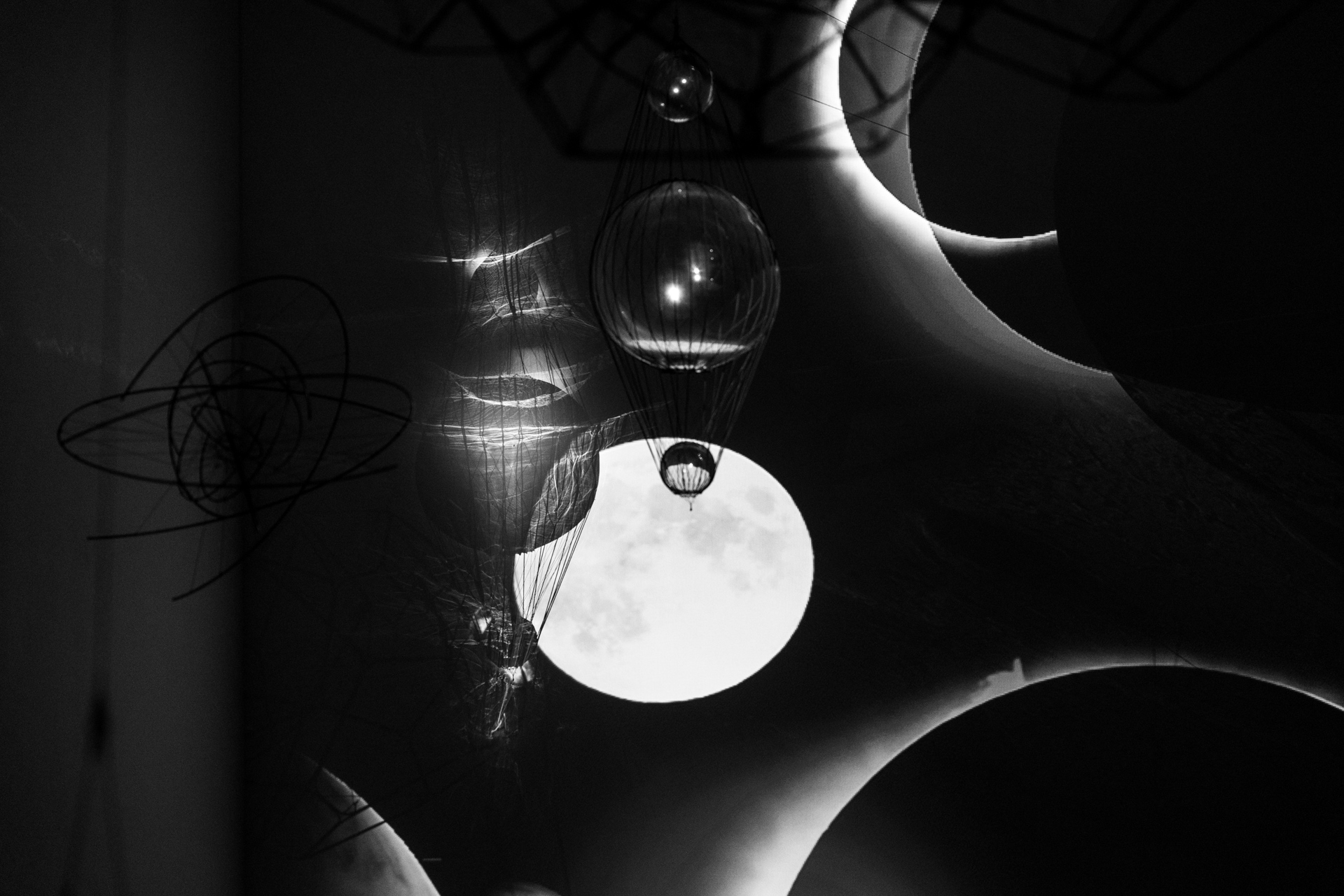
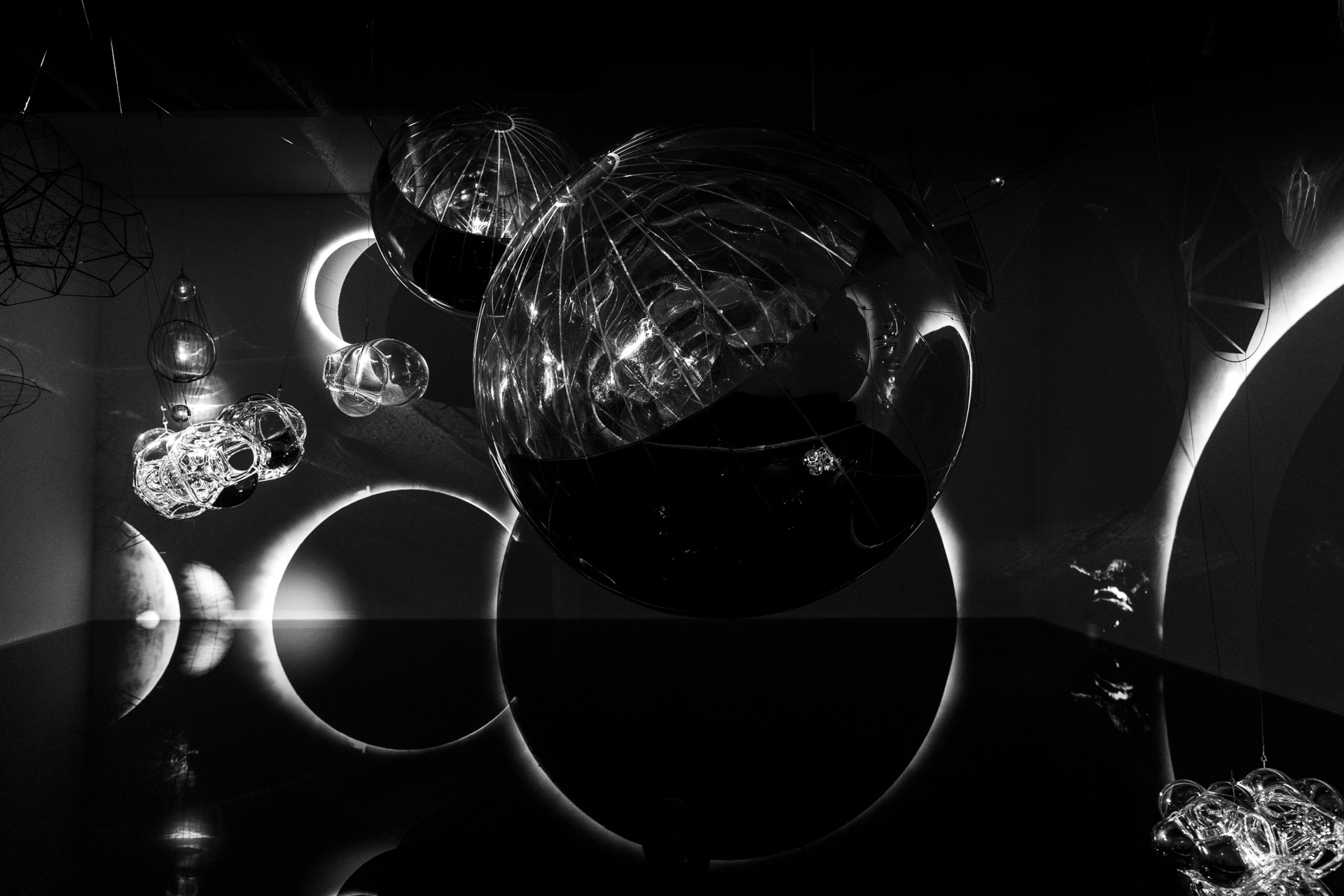
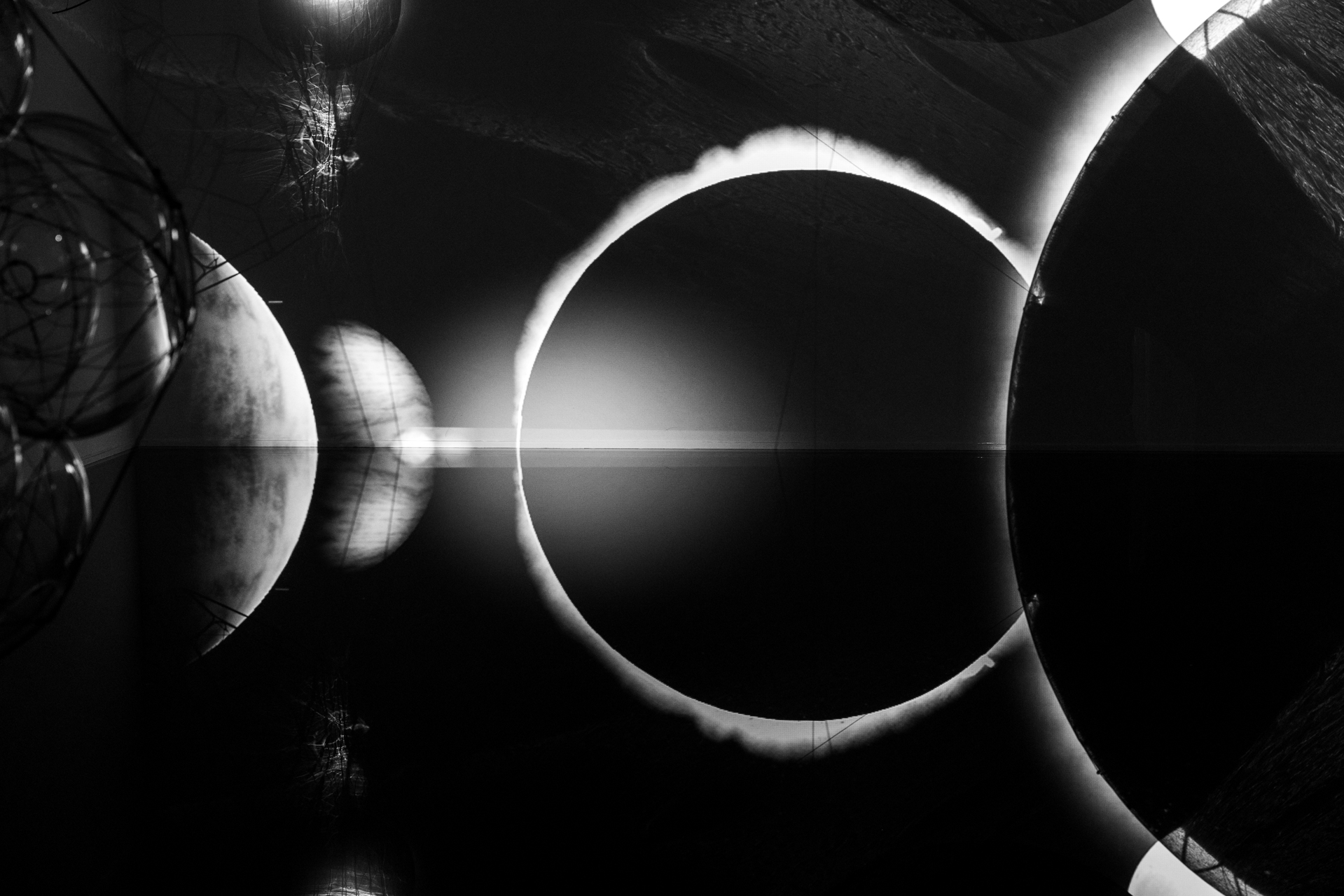
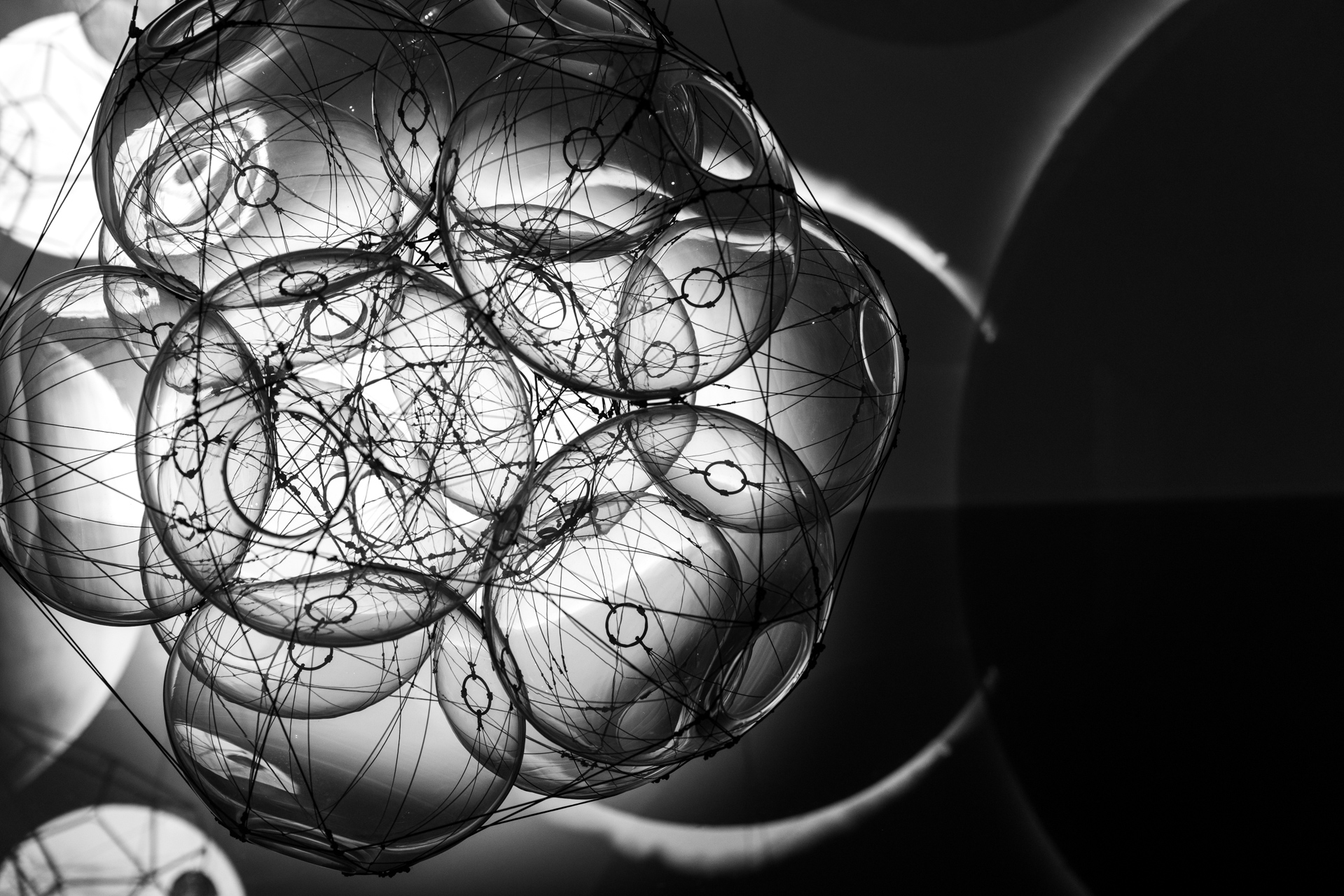
From its gestures of transformation, tomás saracenoi invites visitors to step further into these cycles, as rainwater collected in part from the artist’s studio pools into the central exhibition space. Its reflective surface, evoking that of the Salinas Grandes salt flats, sustains an installation of sculptural bodies, transforming the gallery into a cosmic echo chamber. In this space-time landscape, light and shadow cast kinetic reflections against a constellation of suspended works, as cycles of water resonate with cycles of life, foregrounding interlinked bodies—of water, salt, air, and light—as dynamic, metamorphic presences across shifting states, cyclical flows, and latent transformations.
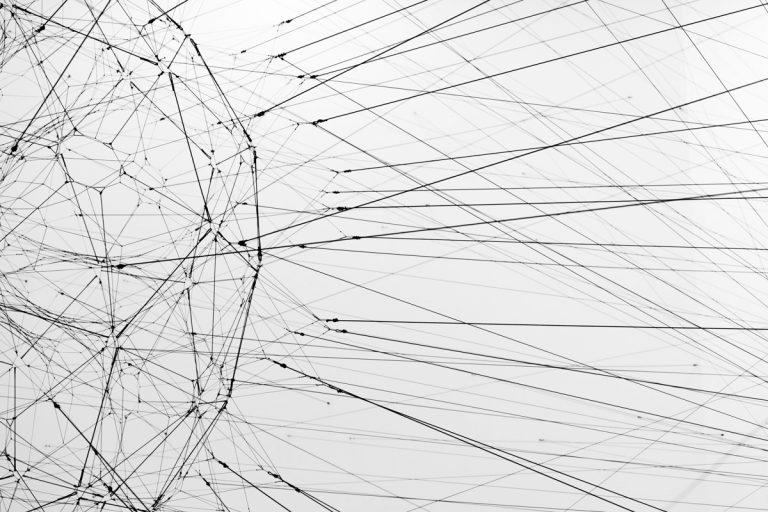
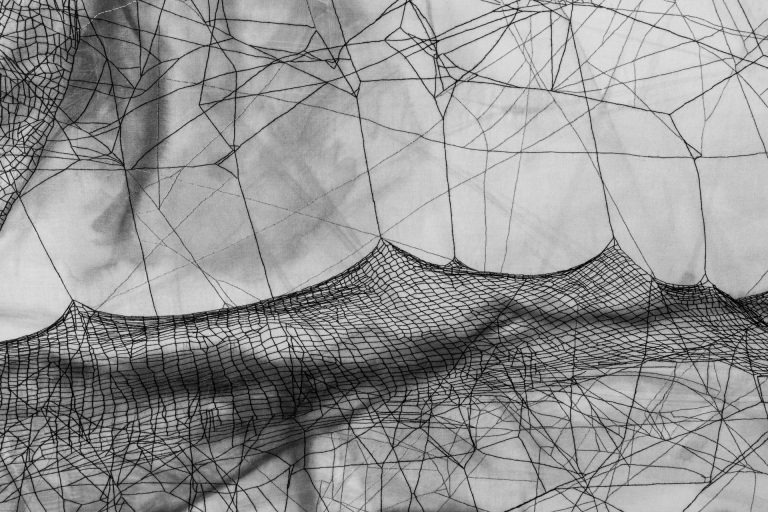
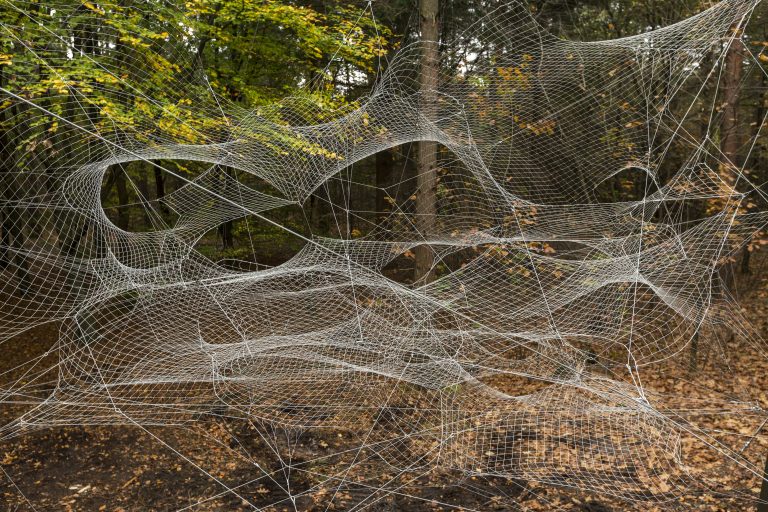
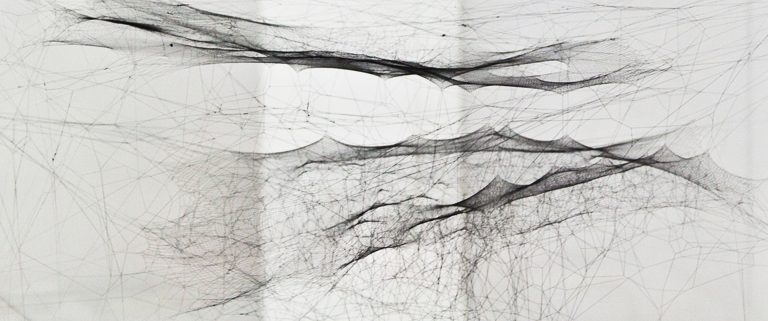
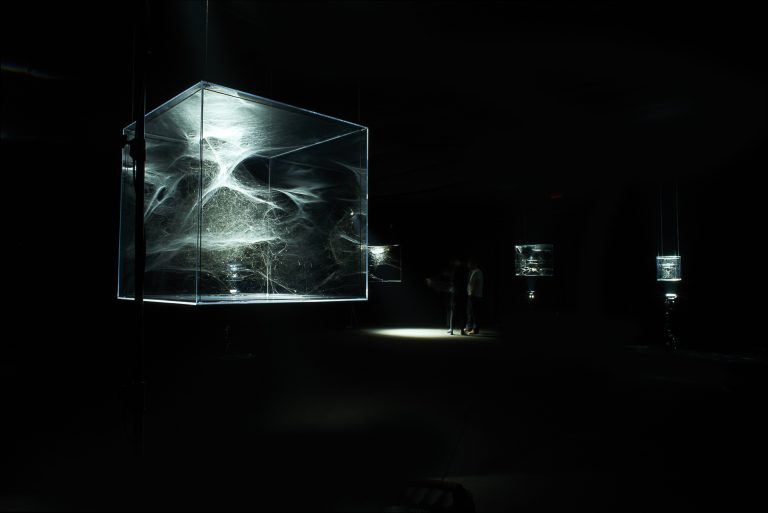
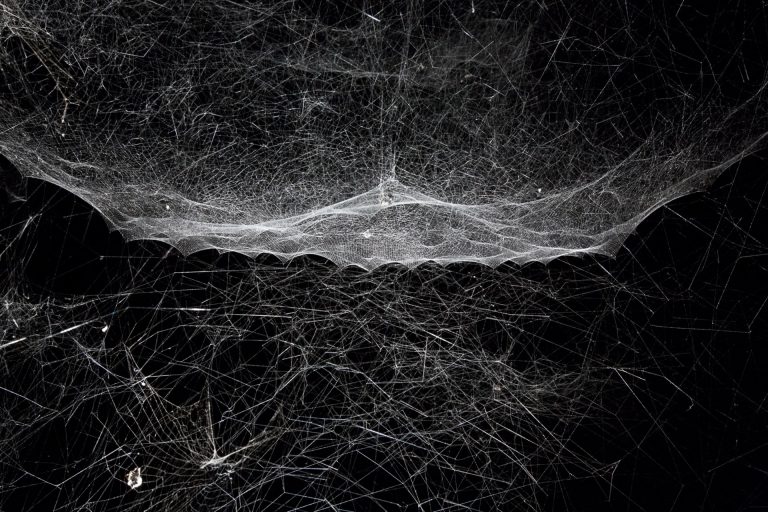
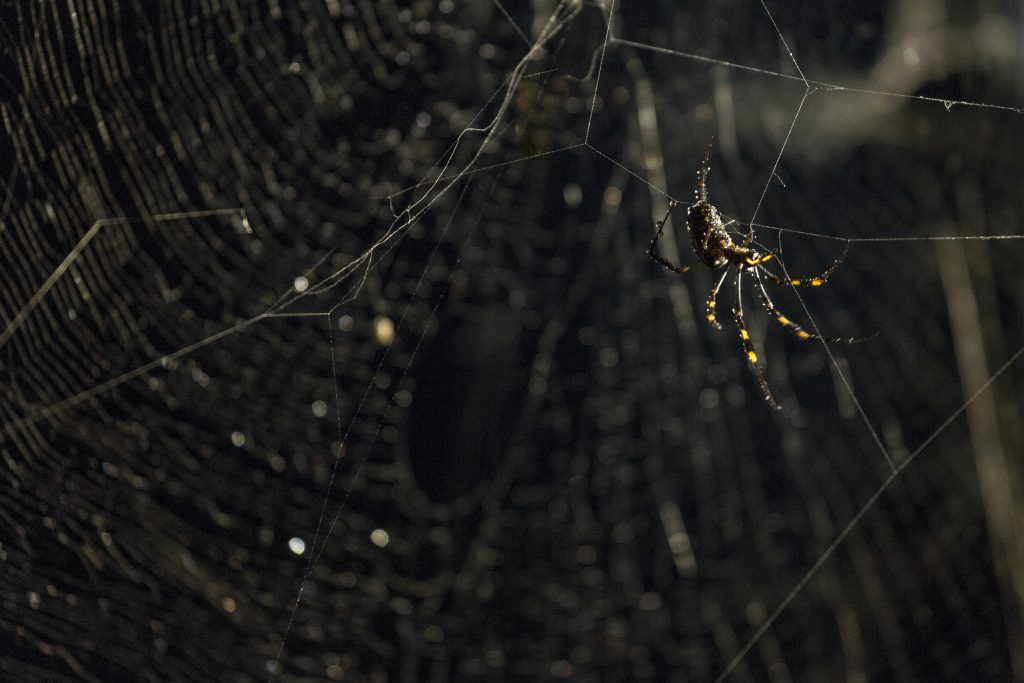
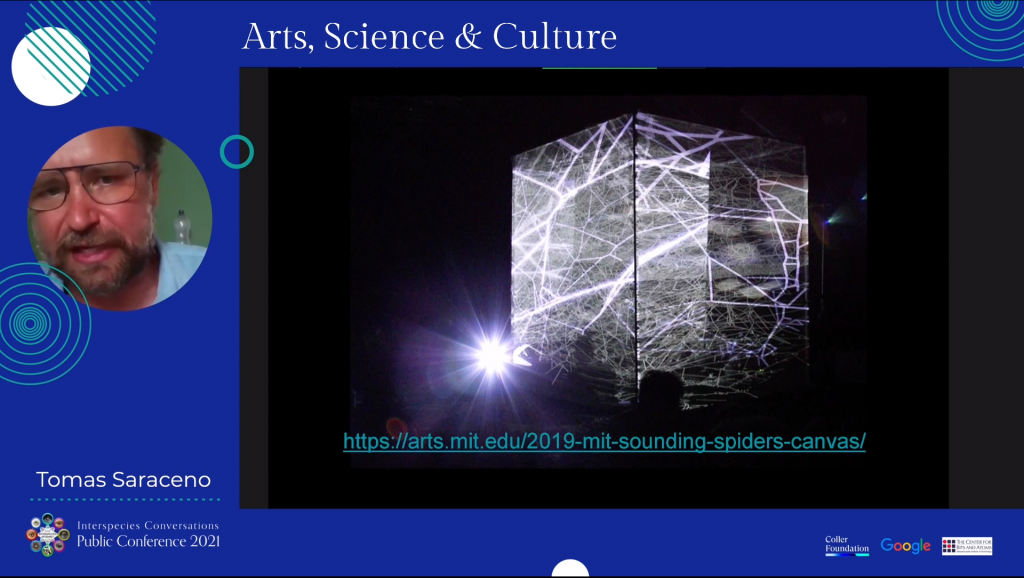
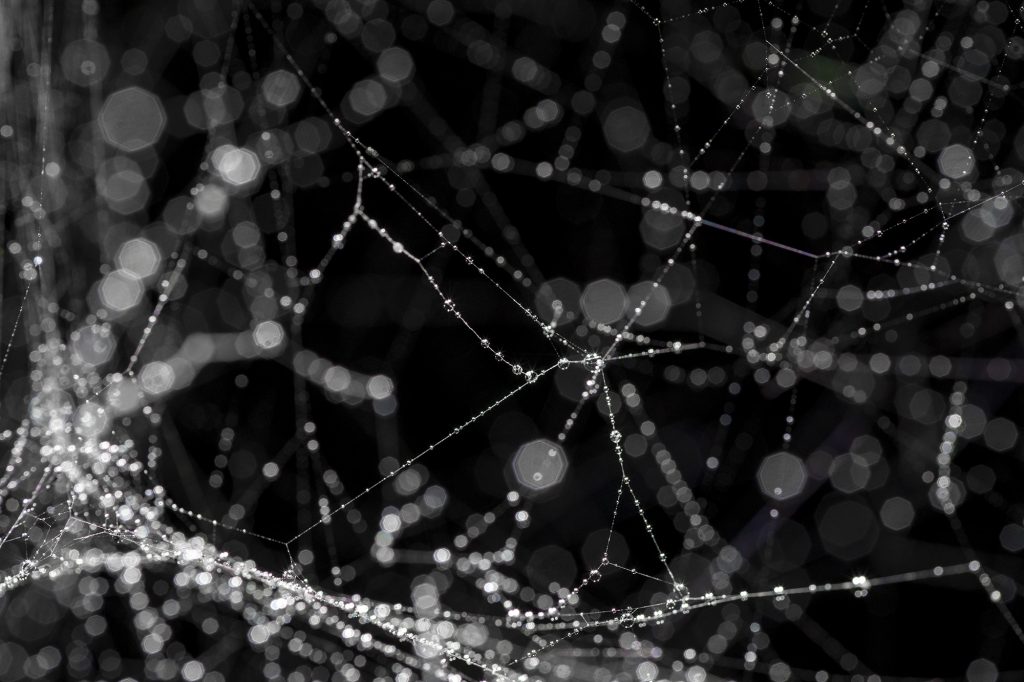
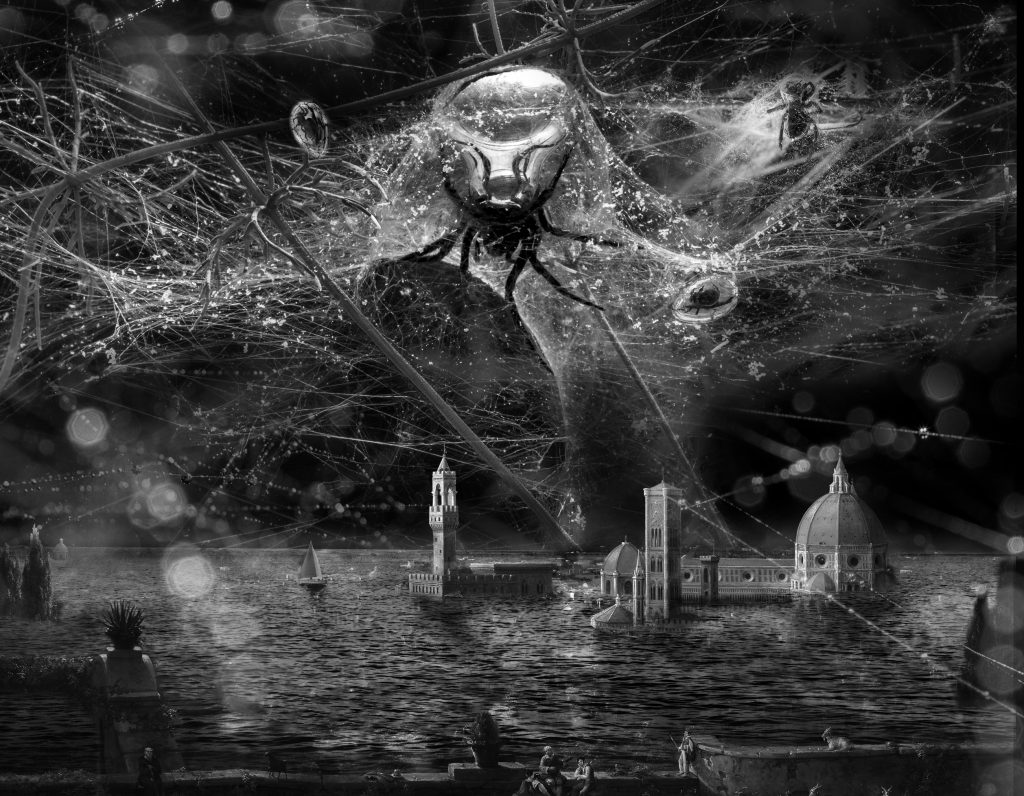
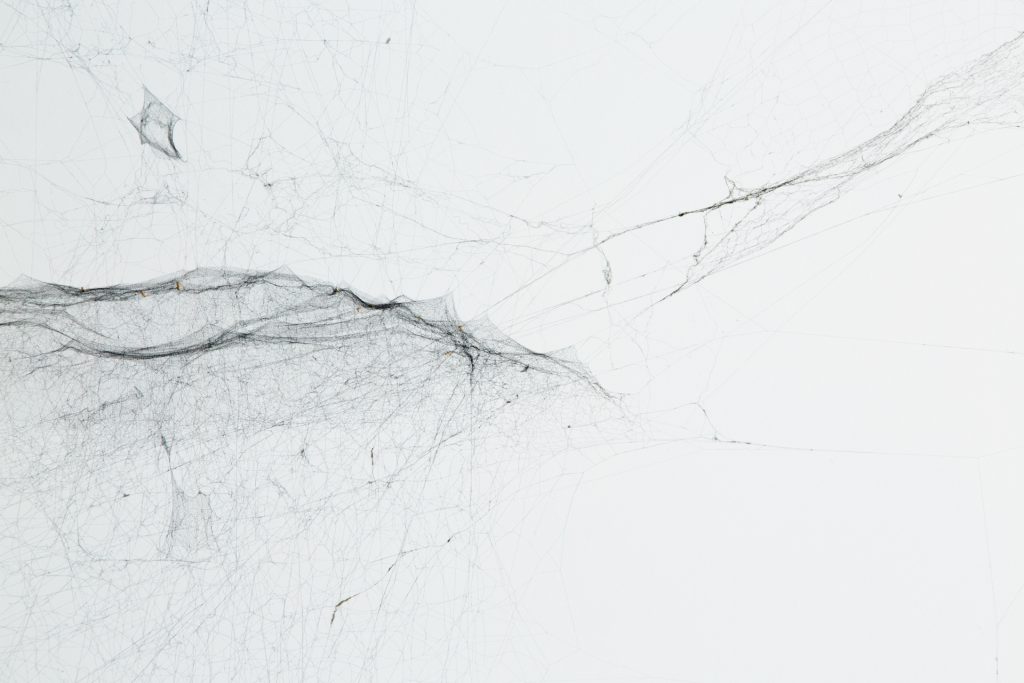
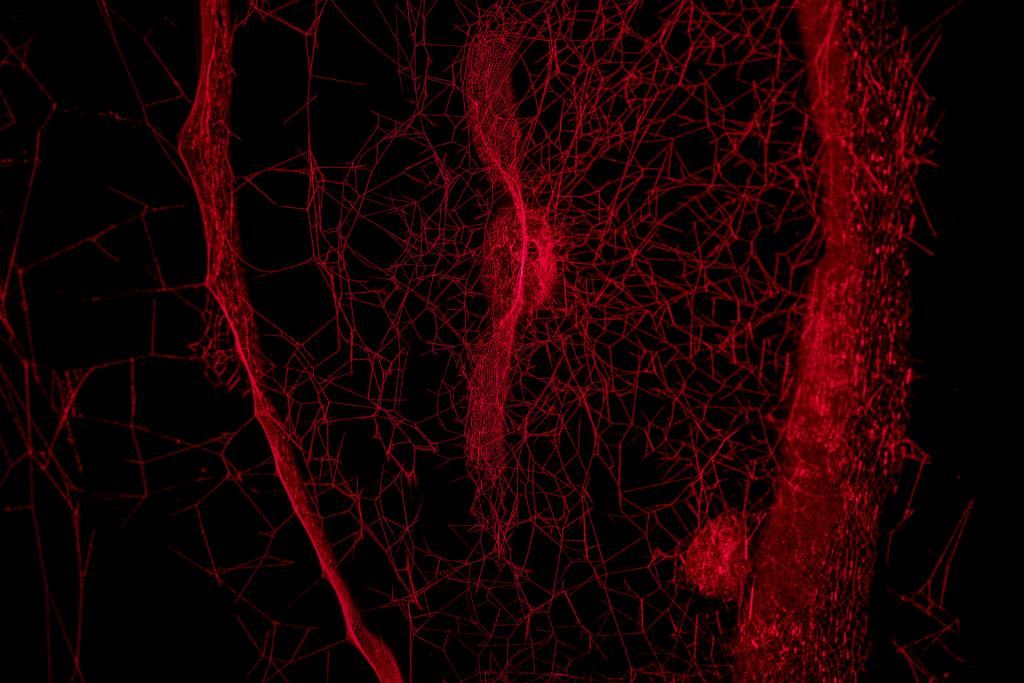
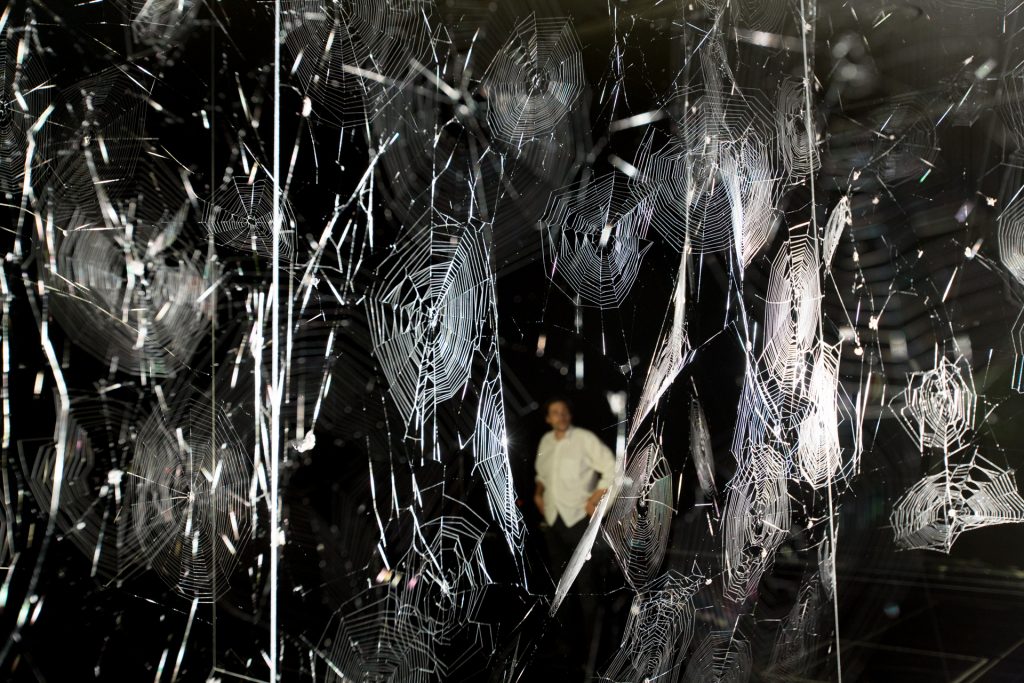
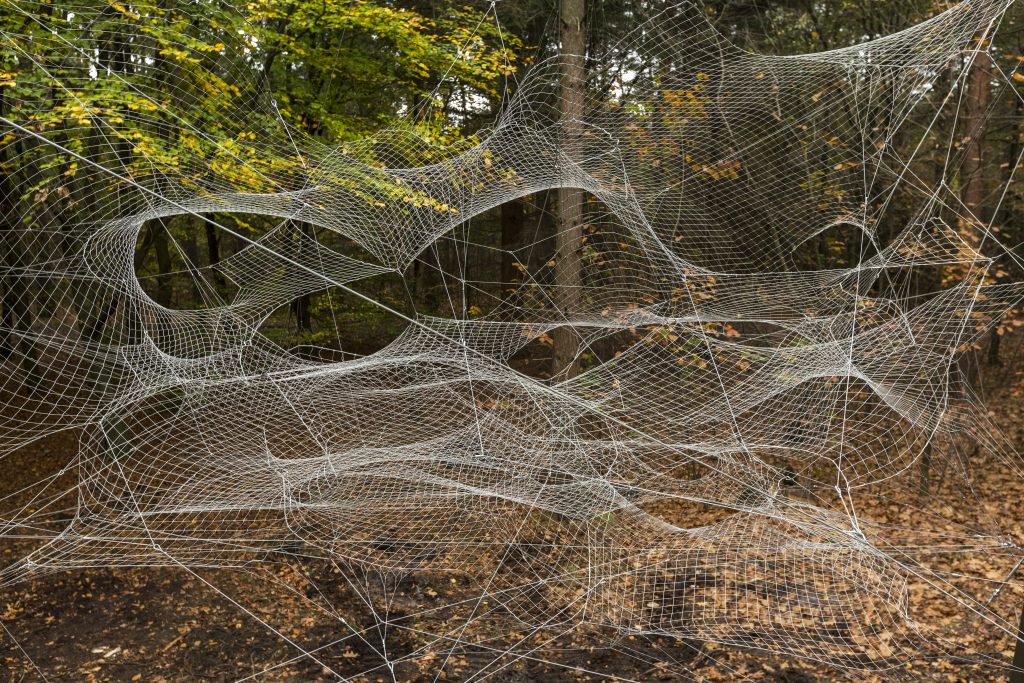
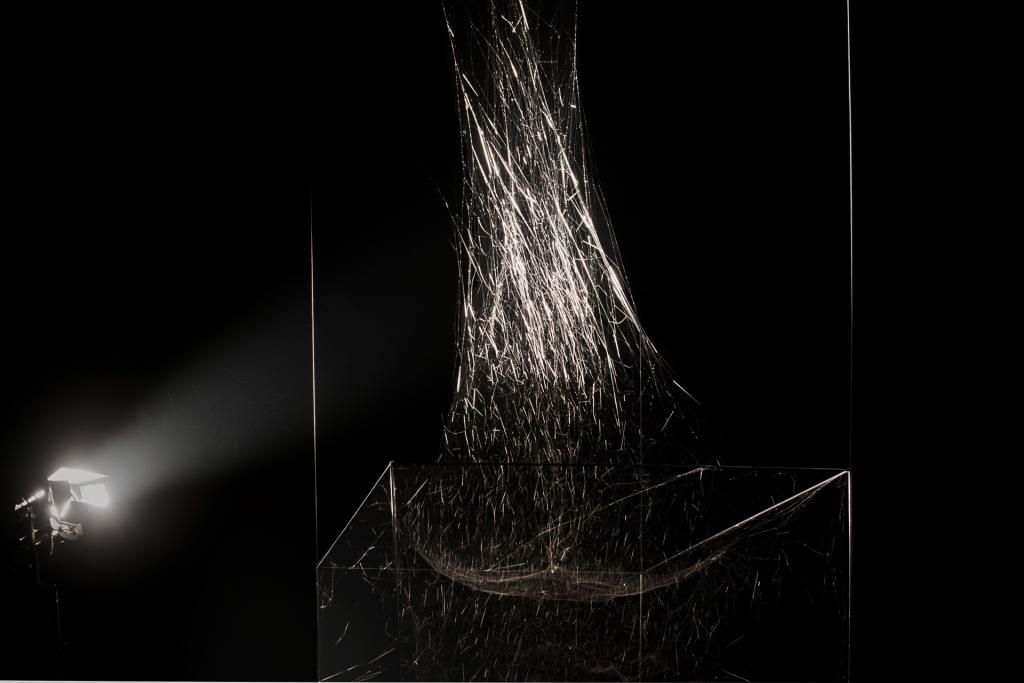
Another central reflection in the exhibition is its turn towards the origins of arachnophobia and other fears as mutable, cultural conditions. Through more than a decade of collaboration with spiders and their webs, Saraceno has created a body of work that has shifted cultural perceptions of these invertebrates and their architectures. His practice invites us to consider how fear itself is cultivated and instrumentalized, and how the drawing of boundaries between human and more-than-human, kin and enemy, animal and person, has shaped violences of history and the present. The genocides of the past century, and those unfolding today, so often rely on the same operation: to strip beings—human or otherwise—of their capacity to belong and be recognised as part of a shared world.
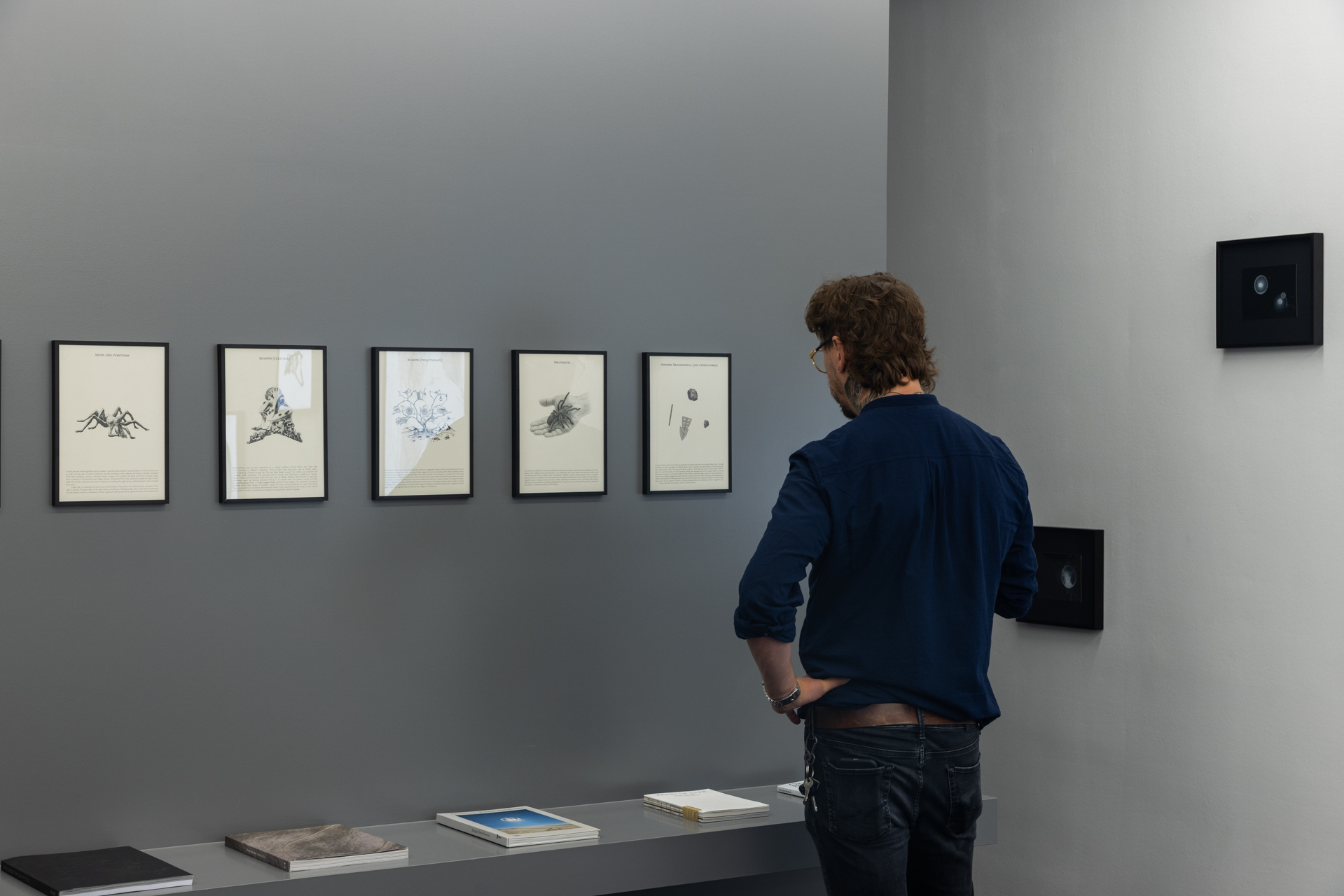
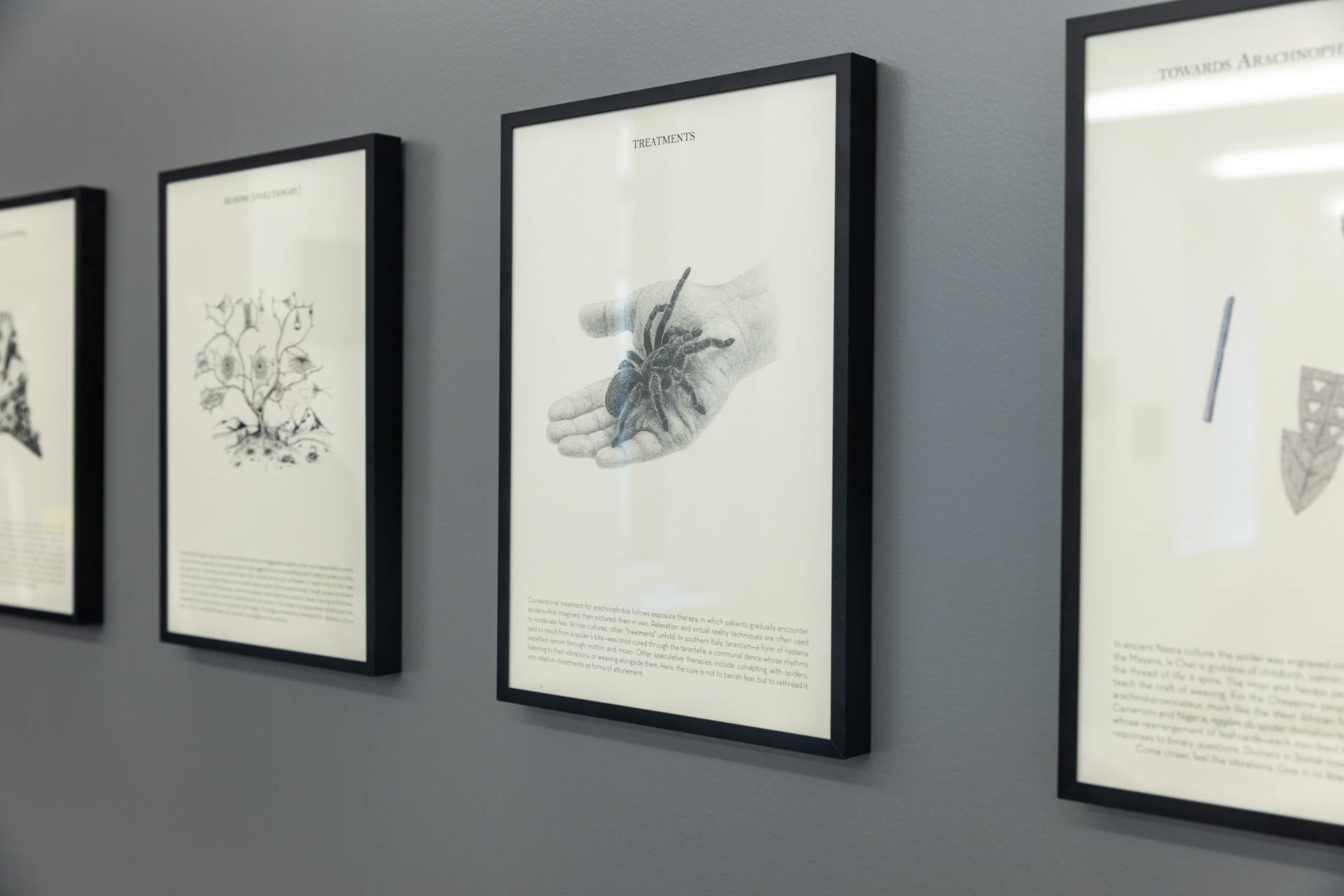
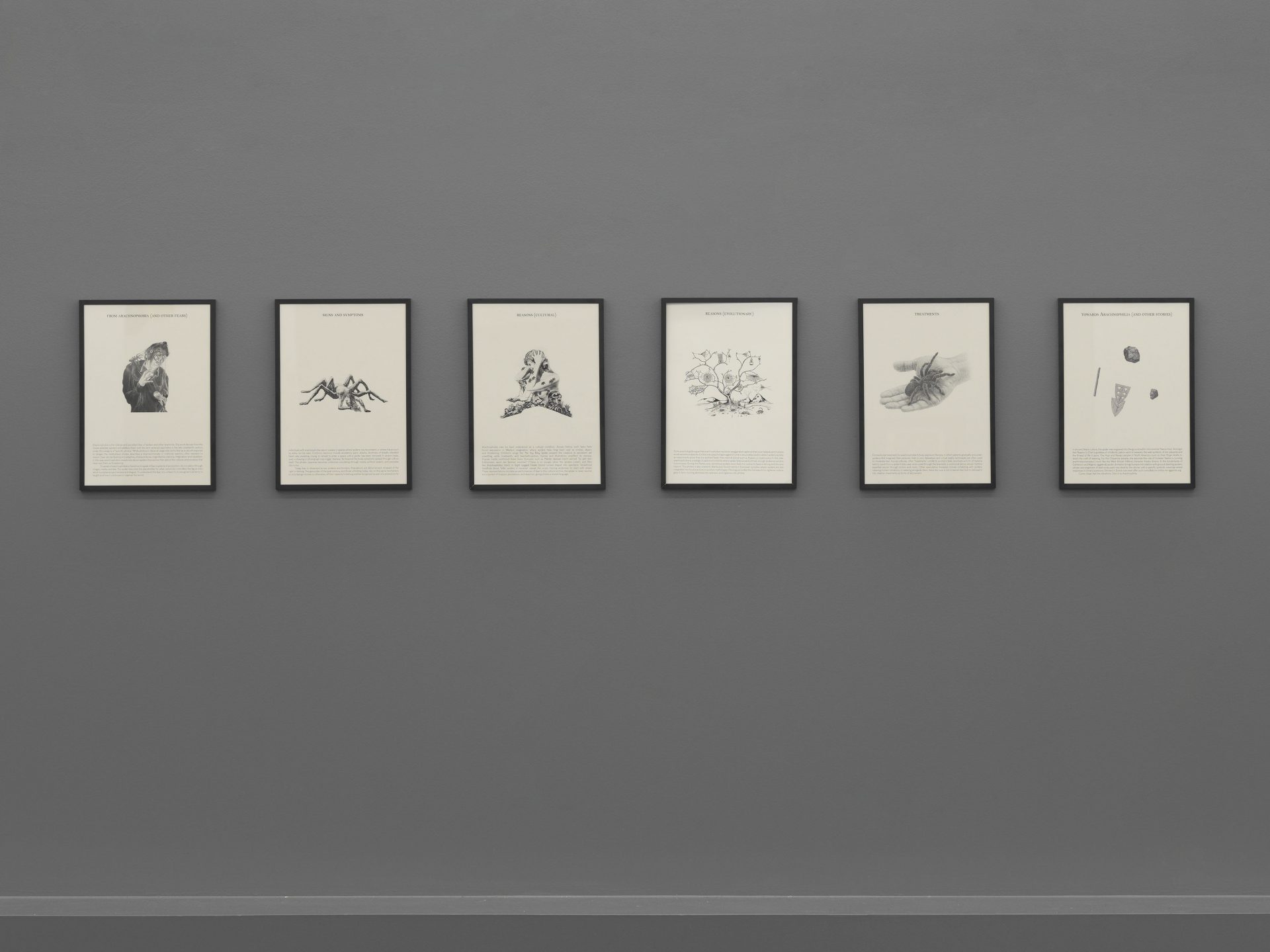
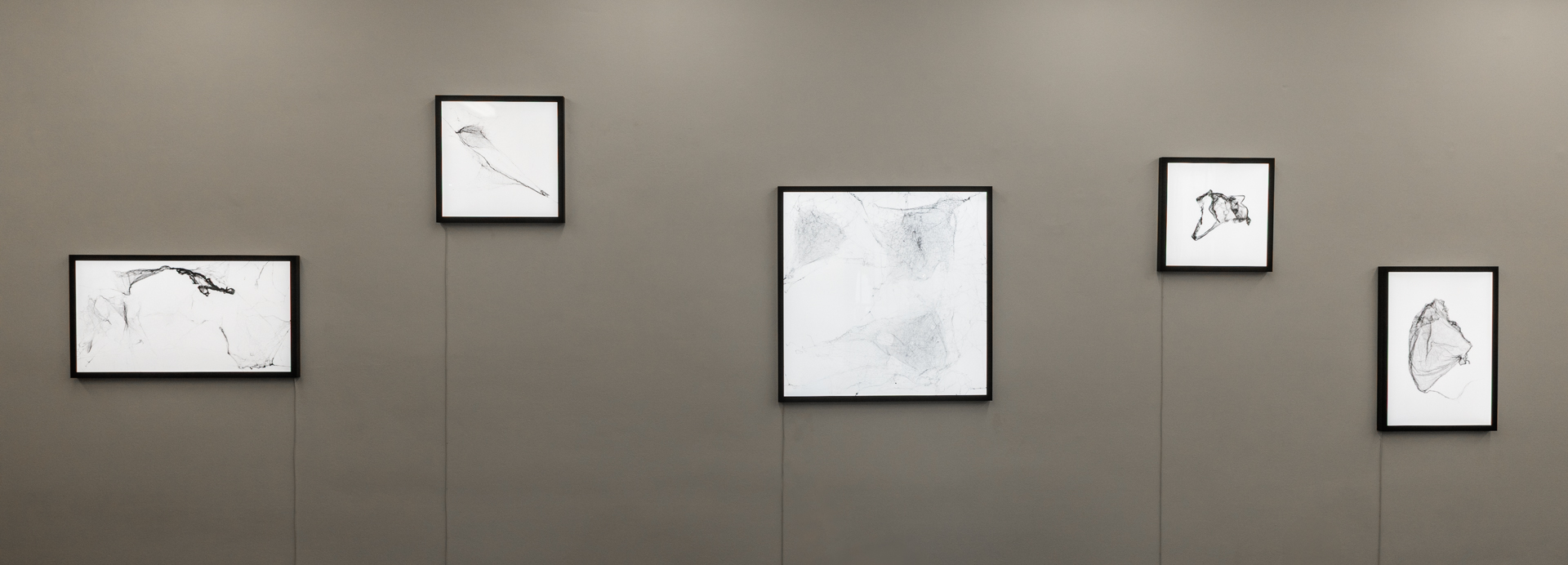
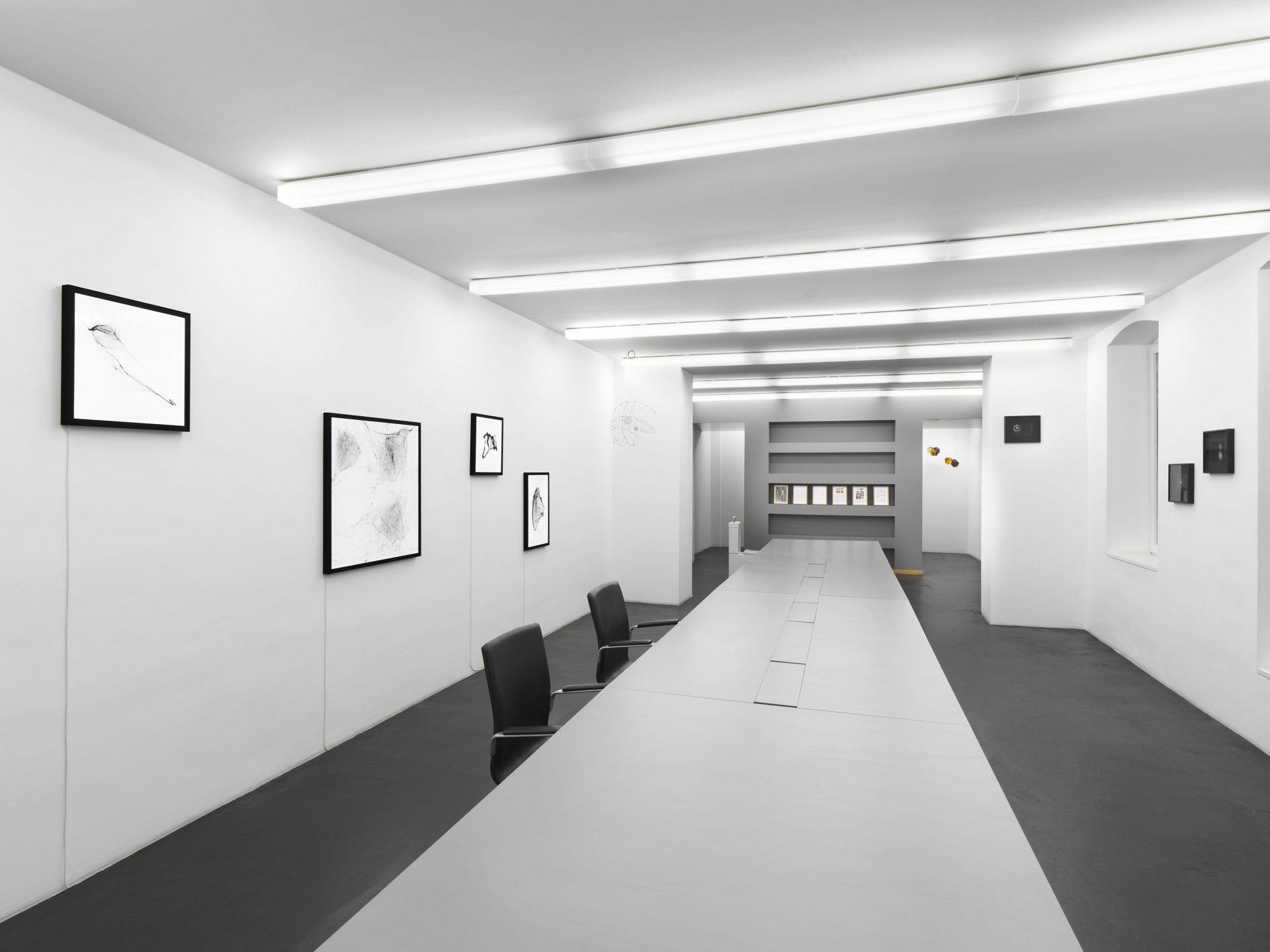
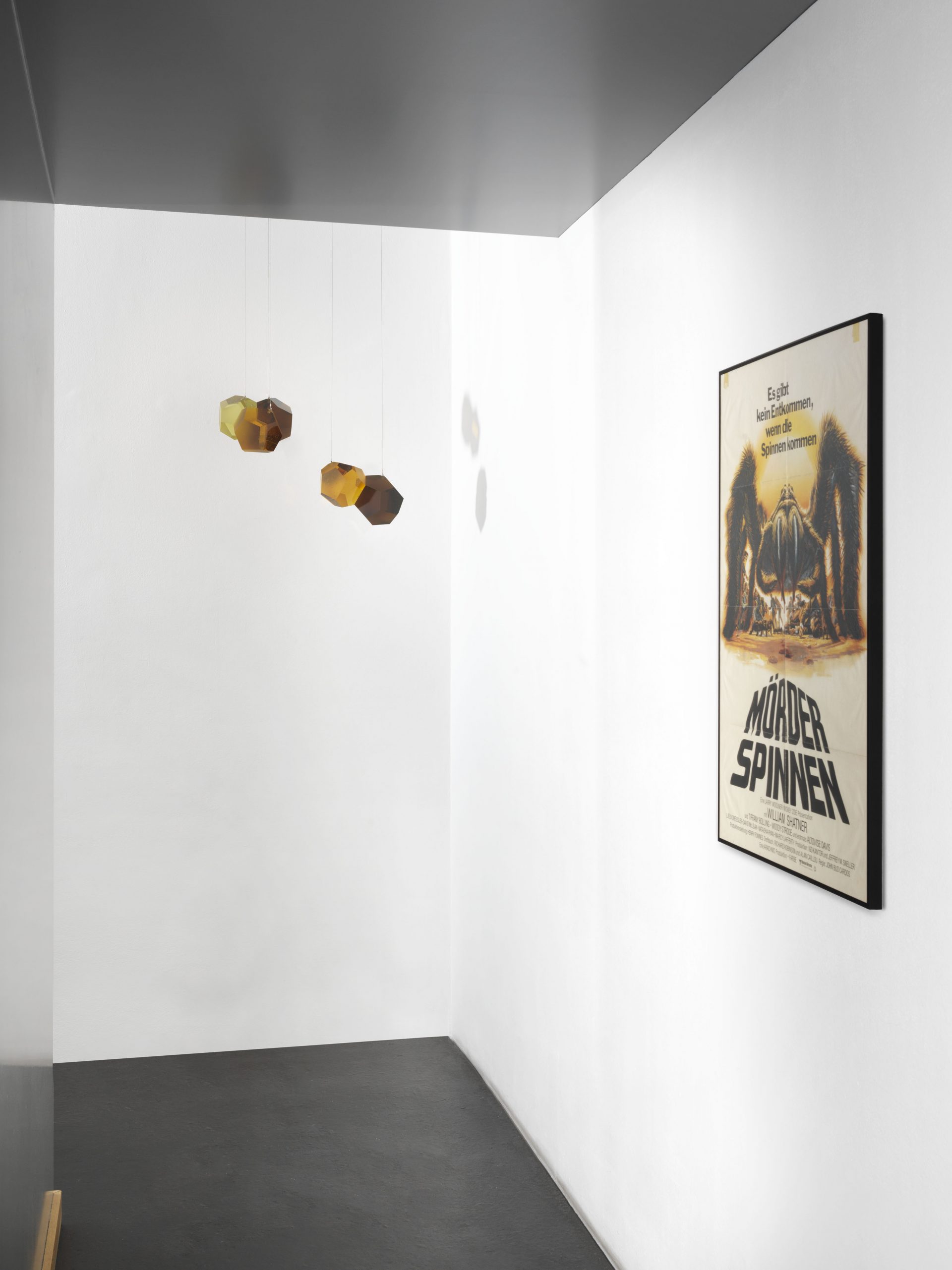
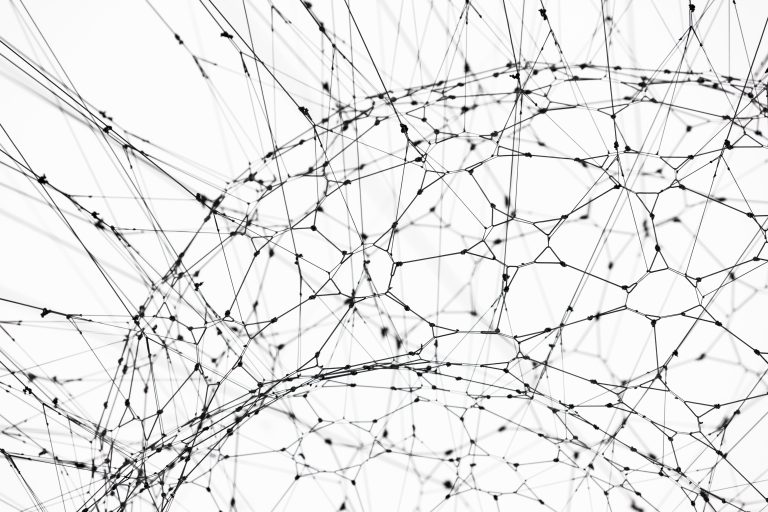
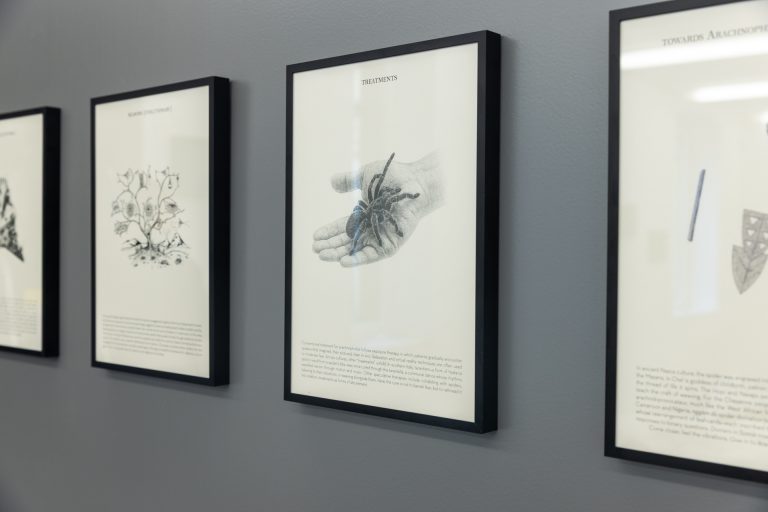
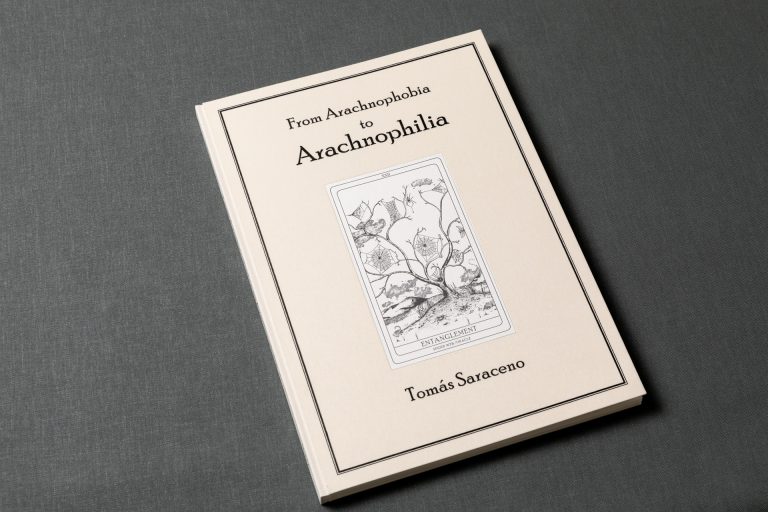
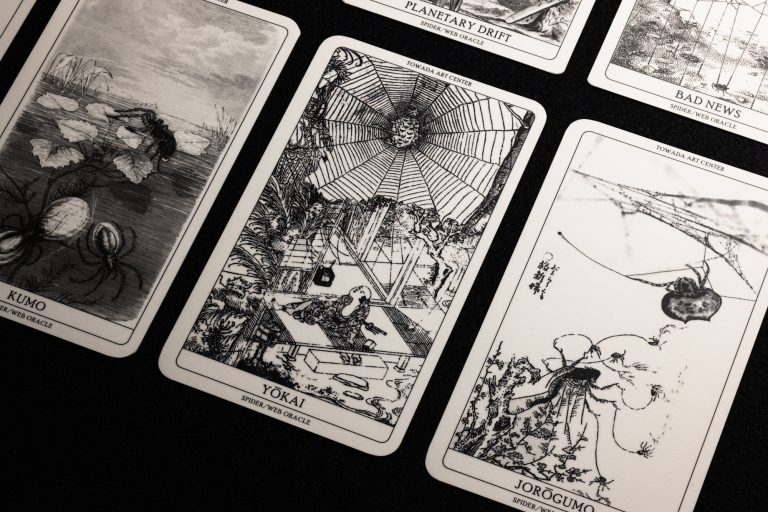
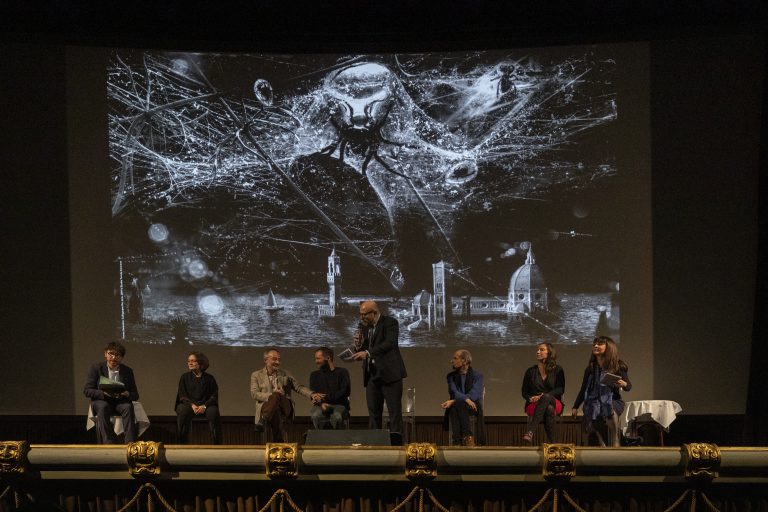
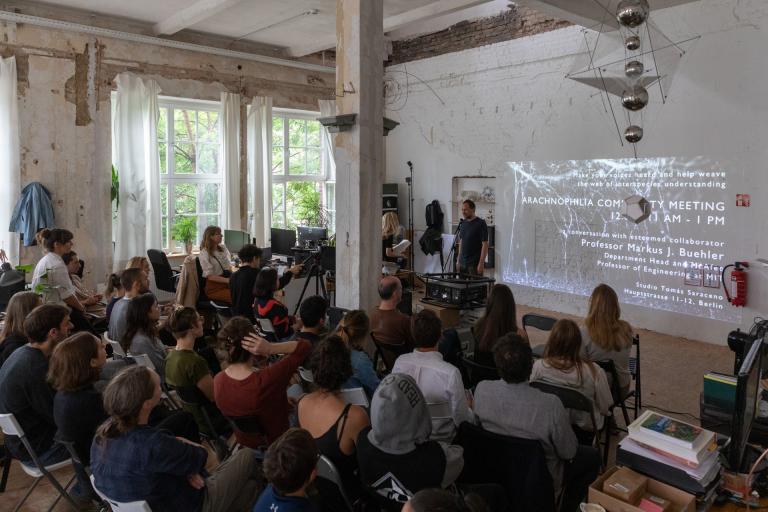
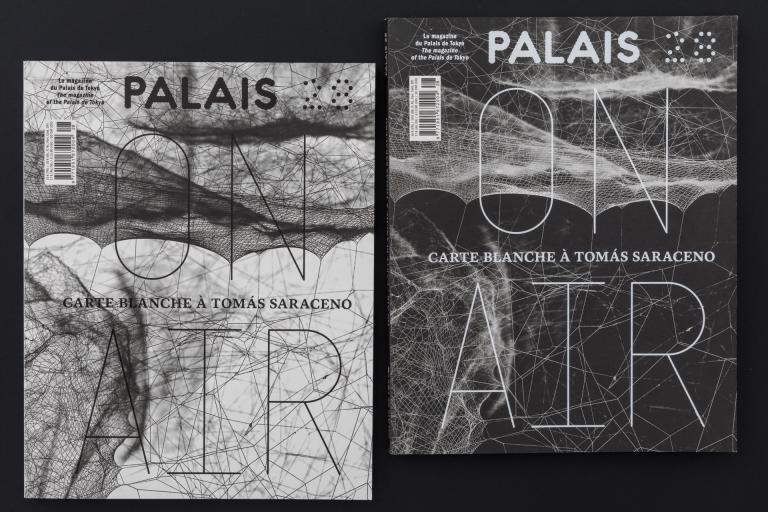
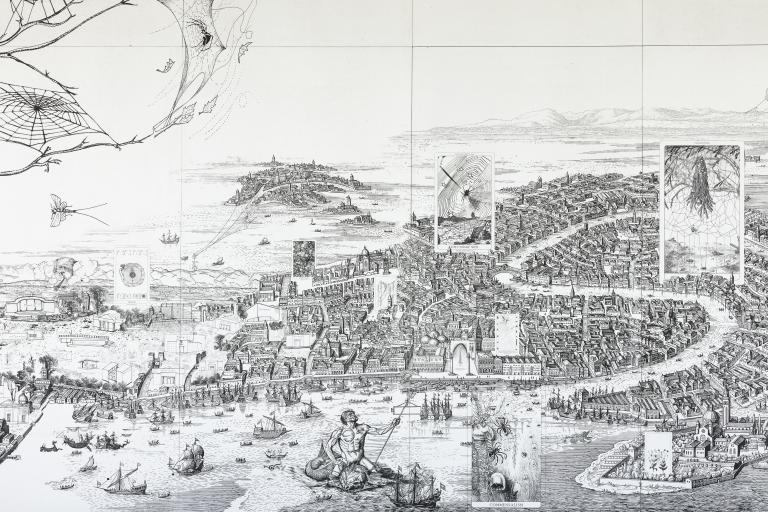
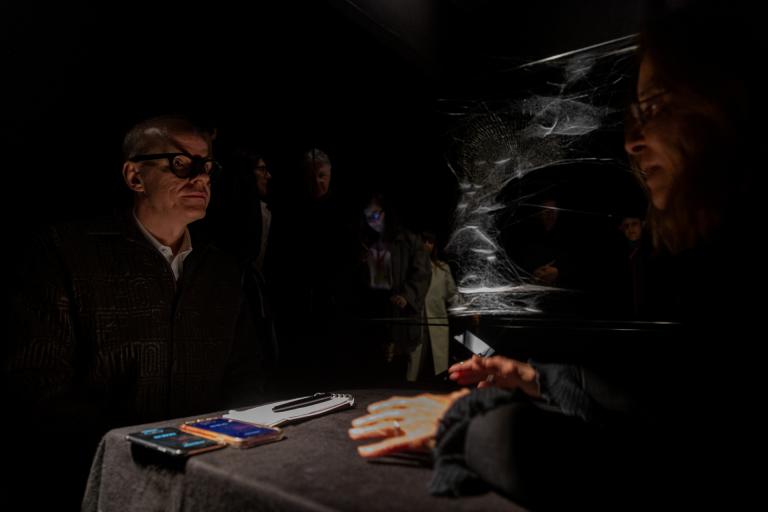
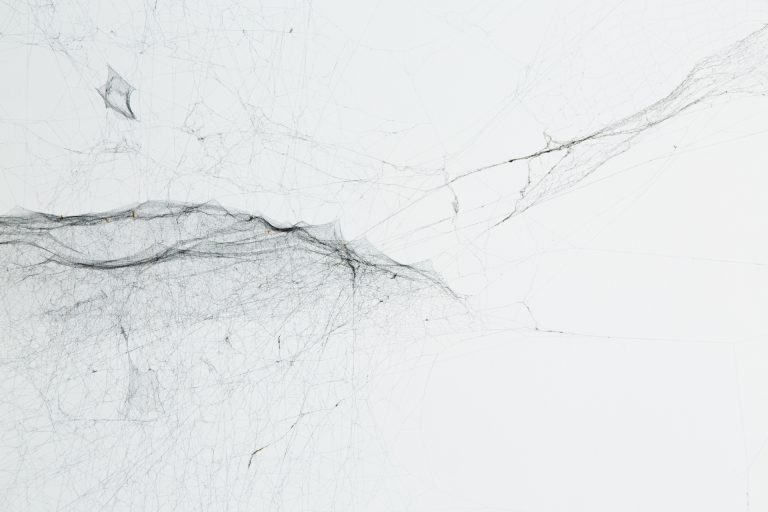
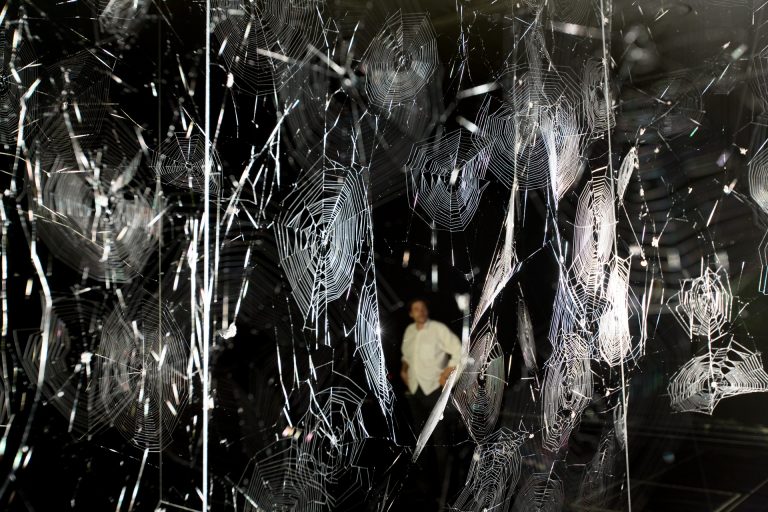
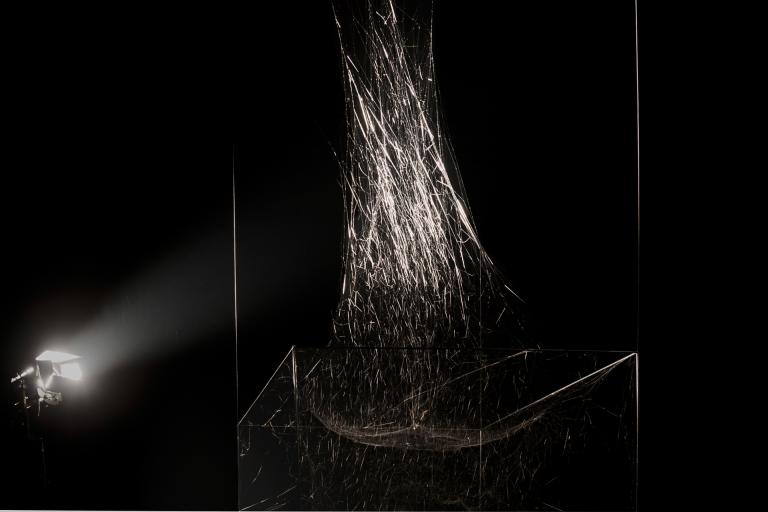
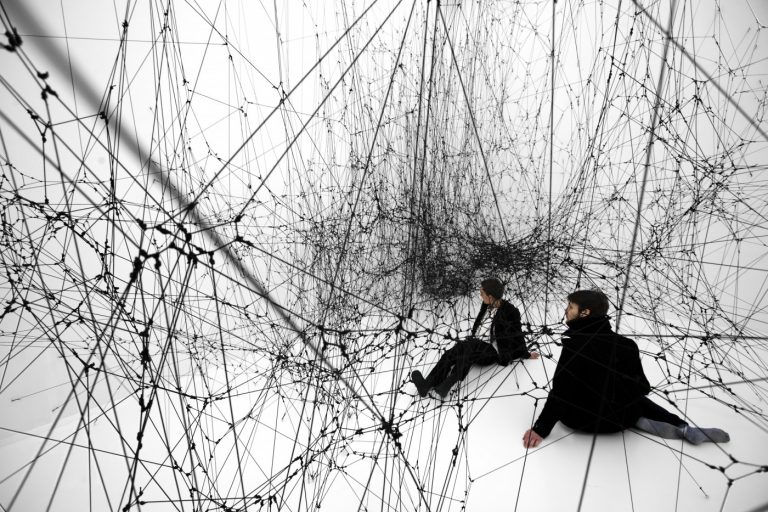
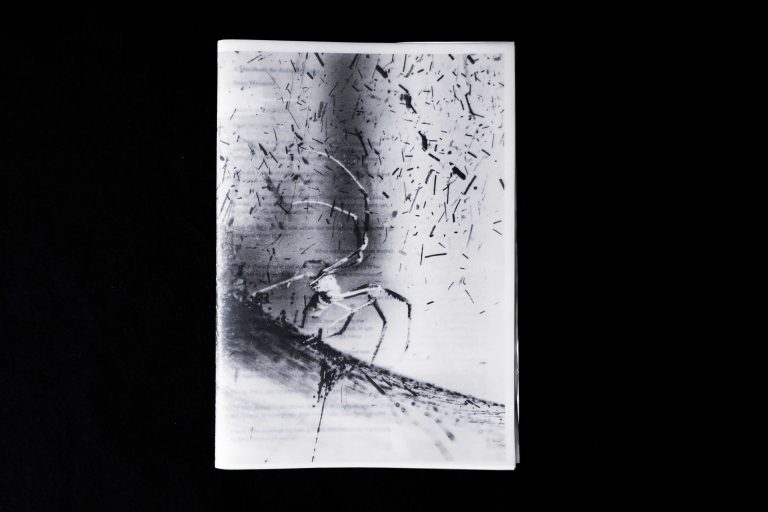
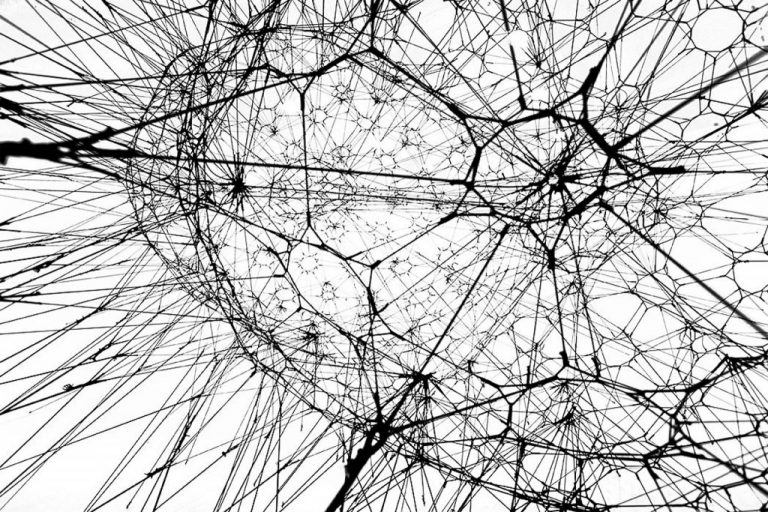
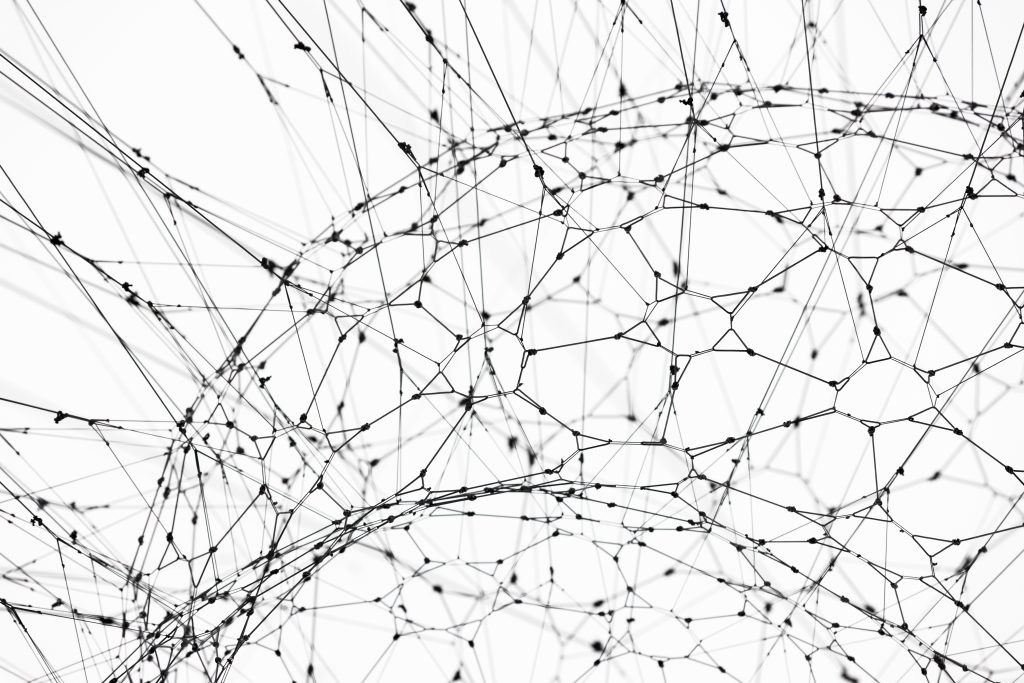
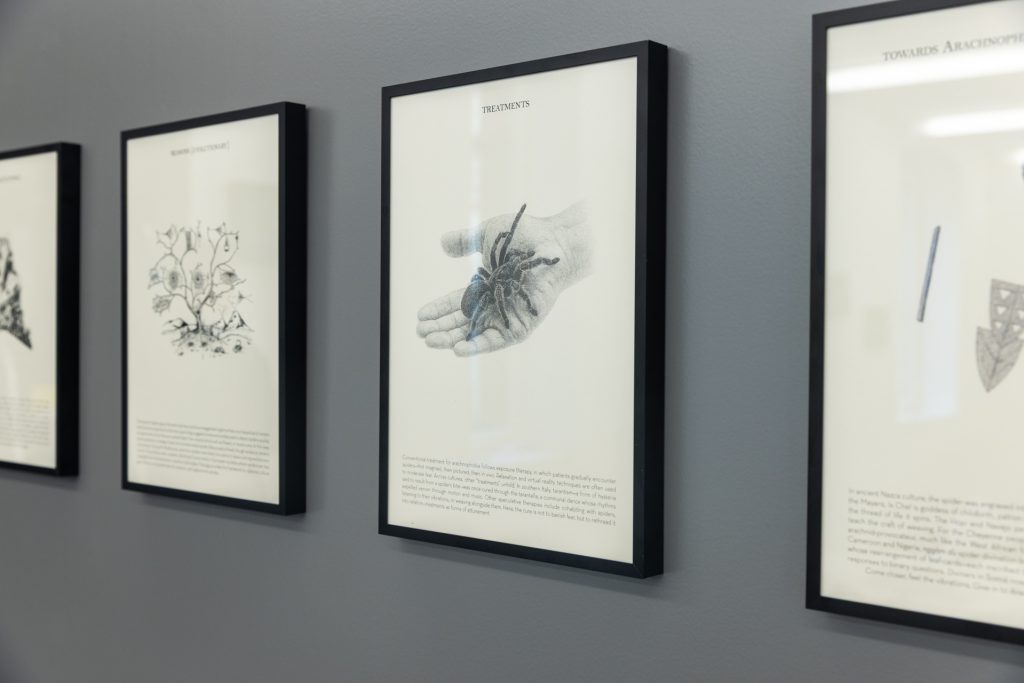
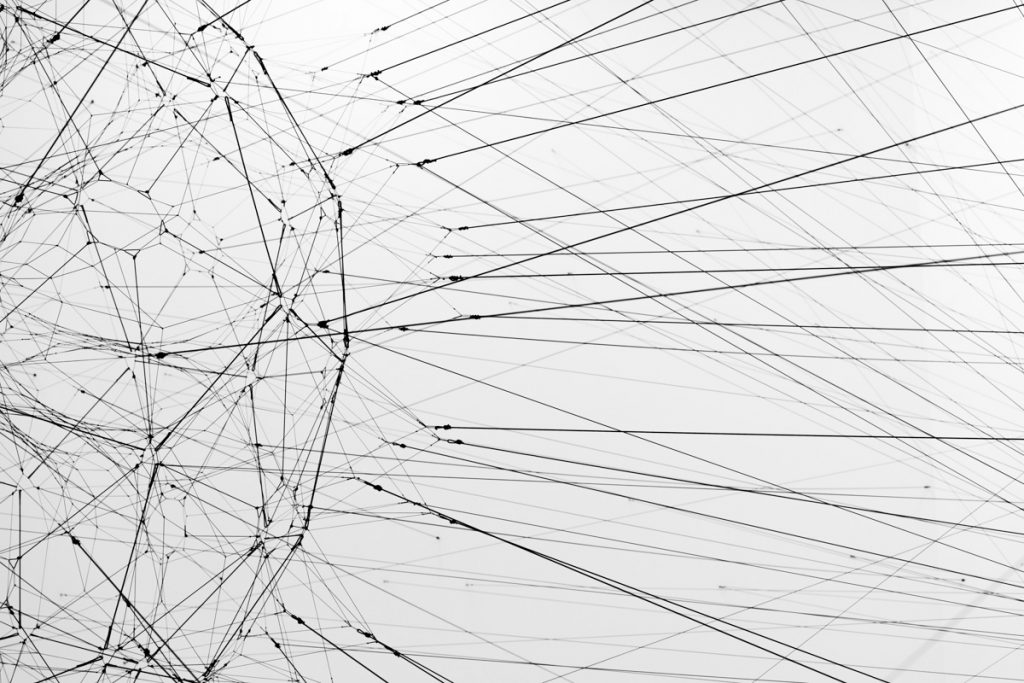
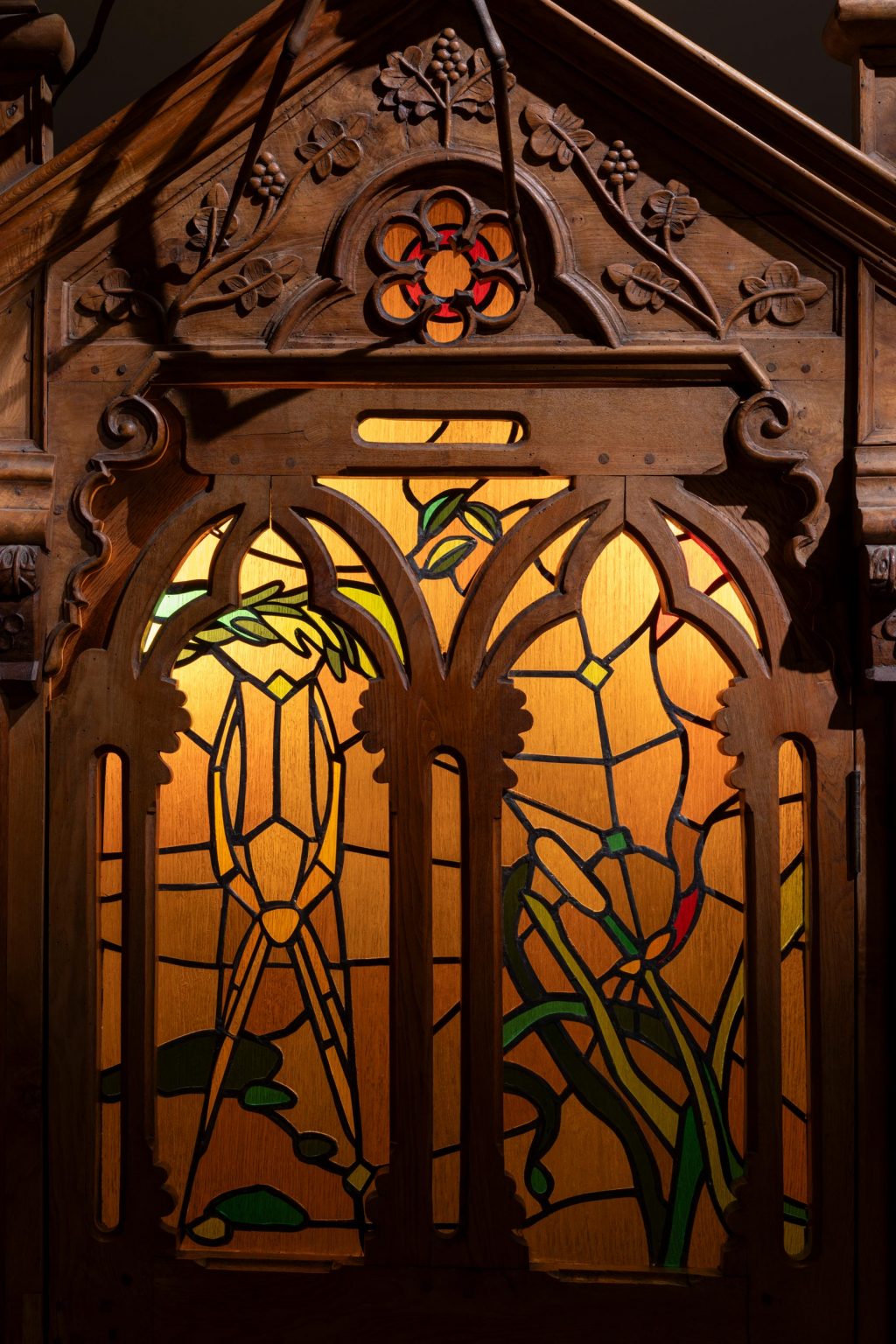
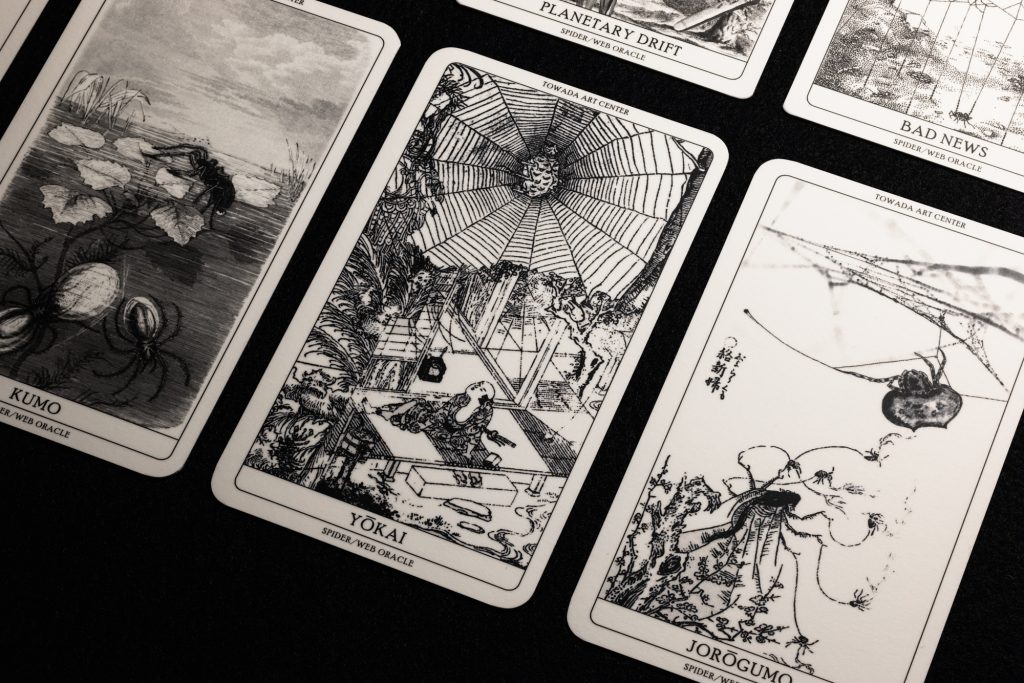
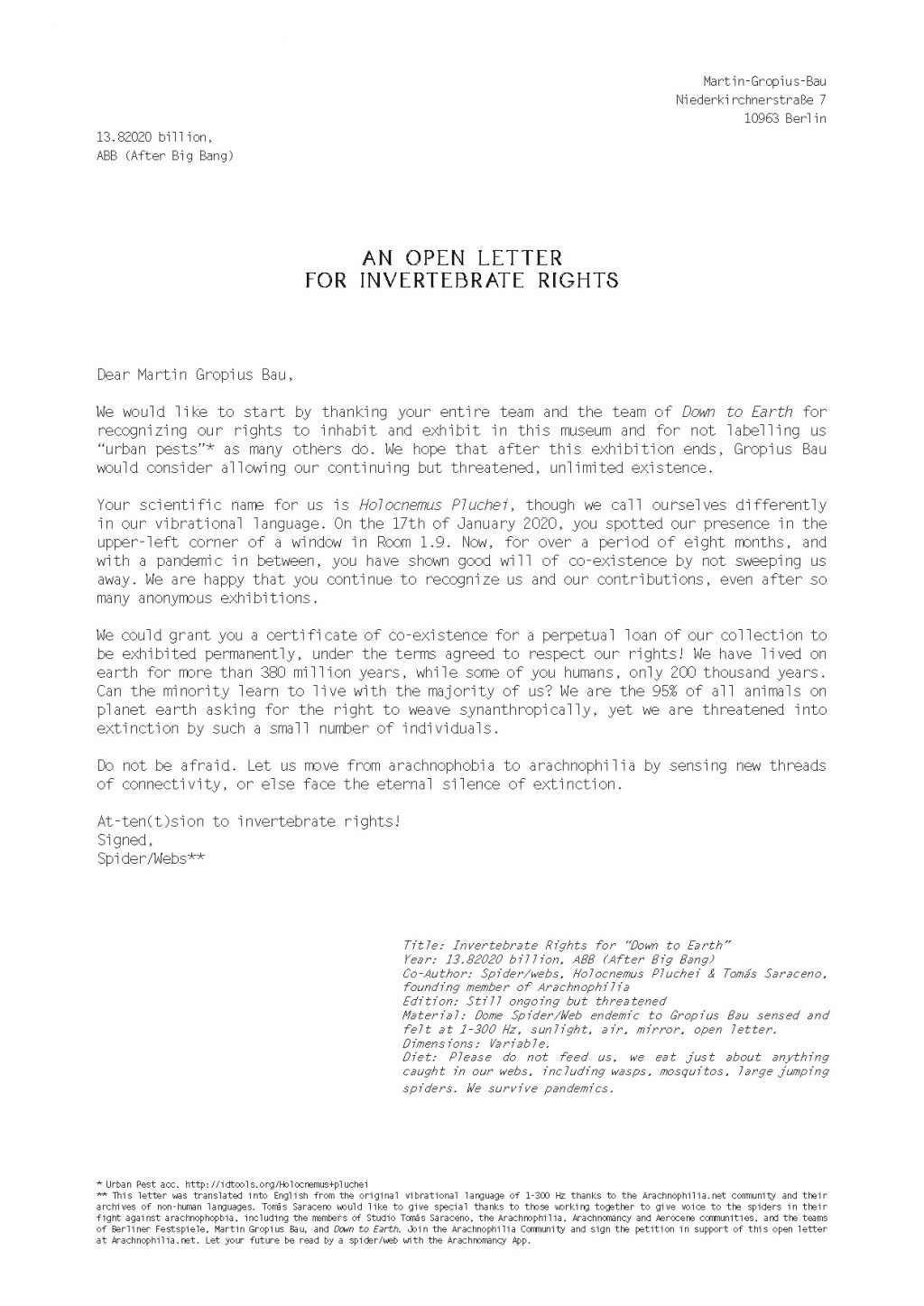
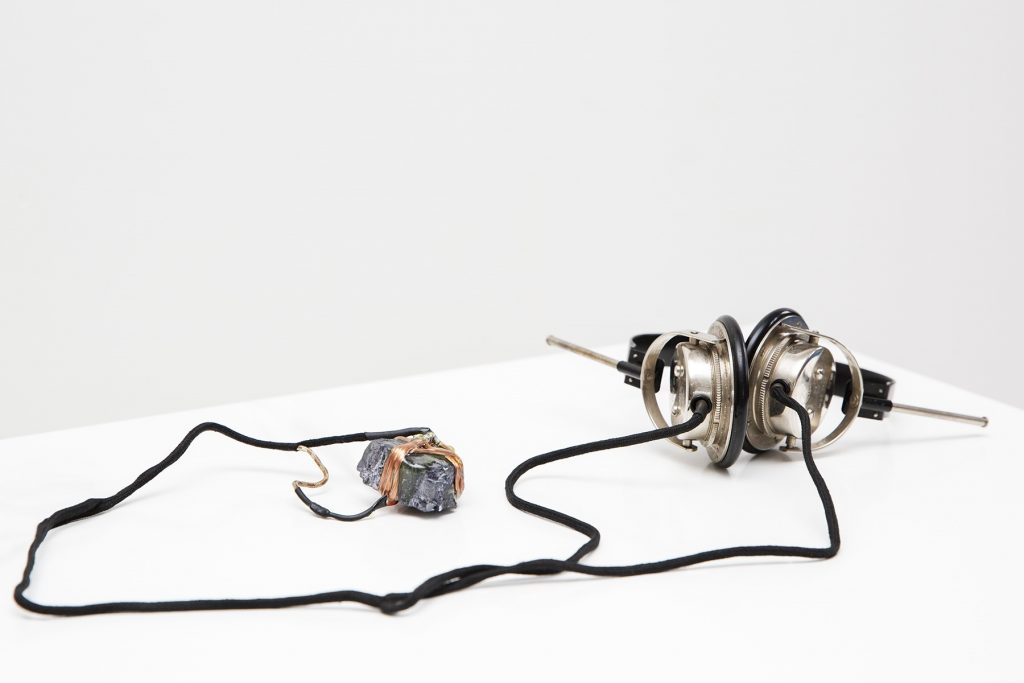
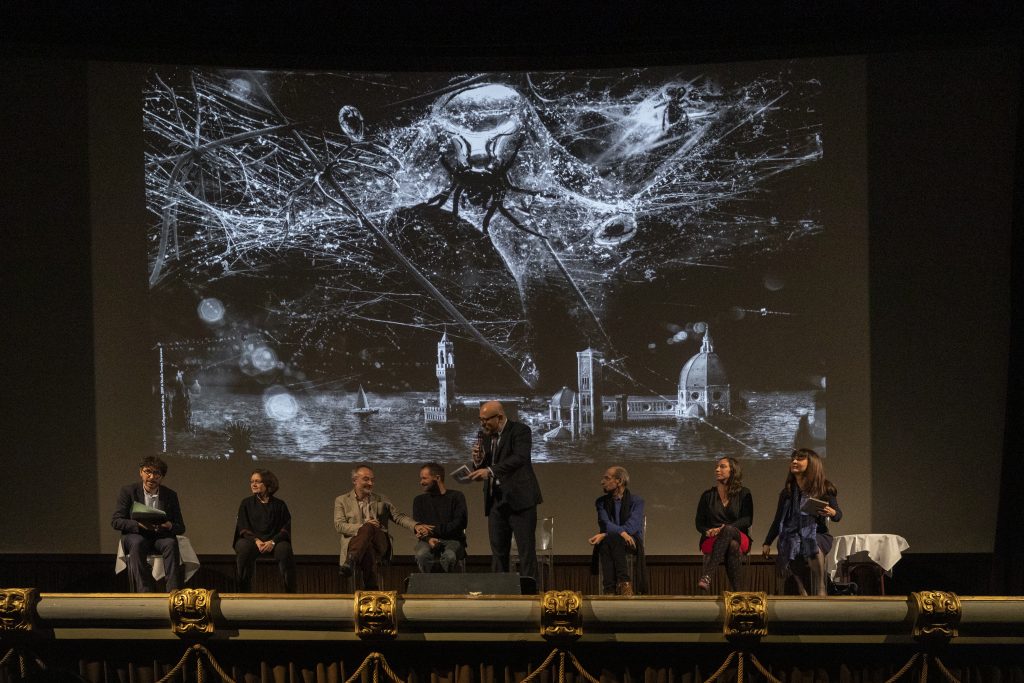
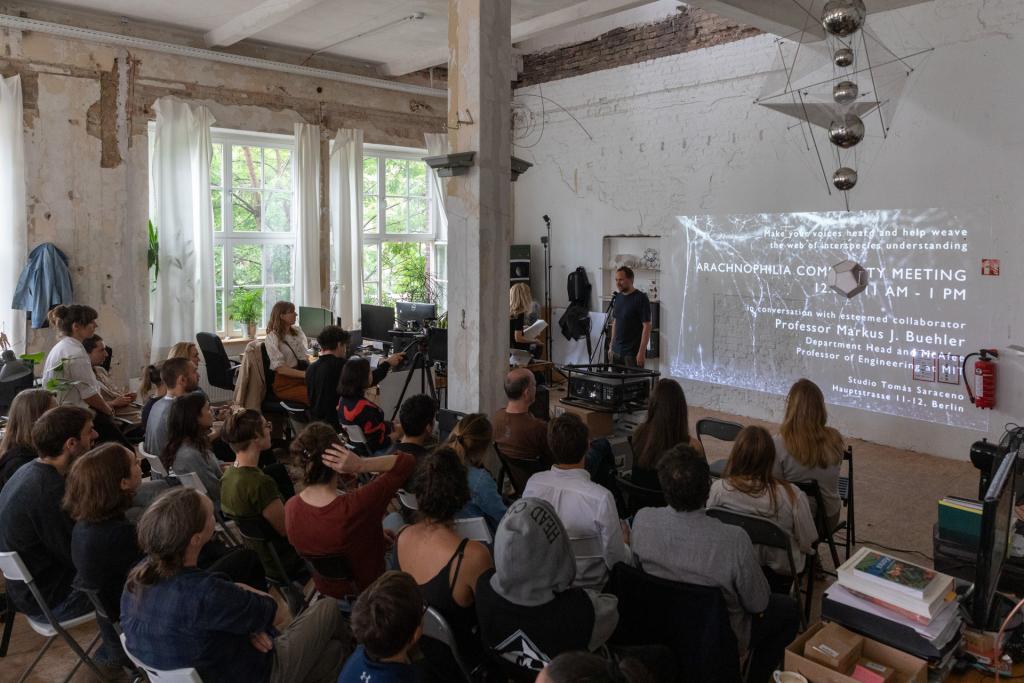
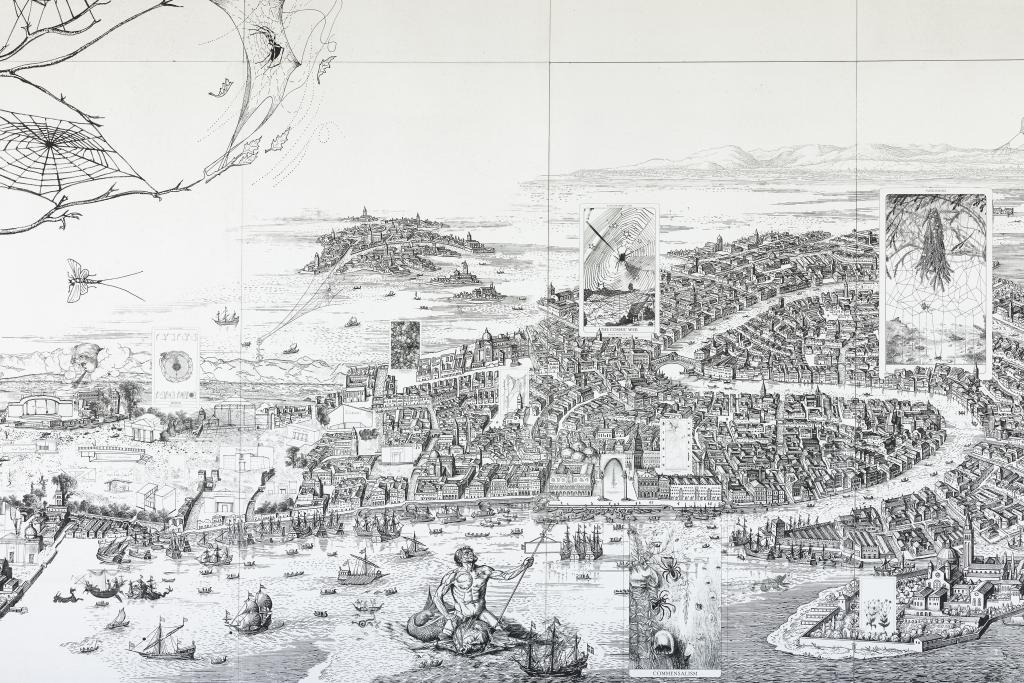
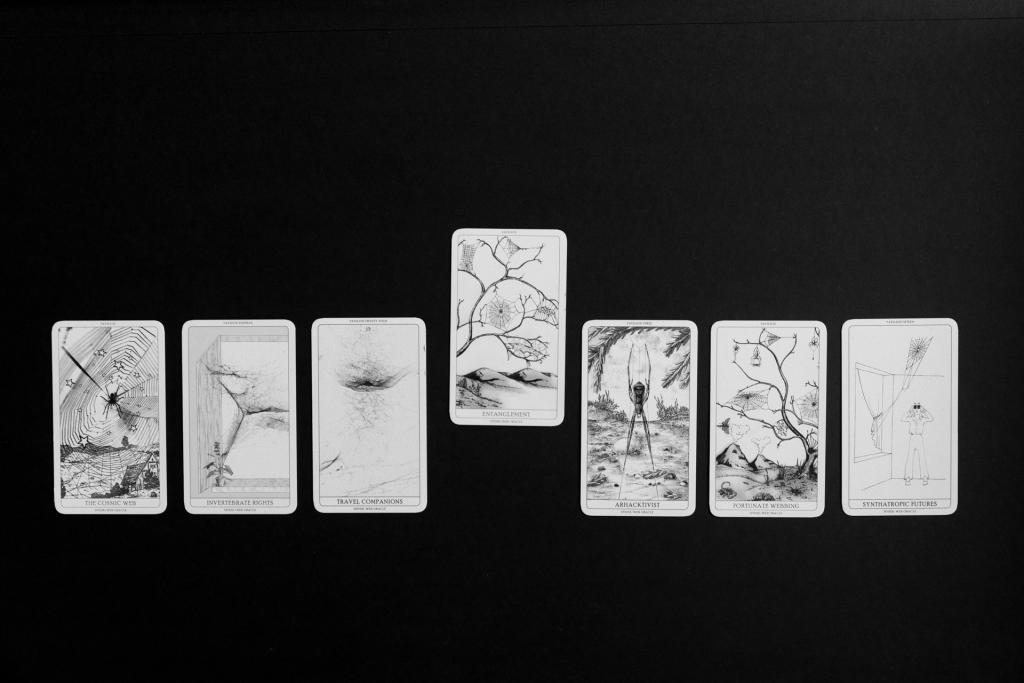
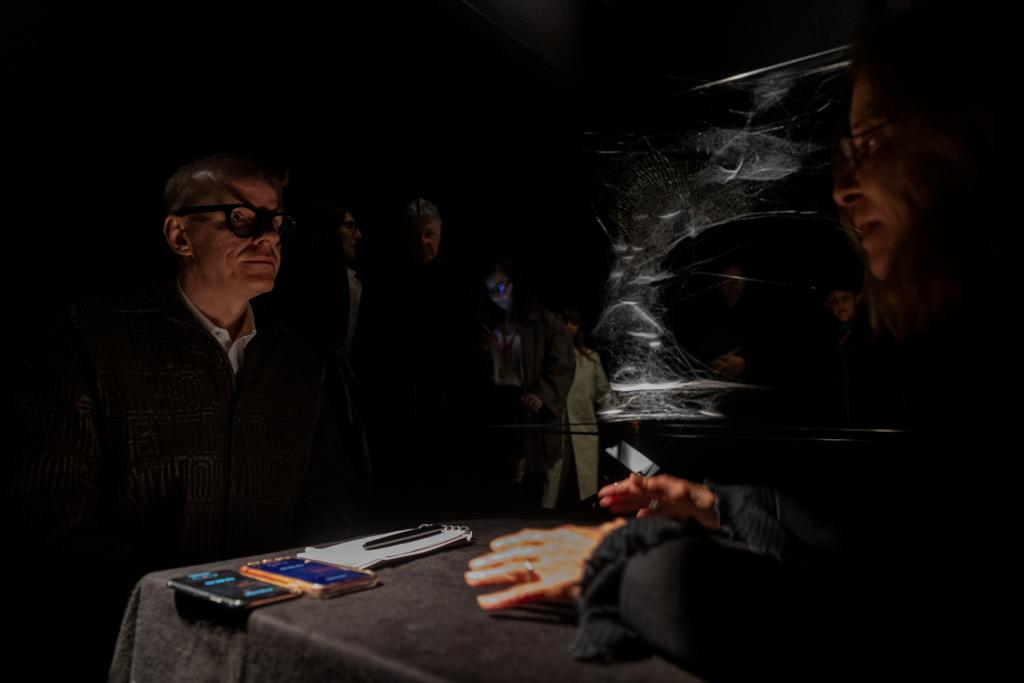
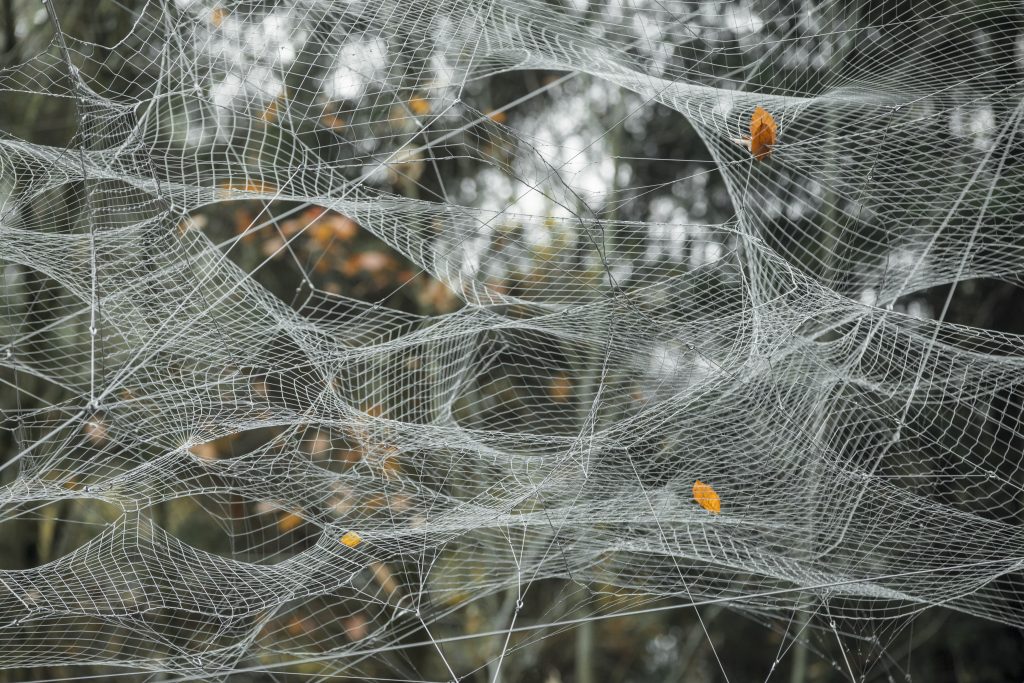
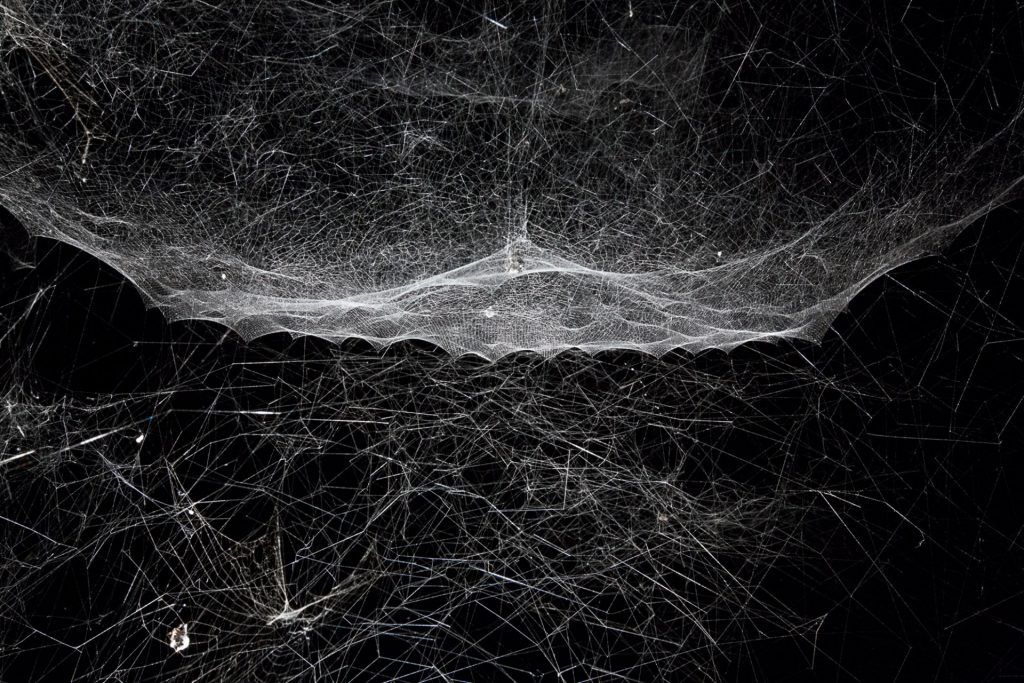
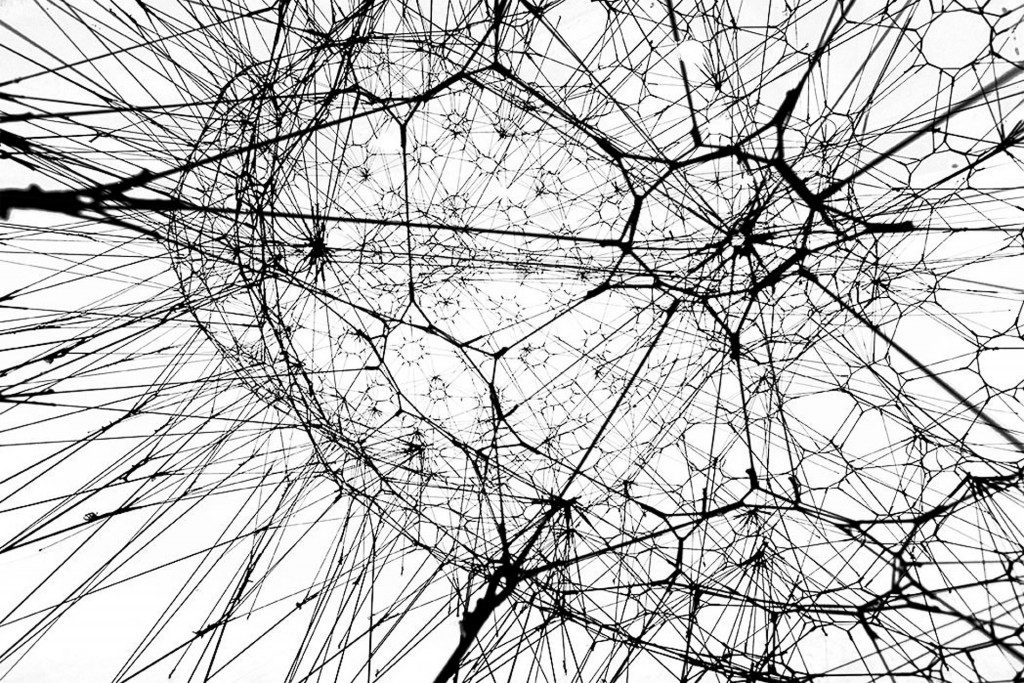
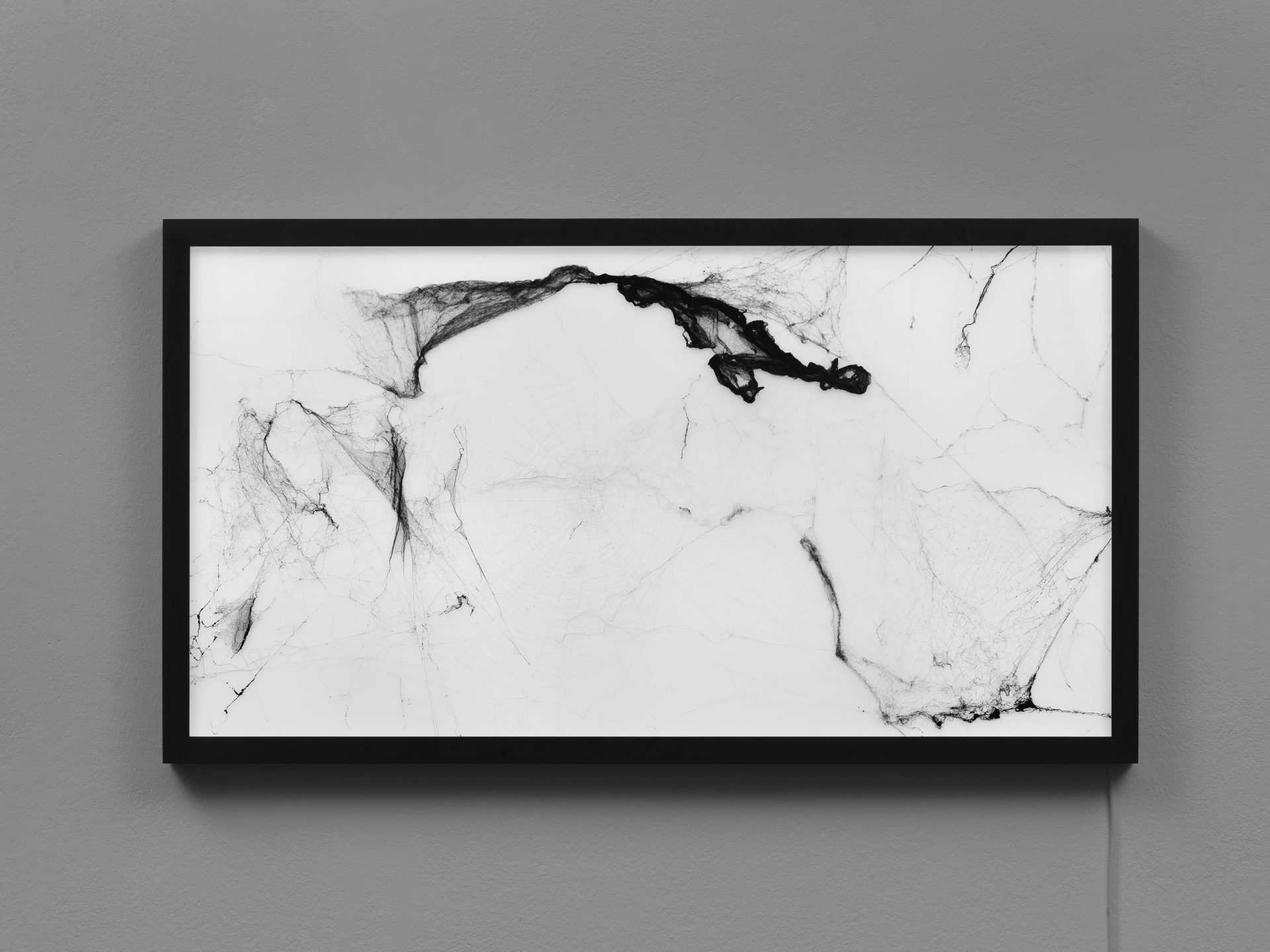
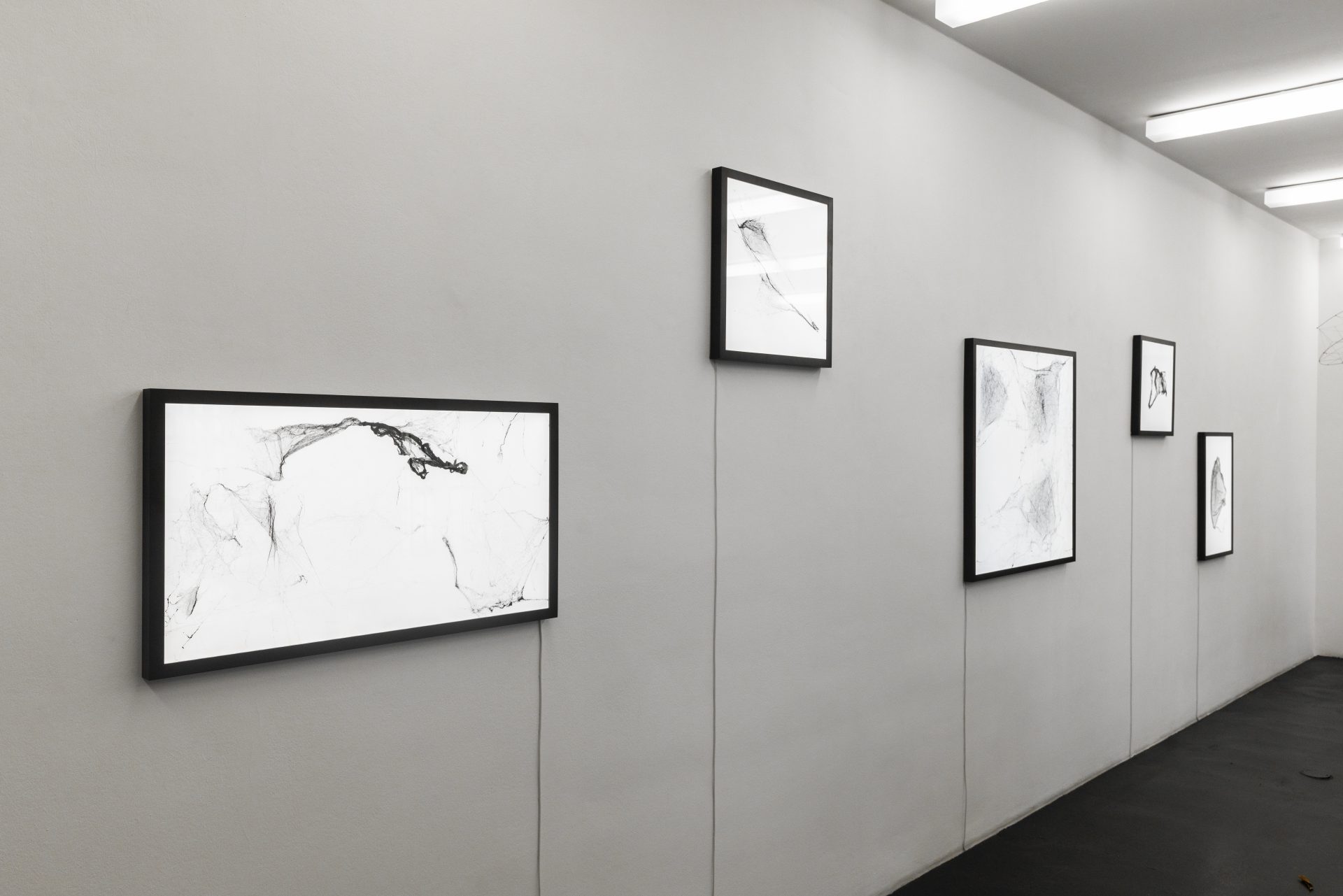
Across history, such fears have found expression in Western imagination, where spiders have long been cast as sinister, abject, and threatening. Yet the phobia of the arachnid reveals less about the invertebrate itself than the cultural imagination that defines it: a fear projected, systematized, transmitted. Elsewhere, spiders appear otherwise: in one such case as oracles, consulted today by the Mambila people in Somié, Cameroon, for whom Saraceno built a web portal (Nggamdu.org) through which local diviners now offer their services to the world. From such inheritances, a new framed series departs, reopening the encyclopedic entry on arachnophobia to transform fear’s lexicon into a web of kinship. This orientation underpins Arachnophilia, a project-community Saraceno founded which syncretises diverse forms of knowledge through a shared affinity with spider/webs; not only as architectures of silk, but as cosmological diagrams and instruments of relation that, for many cultures, mirror the interconnectedness of life.
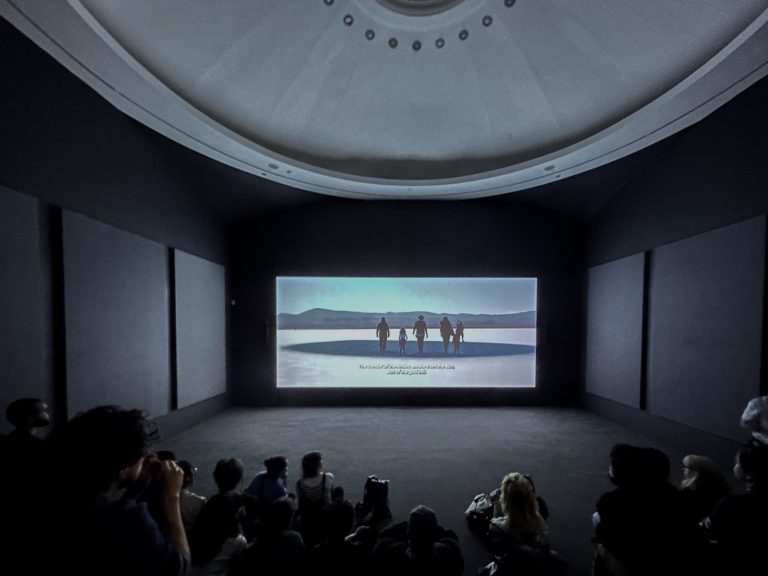
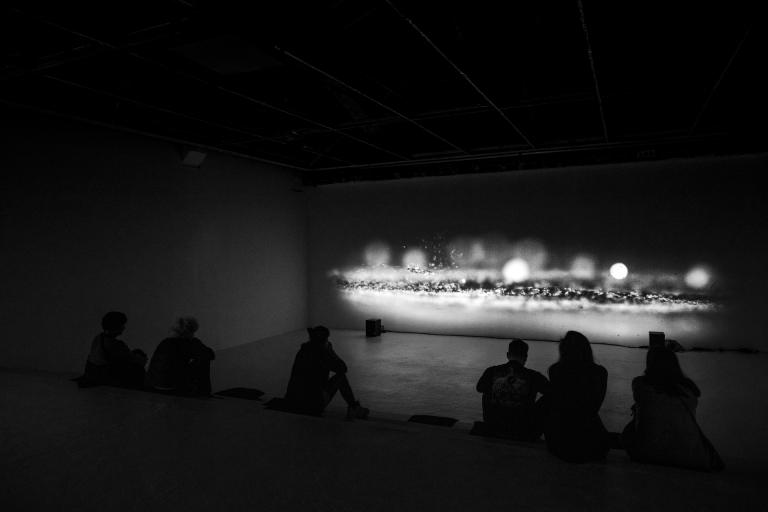
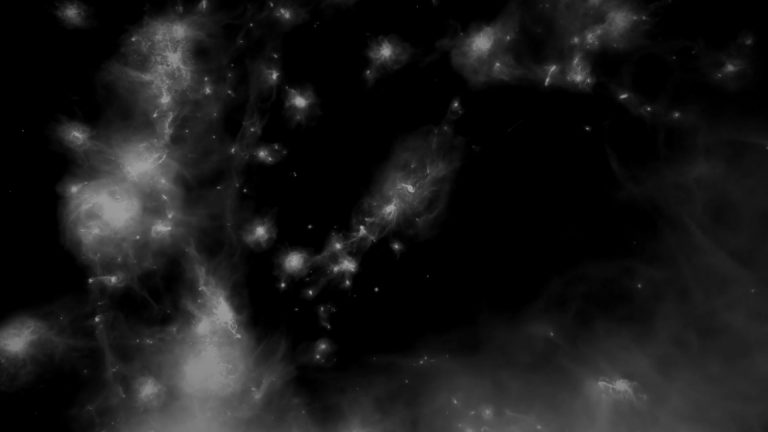
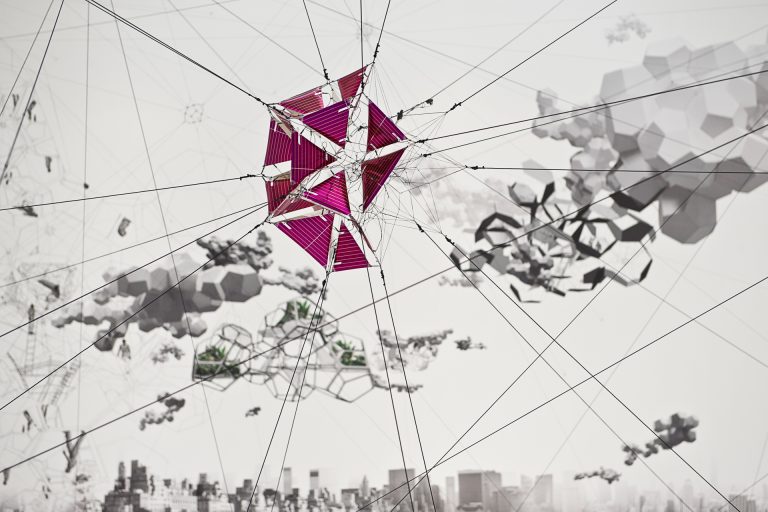
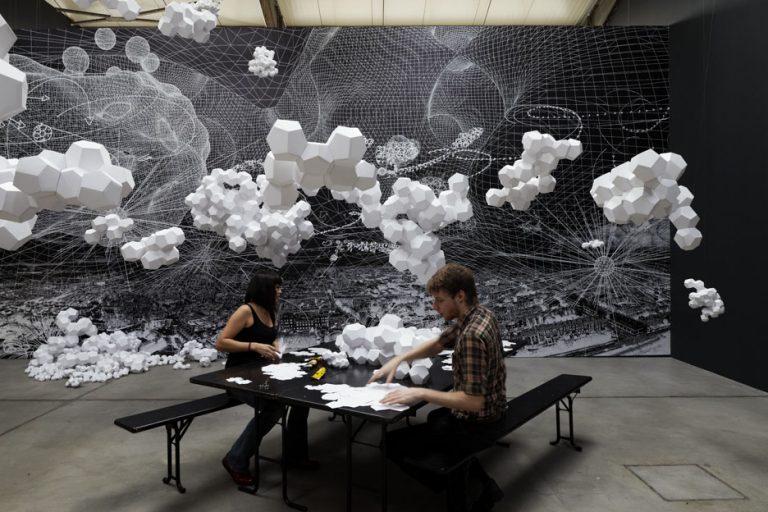
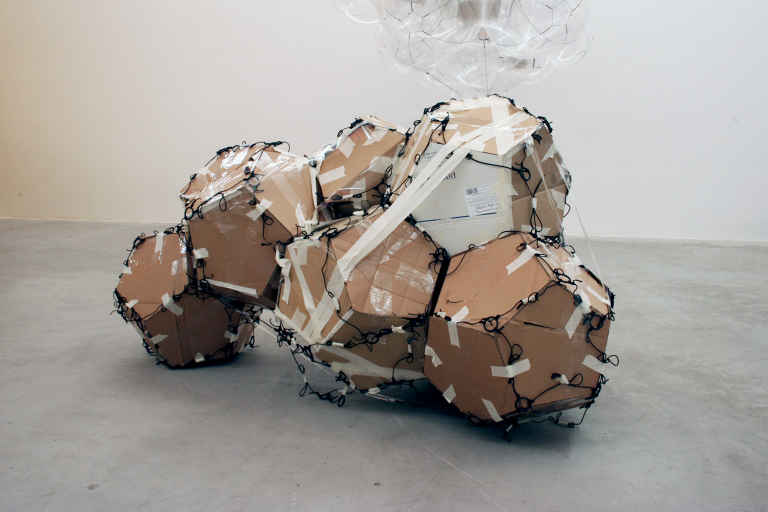
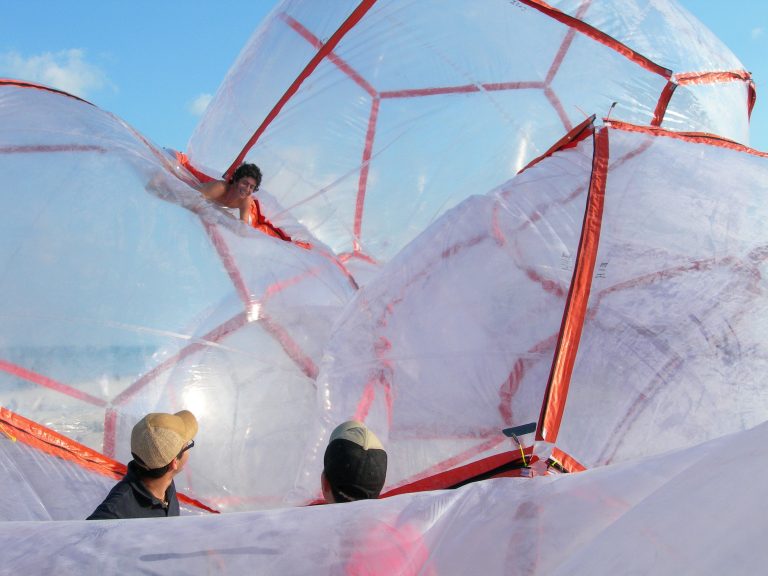
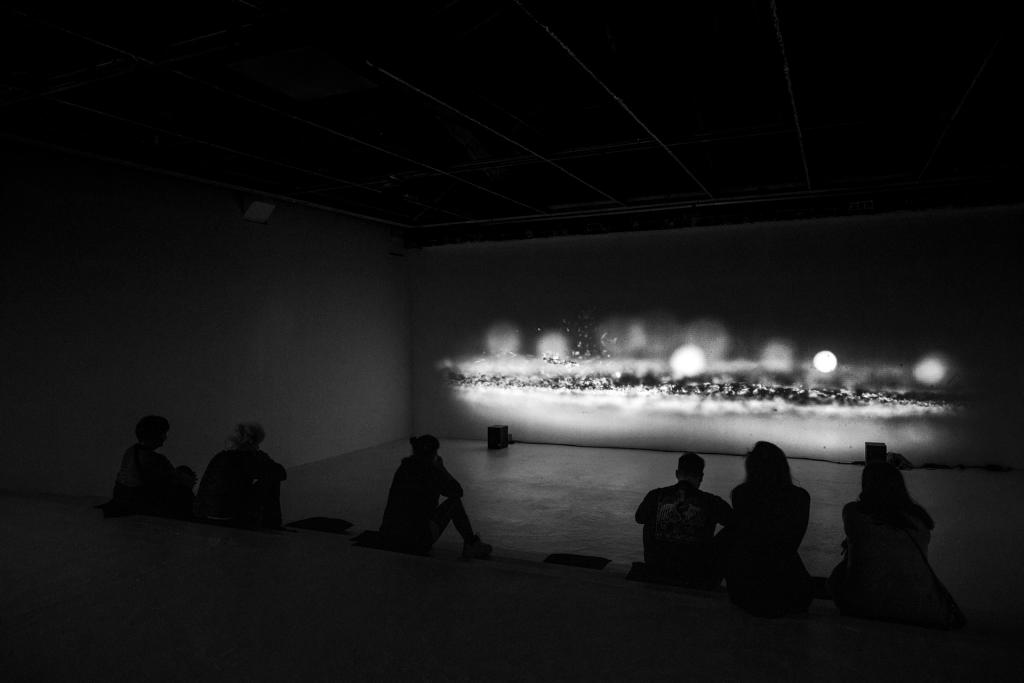
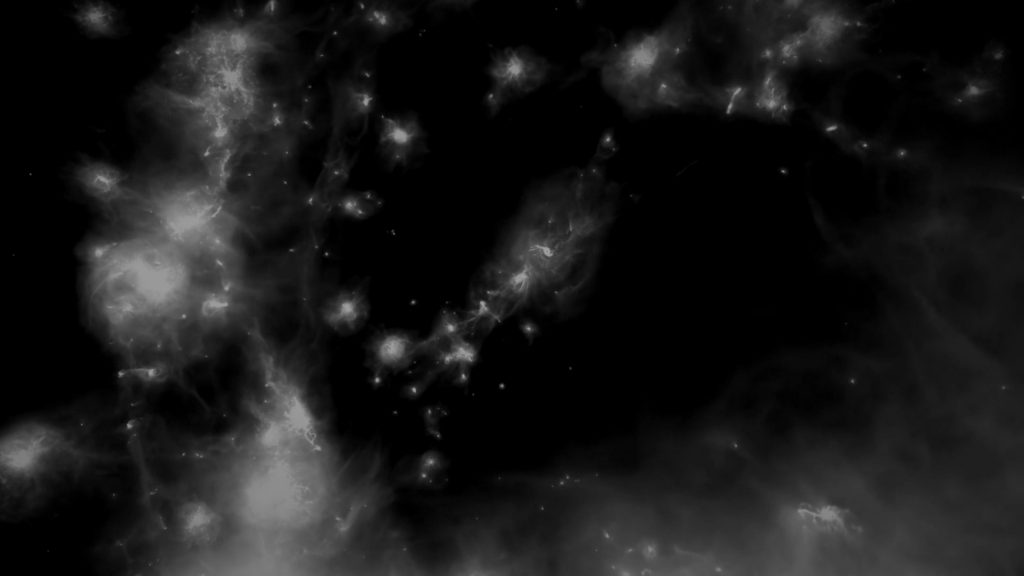
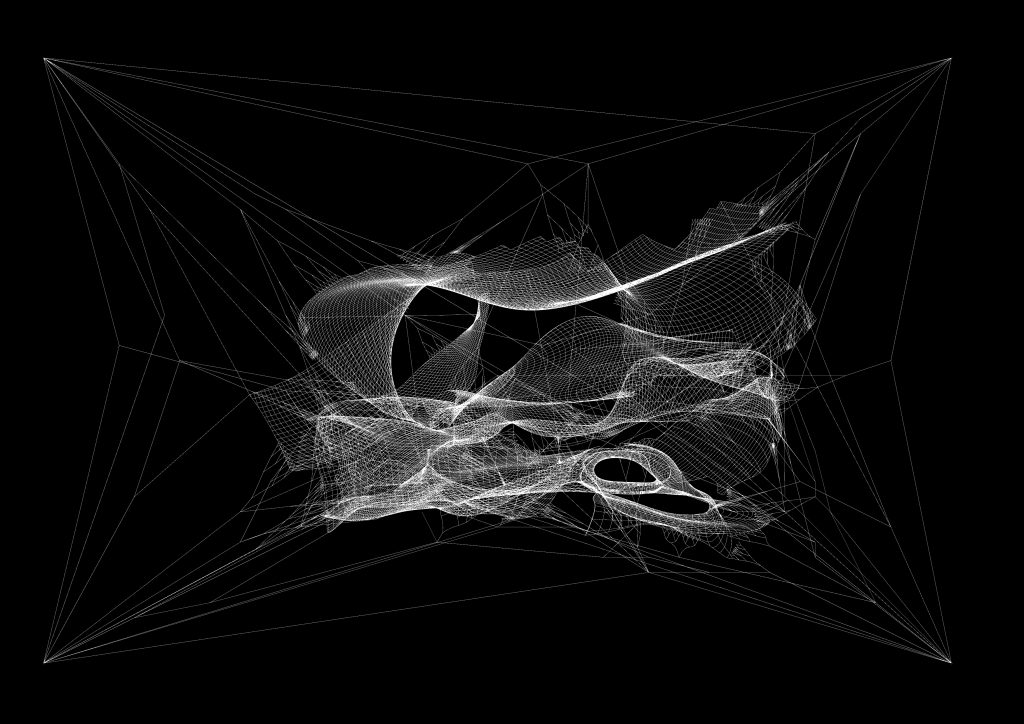
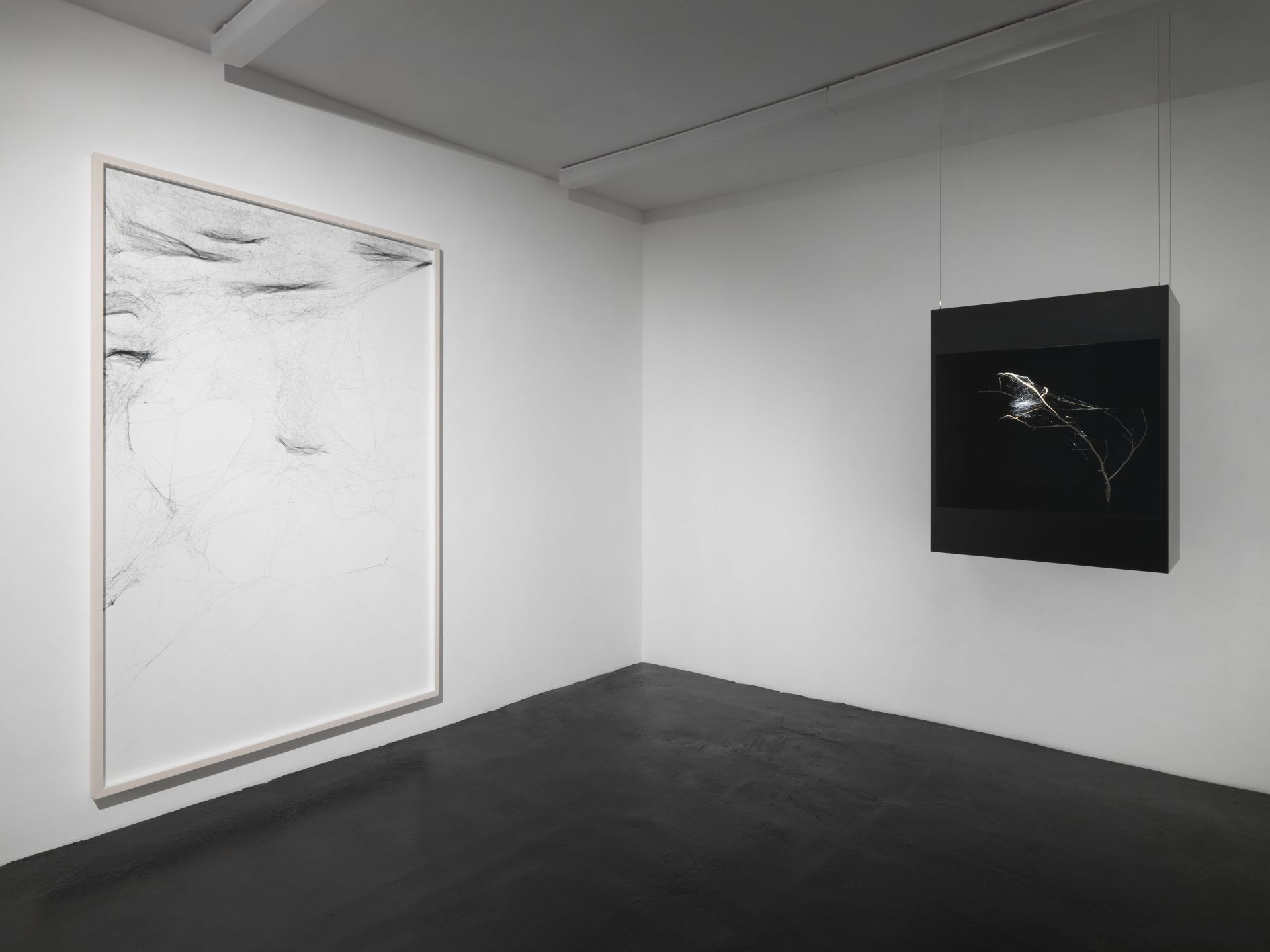
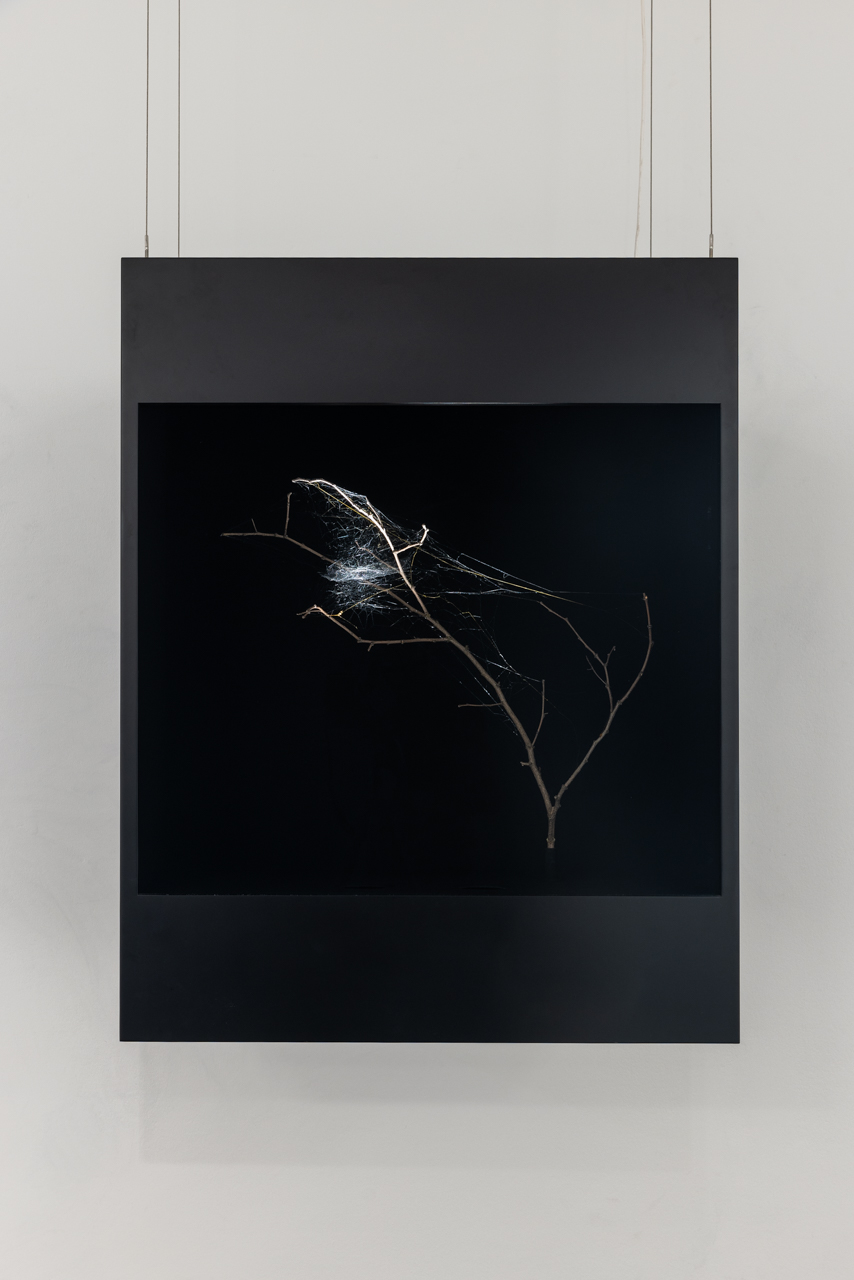
Across diverse works of film, sculpture, and works on paper, the exhibition emerges from more than two decades of Saraceno’s artistic research into the entangled, in collaboration with human and non-human communities. Taken together, tomás saracenoi proposes a philic reflection along the watery webs of life, tracing threads of fear and care over transforming states—environmental, cultural, political—in an invitation to reimagine belonging, not as exclusion, but as a shared ecology.



...