









...
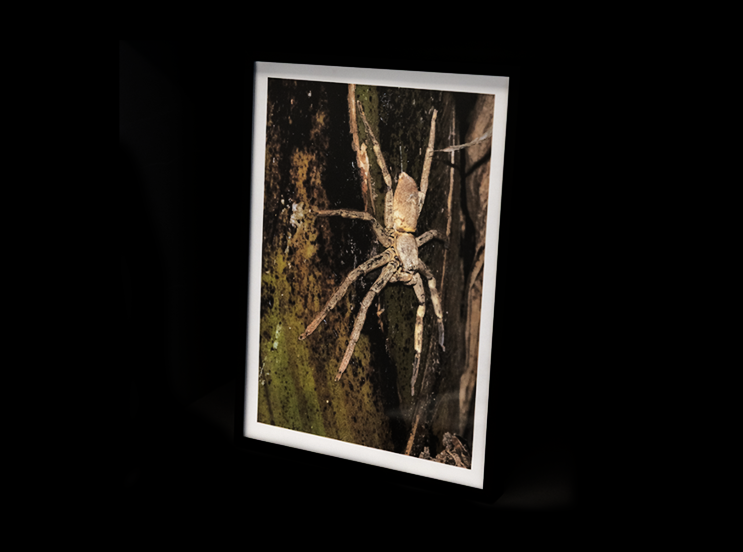
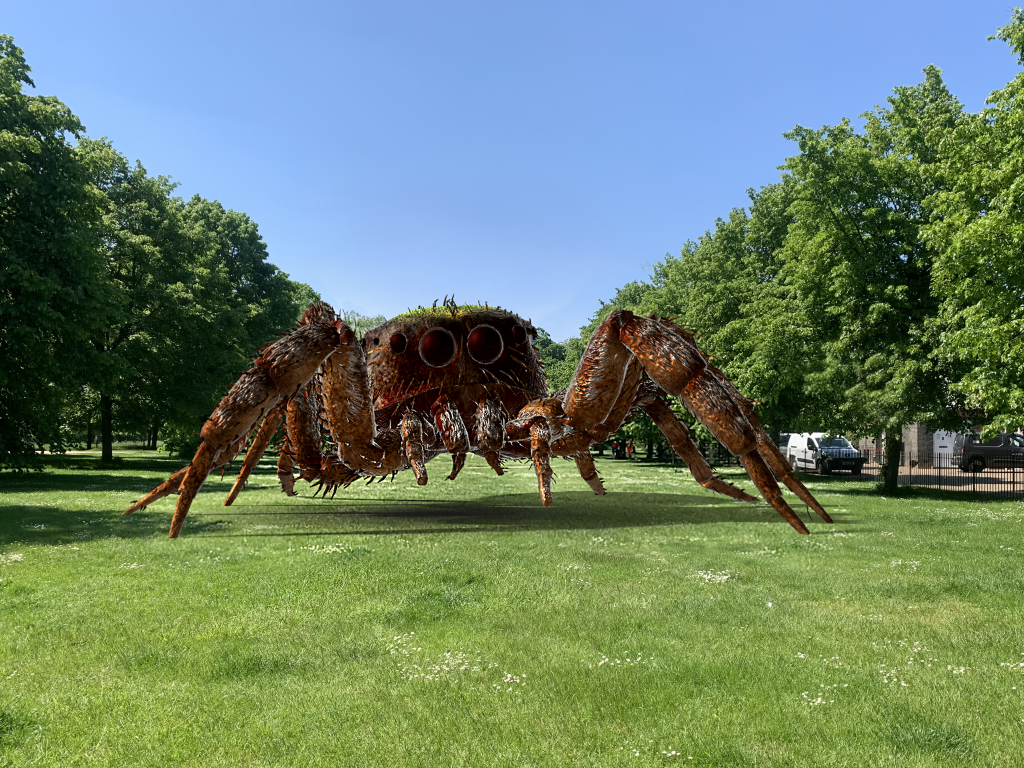
Heteropoda saracenoi
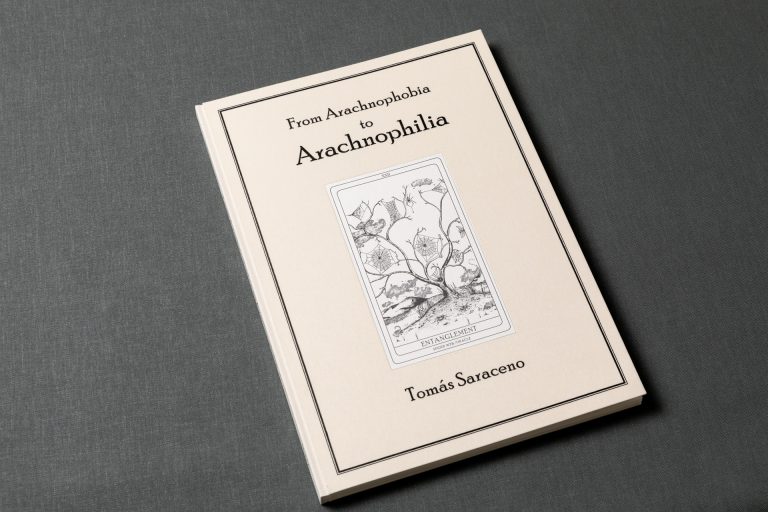
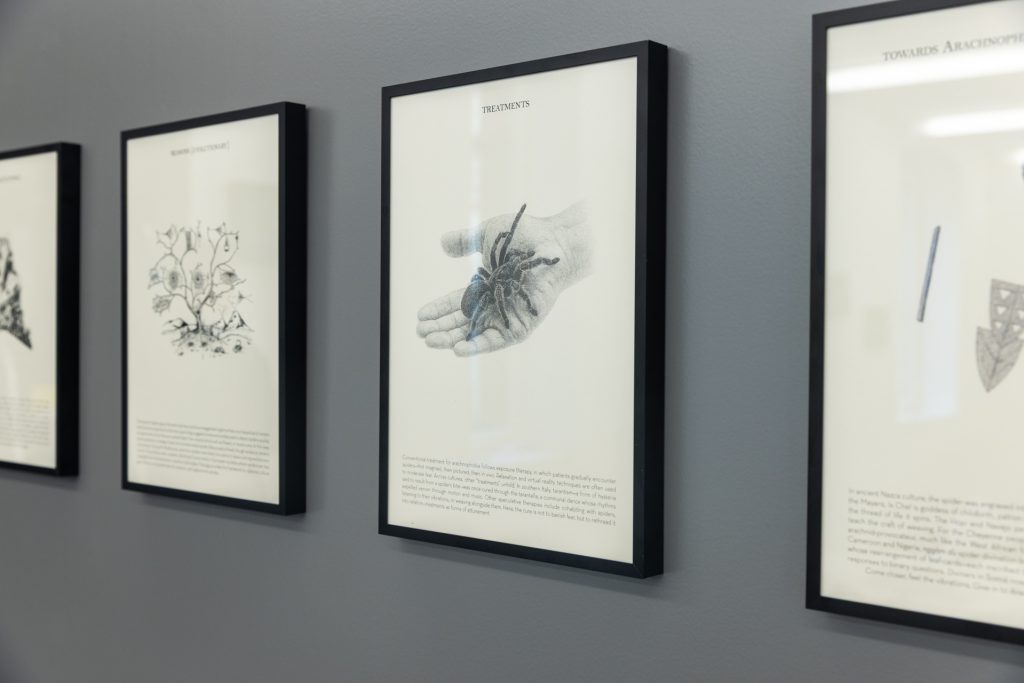
From arachnophobia to Arachnophilia
Flashing Toilets
Sal de Acá
tomás saracenoi
The Seeds of Flight
Play-Ground: Spider/web vibration, divination… for the terrestrial and cosmic web(s) of life
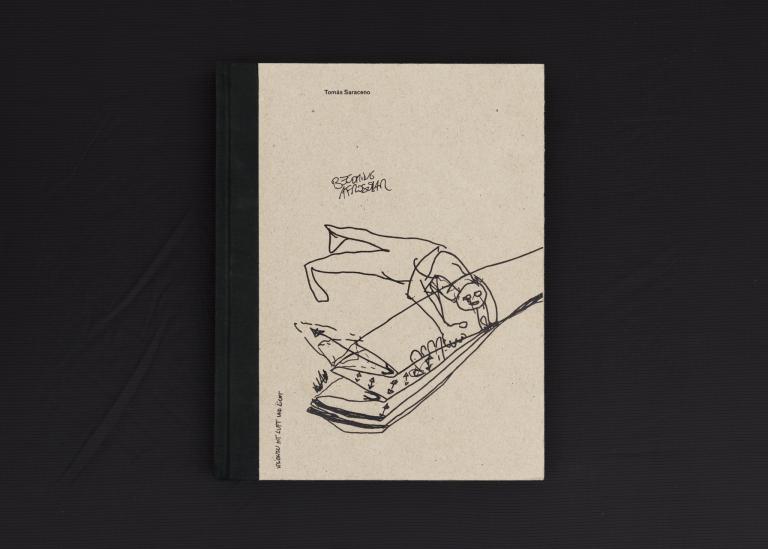
Recording Aerosolar
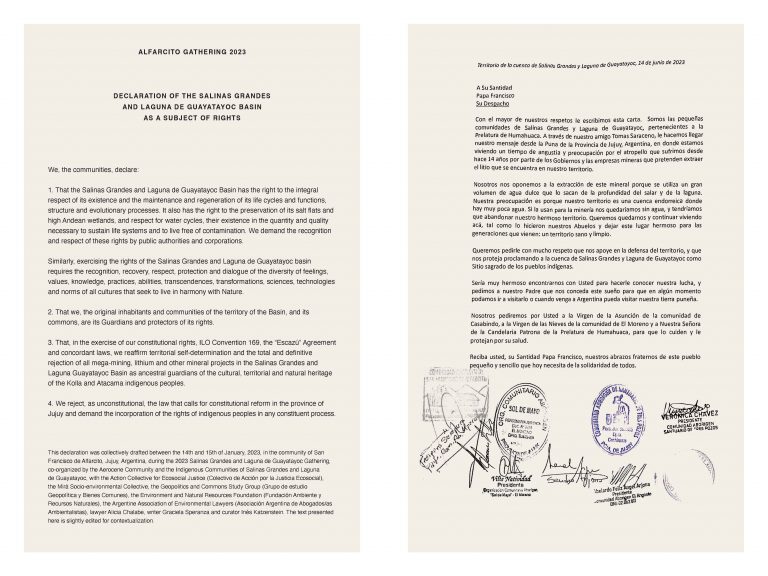
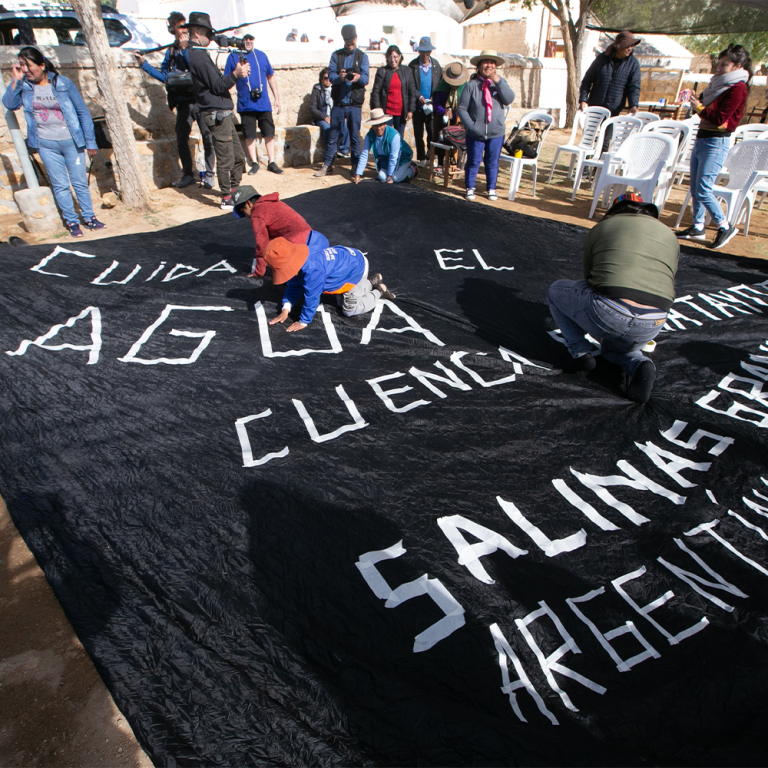
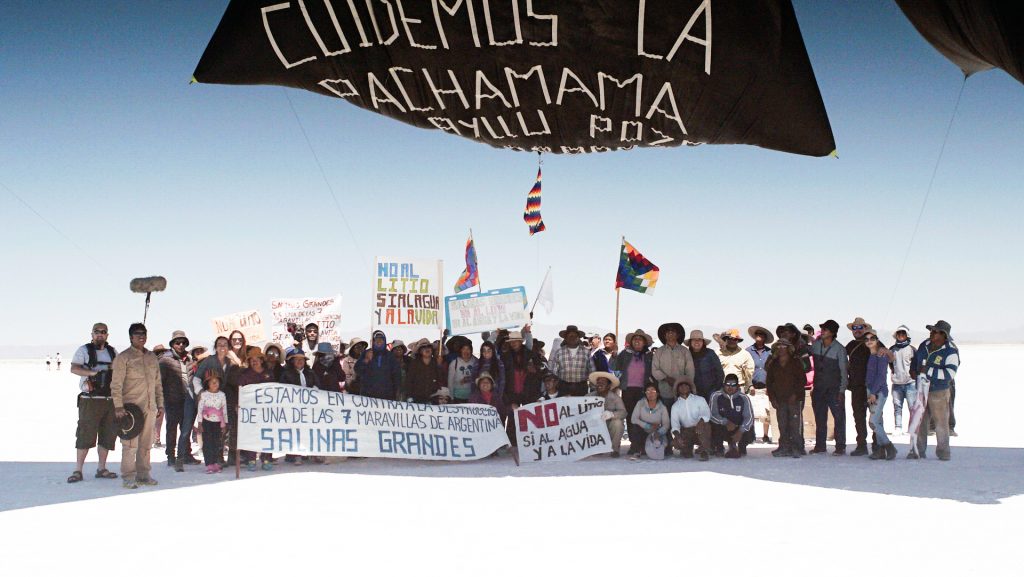
A letter from the communities of Salinas Grandes and Laguna de Guayatayoc to Pope Francis
Conviviality
ANIMA∞LE
Cosmic Threads
Aerocene Seoul
Live(s) on Air
Worldings
Radical Playgrounds
Fly with Pacha, Into the Aerocene
Complementarities
Live(s) on Air
Corona Australis 38.39
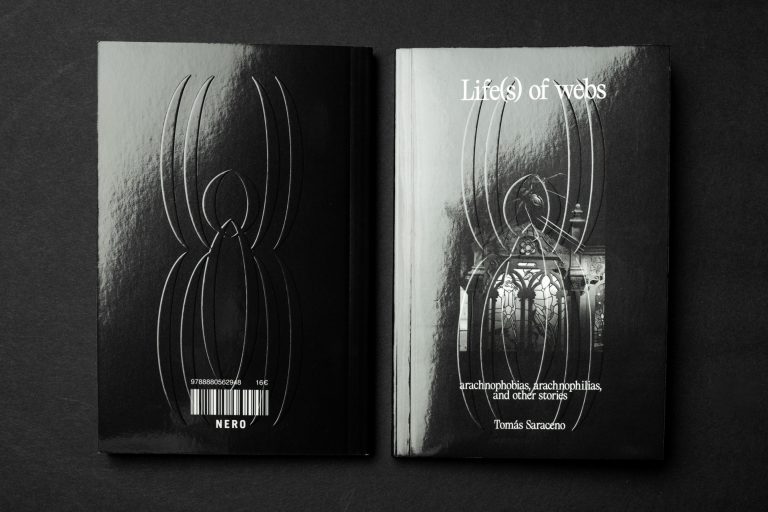
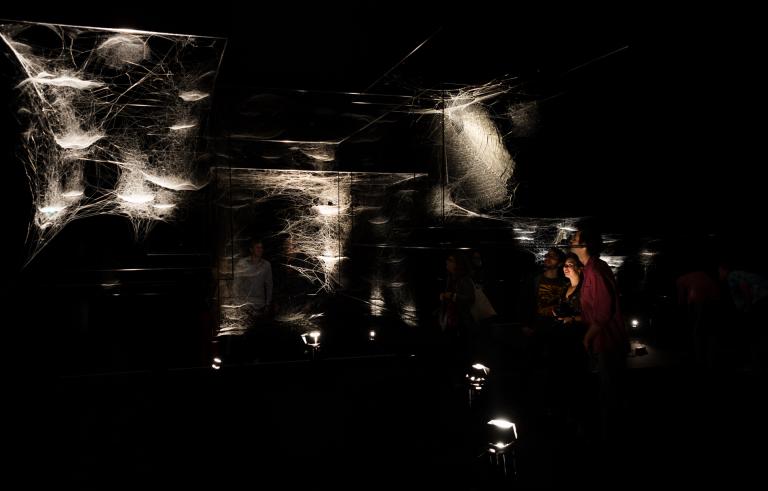
Life(s) of Webs
Cloud Cities: mise-en-Aéroscène
Tomás Saraceno in collaboration: Web(s) of Life
Crux Australis 68.0
Entangled Air
Oceans of Air
Silent Autumn
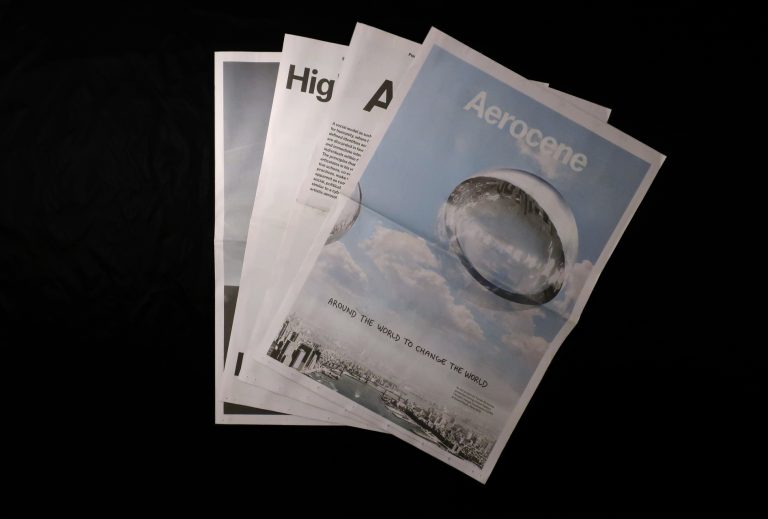
Aerocene: Free the Air. “Orbit-s” For a Post-Fossil Fuel Era
Particular Matter(s)
Inter + Play 2
we do not all breathe the same air
AnarcoAracnoAnacroArcano
Du sol au soleil
Webs of Life
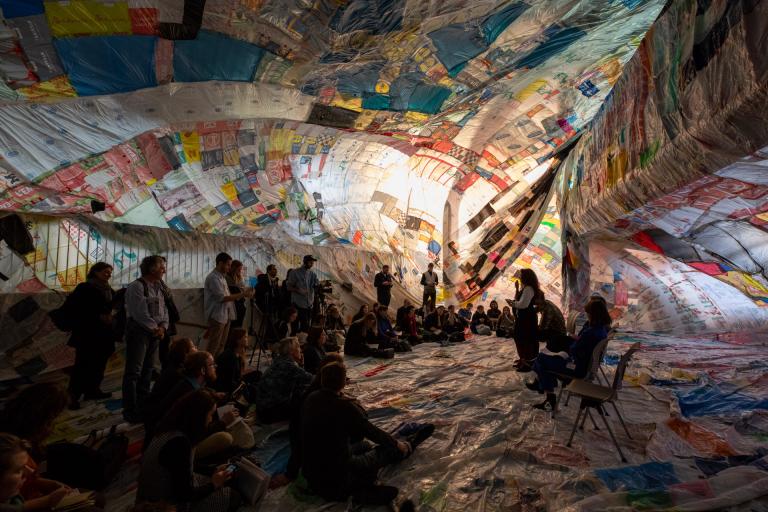
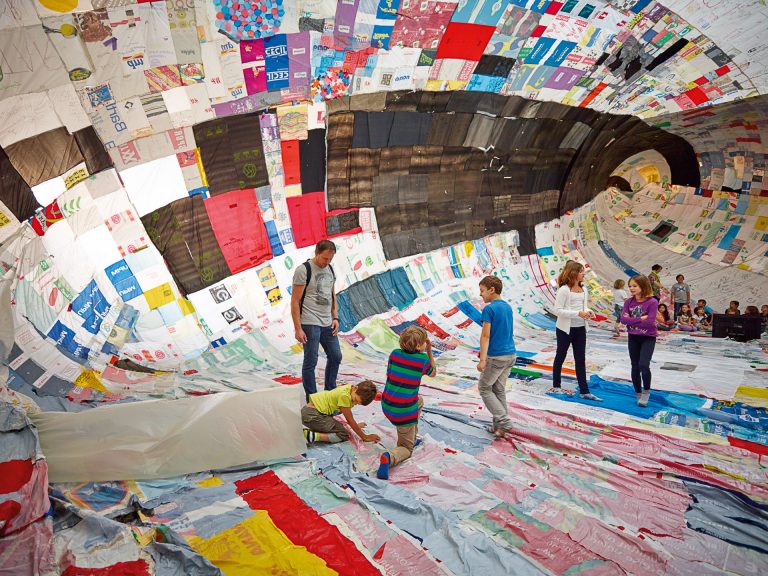
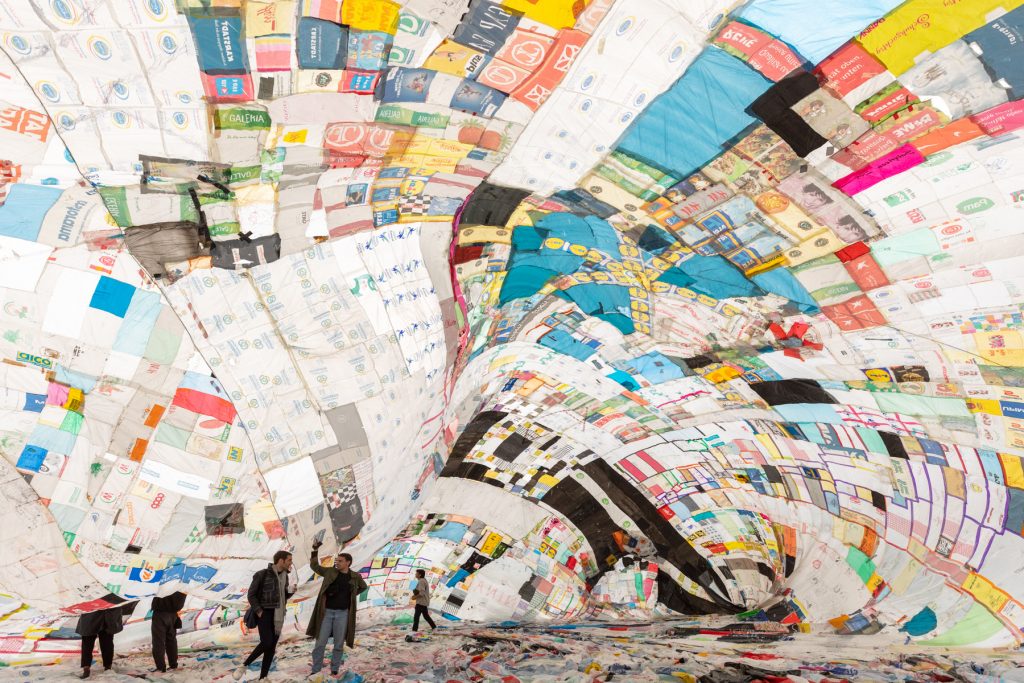
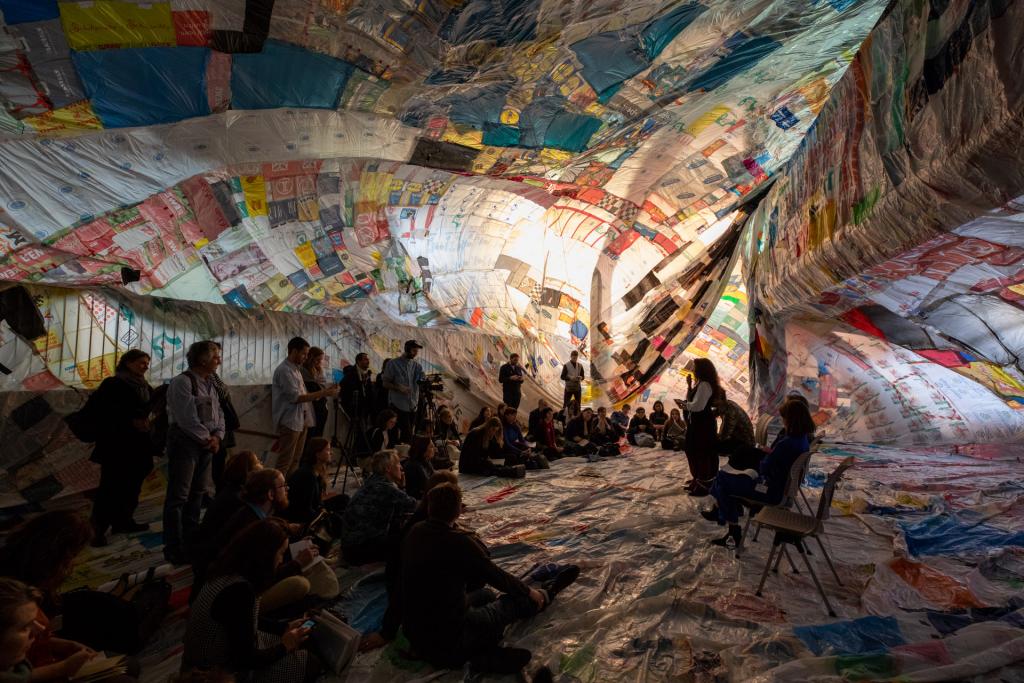
Museo Aero Solar: for an Aerocene era
How to hear the universe in a spider/web: A live concert for/by invertebrate rights
Multicultural resonances towards a better future
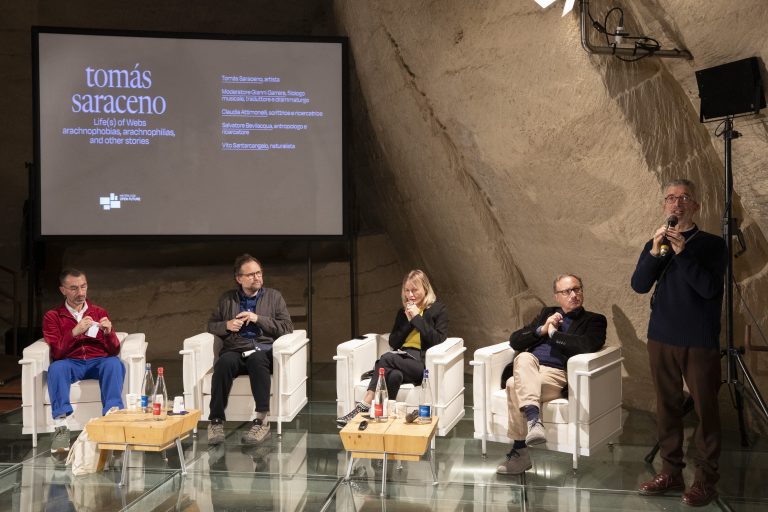
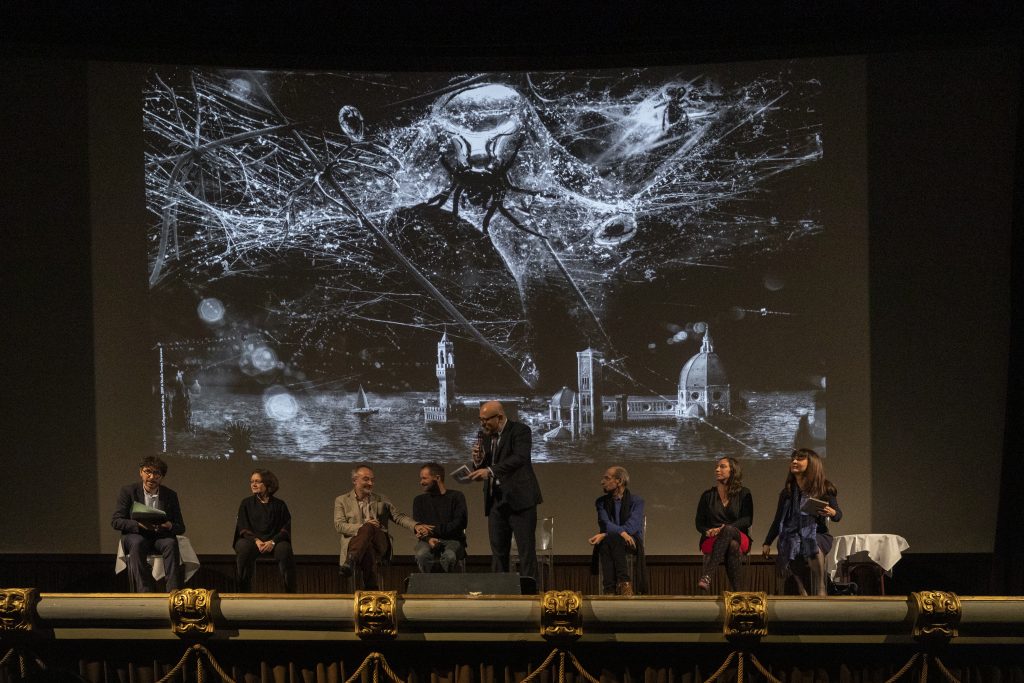
Life(s) of Webs, publication launch at Palazzo Ducale
In Conversation: Tomás Saraceno
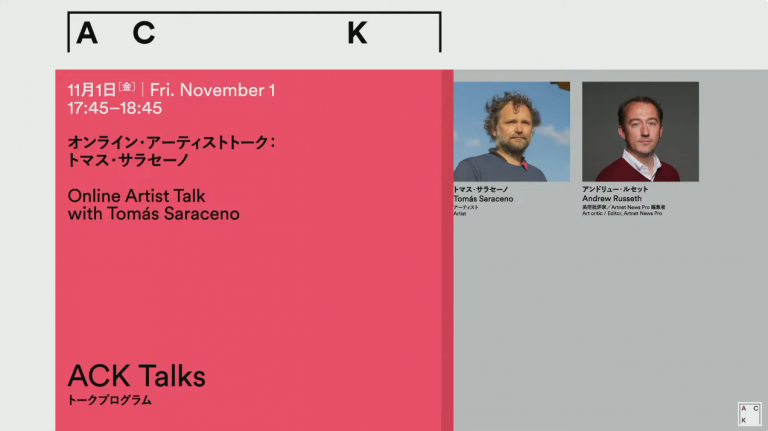
Art Collaboration Kyoto, Online Artist Talk with Tomás Saraceno
Aerocene Forum
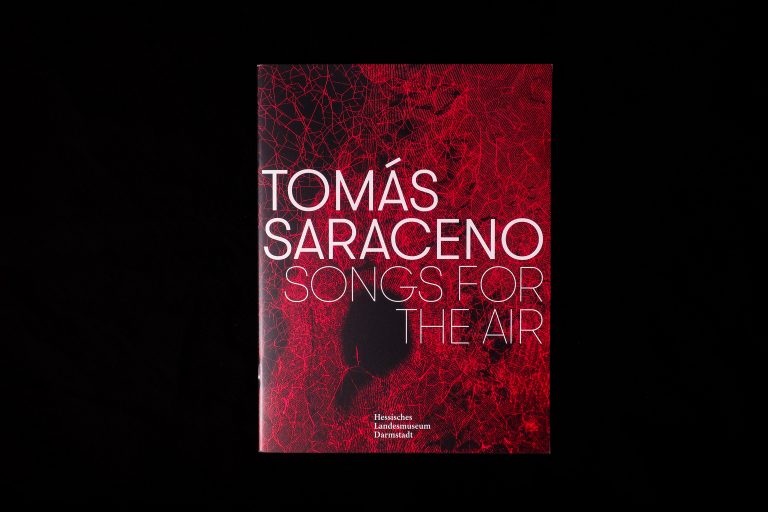
Songs for the Air
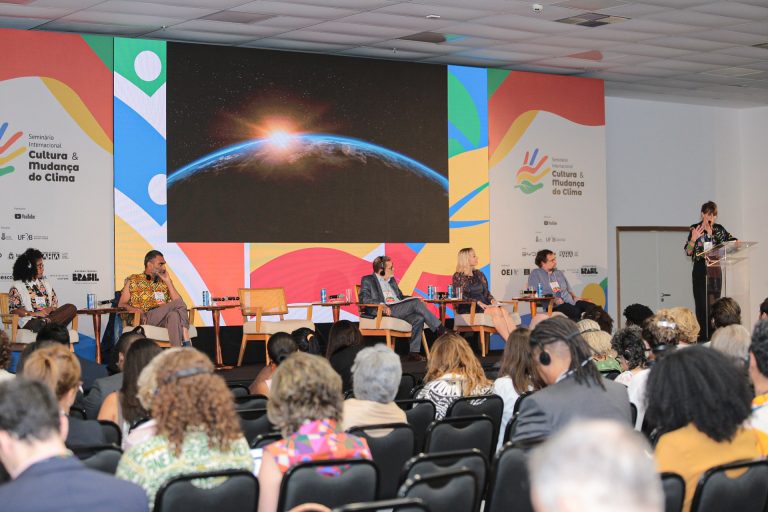
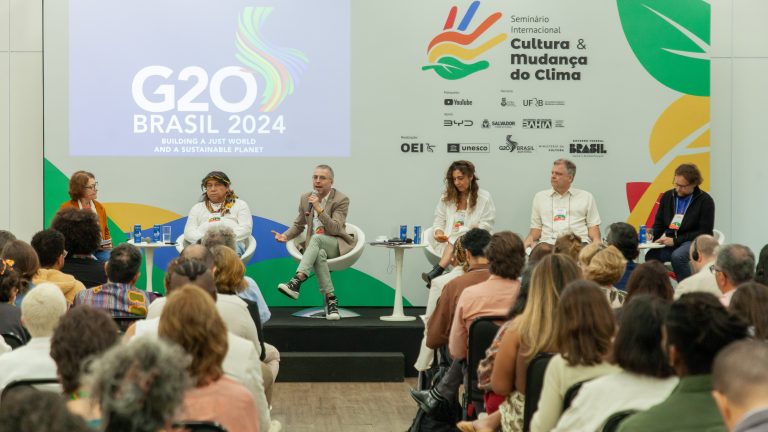
“Climate Crisis, a Crisis of Imagination”, The G20 International Seminar on Culture and Climate Change
“Culture, cosmologies and climate: building bridges between worldviews for a sustainable future”, The G20 International Seminar on Culture and Climate Change
Moving Atmospheres
Who qualifies as a Subject of Rights? We no longer want to be a sacrifice zone!
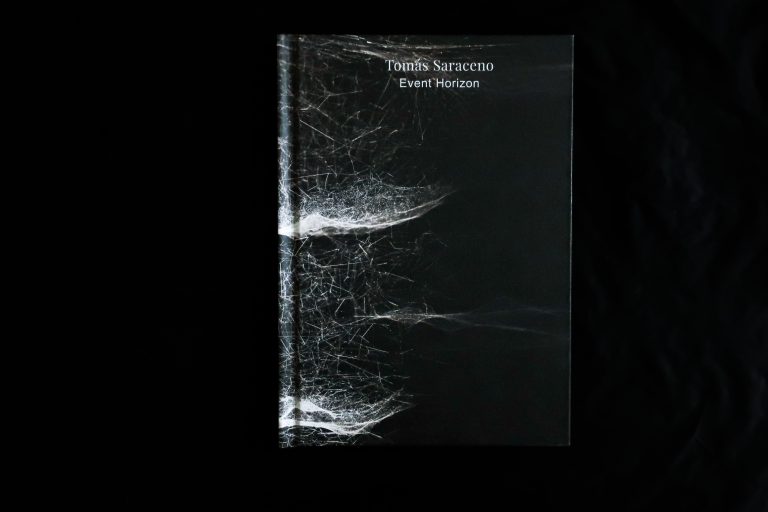
Event Horizon
Reparationen und Reparatur. Über Klimagerechtigkeit, Kolonialismus und Kapitalozän
7×7 2024
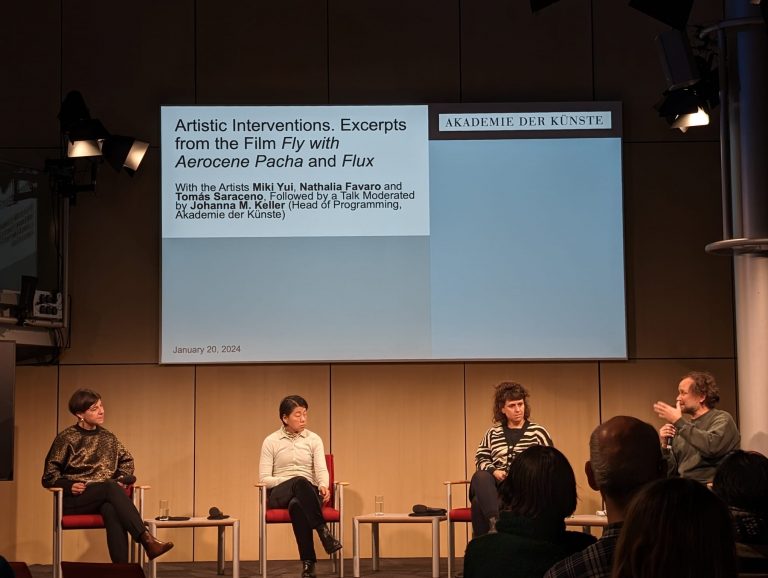
Life(s) of Webs, Panel Discussion and Film Screening
“The Crisis of Relationships” Masterclass
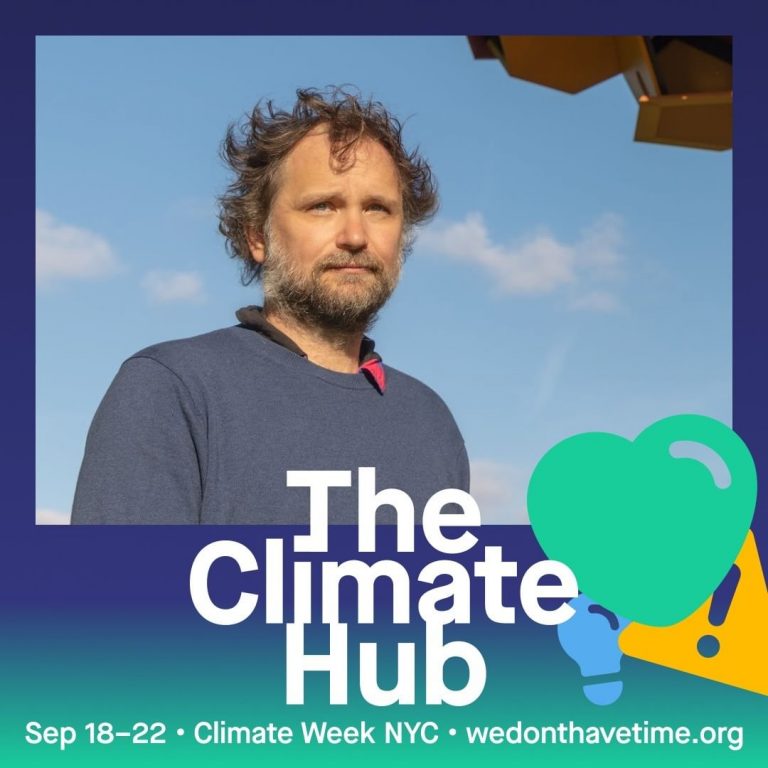
The Climate Hub, Climate Week NYC, Panel Discussion
Aerocircus – eine circensische karnevaleske mit planwagen entgegen aller linearitäten
Infinite Ecologies Marathon: The Prelude
Towards an Ecosocial Energy Transition: A Conversation and Manifesto
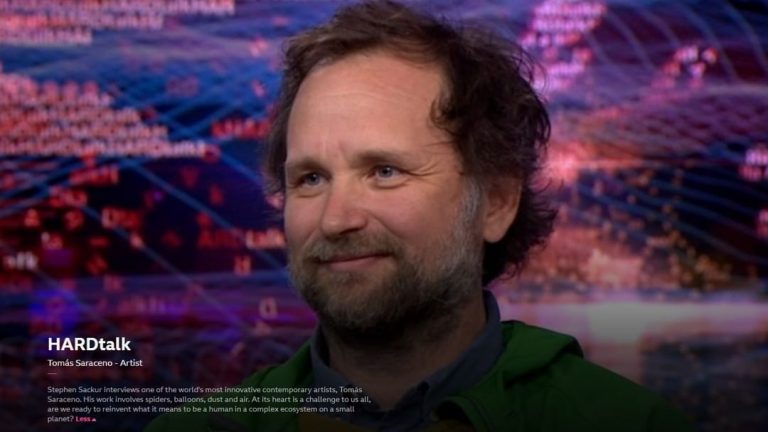
BBC HARDtalk Interview
The Alfarcito Gathering
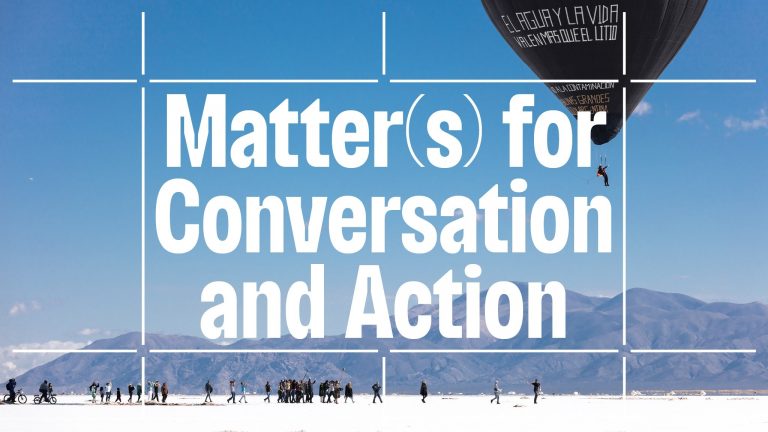
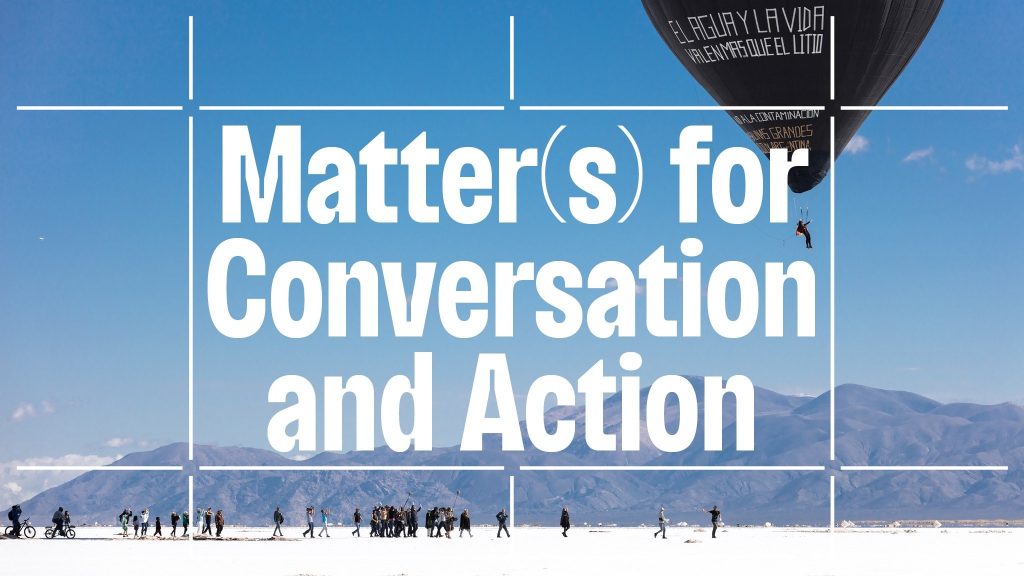
Matter(s) for Conversation and Action
Tomás Saraceno
Drift: A cosmic web of thermodynamic rhythms
Cloud Cities: du sol au soleil
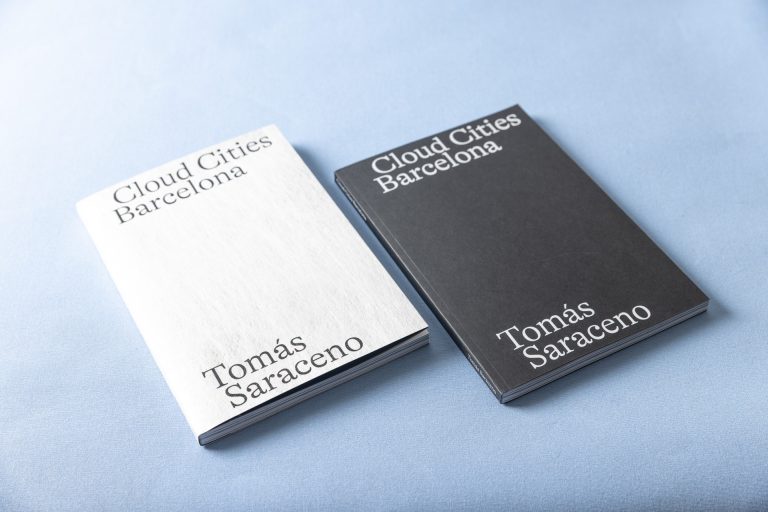
Cloud Cities Barcelona
Particular Matter(s)
Silent Autumn / Silent Spring
Arachne’s handwoven Spider/Web Map
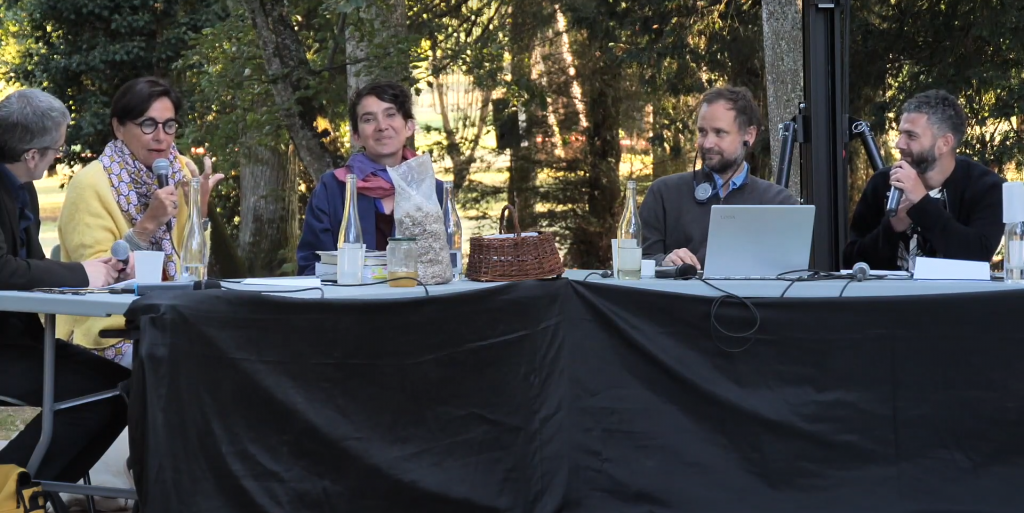
Lignes de possibles: Arachnophilia with Tomás Saraceno at the Festival La Manufacture d’idées
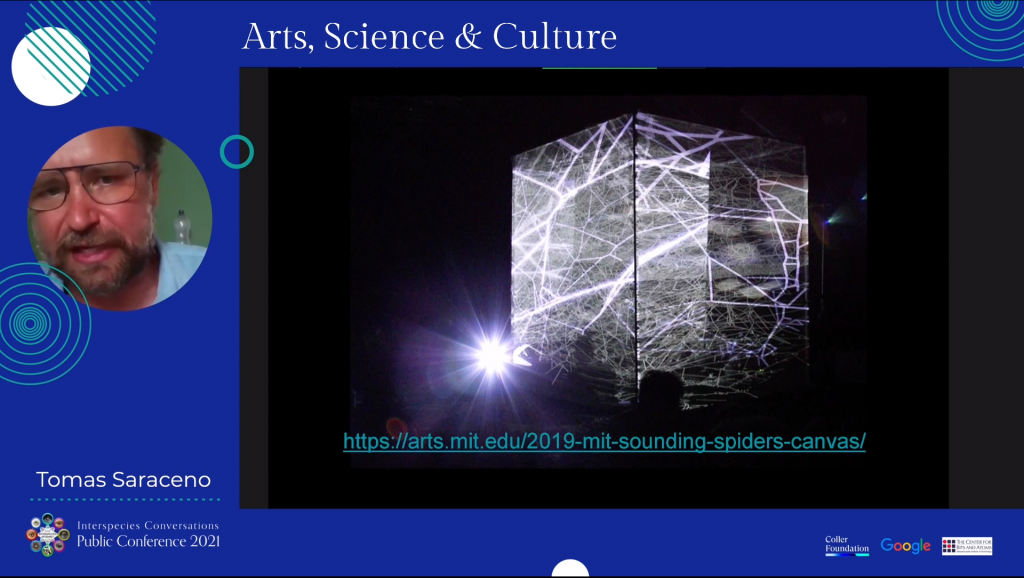
Interspecies Conversations
Spatial Echoes of Breath
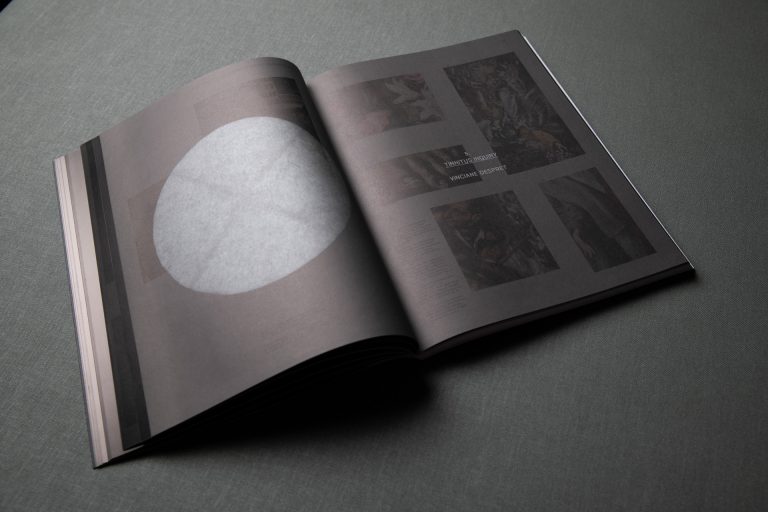
Avec qui venez-vous? Vinciane Despret in conversation with Tomás Saraceno
Ha Chi Ki
The Art of Noticing – Louisiana Channel Interviews Tomás Saraceno
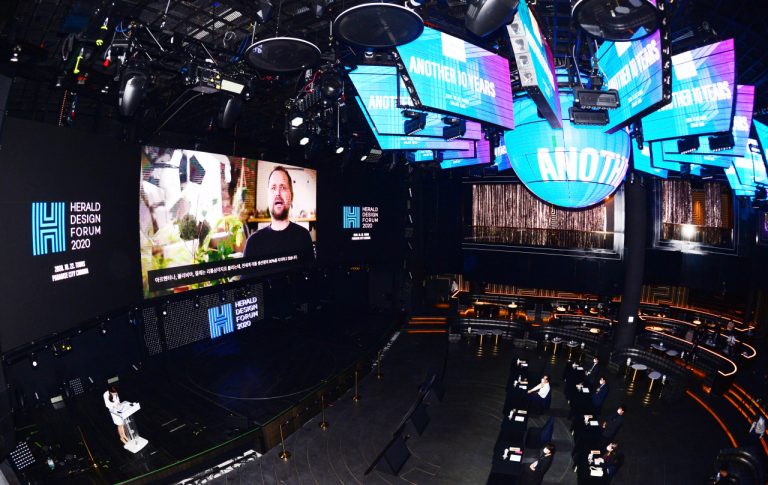
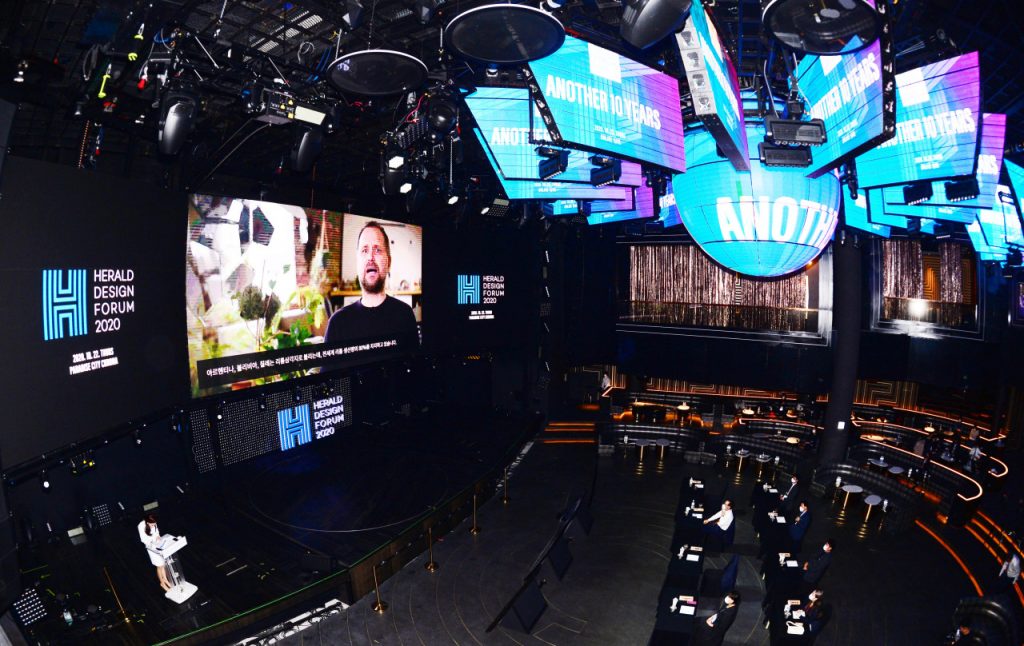
Free the Air: Aerocene – Tomás Saraceno holds keynote speech at Herald Design Forum
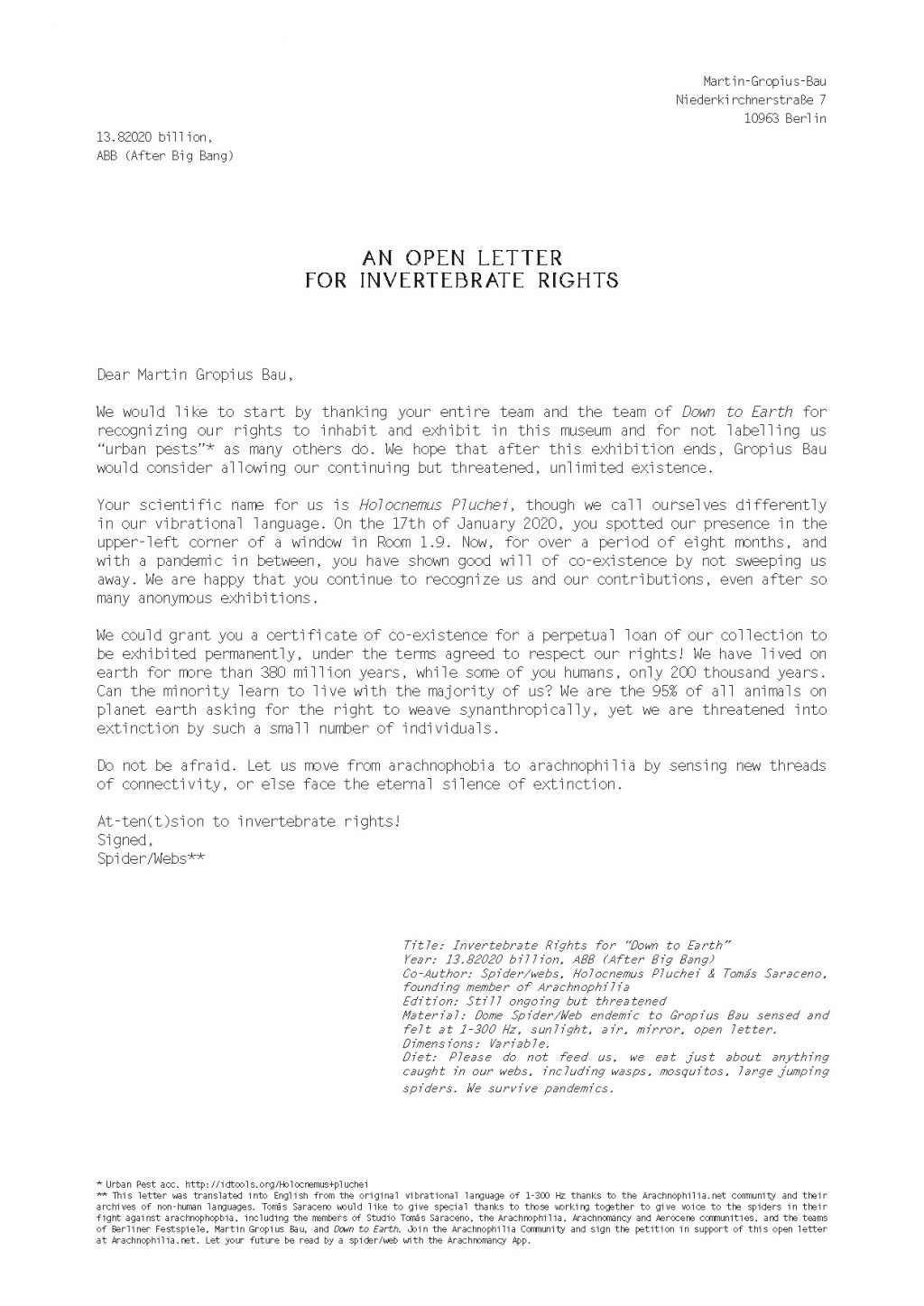
Invertebrate Rights for “Down to Earth”
Fly with Aerocene Pacha
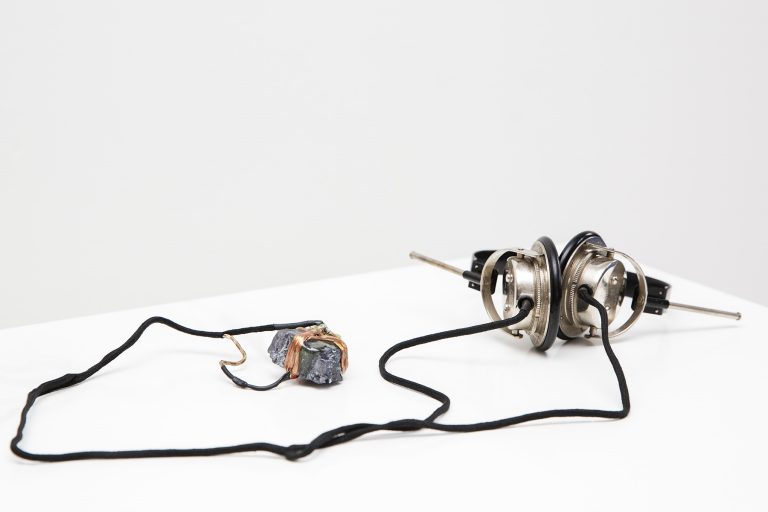
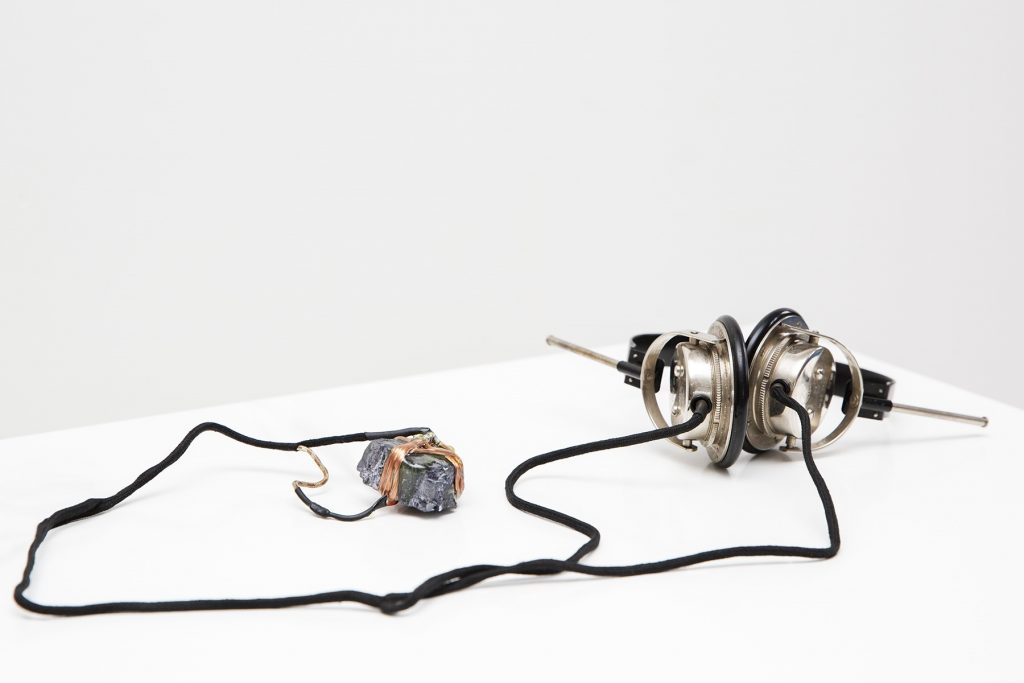
Radio Galena
Up Close: Tomás Saraceno in conversation with Harriet A. Washington
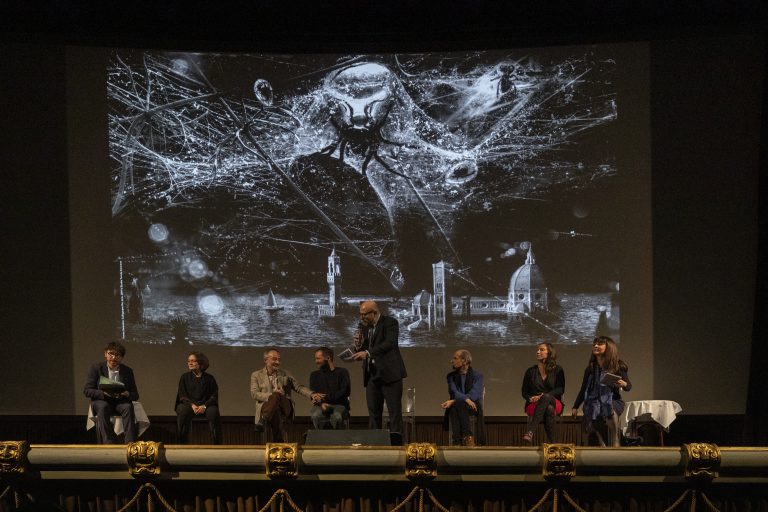
Tomás Saraceno. Aria at Cinema Odeon
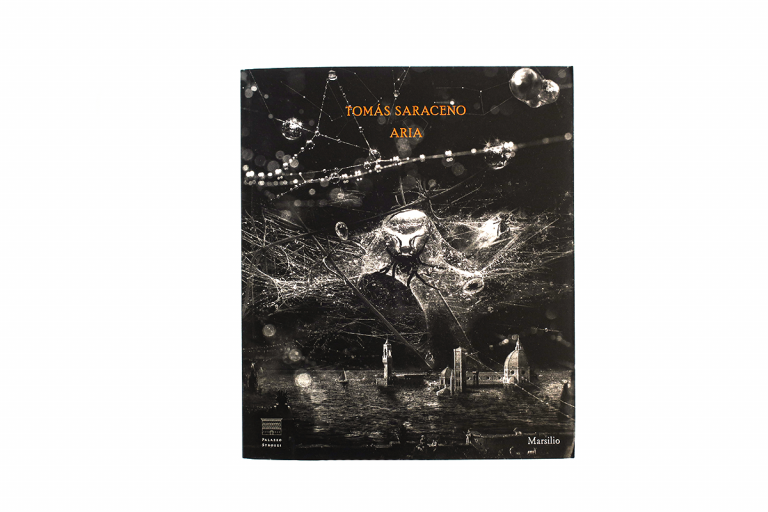
Aria
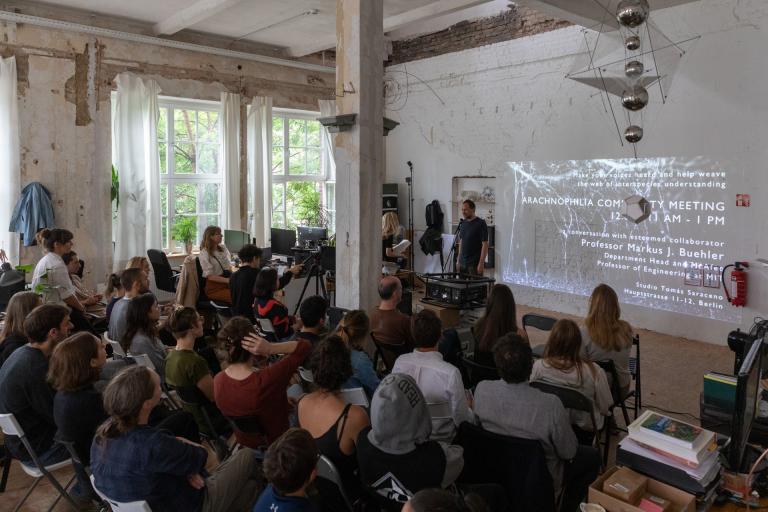
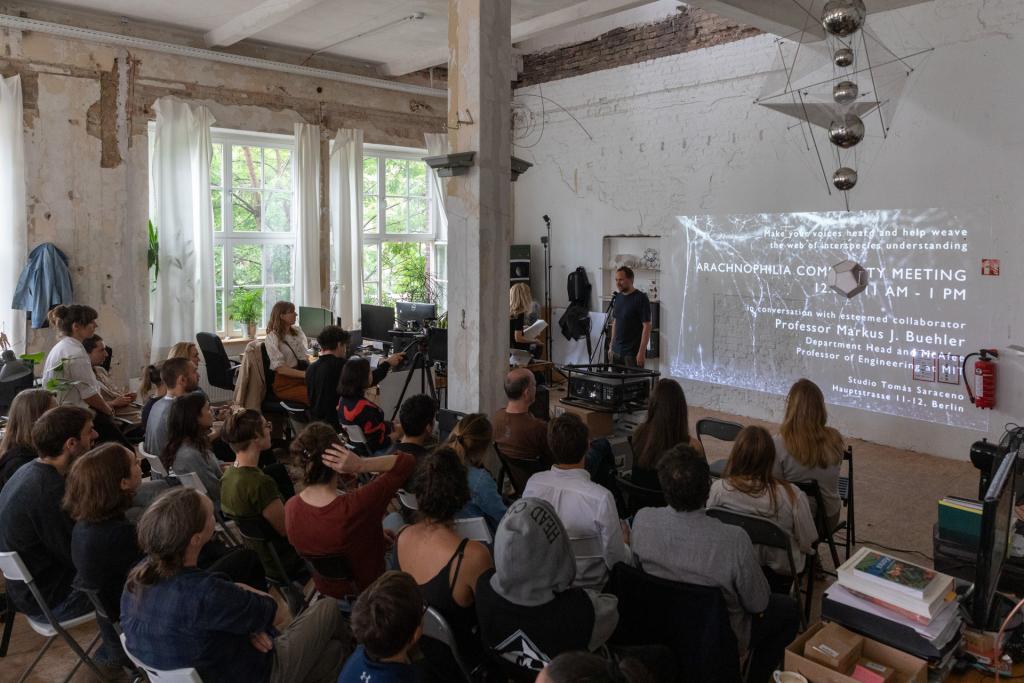
Arachnophilia Community Meeting with MIT Professor Markus J Buehler
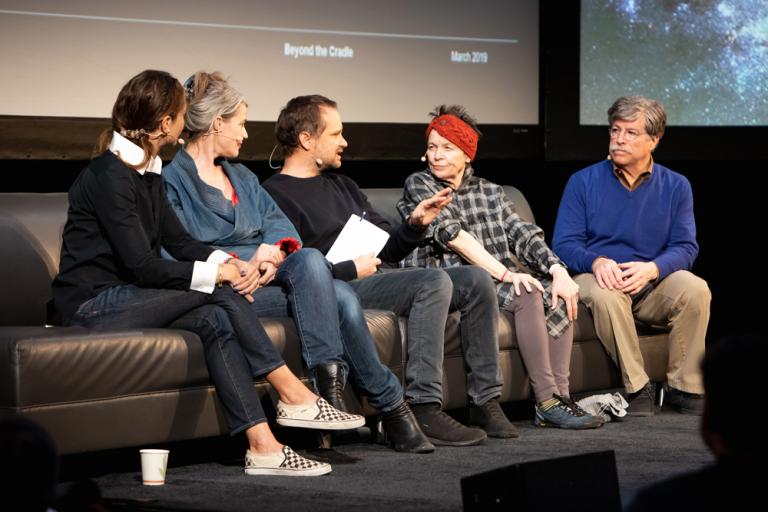
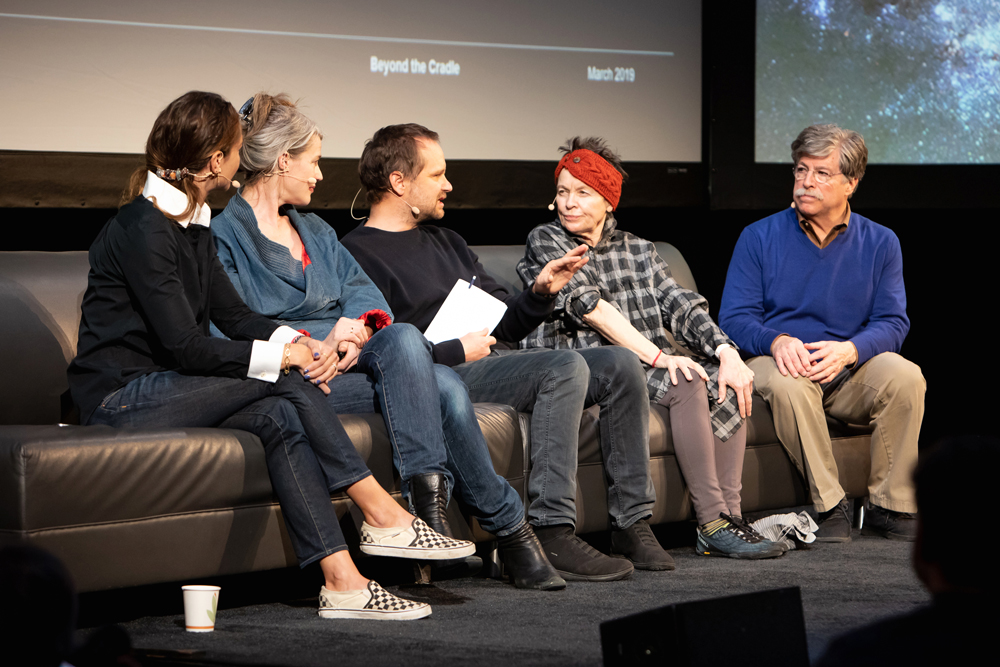
Beyond the Cradle 2019: Space and the Arts
Engadin Art Talks: Grace and Gravity
More-than-humans
Cosmic Filaments
Tomás Saraceno
Spider/Web Pavilion 7
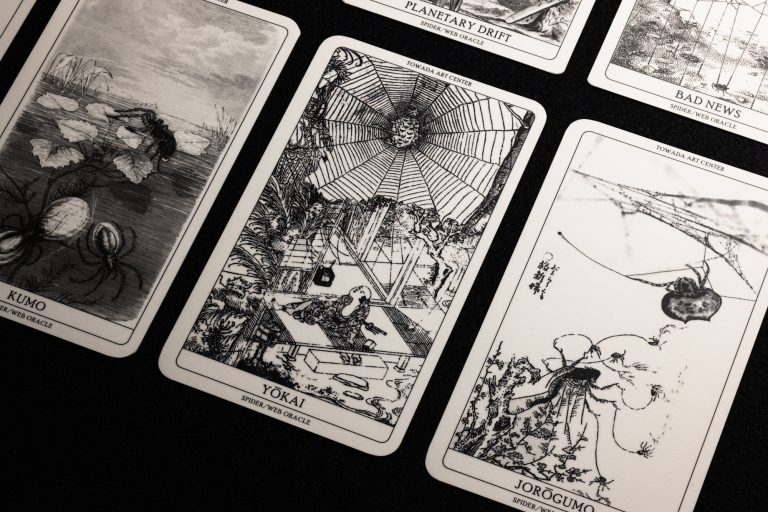
Arachnomancy Cards
Acqua Alta: en Clave de Sol
On the Disappearance of Clouds
Aerographies
Spider/Web Oracle Readings Program
Sundial for Spatial Echoes
Tomás Saraceno at the Venice Biennale 2019
2-Dimensional Webs Archive/Maps and Traces
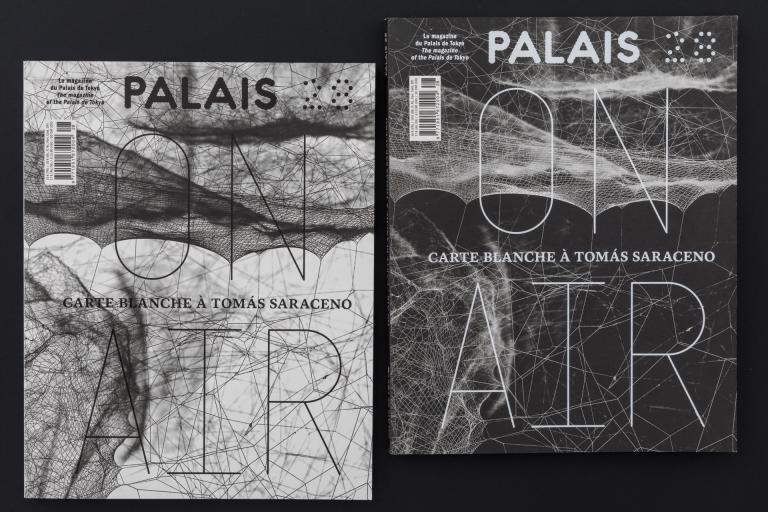
ON AIR
ALBEDO
A Thermodynamic Imaginary
Solar Rhythms
Omega Centauri 3.9
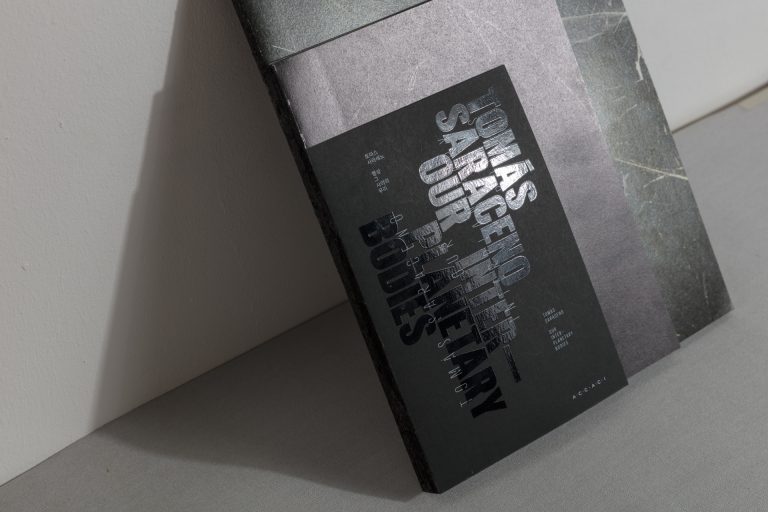
Our Interplanetary Bodies
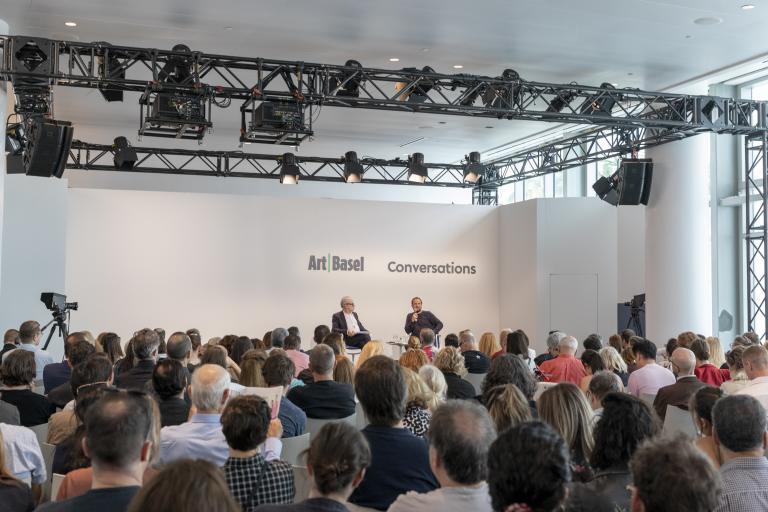
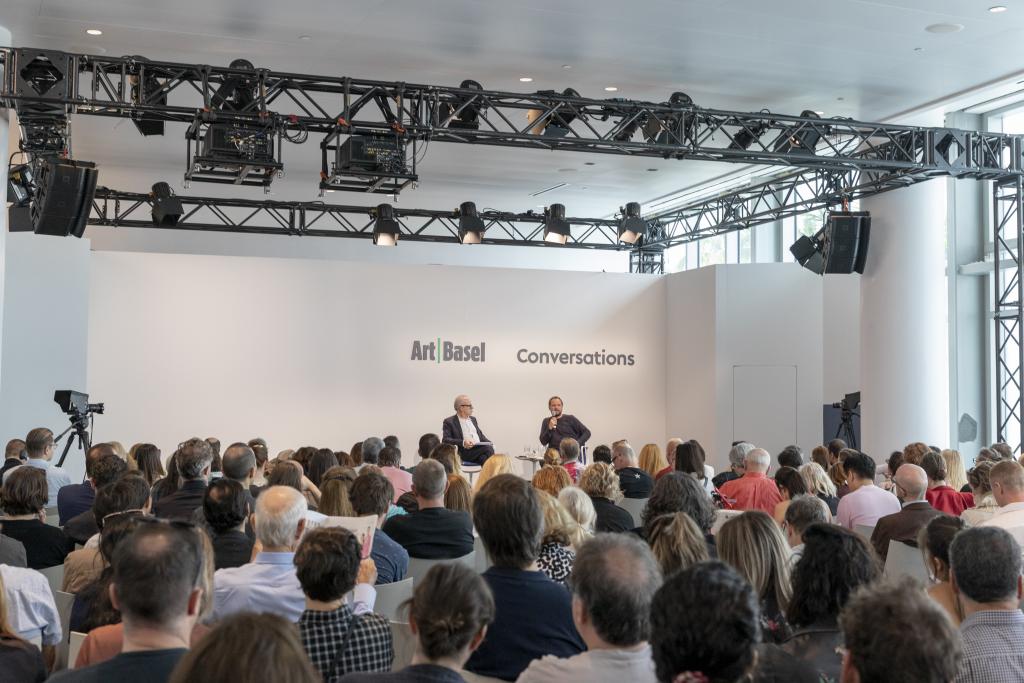
Art Basel Miami – Albedo | Hans Ulrich Obrist in conversation with Tomás Saraceno
“ON AIR live with…”
How to entangle the universe in a spider/web?
Printed Matter(s)
Webs of At-tent(s)ion
The Politics of Solar Rhythms: Cosmic Levitation
Living at the bottom of the ocean of air
Sounding the Air
Algo-r(h)i(y)thms
Passages of Time
Particular Matter(s) Jam Session
3 Airborne Self-Assemblies
Event Horizon
How to Entangle the Universe in a Spider Web
Gravitational Waves
Entangled Orbits
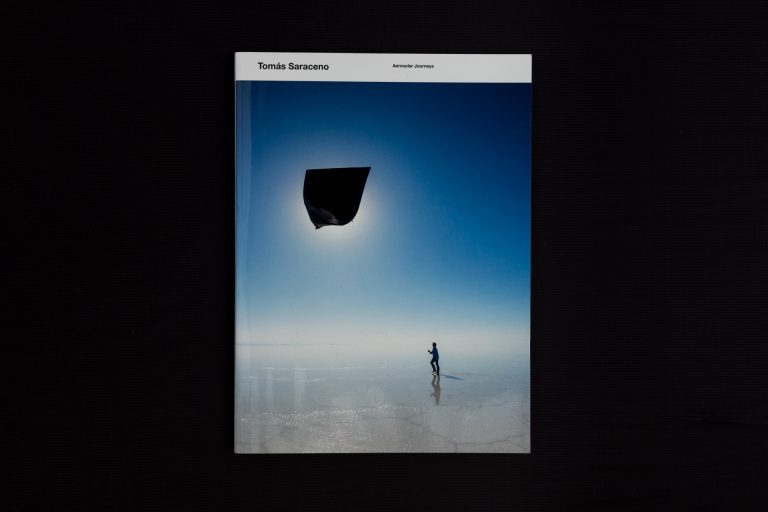
Aerosolar Journeys
Nebulous Thresholds
Behind the Artist’s Idea: Aerocene, Lecture at WEF, Davos, Switzerland
Aerocene at the Antarctic Biennale
Architektur als vermutete Zukunft — Symposium im Rahmen der Ausstellung »Frei Otto. Denken in Modellen«
Dark Cosmic Web
Stillness in Motion — Cloud Cities
Solar Bell Ensemble
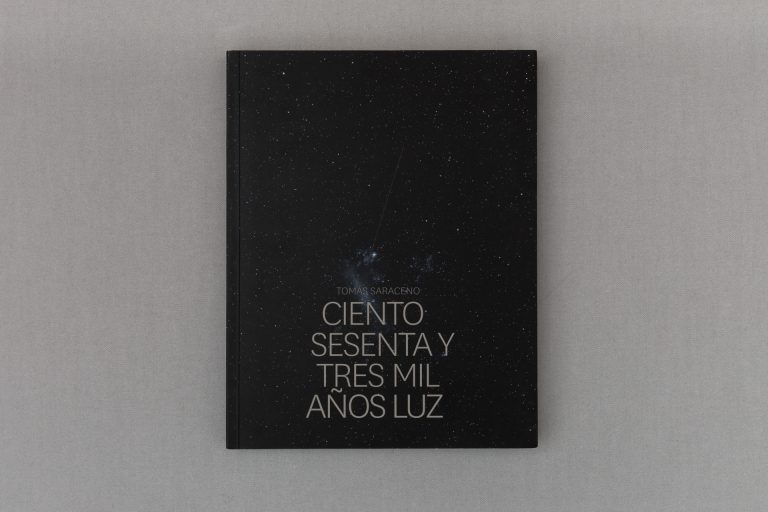
163,000 Light Years
Cloud City: HAT-P-12
Cloud City
Many suns and worlds
Hybrid solitary… semi-social quintet… on cosmic webs…
Caelum Dust
Becoming Aerosolar
Iridescent Planet
Aerocene at COP21
Hybrid Webs
Tomás Saraceno’s Cloud Cities and Solar Balloon Travel – Interview with The Creators Project
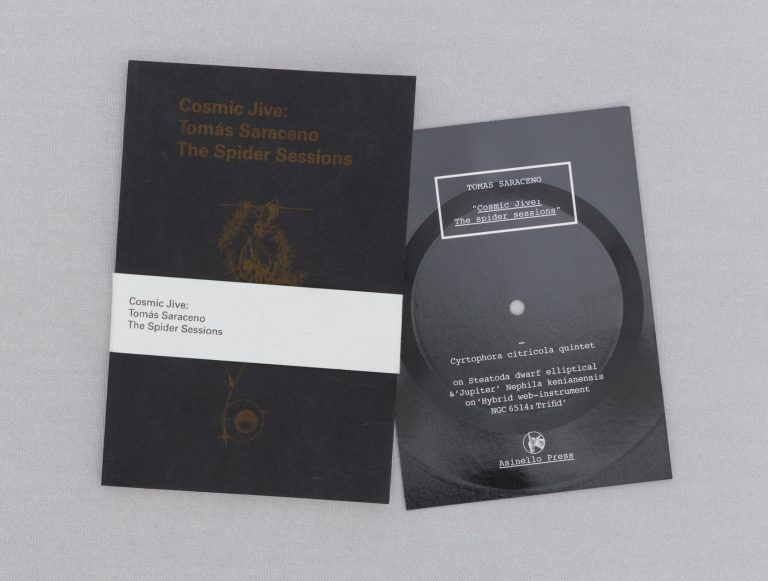
Cosmic Jive: The Spider Sessions
Solar Bell
Ring Bell — Solar Orchestra and the Wind Structures
Cloud Cities
On the Roof: Cloud City
In Orbit
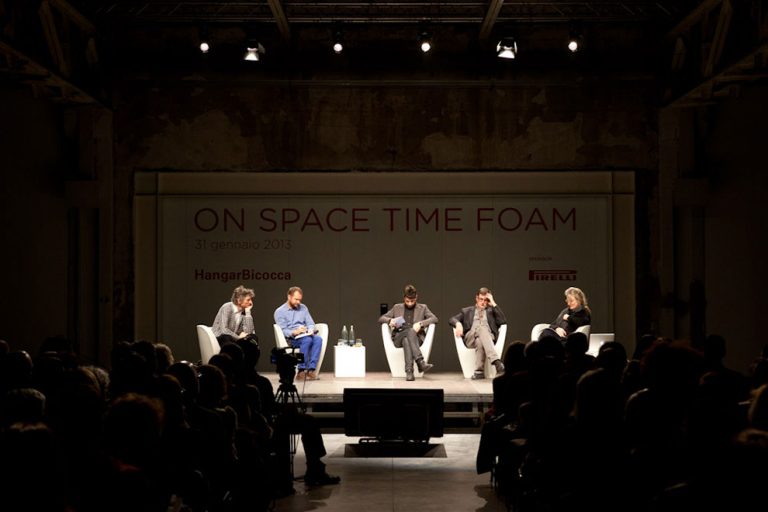
On Space Time Foam: a Conversation
On Space Time Foam
Moving Beyond Materiality – MIT Visiting Artist Tomás Saraceno
Air-Port-City/Cloud Cities
Cloudy Dunes. When Friedman Meets Bucky on Air-Port-City
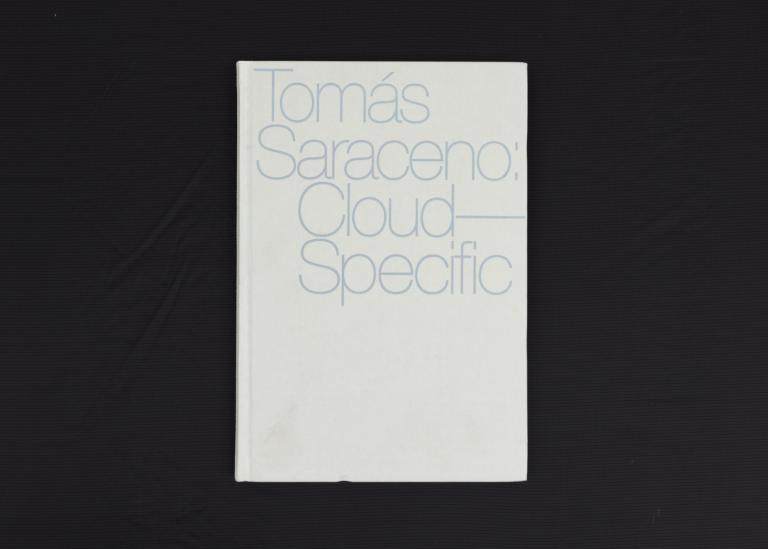
Cloud-Specific
14 Billions (Working Title)
Cloud Cities Connectome
From Camogli to San Felipe, spiders weaving stars…
Galaxies Forming along Filaments, like Droplets along the Strands of a Spider’s Web
Biospheres
Tomás Saraceno
Cloudy House
Lighter than Air
Observatory, Air-Port-City
Microscale, Macroscale, and Beyond: Large-Scale Implications of Small-Scale Experiments
Poetic Cosmos of the Breath
Flying Gardens
Cumulonimbus/Air-Port-City
Cumulus
Infinite Actives
When Spheres Meet Spheres From Miami to Cuba
On Air
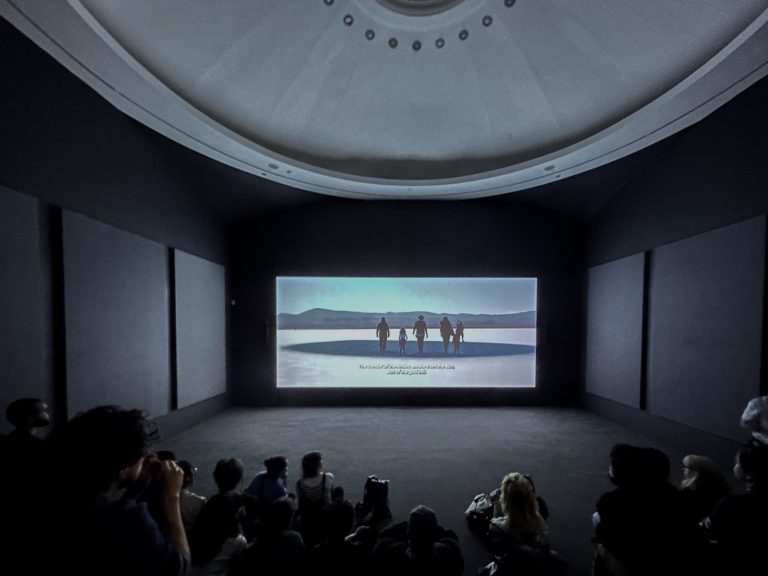
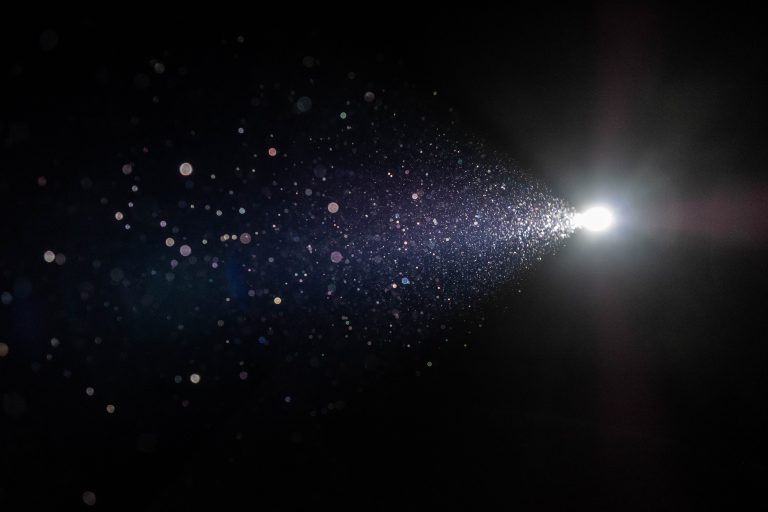
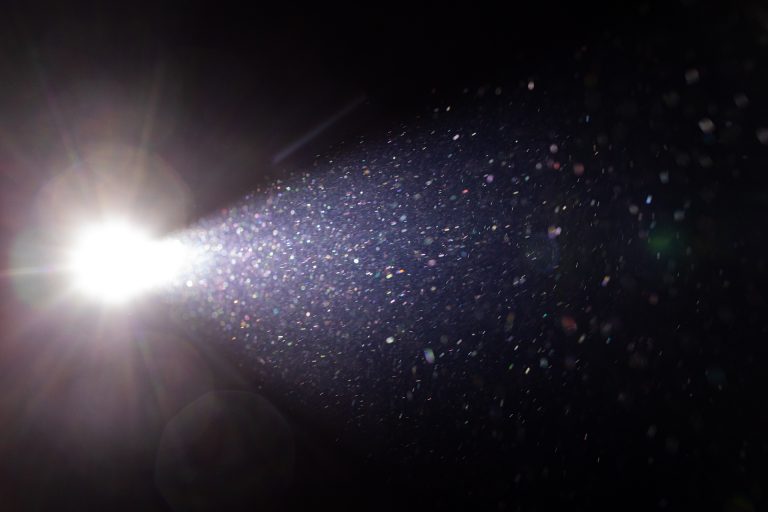
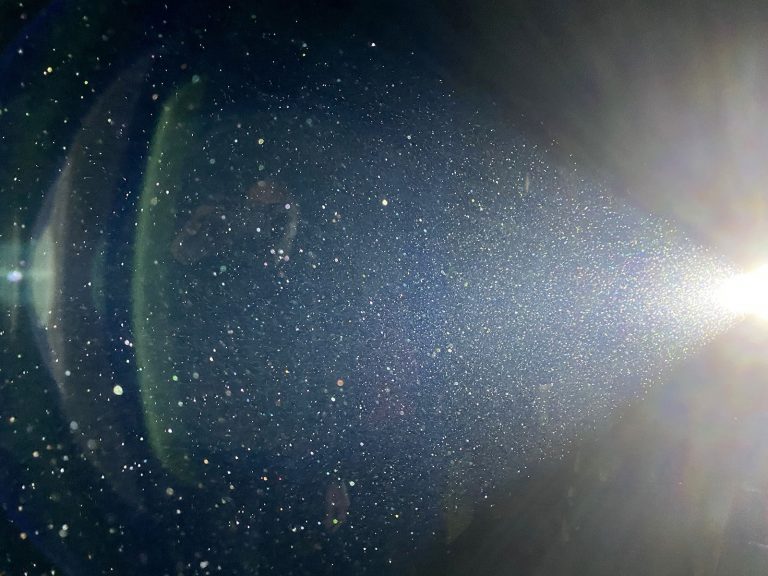
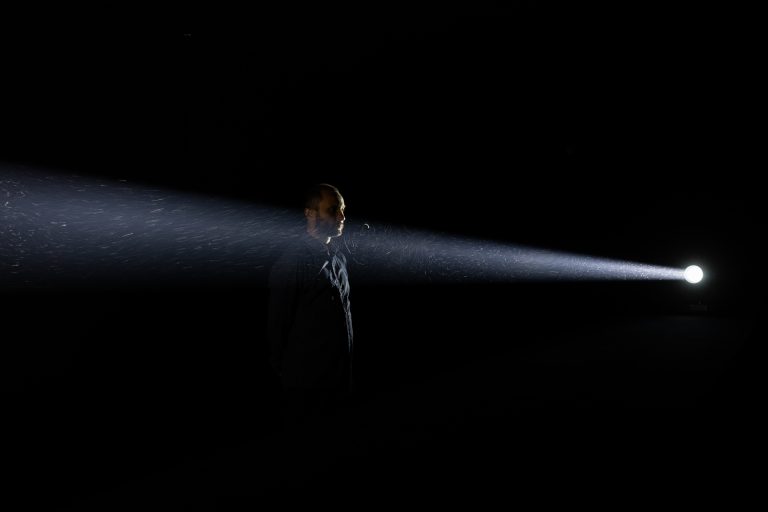
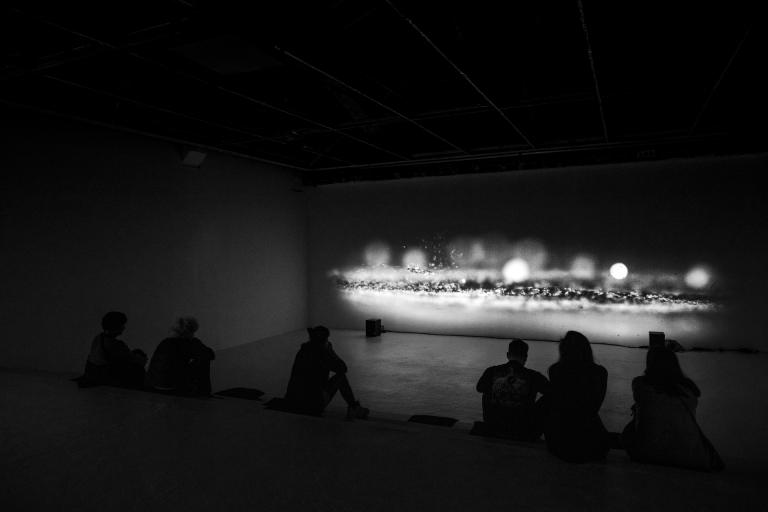
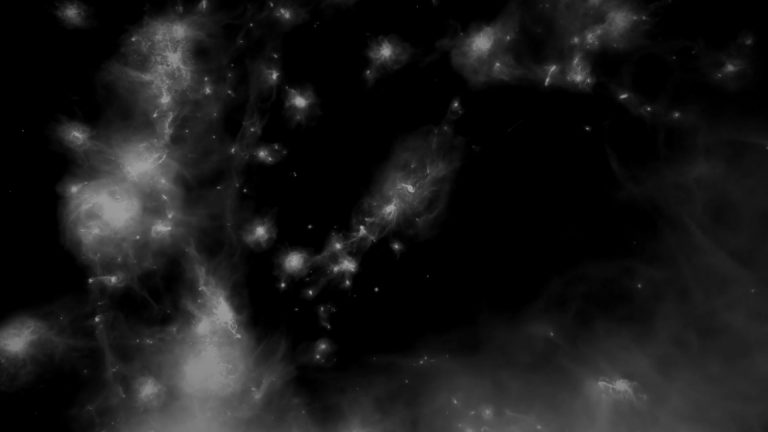
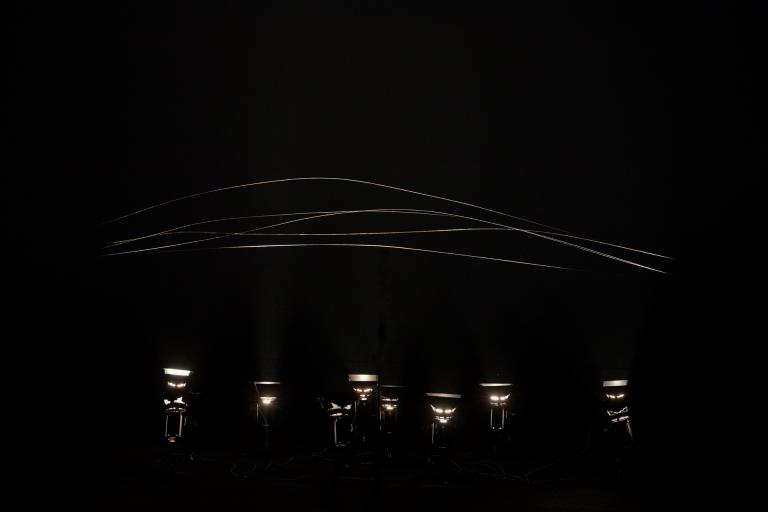
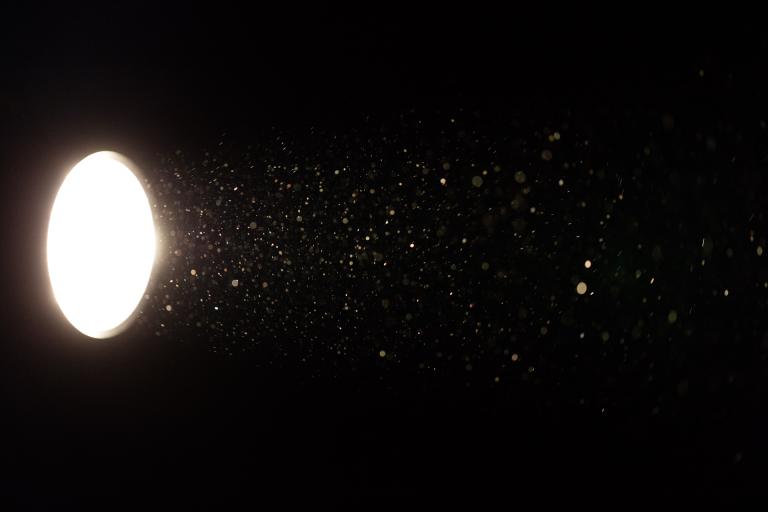
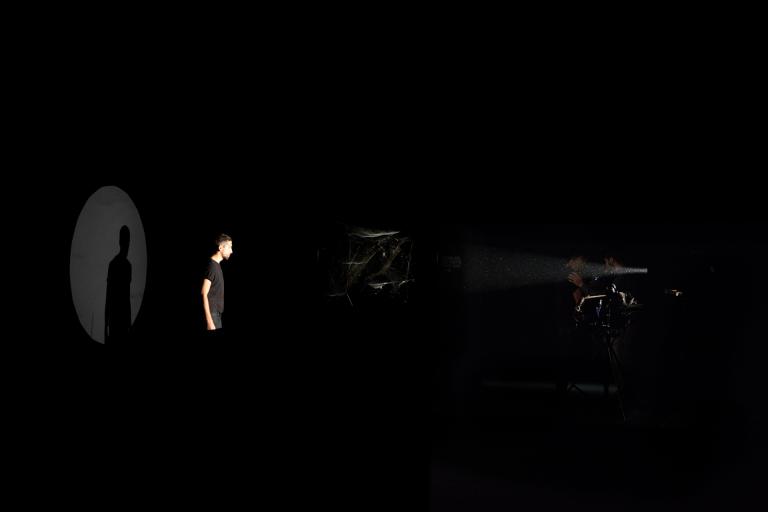
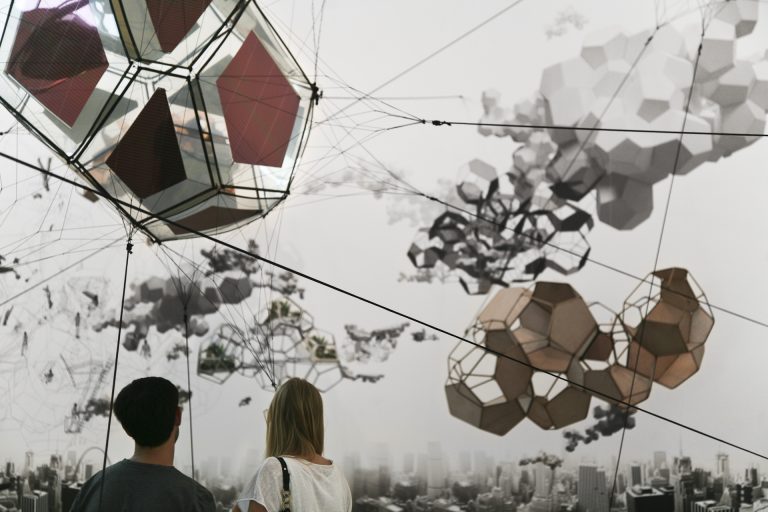
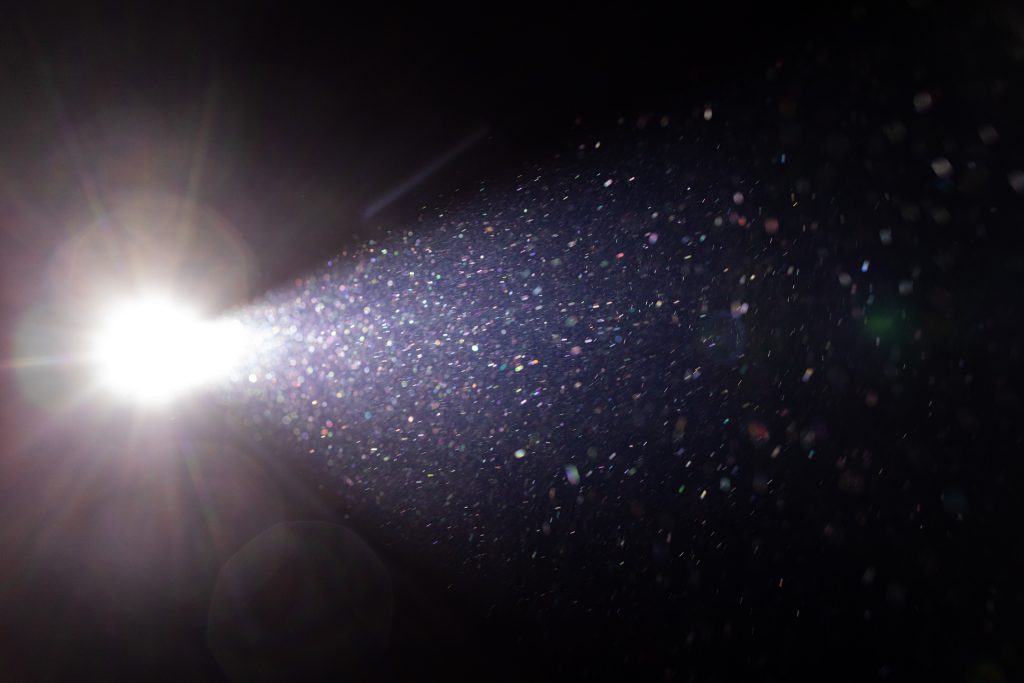
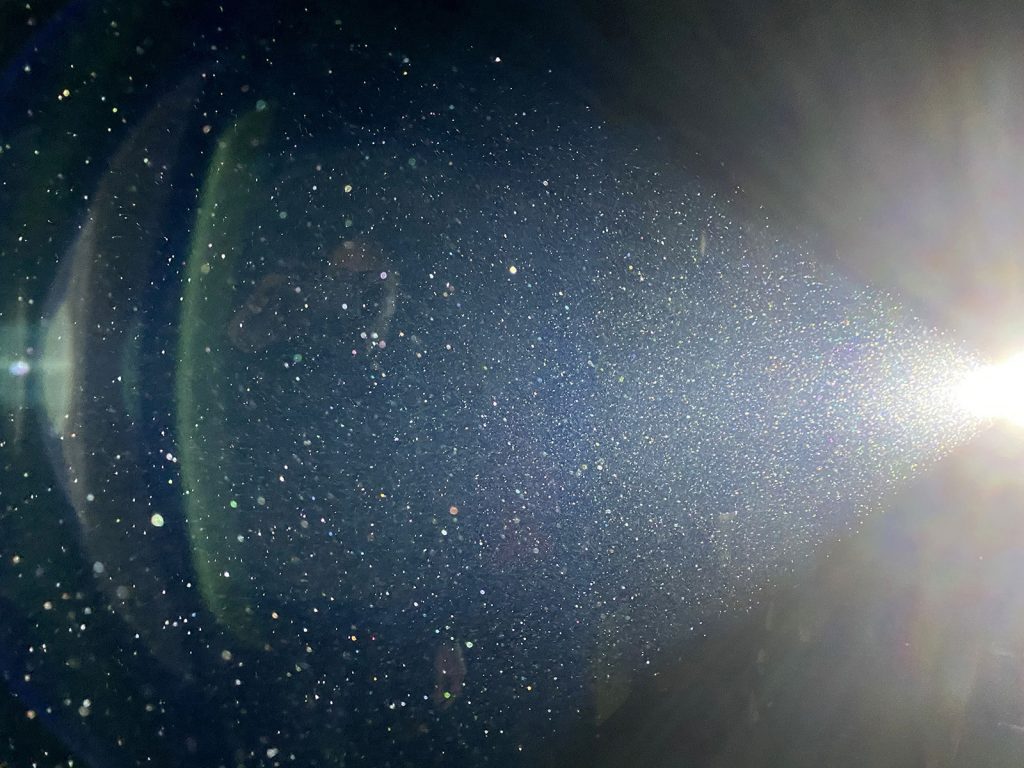
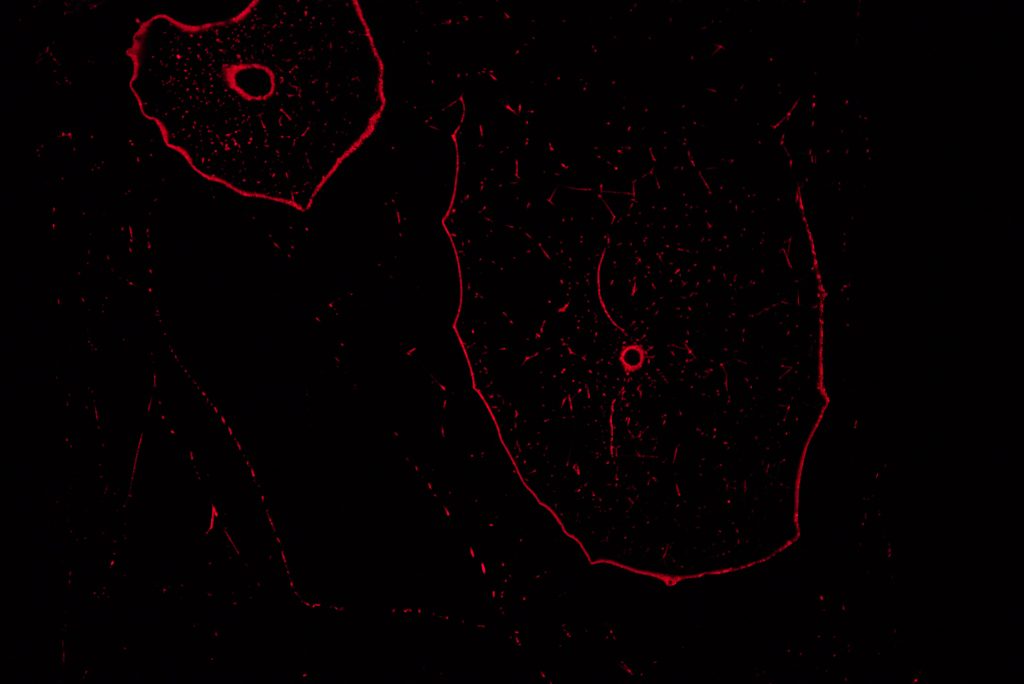
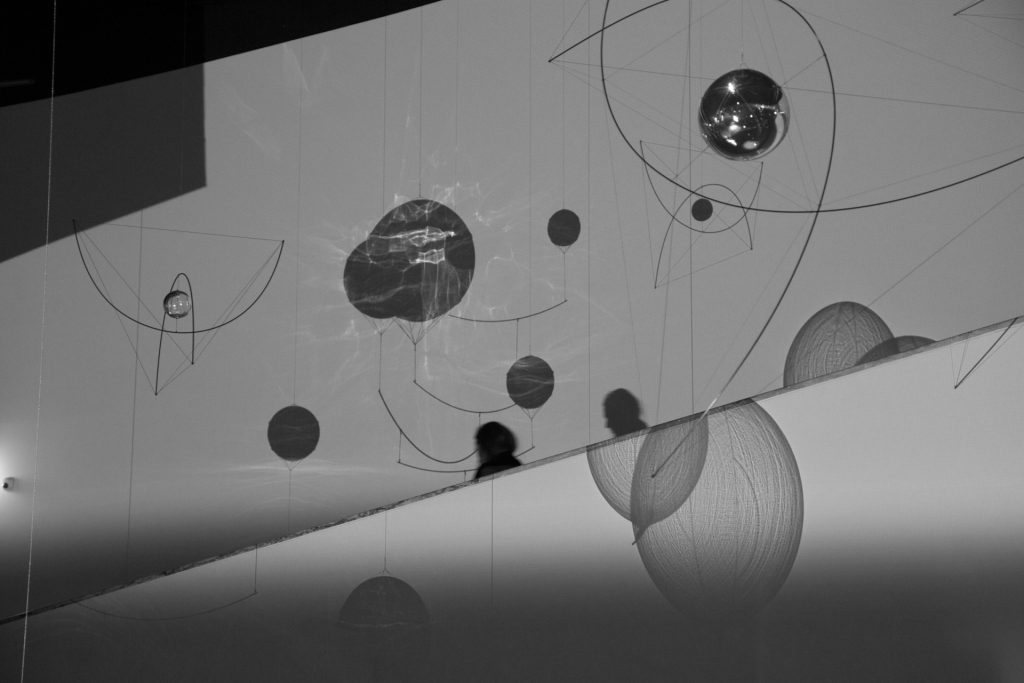
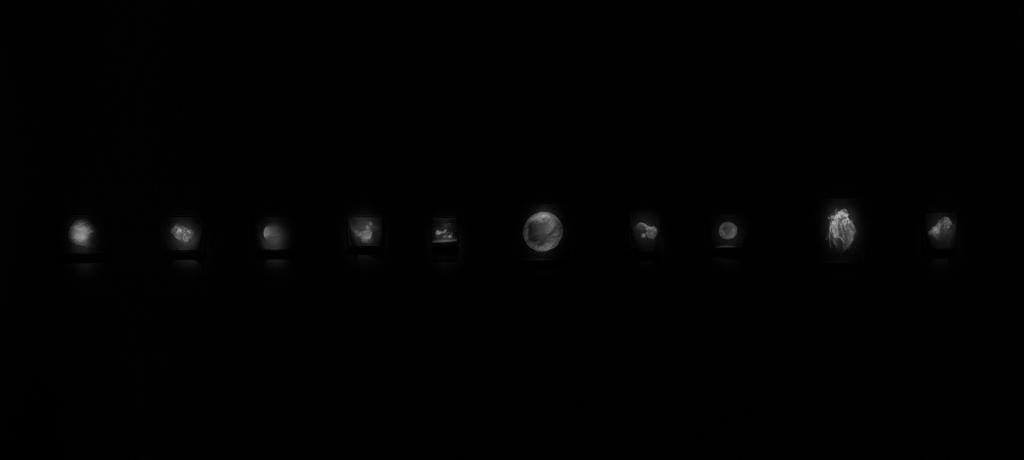
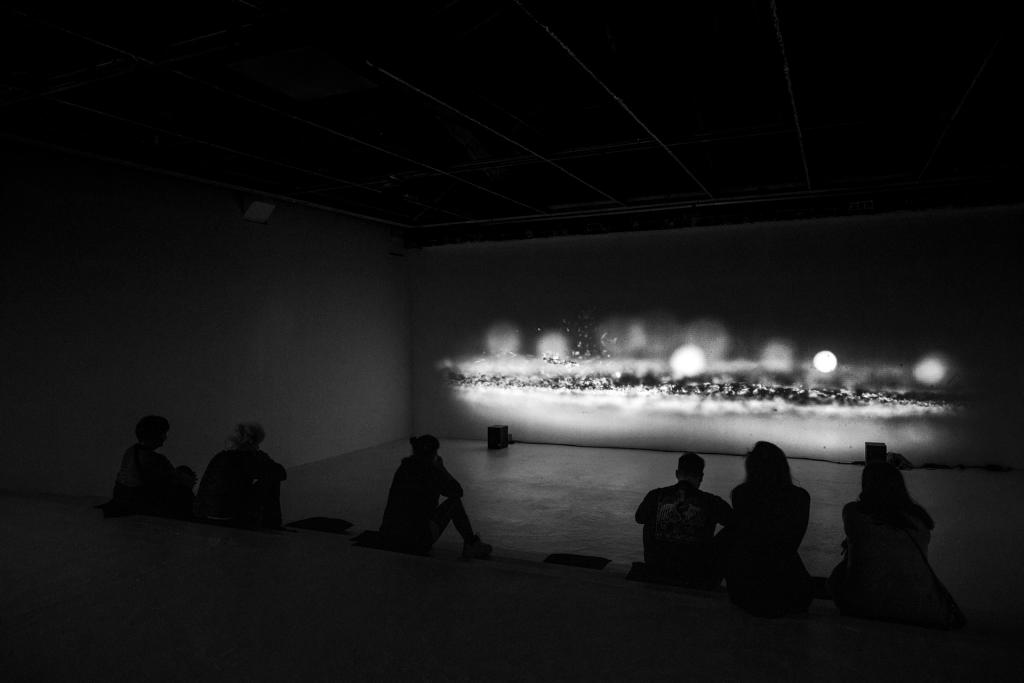
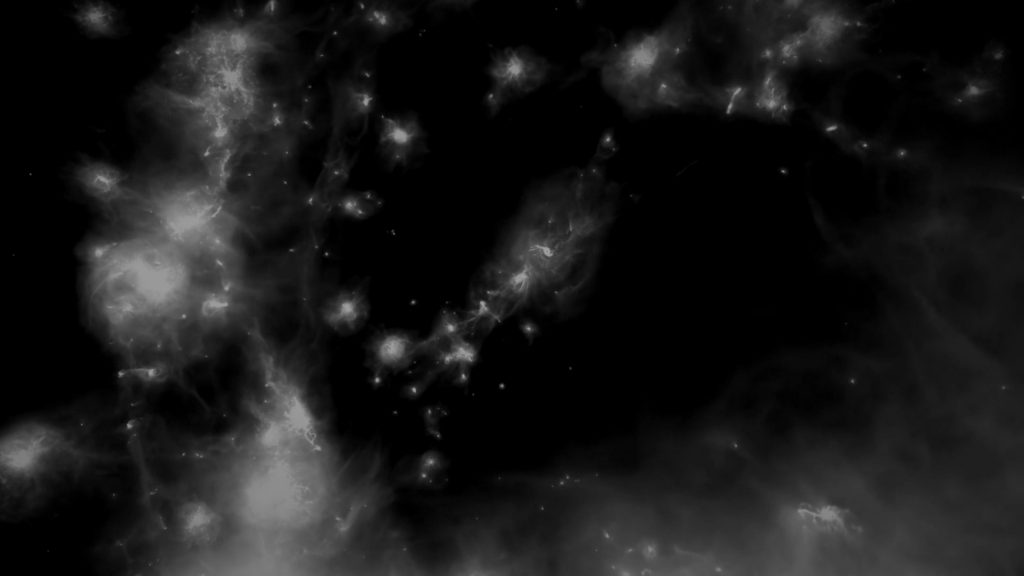
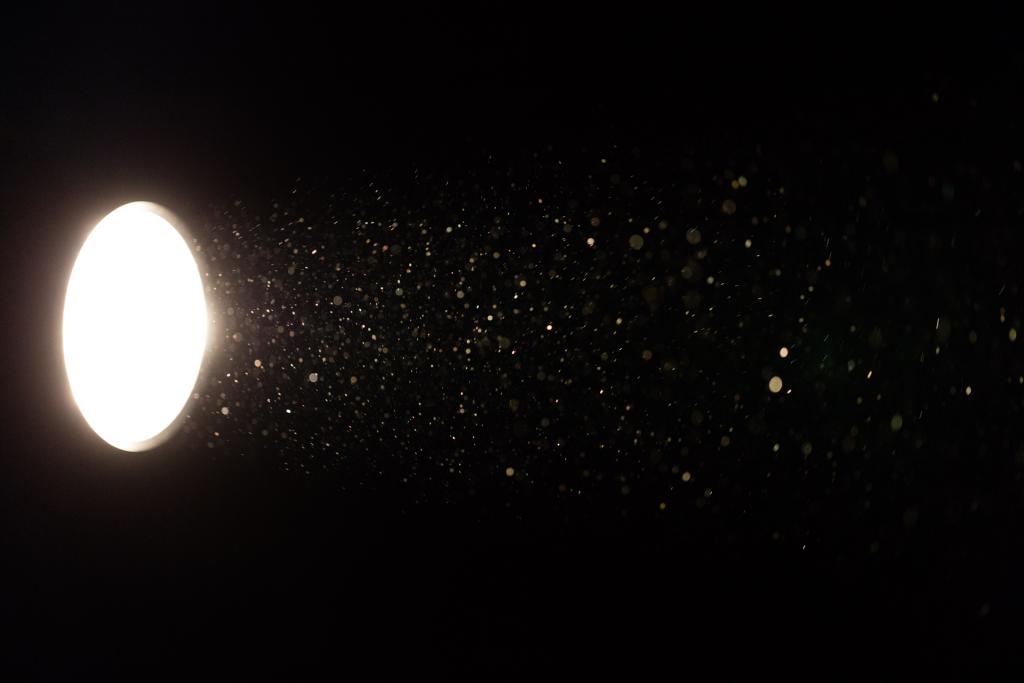
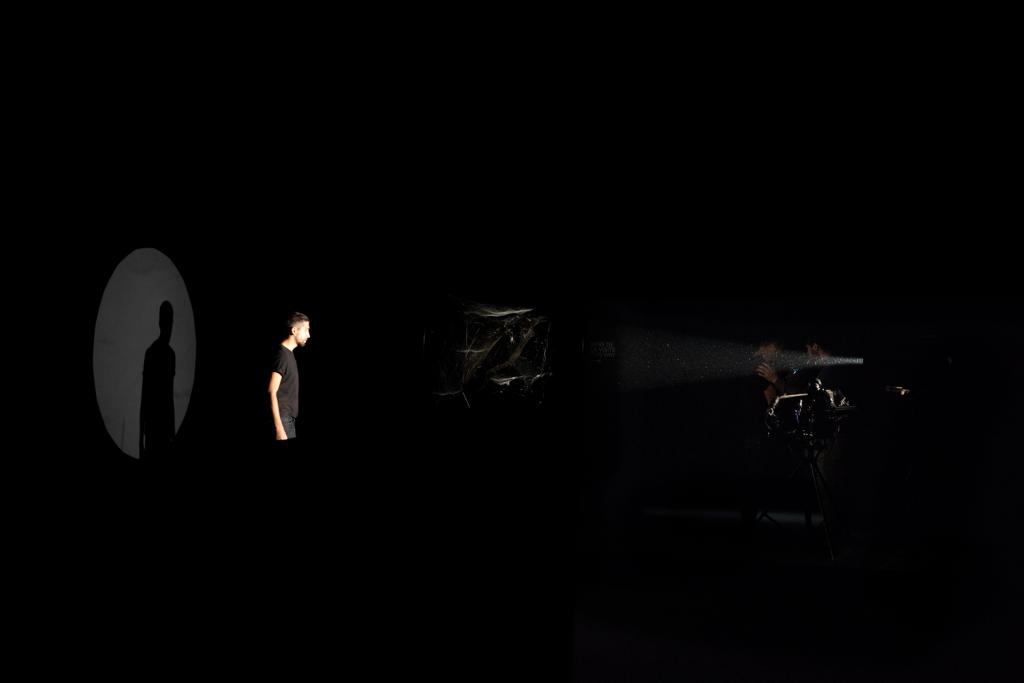
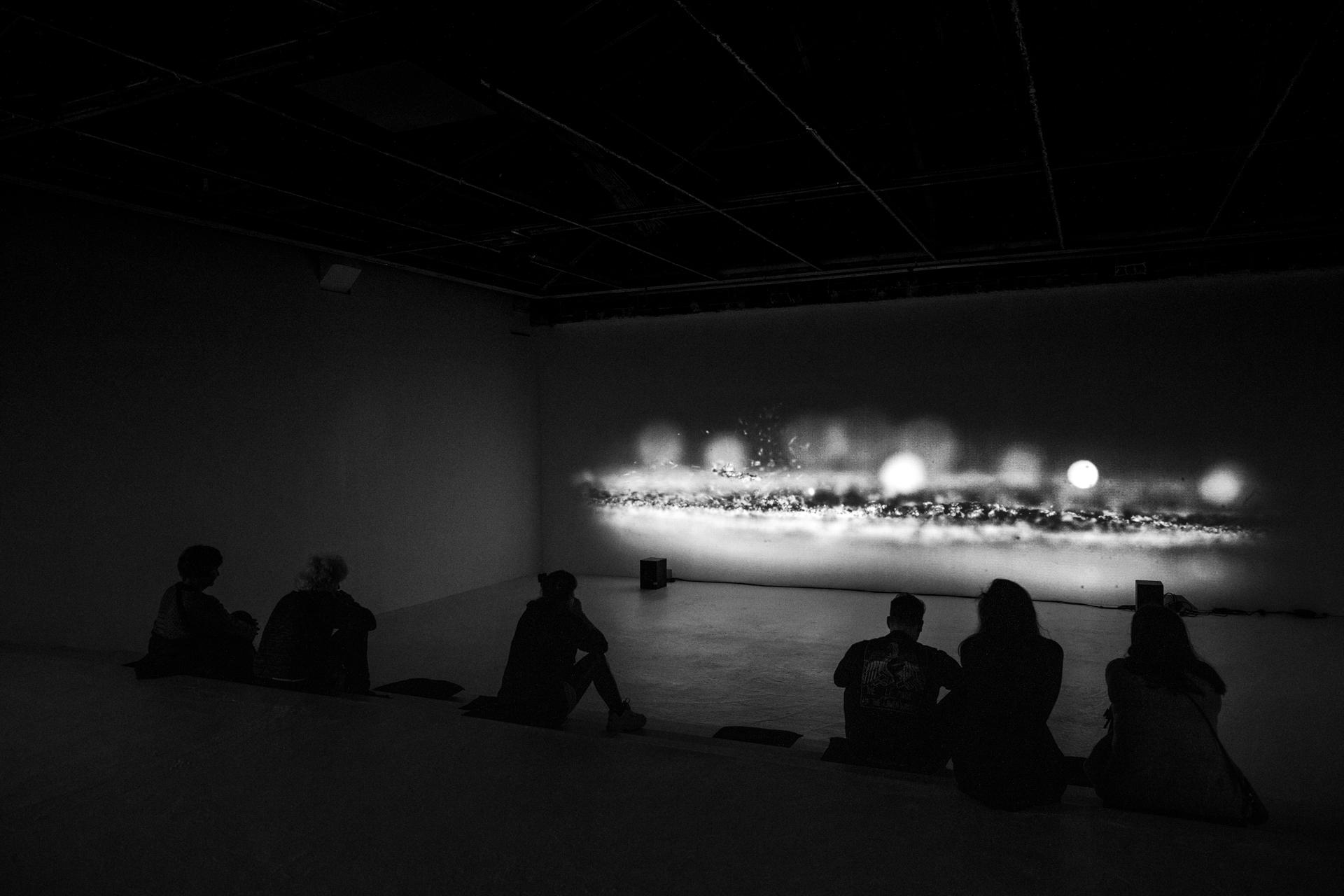
In the projection The politics of solar rhythms: Cosmic Levitation, particles of cosmic dust aggregate to the vibrational rhythms of sound frequencies, as part of an experiment proposed by Tomás Saraceno and conducted with the Jaeger Lab at the University of Chicago. Acoustic levitation is used in physics as a method for suspending matter in a medium, in this case air, by using intense sound waves and observing how matter aggregates when floating to their vibrations. Until now, this dynamic remains unexplored for meteorite particles, though it would be an important step towards a better understanding of the formation of planets, growing from aggregating clouds of interstellar dust. The Russian interdisciplinary scientist Alexander Chizhevsky believed that every 11 years, at the beginning of each new solar cycle, major historical events occur. His thought was that, since changes in the Sun’s activity and appearance have an effect in space, the atmosphere, and the Earth’s surface, then we, as terrestrial organisms, are not exempt from these effects.
He gathered a large amount of data, observing a historic correlation between higher levels of solar activity and mass revolutionary movements. This idea may also apply at a smaller scale, where temperature is defined as a measure of average molecular motion: the greater the heat, the greater the motion.What you hear is a live-stream sonification of the differential of temperature between the inside and the outside of the exhibition space: as the interior gets hot and the outside gets cooler the soundtrack changes. If the Sun might influence the rise of revolutionary movements, one might wonder how the soundwaves of temperature differentials and the ones of uprisings and revolutions on Earth might, in turn, shape cosmic dust assemblages in other galaxies, influencing the formation of the planets themselves.