














...
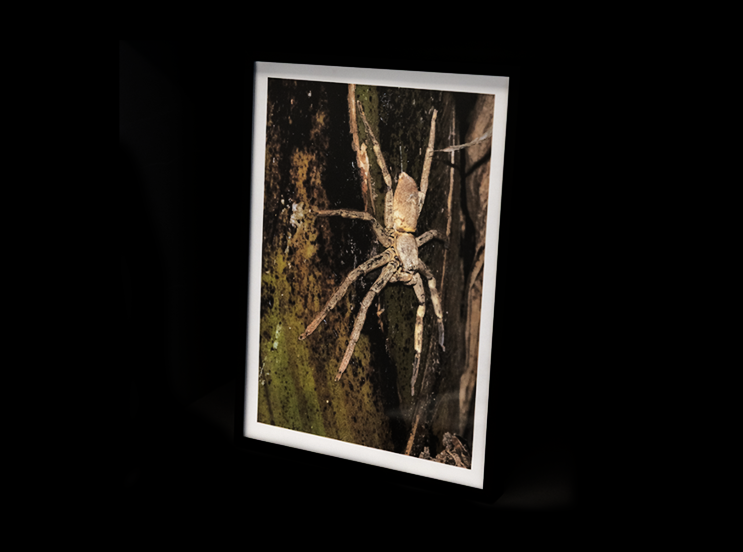
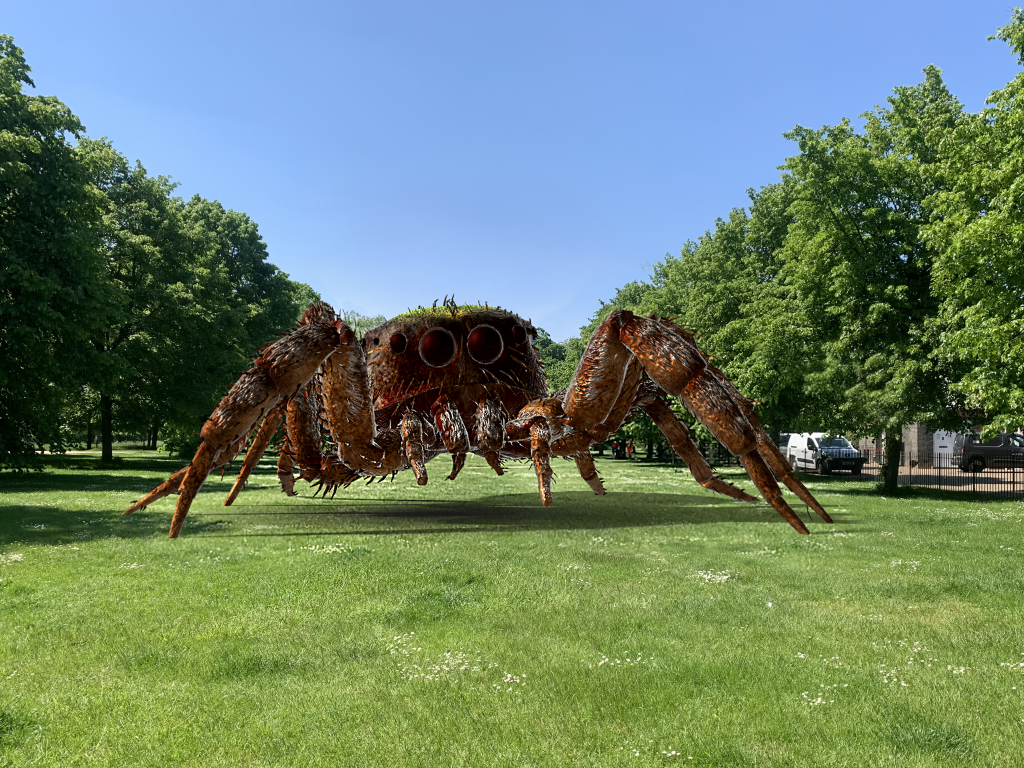
Heteropoda saracenoi
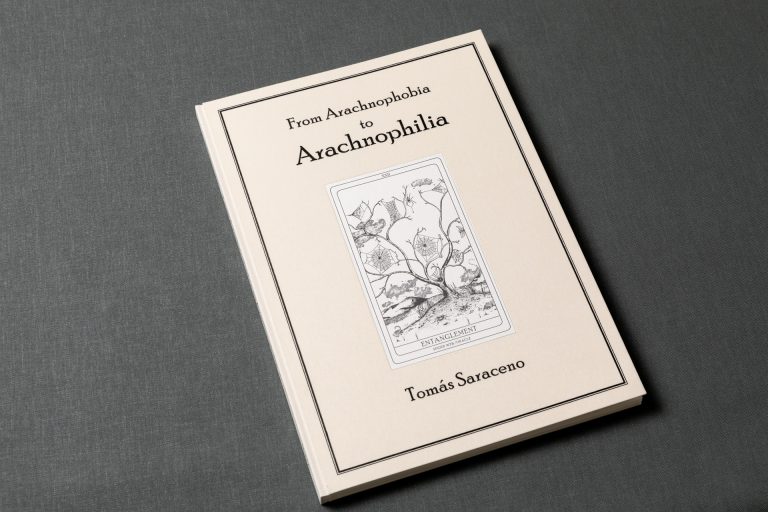
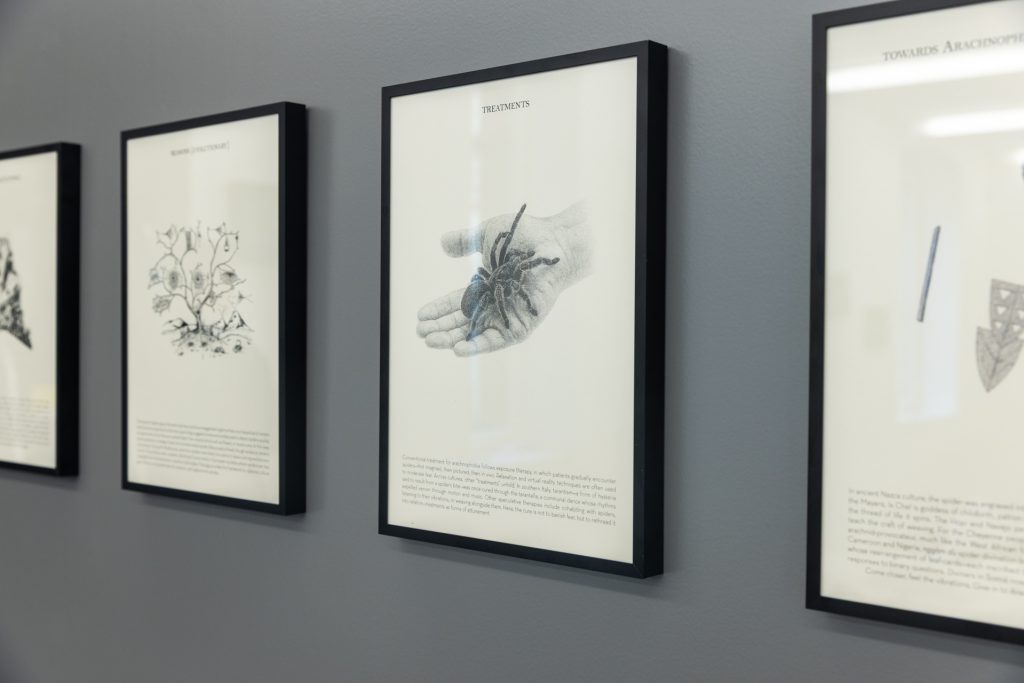
From arachnophobia to Arachnophilia
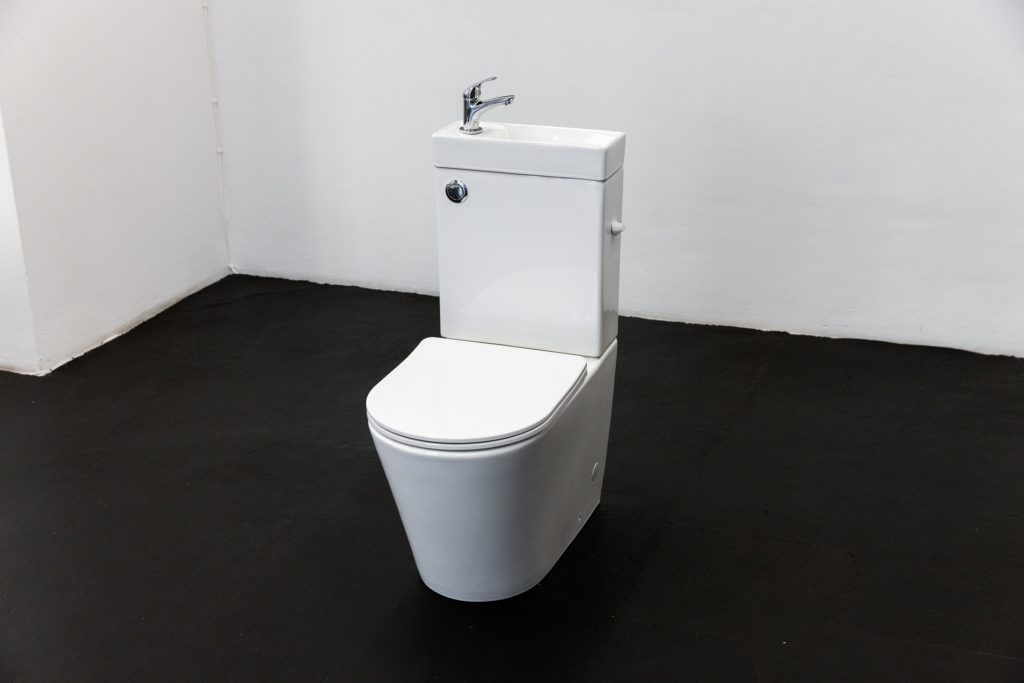
Flashing Toilets
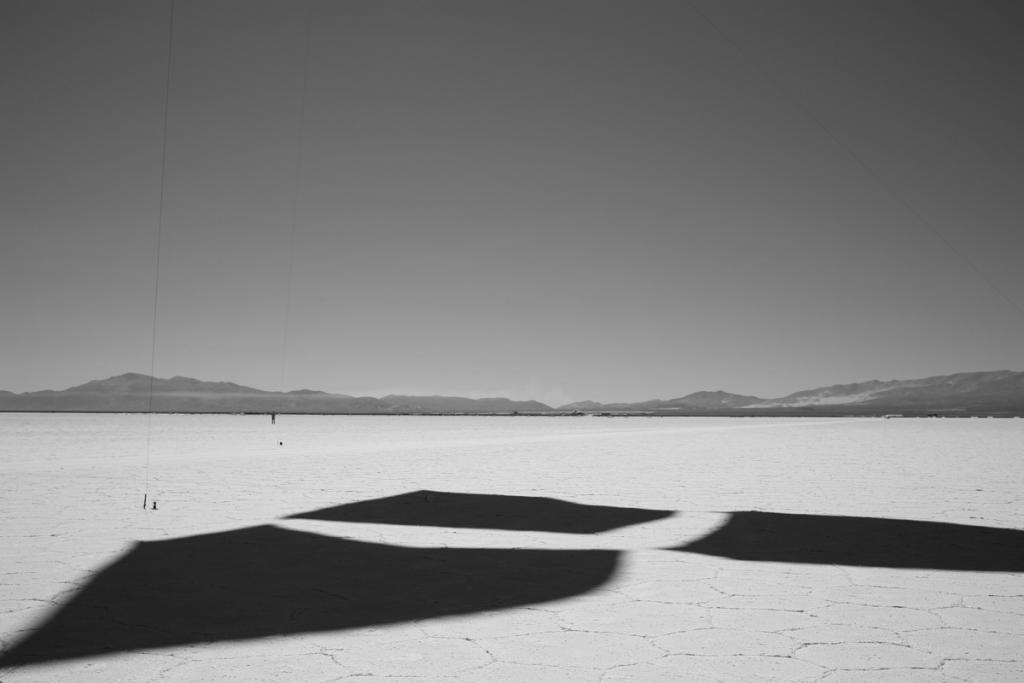
Sal de Acá
tomás saracenoi
The Seeds of Flight
Play-Ground: Spider/web vibration, divination… for the terrestrial and cosmic web(s) of life
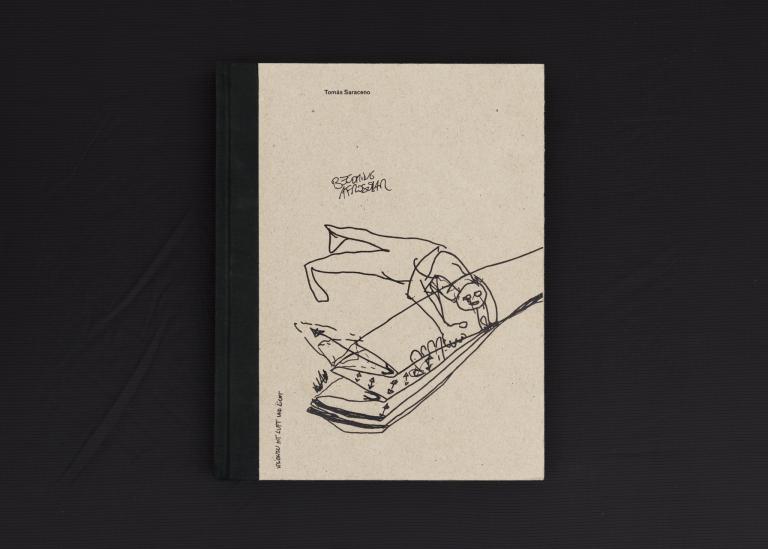
Recording Aerosolar
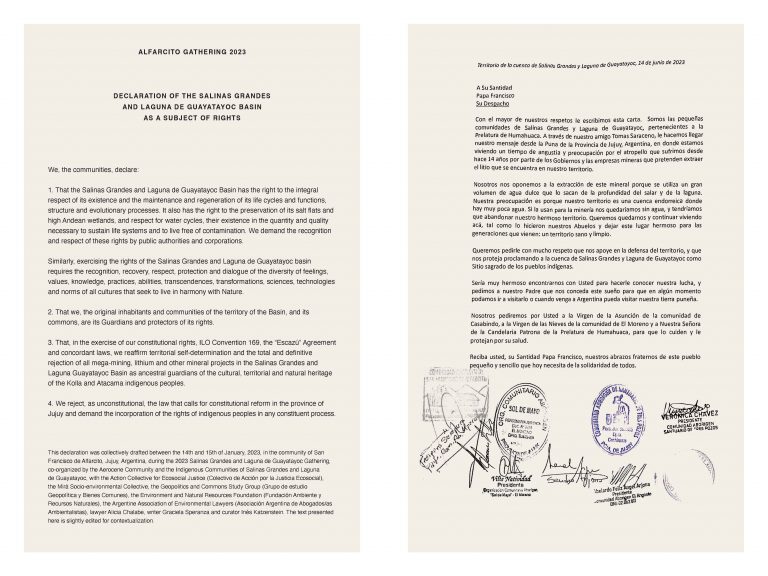
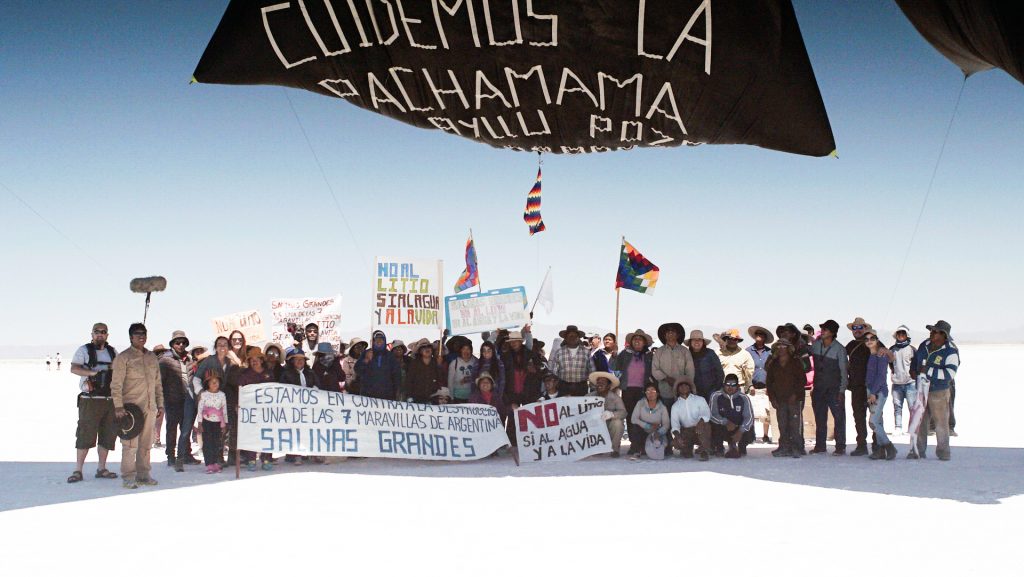
A letter from the communities of Salinas Grandes and Laguna de Guayatayoc to Pope Francis
Conviviality
ANIMA∞LE
Cosmic Threads
Aerocene Seoul
Live(s) on Air
Worldings
Radical Playgrounds
Fly with Pacha, Into the Aerocene
Complementarities
Live(s) on Air
Corona Australis 38.39
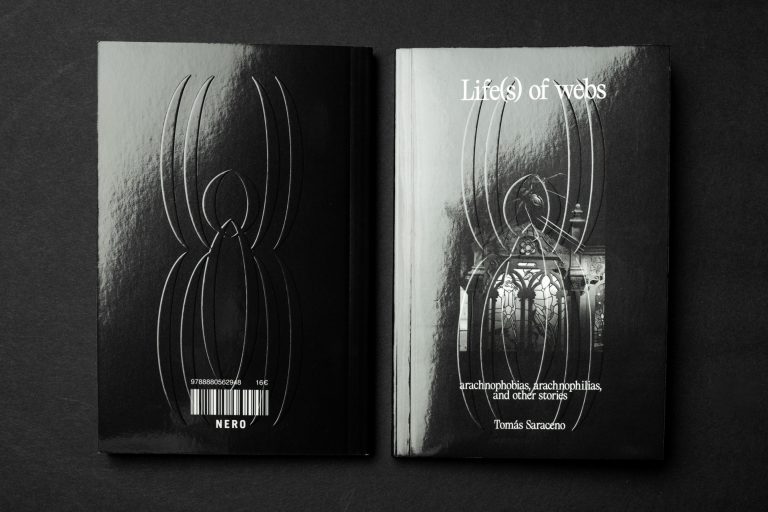
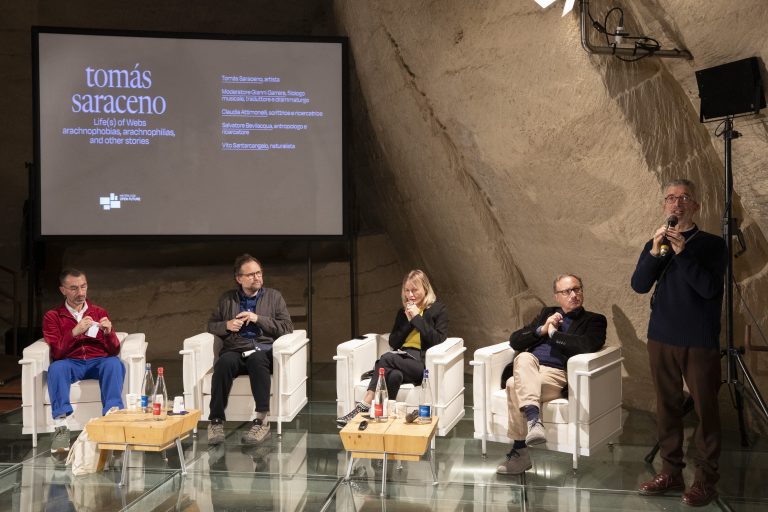
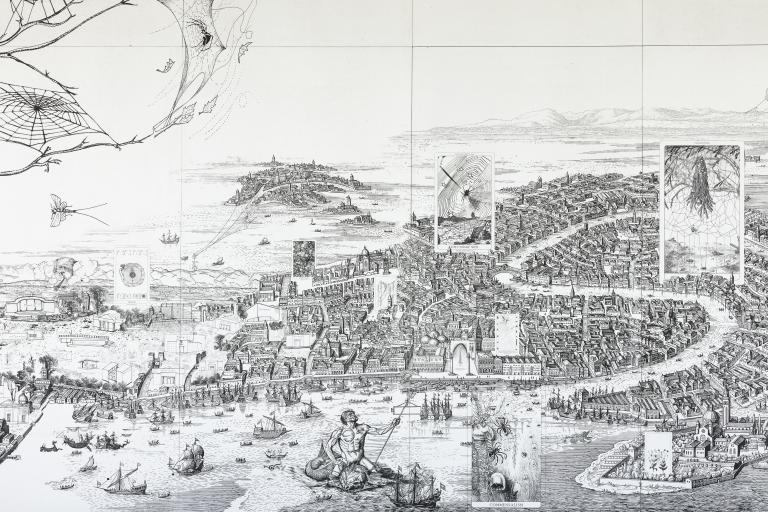
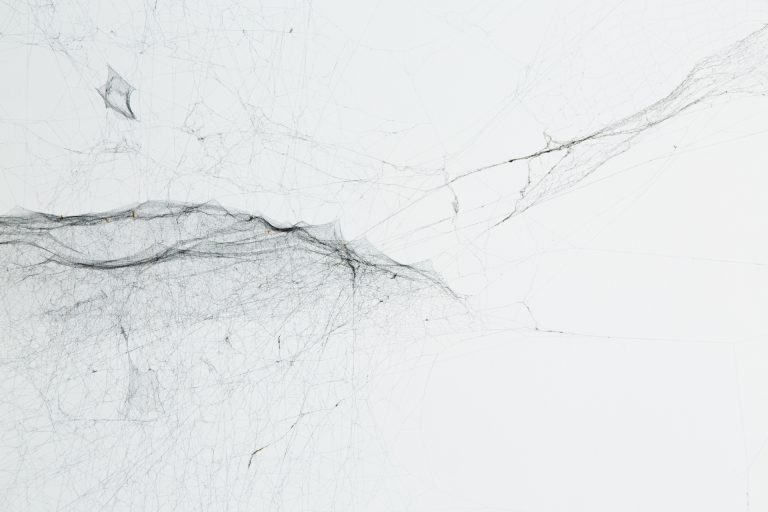
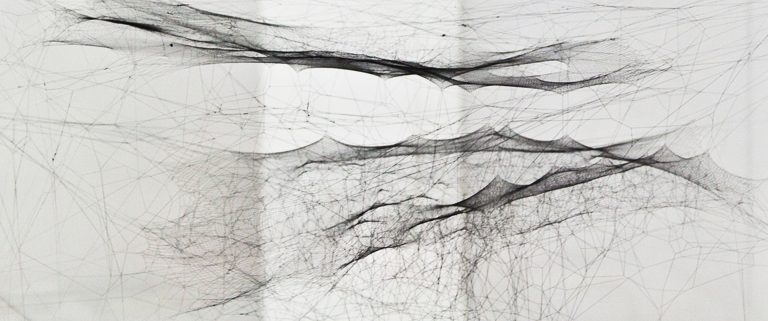
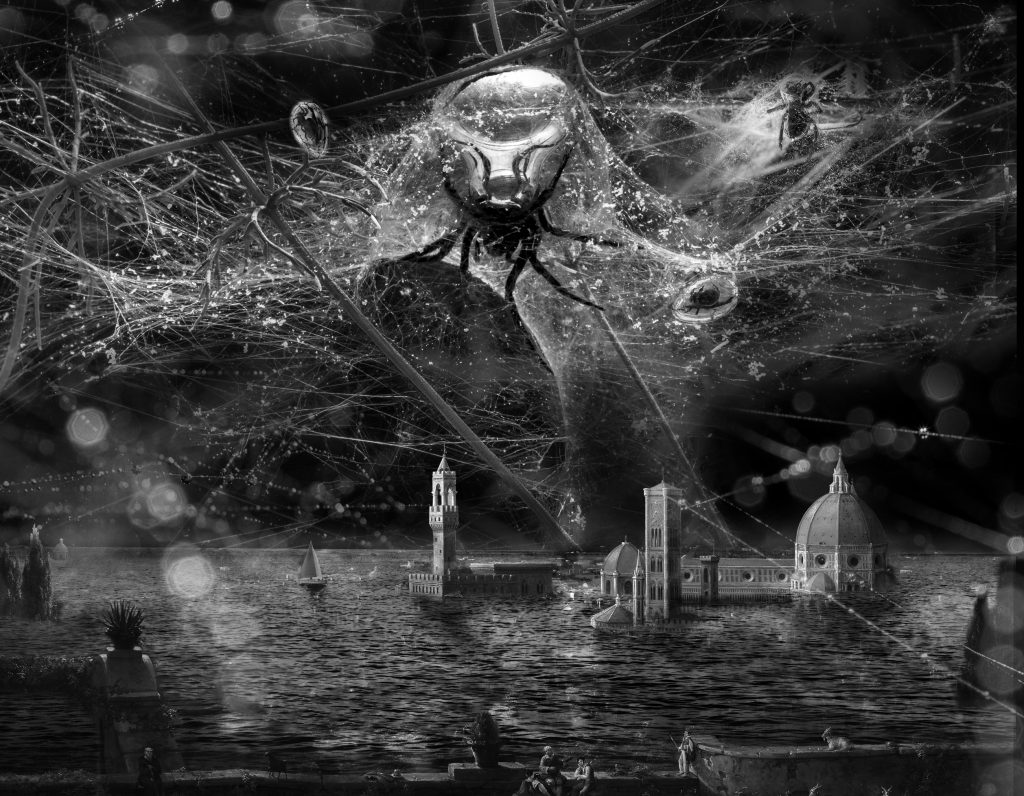
Life(s) of Webs
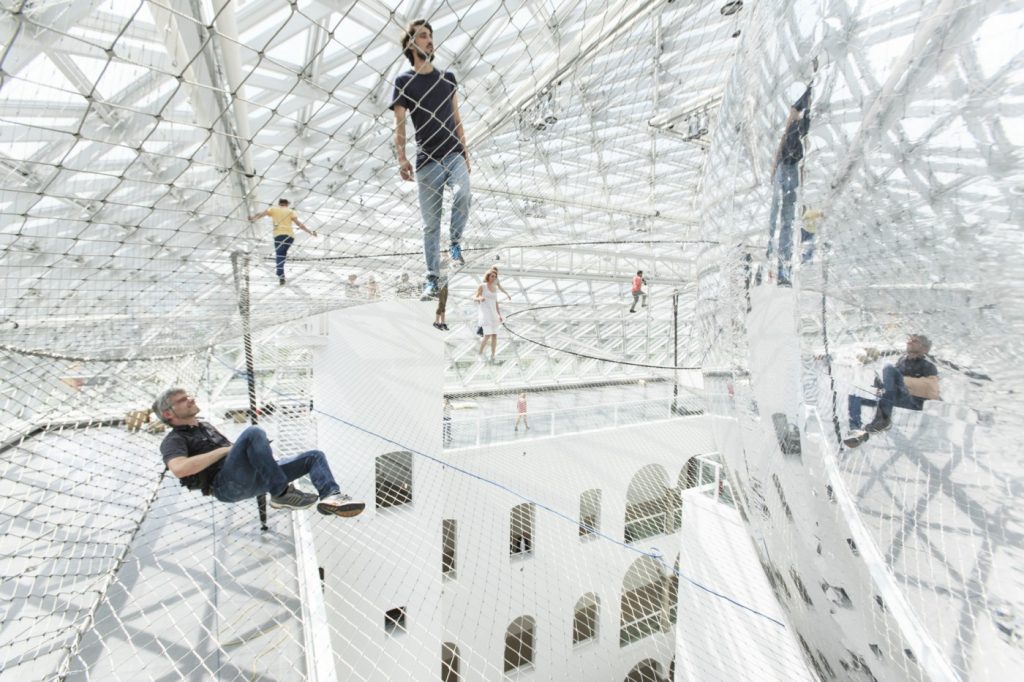
Cloud Cities: mise-en-Aéroscène
Tomás Saraceno in collaboration: Web(s) of Life
Crux Australis 68.0
Entangled Air
Oceans of Air
Silent Autumn
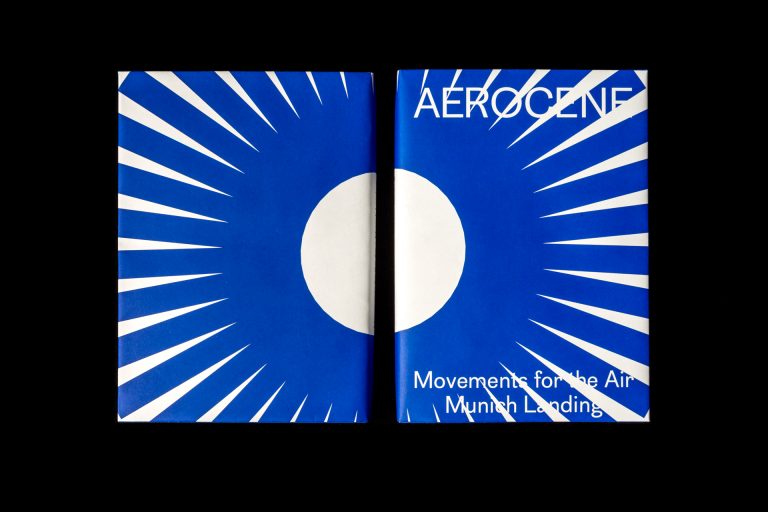
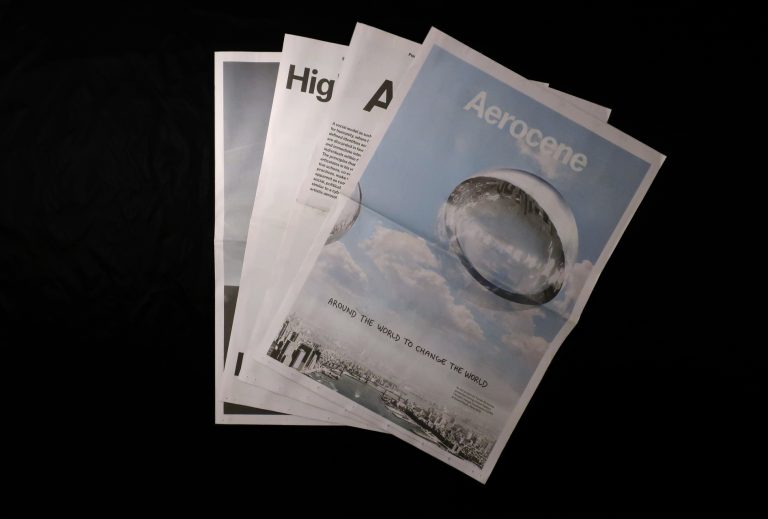
Aerocene: Free the Air. “Orbit-s” For a Post-Fossil Fuel Era
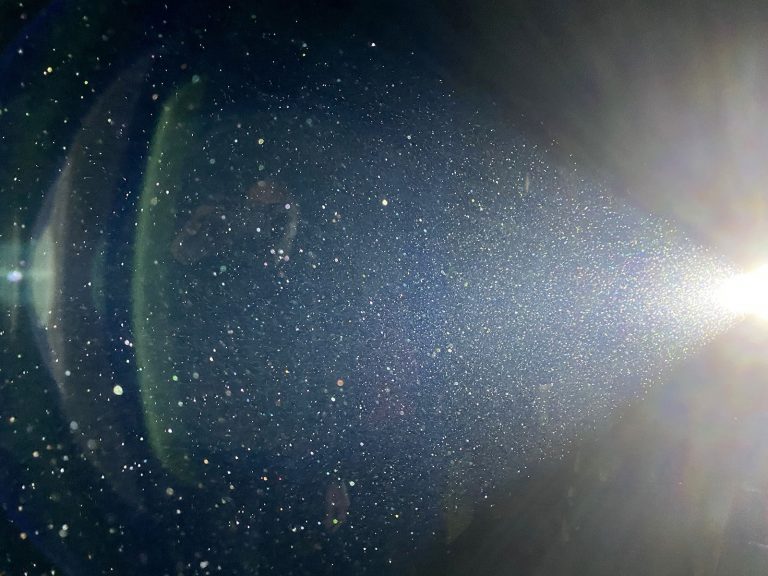
Particular Matter(s)
Inter + Play 2
we do not all breathe the same air
AnarcoAracnoAnacroArcano
Du sol au soleil
Webs of Life
Museo Aero Solar: for an Aerocene era
How to hear the universe in a spider/web: A live concert for/by invertebrate rights
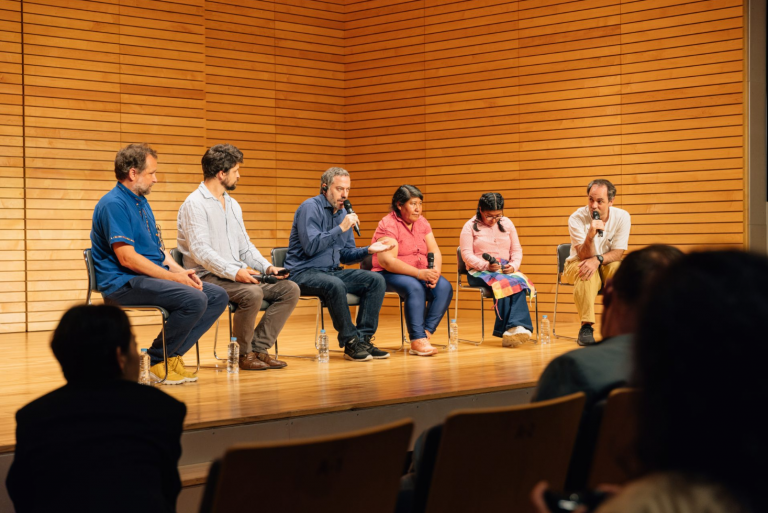
Multicultural resonances towards a better future
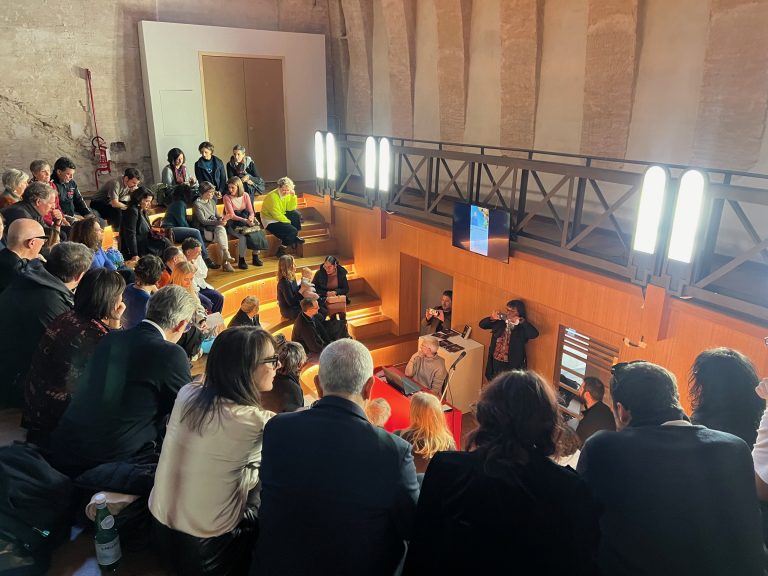
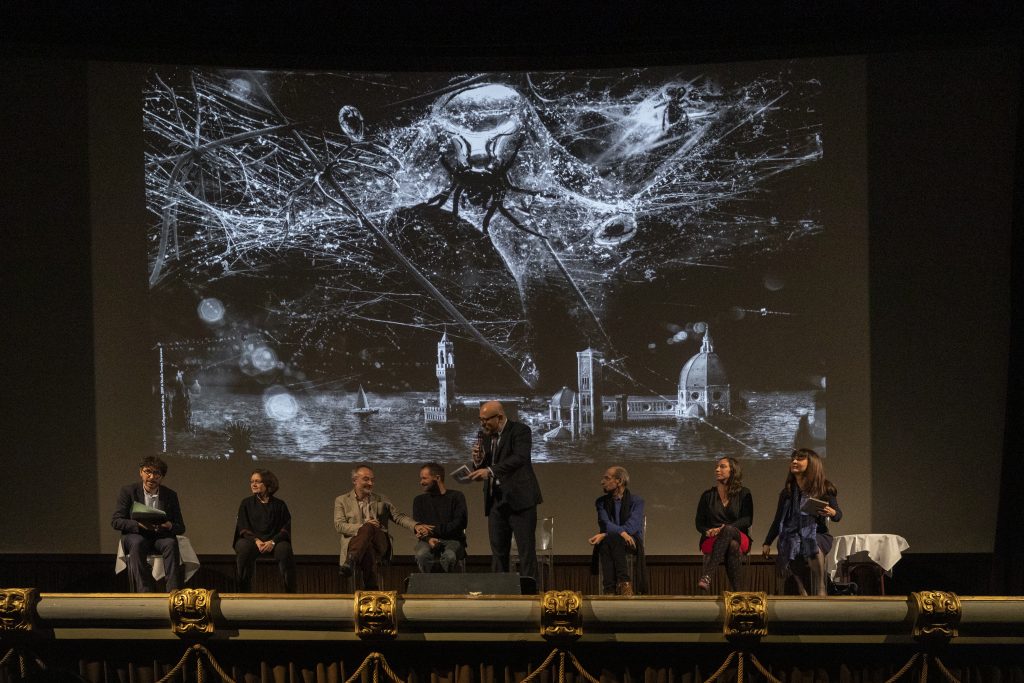
Life(s) of Webs, publication launch at Palazzo Ducale
In Conversation: Tomás Saraceno
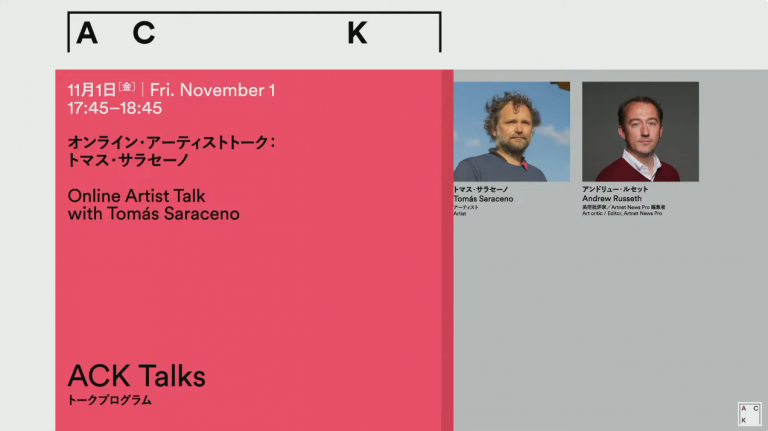
Art Collaboration Kyoto, Online Artist Talk with Tomás Saraceno
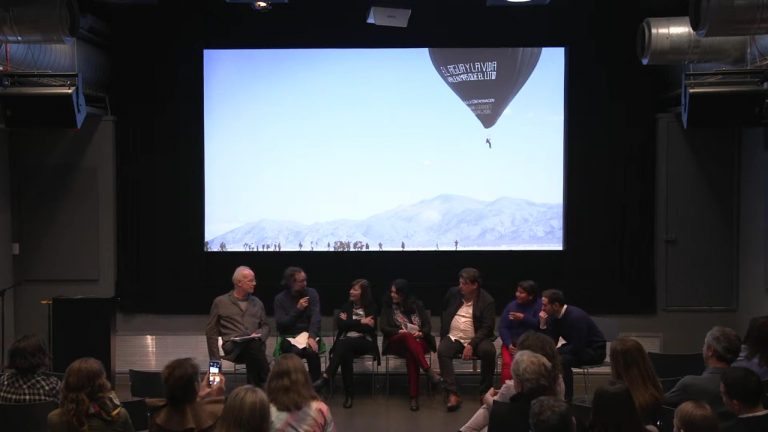
Aerocene Forum
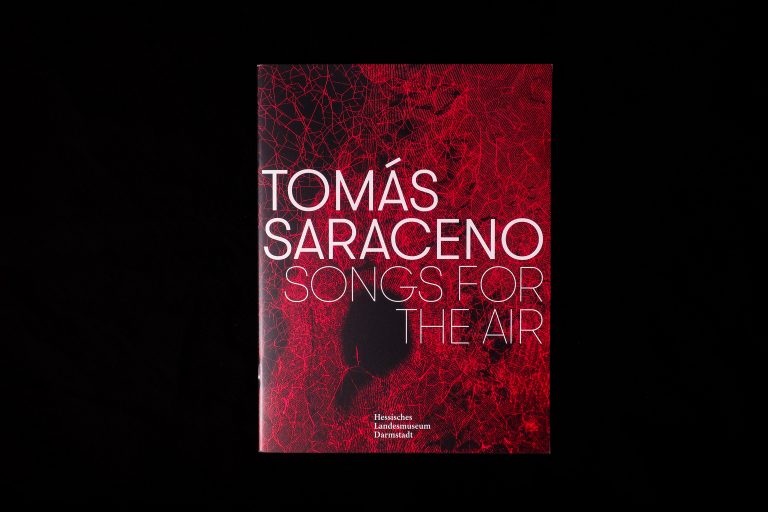
Songs for the Air
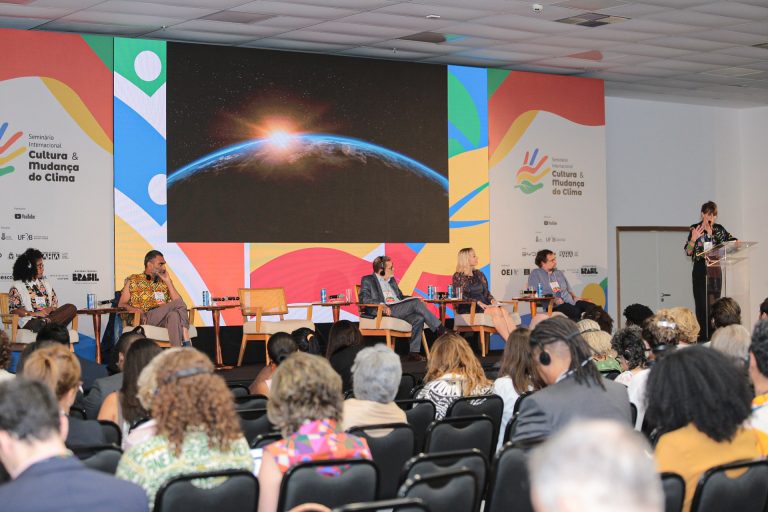
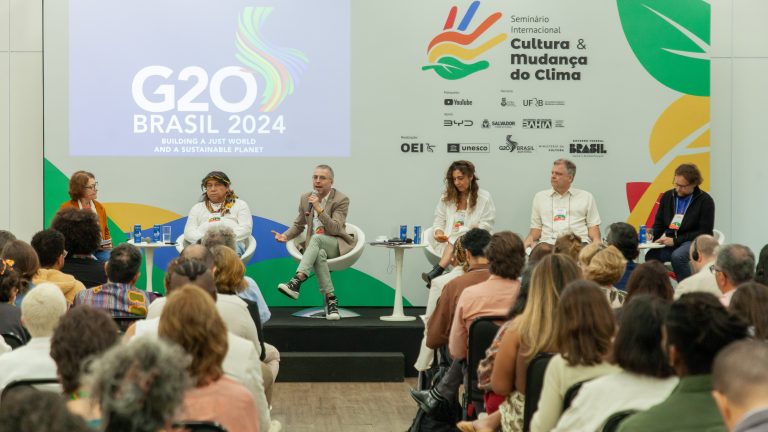
“Climate Crisis, a Crisis of Imagination”, The G20 International Seminar on Culture and Climate Change
“Culture, cosmologies and climate: building bridges between worldviews for a sustainable future”, The G20 International Seminar on Culture and Climate Change
Moving Atmospheres
Who qualifies as a Subject of Rights? We no longer want to be a sacrifice zone!
Event Horizon
Reparationen und Reparatur. Über Klimagerechtigkeit, Kolonialismus und Kapitalozän
7×7 2024
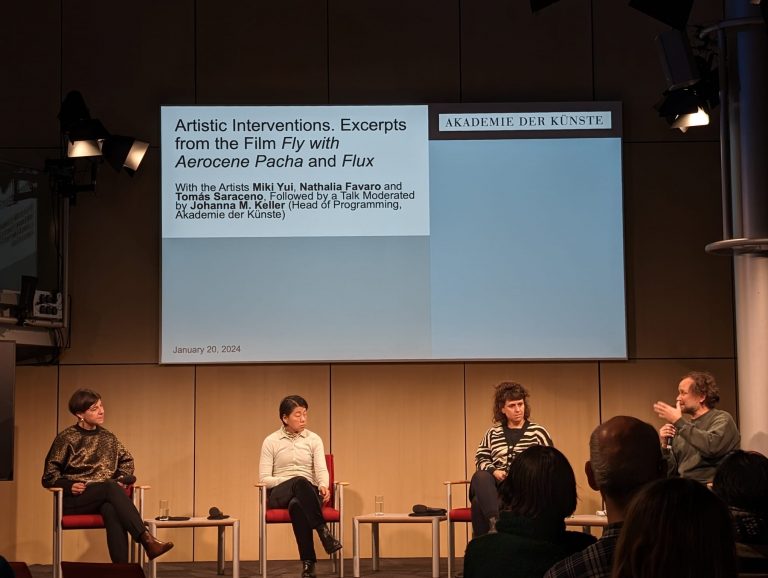
Life(s) of Webs, Panel Discussion and Film Screening
“The Crisis of Relationships” Masterclass
The Climate Hub, Climate Week NYC, Panel Discussion
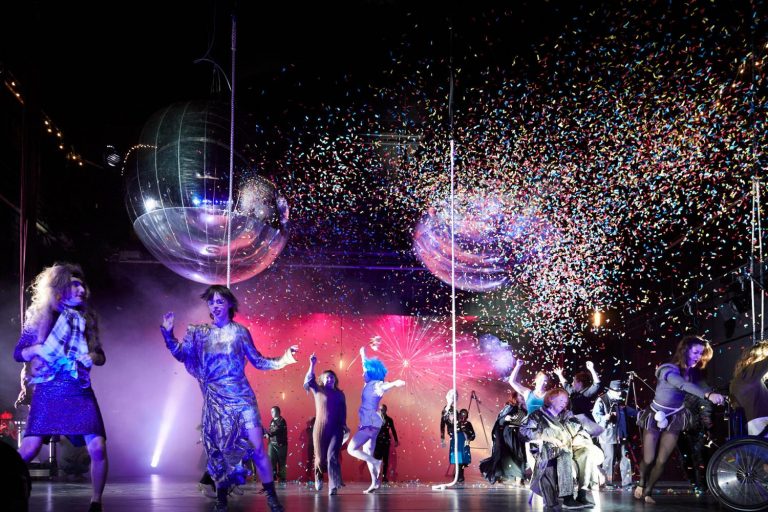
Aerocircus – eine circensische karnevaleske mit planwagen entgegen aller linearitäten
Infinite Ecologies Marathon: The Prelude
Towards an Ecosocial Energy Transition: A Conversation and Manifesto
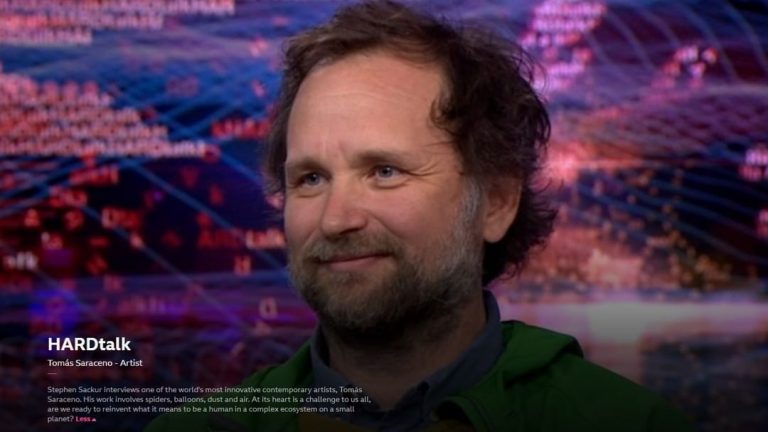
BBC HARDtalk Interview
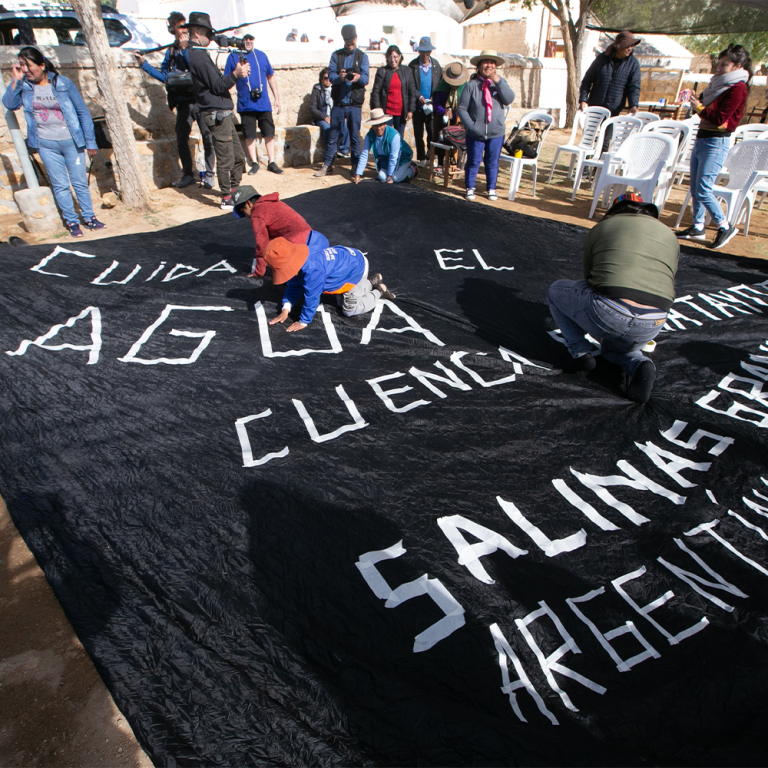
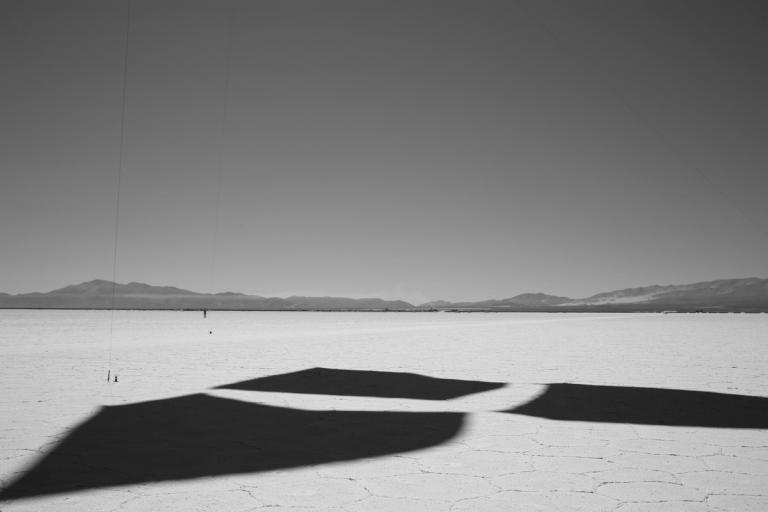
The Alfarcito Gathering
Matter(s) for Conversation and Action
Tomás Saraceno
Drift: A cosmic web of thermodynamic rhythms
Cloud Cities: du sol au soleil
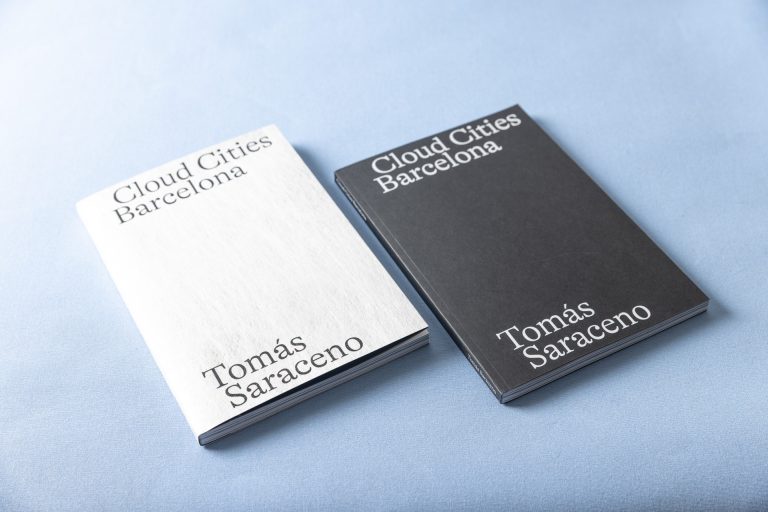
Cloud Cities Barcelona
Particular Matter(s)
Silent Autumn / Silent Spring
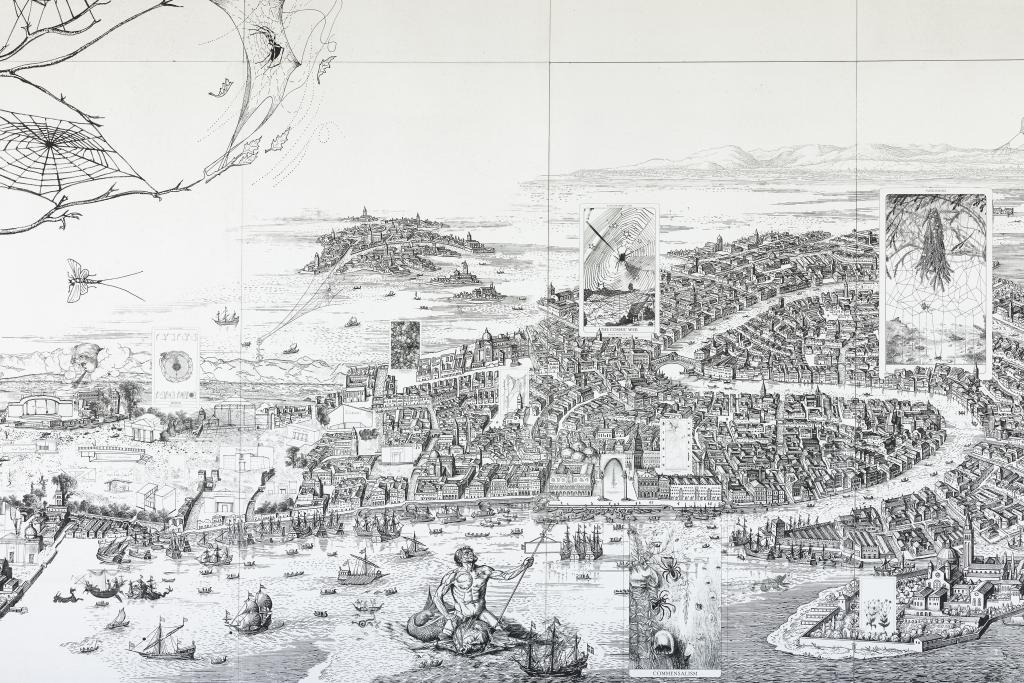
Arachne’s handwoven Spider/Web Map
Lignes de possibles: Arachnophilia with Tomás Saraceno at the Festival La Manufacture d’idées
Interspecies Conversations
Spatial Echoes of Breath
Avec qui venez-vous? Vinciane Despret in conversation with Tomás Saraceno
Ha Chi Ki
The Art of Noticing – Louisiana Channel Interviews Tomás Saraceno
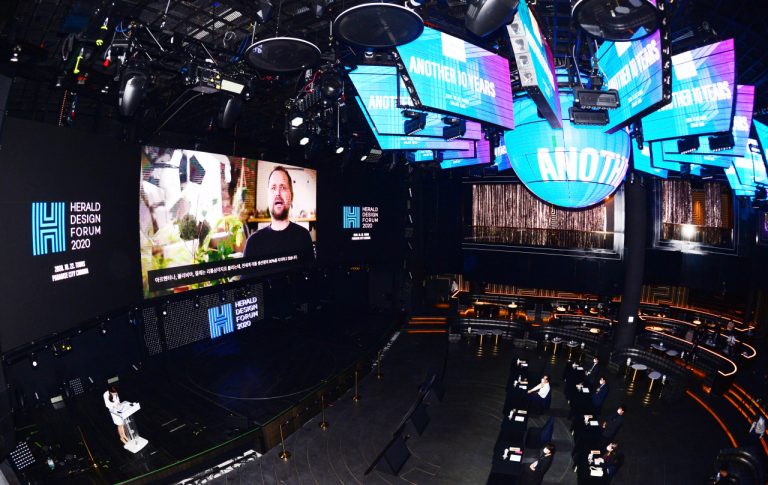
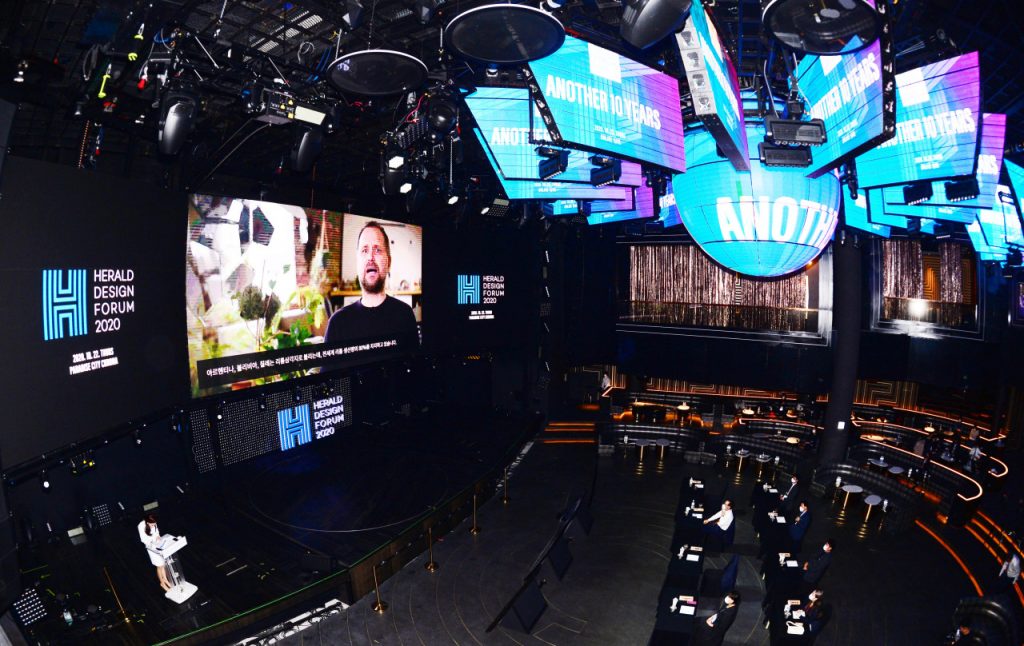
Free the Air: Aerocene – Tomás Saraceno holds keynote speech at Herald Design Forum
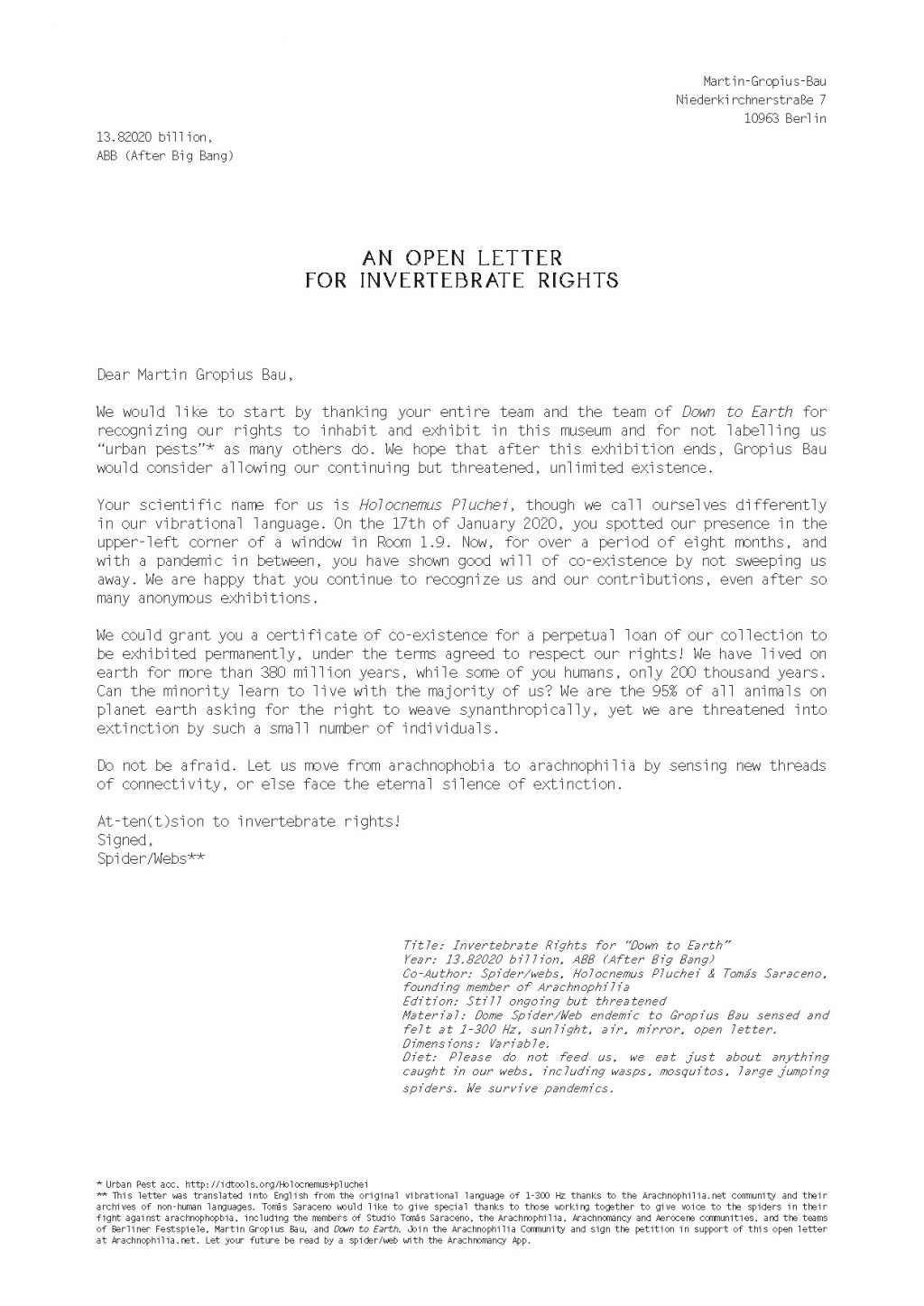
Invertebrate Rights for “Down to Earth”
Fly with Aerocene Pacha
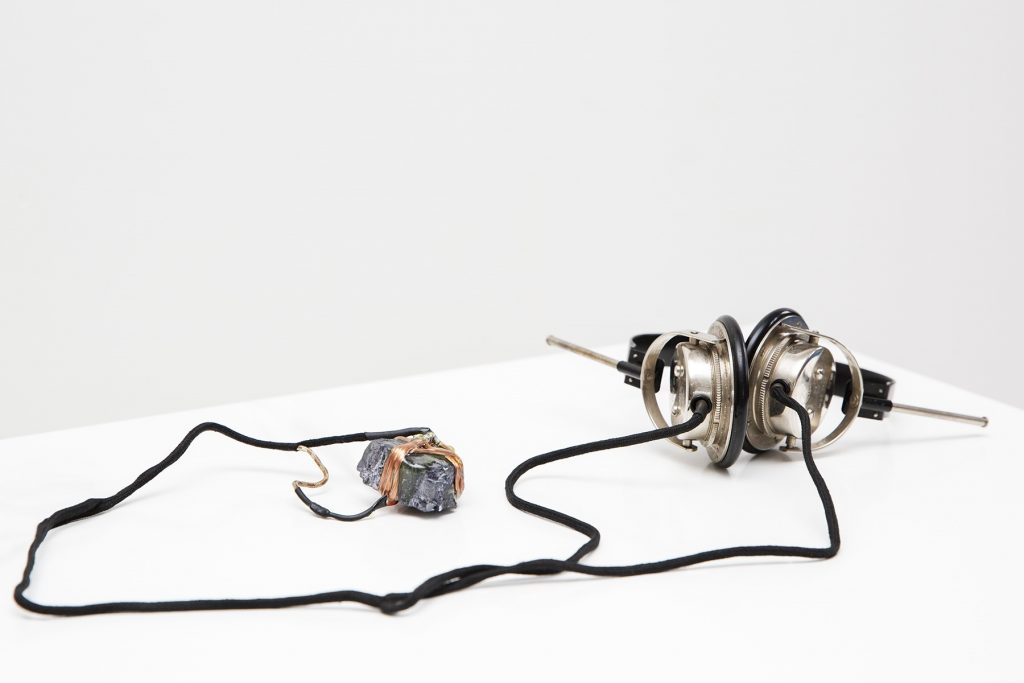
Radio Galena
Up Close: Tomás Saraceno in conversation with Harriet A. Washington
Tomás Saraceno. Aria at Cinema Odeon
Aria
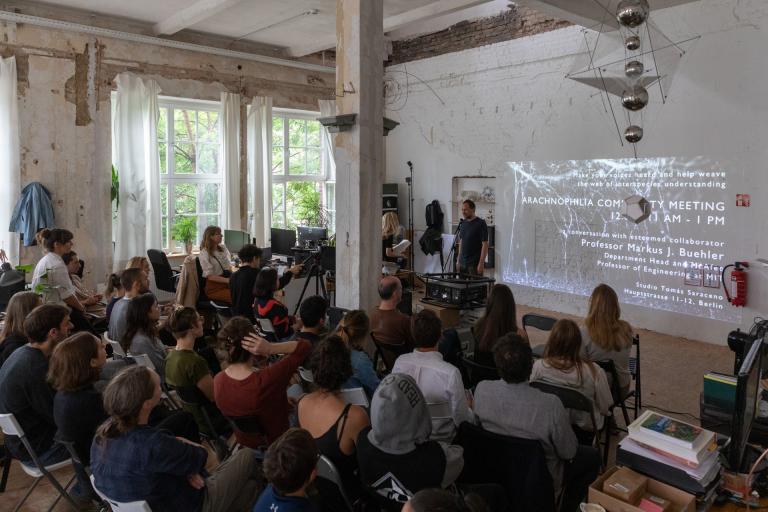
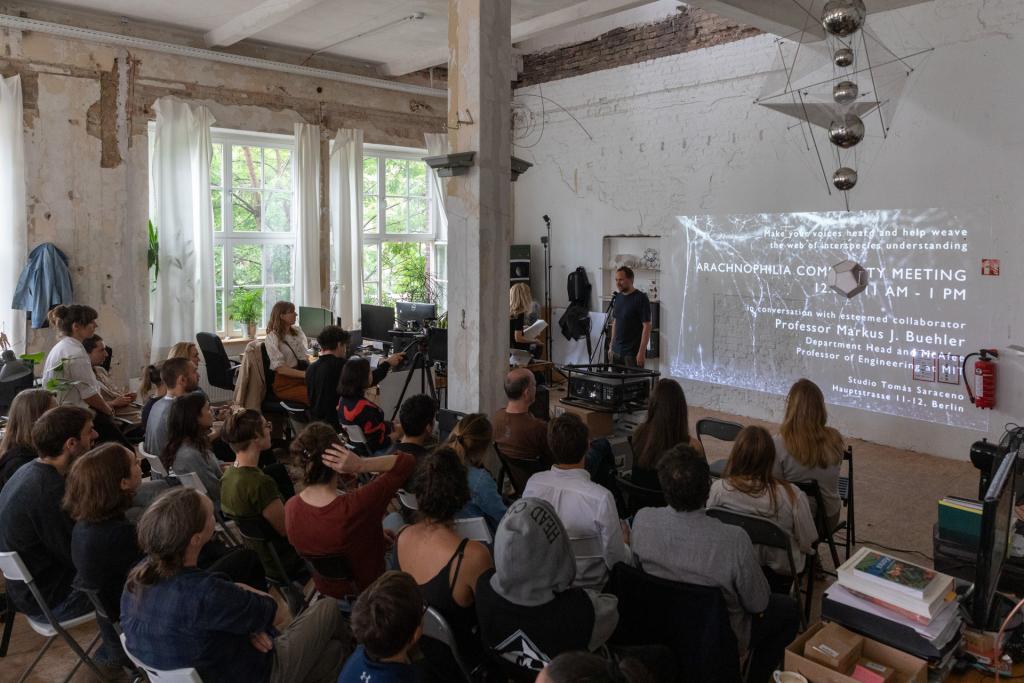
Arachnophilia Community Meeting with MIT Professor Markus J Buehler
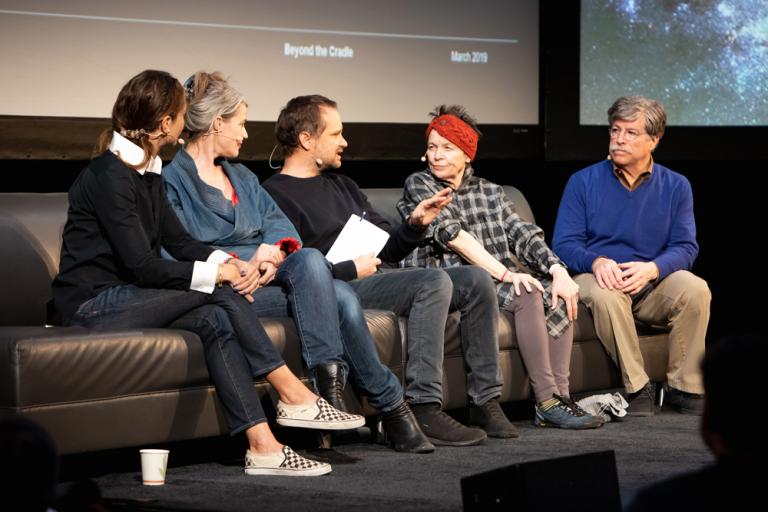
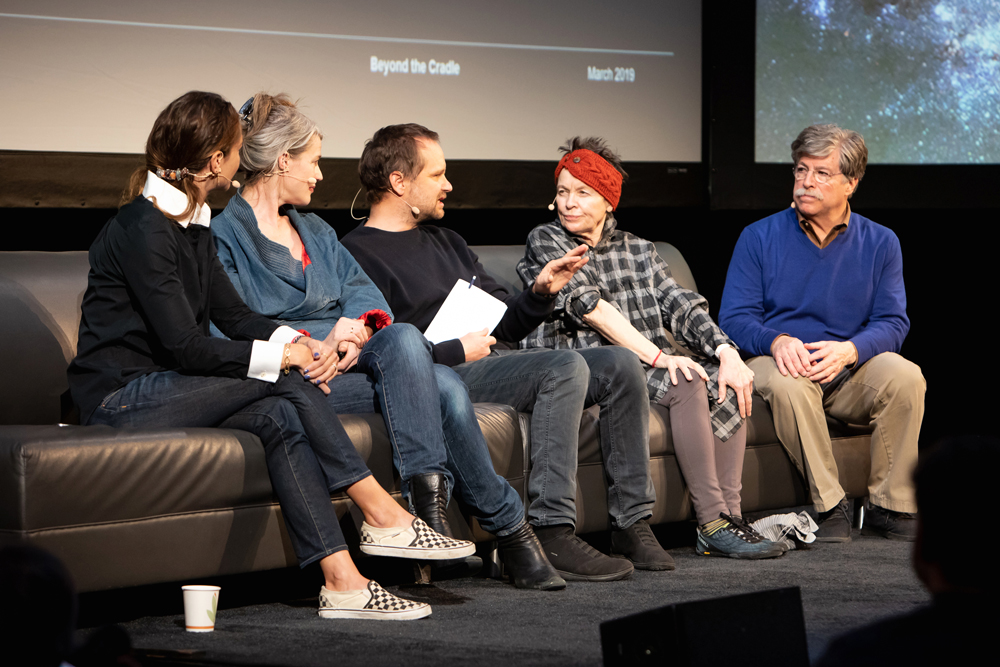
Beyond the Cradle 2019: Space and the Arts
Engadin Art Talks: Grace and Gravity
More-than-humans
Cosmic Filaments
Tomás Saraceno
Spider/Web Pavilion 7
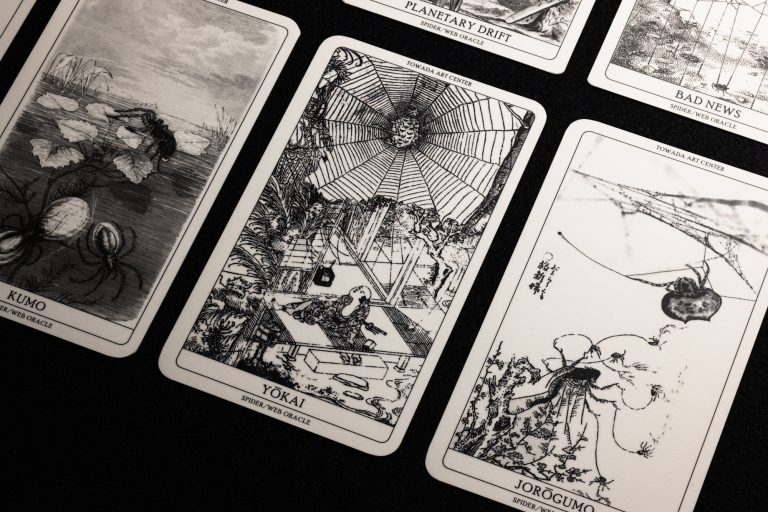
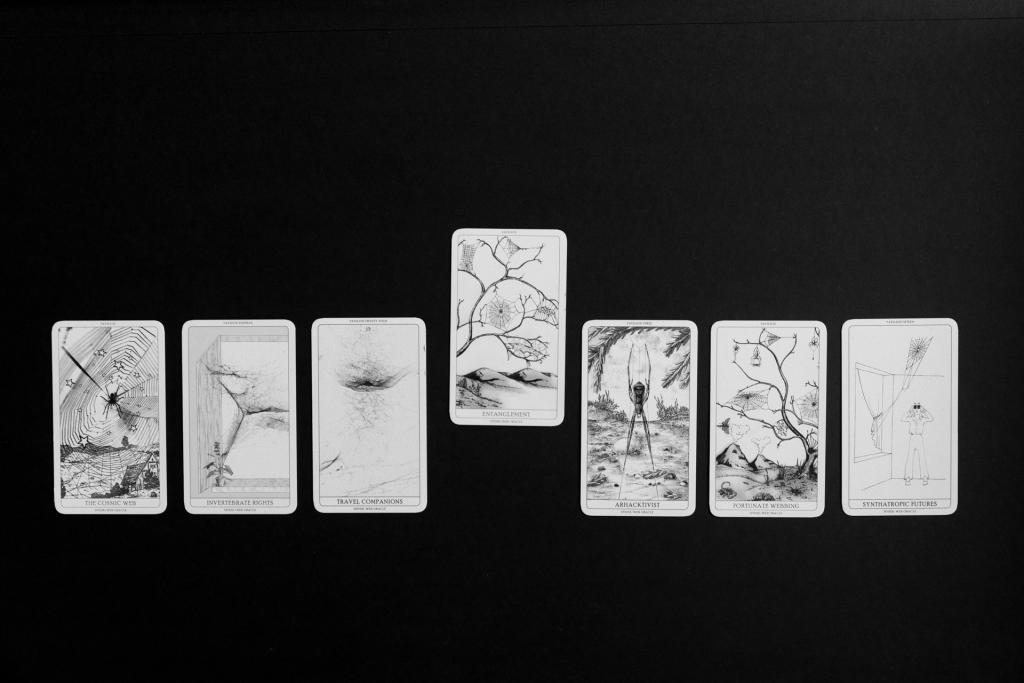
Arachnomancy Cards
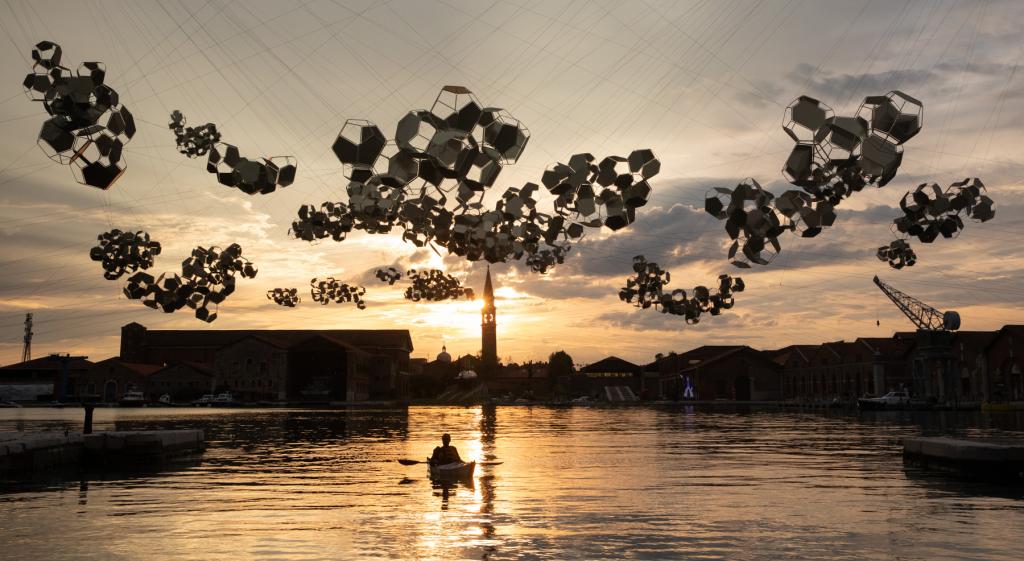
Acqua Alta: en Clave de Sol
On the Disappearance of Clouds
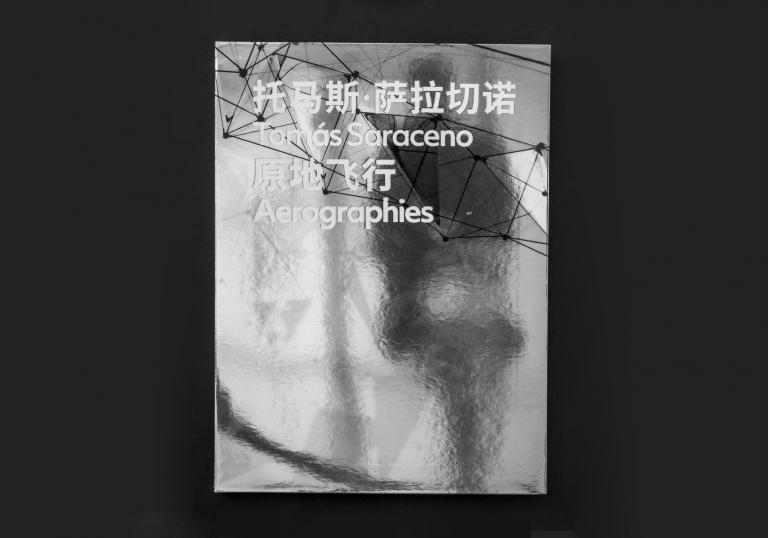
Aerographies
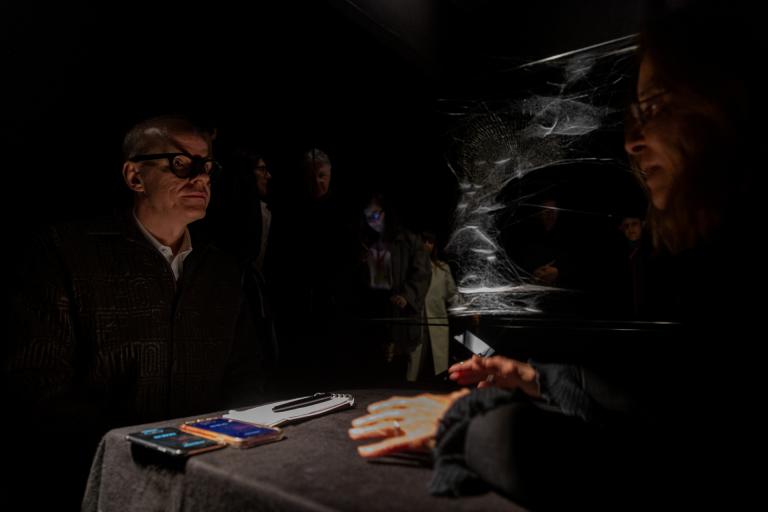
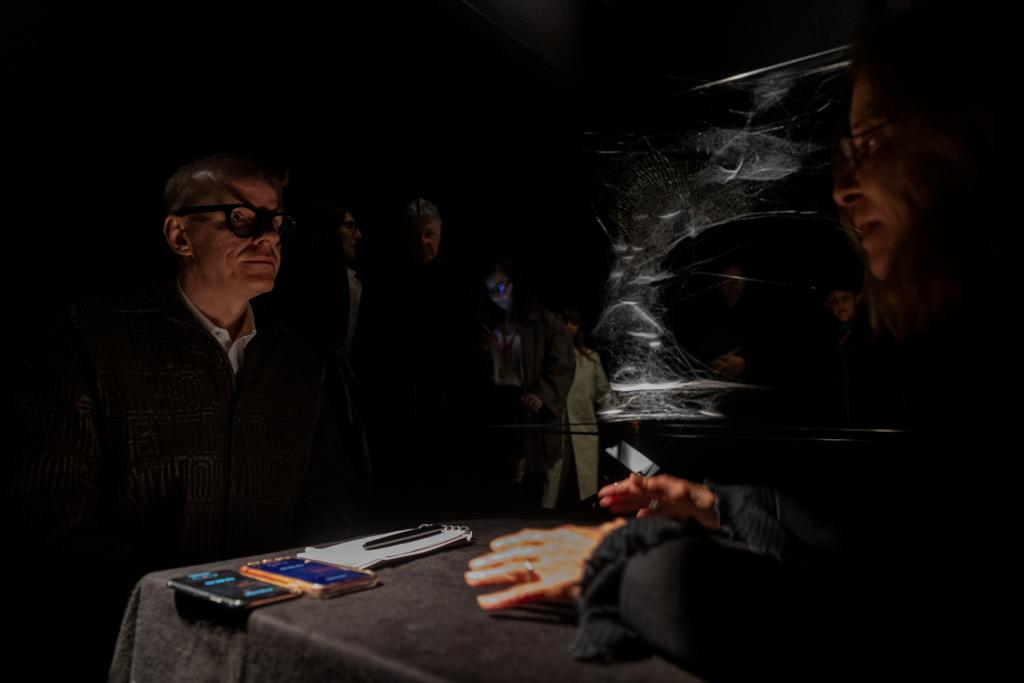
Spider/Web Oracle Readings Program
Sundial for Spatial Echoes
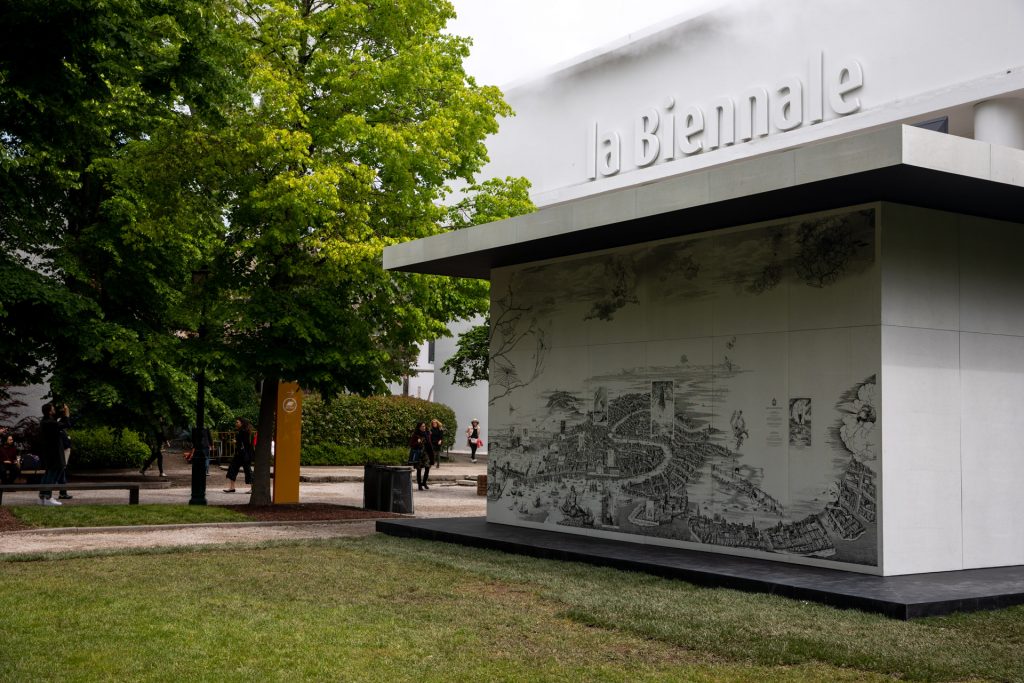
Tomás Saraceno at the Venice Biennale 2019
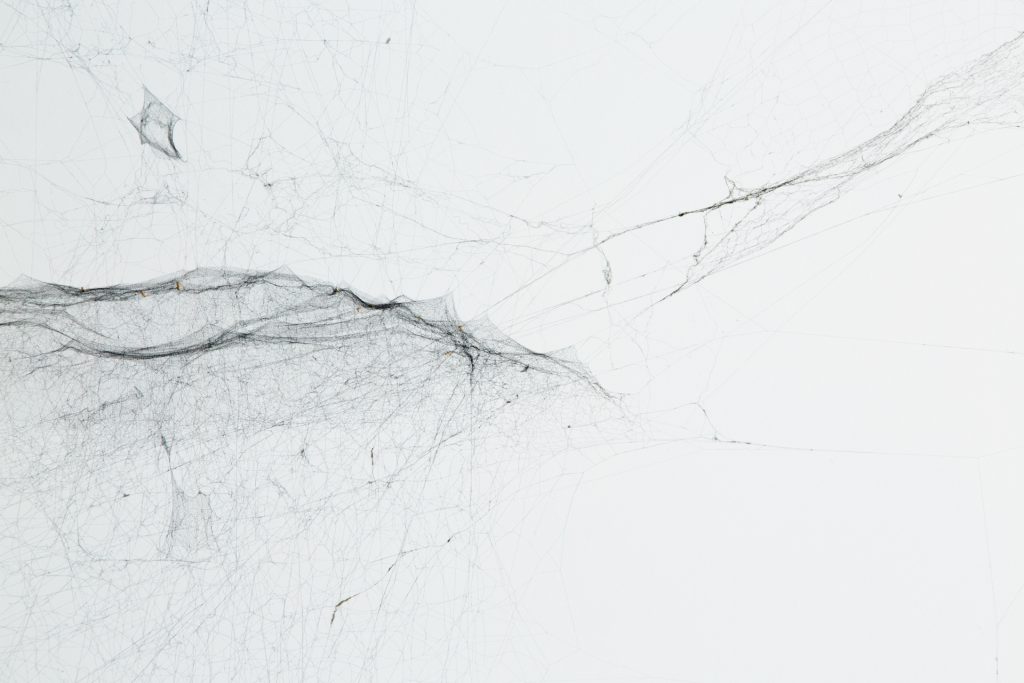
2-Dimensional Webs Archive/Maps and Traces
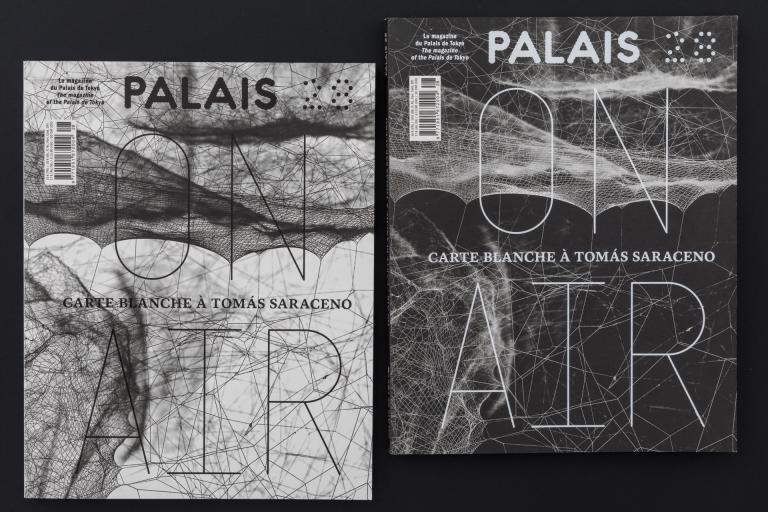
ON AIR
ALBEDO
A Thermodynamic Imaginary
Solar Rhythms
Omega Centauri 3.9
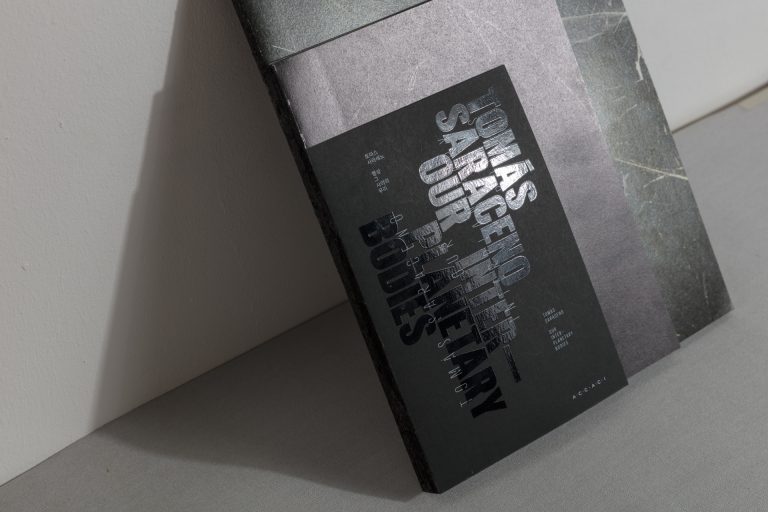
Our Interplanetary Bodies
Art Basel Miami – Albedo | Hans Ulrich Obrist in conversation with Tomás Saraceno
“ON AIR live with…”
How to entangle the universe in a spider/web?
Printed Matter(s)
Webs of At-tent(s)ion
The Politics of Solar Rhythms: Cosmic Levitation
Living at the bottom of the ocean of air
Sounding the Air
Algo-r(h)i(y)thms
Passages of Time
Particular Matter(s) Jam Session
3 Airborne Self-Assemblies
Event Horizon
How to Entangle the Universe in a Spider Web
Gravitational Waves
Entangled Orbits
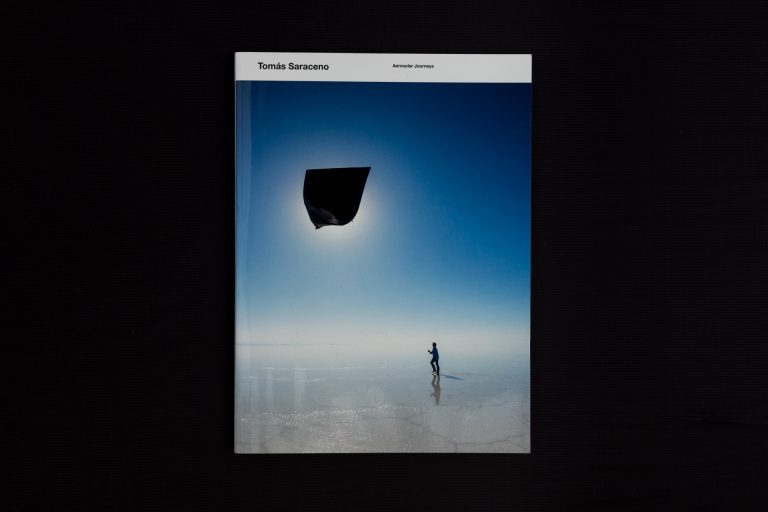
Aerosolar Journeys
Nebulous Thresholds
Behind the Artist’s Idea: Aerocene, Lecture at WEF, Davos, Switzerland
Aerocene at the Antarctic Biennale
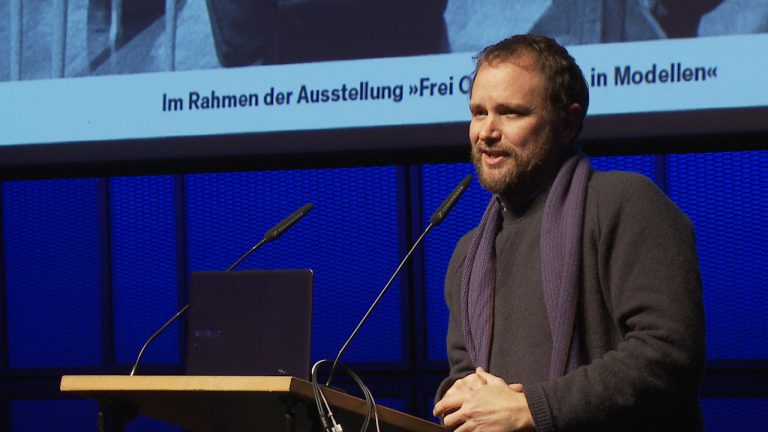
Architektur als vermutete Zukunft — Symposium im Rahmen der Ausstellung »Frei Otto. Denken in Modellen«
Dark Cosmic Web
Stillness in Motion — Cloud Cities
Solar Bell Ensemble
163,000 Light Years
Cloud City: HAT-P-12
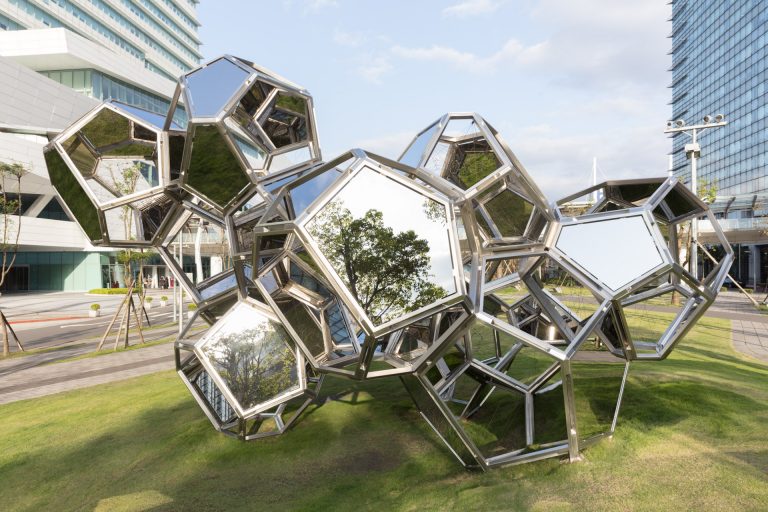
Cloud City
Many suns and worlds
Hybrid solitary… semi-social quintet… on cosmic webs…
Caelum Dust
Becoming Aerosolar
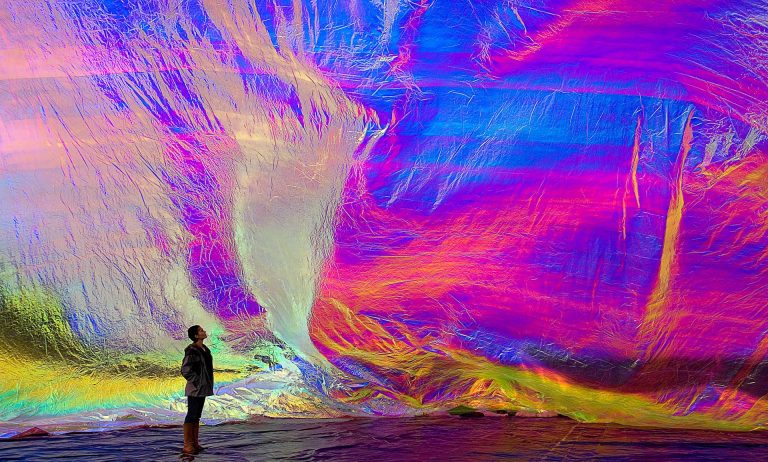
Iridescent Planet
Aerocene at COP21
Hybrid Webs
Tomás Saraceno’s Cloud Cities and Solar Balloon Travel – Interview with The Creators Project
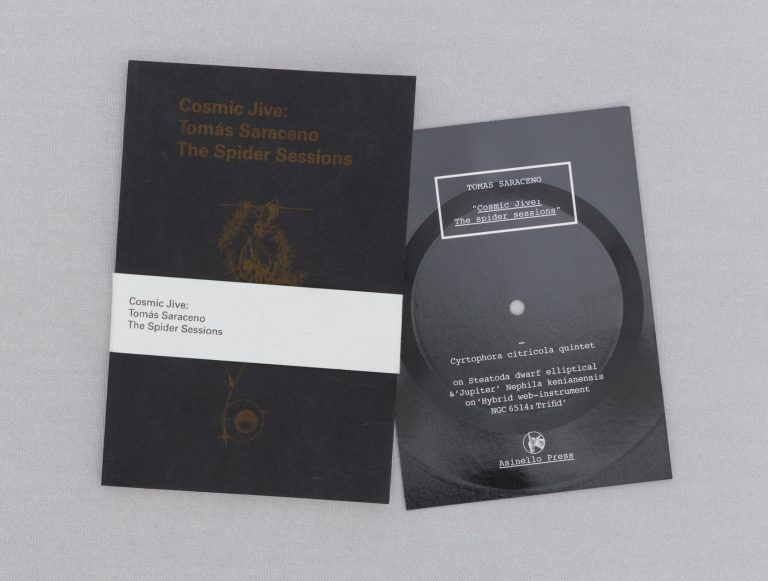
Cosmic Jive: The Spider Sessions
Solar Bell
Ring Bell — Solar Orchestra and the Wind Structures
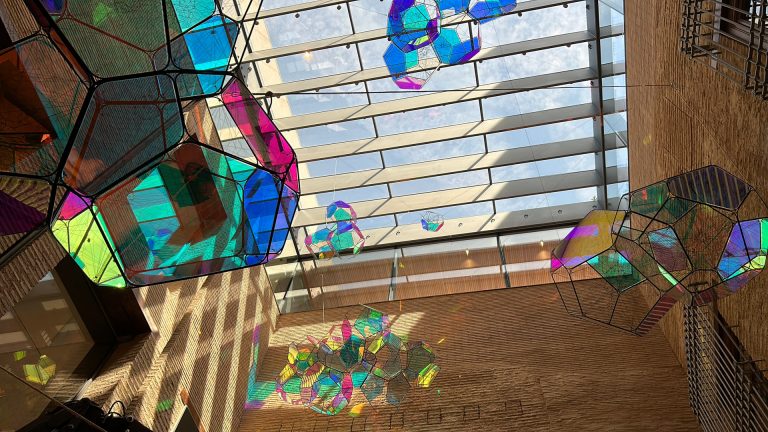
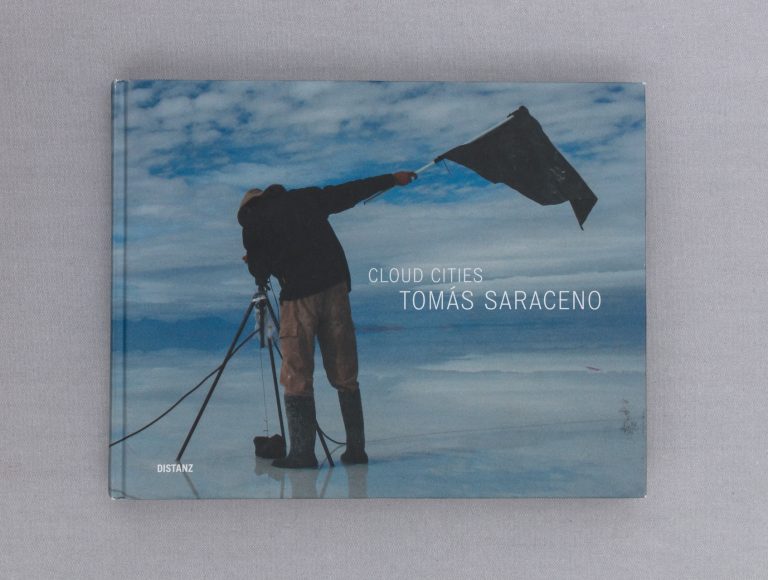
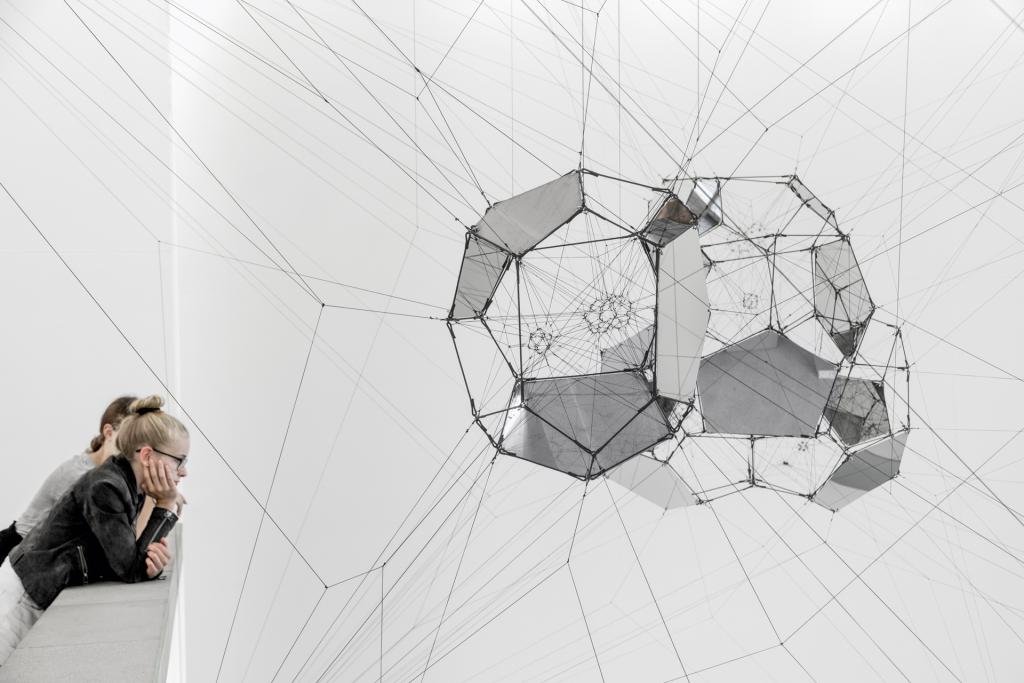
Cloud Cities
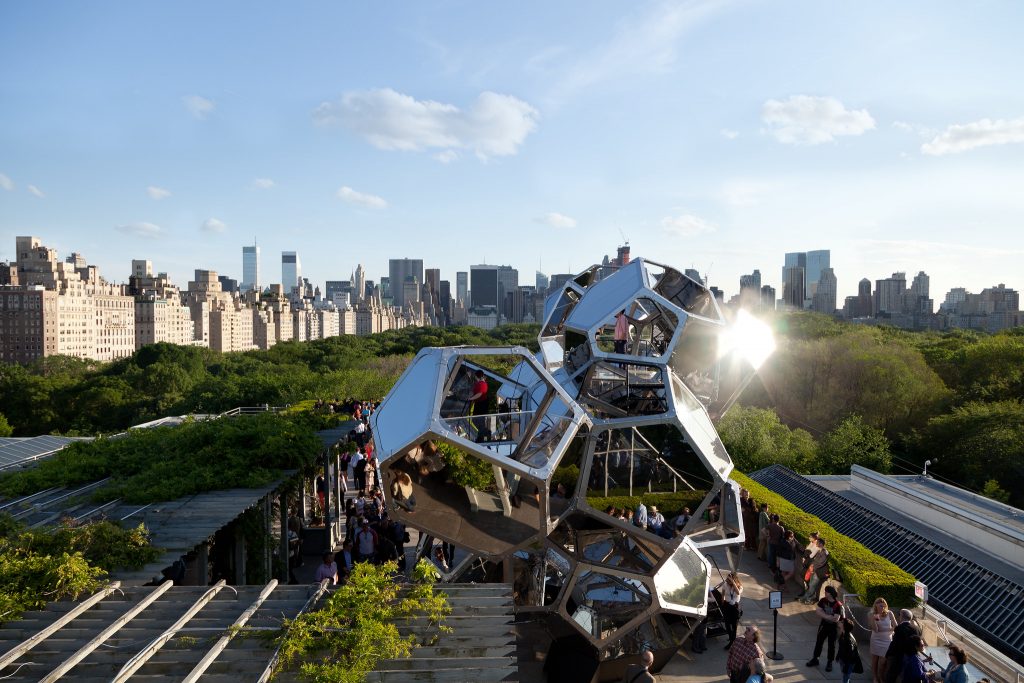
On the Roof: Cloud City
In Orbit
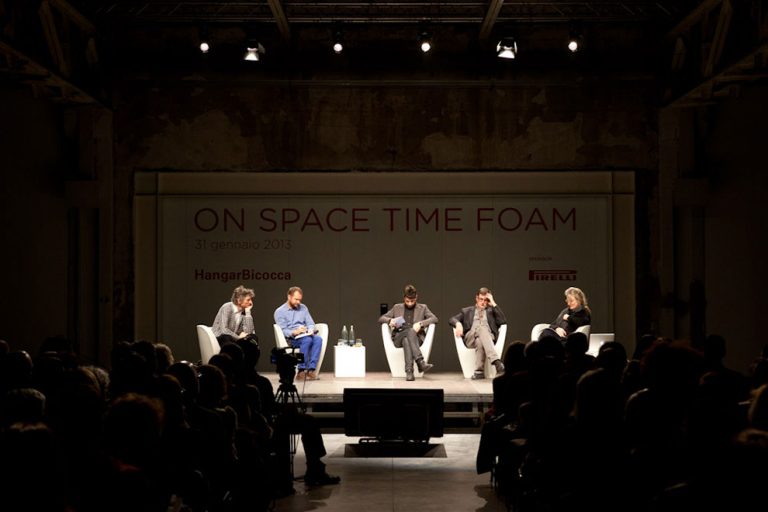
On Space Time Foam: a Conversation
On Space Time Foam
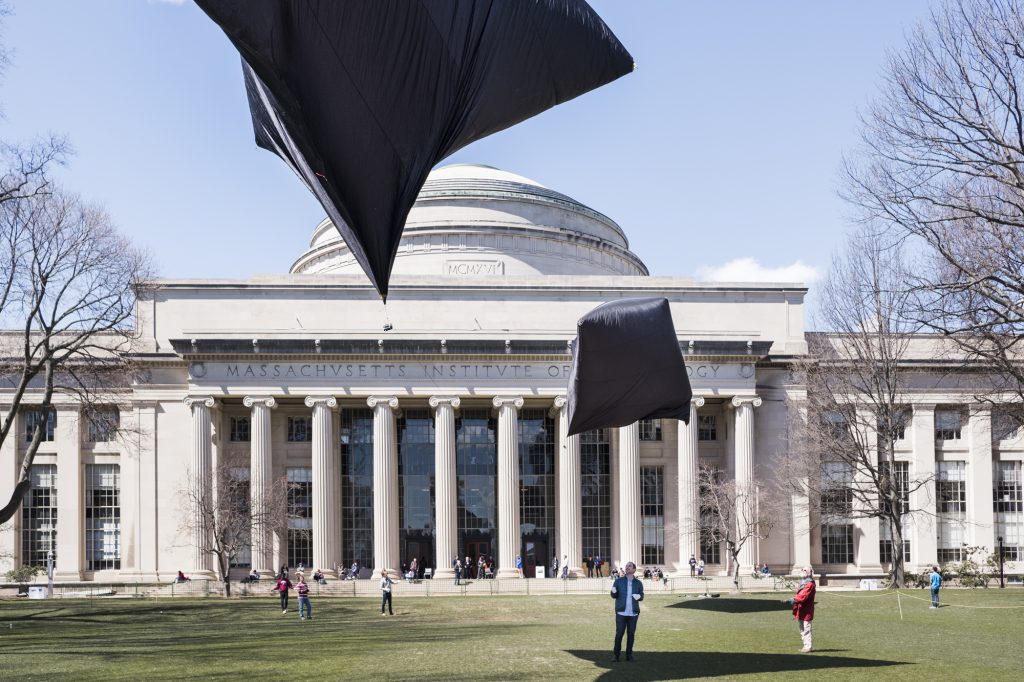
Moving Beyond Materiality – MIT Visiting Artist Tomás Saraceno
Air-Port-City/Cloud Cities
Cloudy Dunes. When Friedman Meets Bucky on Air-Port-City
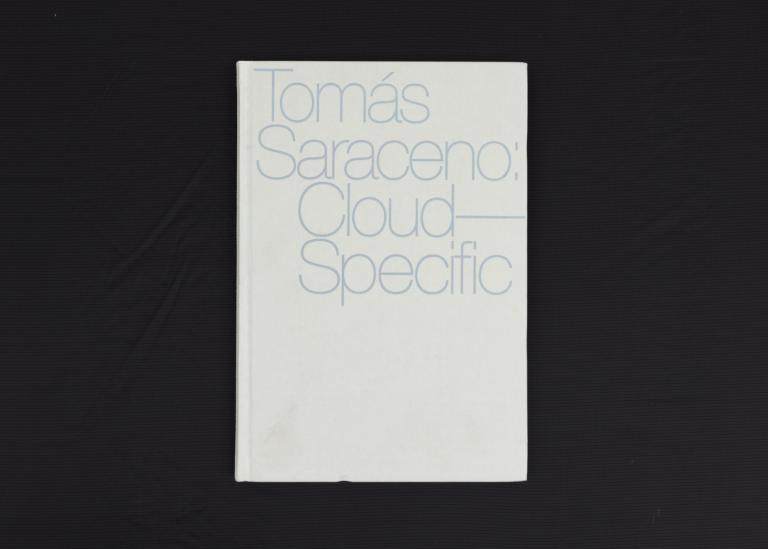
Cloud-Specific
14 Billions (Working Title)
Cloud Cities Connectome
From Camogli to San Felipe, spiders weaving stars…
Galaxies Forming along Filaments, like Droplets along the Strands of a Spider’s Web
Biospheres
Tomás Saraceno
Cloudy House
Lighter than Air
Observatory, Air-Port-City
Microscale, Macroscale, and Beyond: Large-Scale Implications of Small-Scale Experiments
Poetic Cosmos of the Breath
Flying Gardens
Cumulonimbus/Air-Port-City
Cumulus
Infinite Actives
When Spheres Meet Spheres From Miami to Cuba
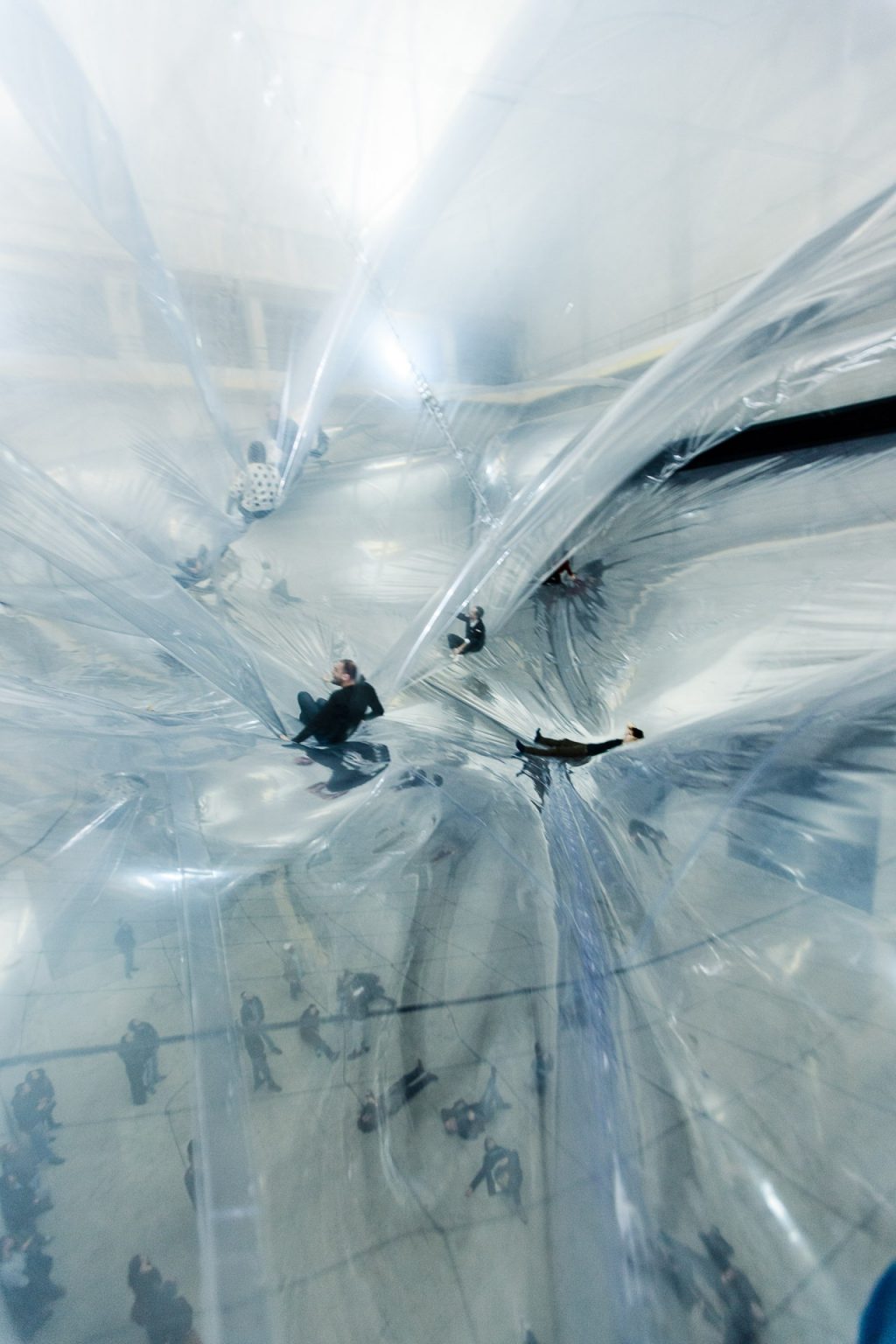
On Air
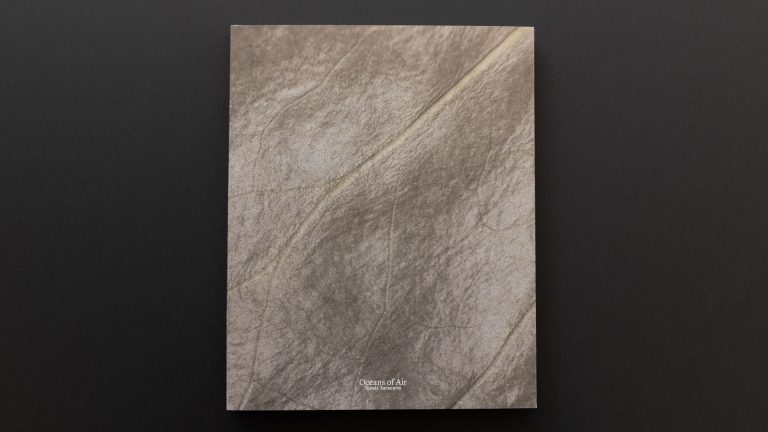
OCEANS OF AIR
17.12.2022-24.07.2023
Museum of Old and New Art, Tasmania
MONA presents Oceans of Air…
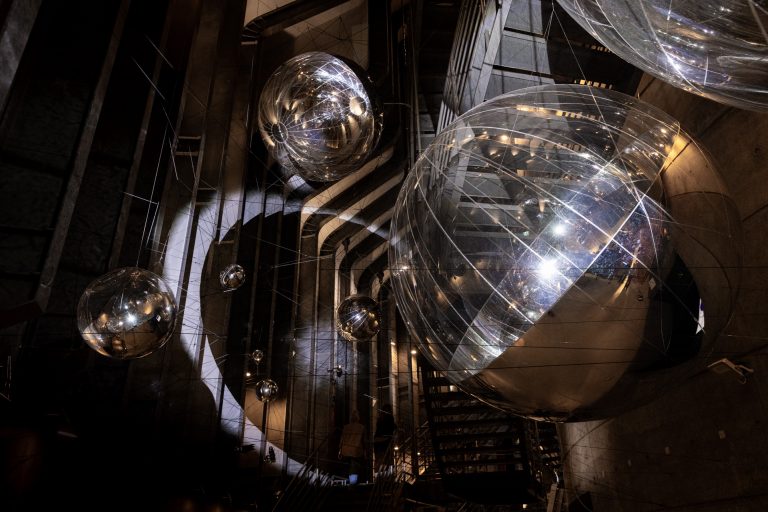
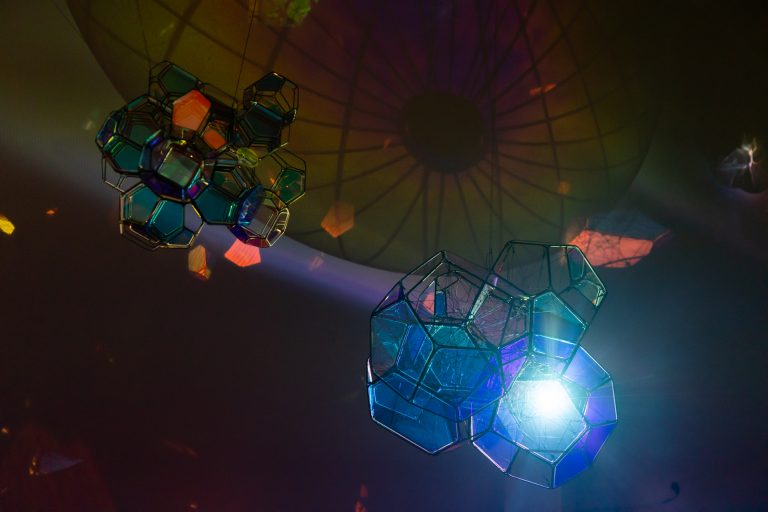
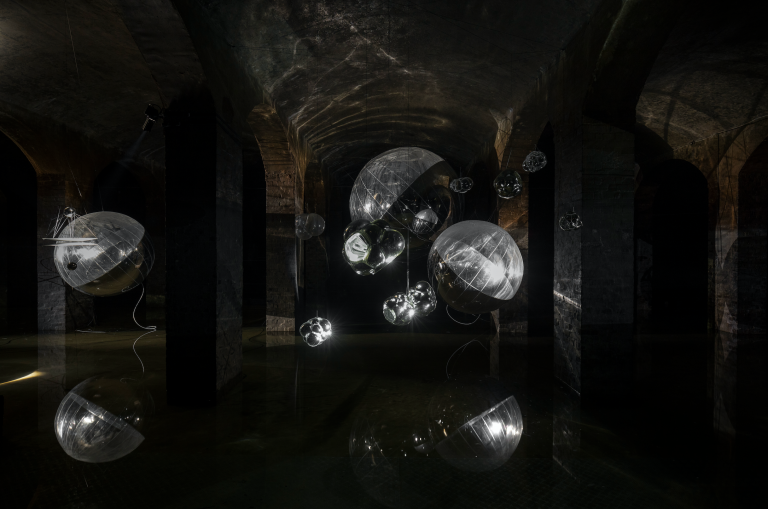
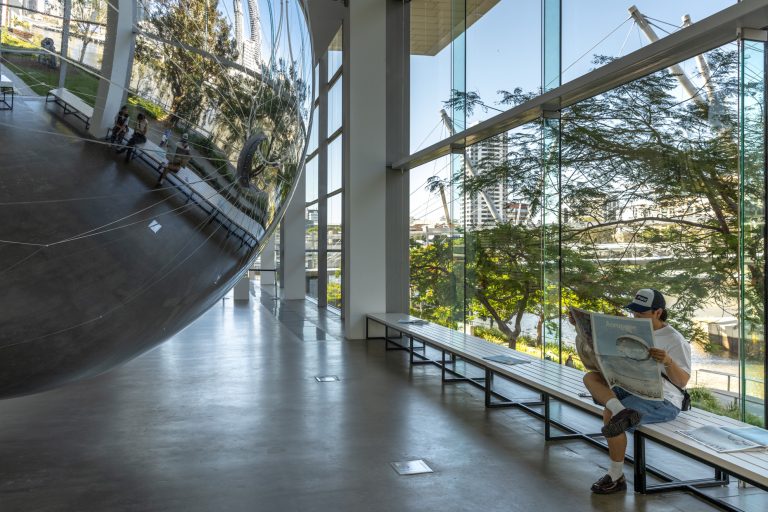
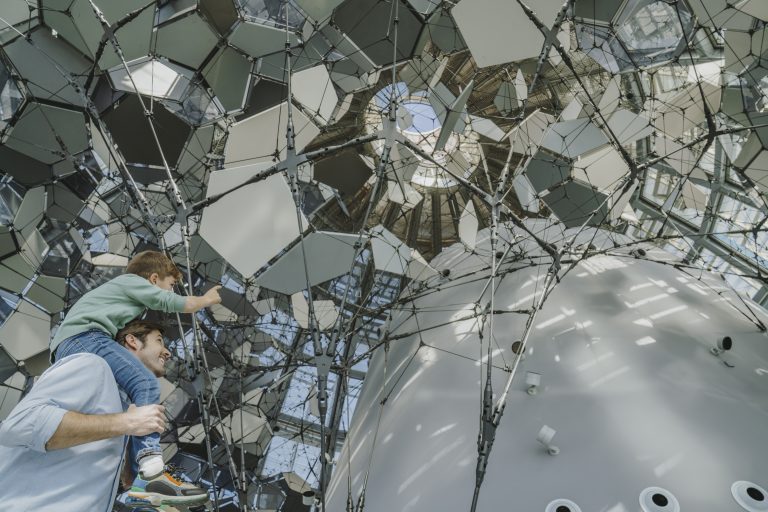
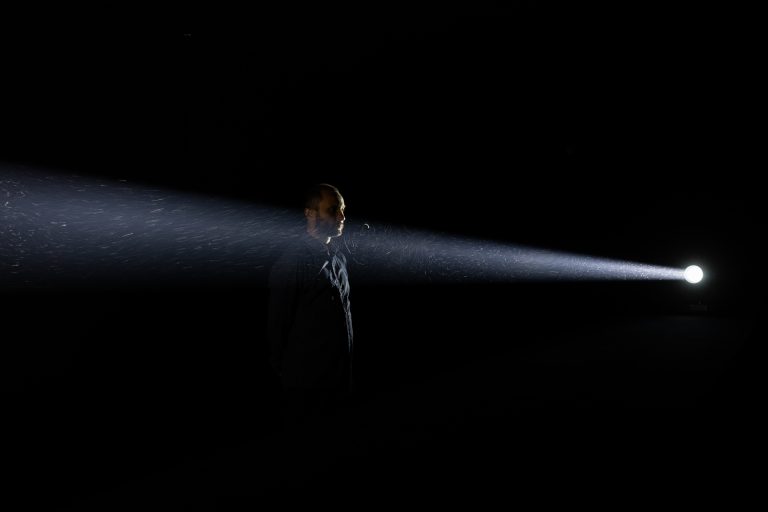
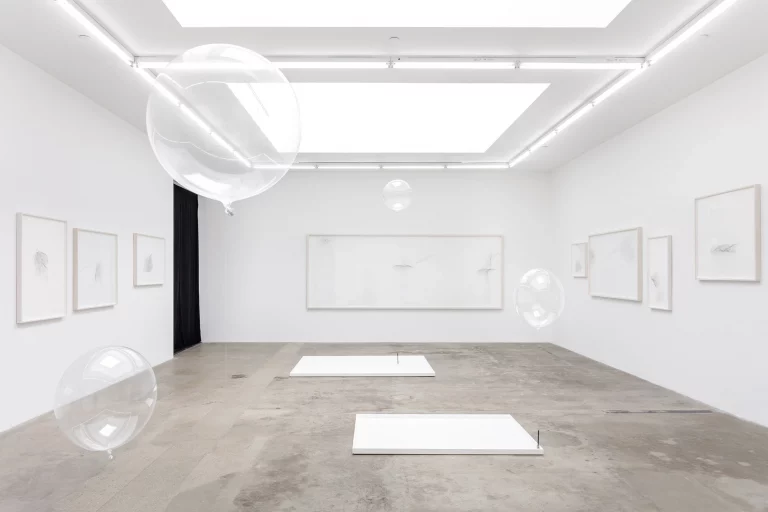
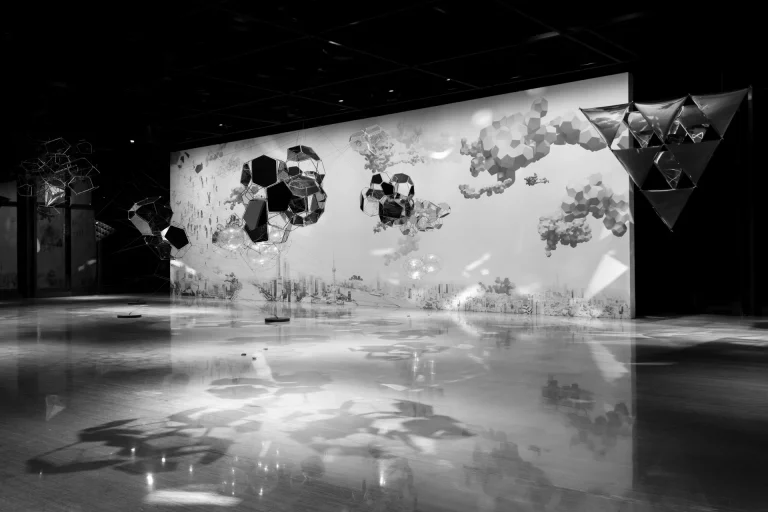
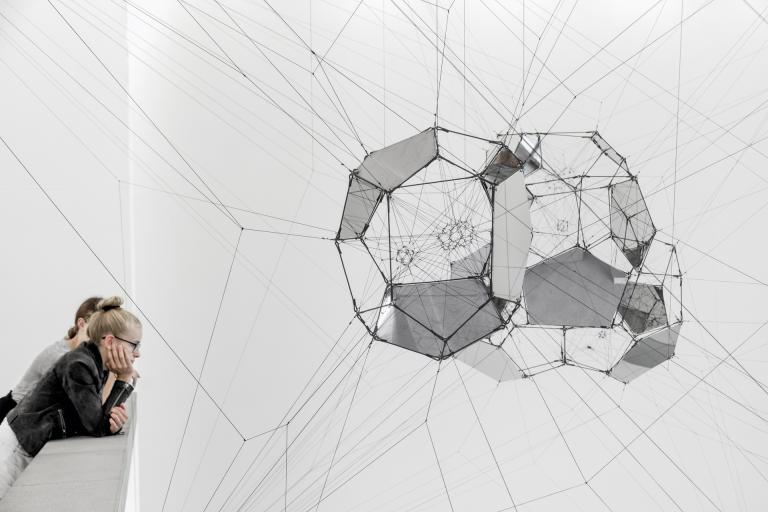
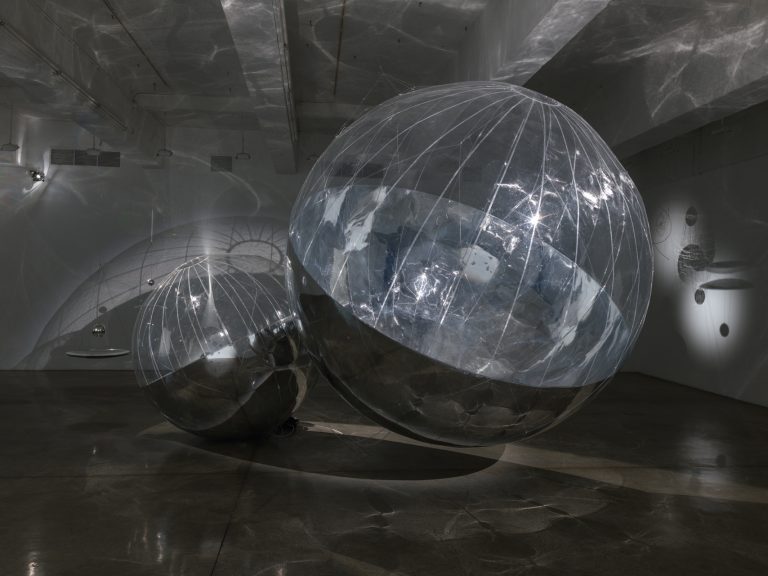
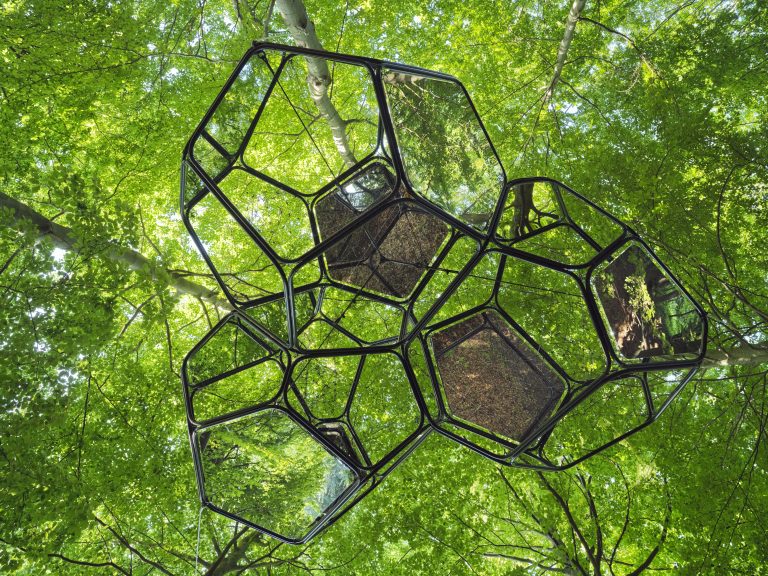
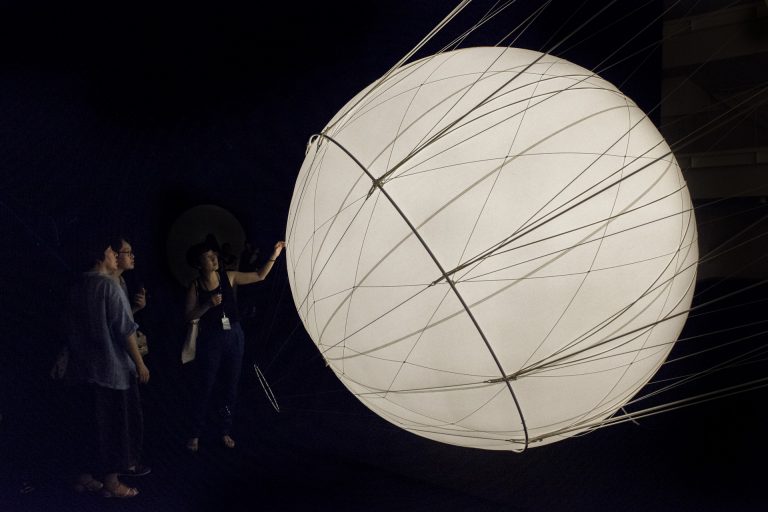
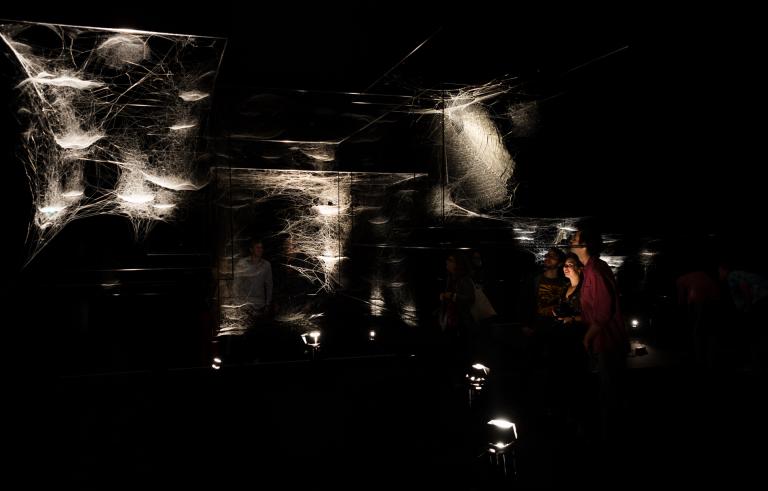
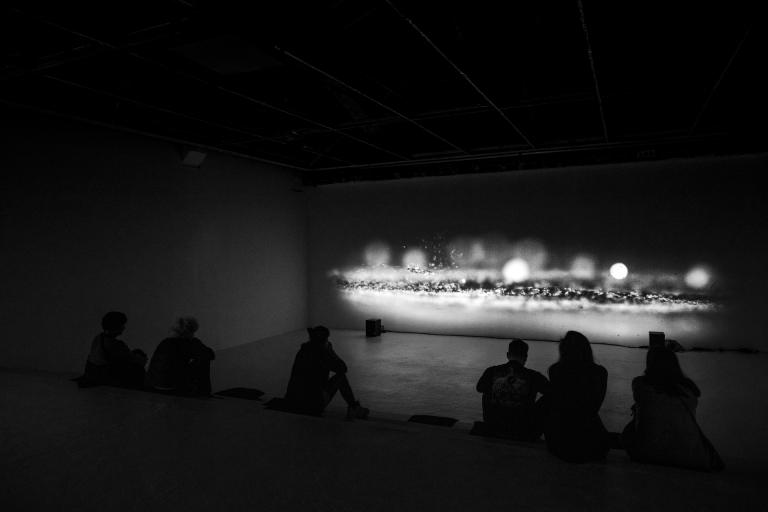
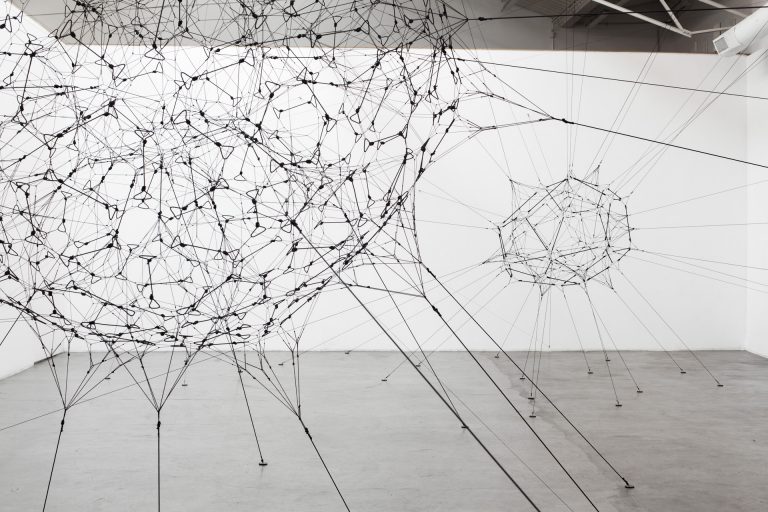
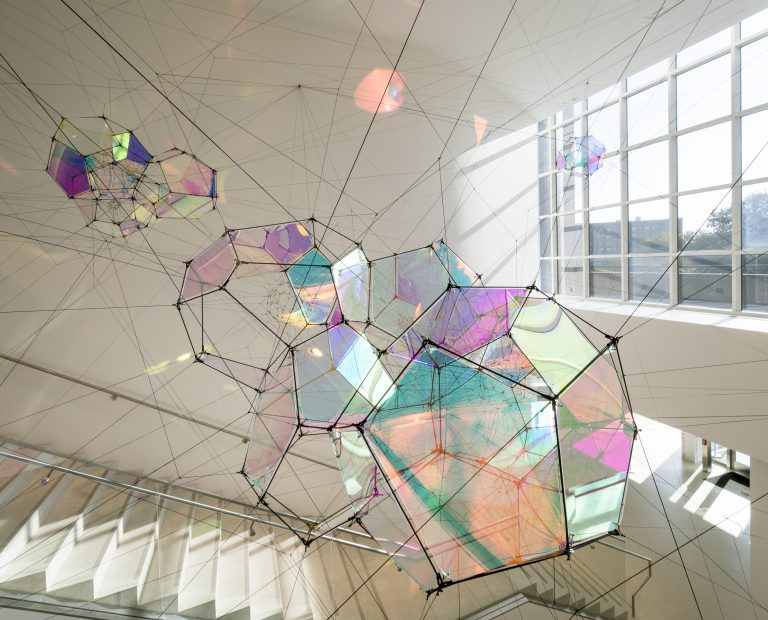
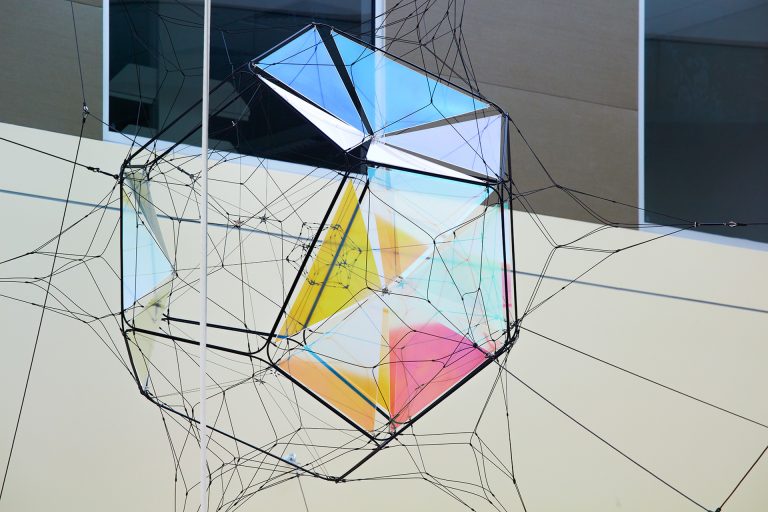
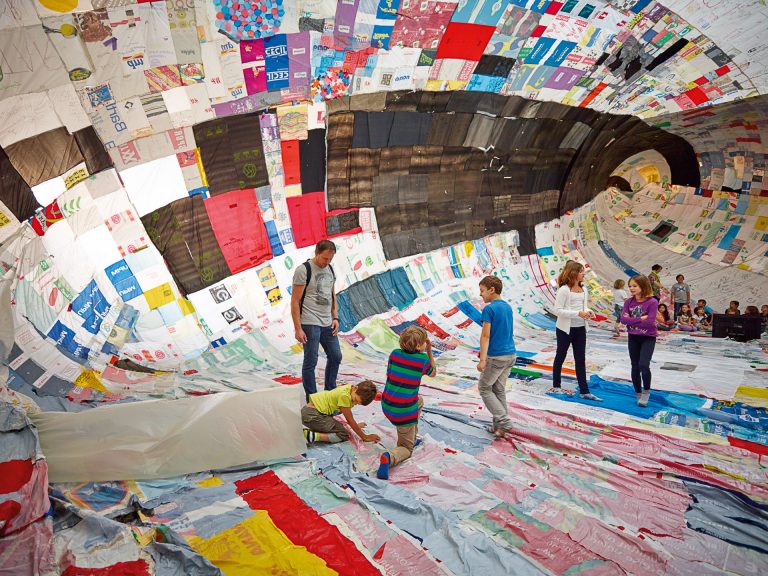
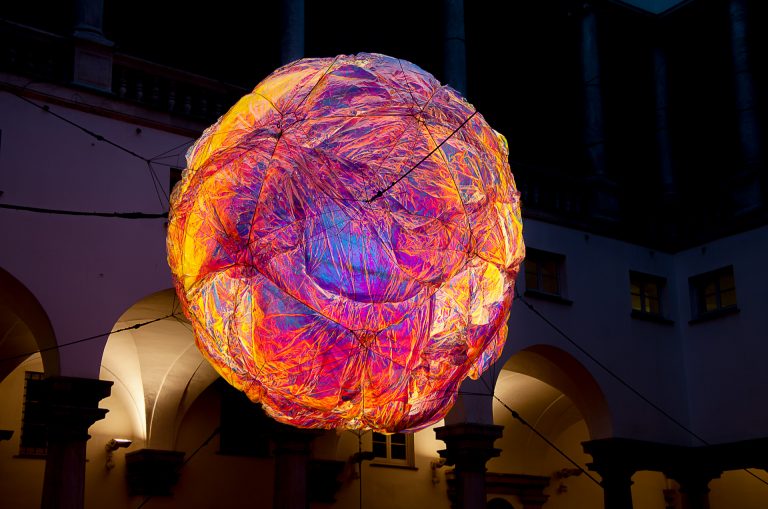
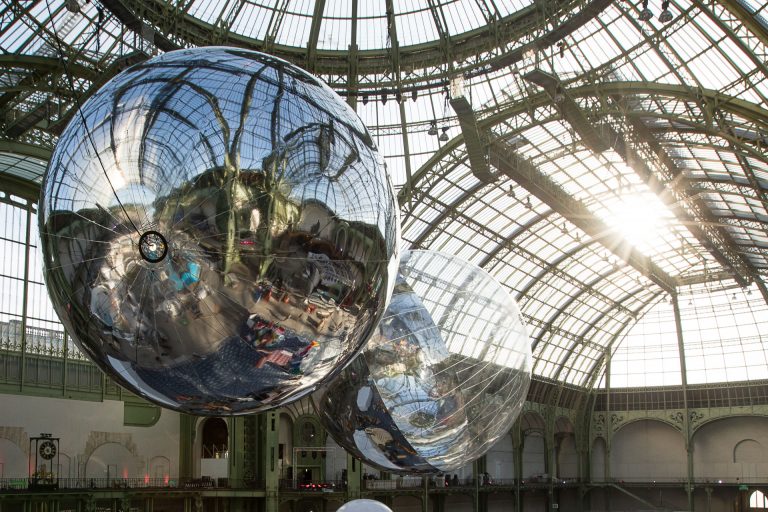
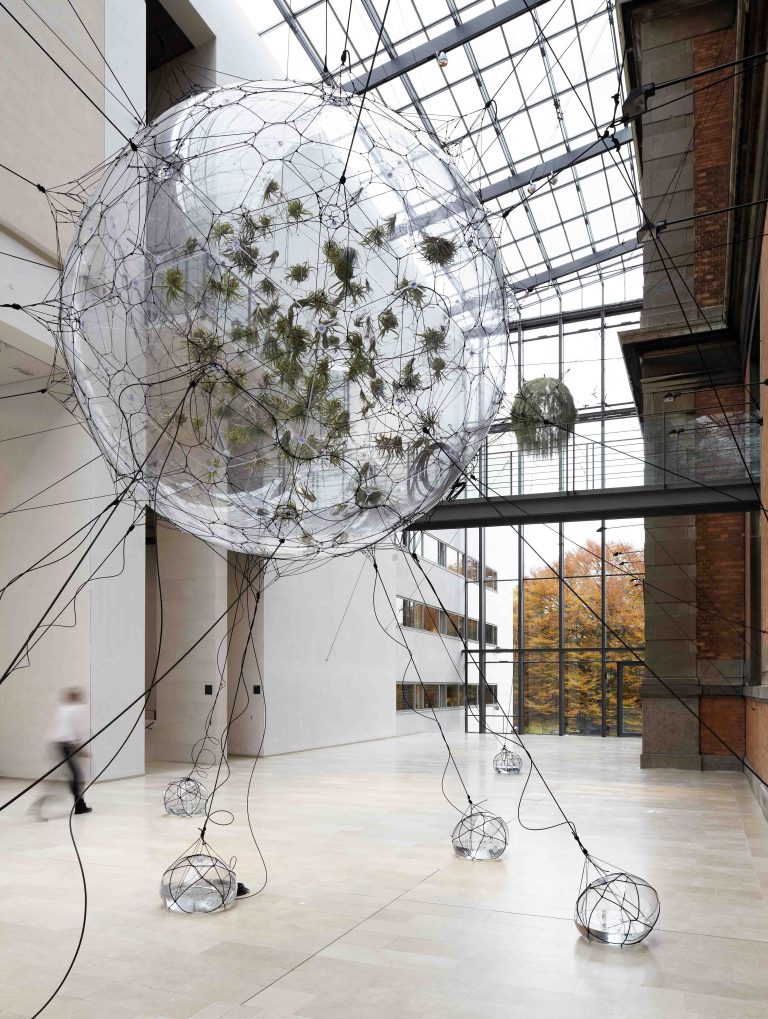
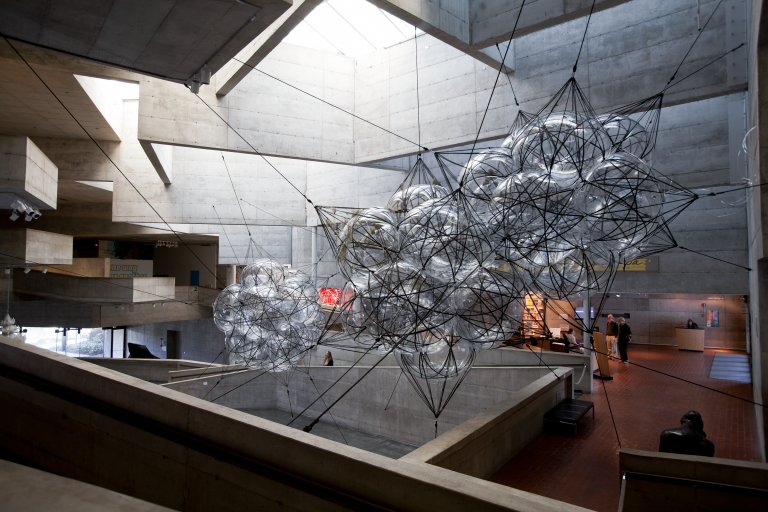
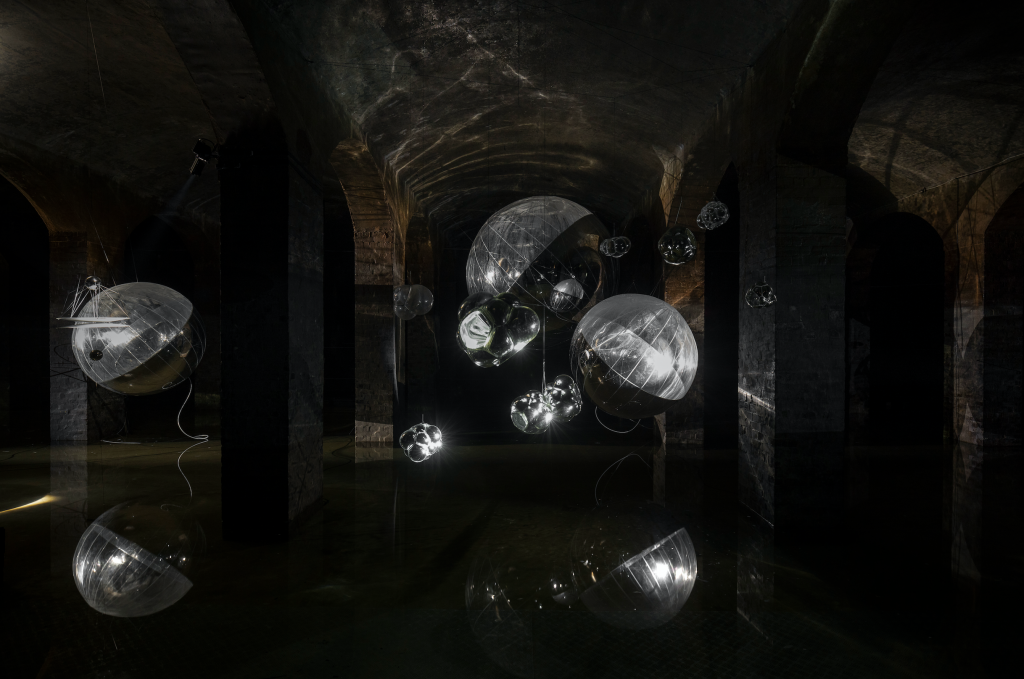
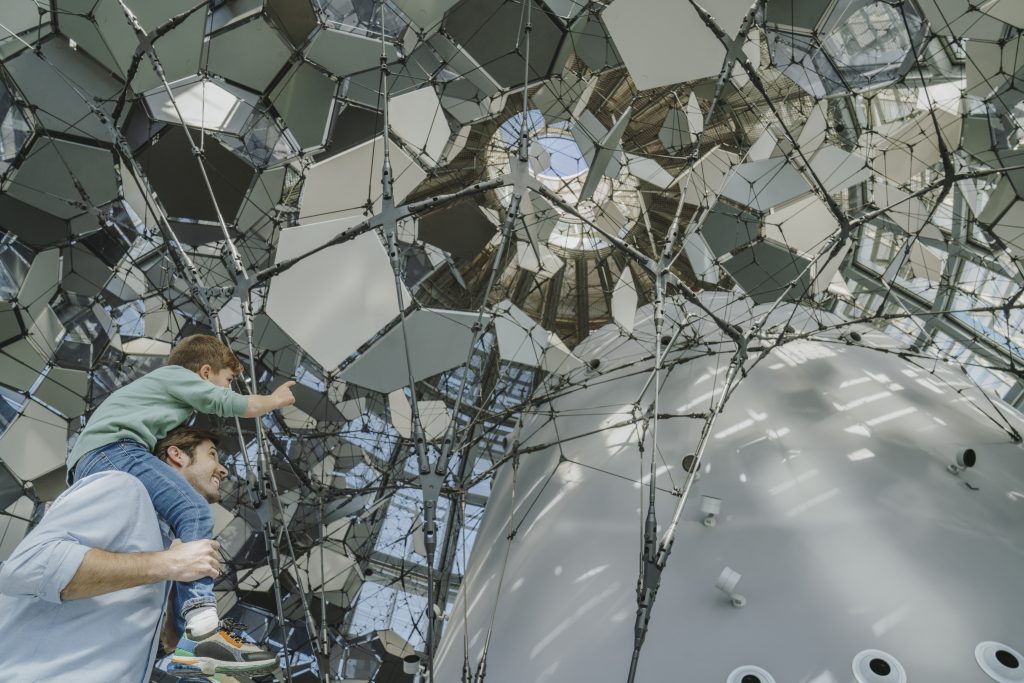
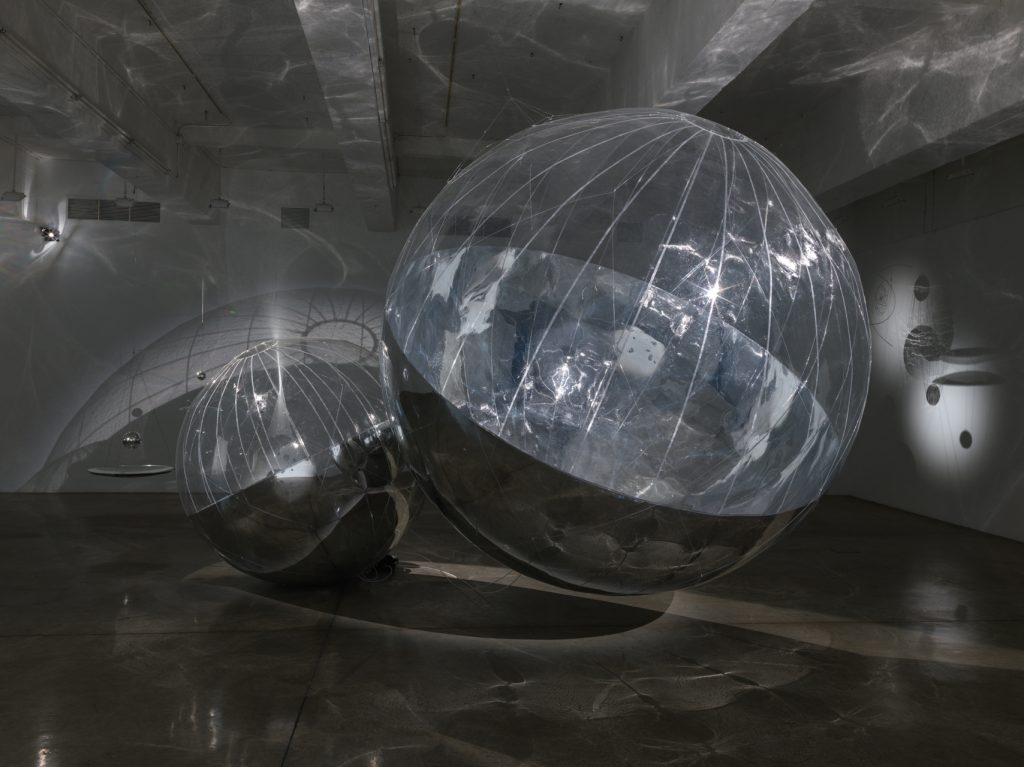
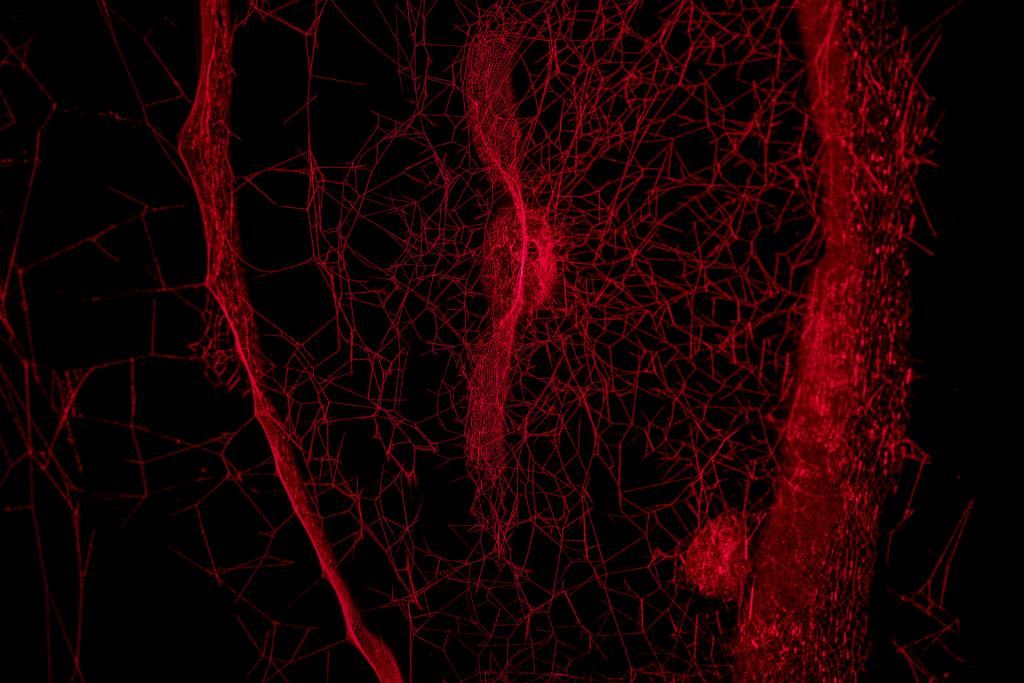
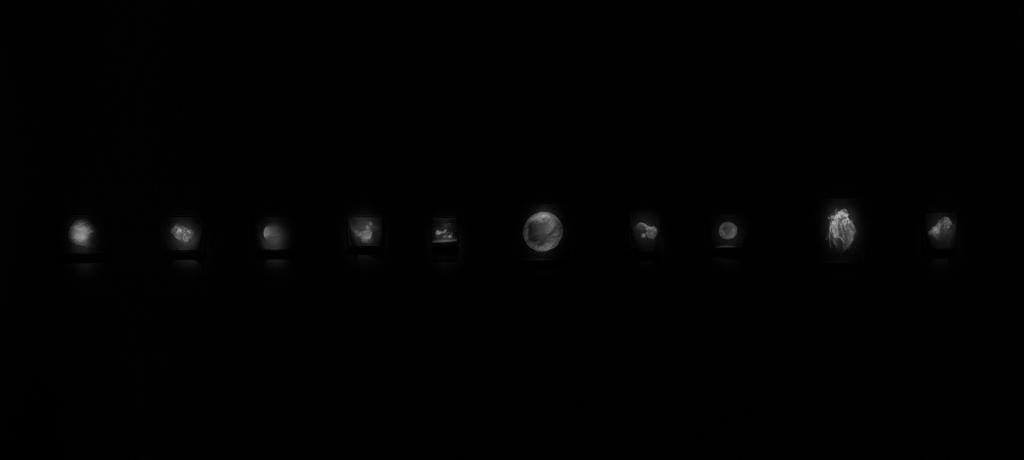
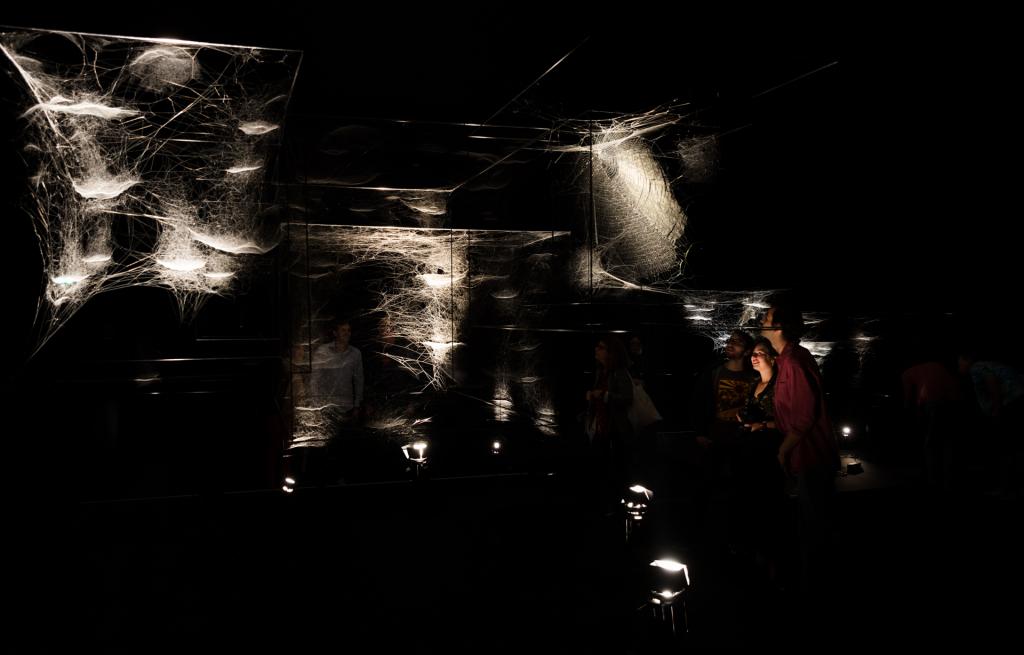
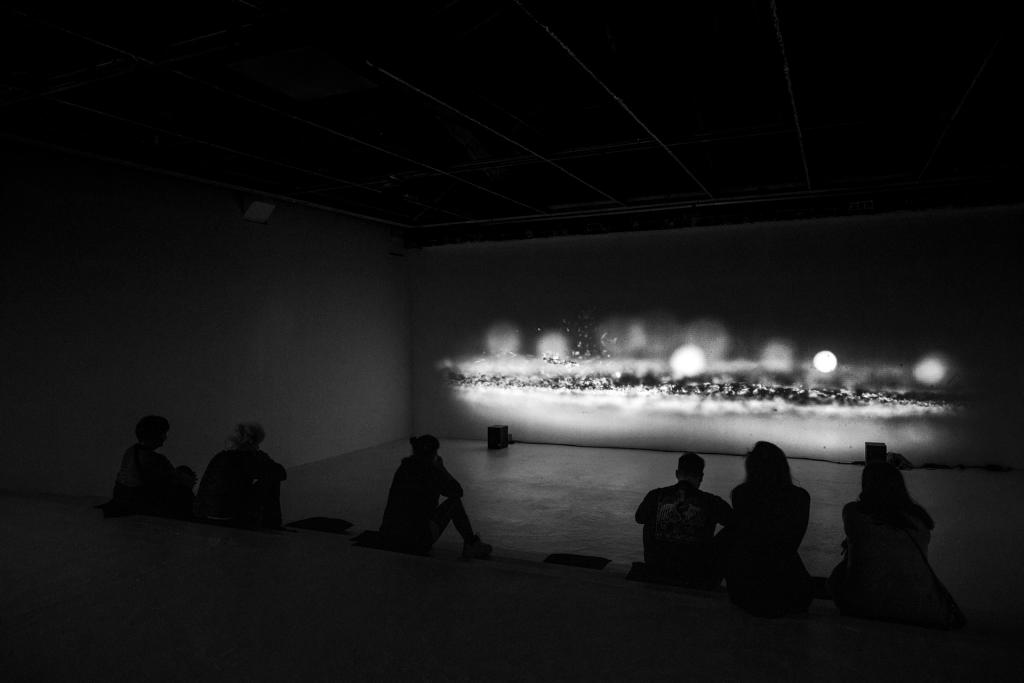
Tomás Saraceno’s contagious curiosity will be on full display at Mona in a major new exhibition, opening 17 December 2022. Oceans of Air is a multi-sensory show, featuring a series of artworks spreading throughout the deepest floor of the museum’s subterranean galleries.
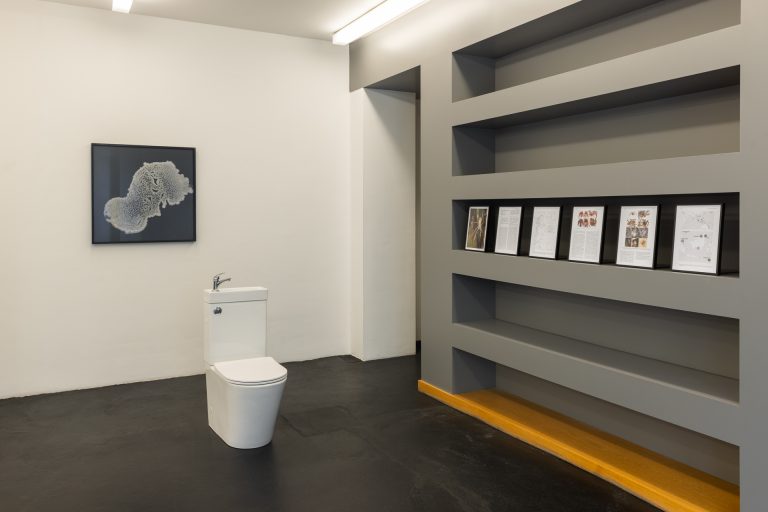
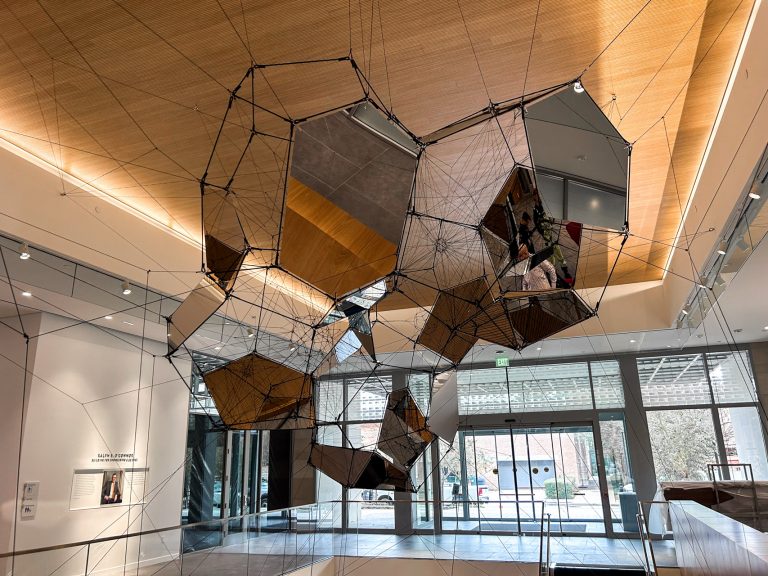
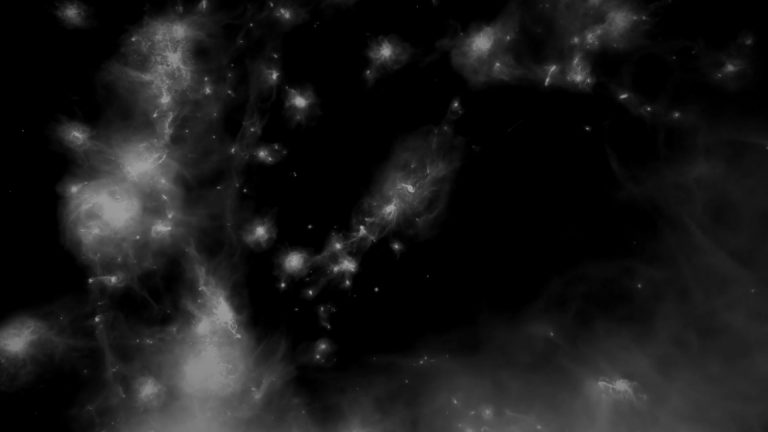
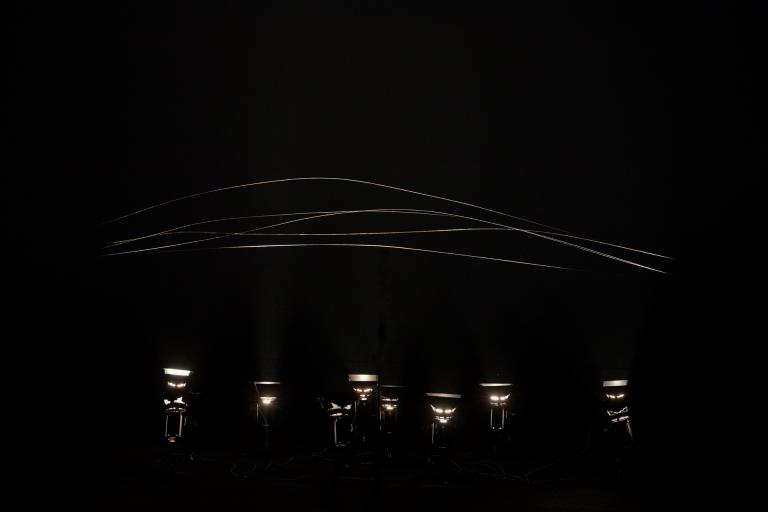
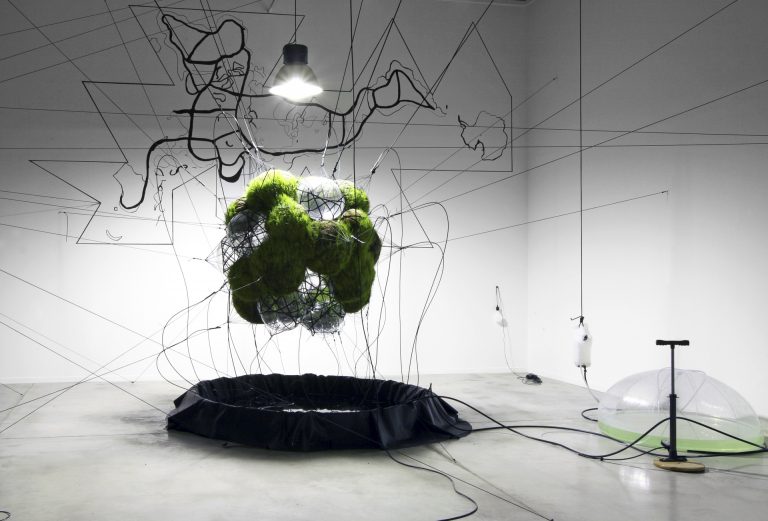
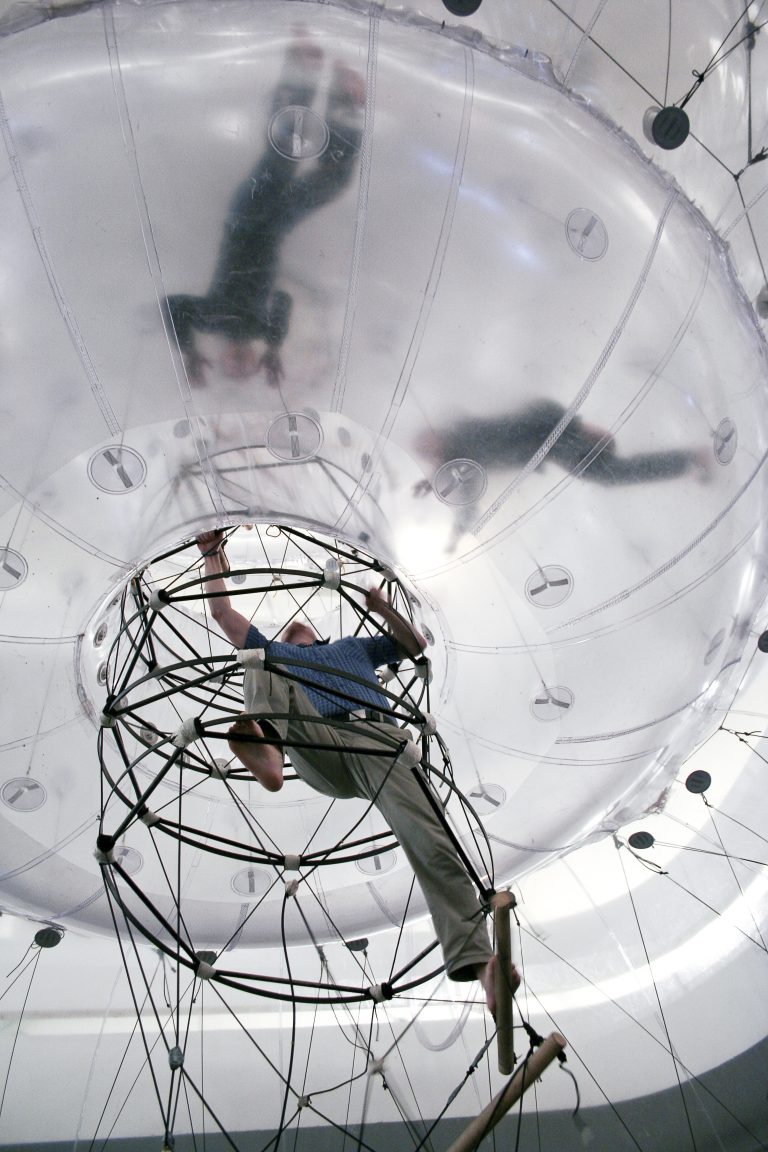
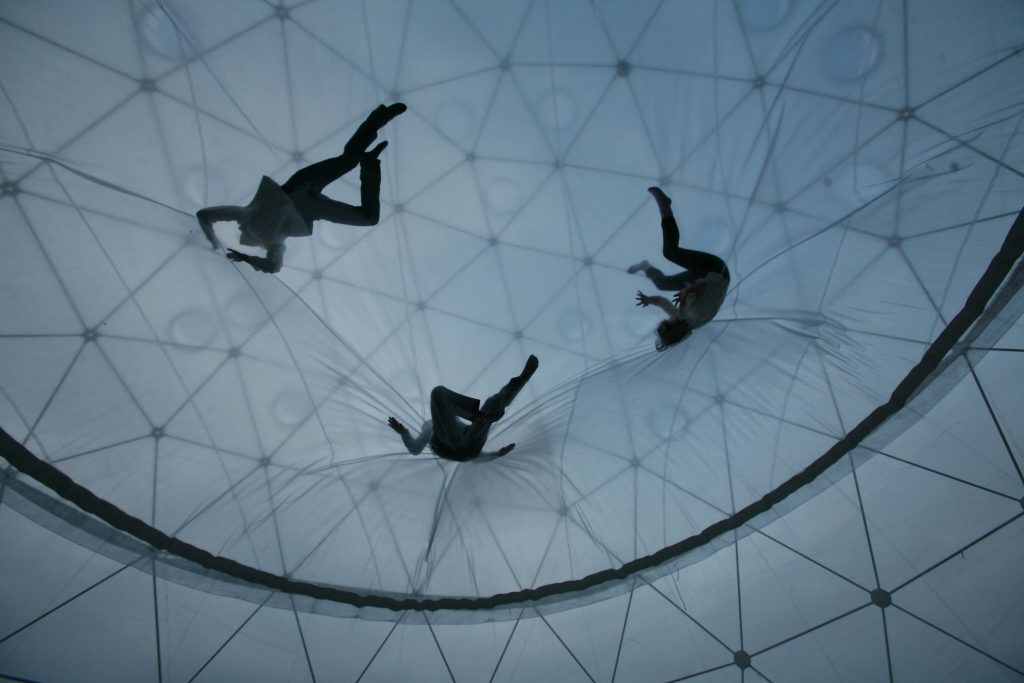
In this exhibition Saraceno presents artworks and community projects, from tiny dust particles to large-scale installations inspired by knowledge systems that are rooted in their location, ecology, communication between species, the fight for climate justice, and more. Oceans of Air includes a selection of existing works and new commissions created specially for Mona, and is a call for environmental action on the Earth, its atmosphere and beyond.
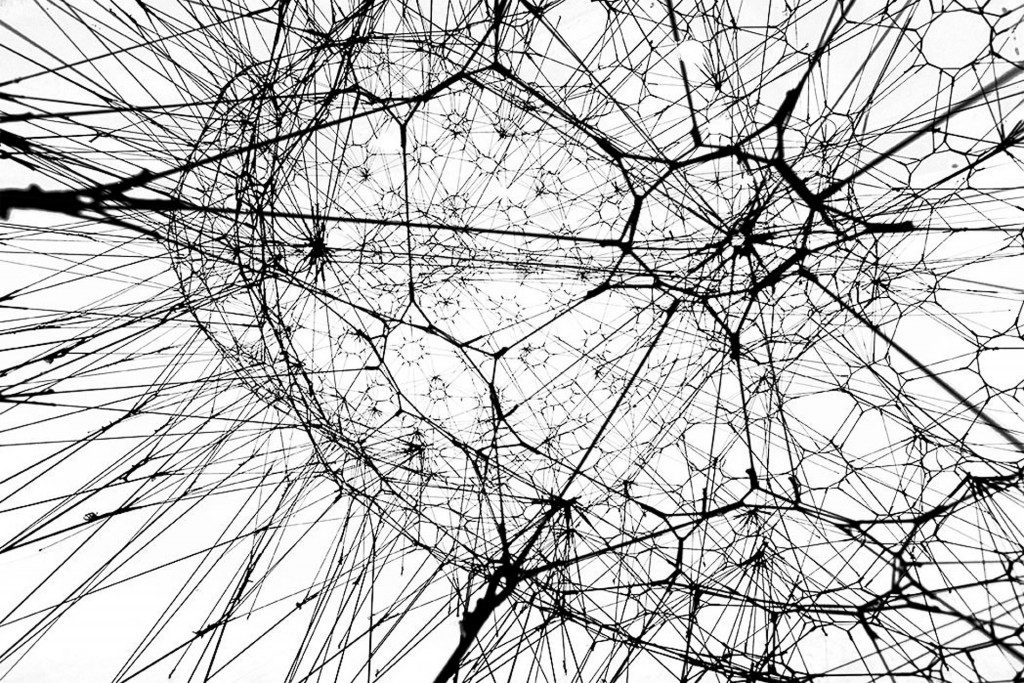
At Mona, Saraceno interweaves many scientific and artistic disciplines in search of shared understanding among the threads and tangles of our world. With air—invisible yet all around us—as a central theme, this exhibition draws from his interdisciplinary approach, revealing the interconnectedness of art, our environment and contemporary life.
Curated by Emma Pike & Olivier Varenne. Exhibition texts by Jane Clark and Luke Hortle.
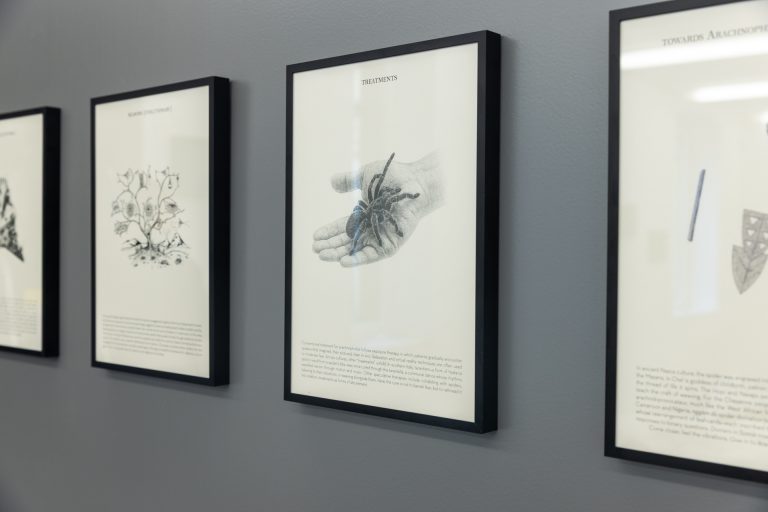
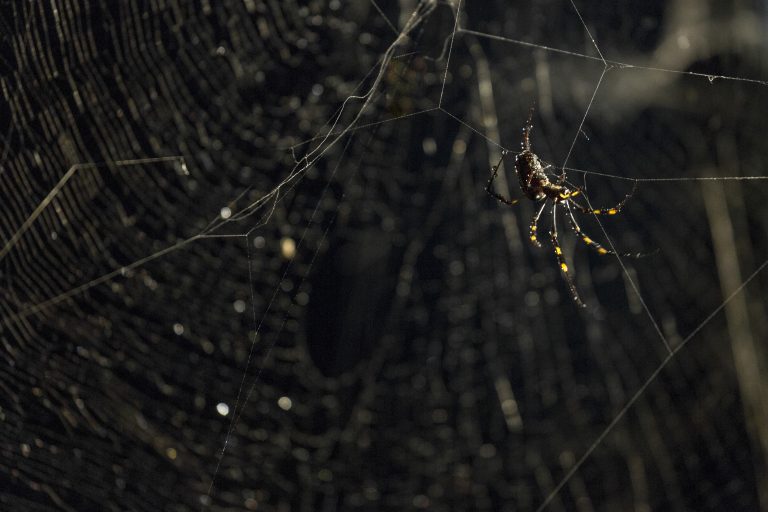
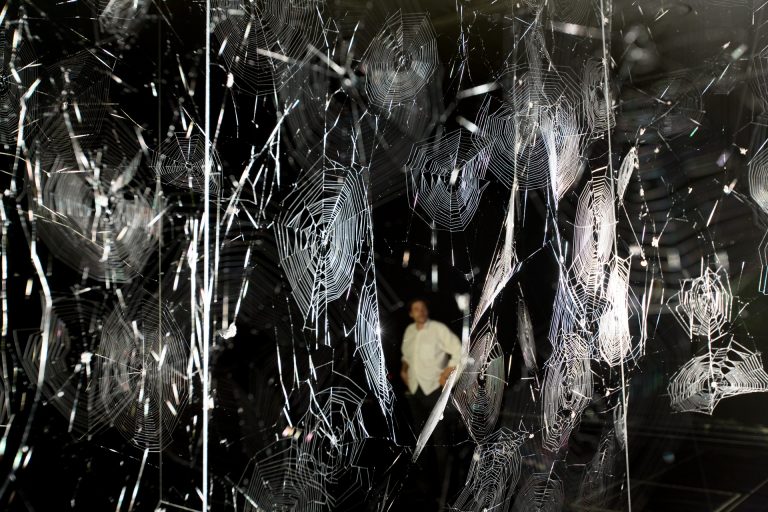
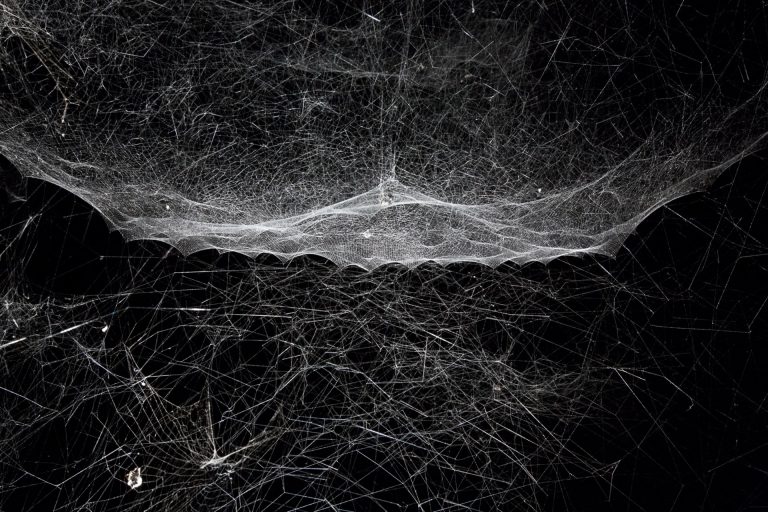
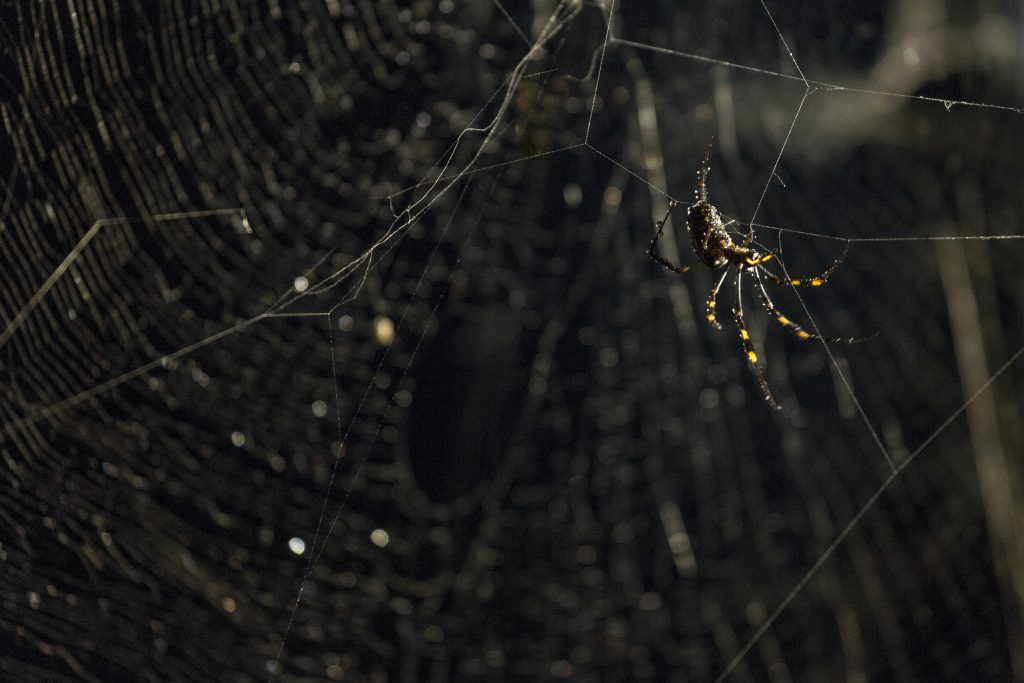
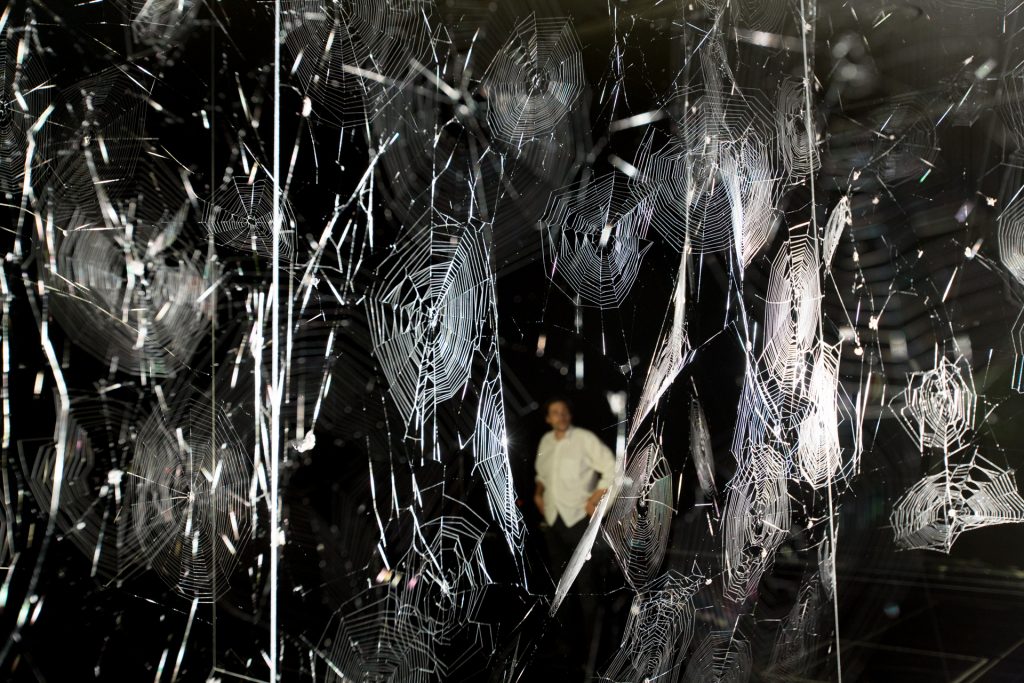
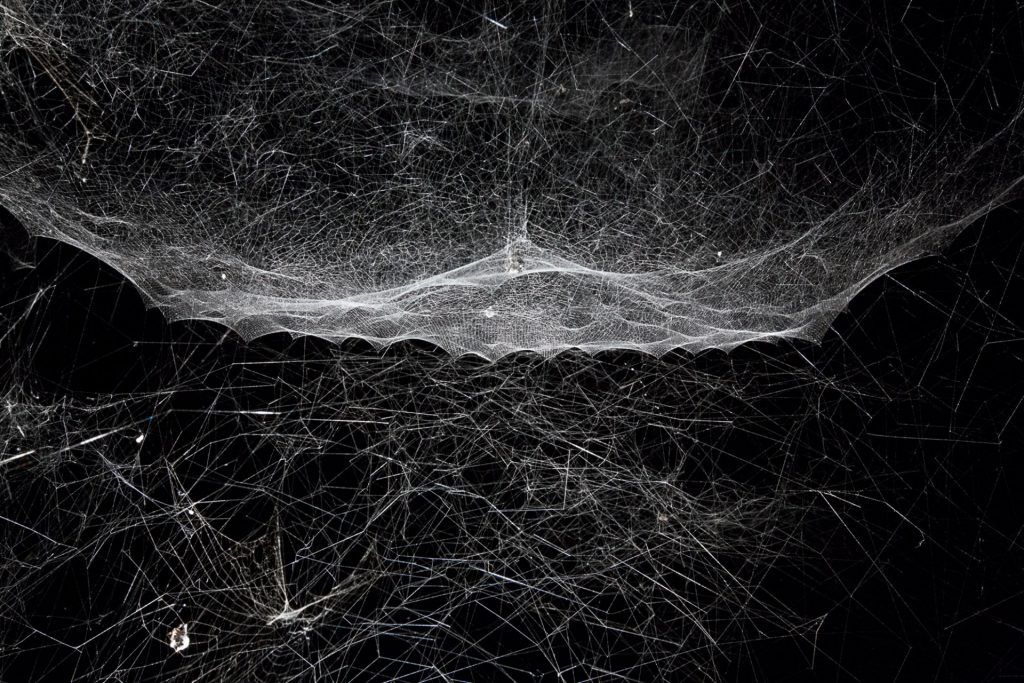
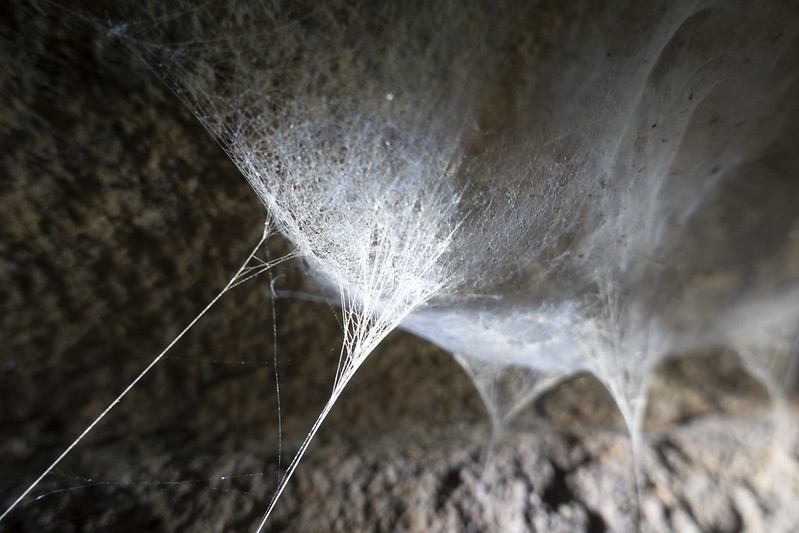
Meeting Atrax robustus and cave spiders/webs, in Australia’s Blue Mountains with Dr. Helen Smith, Dr. Jonas Wollf and Tomás Saraceno in 2018, friends of Arachnophilia.
Photography by Studio Tomás Saraceno.
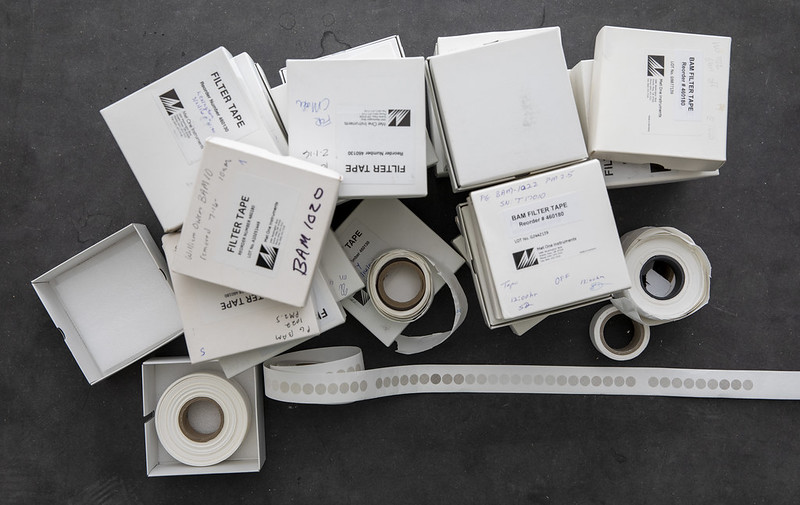
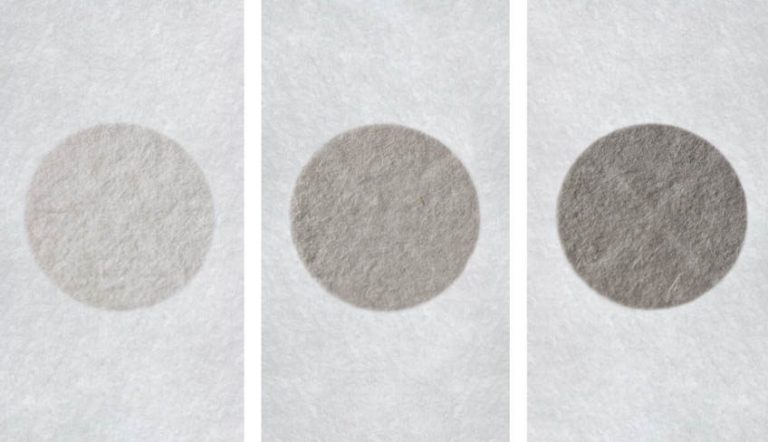
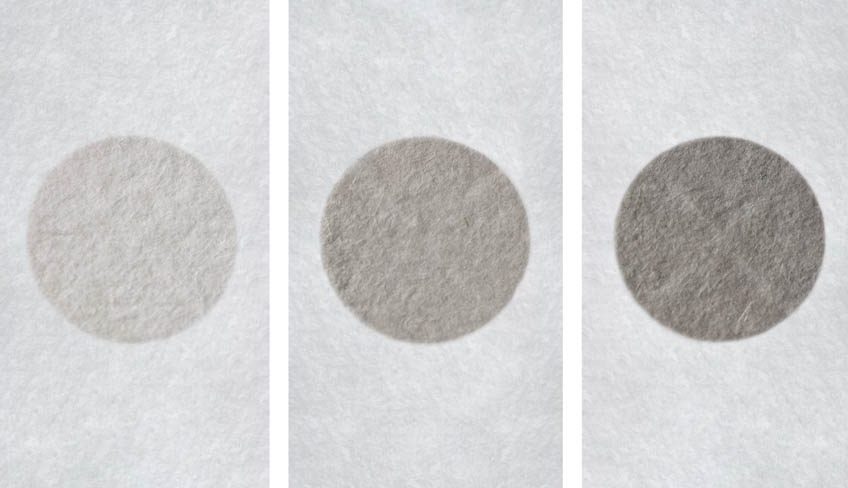
BAM pollution monitoring tape from Australia for We do not all breathe the same air, 2018 – ongoing
Photography by Studio Tomás Saraceno.
“First and foremost, Tomás is a collector of perspectives, looking at the world through many eyes. He is as invested in the conversations which form the foundation of his works as he is in their astonishing outcomes. As a recovering arachnophobe, I have Tomás’s gentle and beautiful interspecies collaborations to thank for reminding me of my own connectedness, from pollution particles to sound waves to the cosmos..”
– Emma Pike, Mona Senior Curator
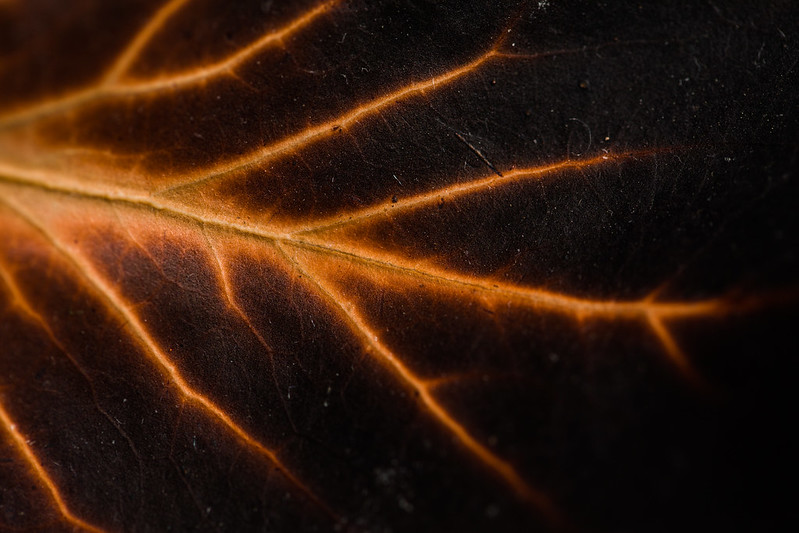
Leaf, Leaves, Life, Lives
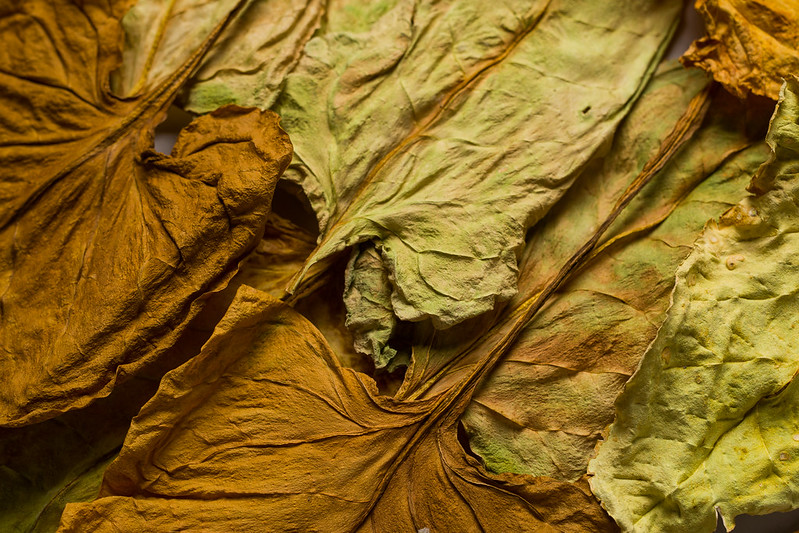
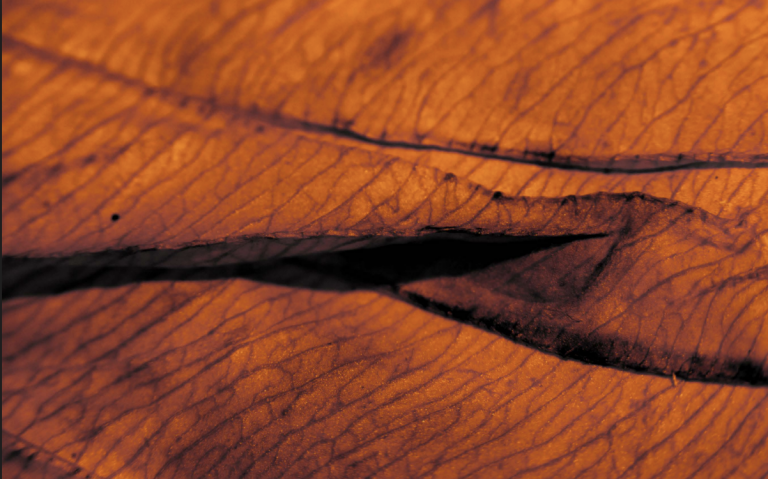
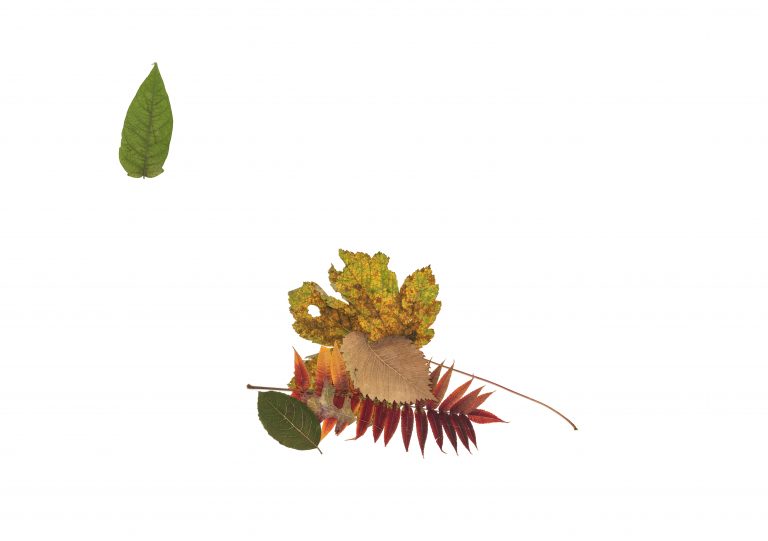
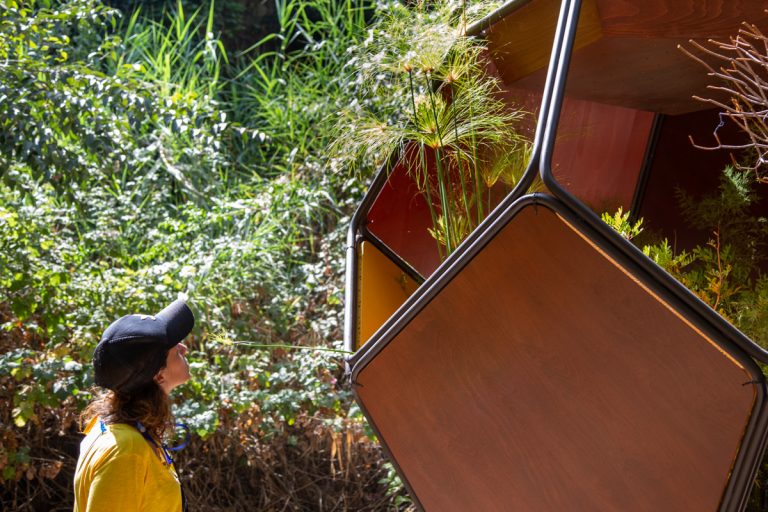
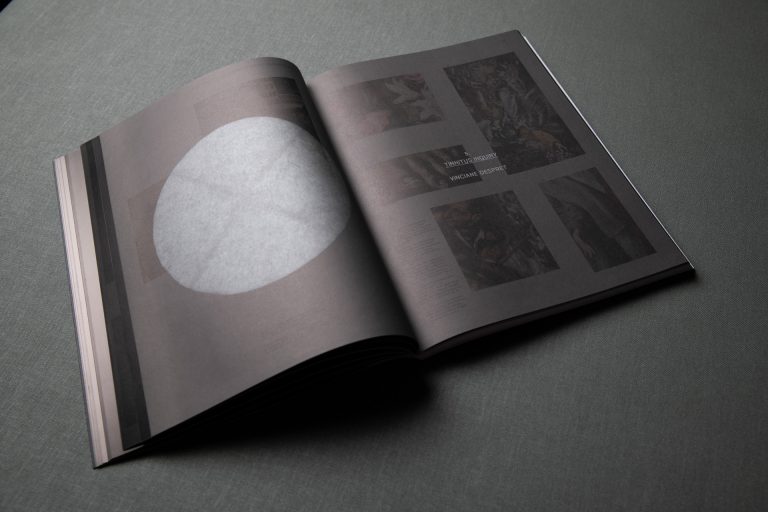
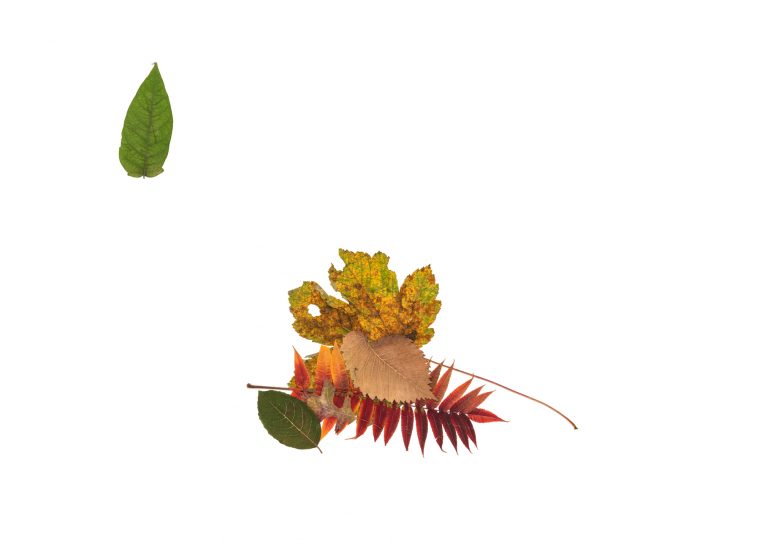
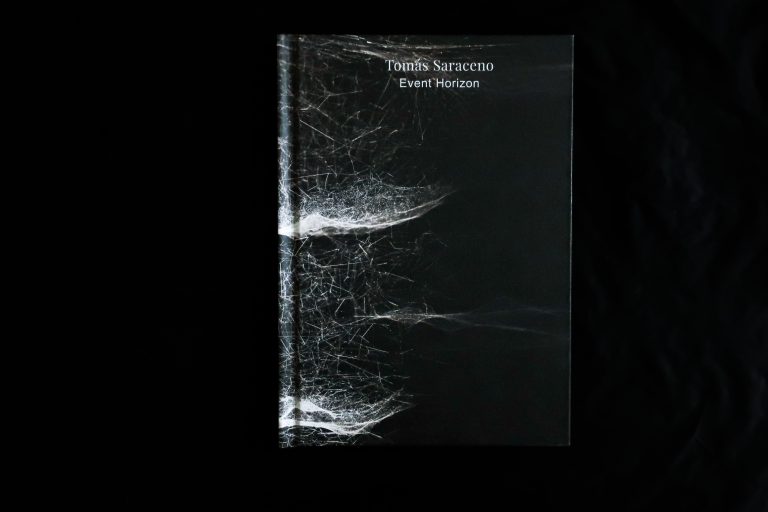
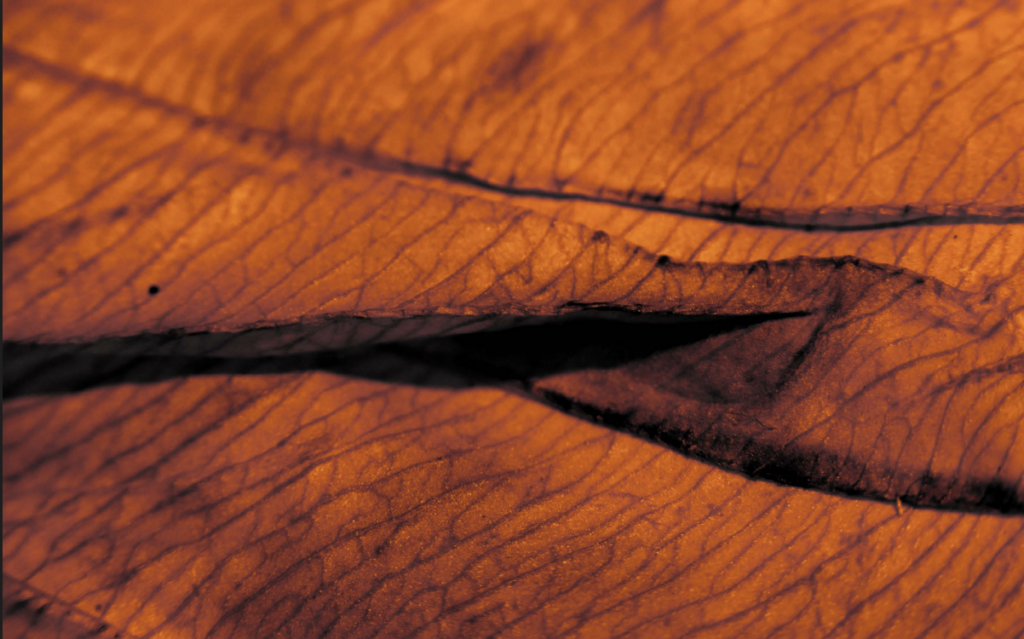
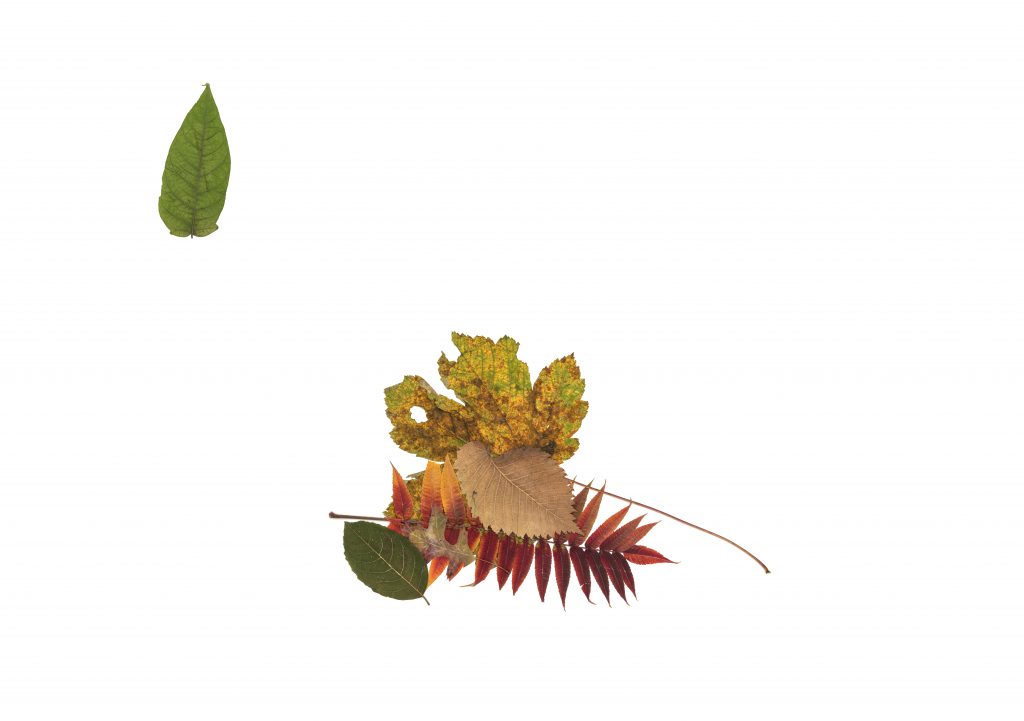
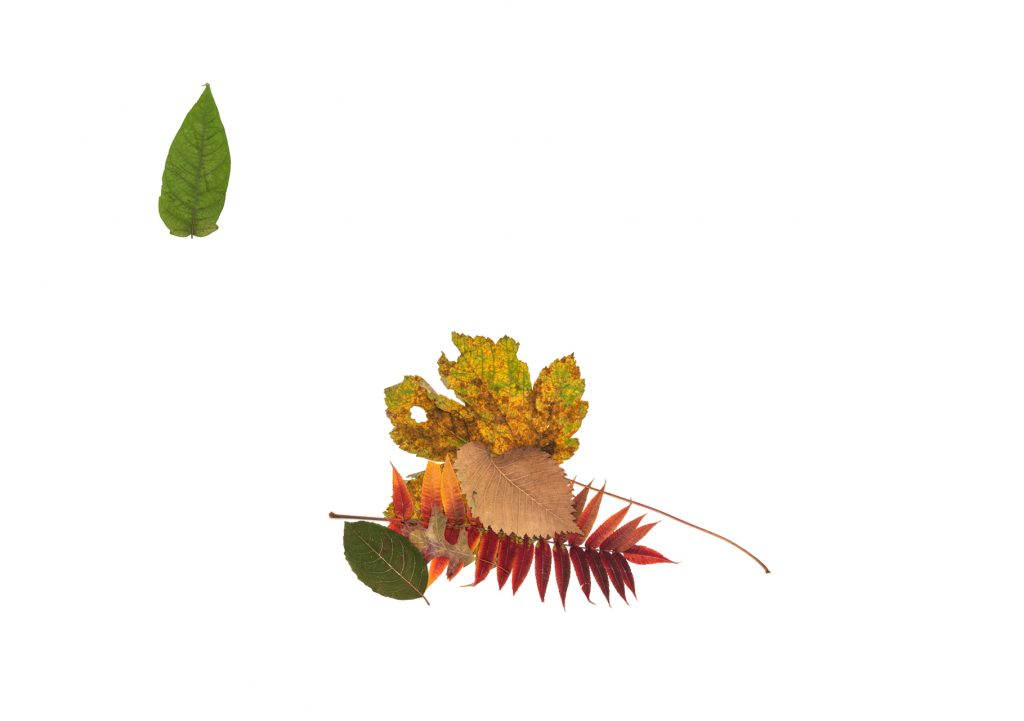
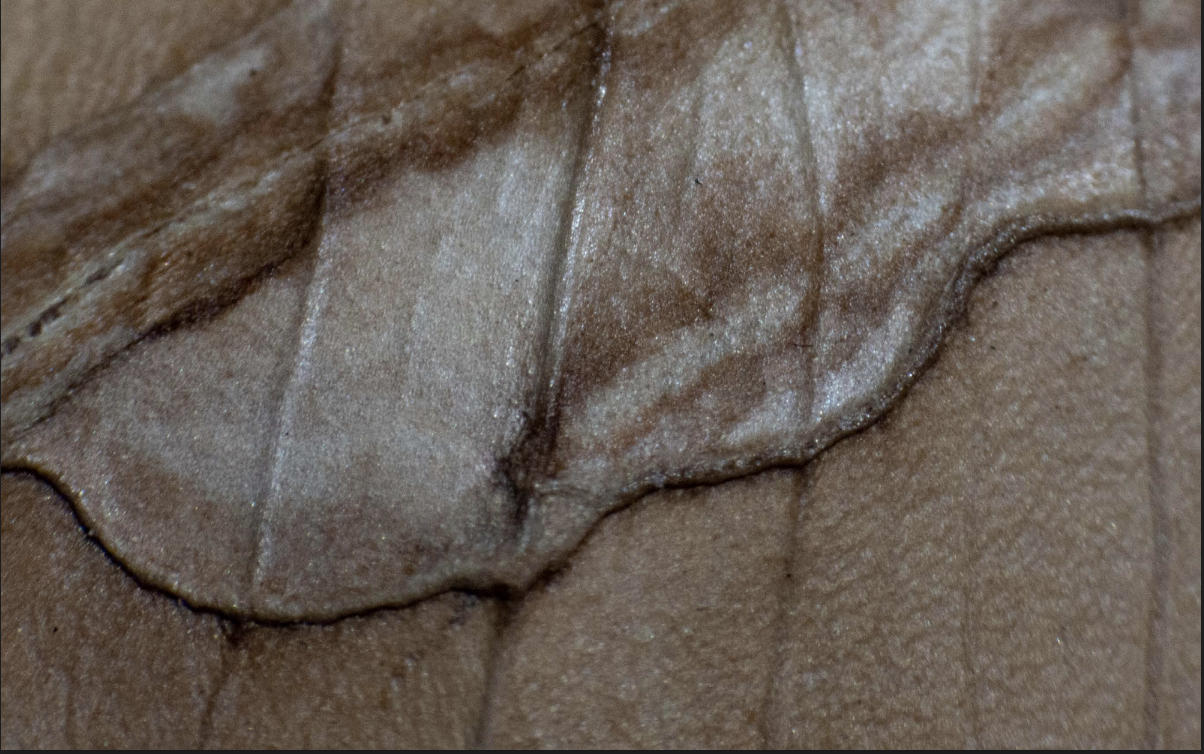
A new lutruwita / Tasmania-specific commission has been created from plant specimens gathered from sites around nipaluna / Hobart, including cultural burning locations, places that have been burnt by bushfires and hazard-reduction efforts, and Mona’s grounds. These herbarium diptych works are the focus of a new publication from Mona and Saraceno, featuring a collection of perspectives from writers, scientists and thinkers about plant life and the relationships that different cultures have built with nature throughout history.
When Tomás Saraceno first came to lutruwita/Tasmania, he was struck by how clearly its plant life reflects the intersecting of colonial with Aboriginal histories. Native and introduced plants are now entangled with one another, he says, their relationship reflecting an almost 250-year-old story of conquest, displacement and disruption. Aboriginal people had lived for some 40,000 years in lutruwita before Europeans settled, built and farmed on their land.
In Tasmania, there is only one native deciduous tree or shrub, Nothofagus gunnii, also known as the tanglefoot beech or ‘The Fagus’, and it’s restricted to mountainous wilderness. As botanist Greg Jordan explains, extinct relatives of this Fagus once grew across the supercontinent Gondwana and it has survived to evolve in the ancient, wet, open, fire-free mountains of western Tasmania through tens of millions of years, while the areas around have become drier and more fire-prone. In preparing this new work, as he learned more about the Australian environment, Saraceno moved from his previous European focus on seasonal cycles to an interest in the effects on different vegetations of sunlight and heat and of fire or its absence. How do shapes and textures change, as well as colouring? How, he asks, might we perceive the chemical threads that silently bind the web of life? He is especially interested in the different effects between out-of-control bushfires, intensified by drought, and carefully orchestrated cultural burning by Pakana custodians of Country.
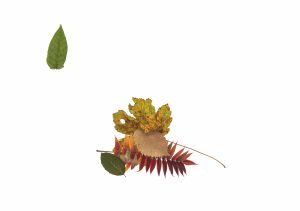
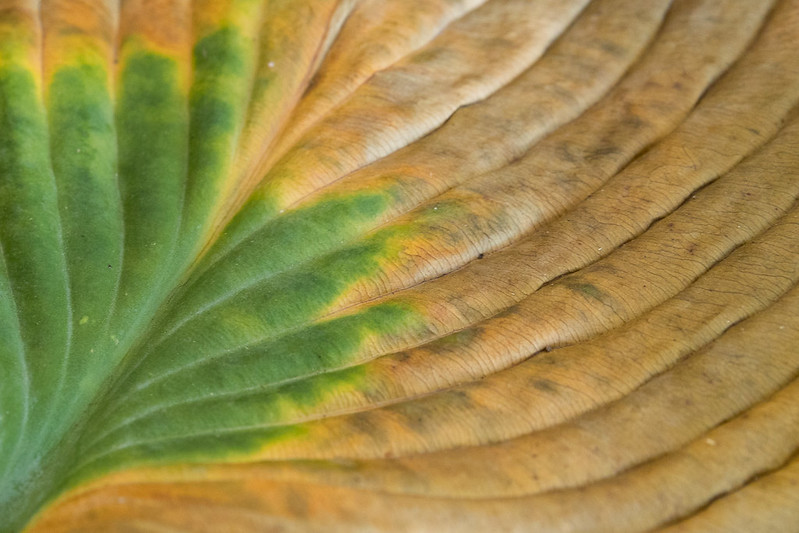
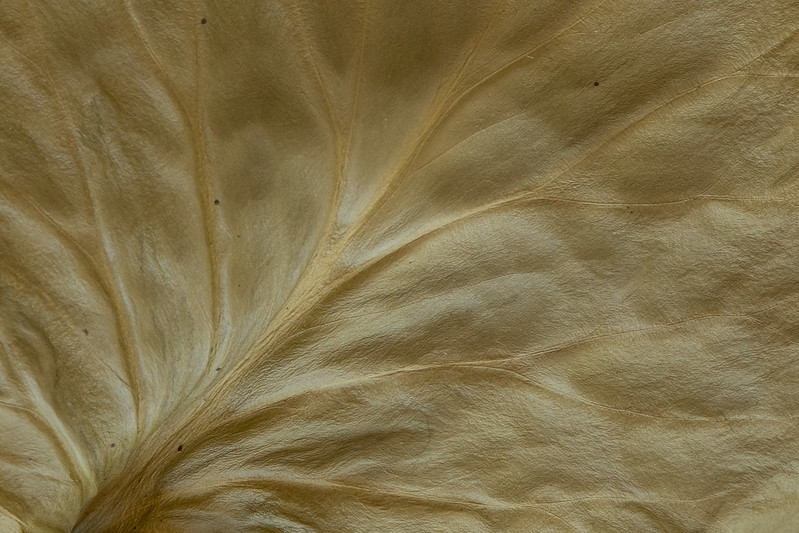
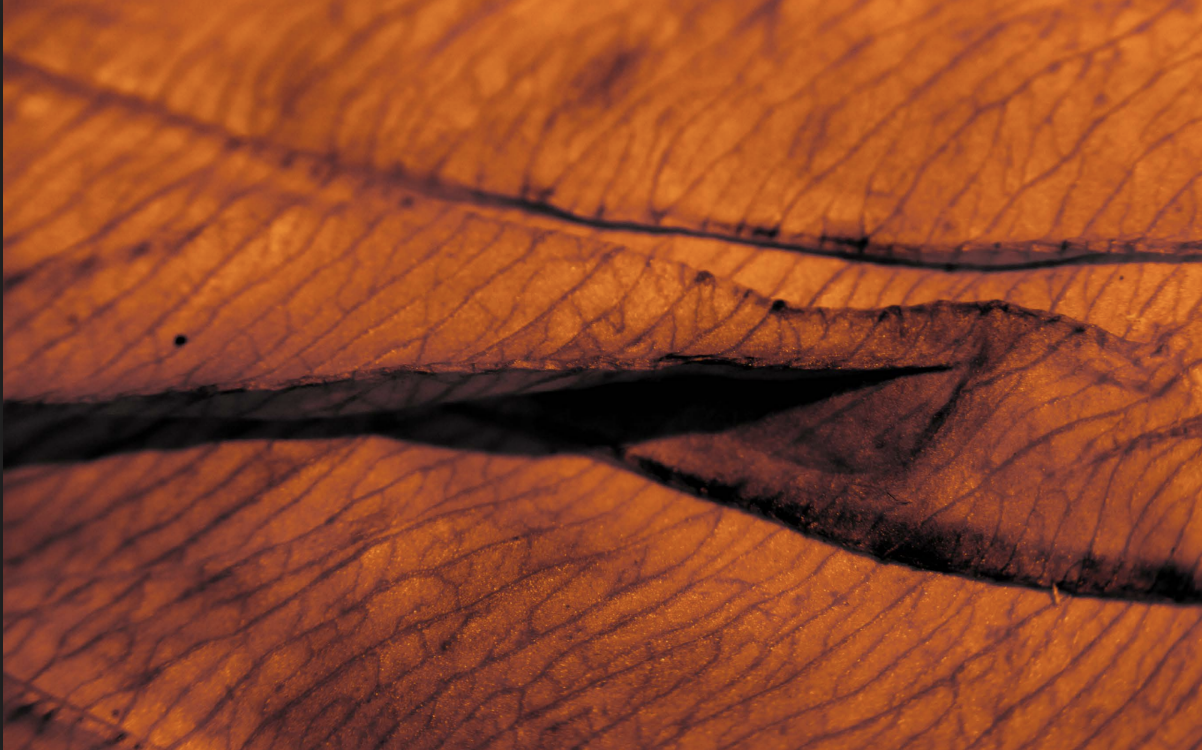
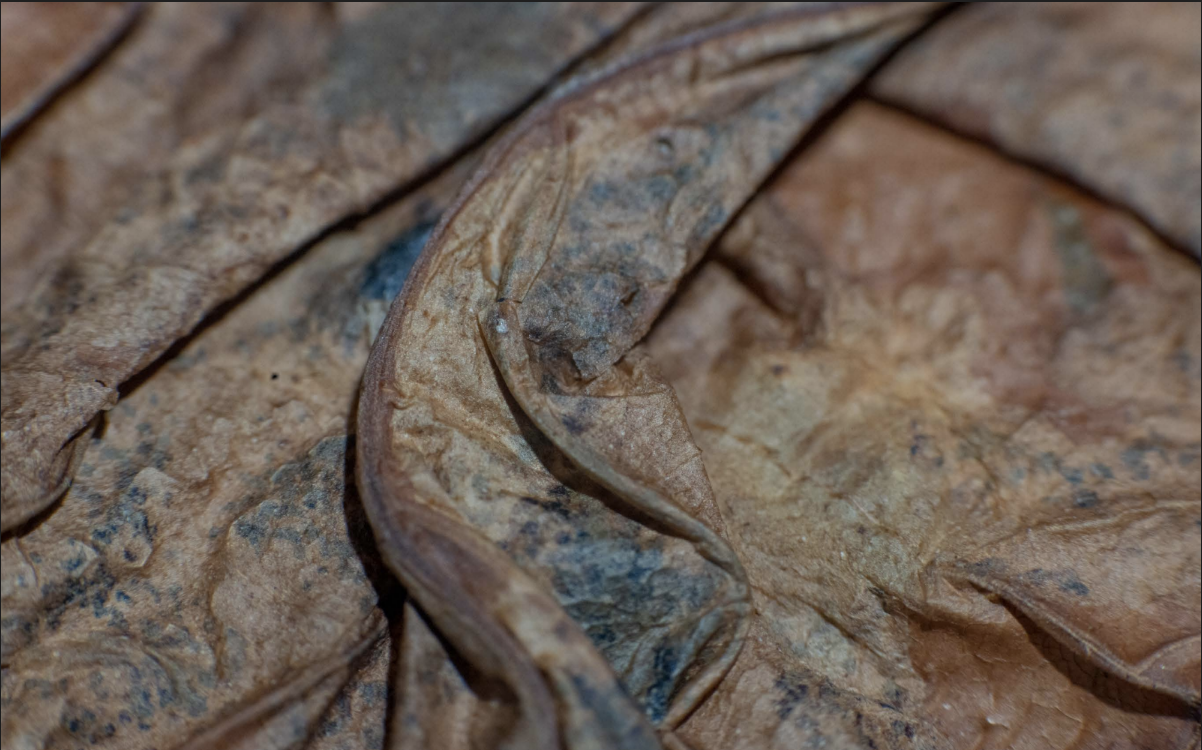
Unfolding across six panels of foliage, you can see delicate crinkle-cut leaves from Nothofagus gunnii, alongside those of both native and introduced plants collected in the grounds of Mona and further afield in lutruwita. There are leaves burned by intense fires and by slow fires. Leaves pressed like botanists’ specimens, others picked and dried, still others fallen naturally from the plant.
How do natural vegetal pigments behave under varying conditions—sometimes catastrophic—and now inside a museum? How will the leaves you see here alter over time? What do living organisms tell us when we pay them close attention? Emma Pike, curator of Saraceno’s exhibition at Mona, believes that being here in Tasmania took his ongoing projects with leaves and flowers down unexpected pathways and may be just the start of a new body of work.
Works exhibited as part of Oceans of Air are made from
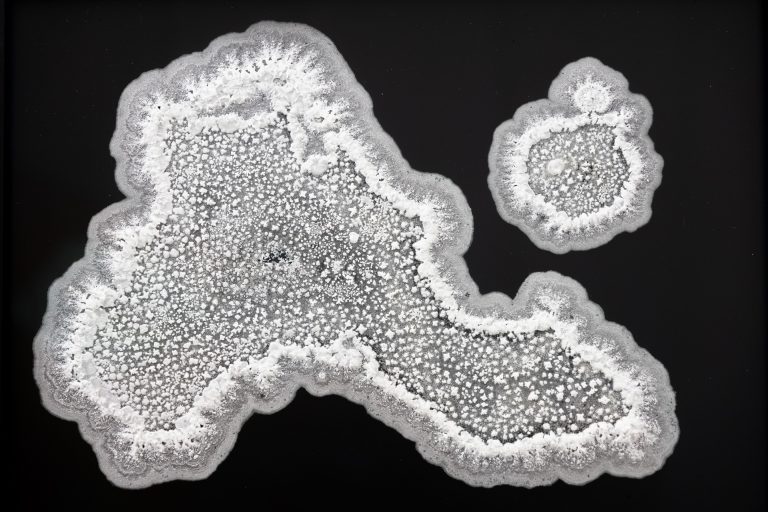
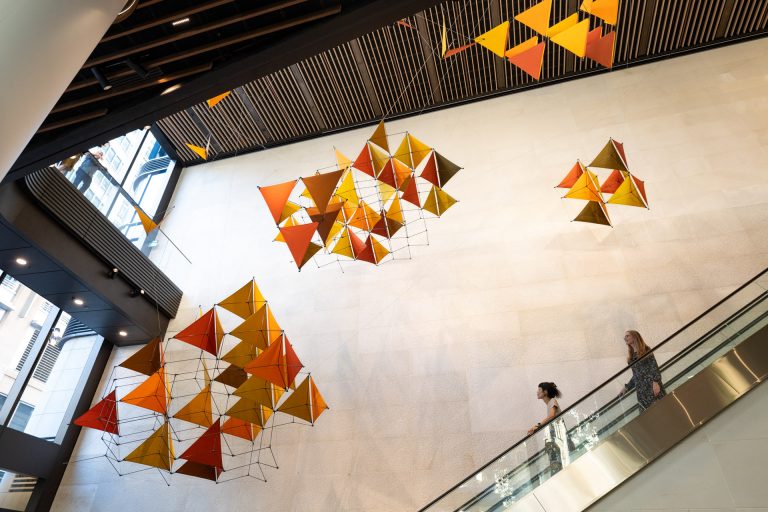
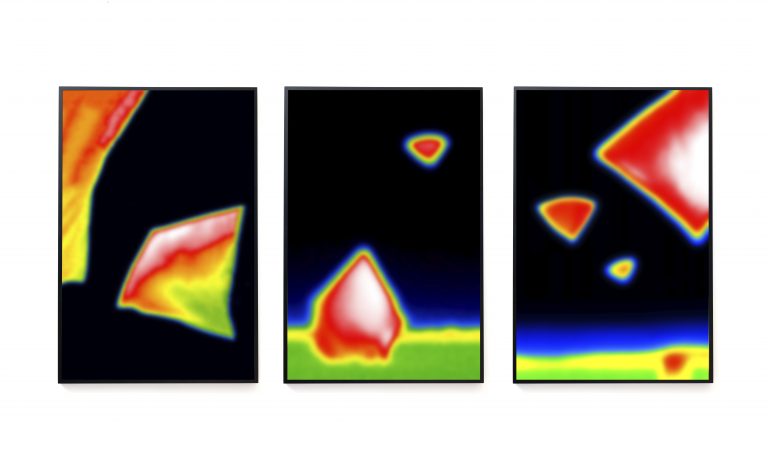
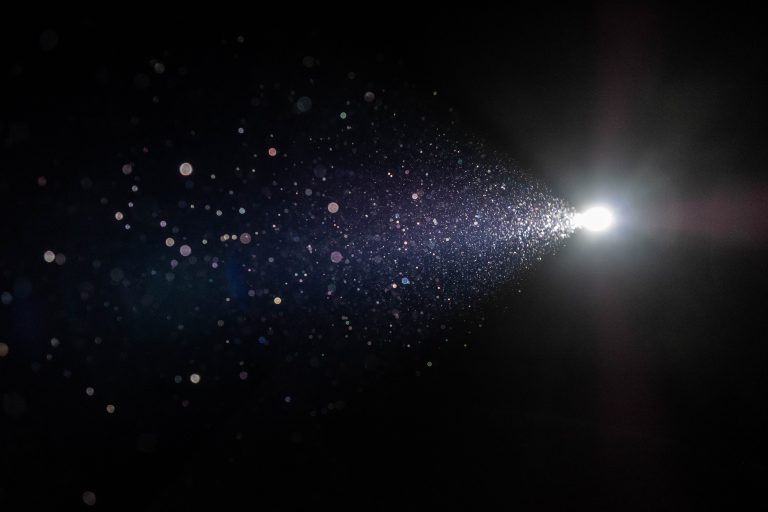
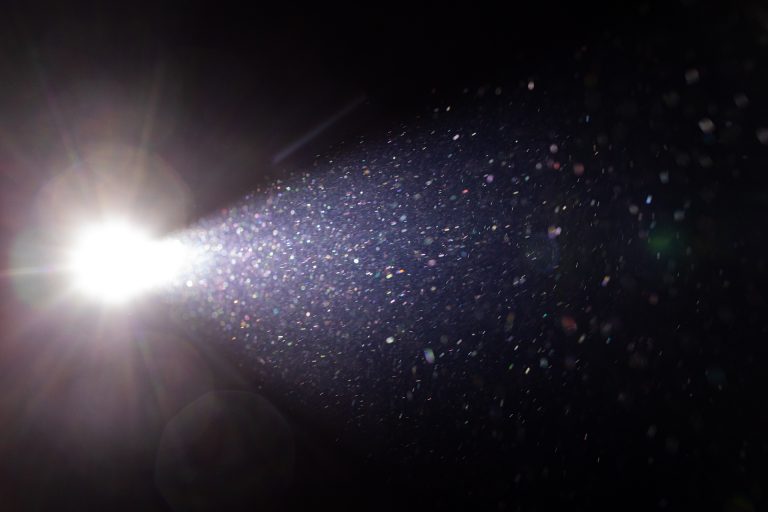
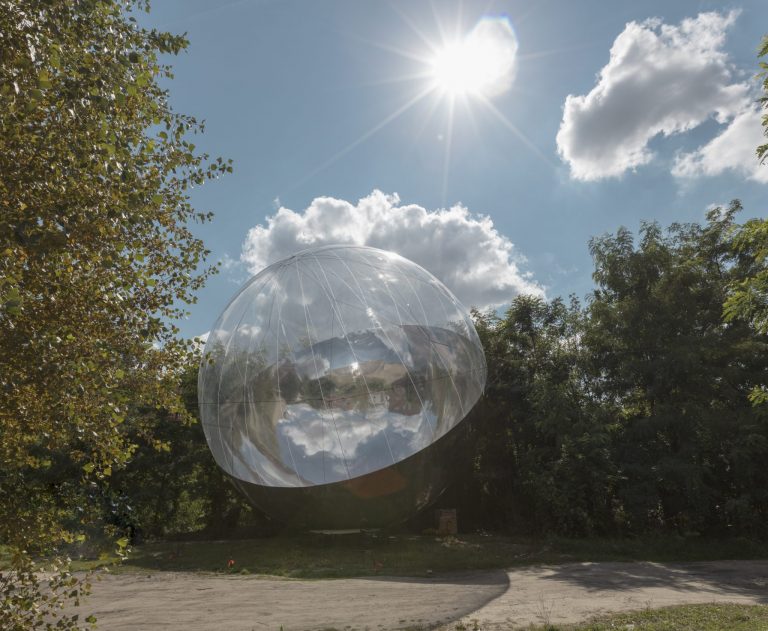
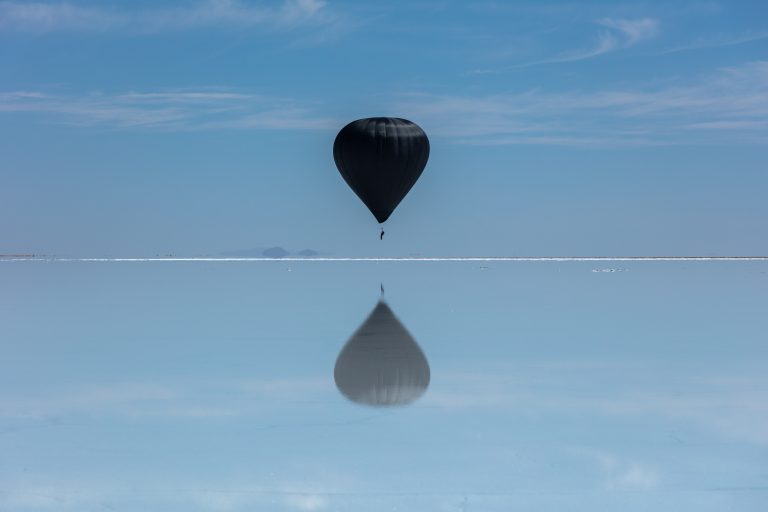
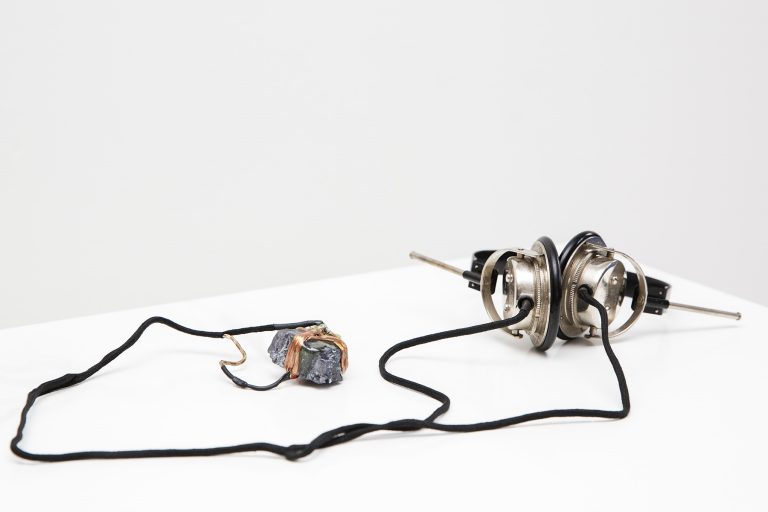
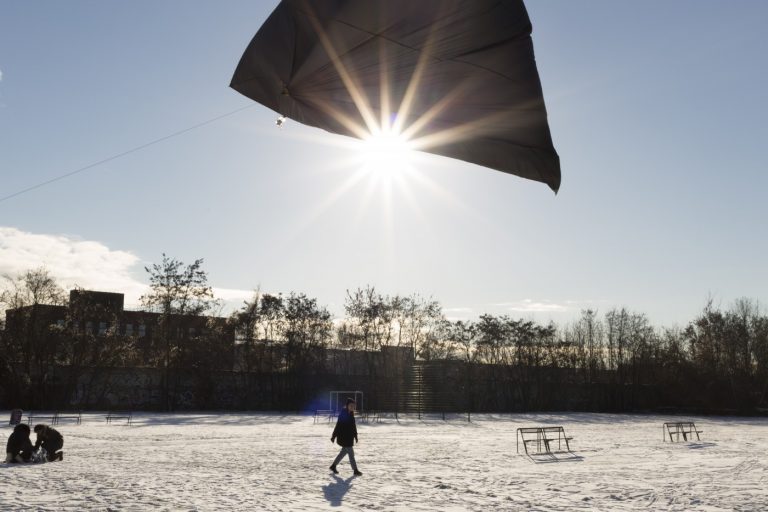
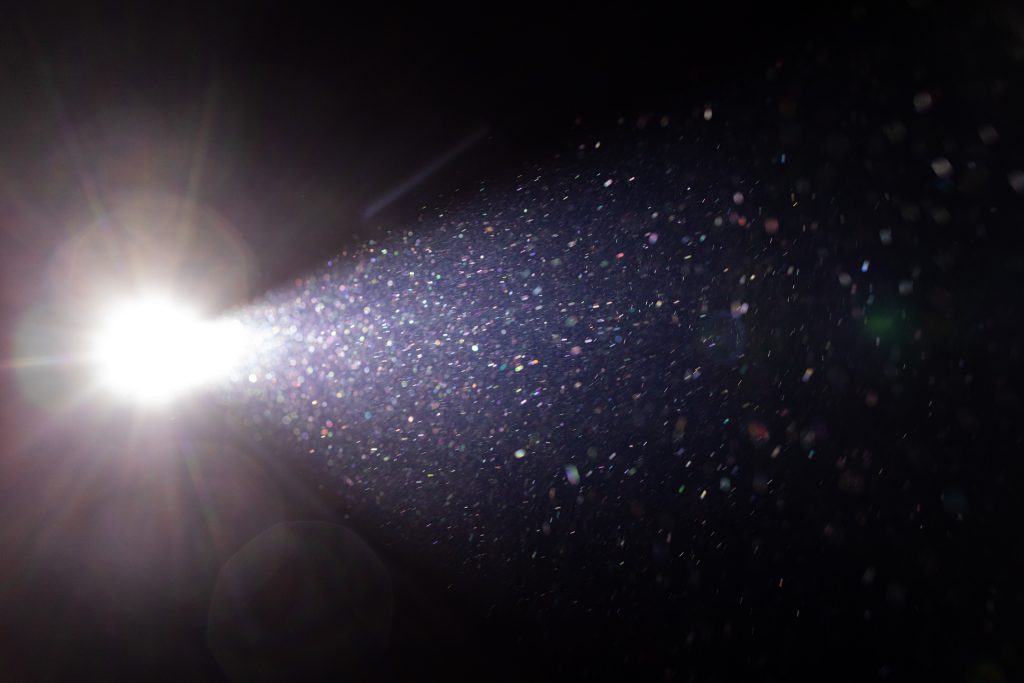
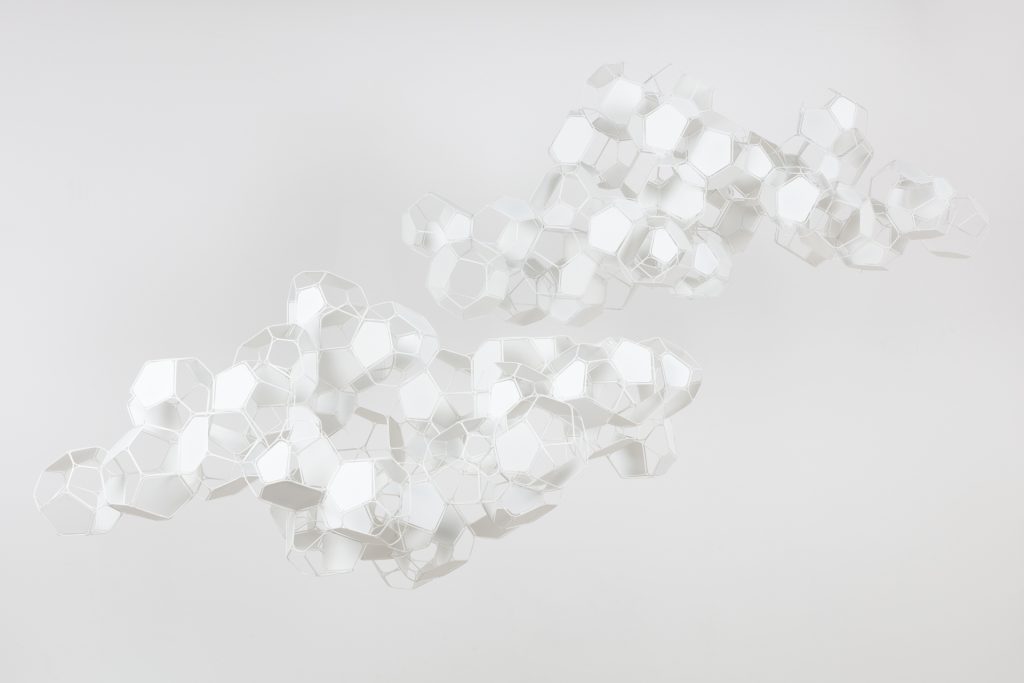
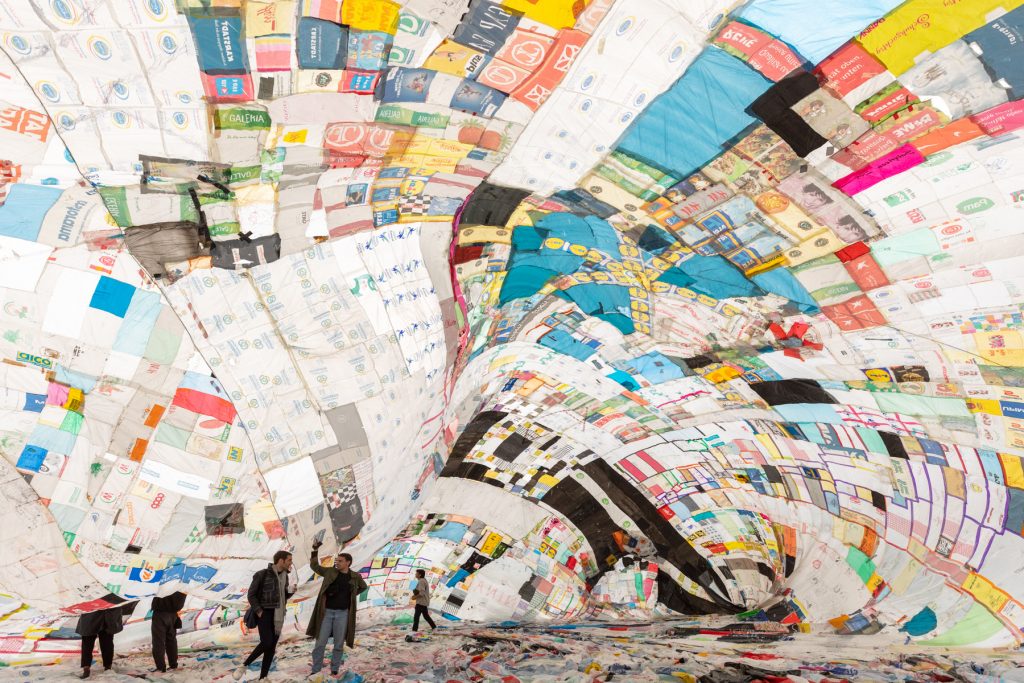
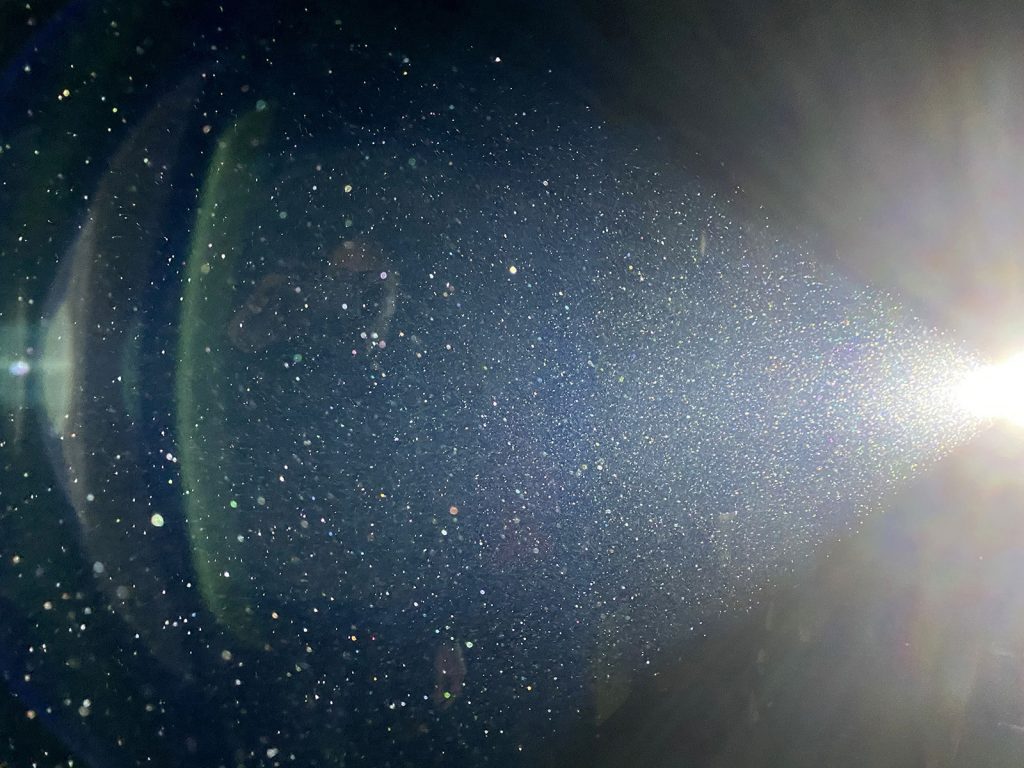
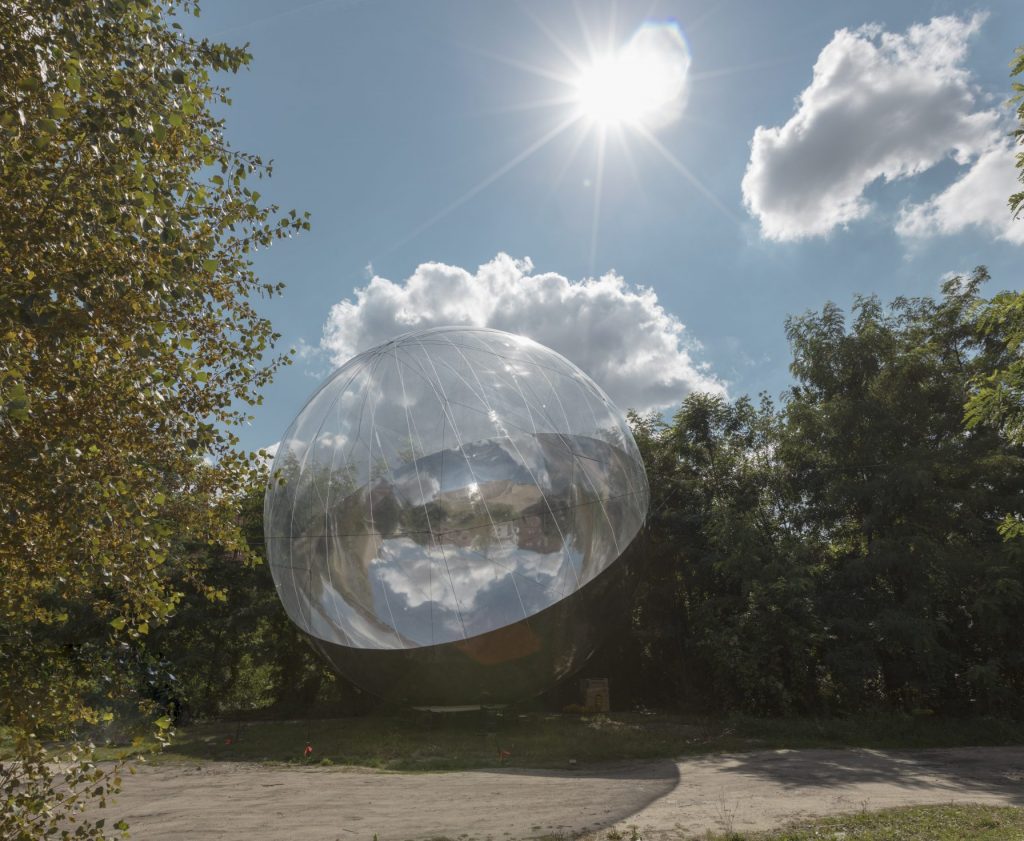
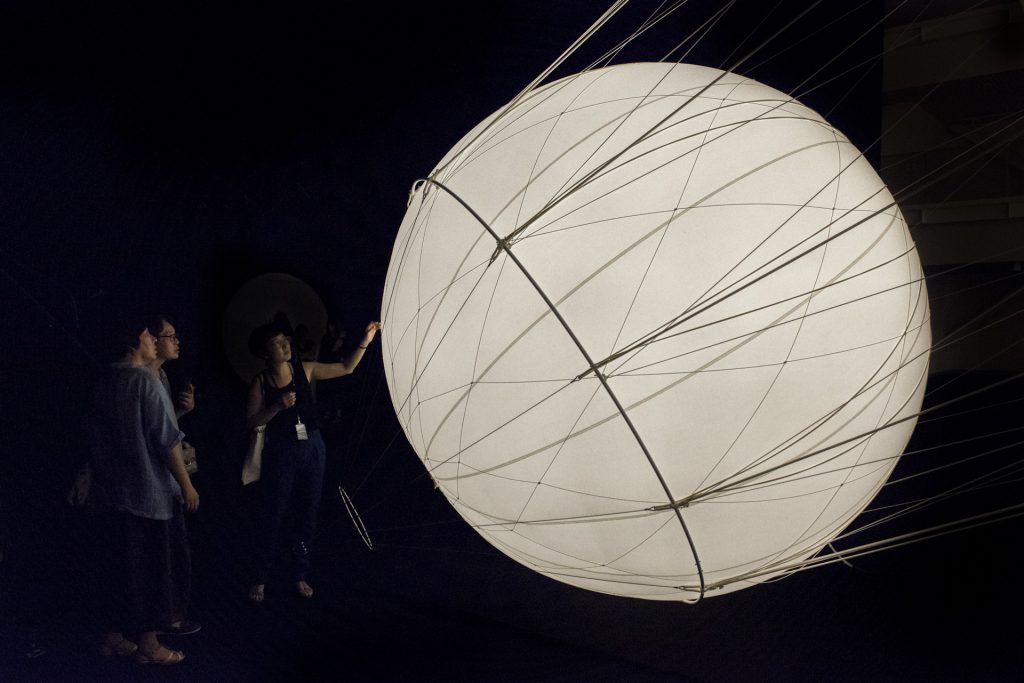
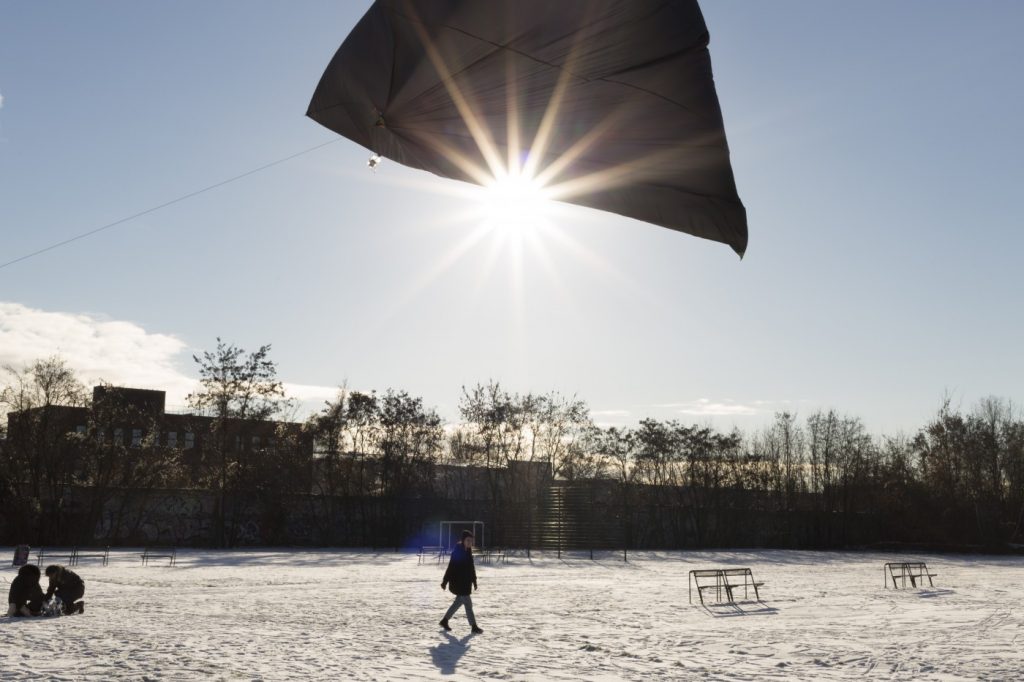
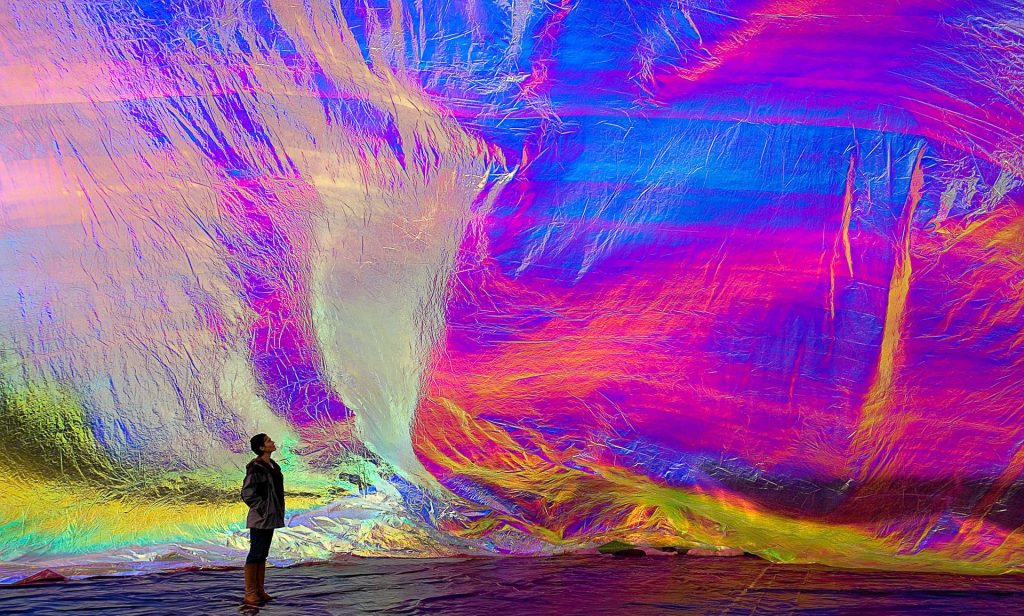
an array of materials including lighter-than-air Aerocene sculptures, fine particle pollution from the skies of Mumbai, air quality samples from across Australia, dust from the museum, radio waves streamed from First Nations Argentina, radio frequencies generated by meteoroids penetrating the earth’s outer atmosphere and recorded from the roof of Saraceno’s Berlin studio, and the leaves of Tasmania’s only deciduous native tree.
In a call for environmental justice, Saraceno collaborates with and contributes to communities and species that have been impacted by the Capitalocene in solidarity with Earth, the air, and the cosmos, particularly as part of the open-source community projects Aerocene and Arachnophilia.
Tomás Saraceno, Silent Spring 18052021, 2021. Photography by Studio Tomás Saraceno. Courtesy the artist.
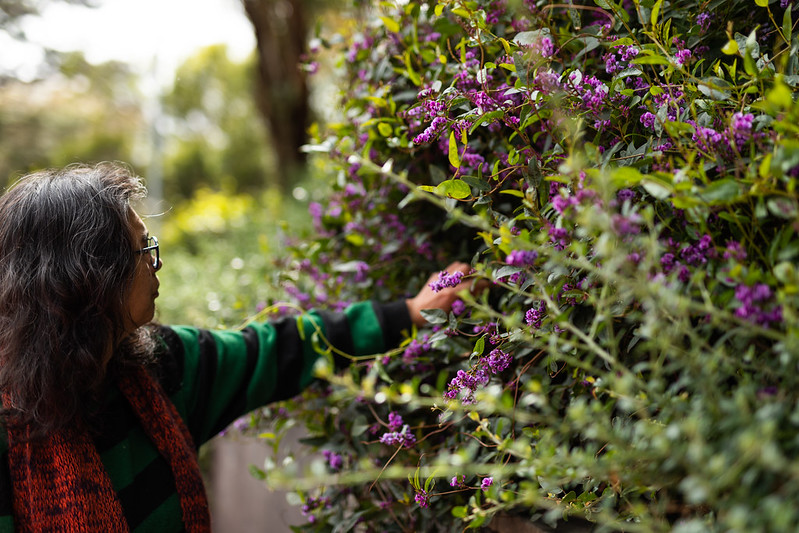
Encountering Tasmanian flora towards LEAF, LEAVES, LIFE, LIVES, 2022.
“We live entangled lives, and as Torricelli, a student of Galileo once said, we are all always ‘living submerged at the bottom of an ocean of air’. The air itself is restless, constantly in motion. The humans of the Capitalocene, caught in the undertow of extractivist ethics and the rhythms of capitalism, have toxified the air, rendering it unbreathable for many and forcing new regimes of inequality upon us all. Oceans of Air flows towards shared responsibilities with the worlds we inhabit, knowing that not all have the right to breathe, and that not all breathe the same air.”
-Tomás Saraceno