























...
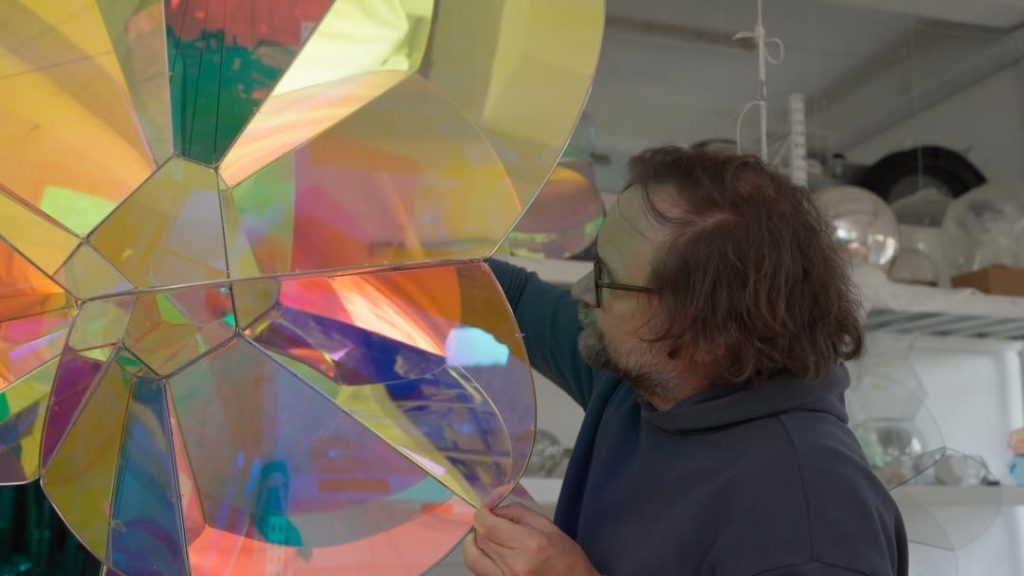
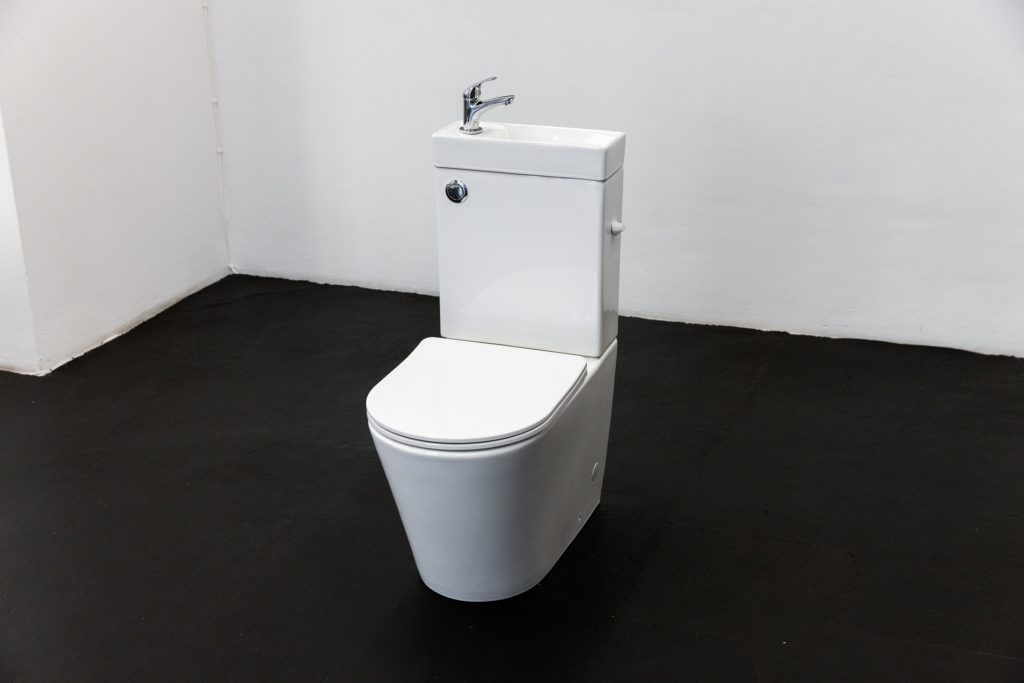
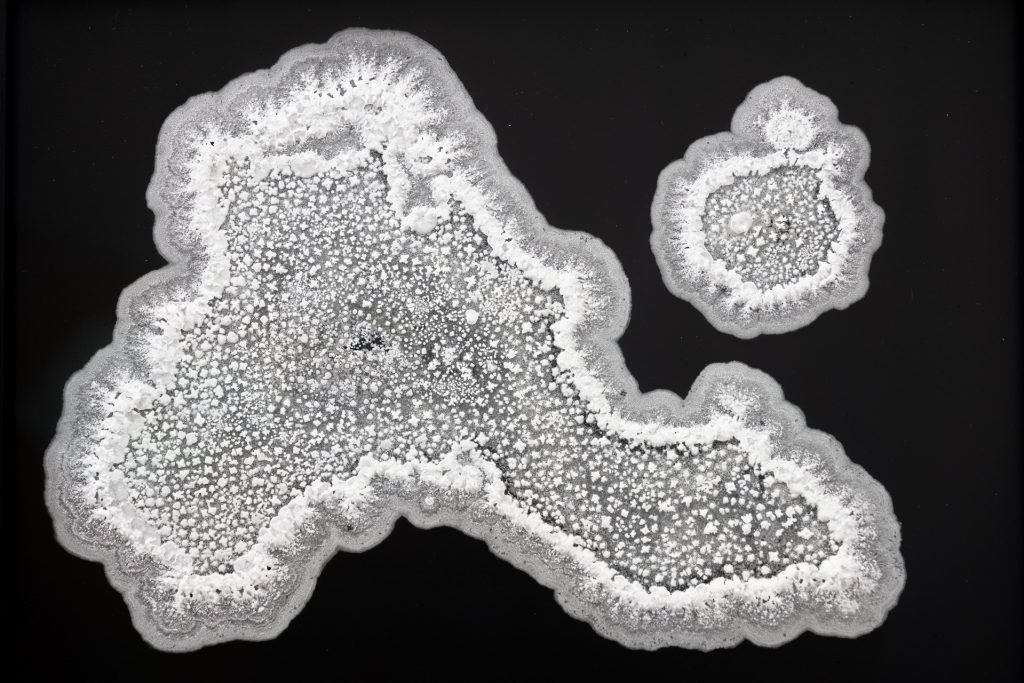
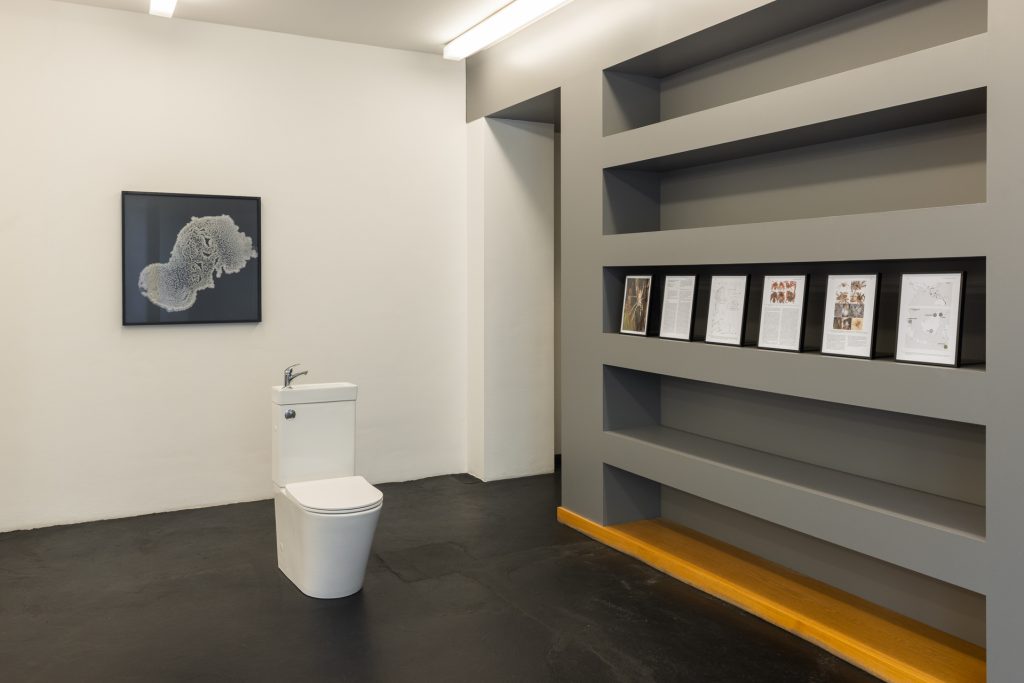


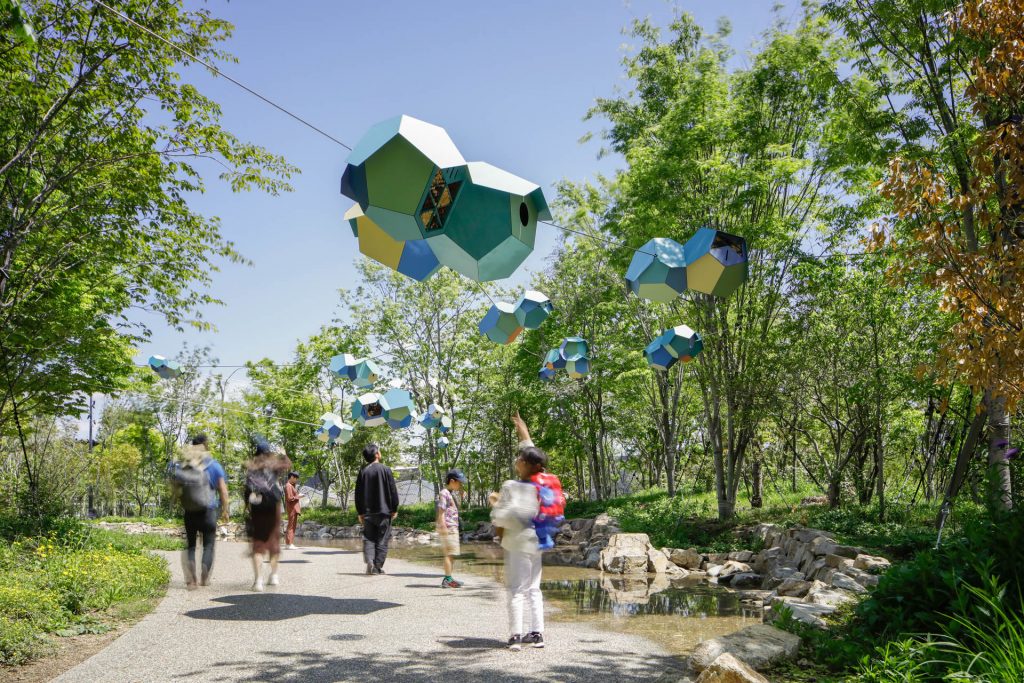


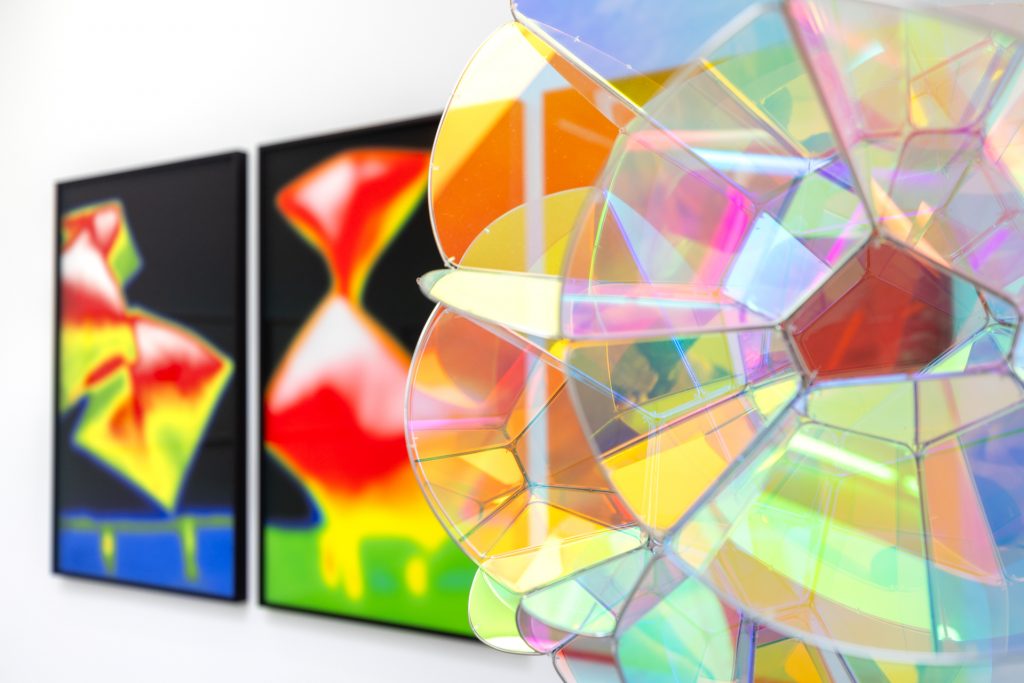

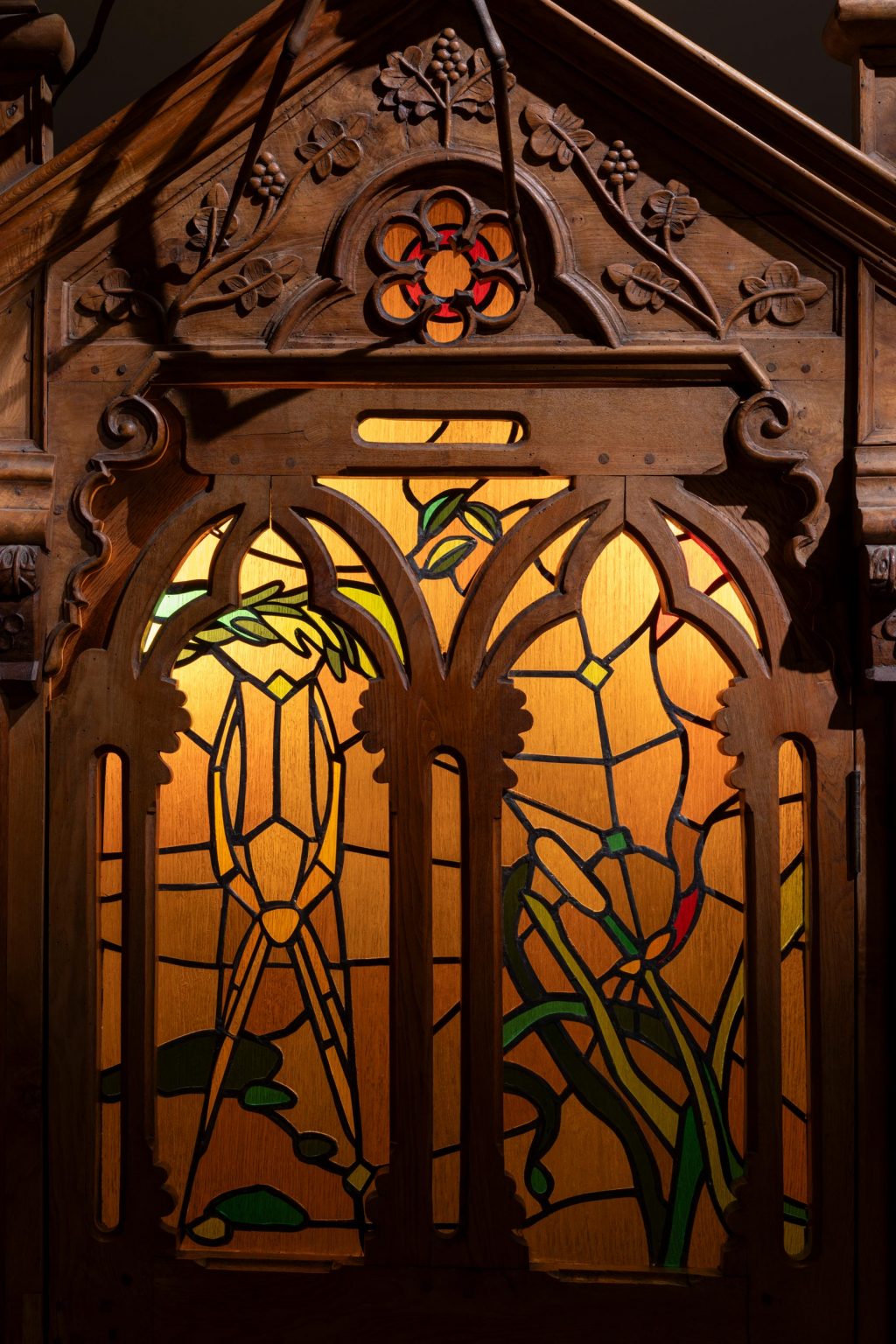

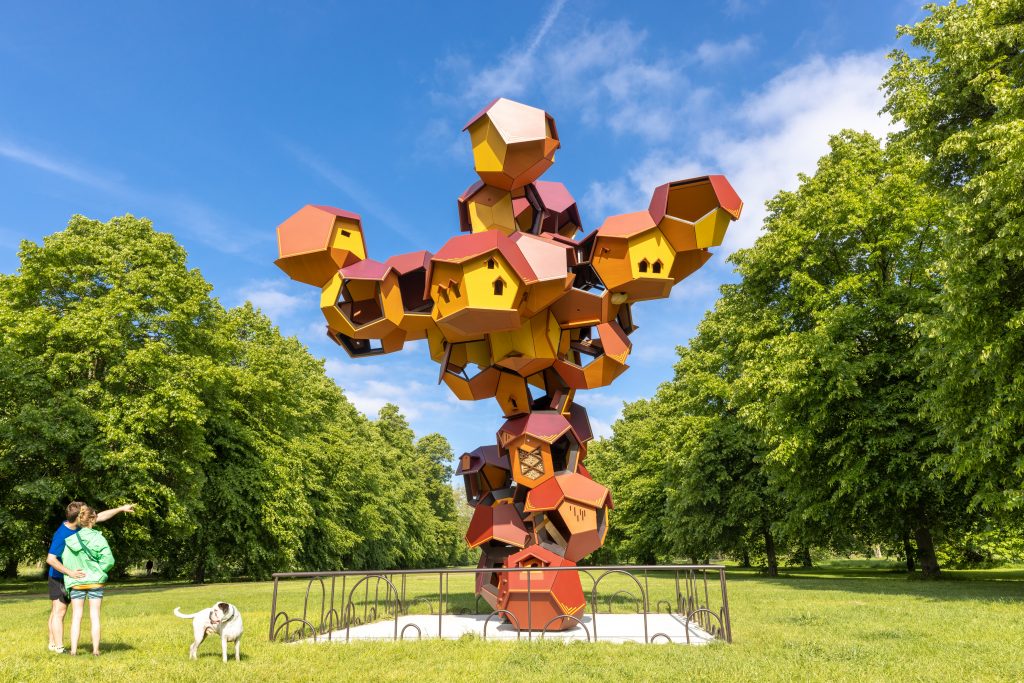


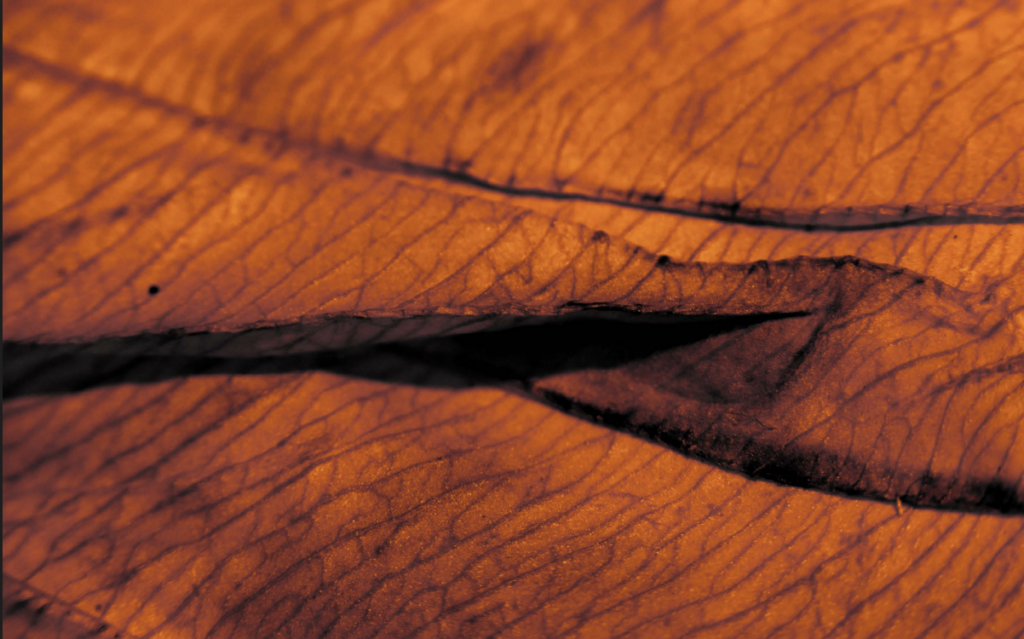

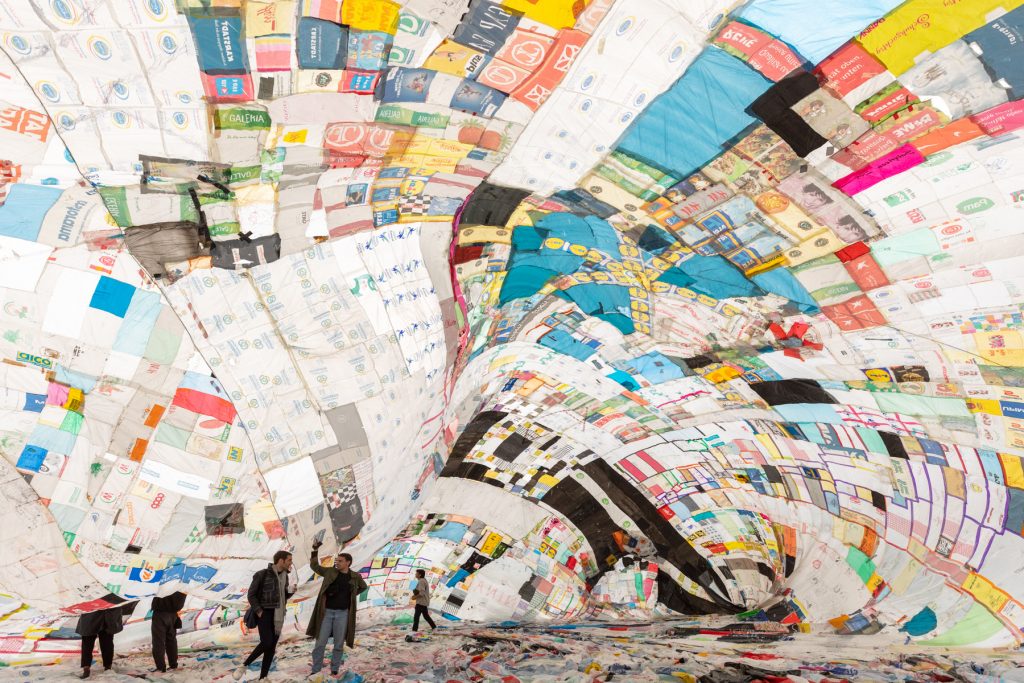




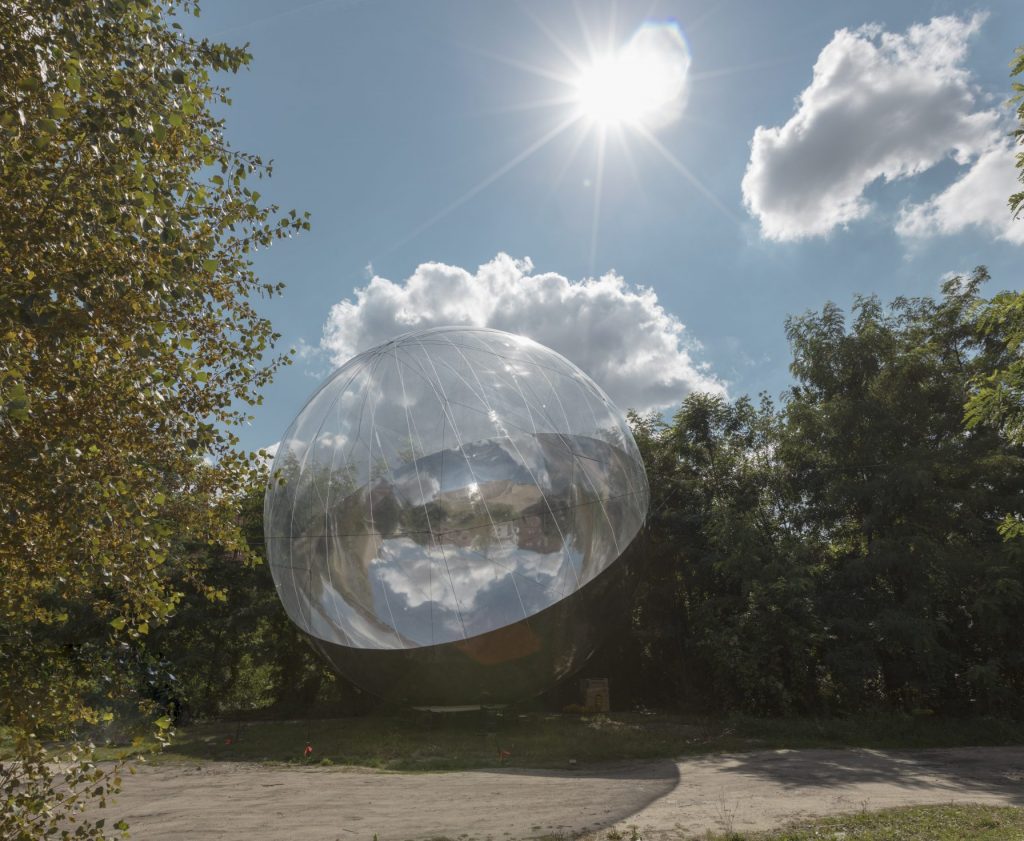

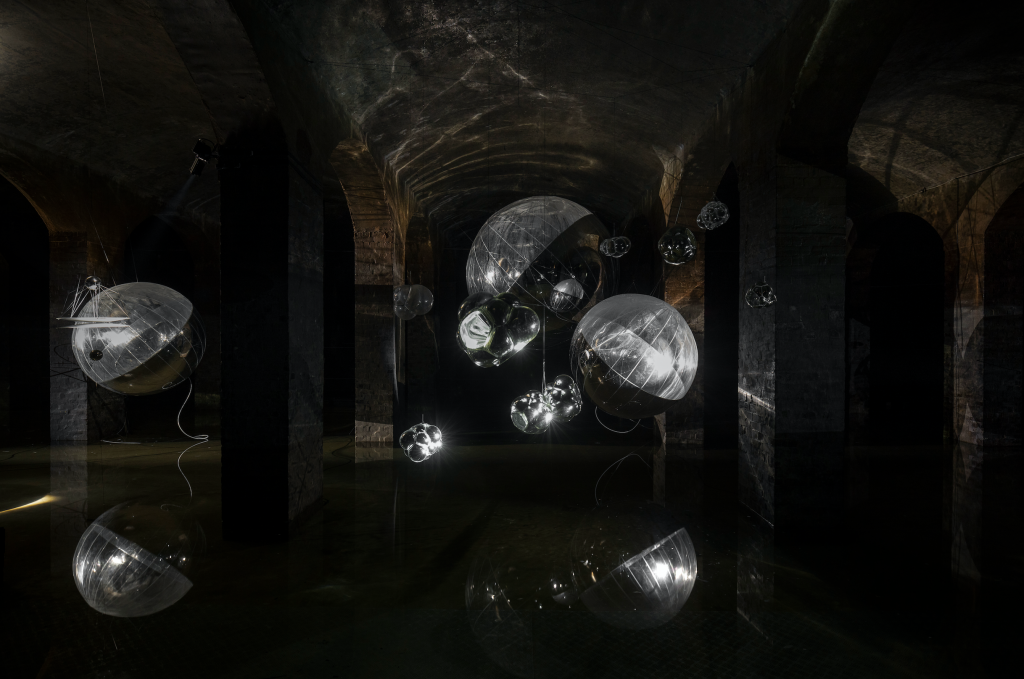




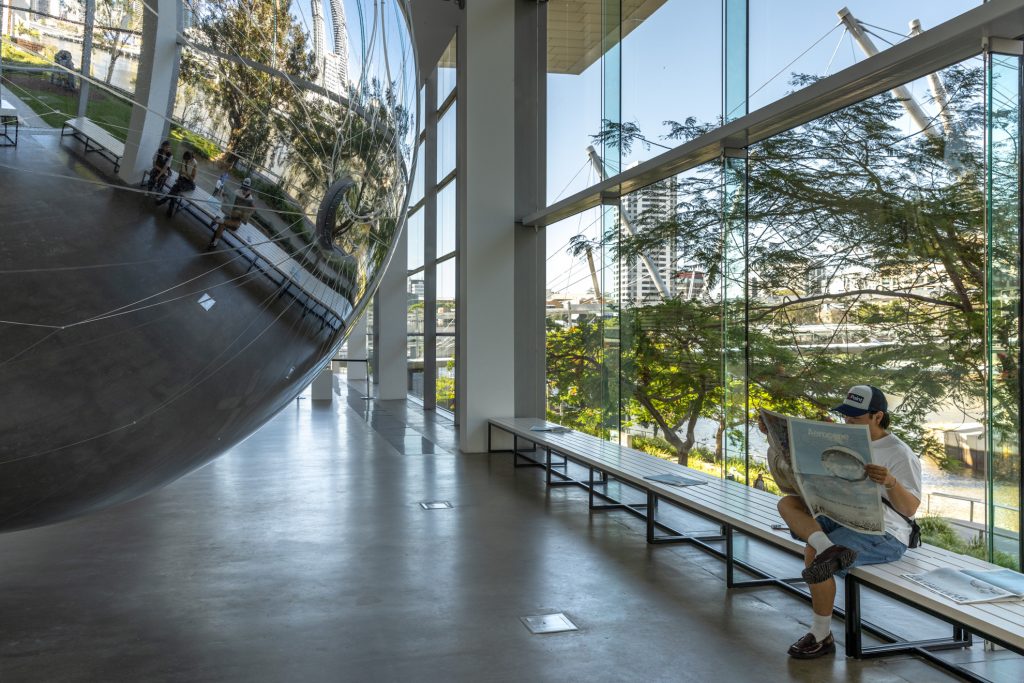

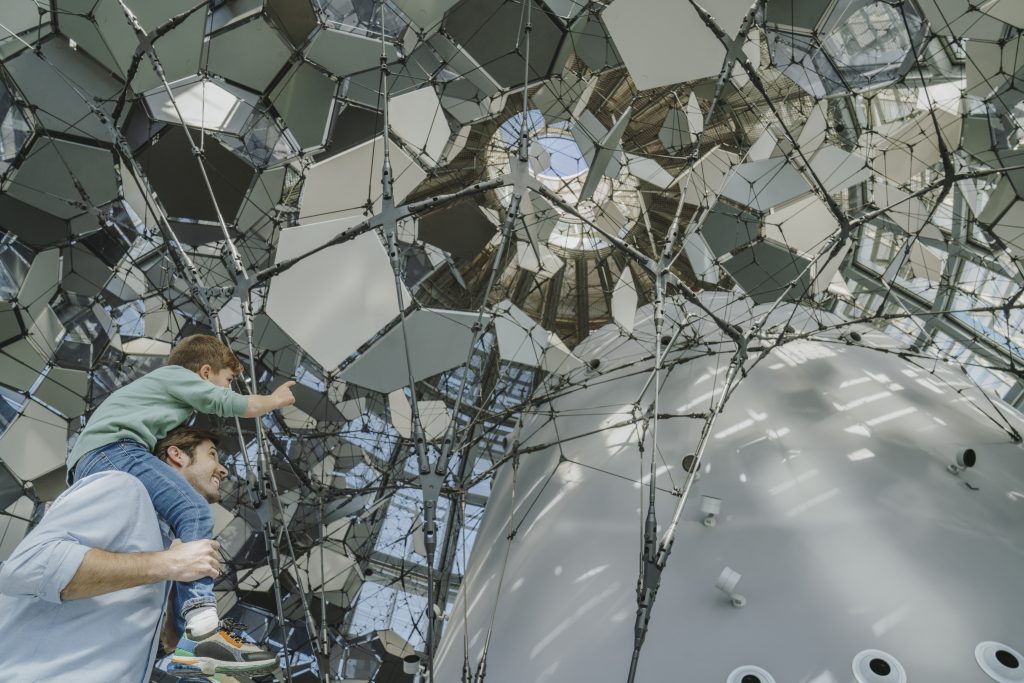







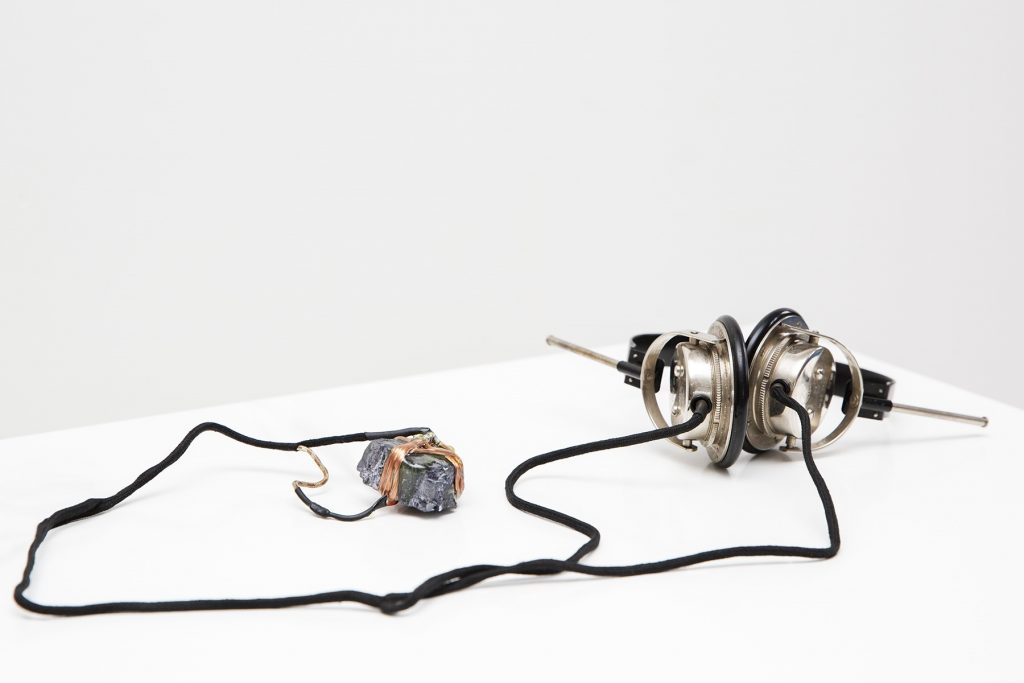
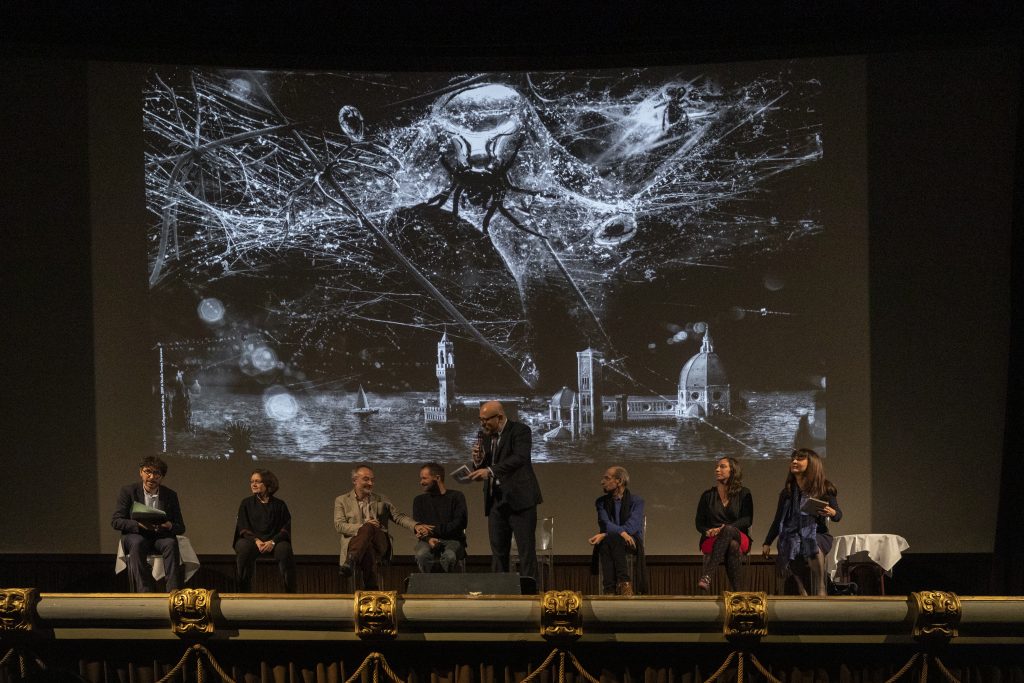
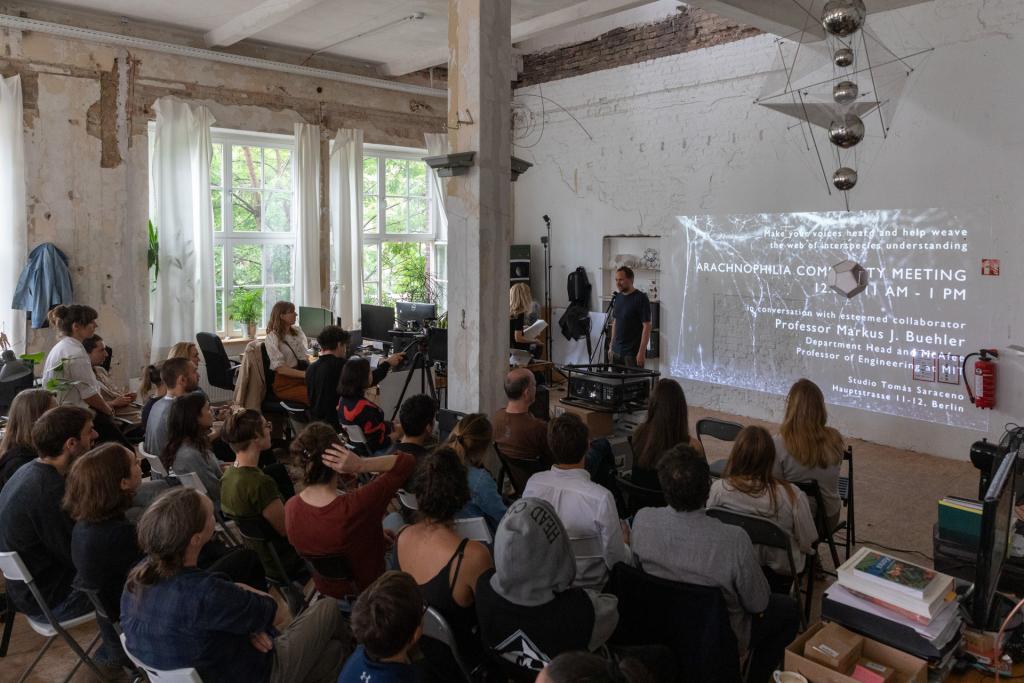
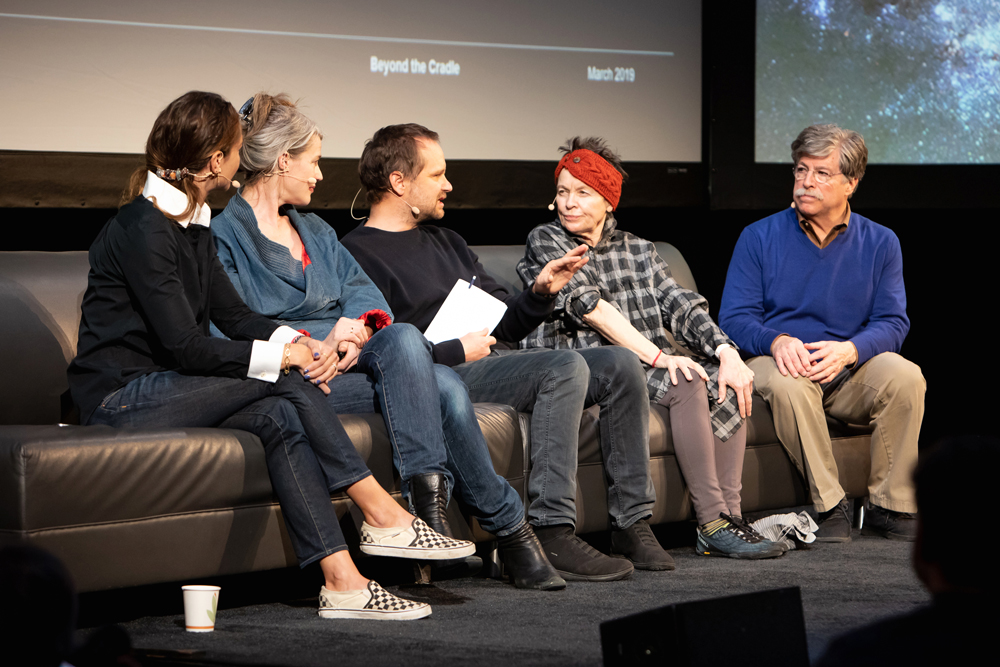
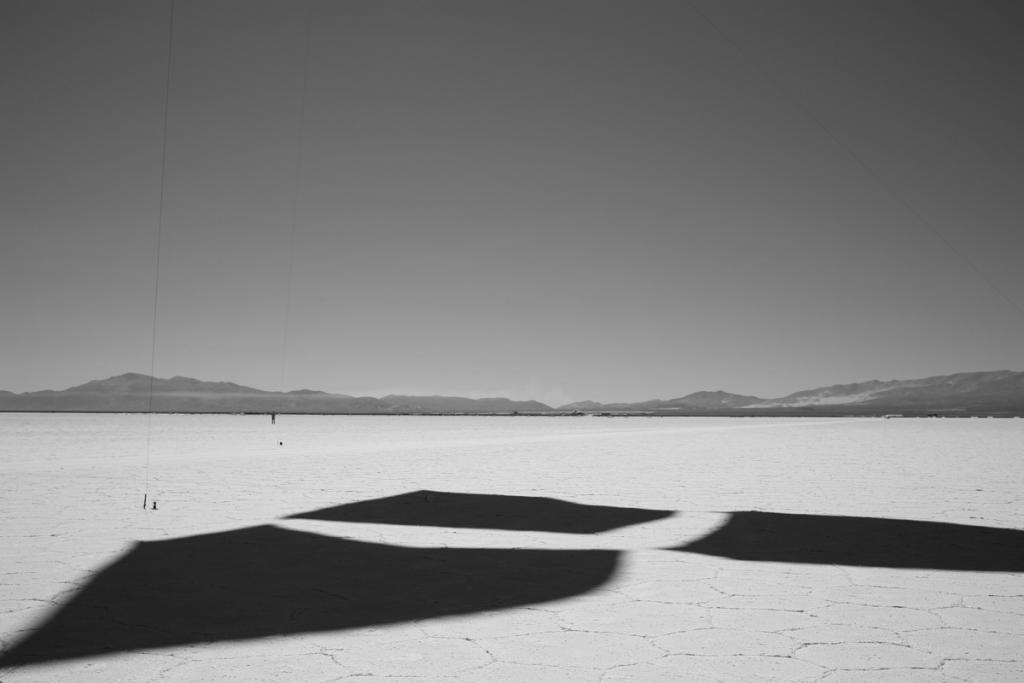
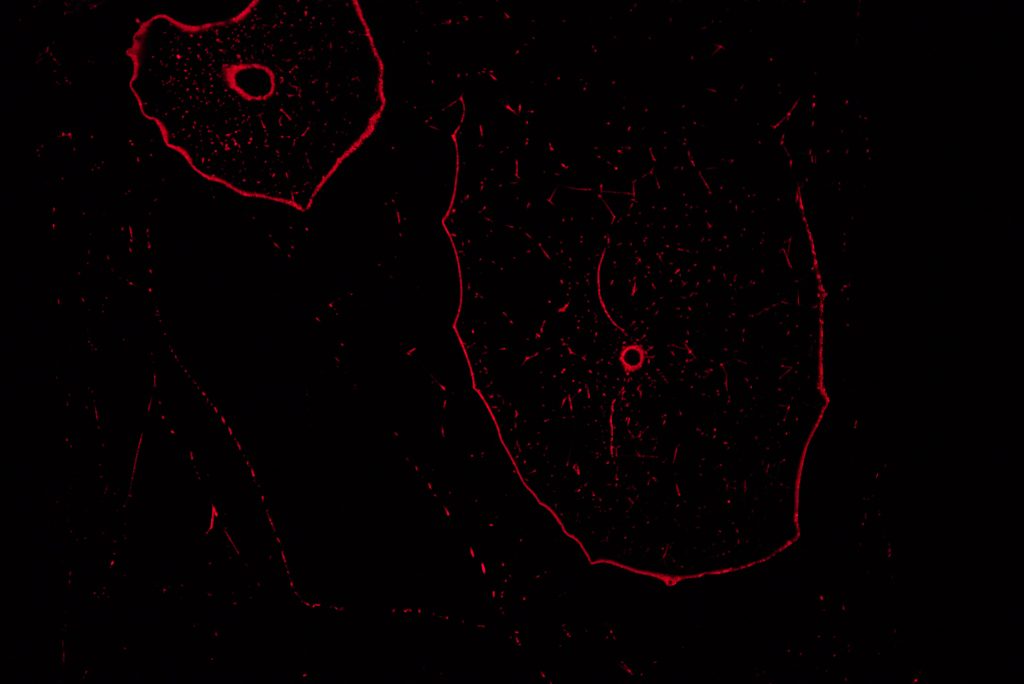


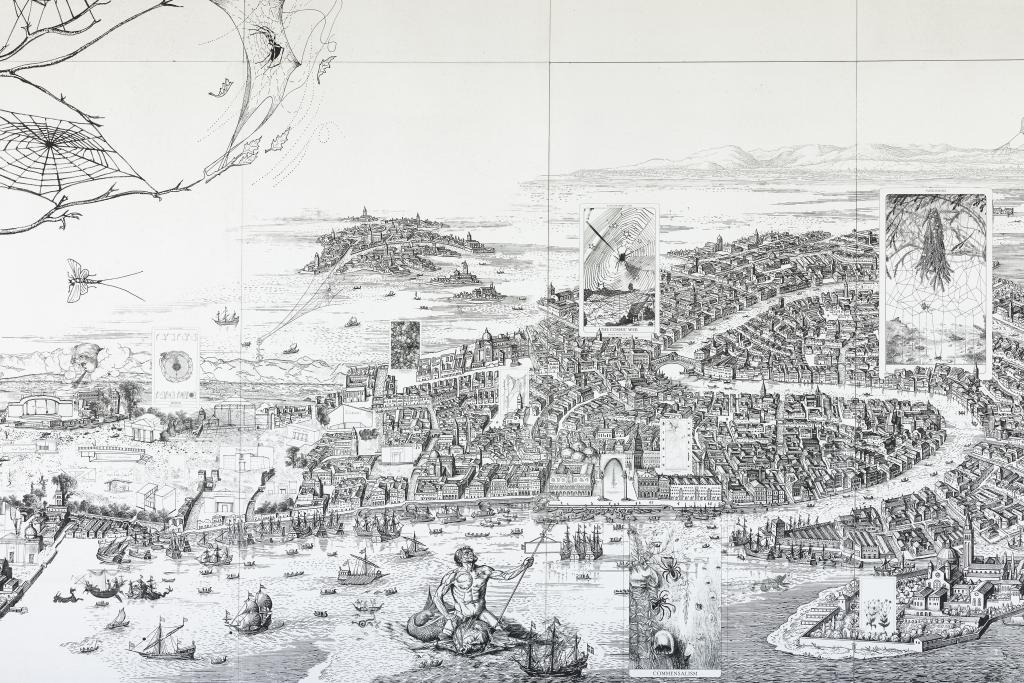
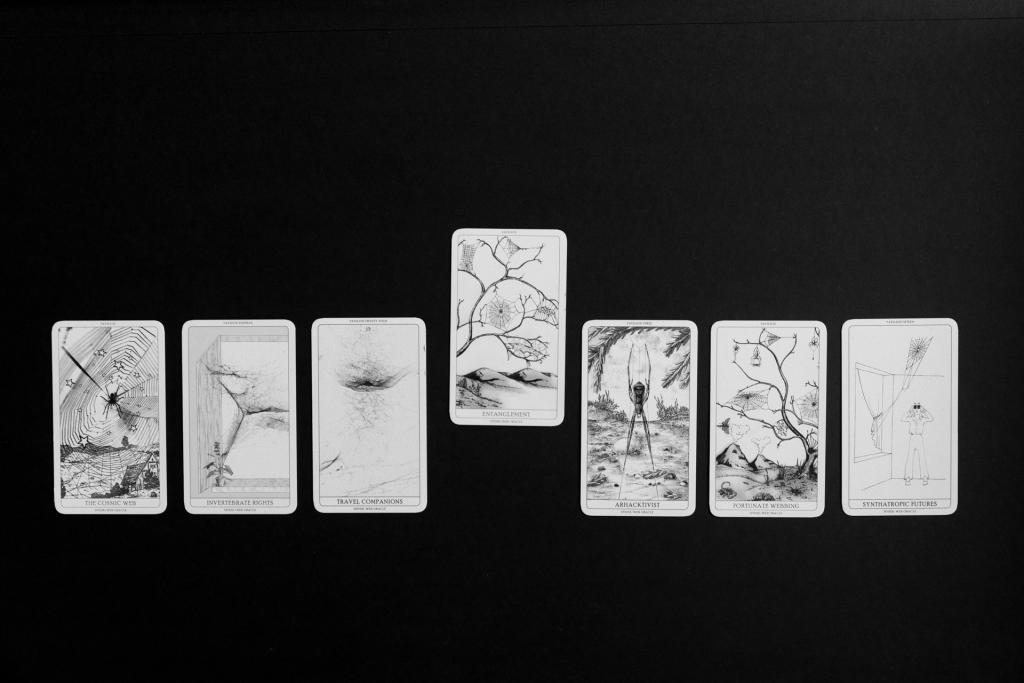

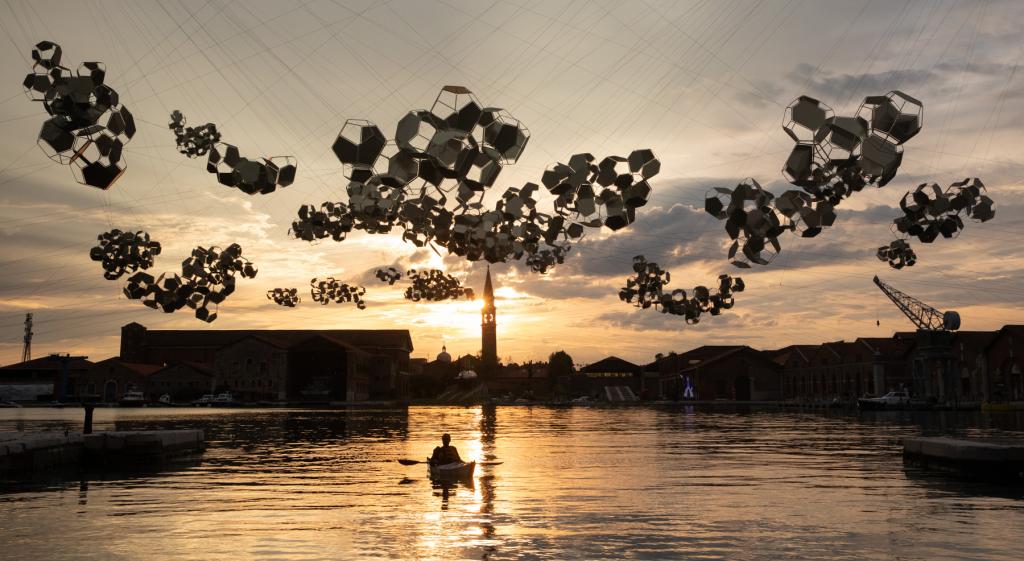

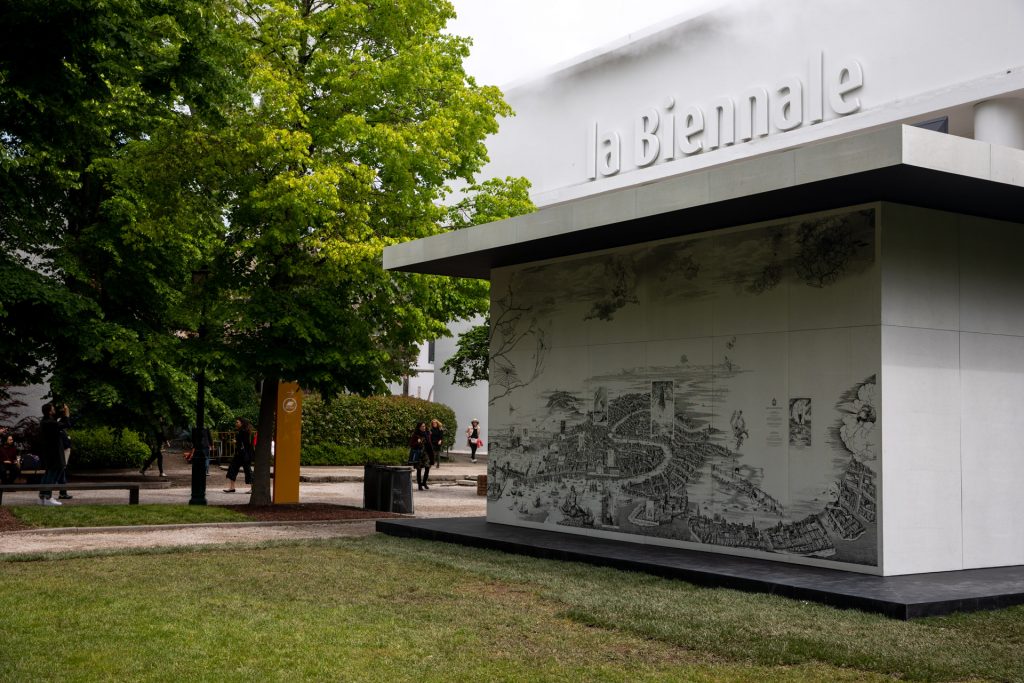

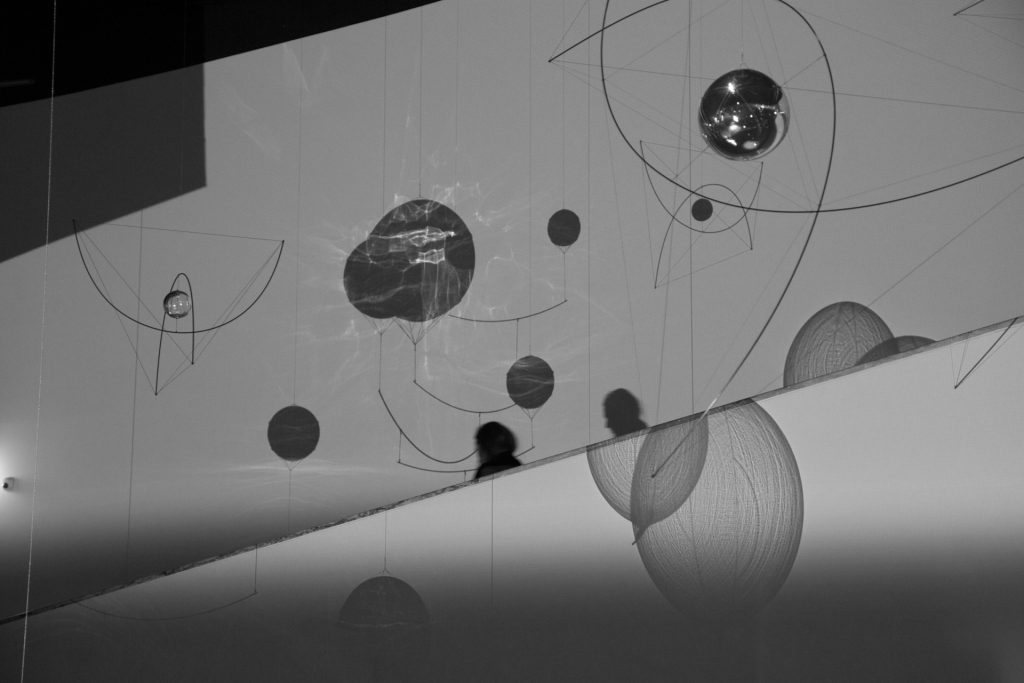
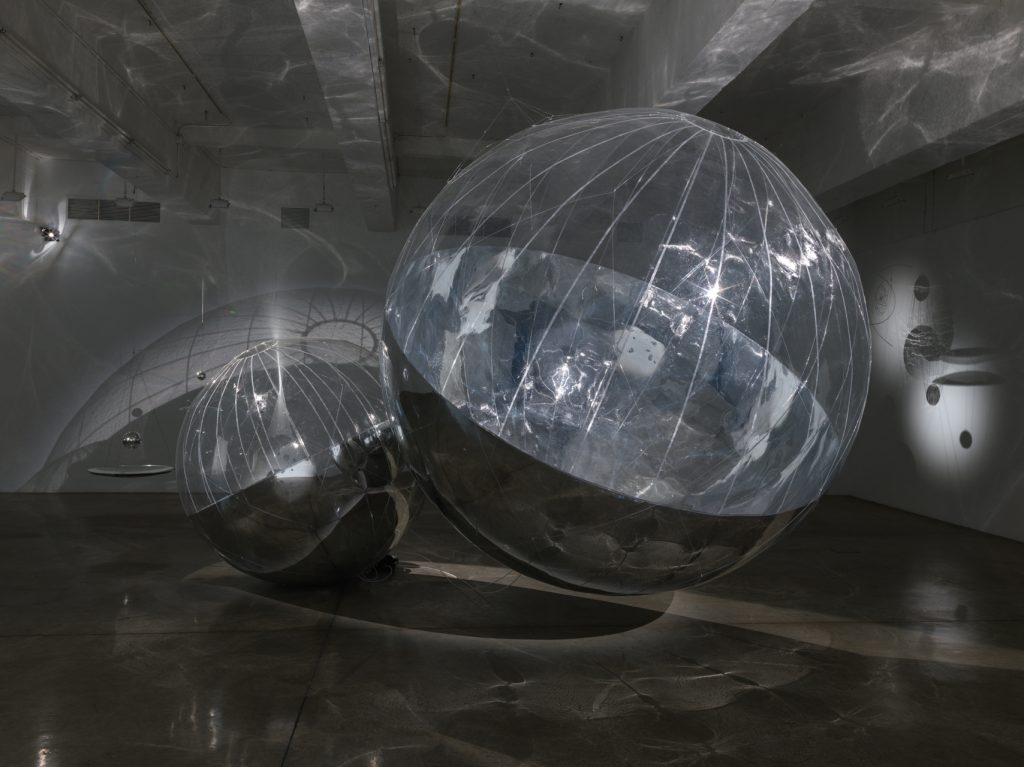

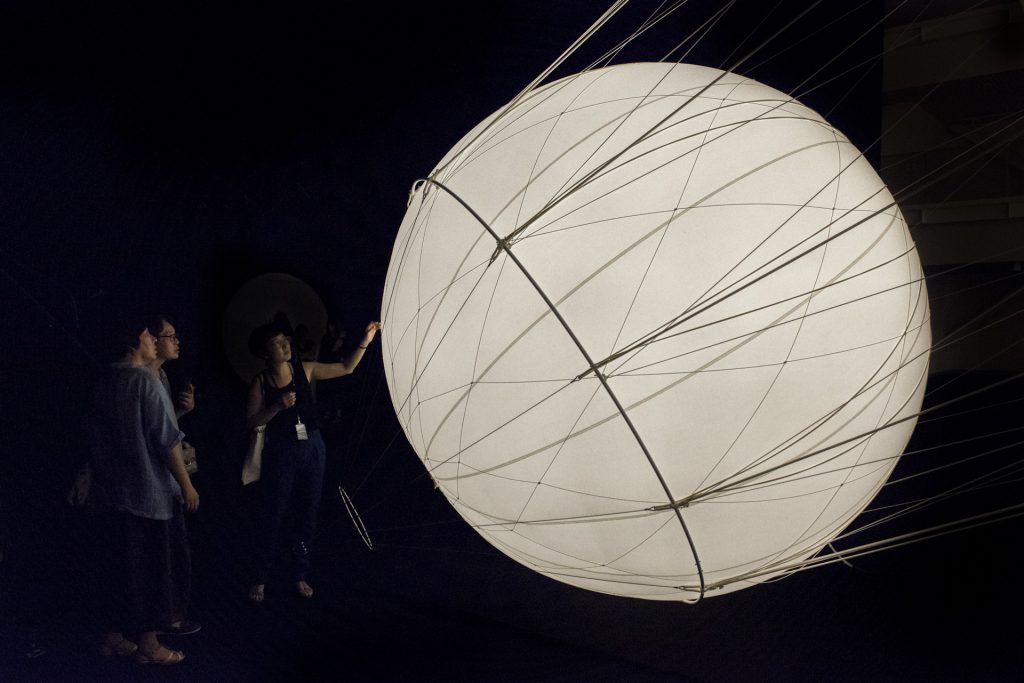
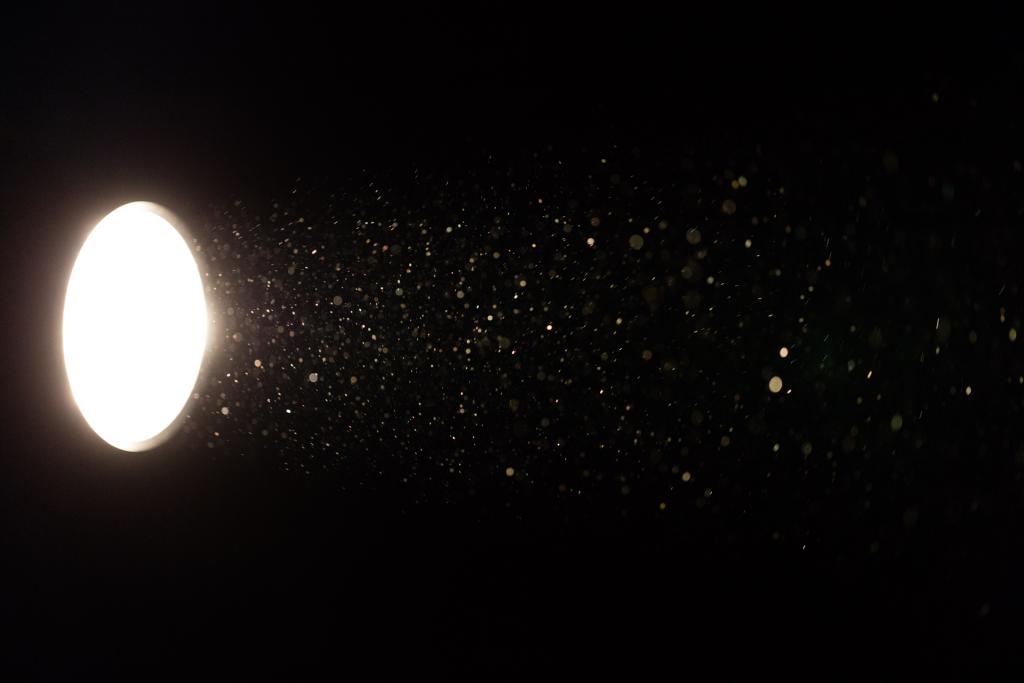
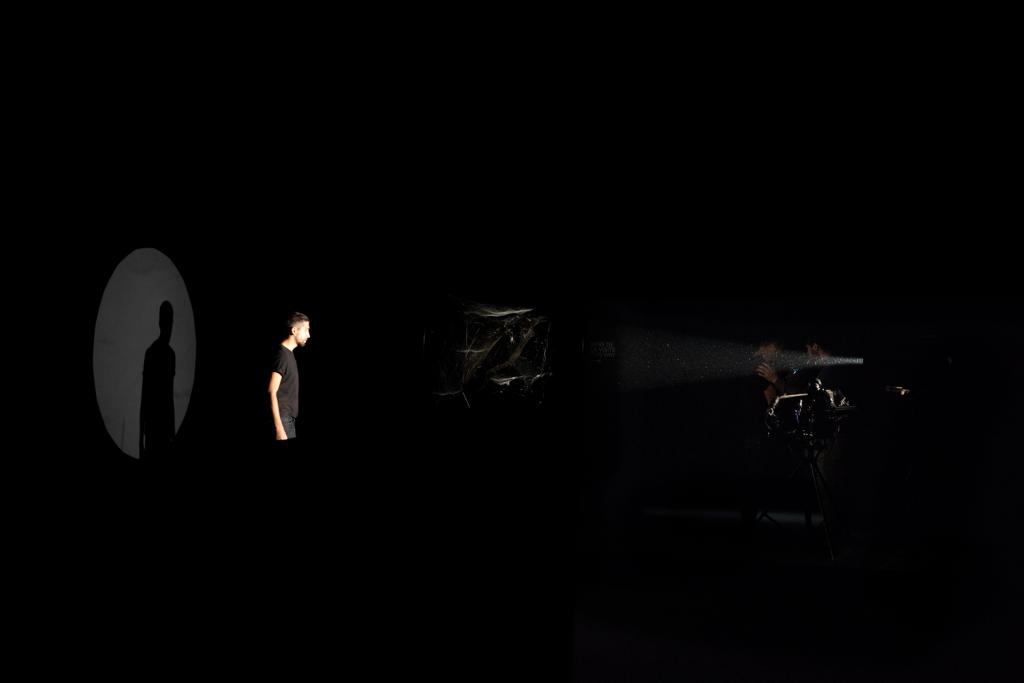


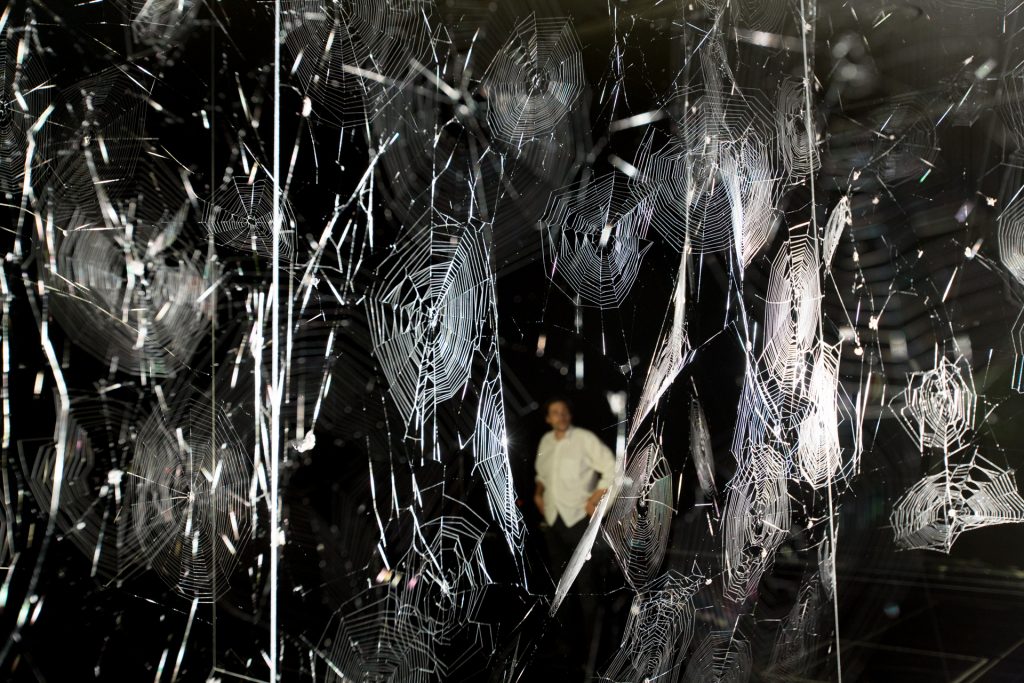
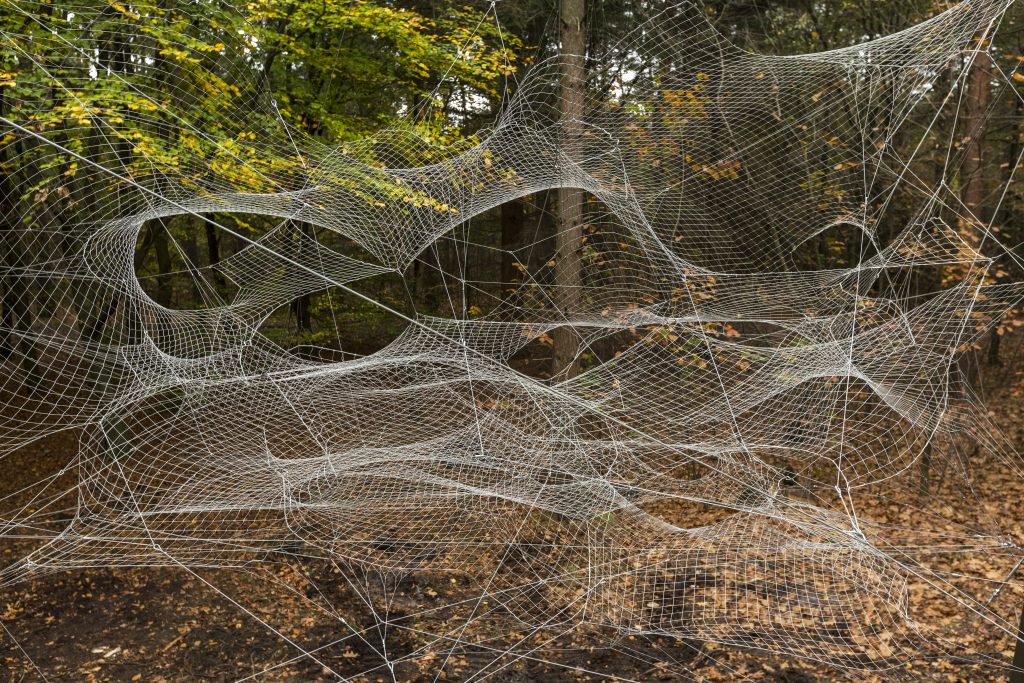


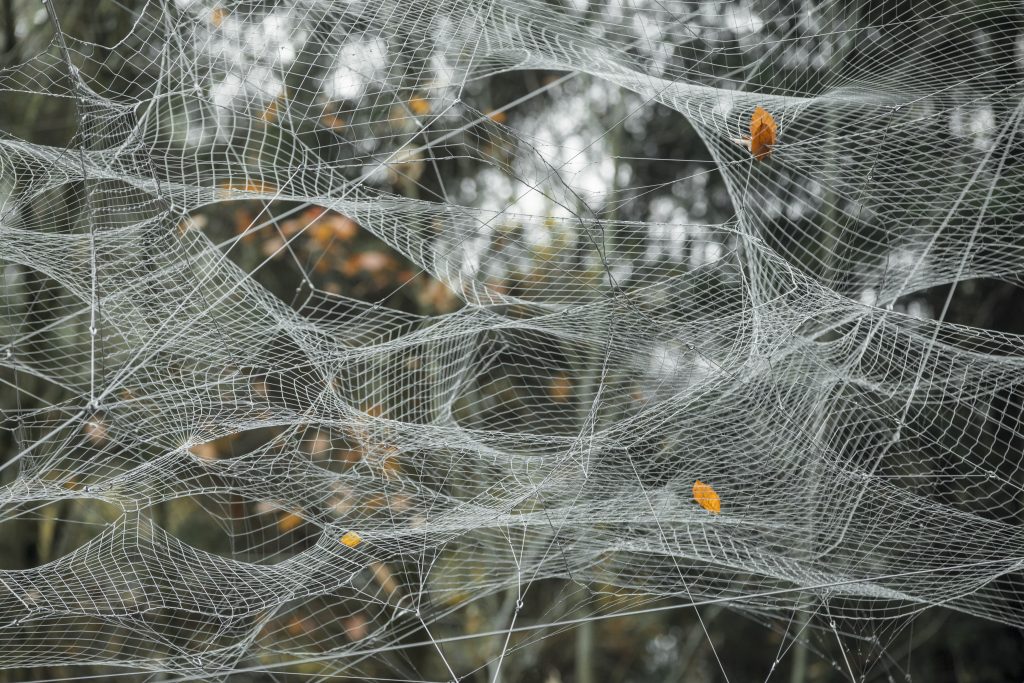

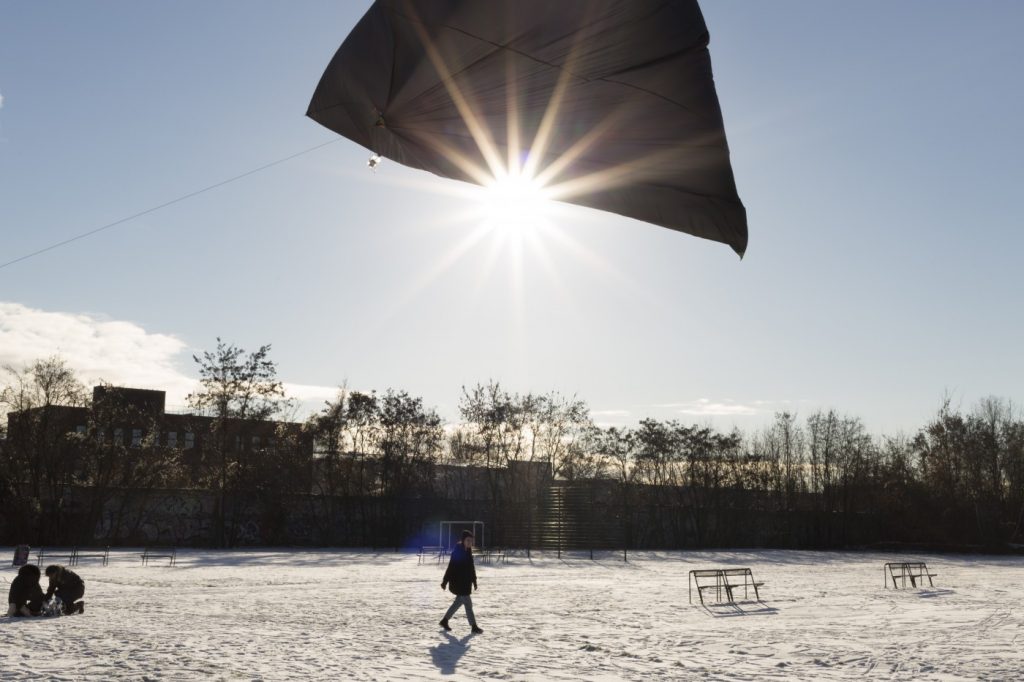


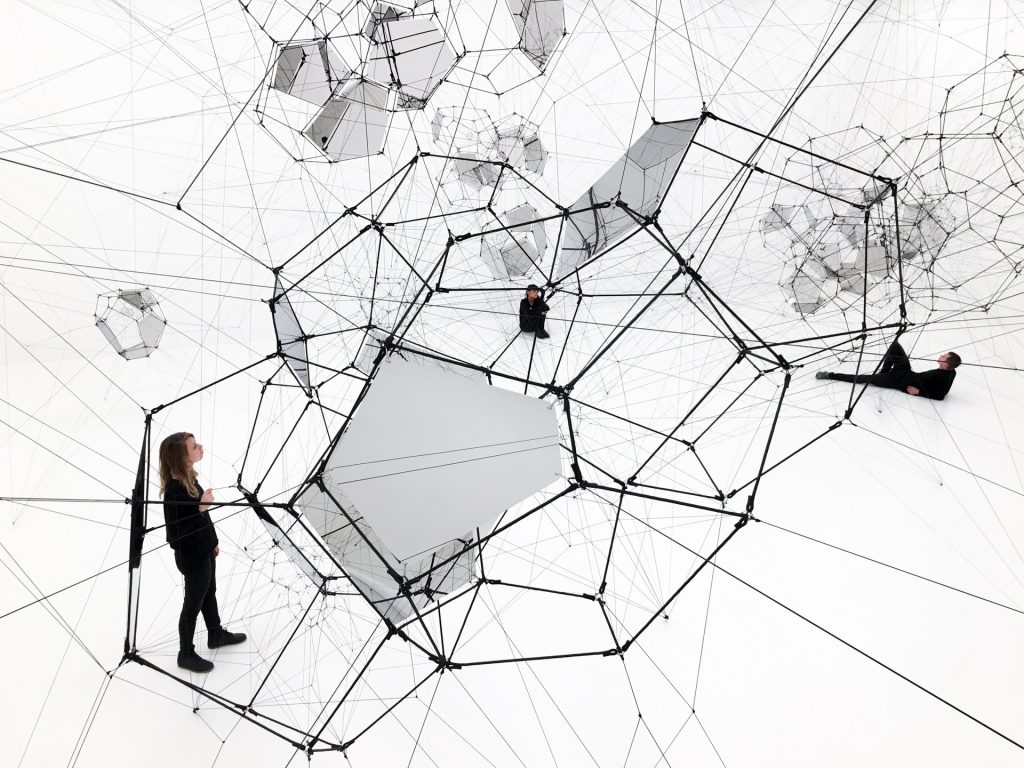



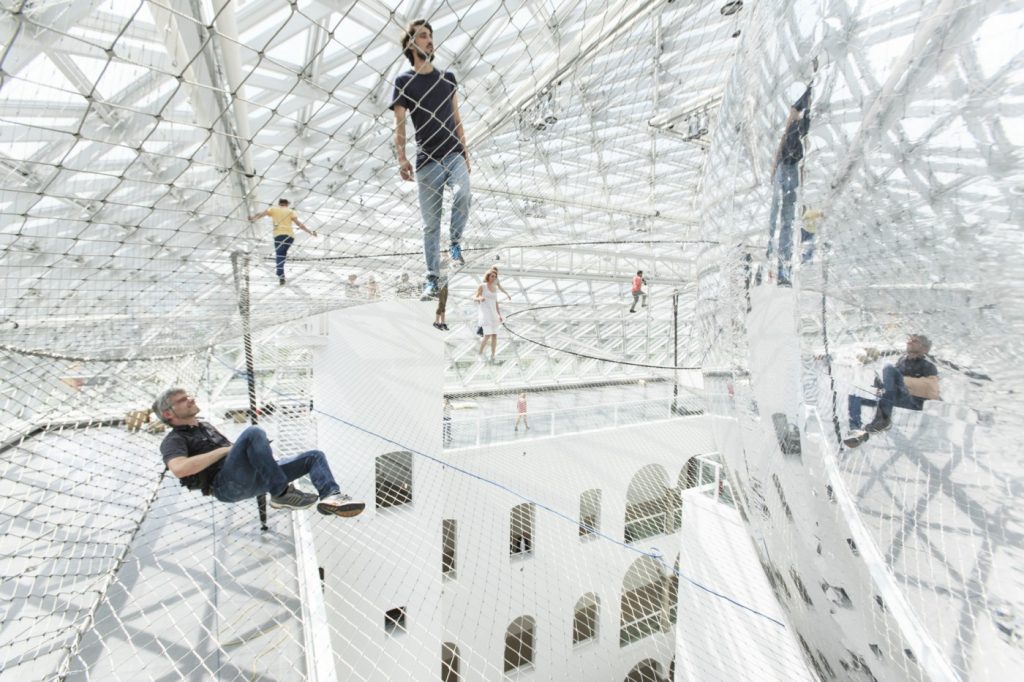

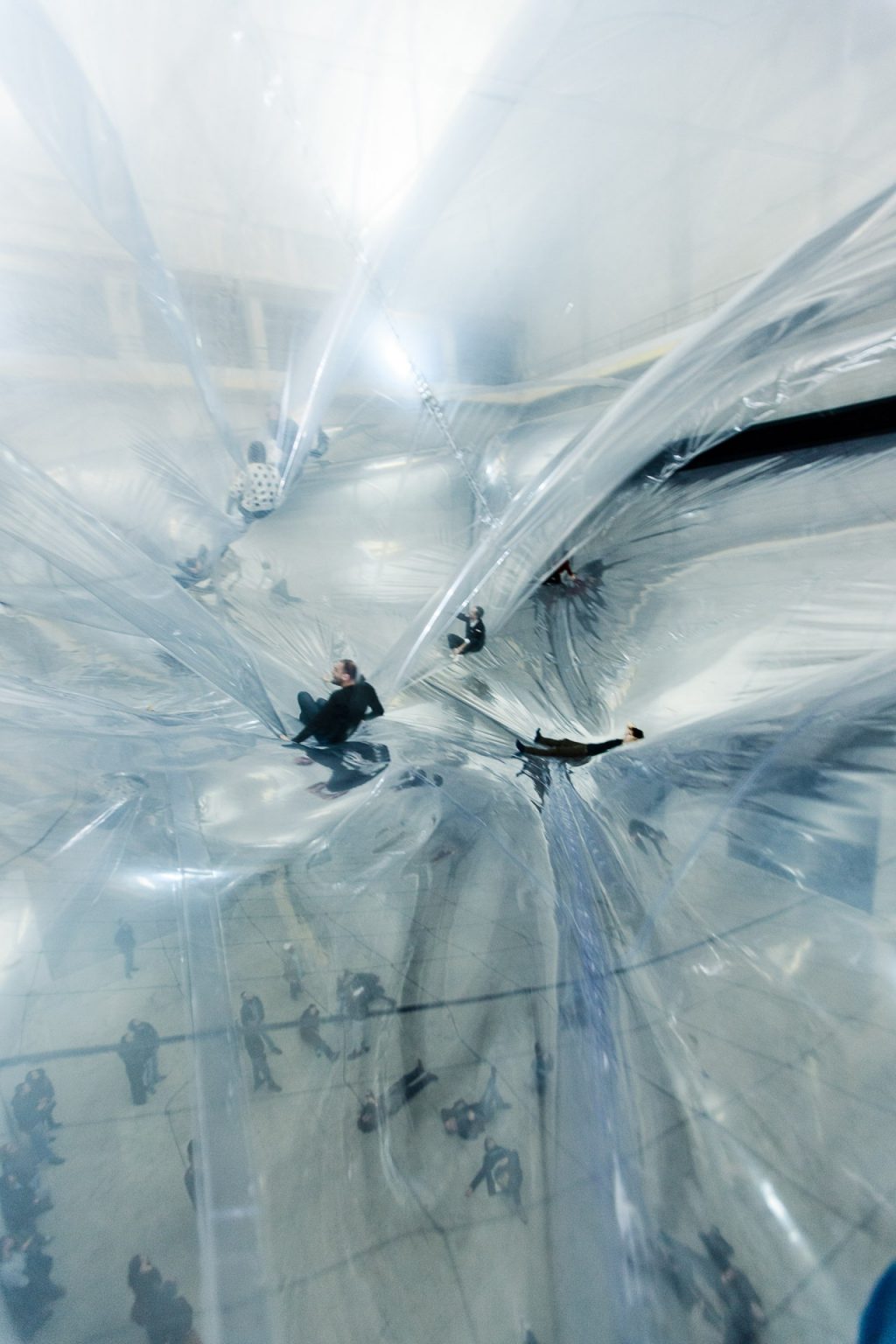
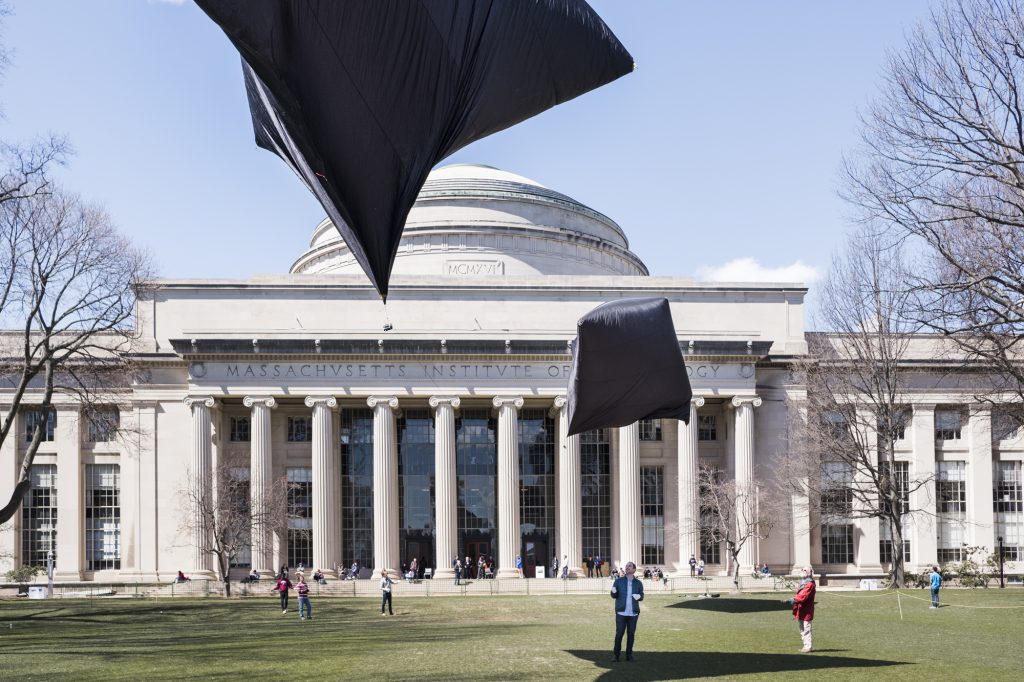






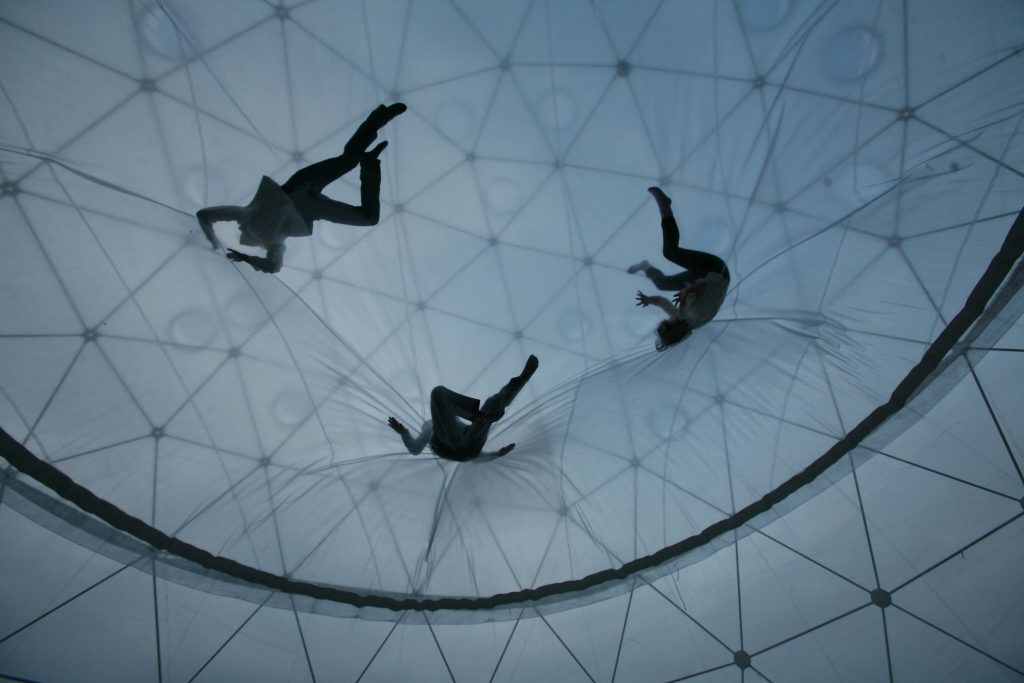

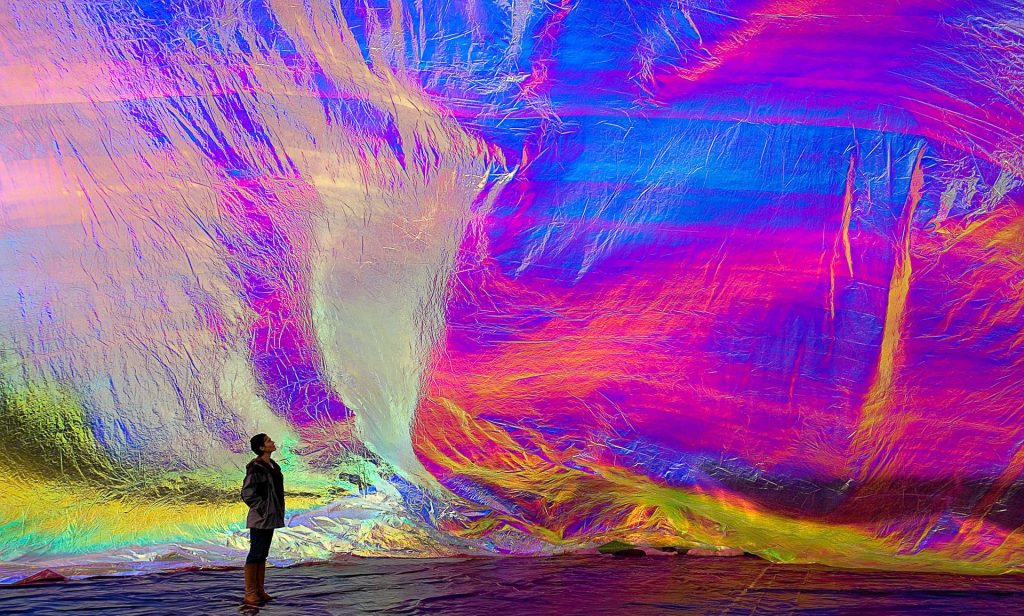




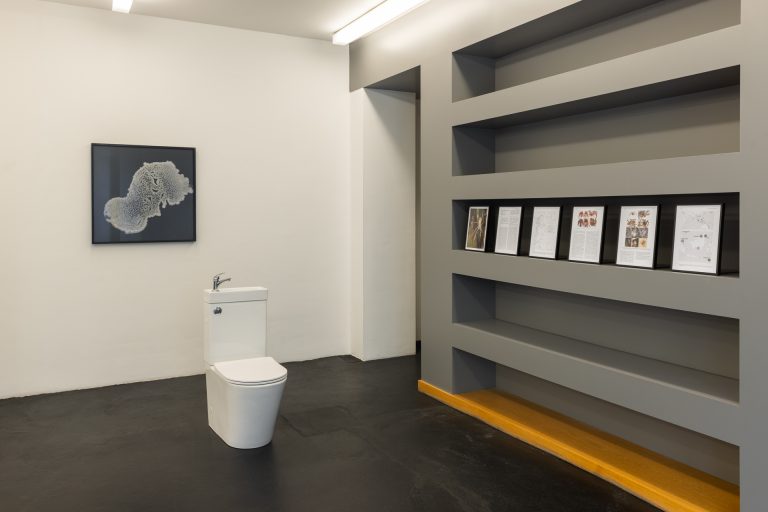
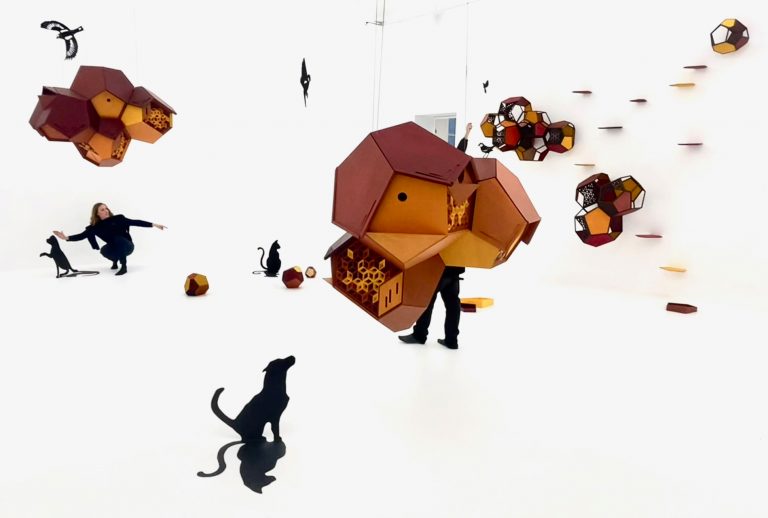
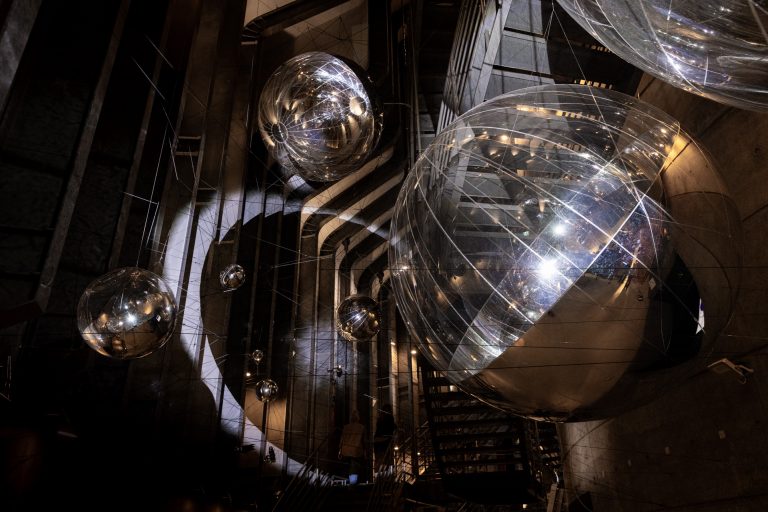
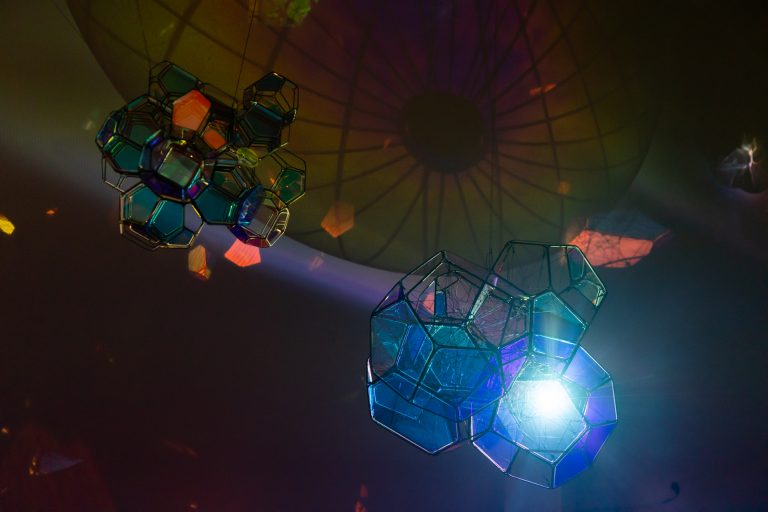
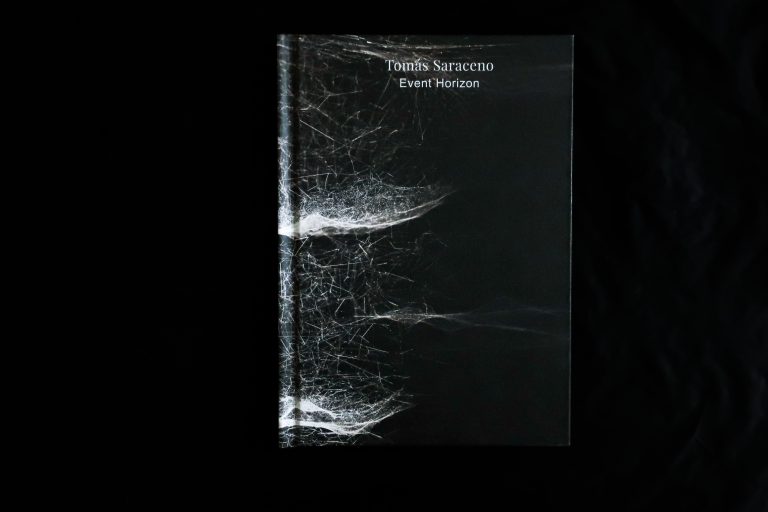
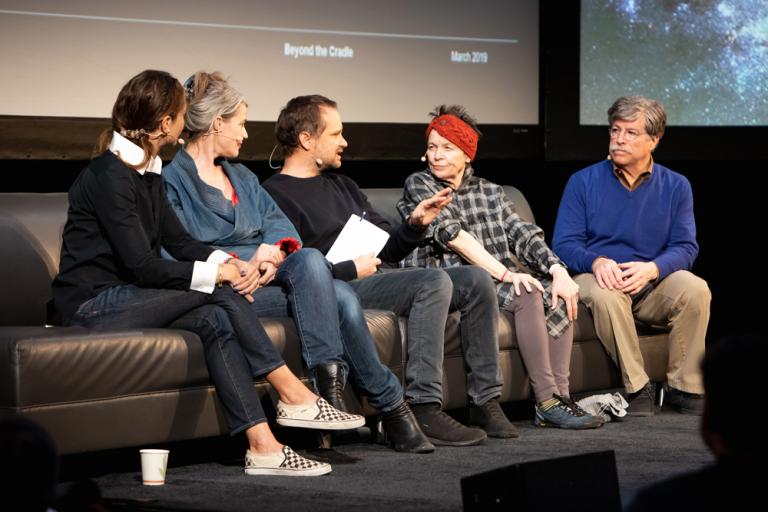
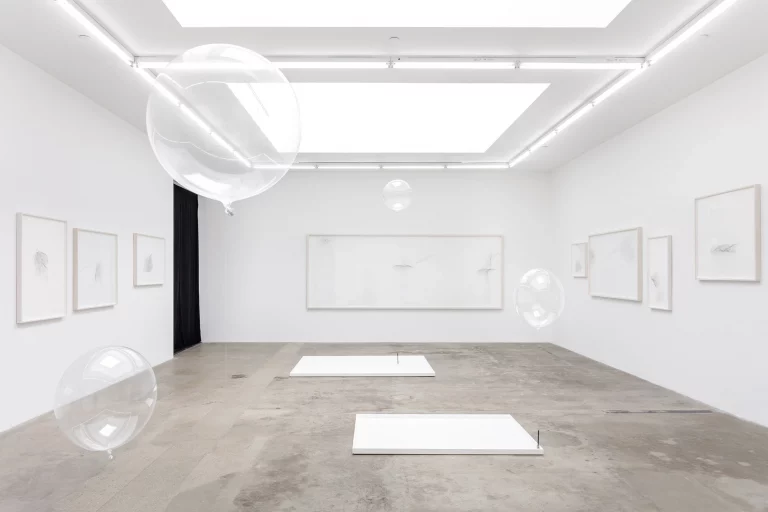
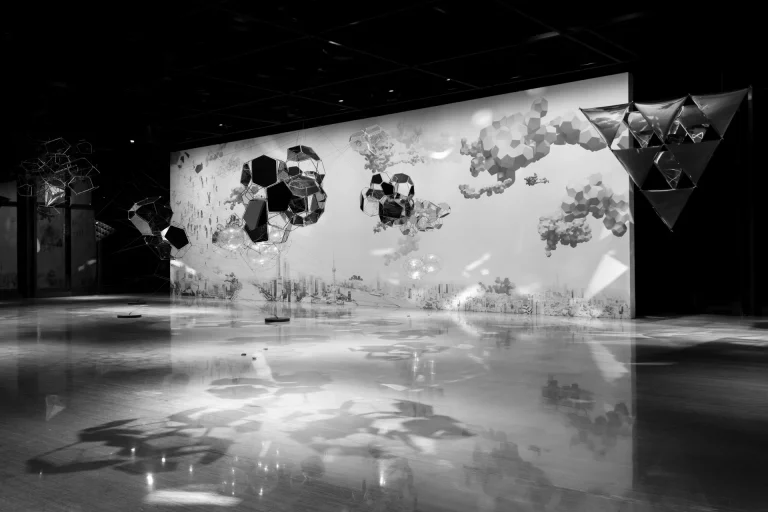
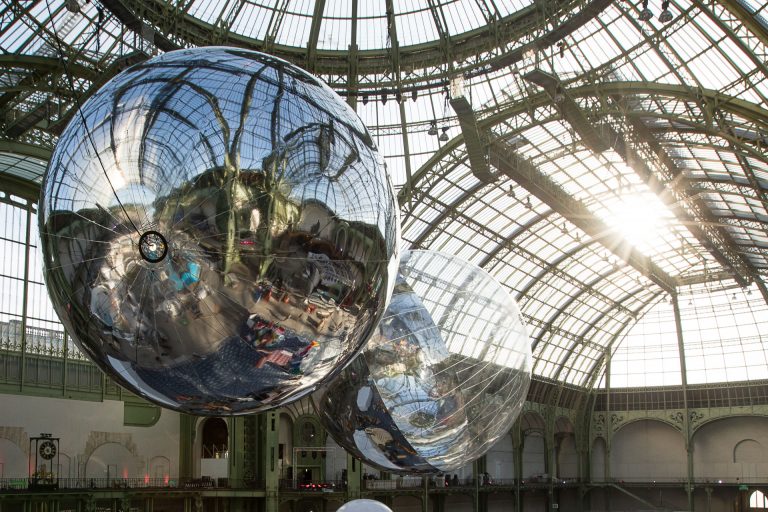
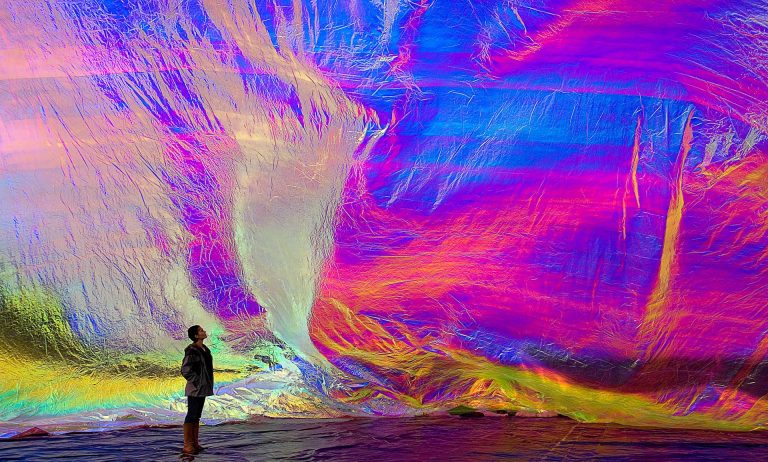
Museo Nacional Thyssen-Bornemisza and Thyssen-Bornemisza Art Contemporary (TBA21) present ‘More-than-humans’ an exhibition bringing together works by Dominique Gonzalez-Foerster and Tomás Saraceno, inviting visitors to explore questions surrounding human and non-human technologies, artificial intelligence, culture in the Anthropocene, the collective minds of animals, and the power and attraction of the unknown – through which we are able to experience representation and structure of resonance through a focus on the haunted presences at the edge of disappearance, curated by Stefanie Hessler.
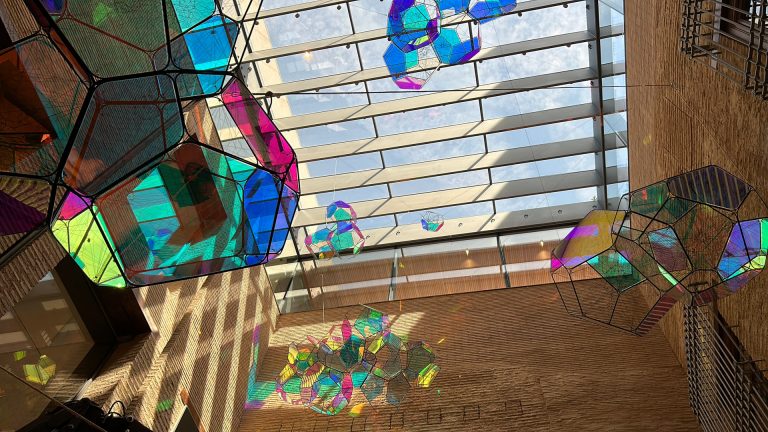
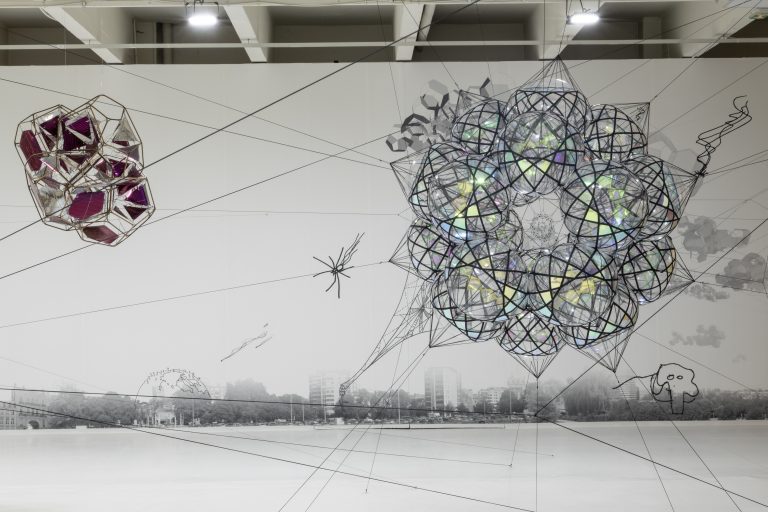
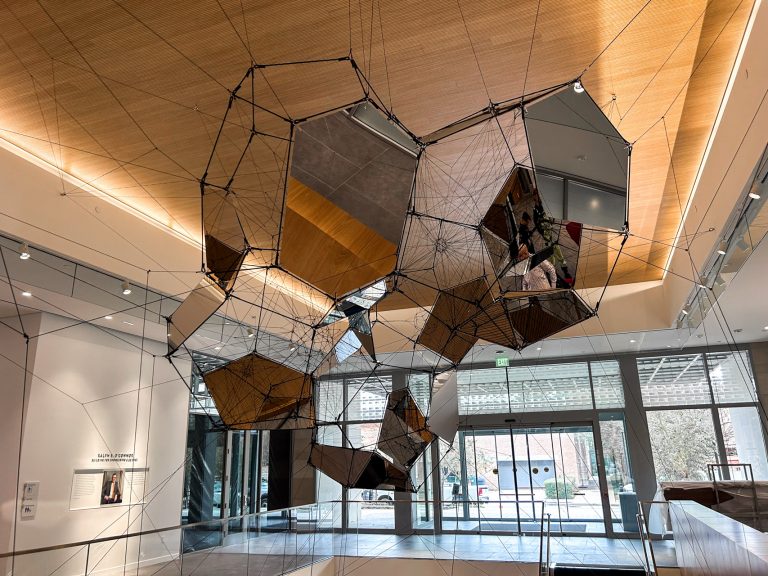
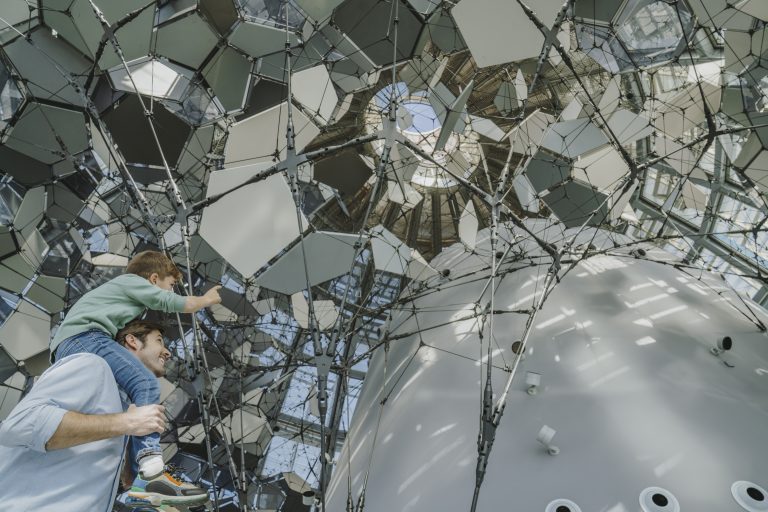
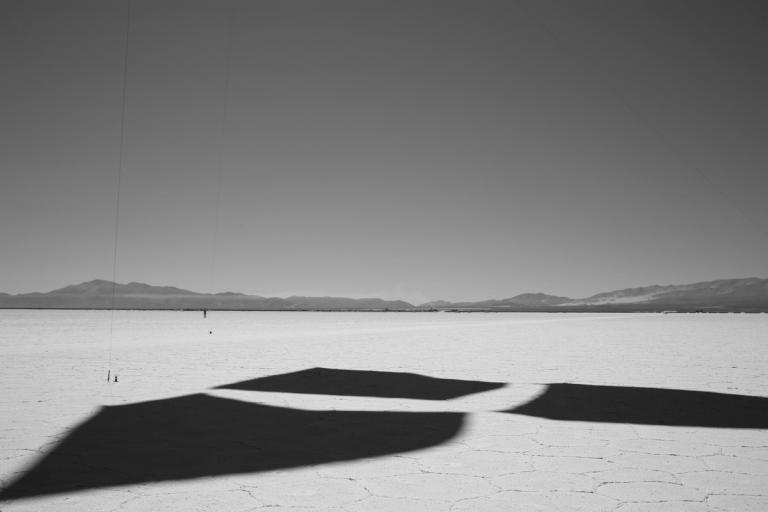
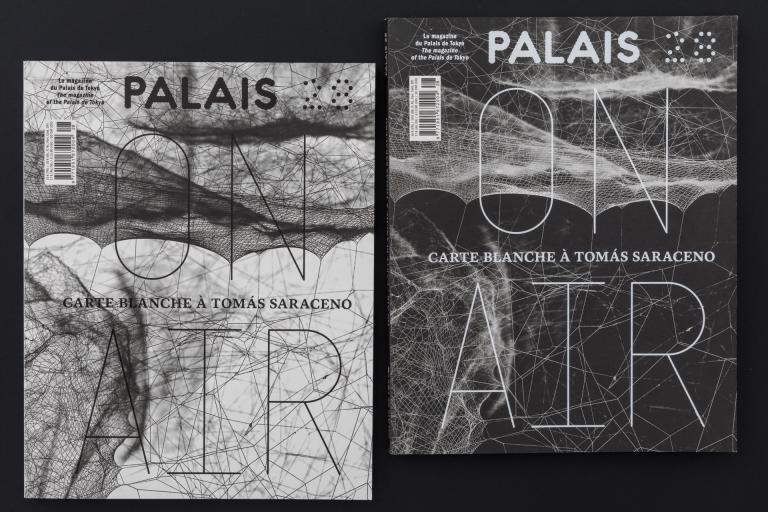
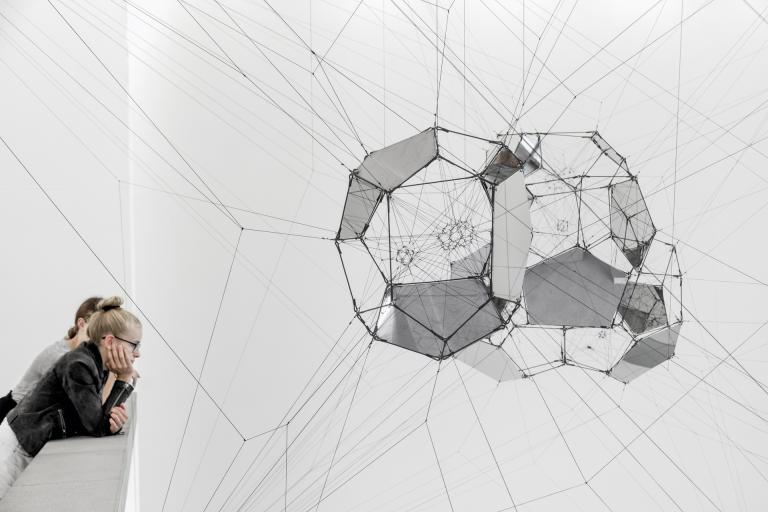
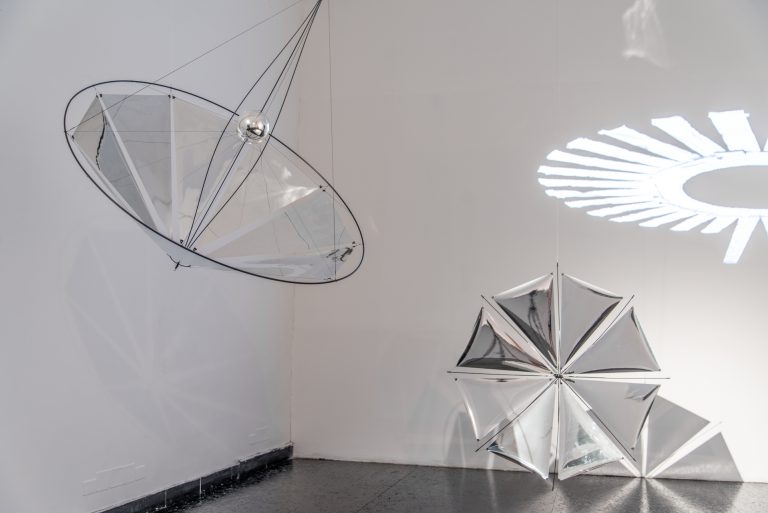
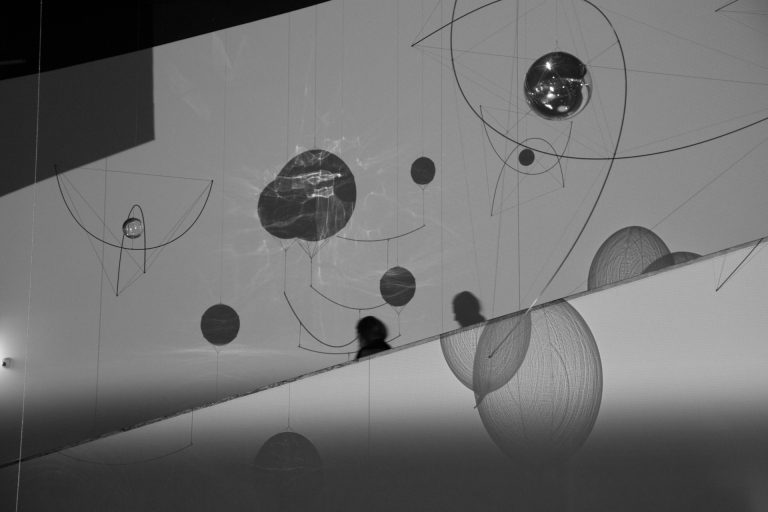
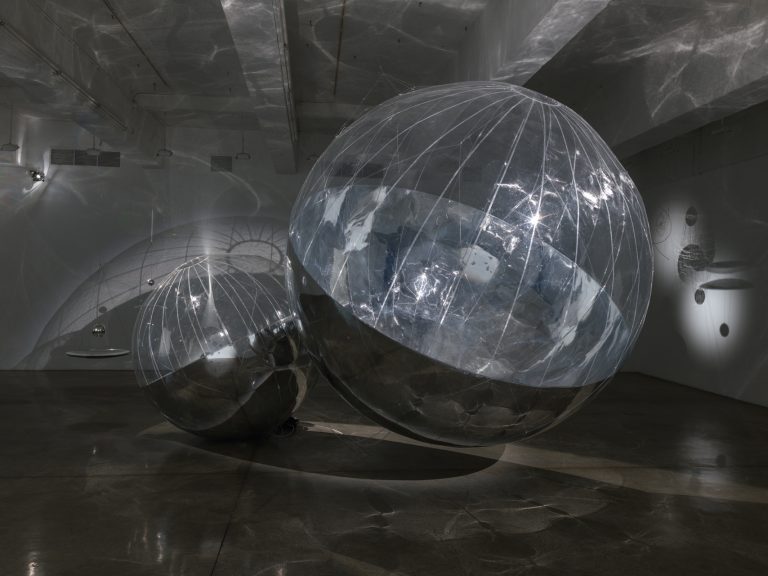
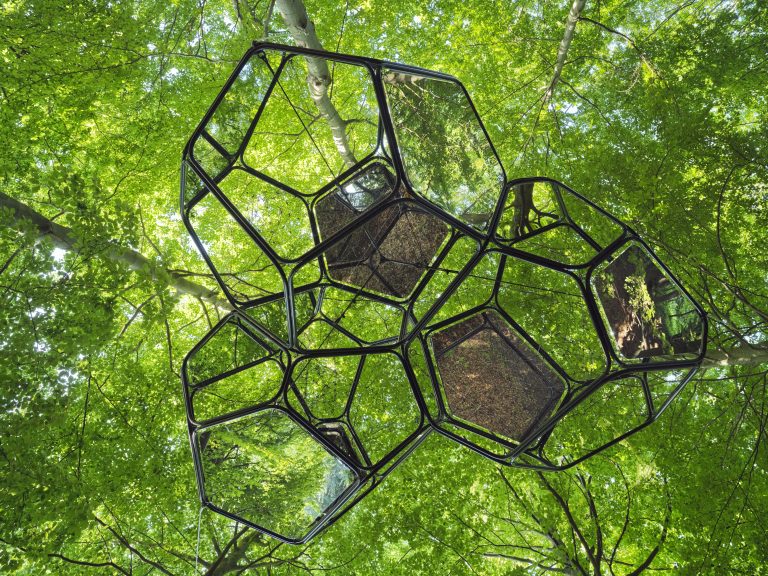
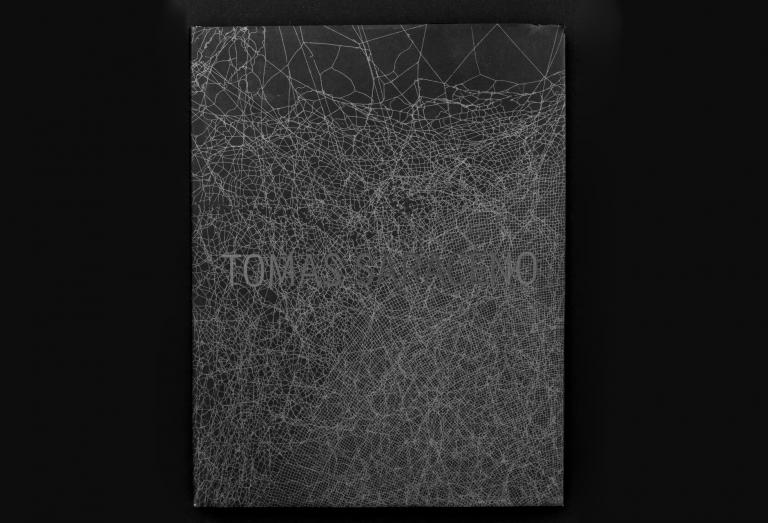
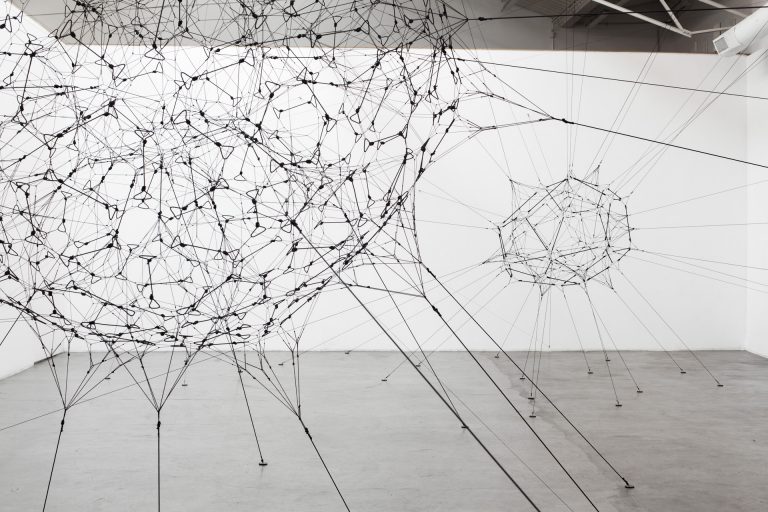
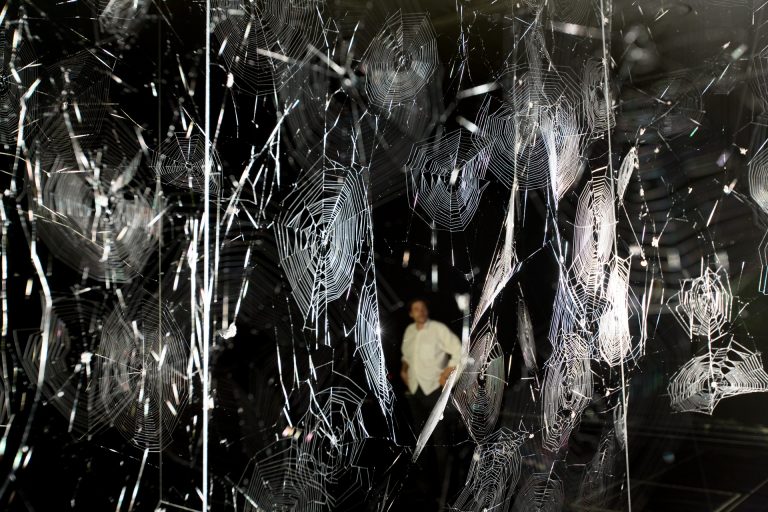
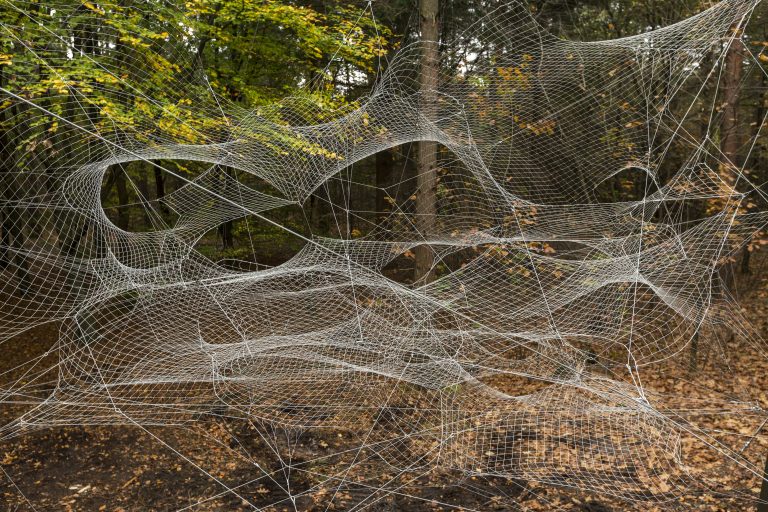
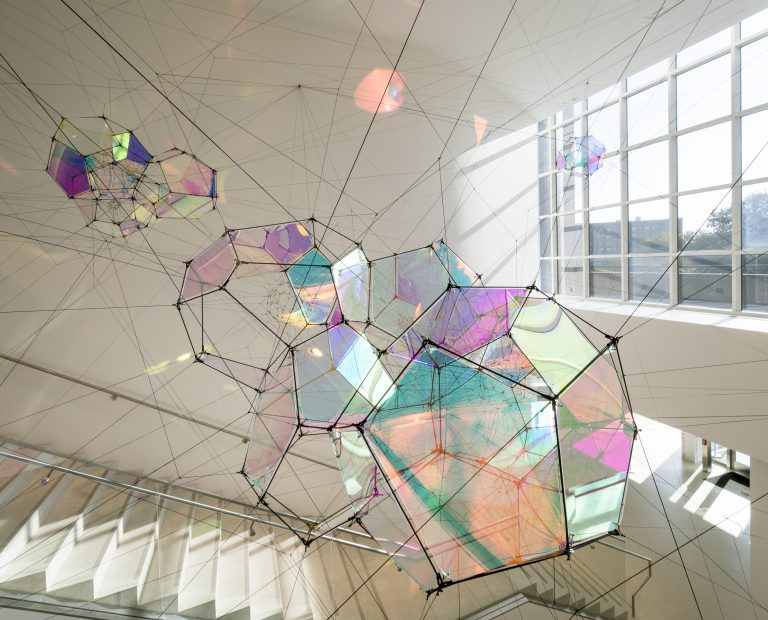
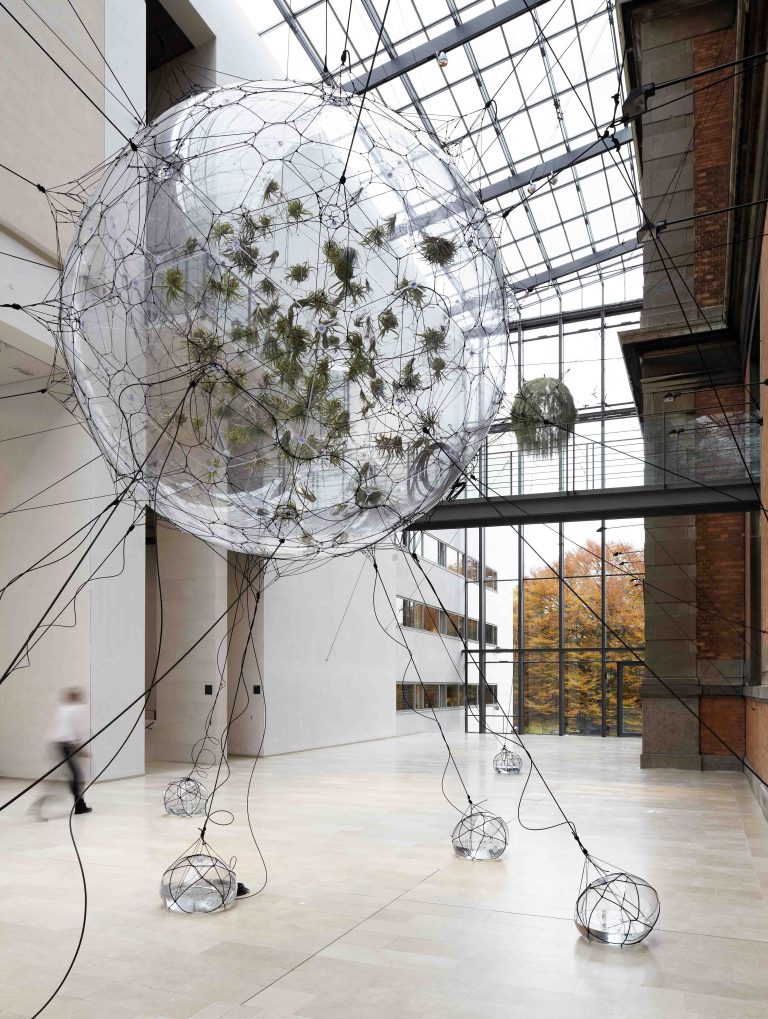
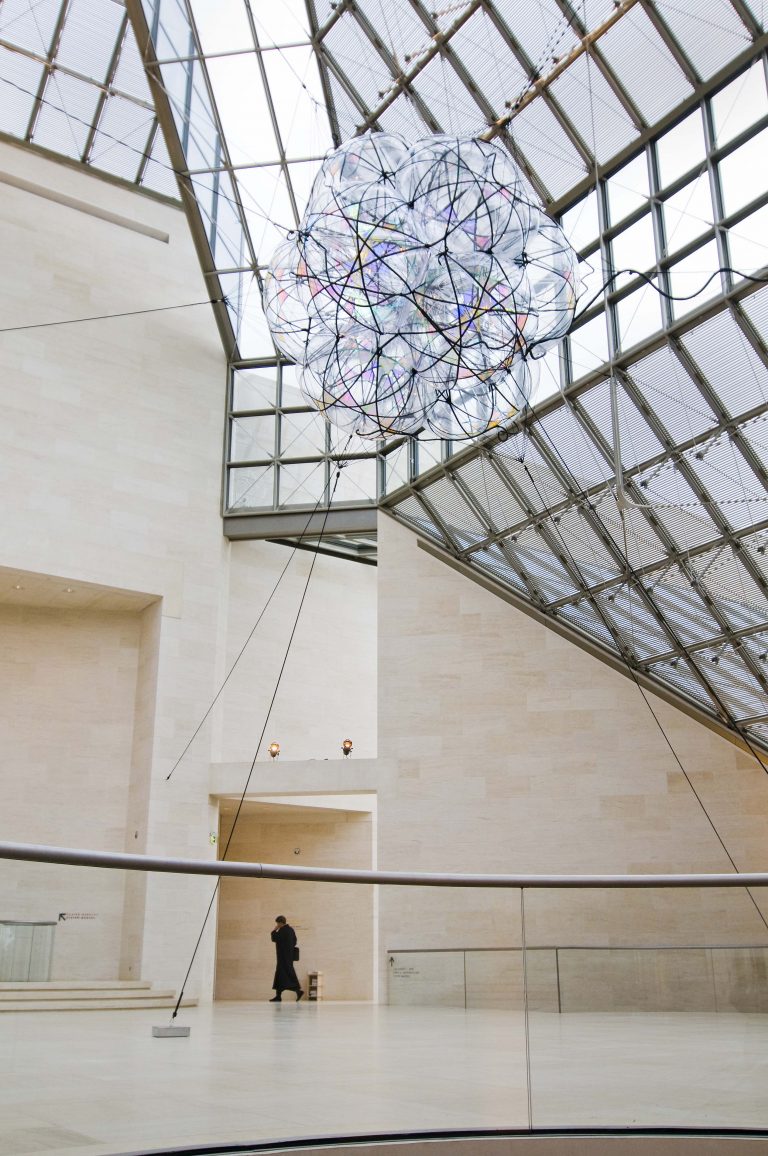
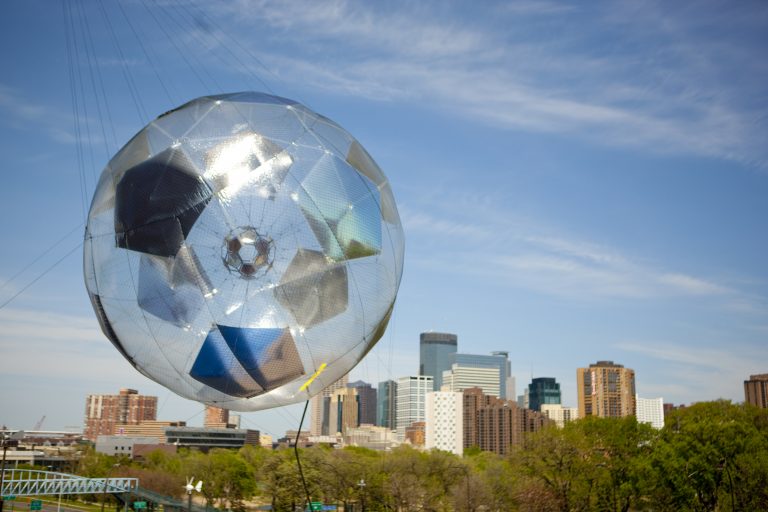
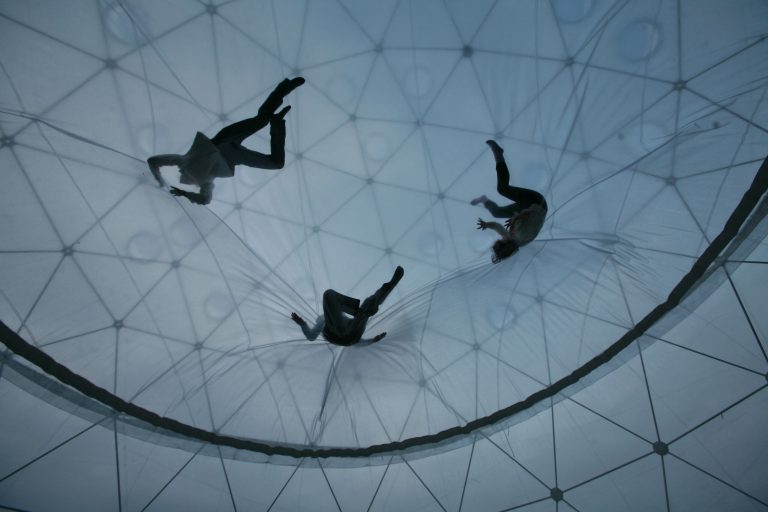
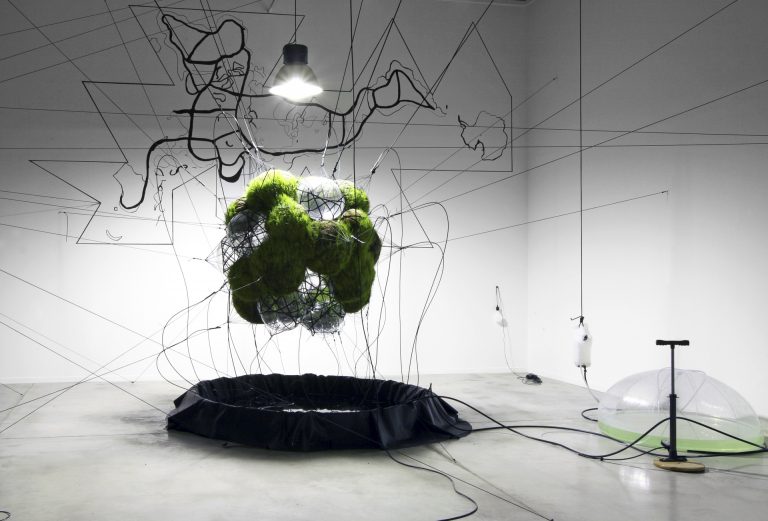
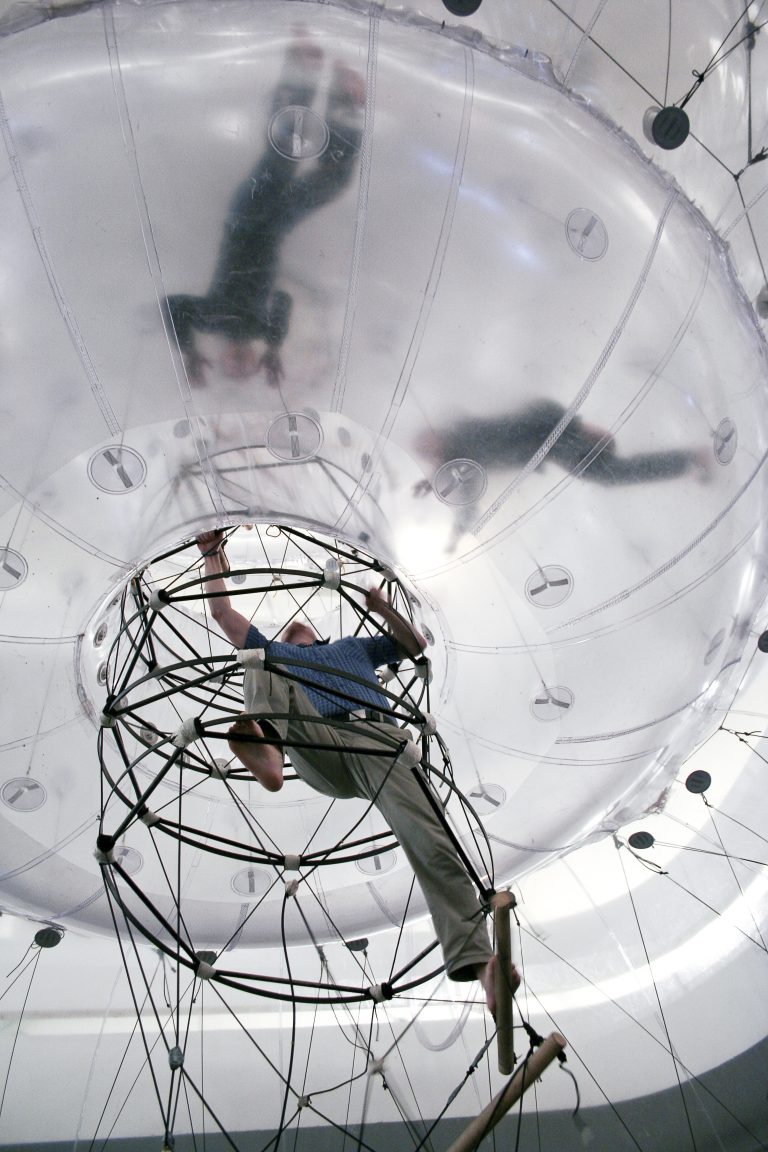
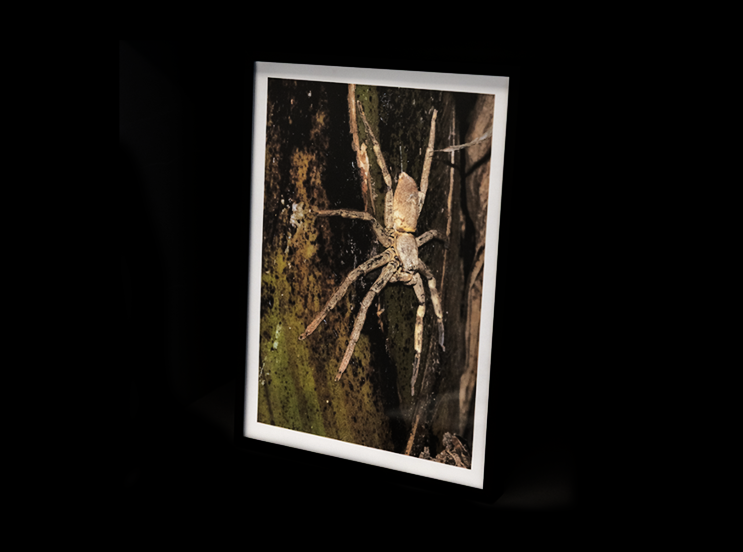
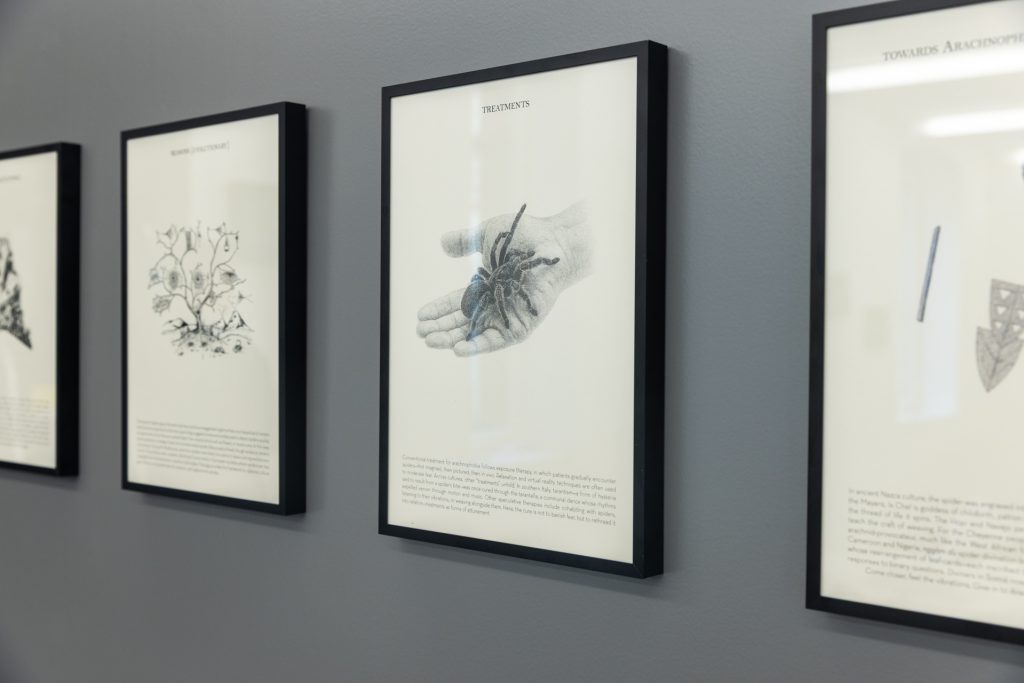
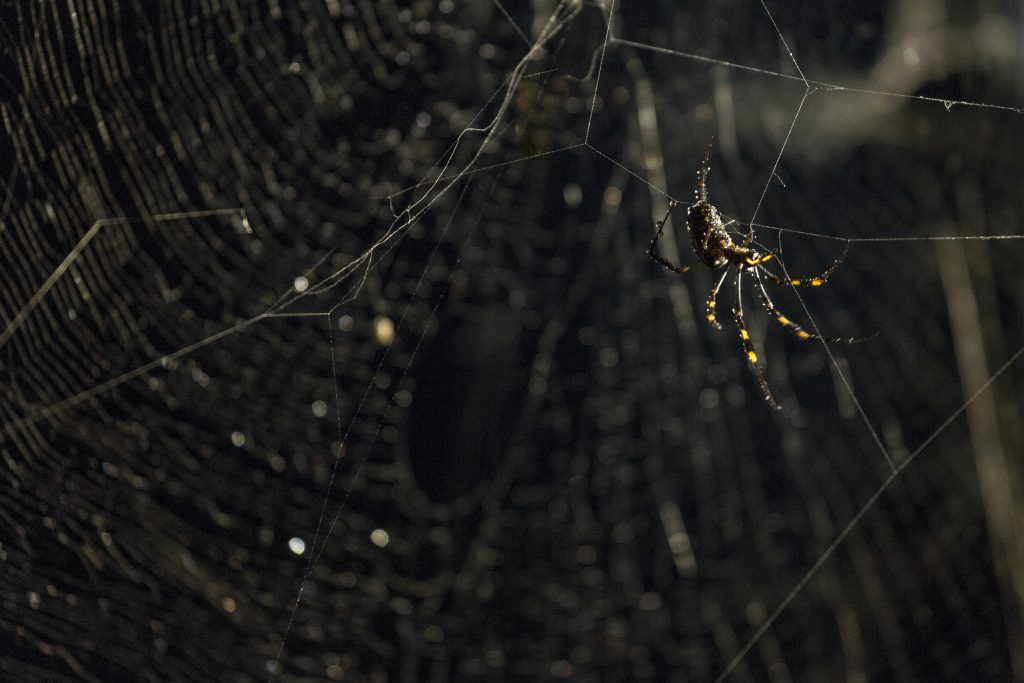
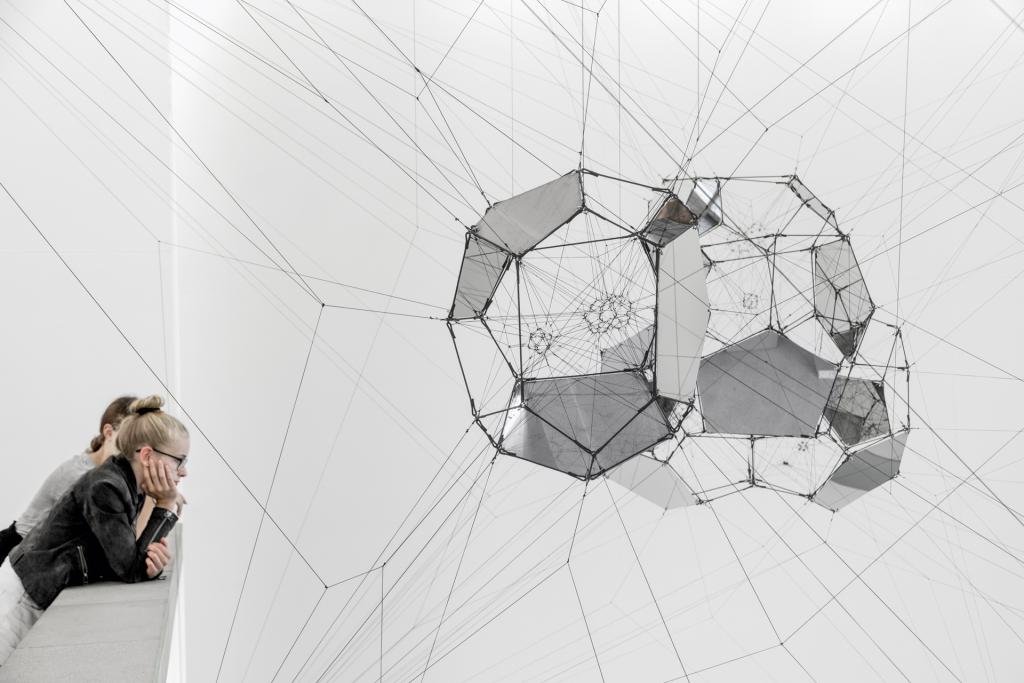
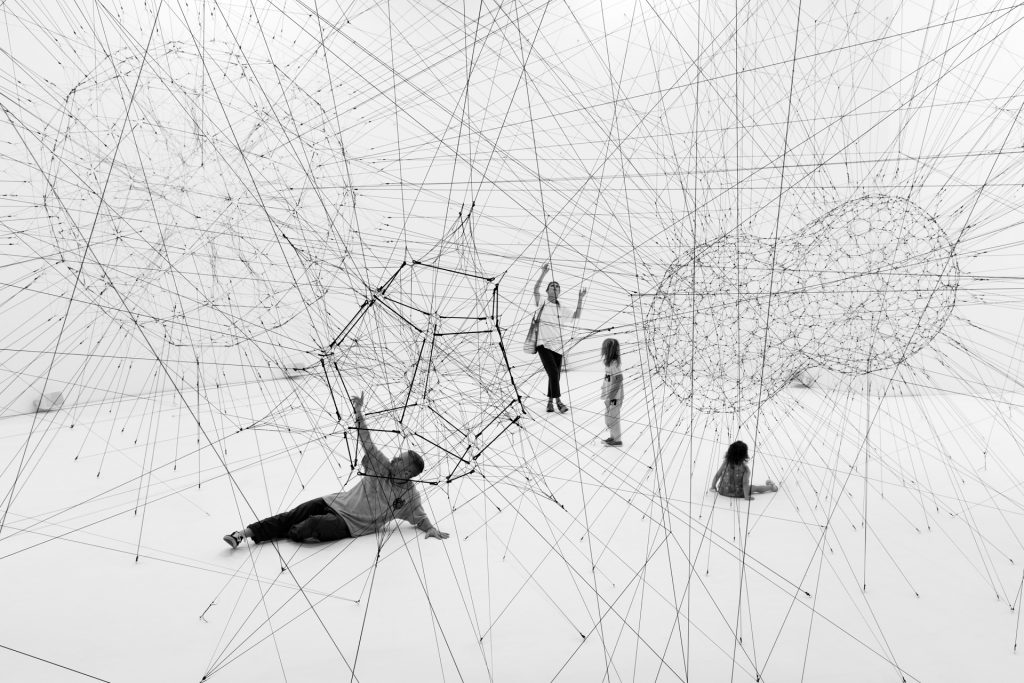
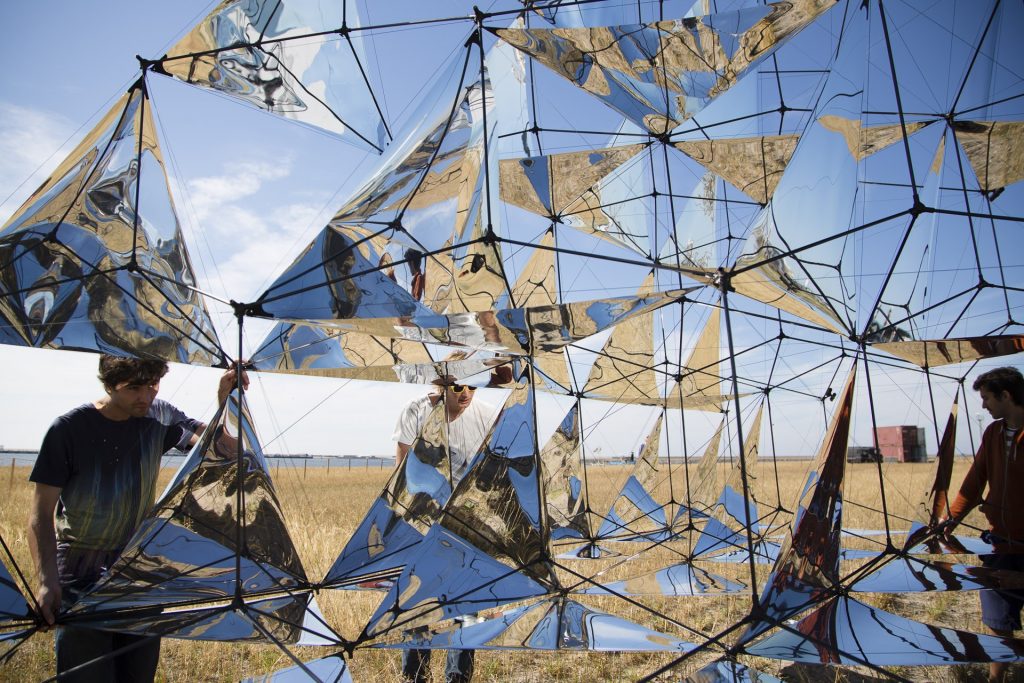
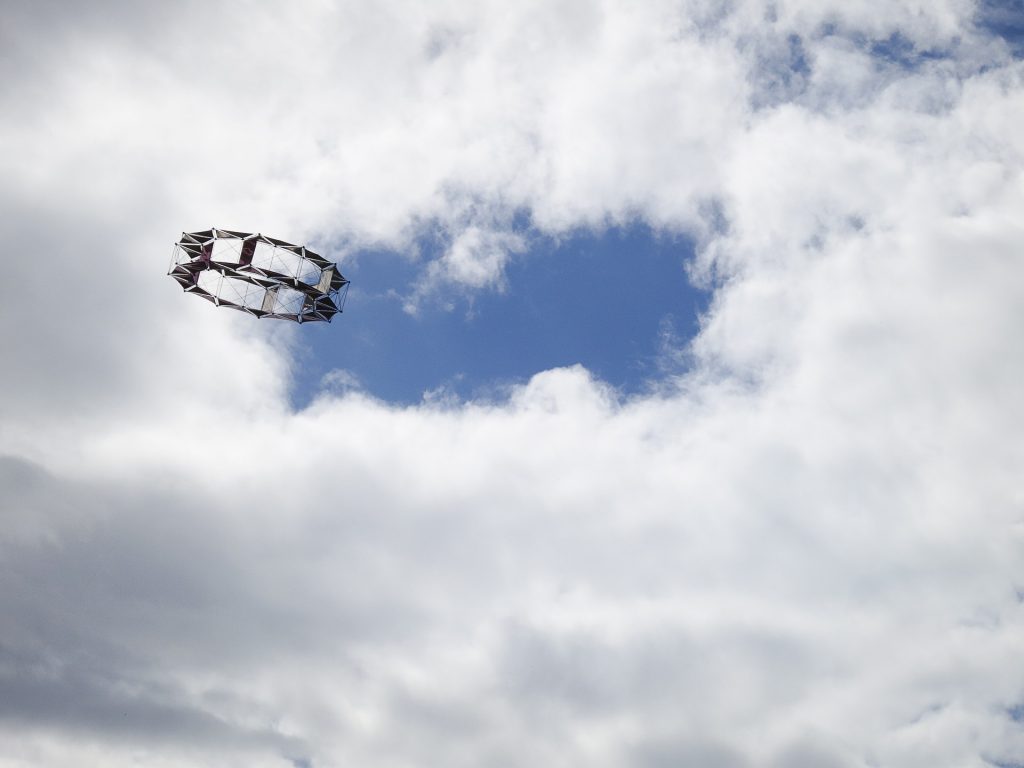
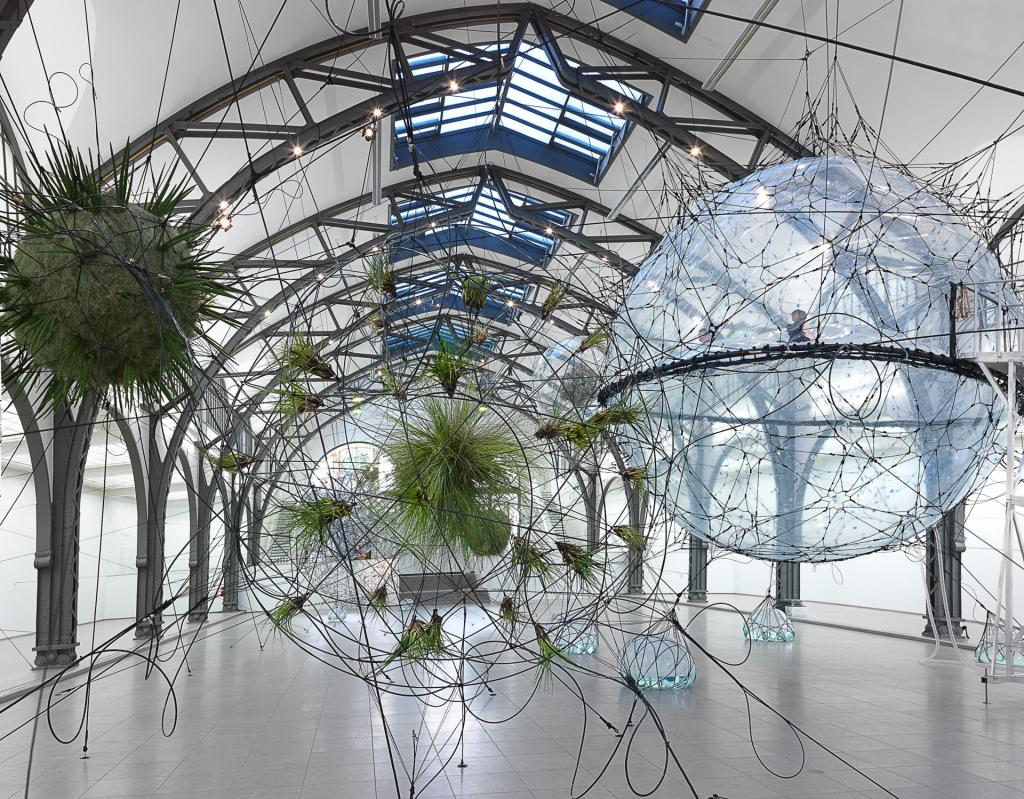
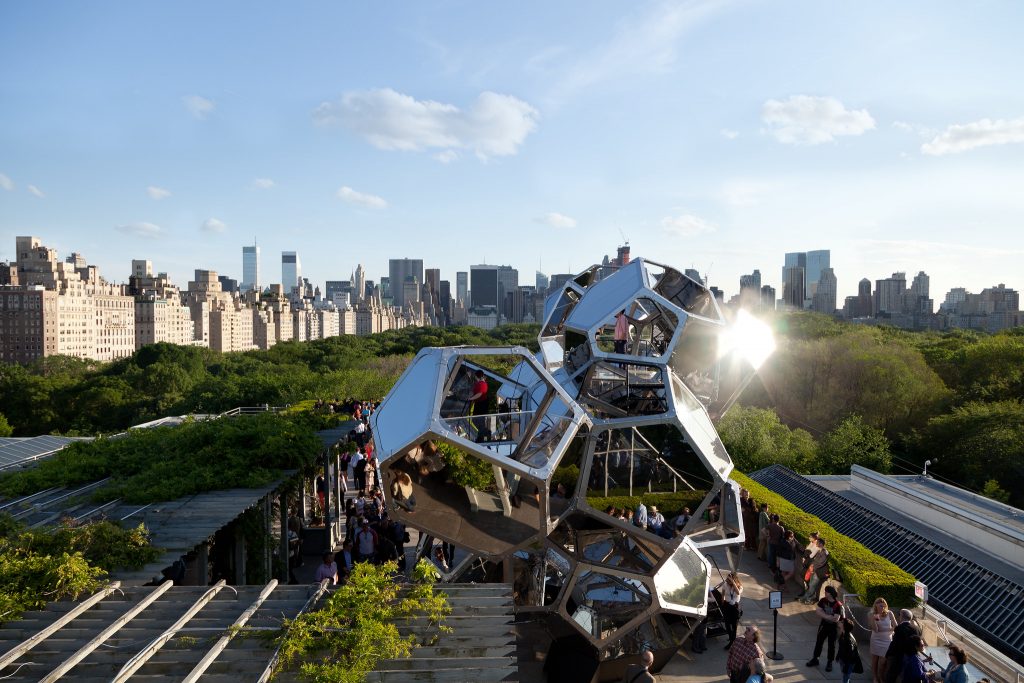
Studio Tomás Saraceno presents four works, which form parts of over a decade of greater speculative interdisciplinary research into multispecies ecologies and collaborations with spiders.
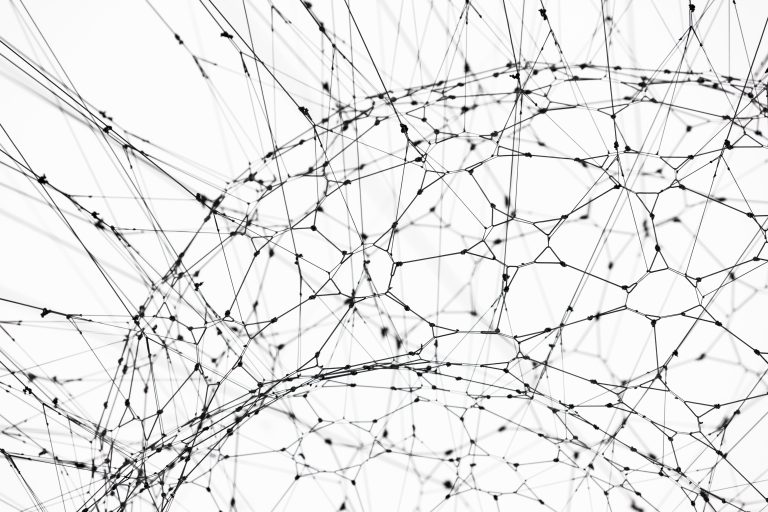
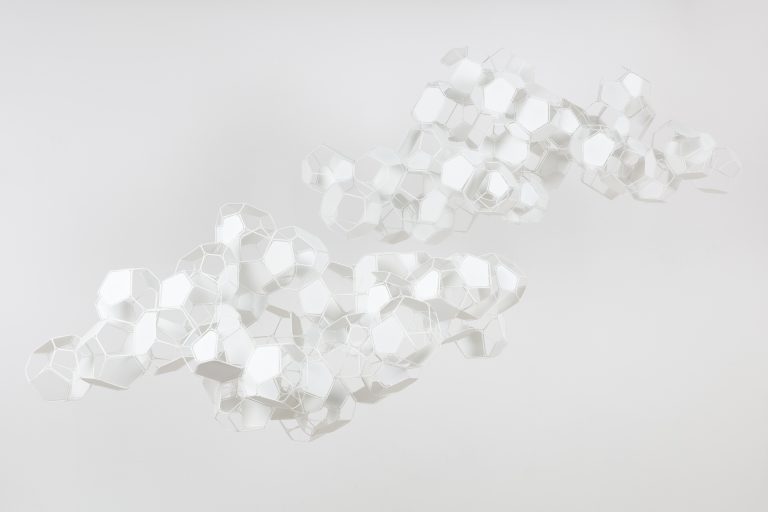
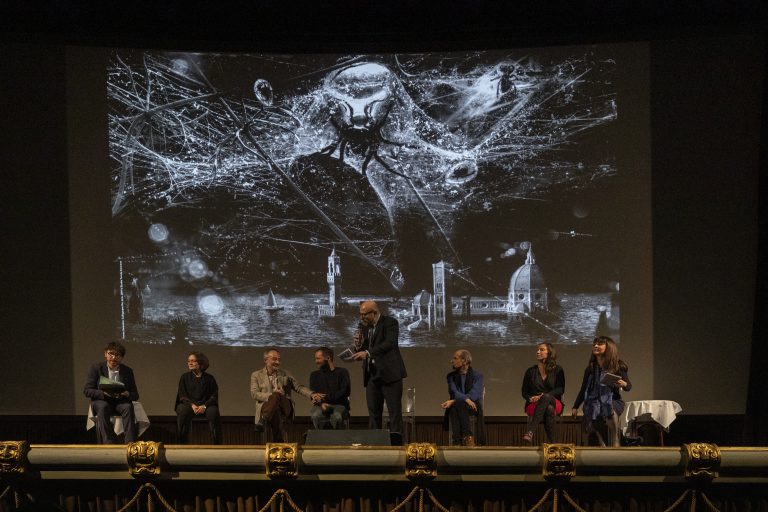
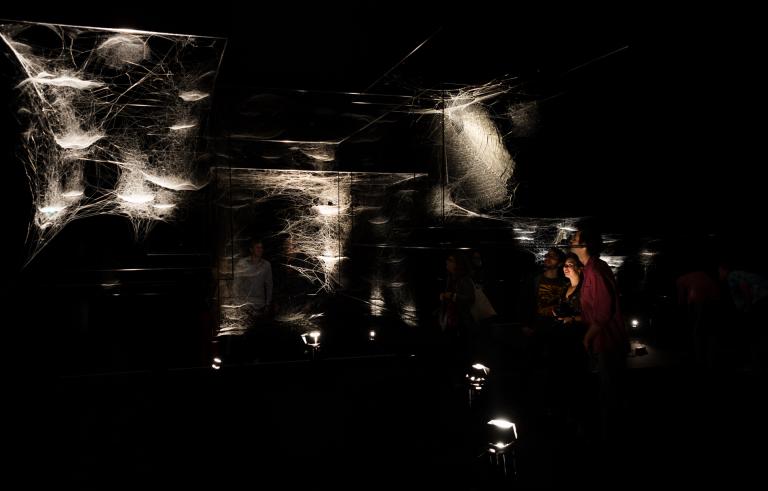
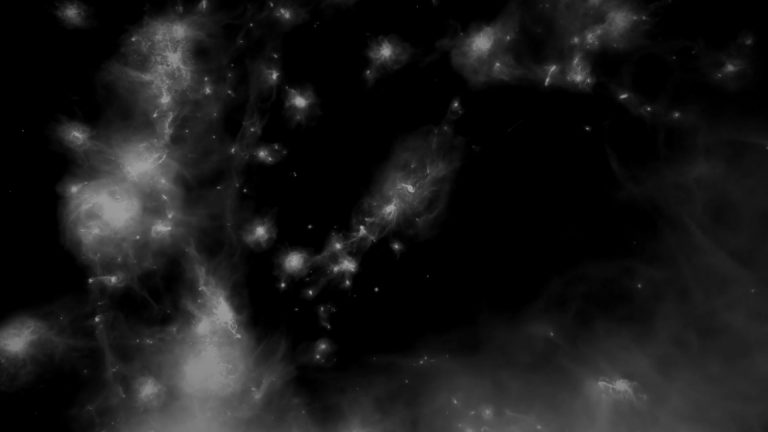
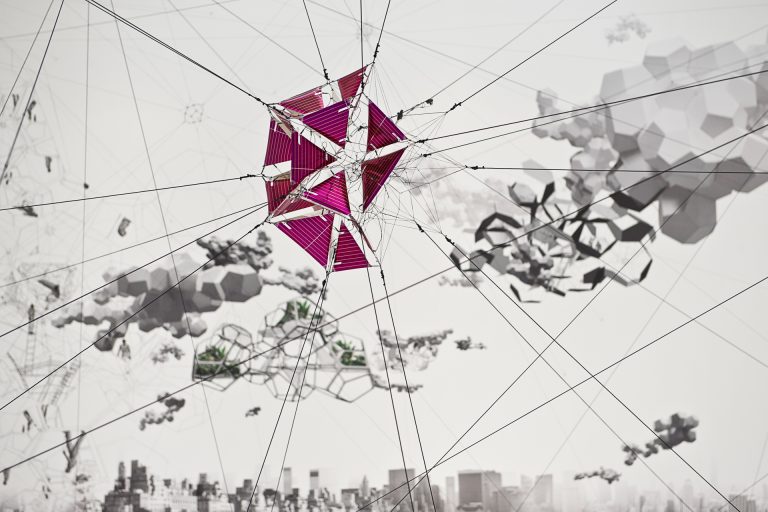
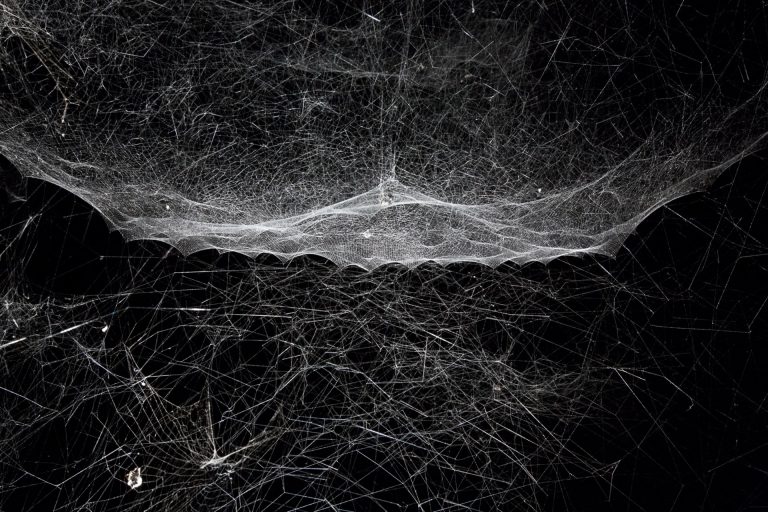
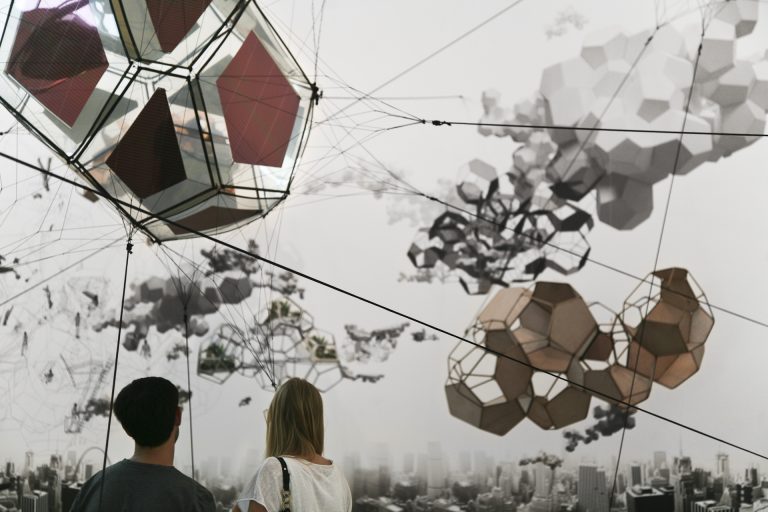
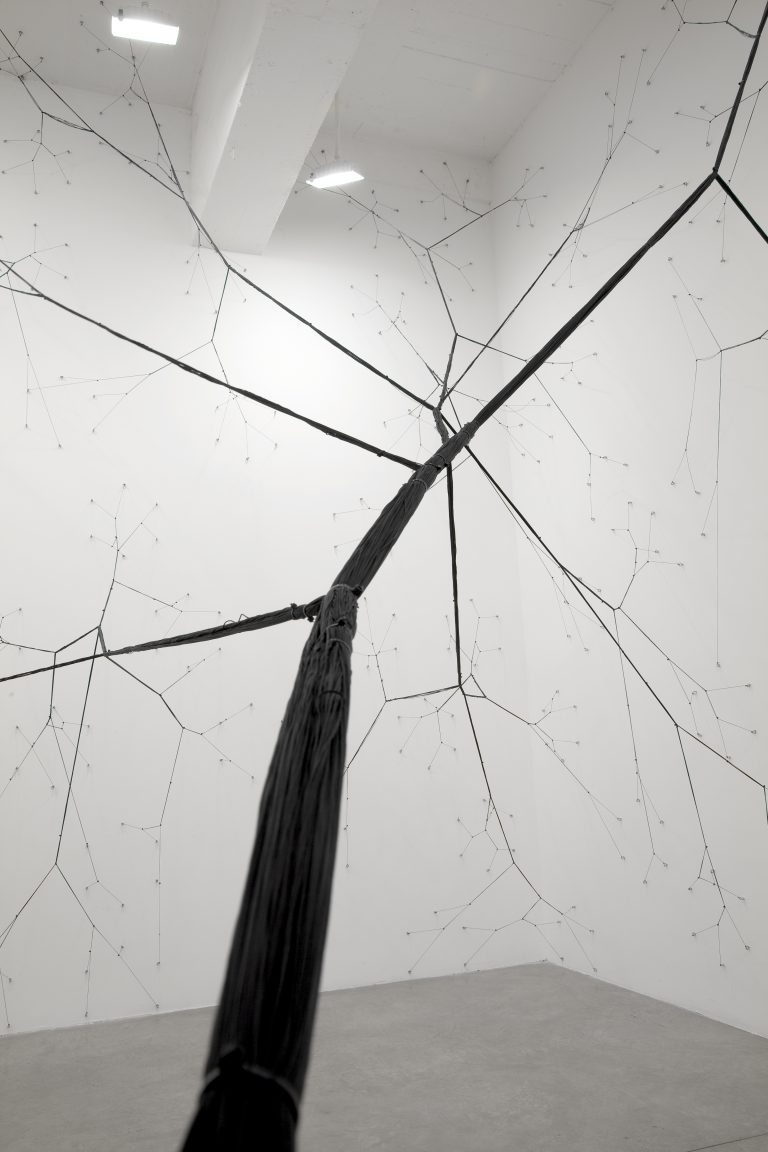
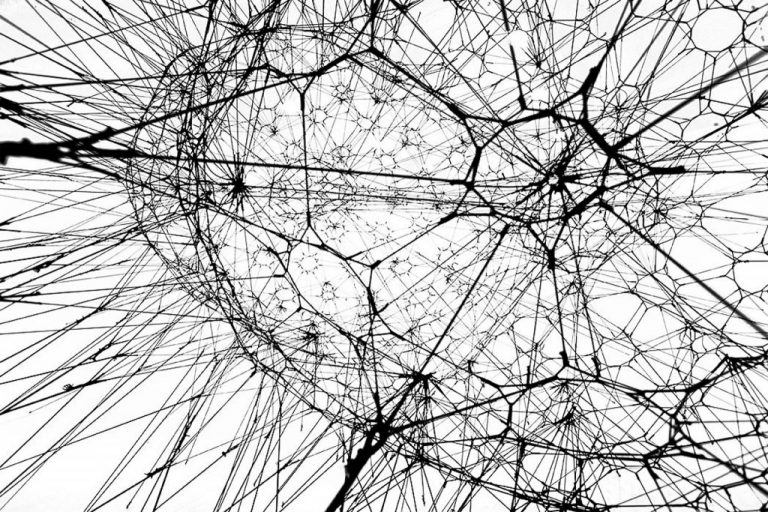
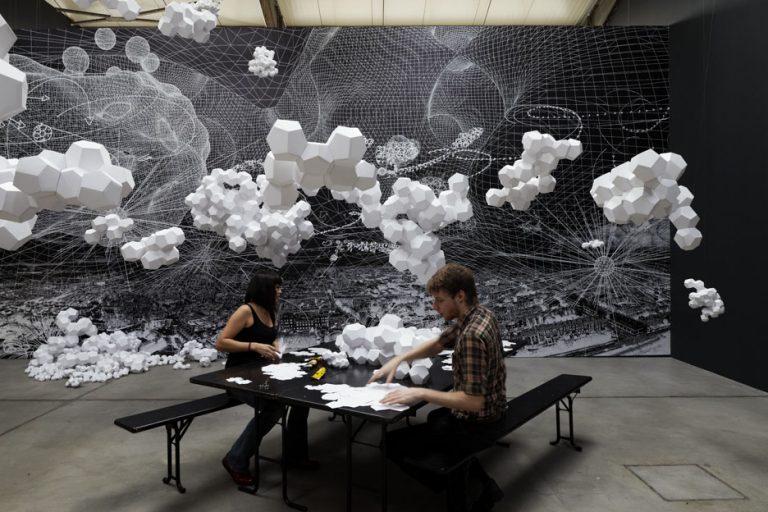
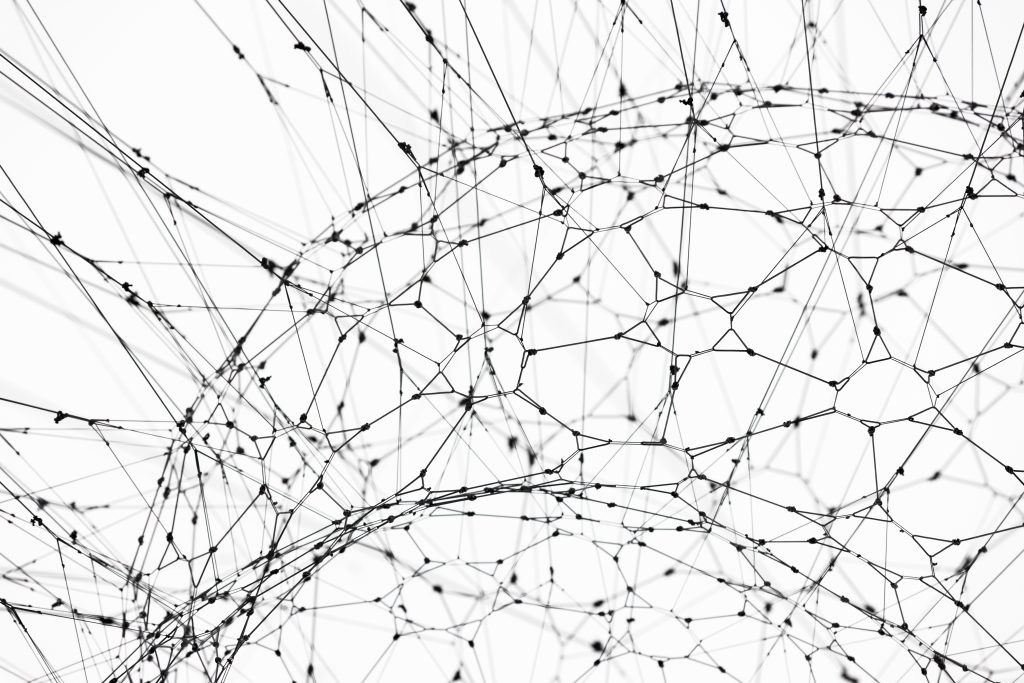
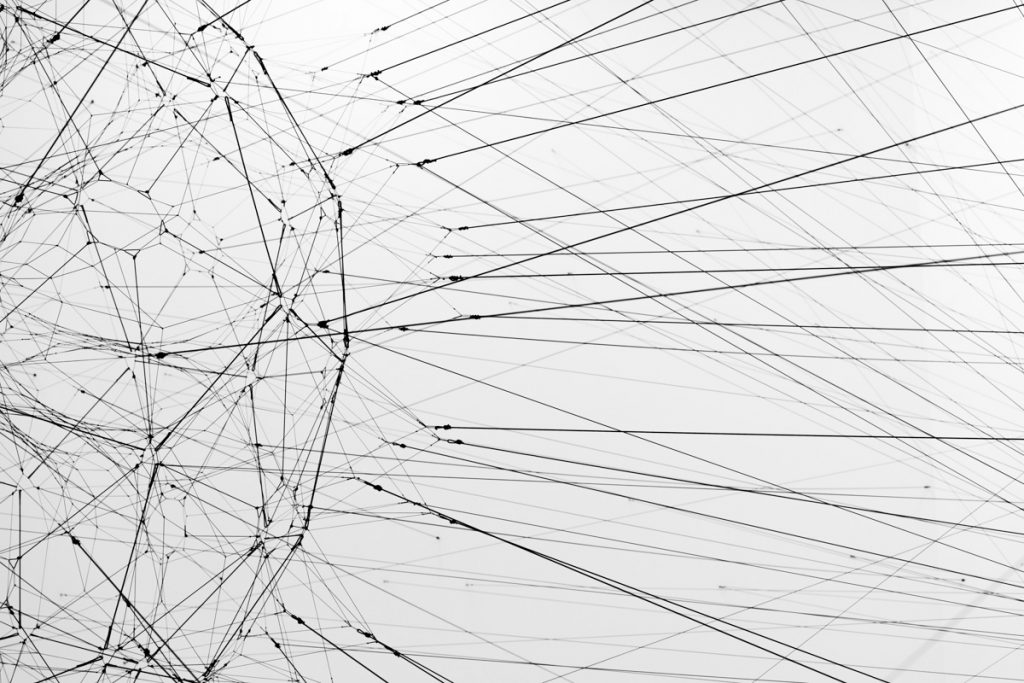
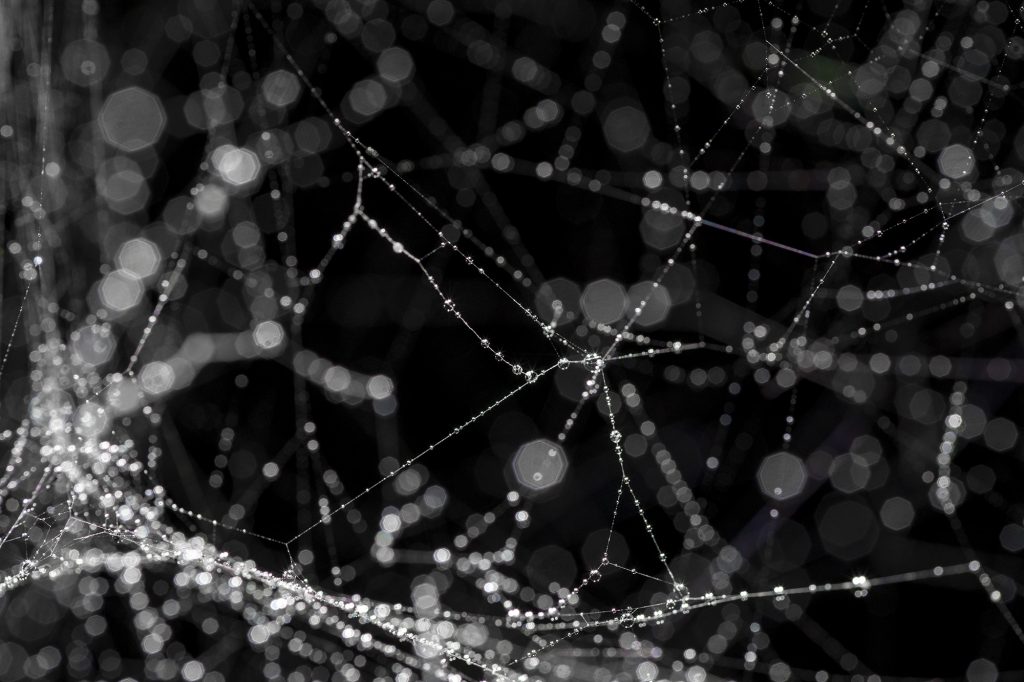
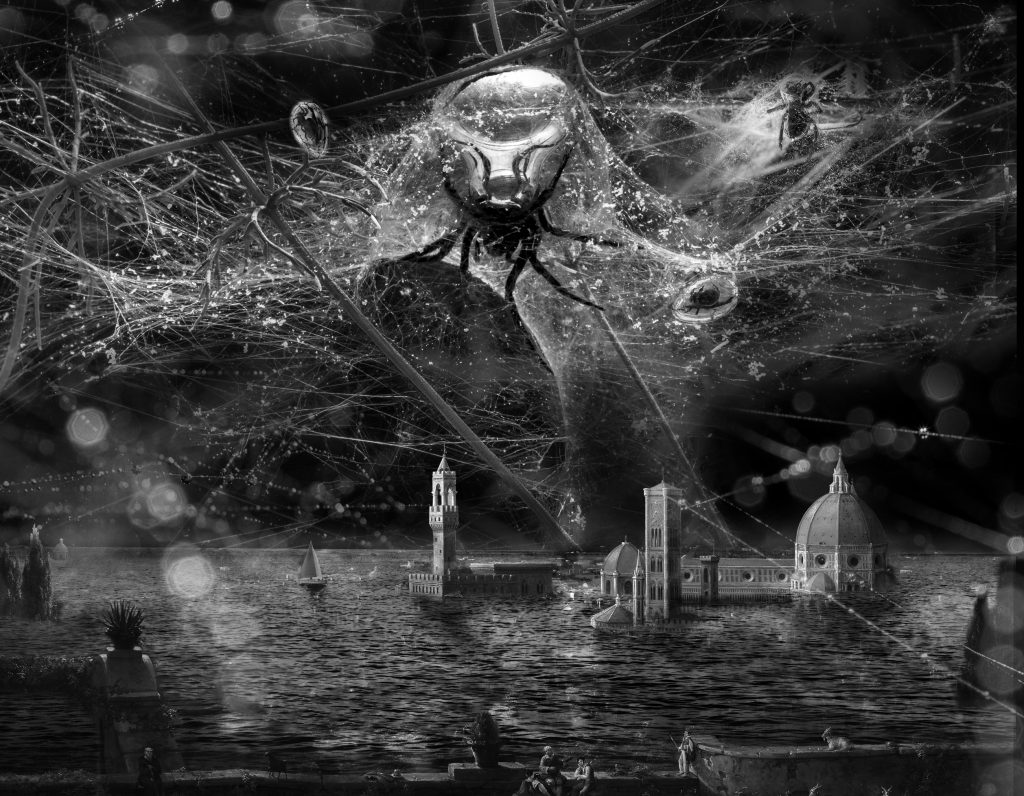
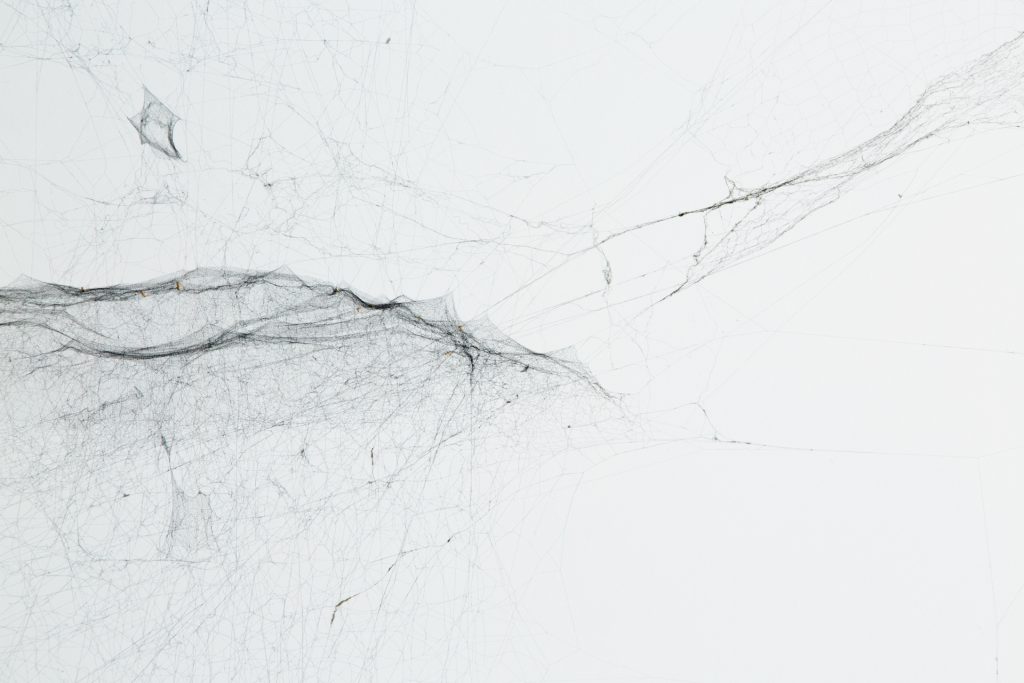
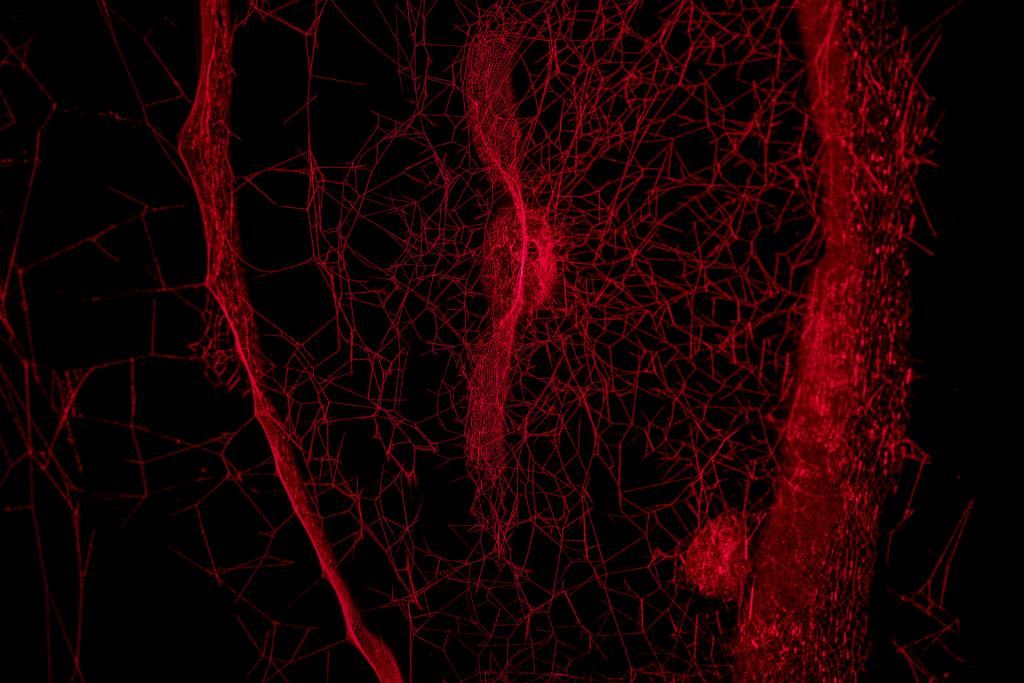
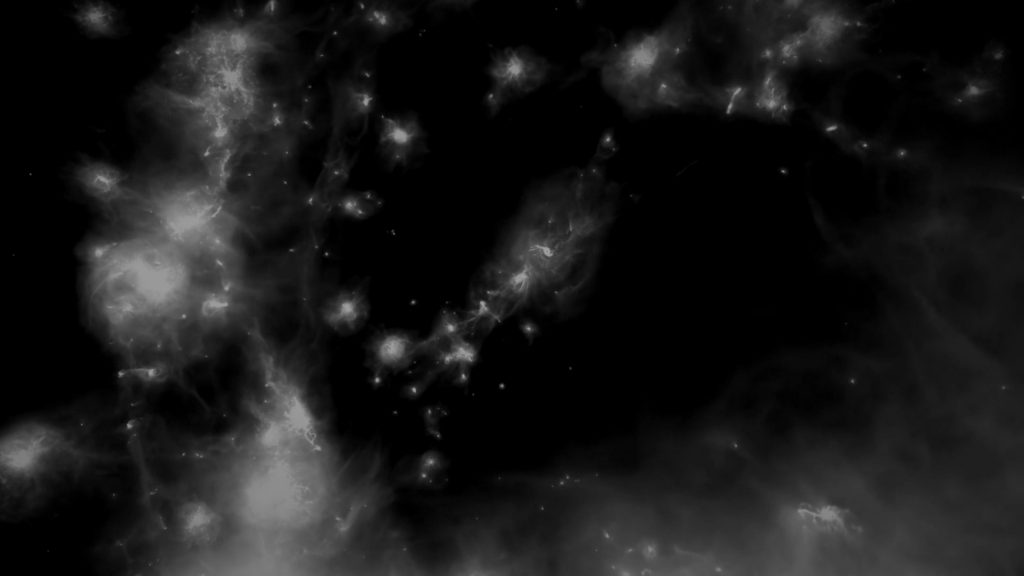
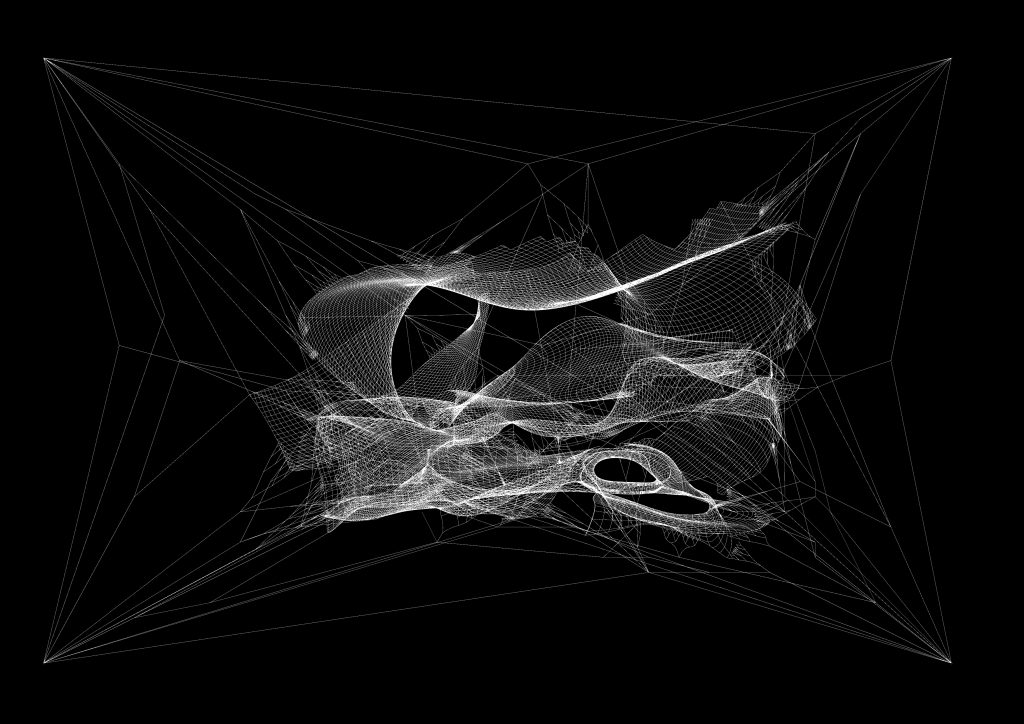
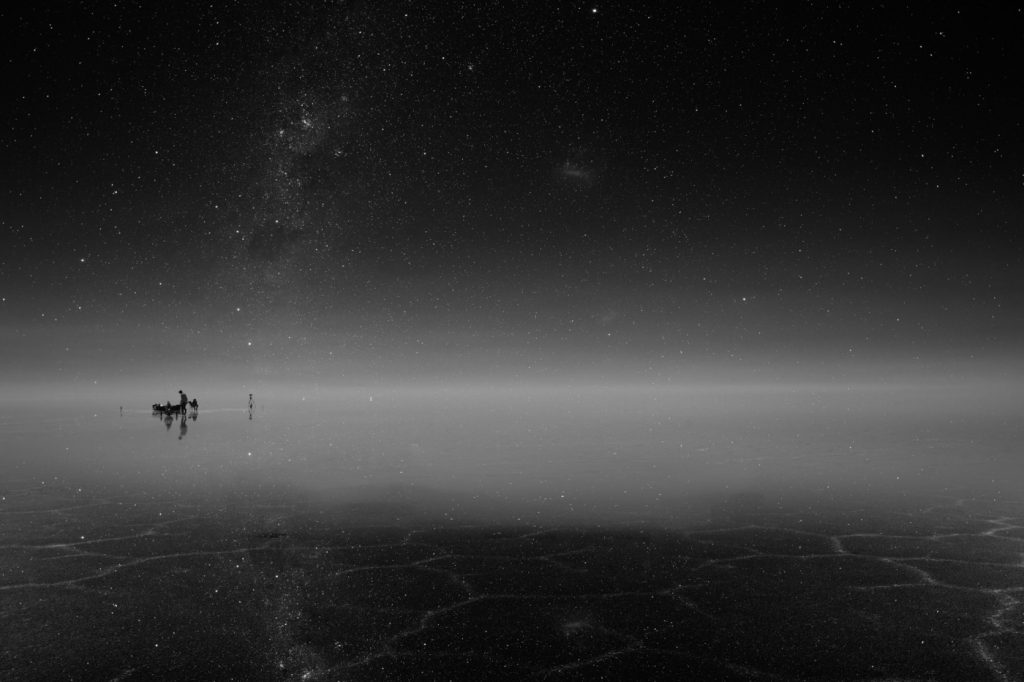
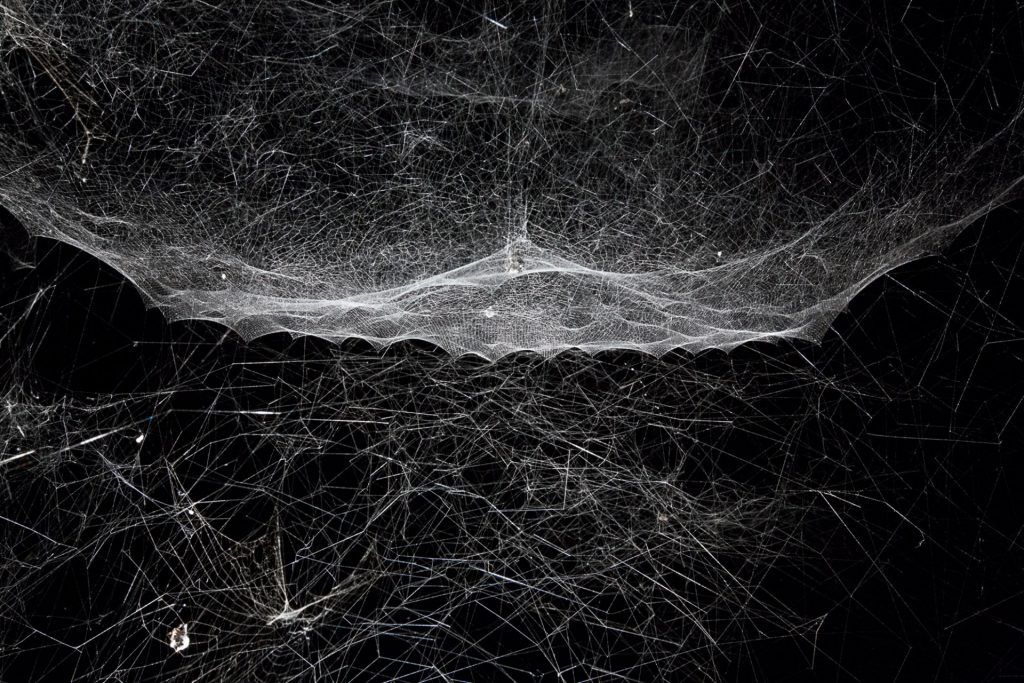
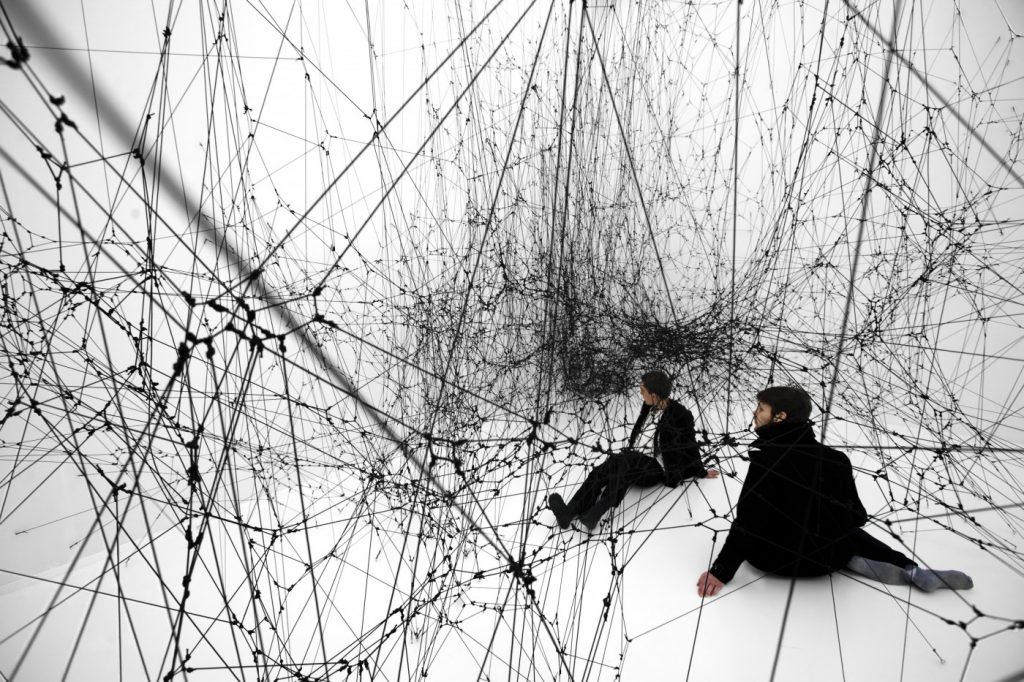
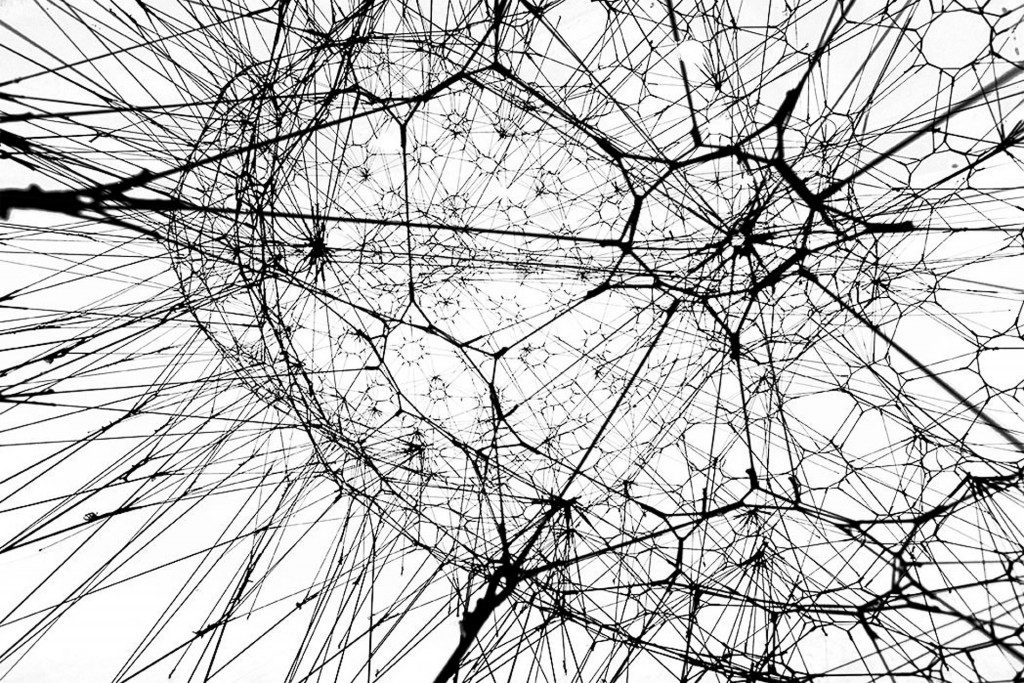
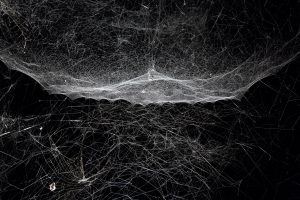
The cosmic web is a vibrant superorganism — its filamentary networks of assembling dark matter providing the mesh on which the large-scale structure of the universe is composed. As ordinary matter is gravitationally attracted to the densest parts of the cosmic web, clusters of galaxies form, creating a fragile balance between density and void. Scientists have observed that complex, three-dimensional spider/webs resemble computer simulations of the cosmic web.
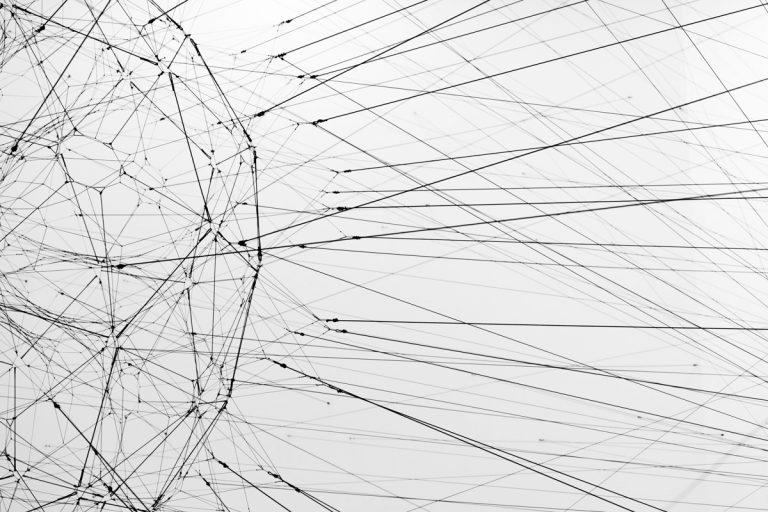
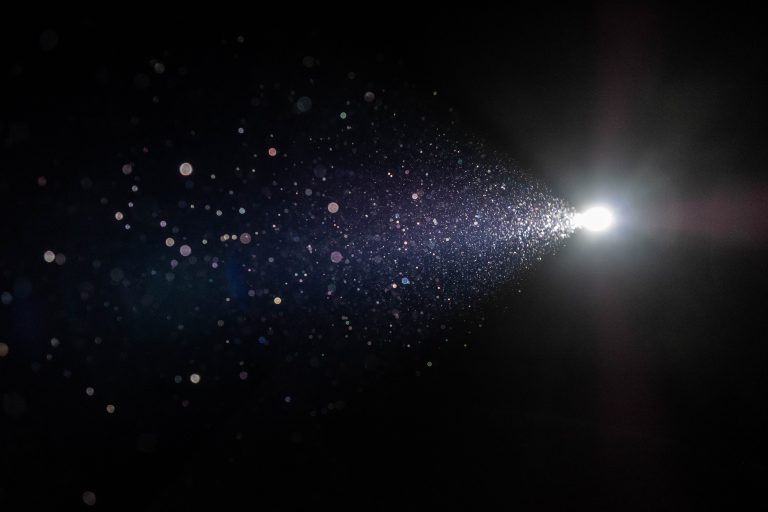
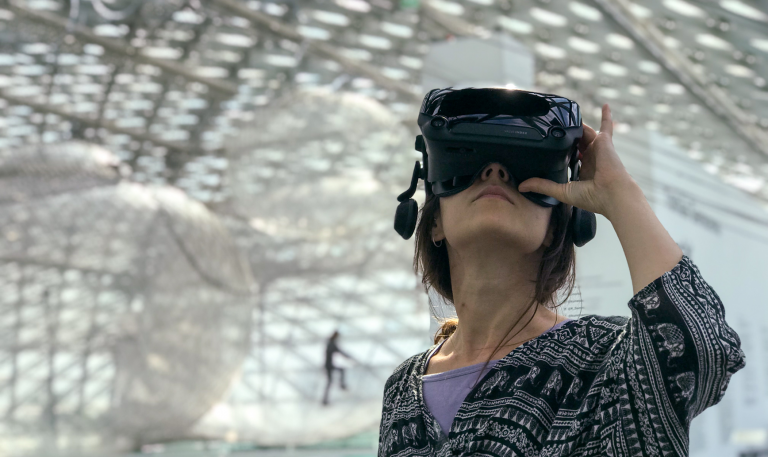
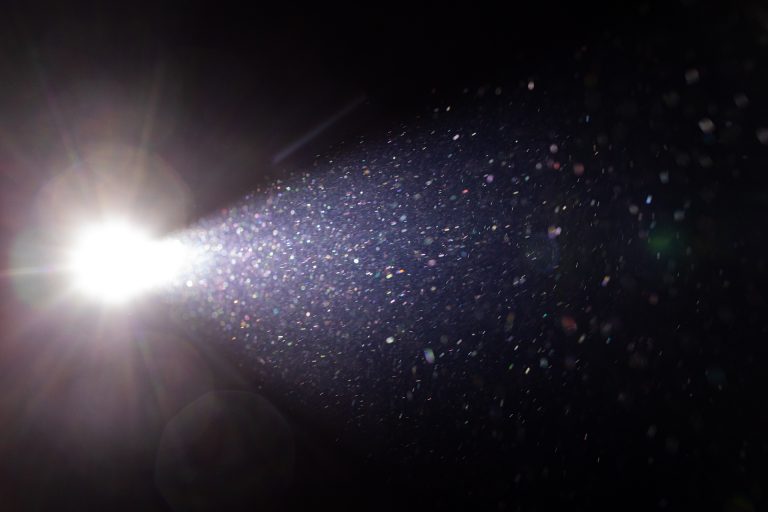
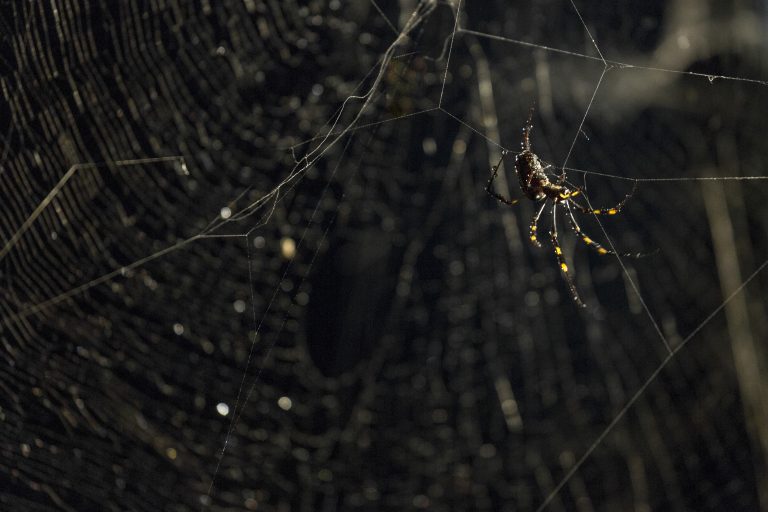
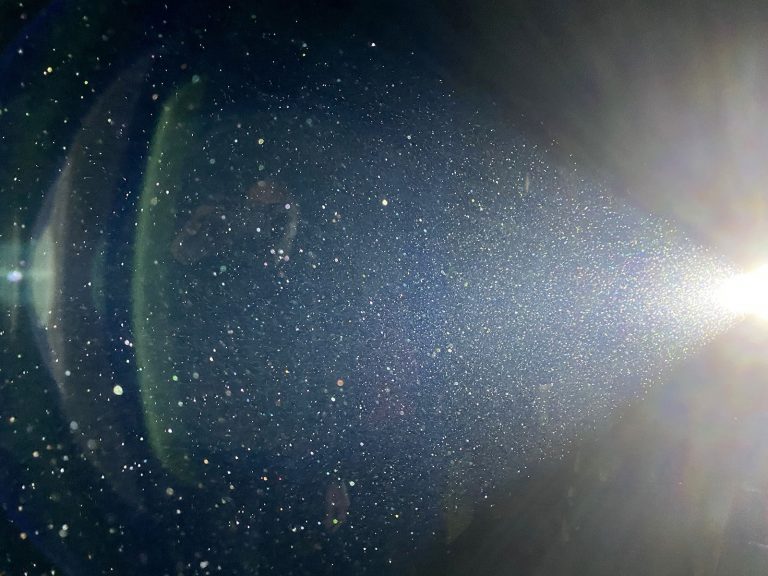
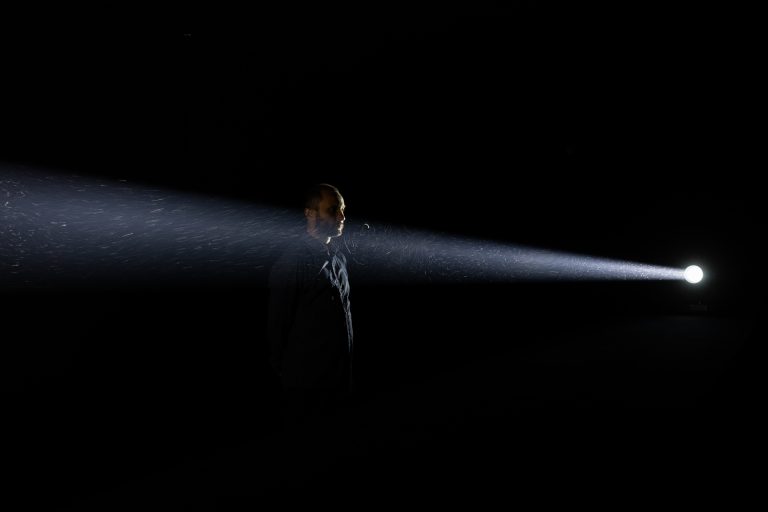
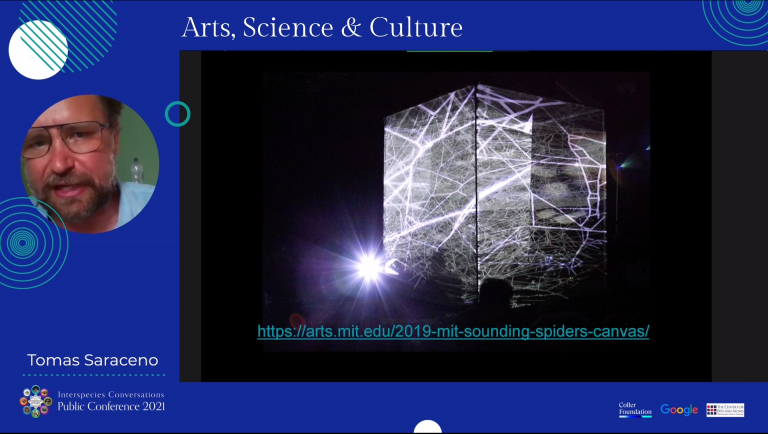
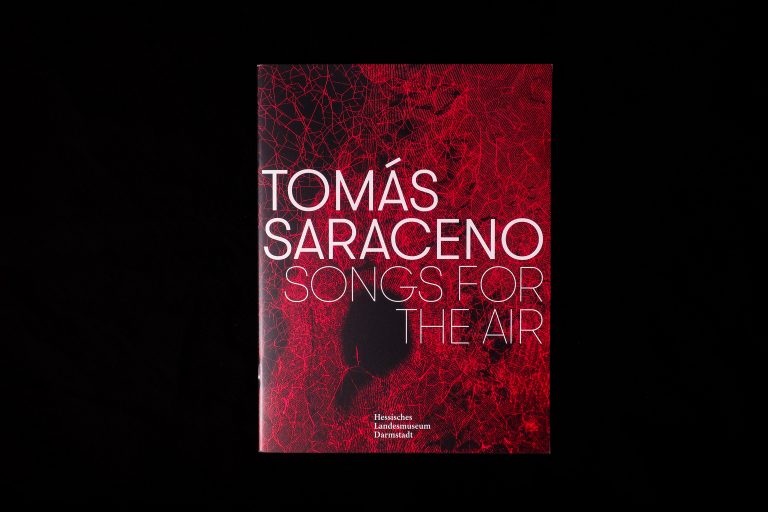
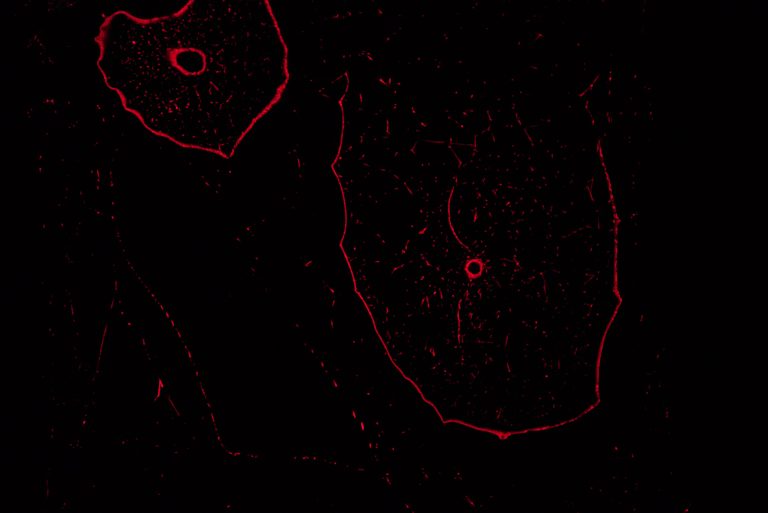
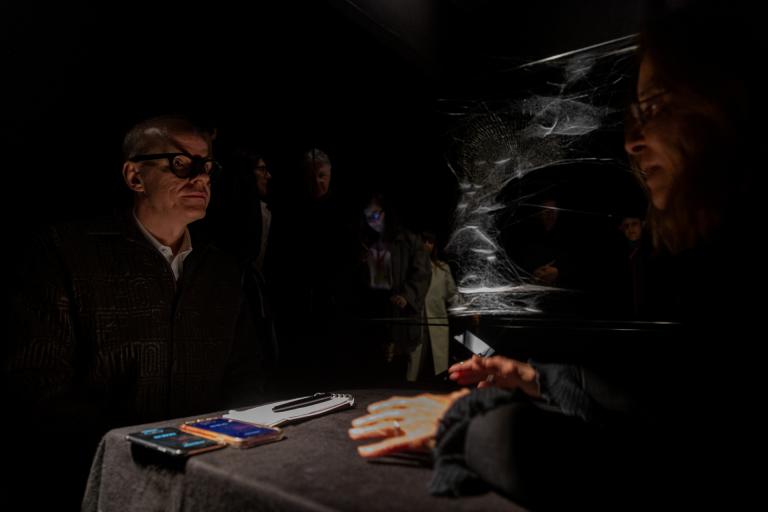
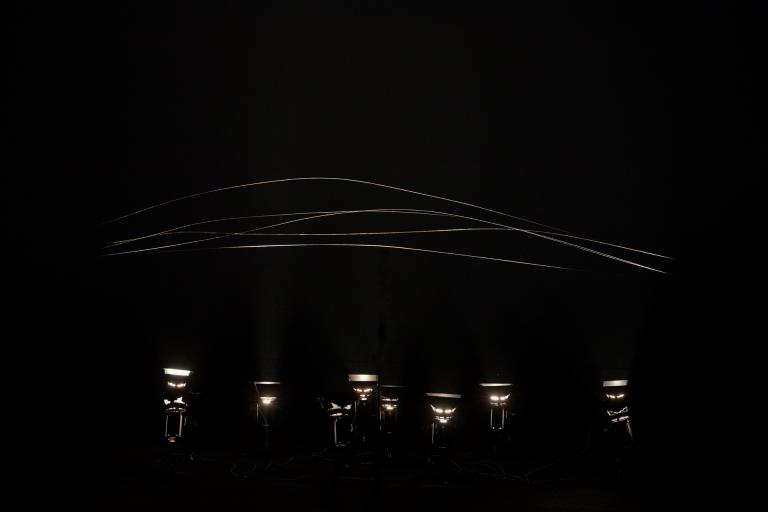
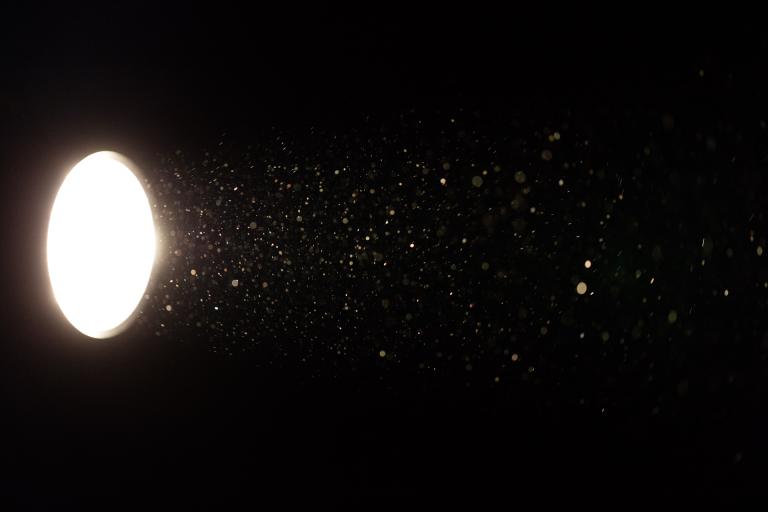
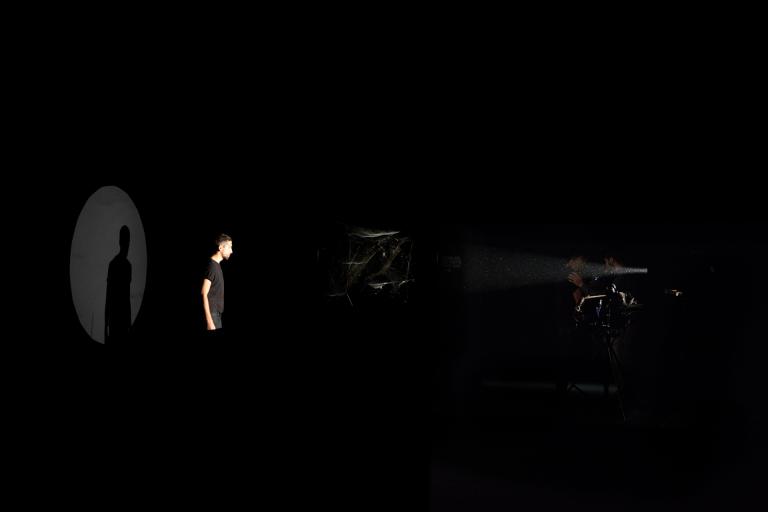
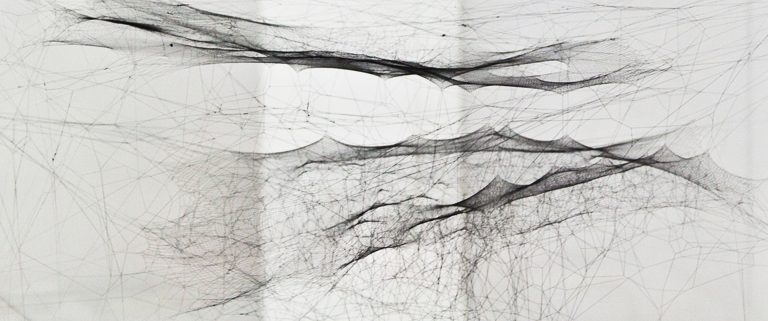
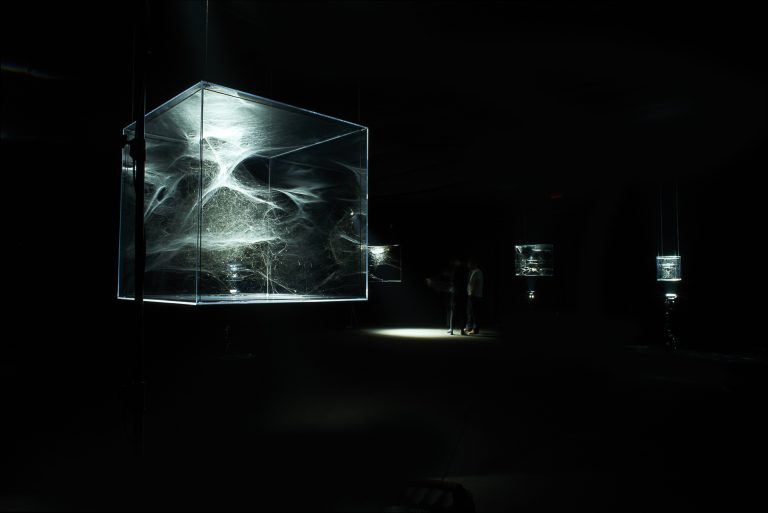
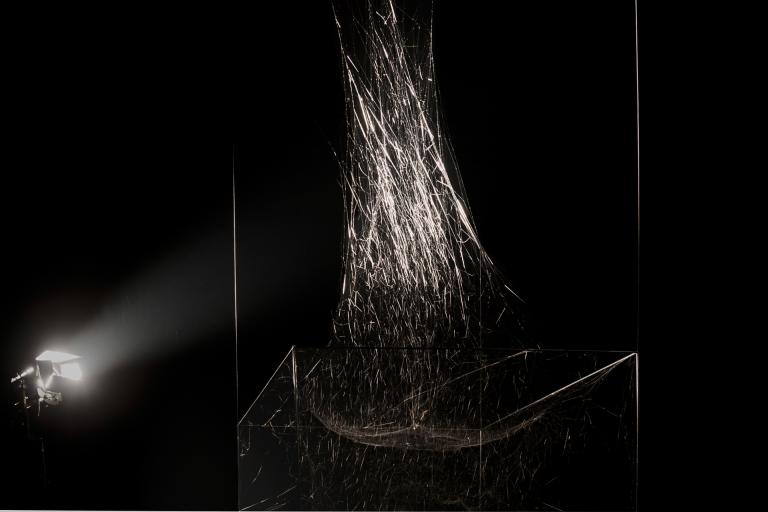
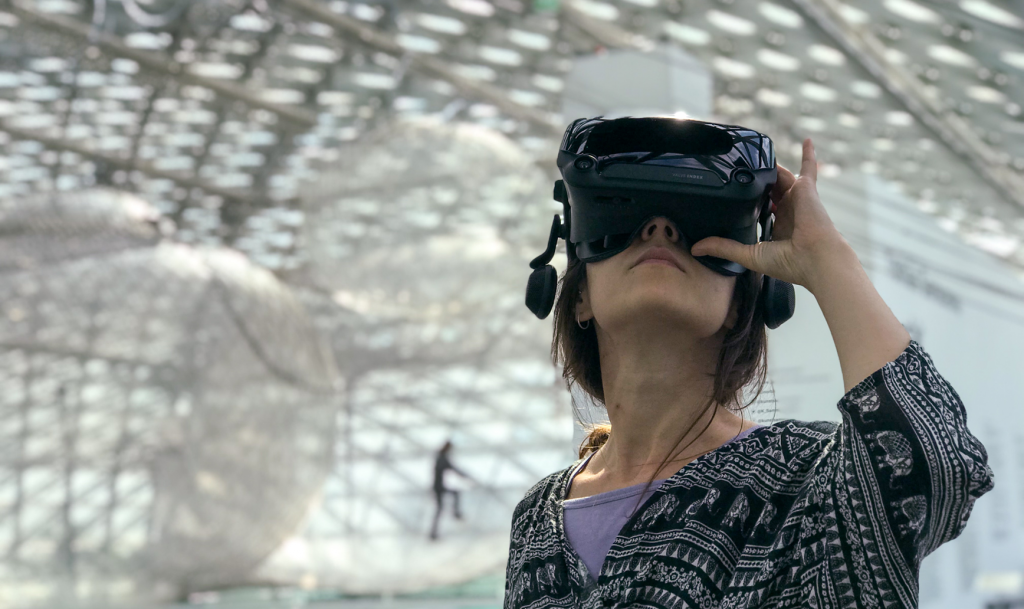
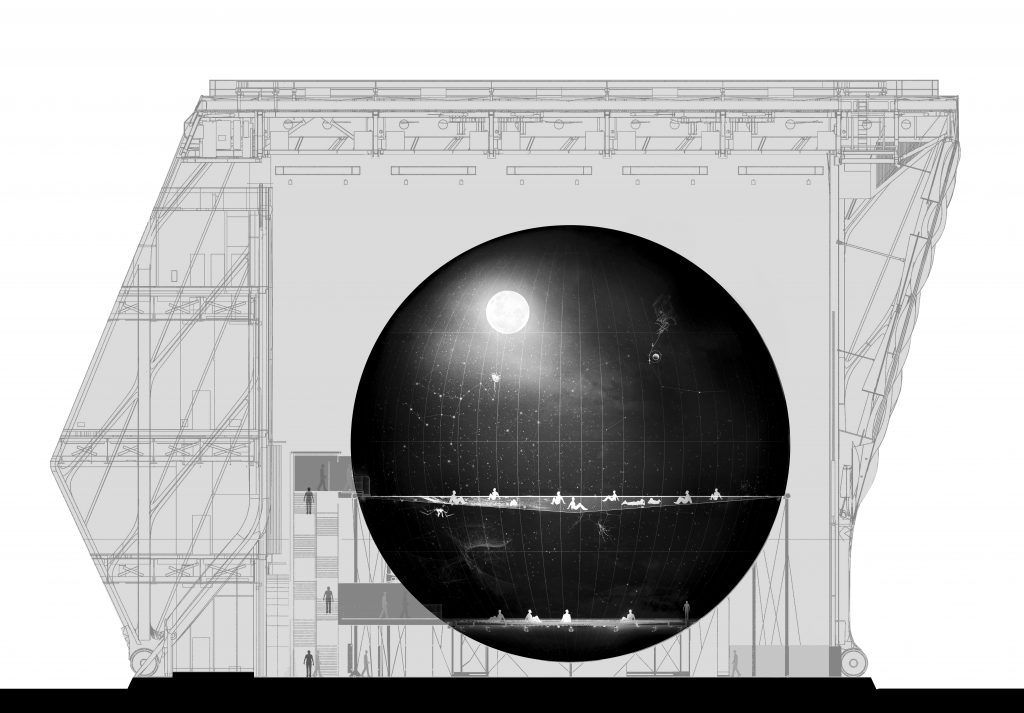
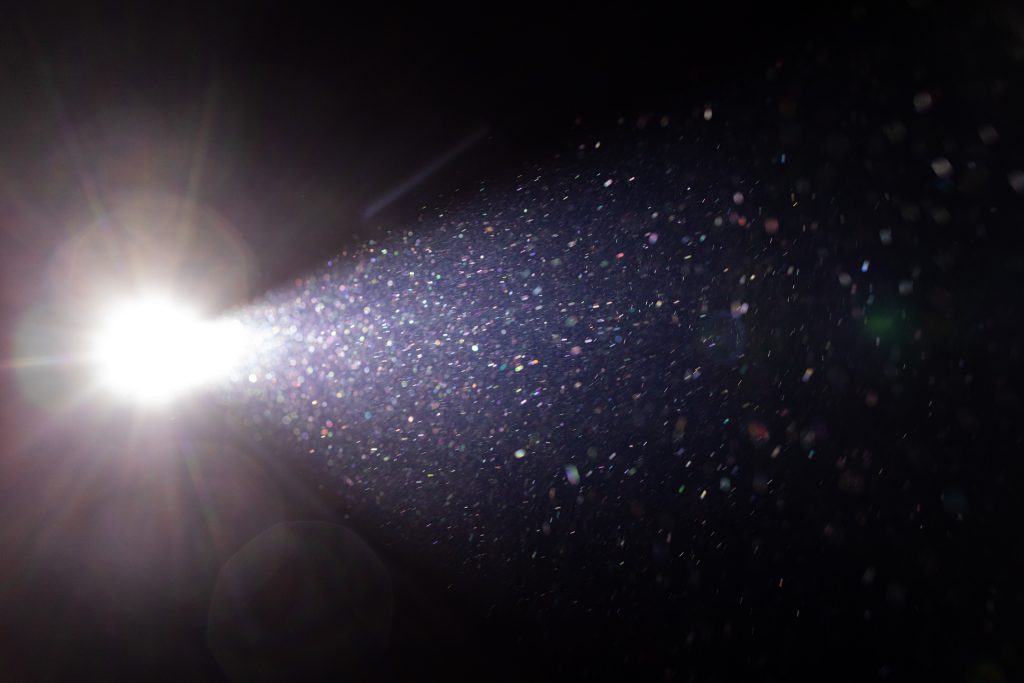
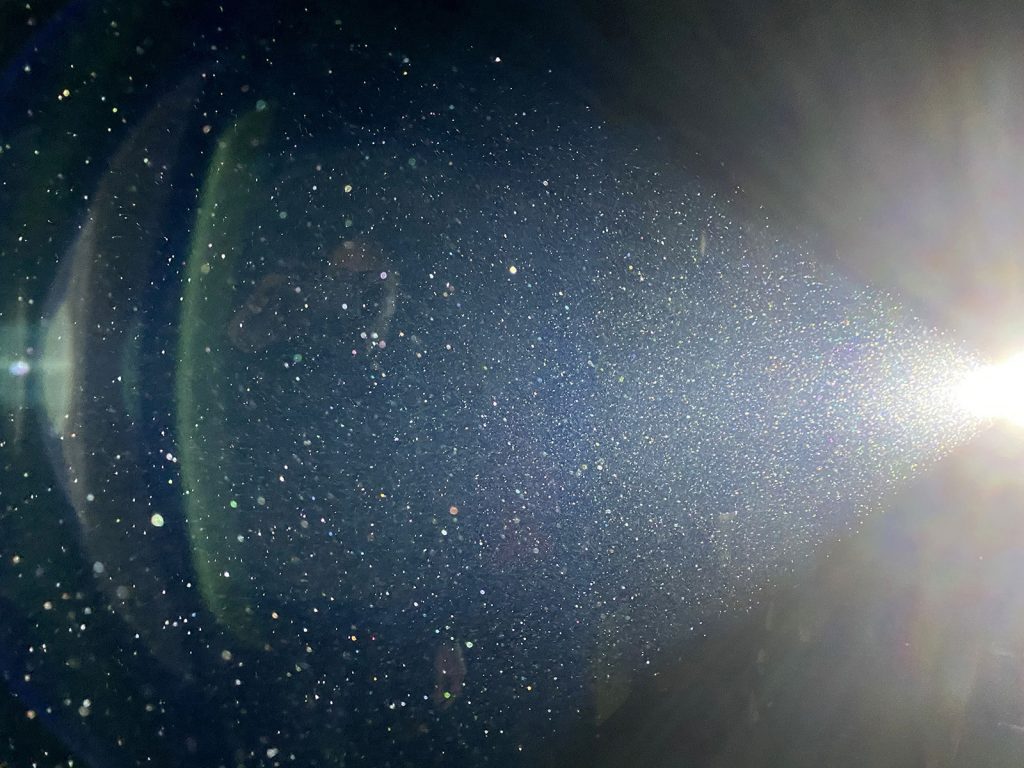
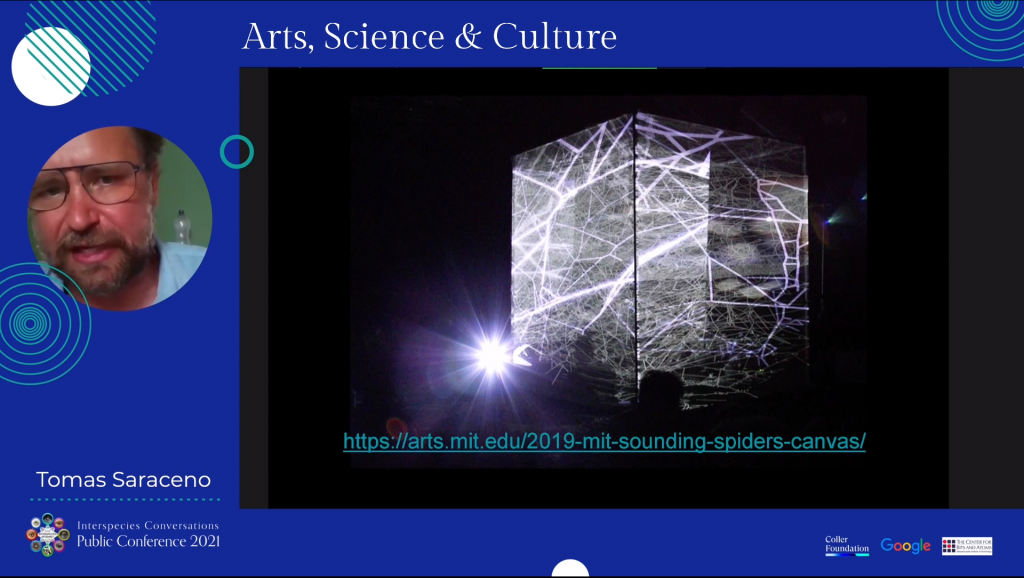
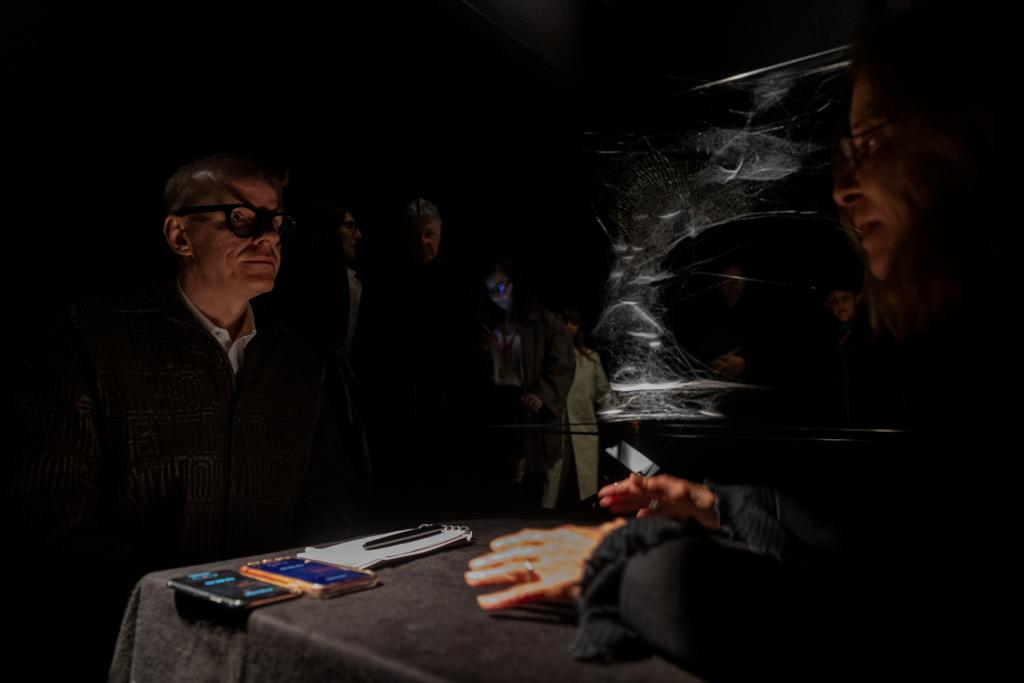
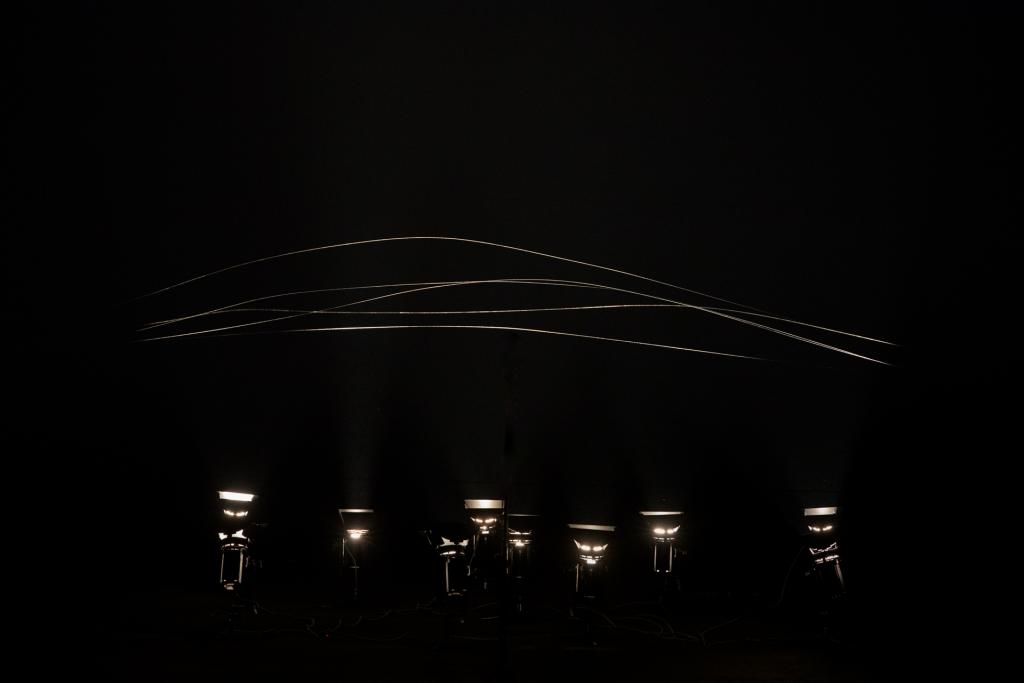
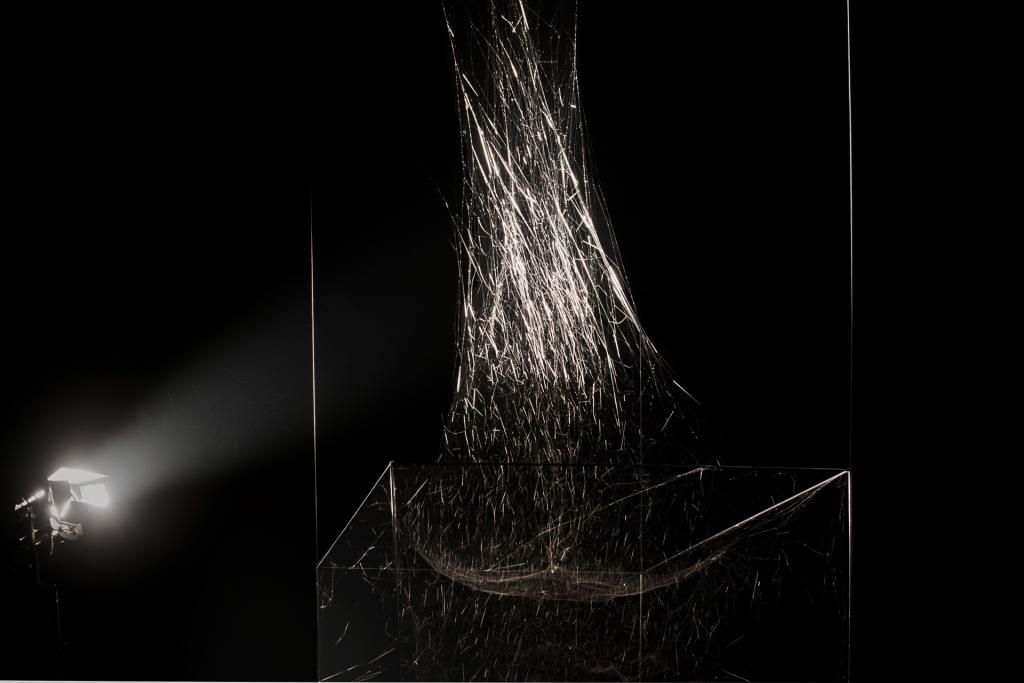
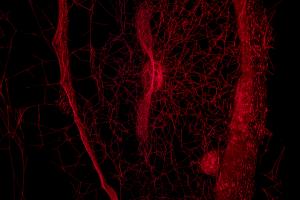
The installation ‘How to entangle the universe in a spider web?’, utilizes Tomás Saraceno’s original technique for 3D scanning, digitizing and reconstructing spider webs. Illuminated by a laser sheet bi-dimensionally intersecting the spider/web, filaments of spider’s webs are experienced as visual structures which mimic cosmic vibration through air.
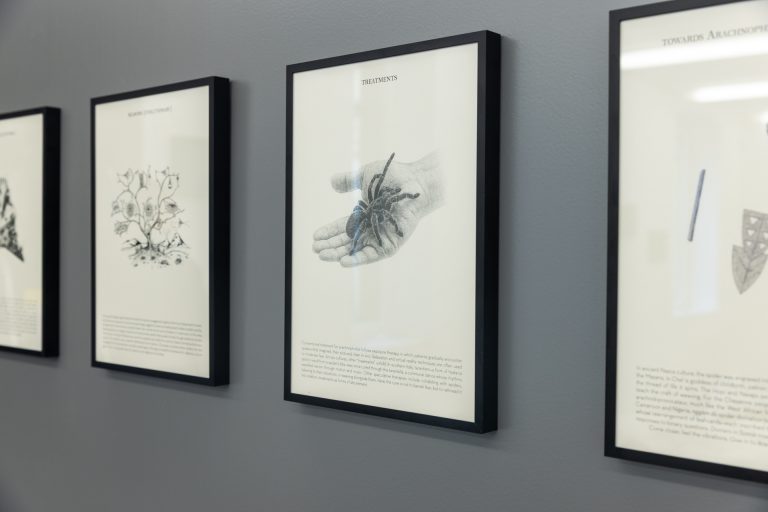
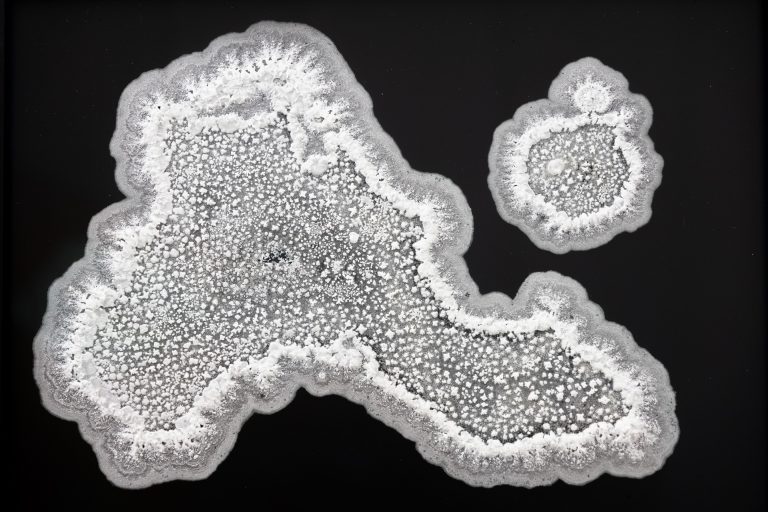
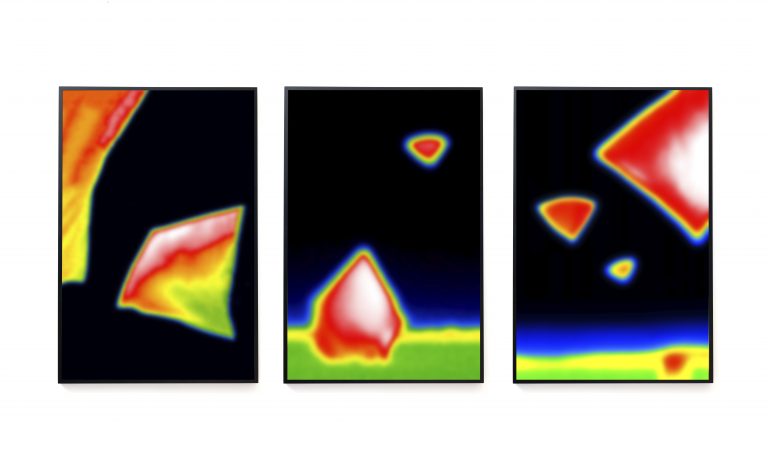
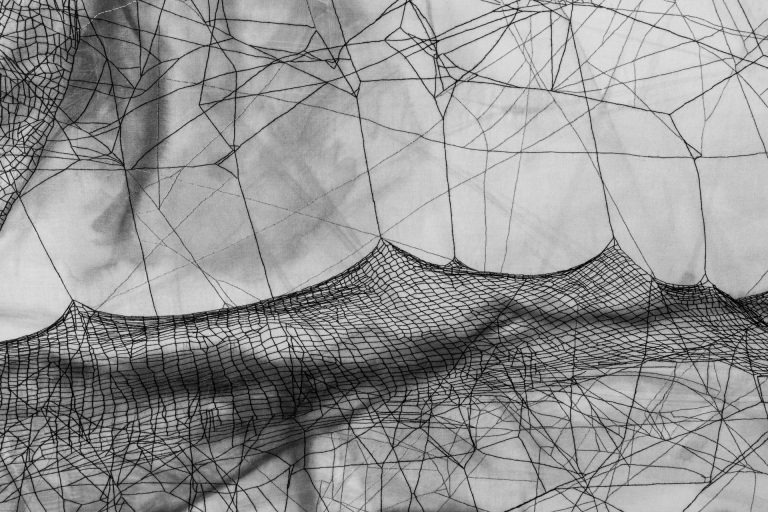
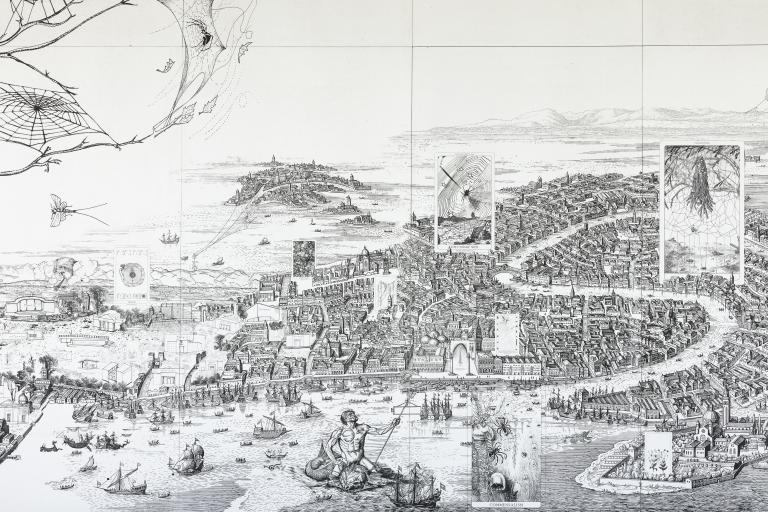
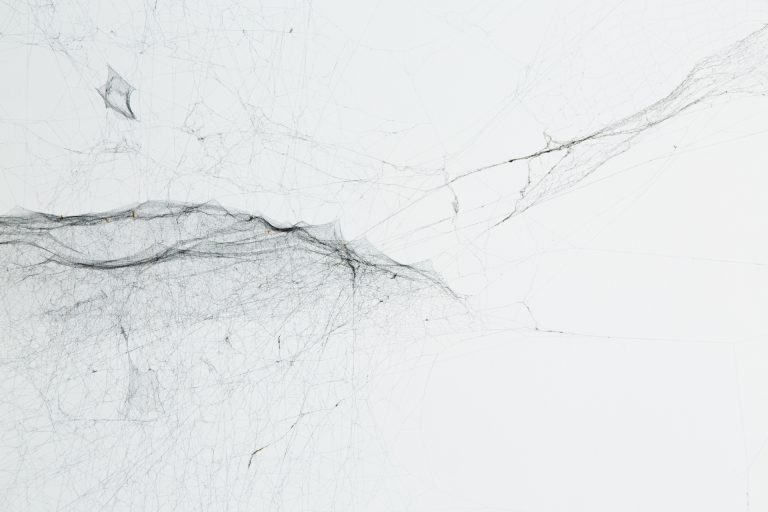
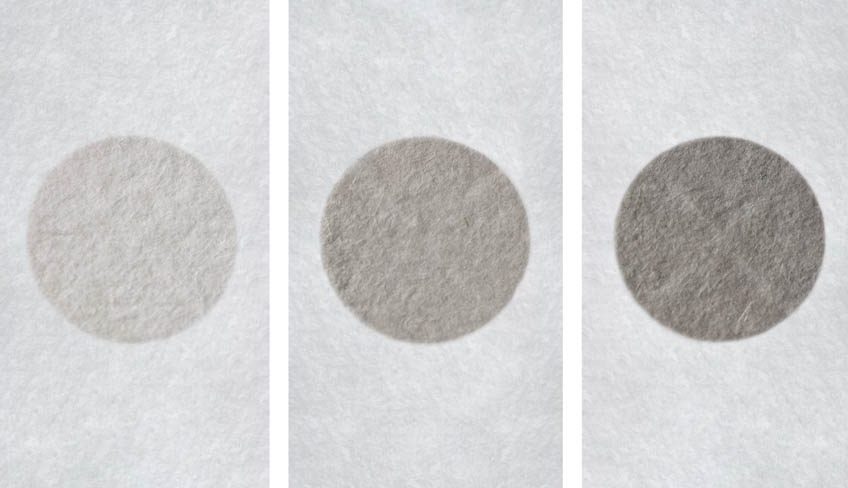
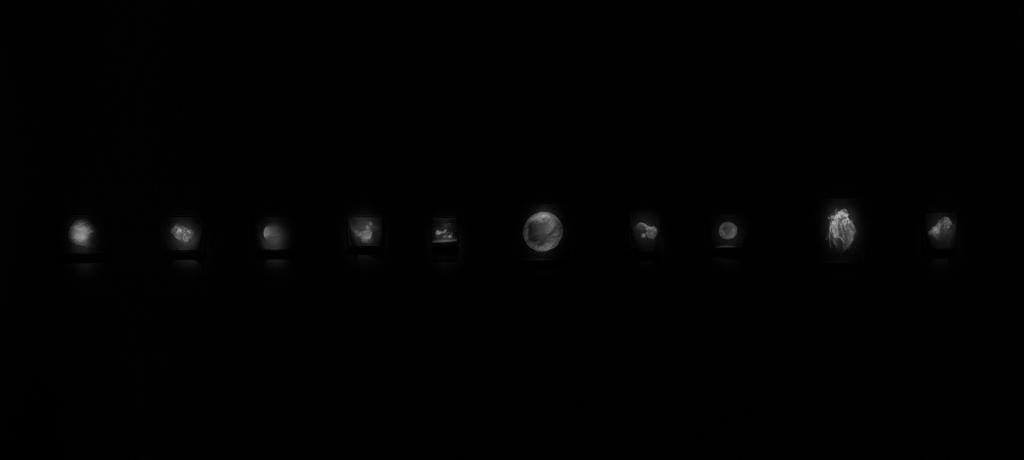
The works on paper Solitary semi-social mapping of HS 1700+6416 by a solo Nephila senegalensis – one week, a solo Cyrtophora citricola – three weeks (2016) and Solitary semi-social mapping of Ceginus by a duet of Nephila senegalensis – four weeks, a triplet of Cyrtophora citricola – three weeks (2018) are each made in collaboration with two different spider species. In bringing together genera that natively are unlikely to collaborate, spider collaborators bring forth hybrid spider/webs created in multispecies gatherings. Works on paper offer a different way to read and interpret the architecture of the spider/web: as a topological map of movements and temporalities that trace the intricate complexities of these silken sculptures.
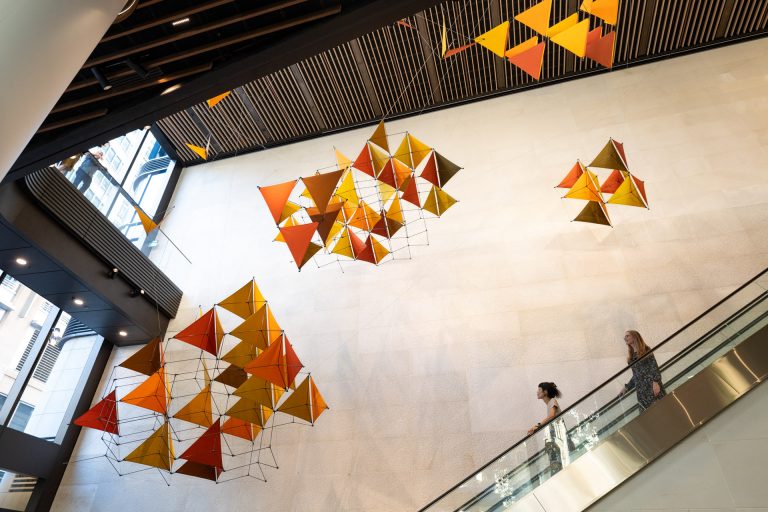
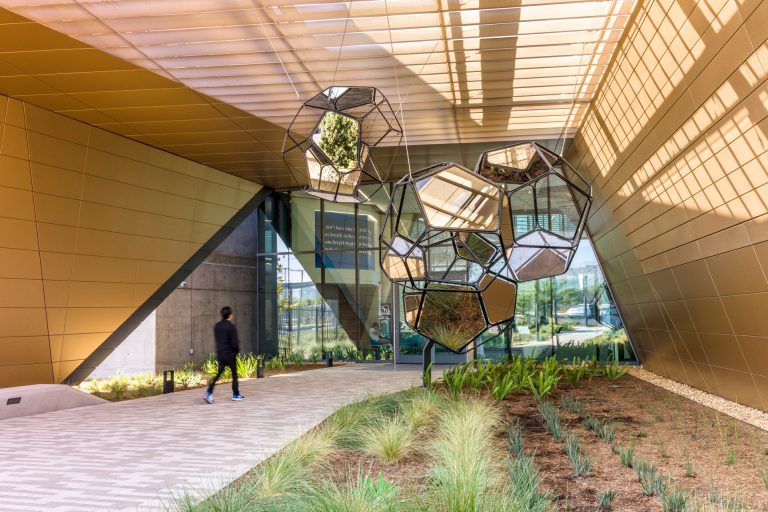
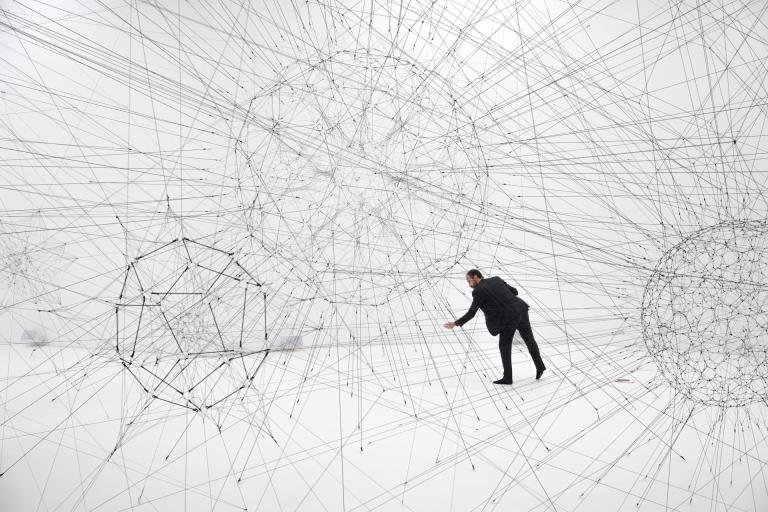
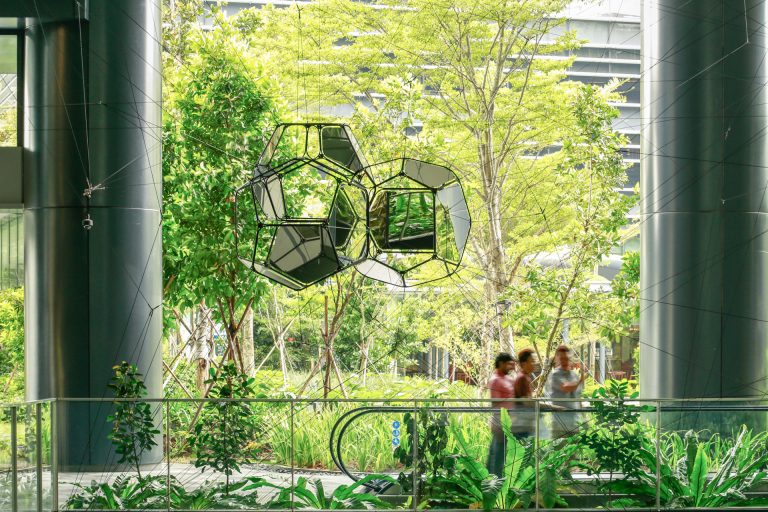
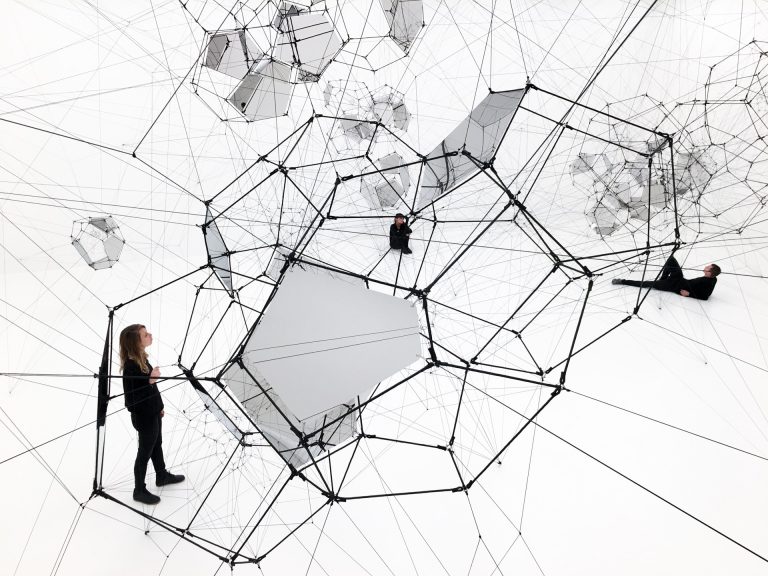
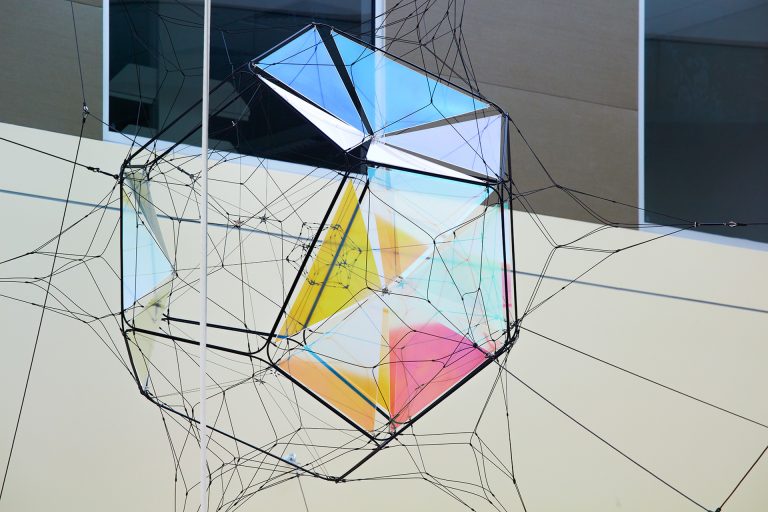
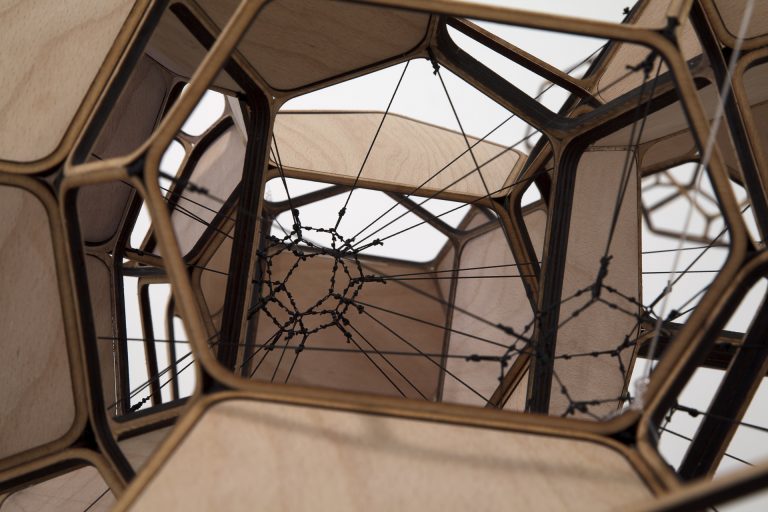
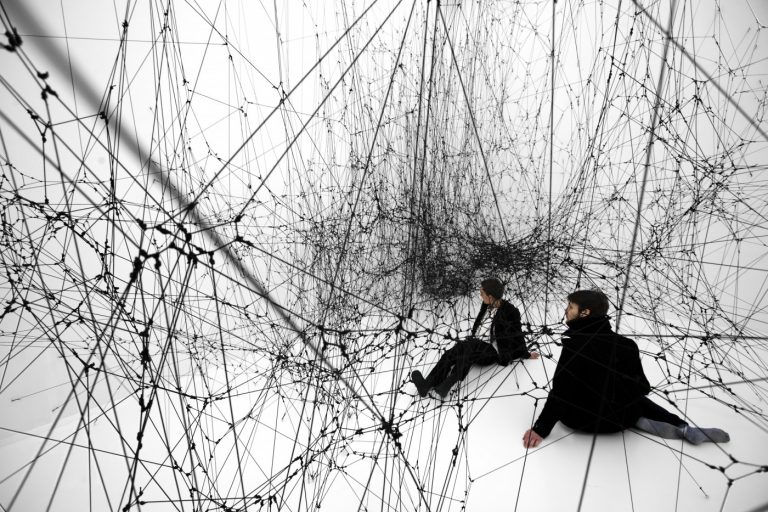
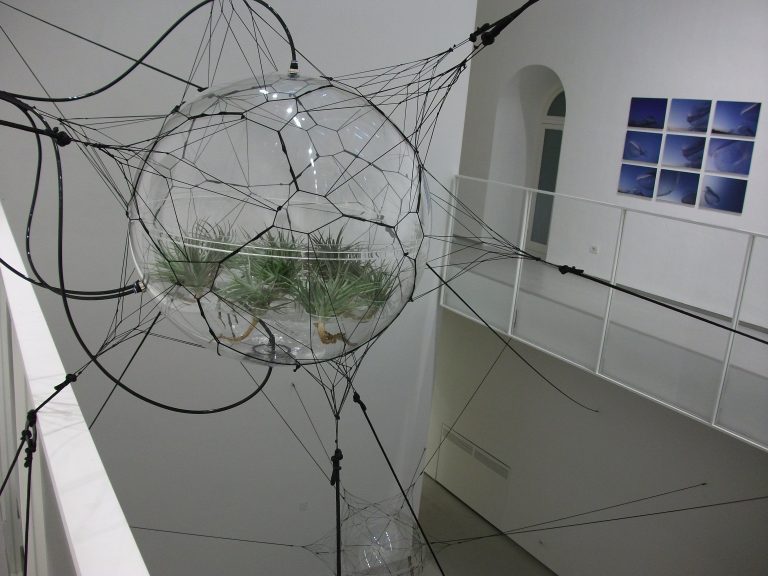
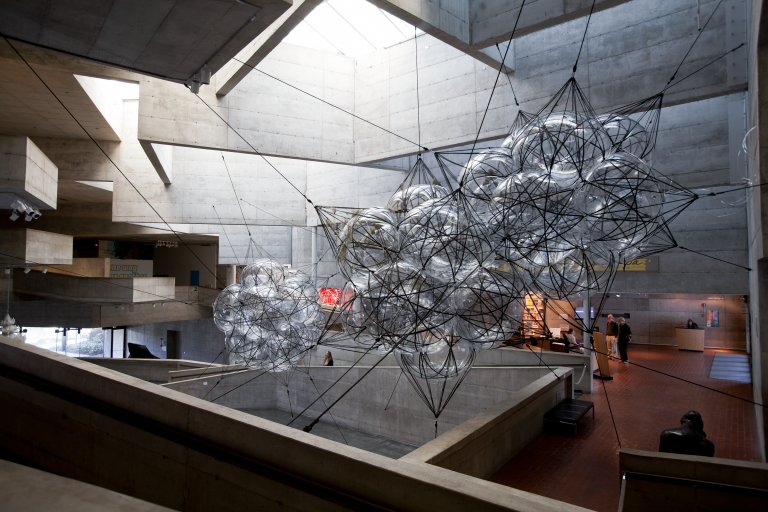
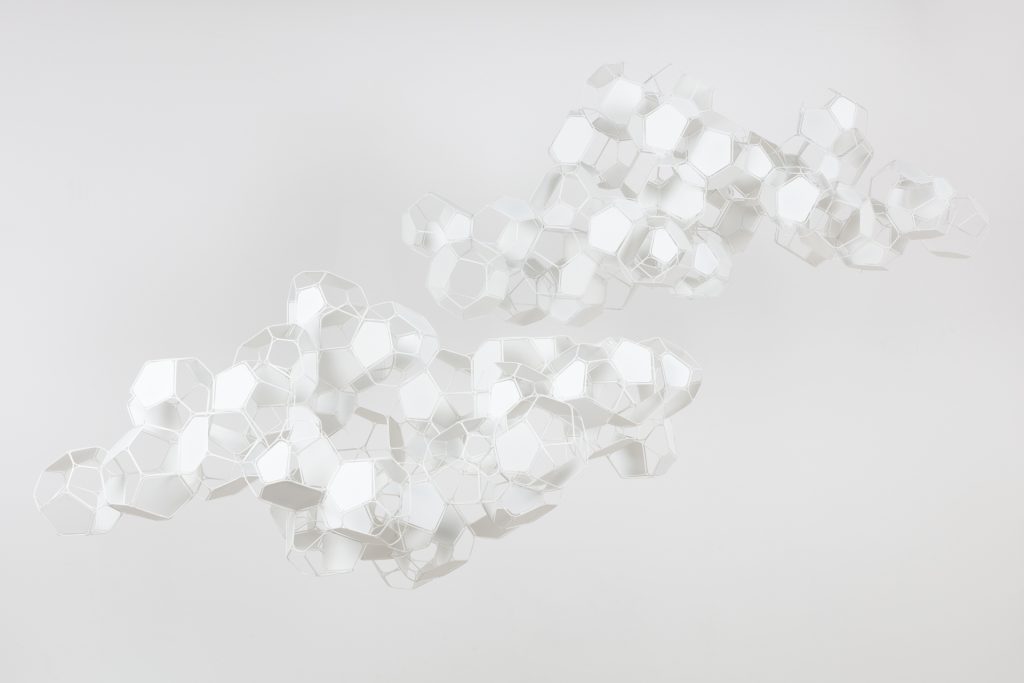
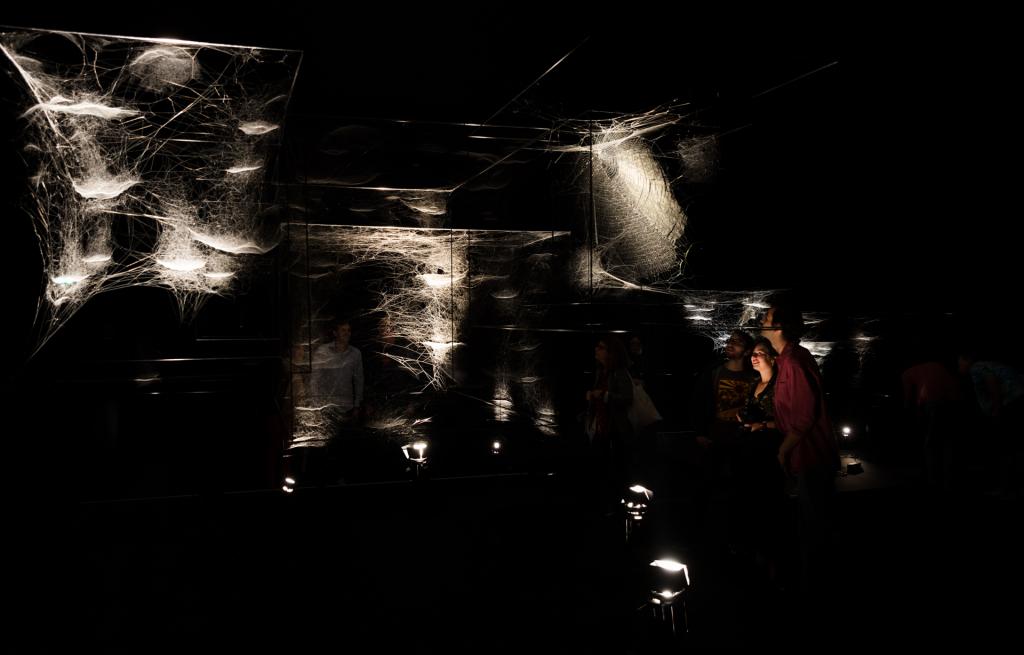
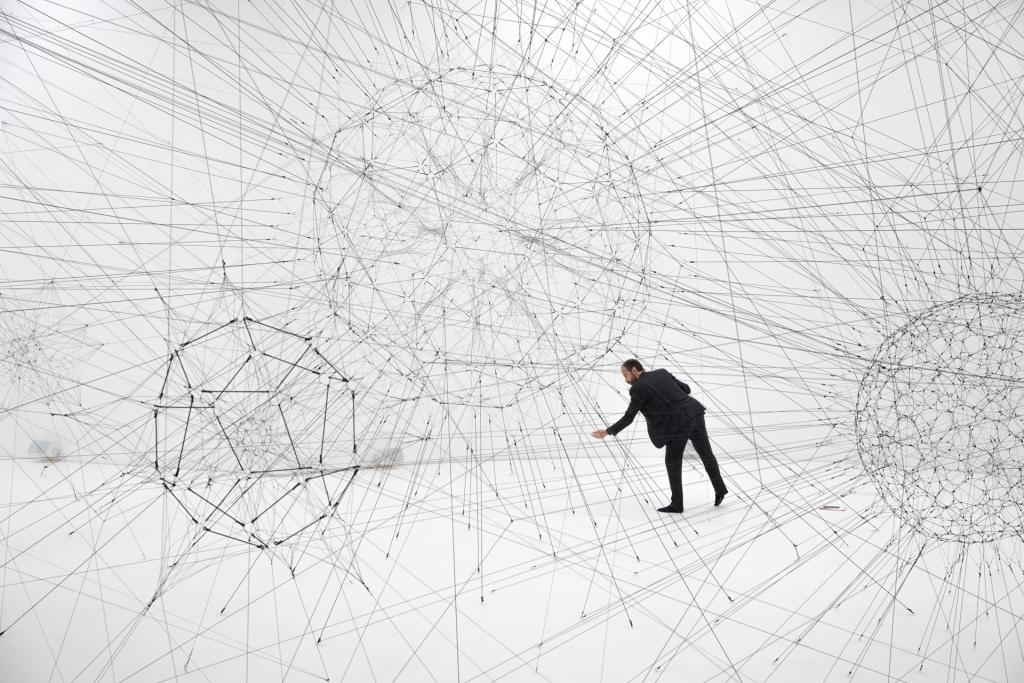
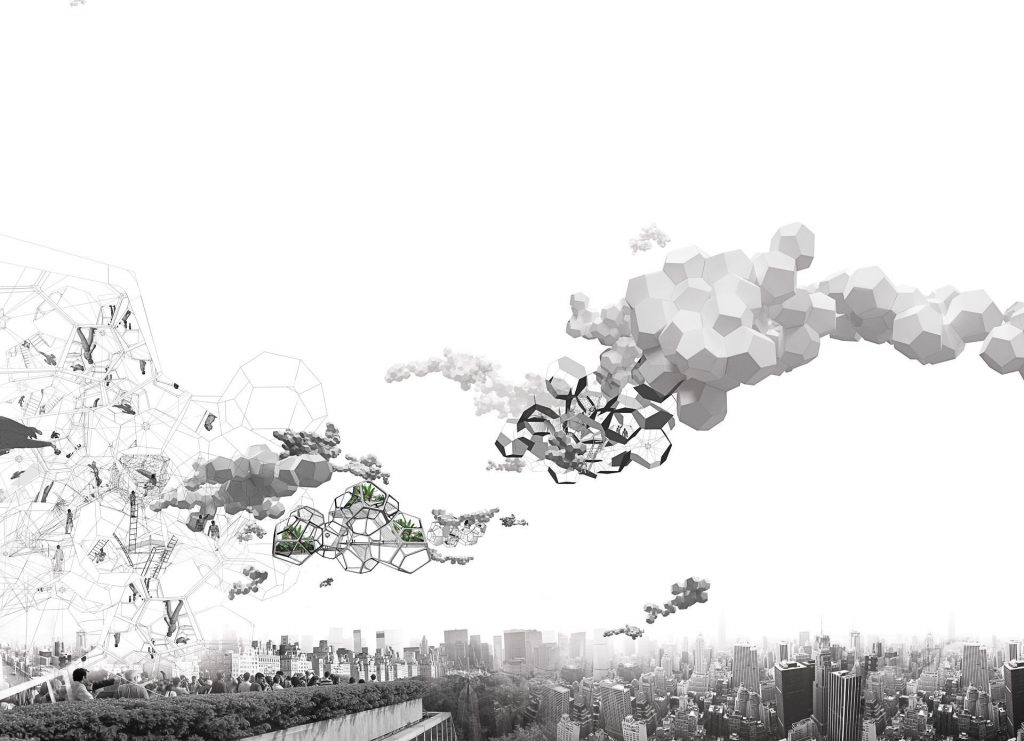
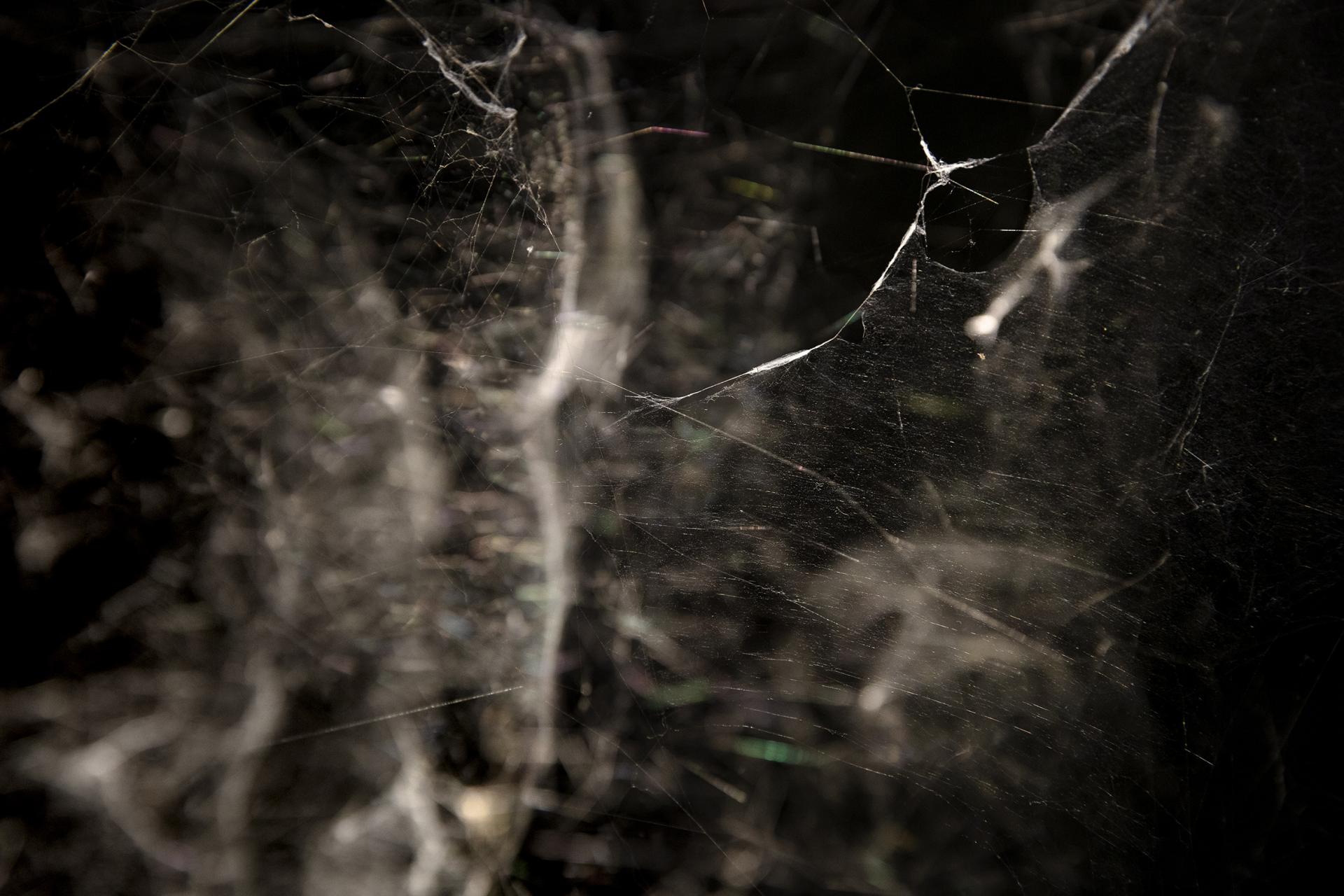
Hybrid Spider/Webs demonstrates an experimental architecture for studying spider social behaviour. In that context, Saraceno refers to hybrid structures as ‘multispecies instruments’ –woven by multiple species of spider, and noting therefore a burgeoning perceived potential for opening up new channels of communication across species barriers, becoming a vehicle and substrate for acoustic (vibrational) dialogues between spiders and humans. Each Hybrid Spider/Web is thus figured as a unique musical instrument, whose complex networked architecture performs as an apparatus for interspecies communication, cooperation, mediation and sensing.
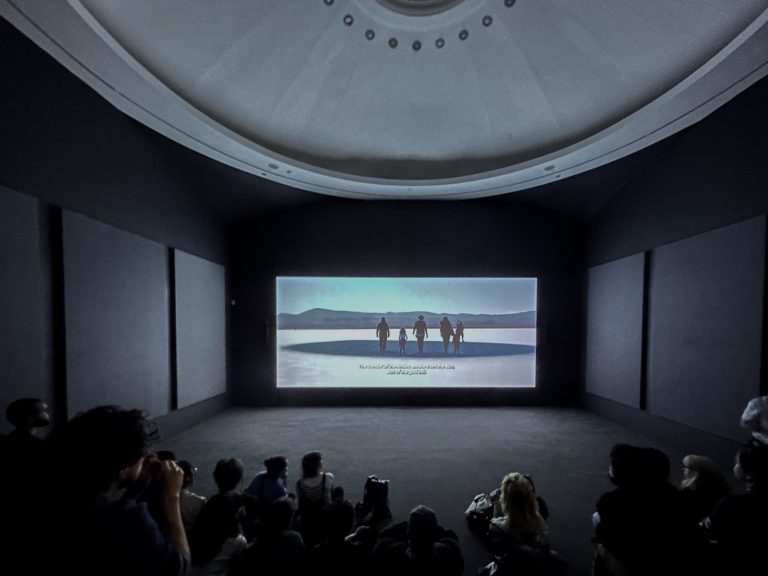
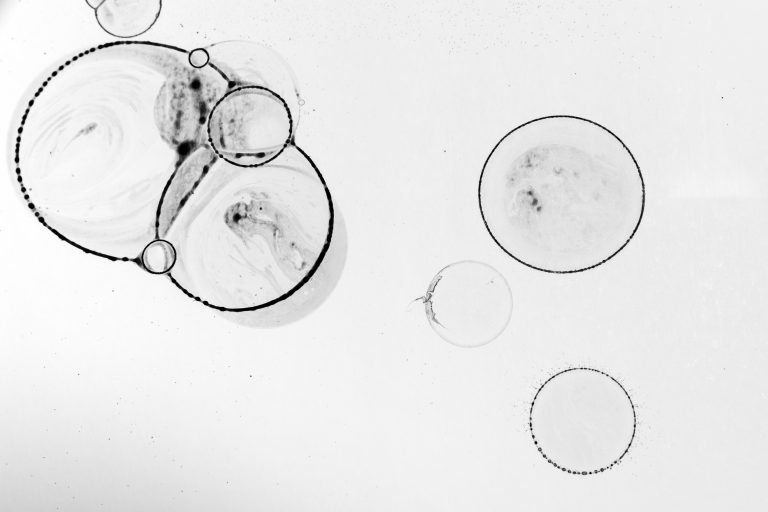
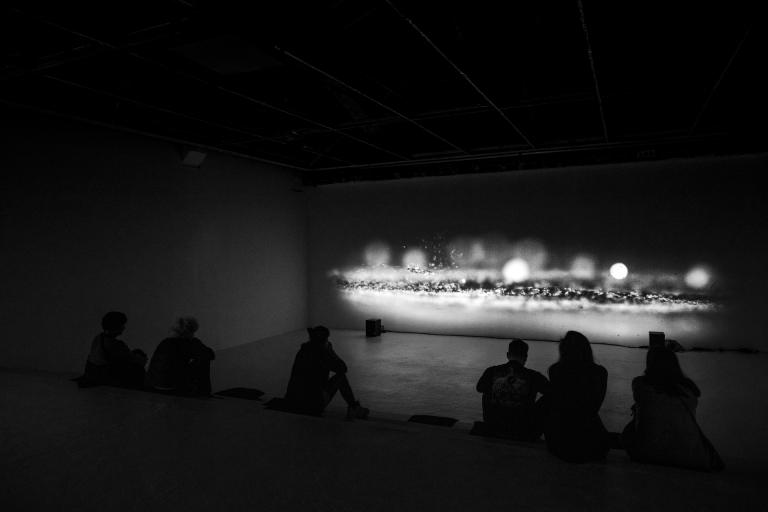
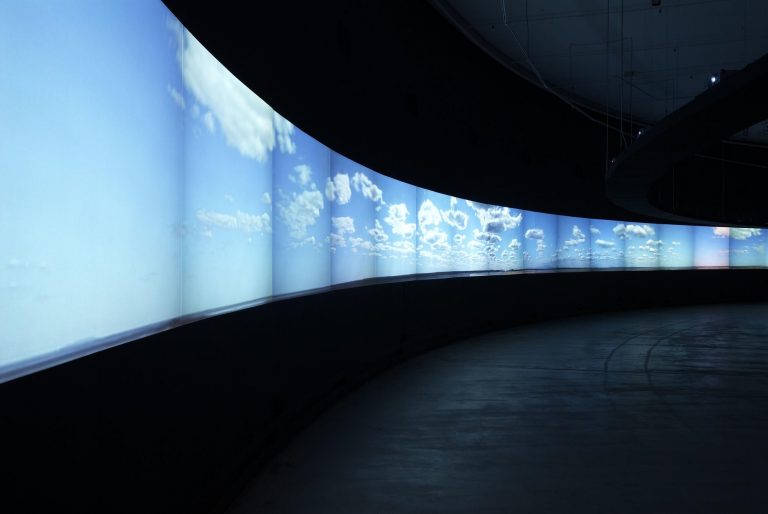
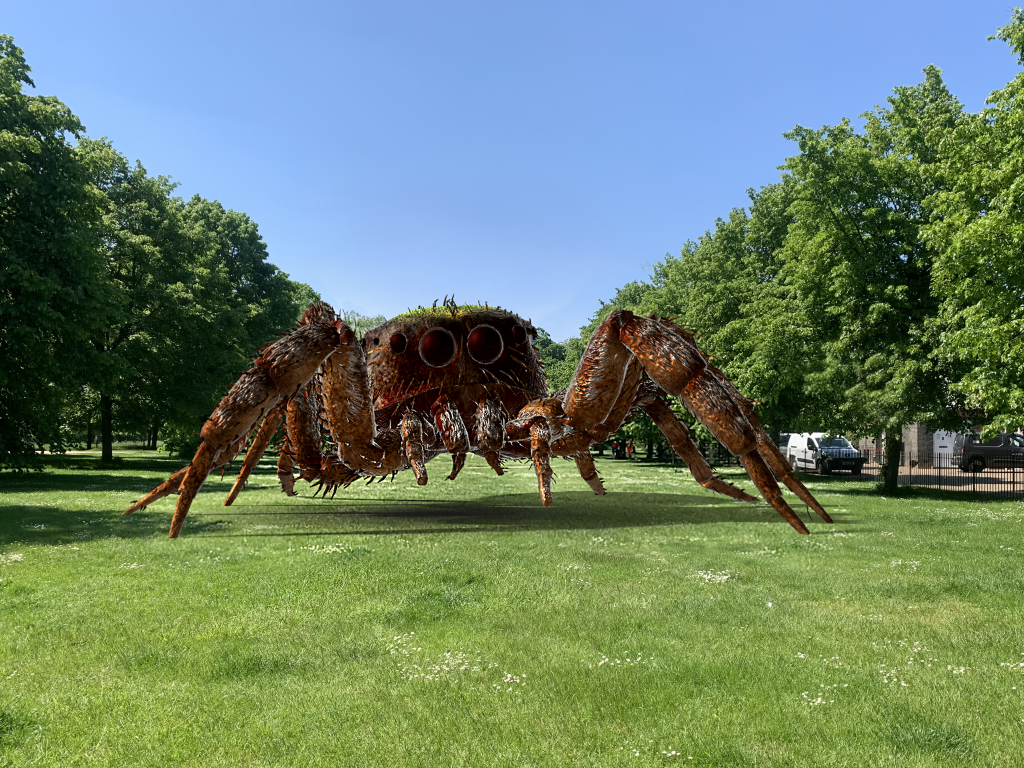
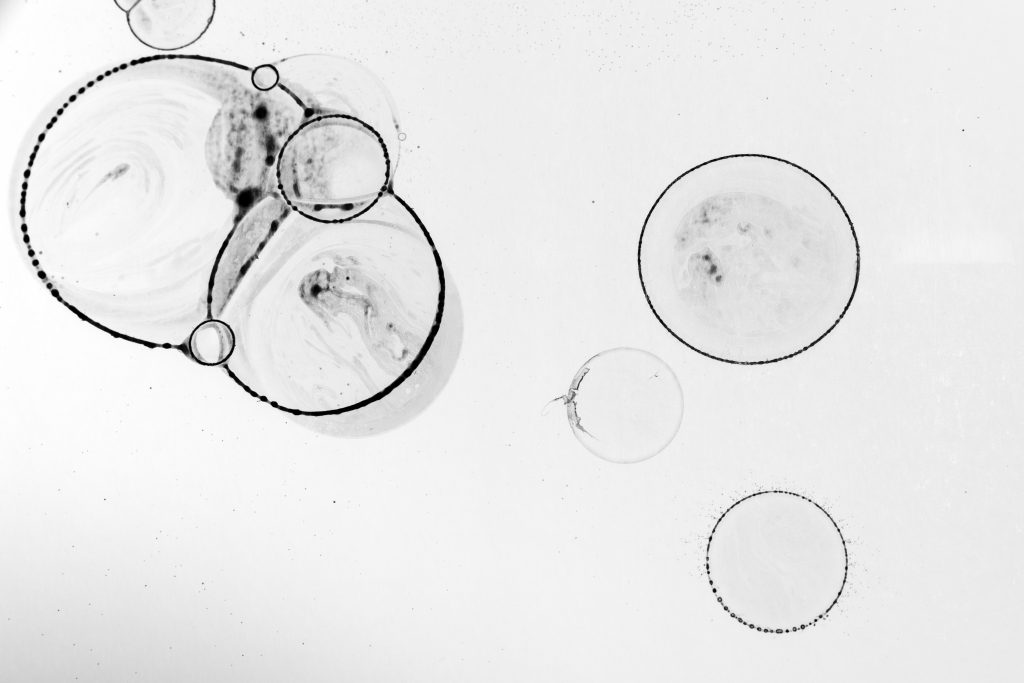
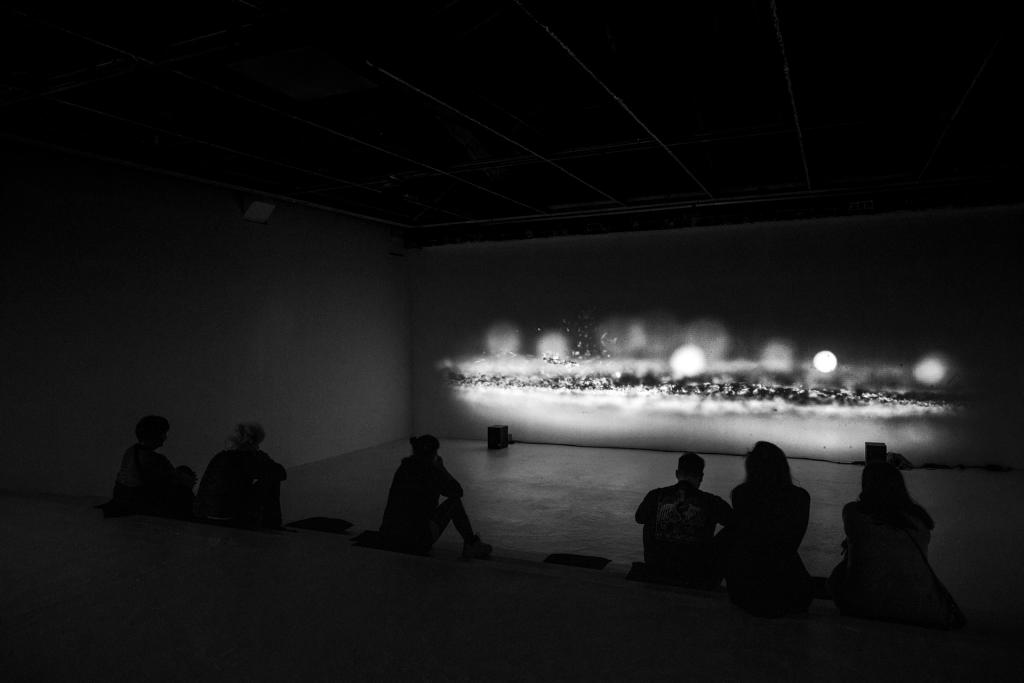
The video Living at the bottom of the ocean of air, 2018, focuses on a particularly curious individual, the diving bell spider (Argyroneta aquatica); a species that lives its entire life underwater in lakes, ponds, and marshes. To survive underwater, the Argyroneta aquatica dwells in a diving bell embracing its abdomen and most of its legs. Over time, the oxygen content of the diving bell eventually becomes depleted, at which point the spider returns to the surface to collect more air to replenish its underwater home. Rather than separating the aqueous from the atmospheric, this floating droplet of air is a permeable membrane across which the junction of those two worlds occurs, allowing the spider to breathe underwater. This unique behaviour tackles the capacity of certain species to transform their way of life to adapt to new environments. In this way, the underwater spider sounds an invitation for biospeculation, calling us to question the unexplored possibilities of our future environment.
This collection of works show the spiders from their perspective and within their Umwelt, since, in the words of Bruno Latour, “no visual representation of humans [and spiders] as such, separated from the rest of their support systems, makes any sense today.”
In ‘More-than-humans’, curator Stefanie Hessler views the spider’s web as a stringed instrument; to which vibration holds the ability to activate: carrying sound through air, taking hold of the web’s tissue, moving it along a new frequency. She notices the patterns of the spider’s web in bearing a semblance to the mathematical figures of music. She notices the patterns of the spider’s web in bearing a semblance to the mathematical figures of sound — the silky elasticity of a web, which responds to its surroundings through vibrations, as voice or deep bass resonance is felt through human skin.
...