

...
Heteropoda saracenoi
From arachnophobia to Arachnophilia
Flashing Toilets
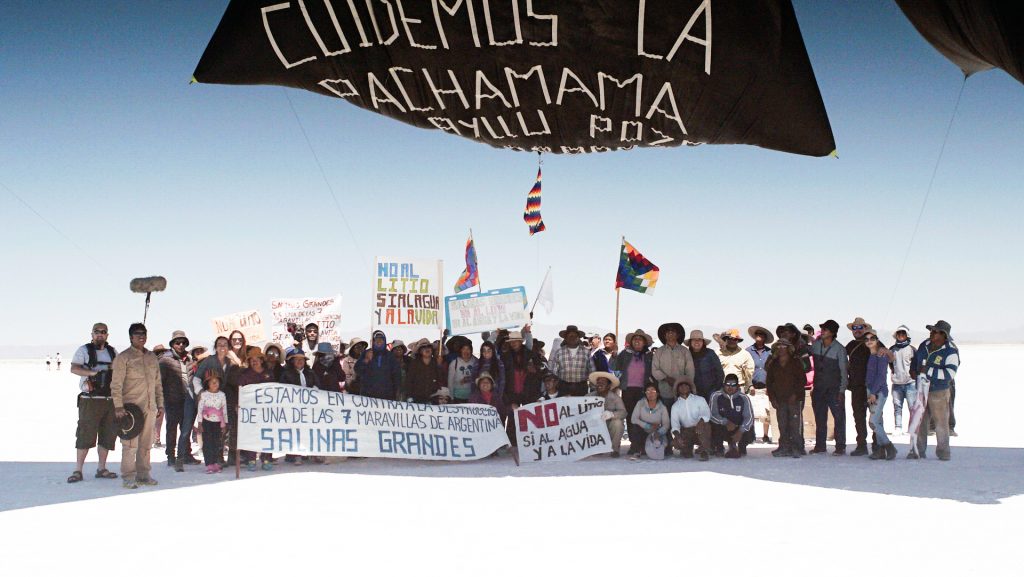
Sal de Acá
tomás saracenoi
The Seeds of Flight
Play-Ground: Spider/web vibration, divination… for the terrestrial and cosmic web(s) of life
Recording Aerosolar
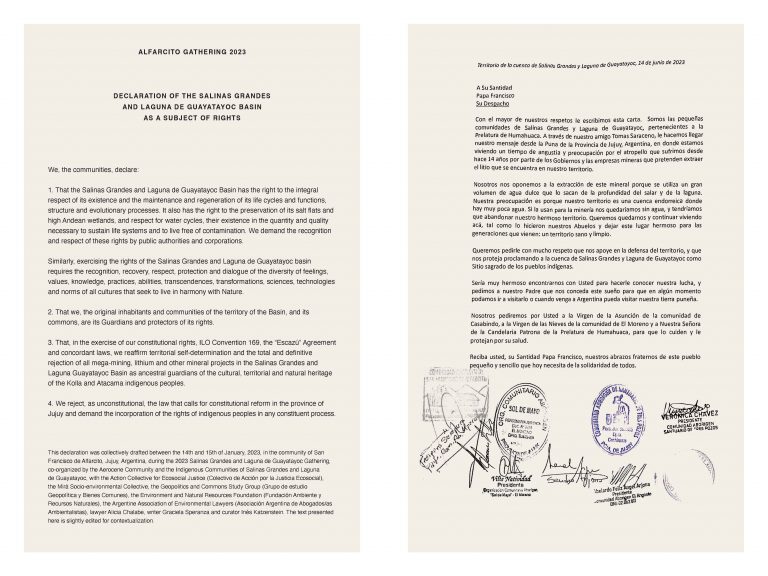
A letter from the communities of Salinas Grandes and Laguna de Guayatayoc to Pope Francis
Conviviality
ANIMA∞LE
Cosmic Threads
Aerocene Seoul
Live(s) on Air
Worldings
Radical Playgrounds
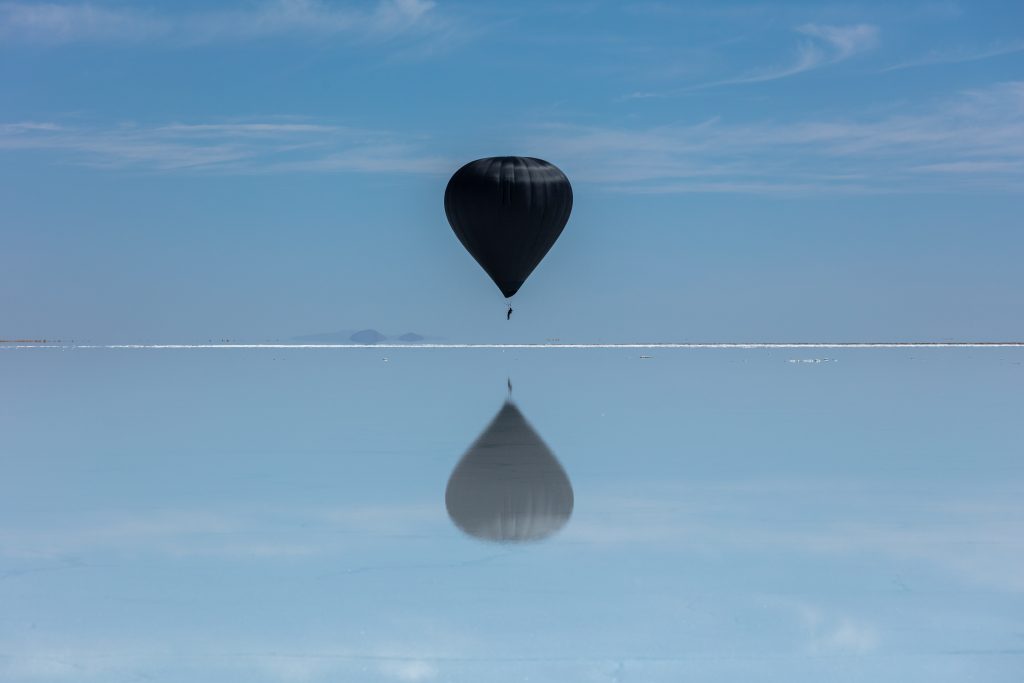
Fly with Pacha, Into the Aerocene
Complementarities
Live(s) on Air
Corona Australis 38.39
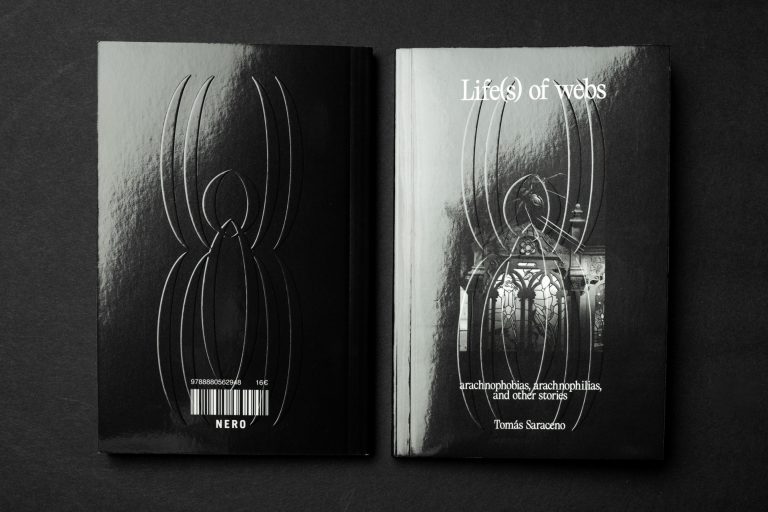
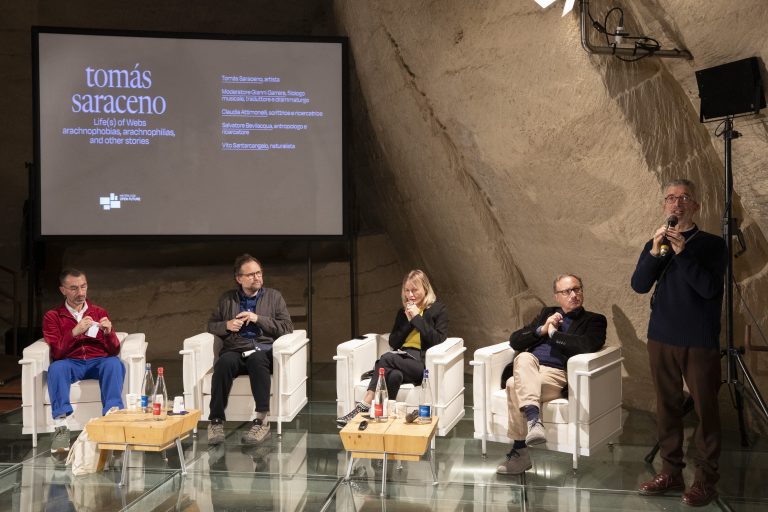
Life(s) of Webs
Cloud Cities: mise-en-Aéroscène
Tomás Saraceno in collaboration: Web(s) of Life
Crux Australis 68.0
Entangled Air
Oceans of Air
Silent Autumn
Aerocene: Free the Air. “Orbit-s” For a Post-Fossil Fuel Era
Particular Matter(s)
Inter + Play 2
we do not all breathe the same air
AnarcoAracnoAnacroArcano
Du sol au soleil
Webs of Life
Museo Aero Solar: for an Aerocene era
How to hear the universe in a spider/web: A live concert for/by invertebrate rights
Multicultural resonances towards a better future
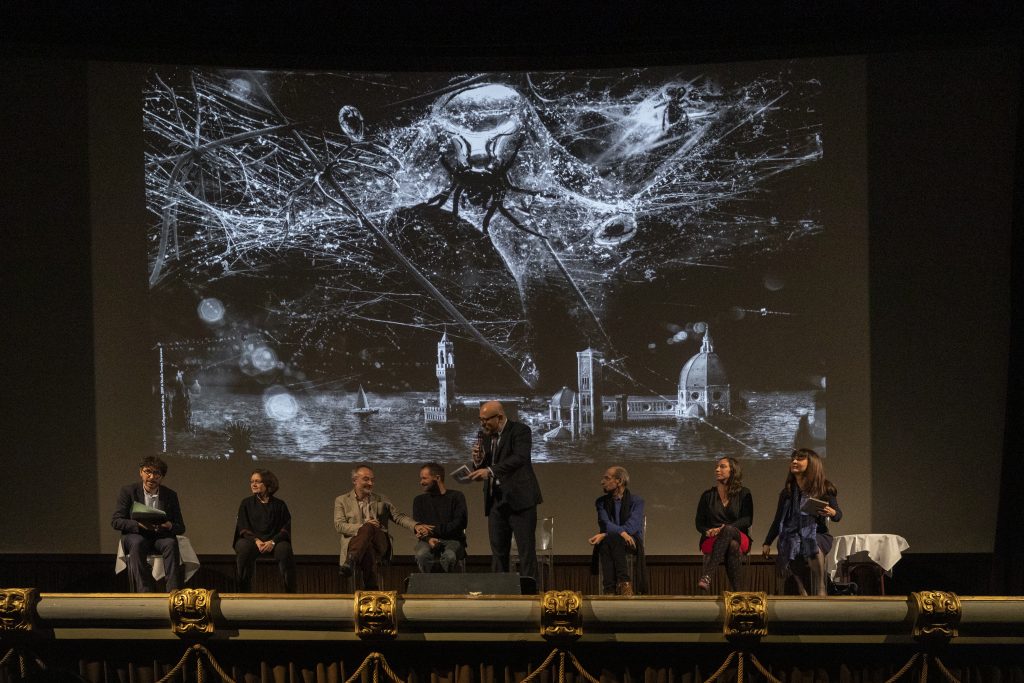
Life(s) of Webs, publication launch at Palazzo Ducale
In Conversation: Tomás Saraceno
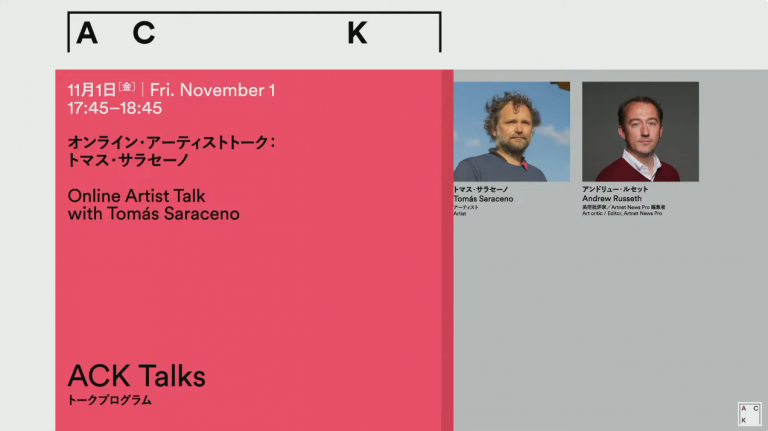
Art Collaboration Kyoto, Online Artist Talk with Tomás Saraceno
Aerocene Forum
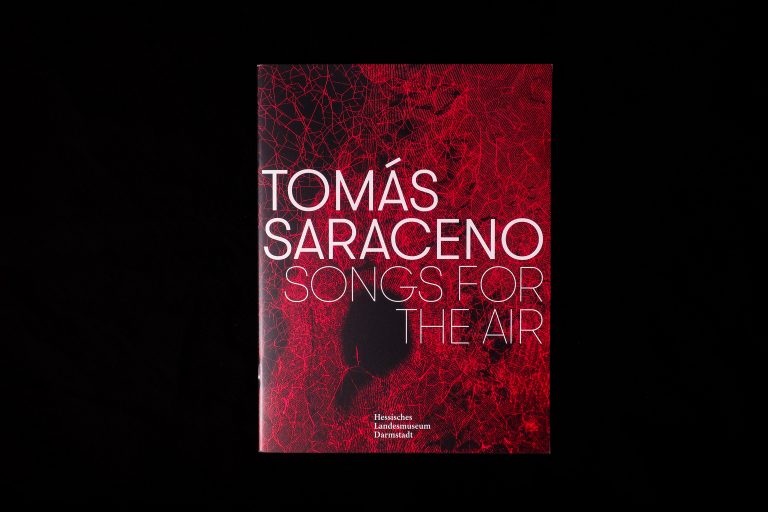
Songs for the Air
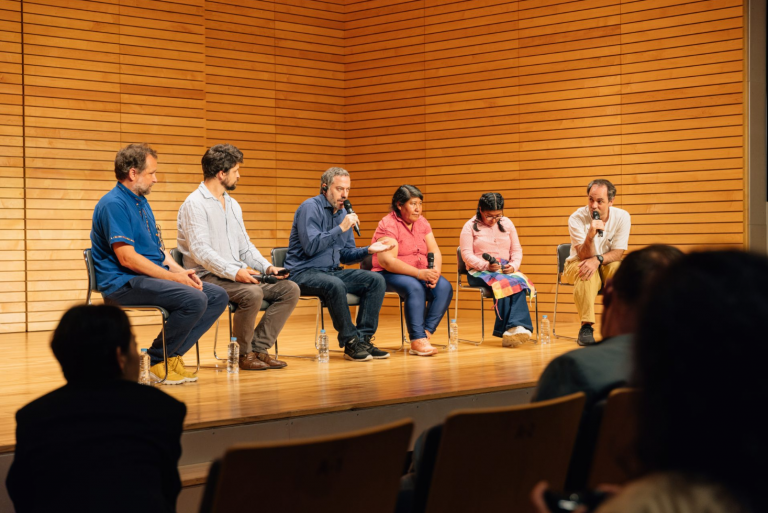
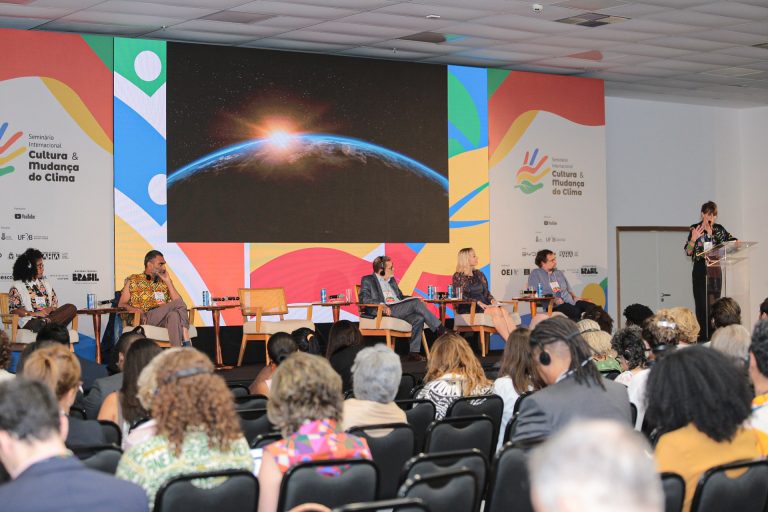
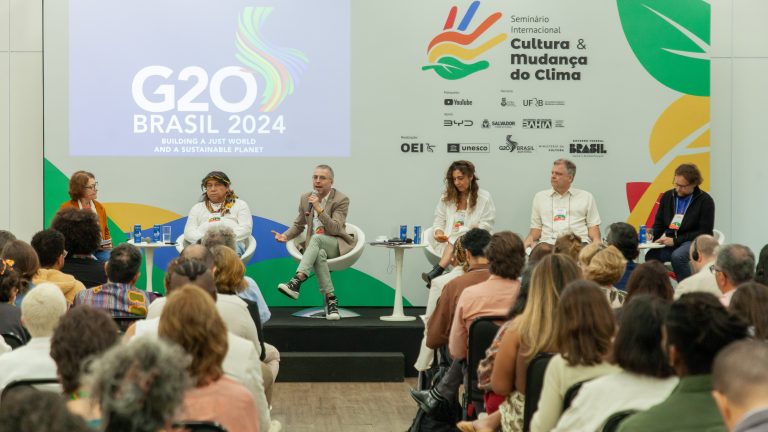
“Climate Crisis, a Crisis of Imagination”, The G20 International Seminar on Culture and Climate Change
“Culture, cosmologies and climate: building bridges between worldviews for a sustainable future”, The G20 International Seminar on Culture and Climate Change
Moving Atmospheres
Who qualifies as a Subject of Rights? We no longer want to be a sacrifice zone!
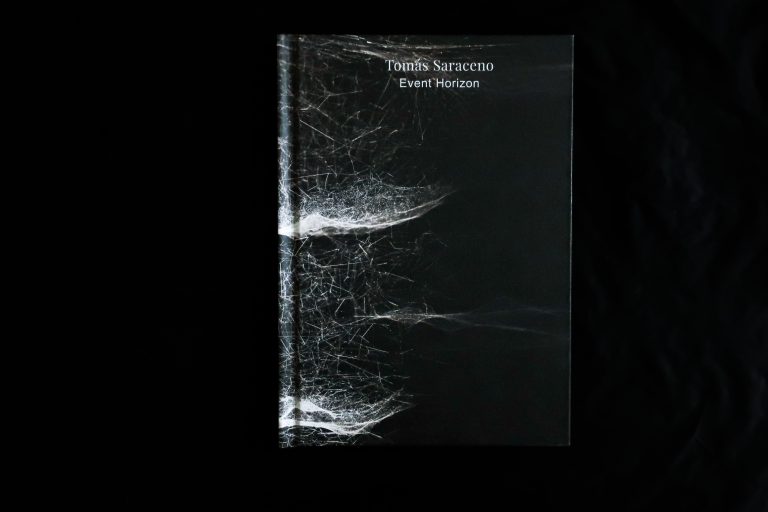
Event Horizon
Reparationen und Reparatur. Über Klimagerechtigkeit, Kolonialismus und Kapitalozän
7×7 2024
Life(s) of Webs, Panel Discussion and Film Screening
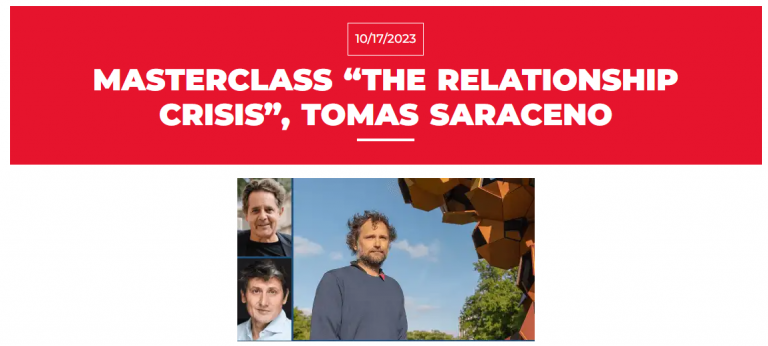
“The Crisis of Relationships” Masterclass
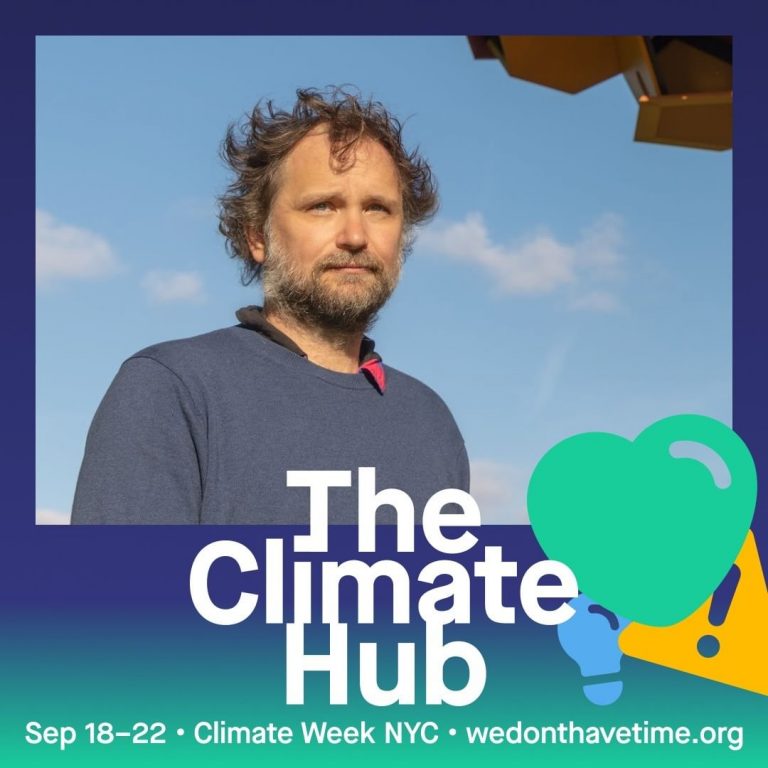
The Climate Hub, Climate Week NYC, Panel Discussion
Aerocircus – eine circensische karnevaleske mit planwagen entgegen aller linearitäten
Infinite Ecologies Marathon: The Prelude
Towards an Ecosocial Energy Transition: A Conversation and Manifesto
BBC HARDtalk Interview
The Alfarcito Gathering
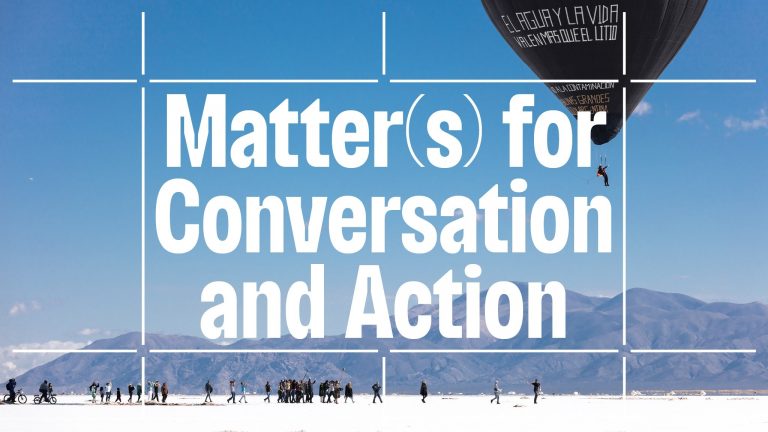
Matter(s) for Conversation and Action
Tomás Saraceno
Drift: A cosmic web of thermodynamic rhythms
Cloud Cities: du sol au soleil
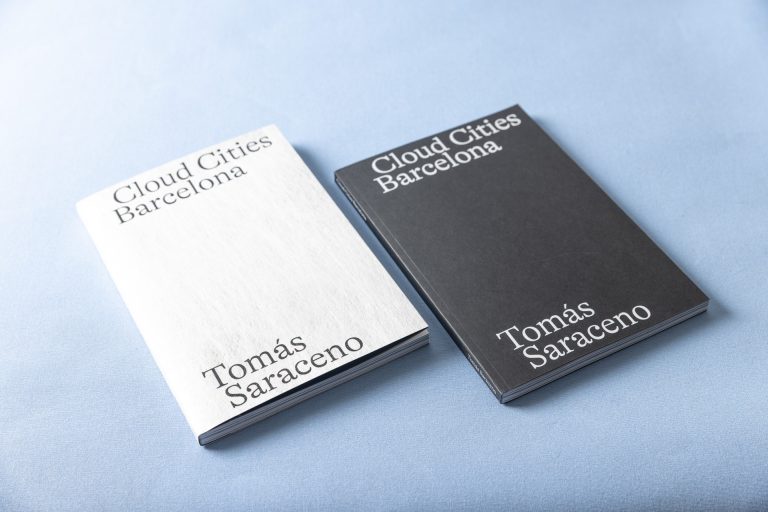
Cloud Cities Barcelona
Particular Matter(s)
Silent Autumn / Silent Spring
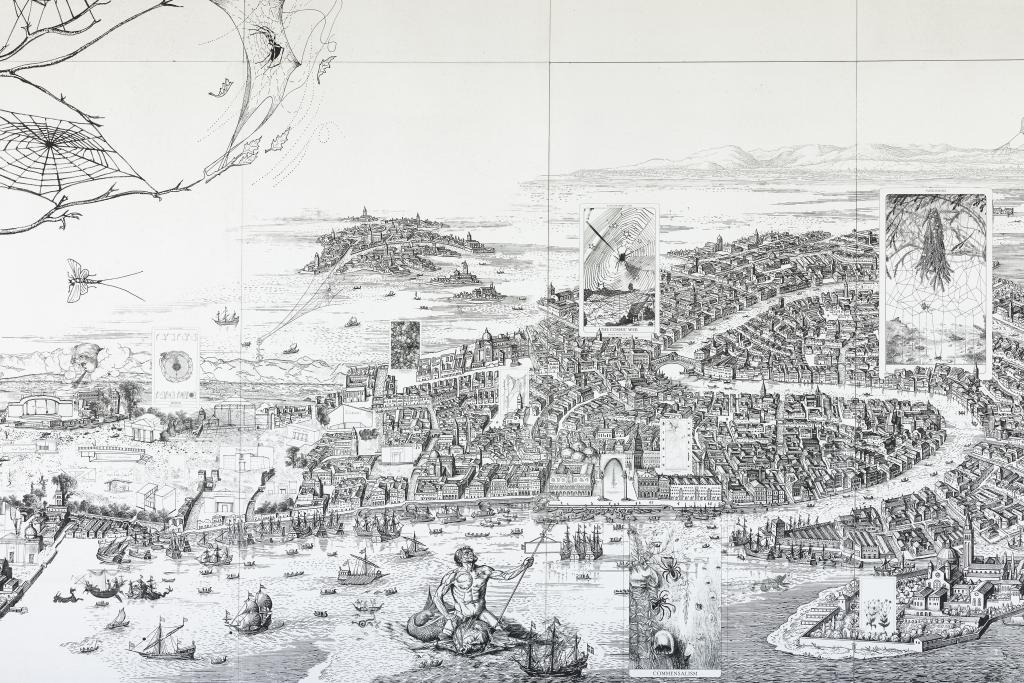
Arachne’s handwoven Spider/Web Map
Lignes de possibles: Arachnophilia with Tomás Saraceno at the Festival La Manufacture d’idées
Interspecies Conversations
Spatial Echoes of Breath
Avec qui venez-vous? Vinciane Despret in conversation with Tomás Saraceno
Ha Chi Ki
The Art of Noticing – Louisiana Channel Interviews Tomás Saraceno
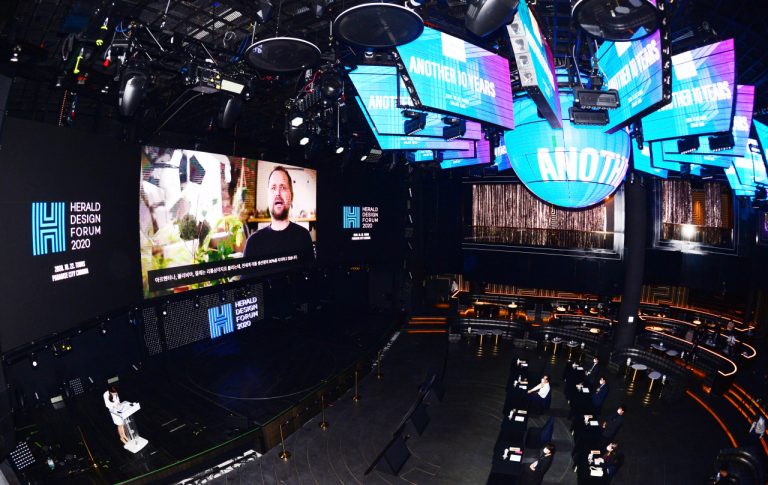
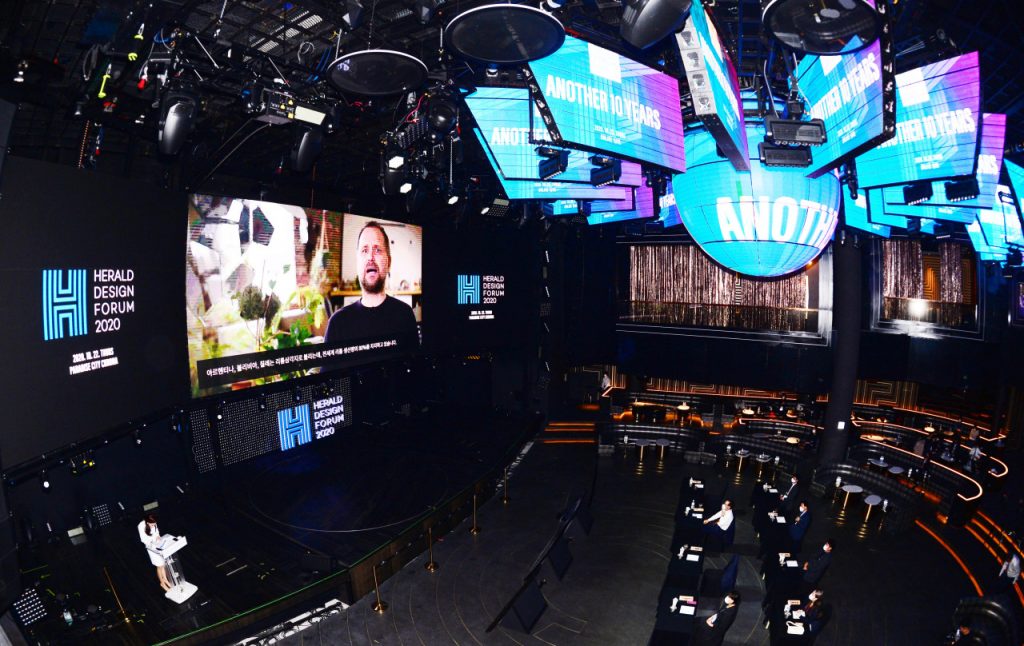
Free the Air: Aerocene – Tomás Saraceno holds keynote speech at Herald Design Forum
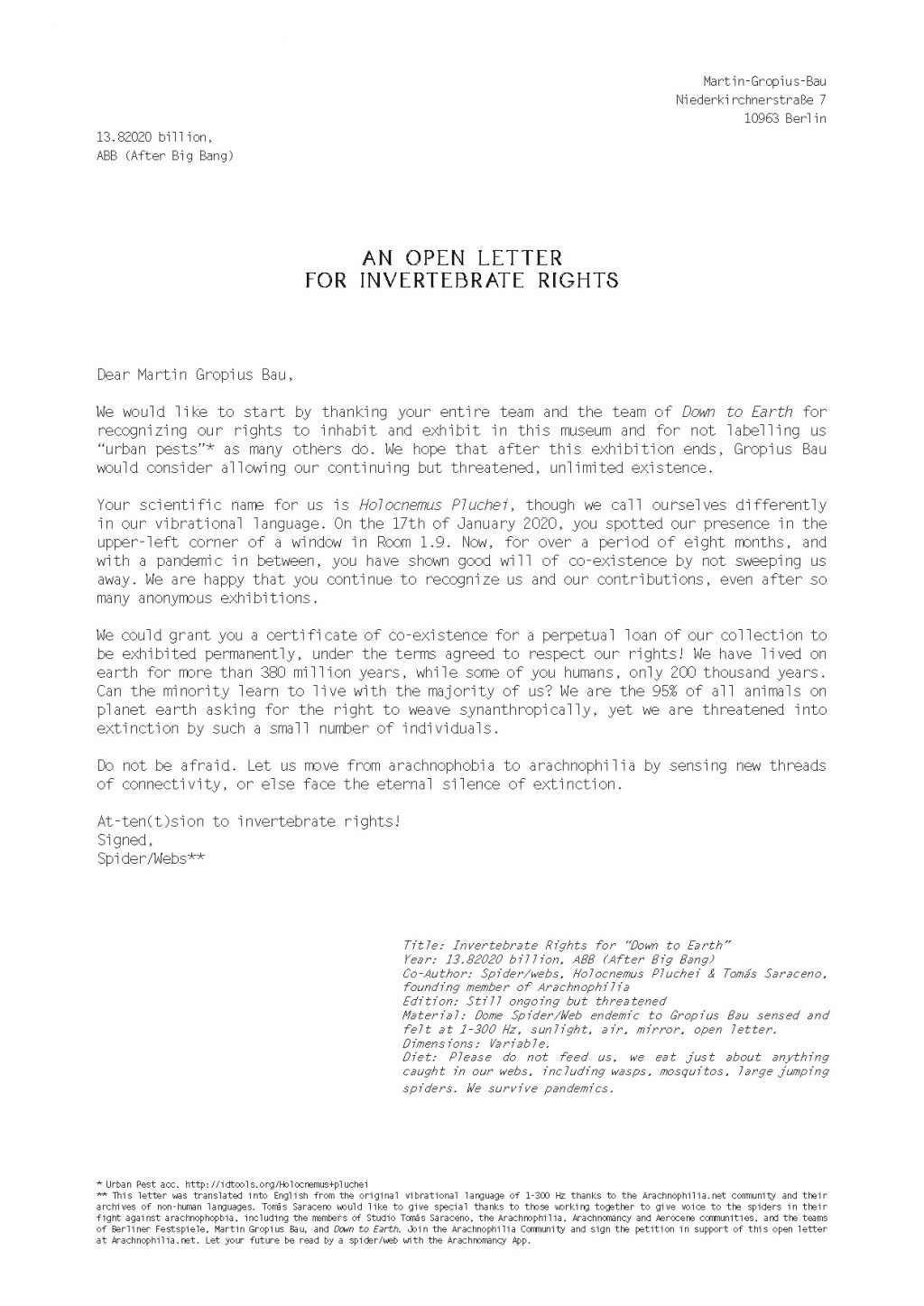
Invertebrate Rights for “Down to Earth”
Fly with Aerocene Pacha
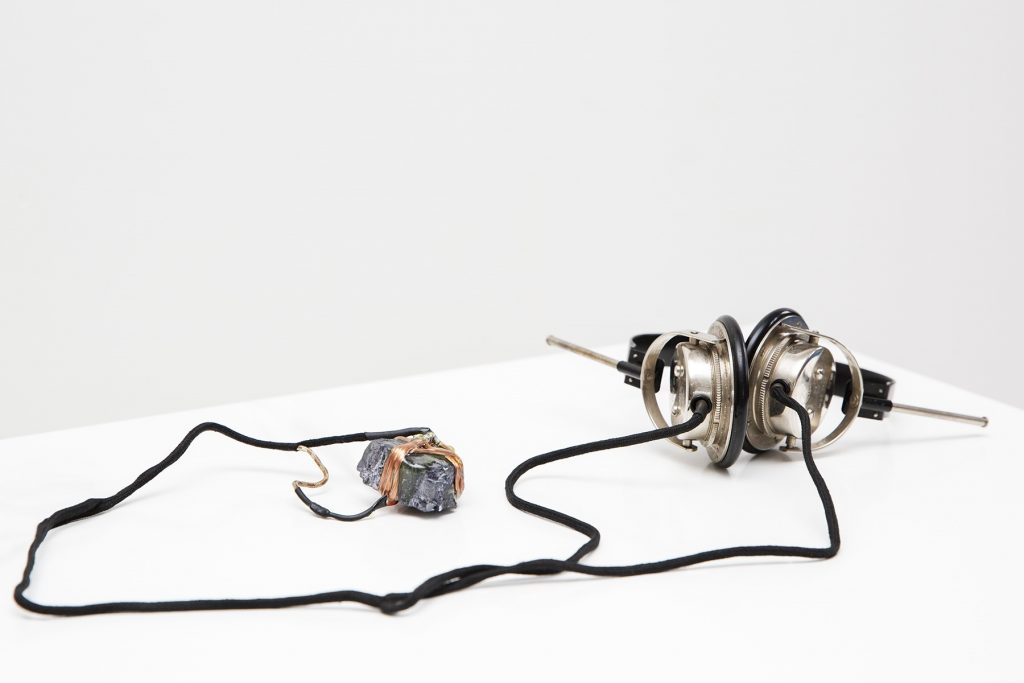
Radio Galena
Up Close: Tomás Saraceno in conversation with Harriet A. Washington
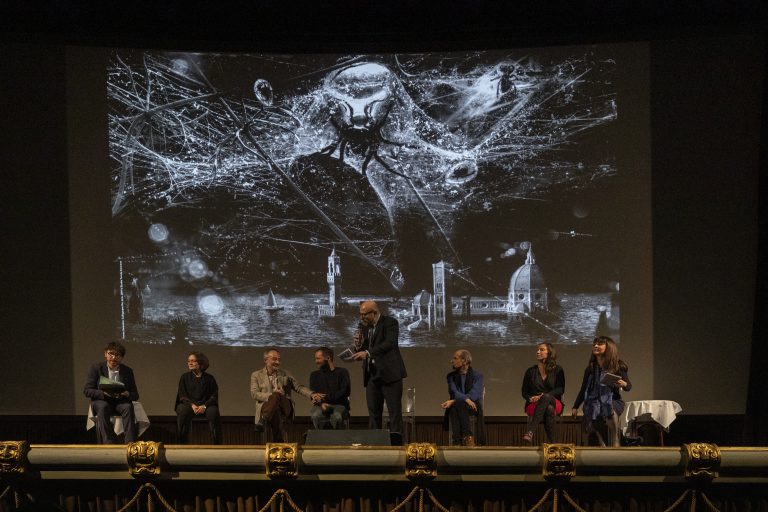
Tomás Saraceno. Aria at Cinema Odeon
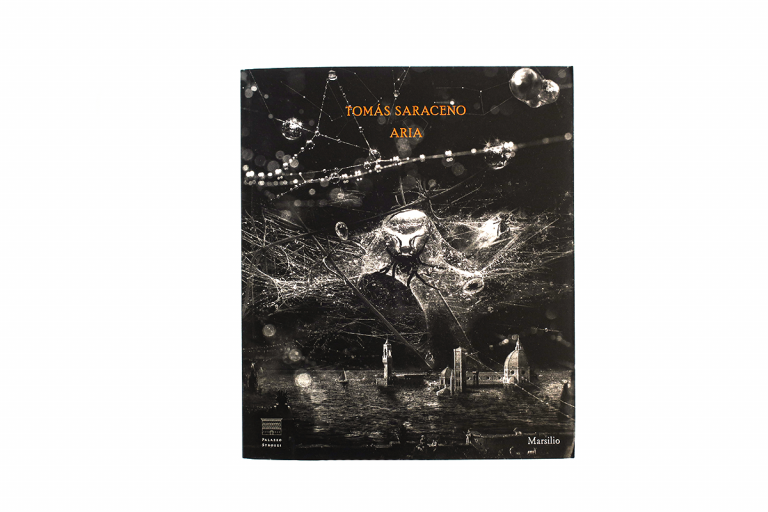
Aria
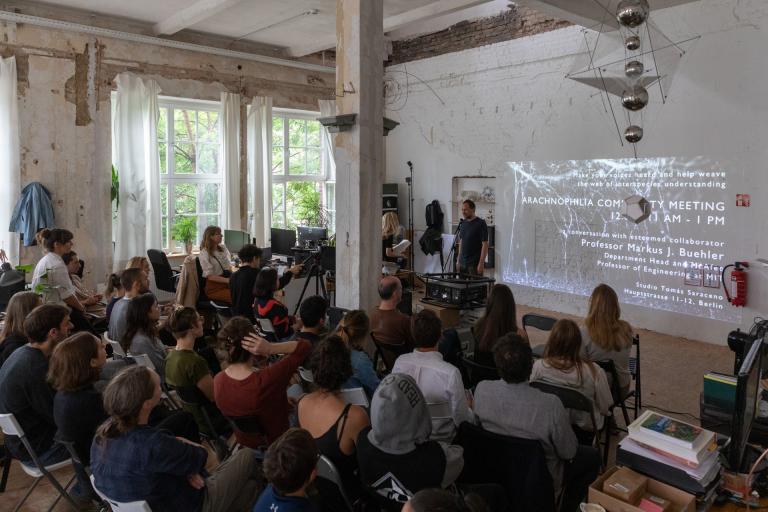
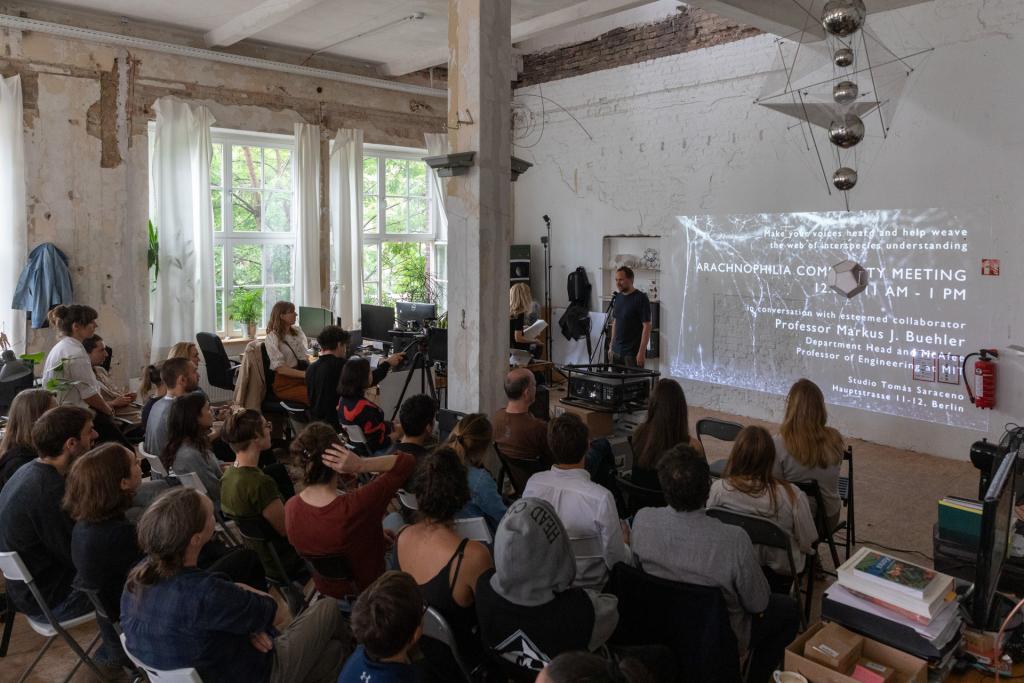
Arachnophilia Community Meeting with MIT Professor Markus J Buehler
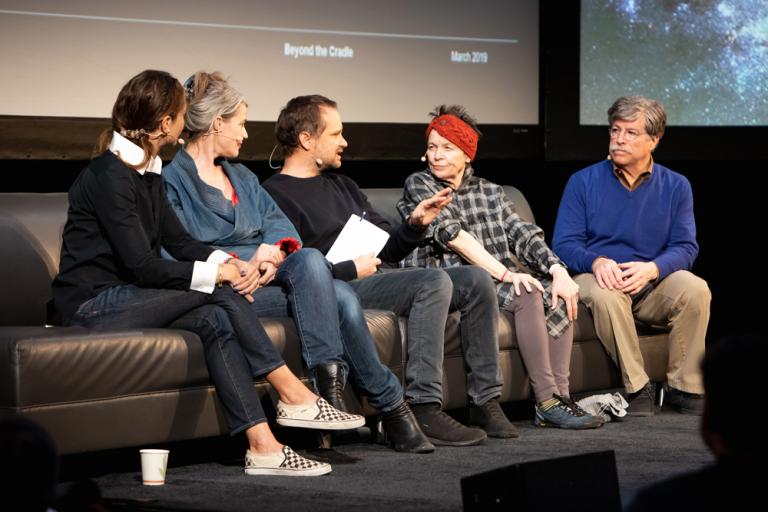
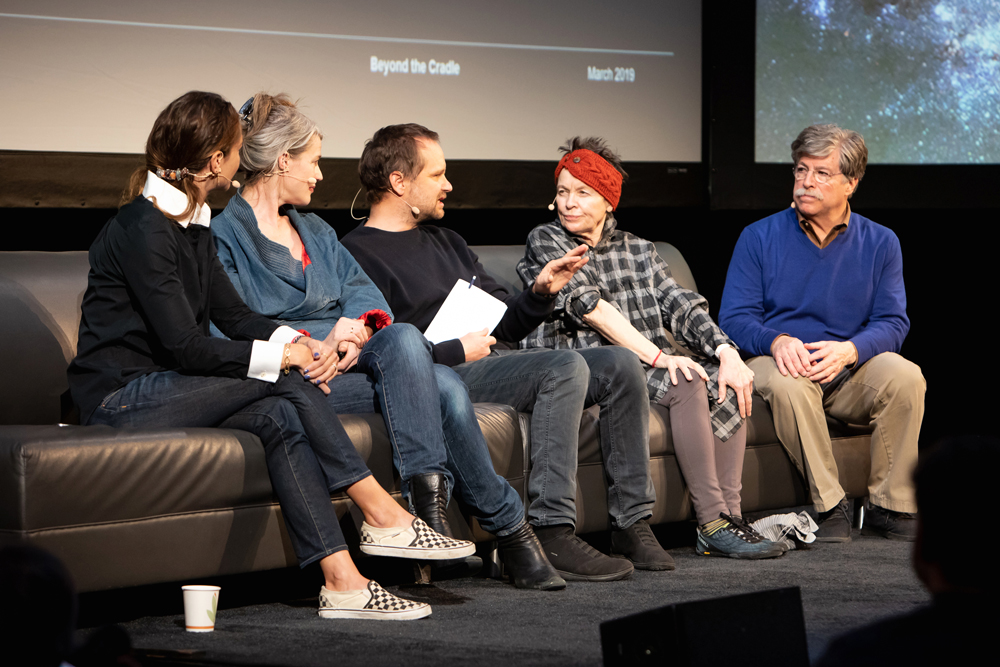
Beyond the Cradle 2019: Space and the Arts
Engadin Art Talks: Grace and Gravity
More-than-humans
Cosmic Filaments
Tomás Saraceno
Spider/Web Pavilion 7
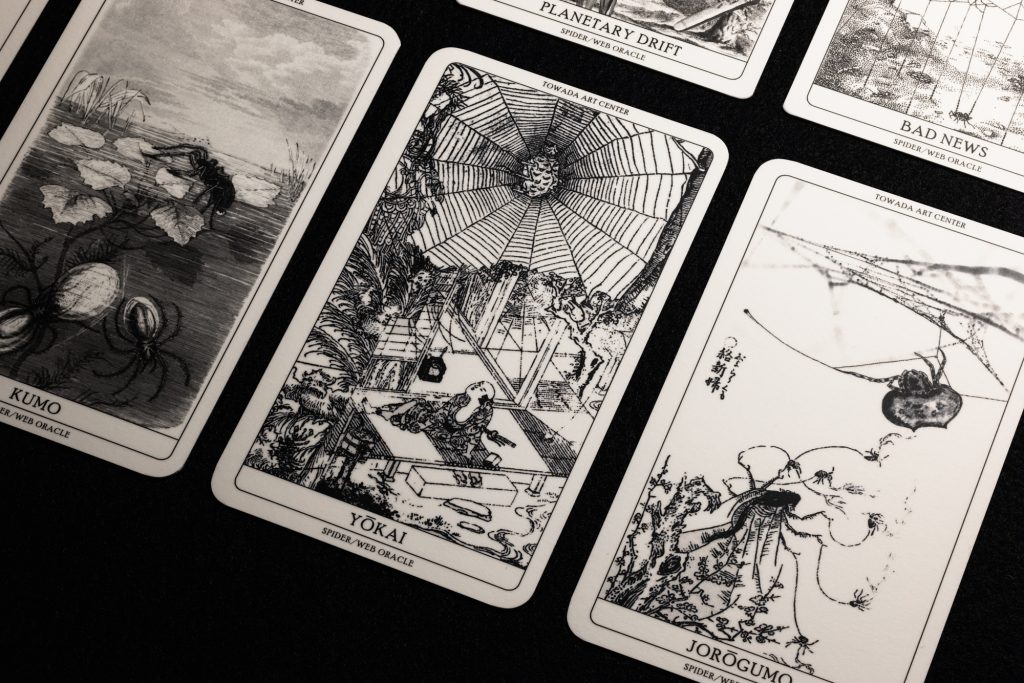
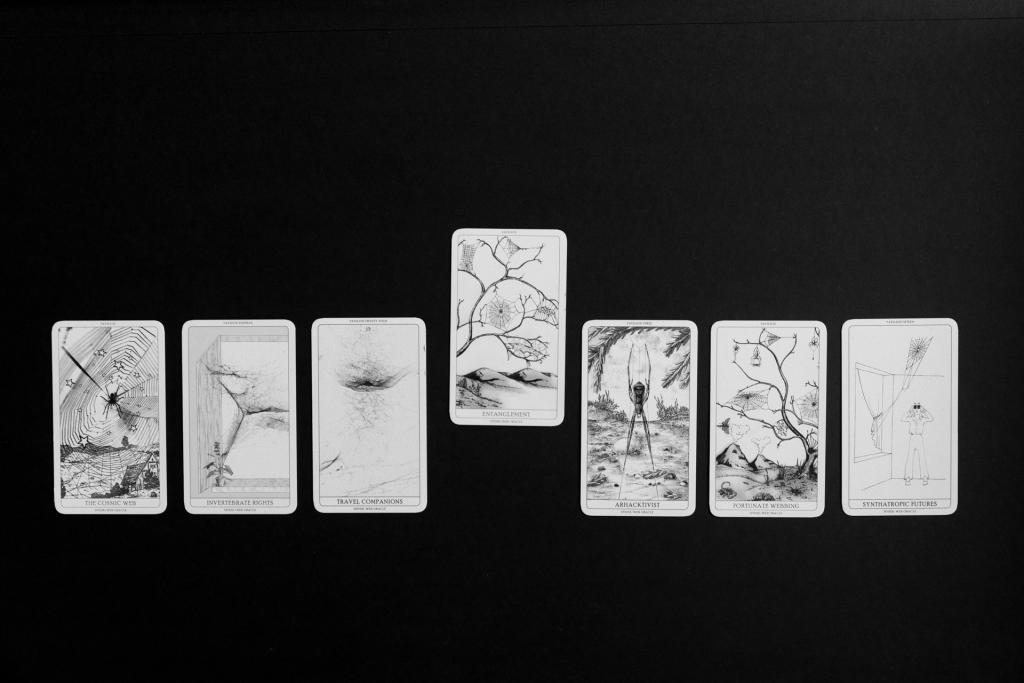
Arachnomancy Cards
Acqua Alta: en Clave de Sol
On the Disappearance of Clouds
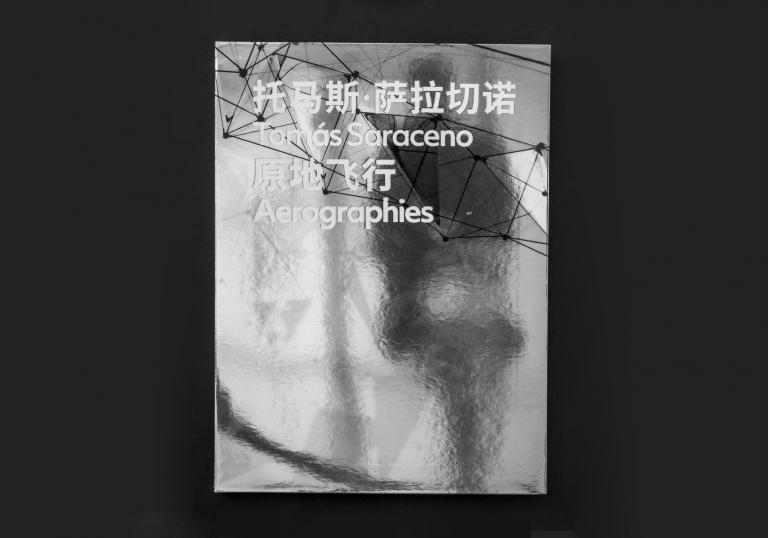
Aerographies
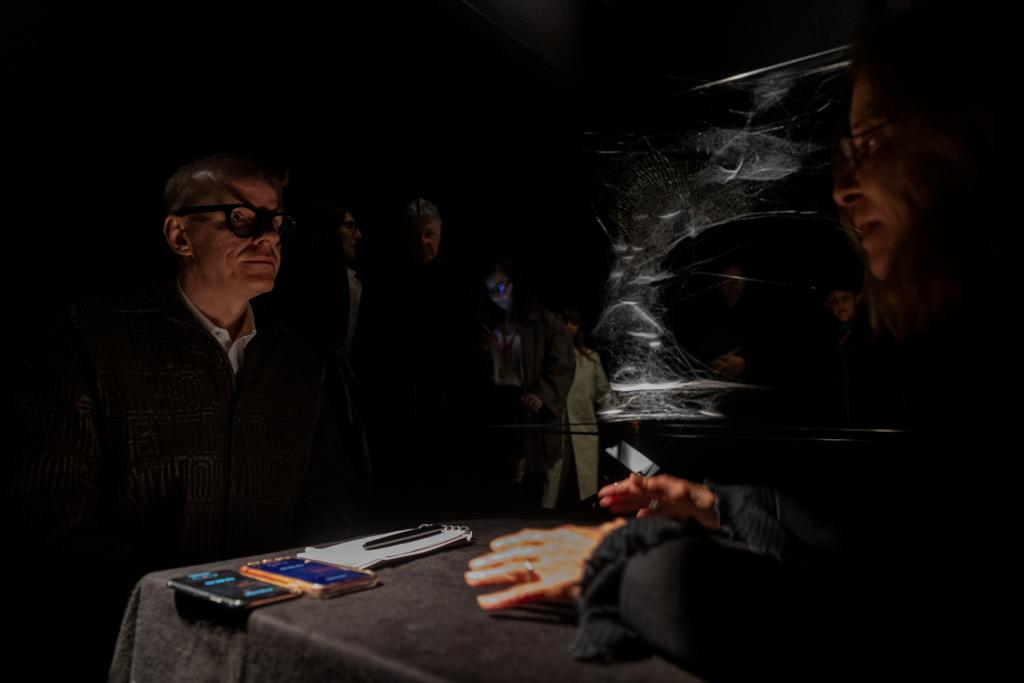
Spider/Web Oracle Readings Program
Sundial for Spatial Echoes
Tomás Saraceno at the Venice Biennale 2019
2-Dimensional Webs Archive/Maps and Traces
ON AIR
ALBEDO
A Thermodynamic Imaginary
Solar Rhythms
Omega Centauri 3.9
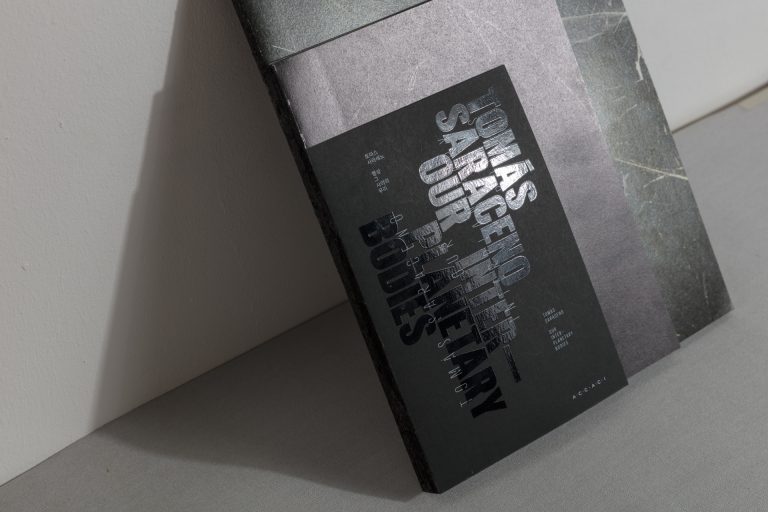
Our Interplanetary Bodies
Art Basel Miami – Albedo | Hans Ulrich Obrist in conversation with Tomás Saraceno
“ON AIR live with…”
How to entangle the universe in a spider/web?
Printed Matter(s)
Webs of At-tent(s)ion
The Politics of Solar Rhythms: Cosmic Levitation
Living at the bottom of the ocean of air
Sounding the Air
Algo-r(h)i(y)thms
Passages of Time
Particular Matter(s) Jam Session
3 Airborne Self-Assemblies
Event Horizon
How to Entangle the Universe in a Spider Web
Gravitational Waves
Entangled Orbits
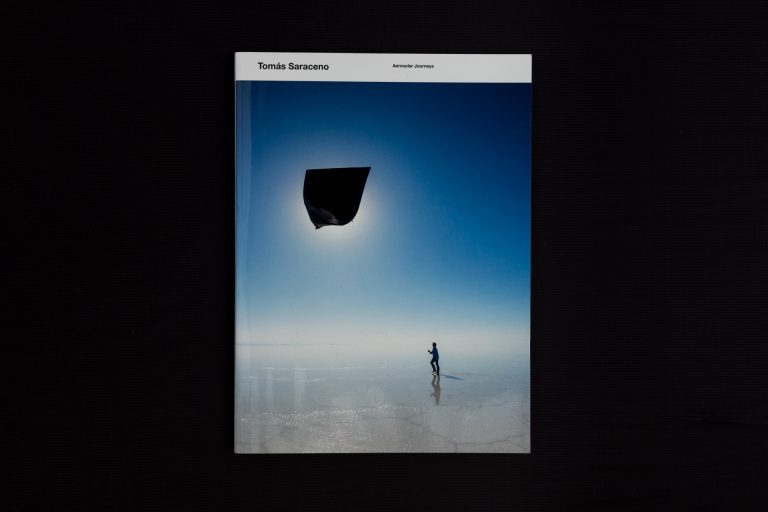
Aerosolar Journeys
Nebulous Thresholds
Behind the Artist’s Idea: Aerocene, Lecture at WEF, Davos, Switzerland
Aerocene at the Antarctic Biennale
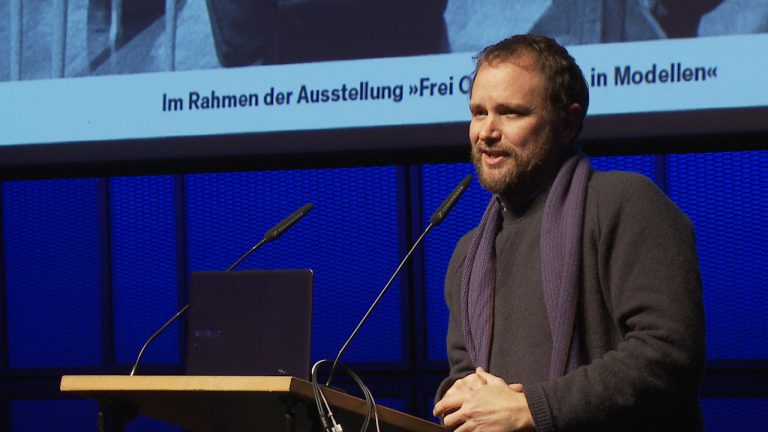
Architektur als vermutete Zukunft — Symposium im Rahmen der Ausstellung »Frei Otto. Denken in Modellen«
Dark Cosmic Web
Stillness in Motion — Cloud Cities
Solar Bell Ensemble
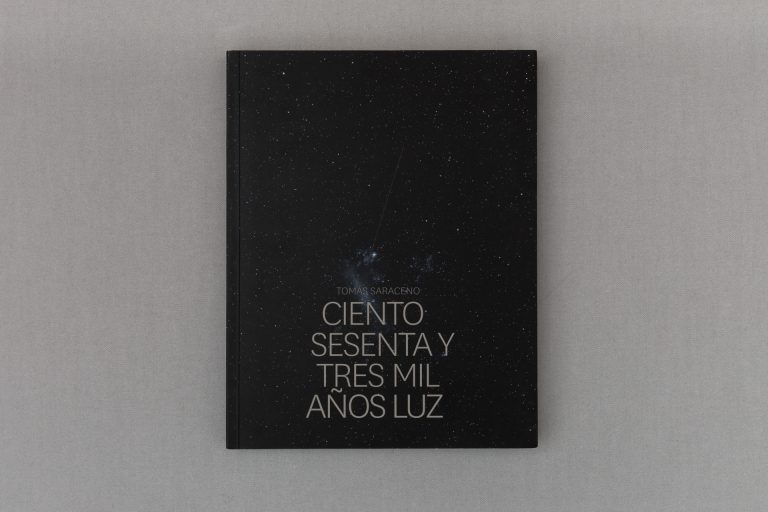
163,000 Light Years
Cloud City: HAT-P-12
Cloud City
Many suns and worlds
Hybrid solitary… semi-social quintet… on cosmic webs…
Caelum Dust
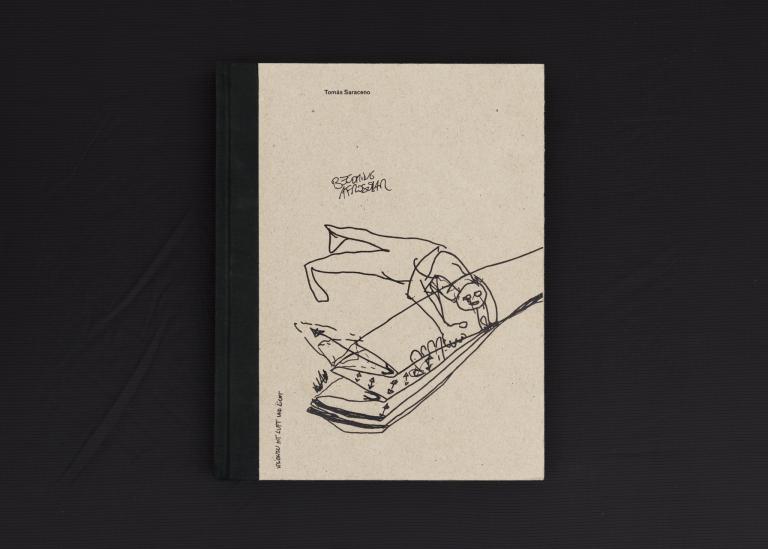
Becoming Aerosolar
Iridescent Planet
Aerocene at COP21
Hybrid Webs
Tomás Saraceno’s Cloud Cities and Solar Balloon Travel – Interview with The Creators Project
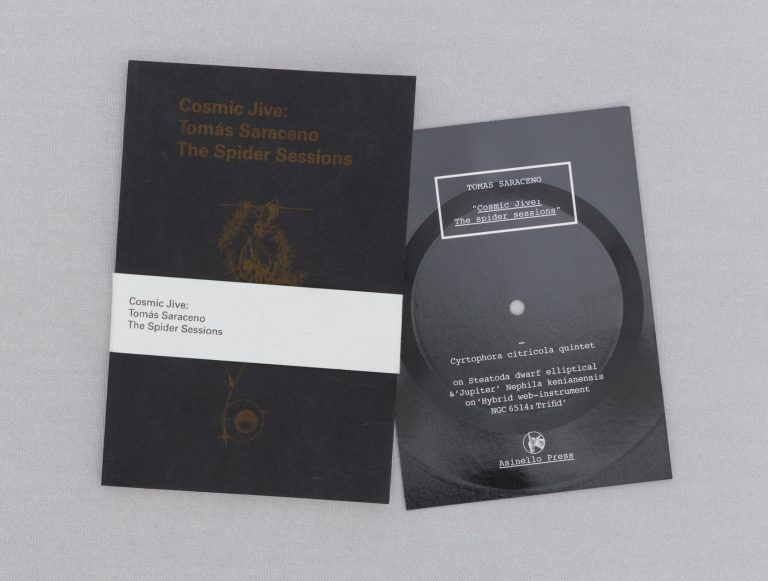
Cosmic Jive: The Spider Sessions
Solar Bell
Ring Bell — Solar Orchestra and the Wind Structures
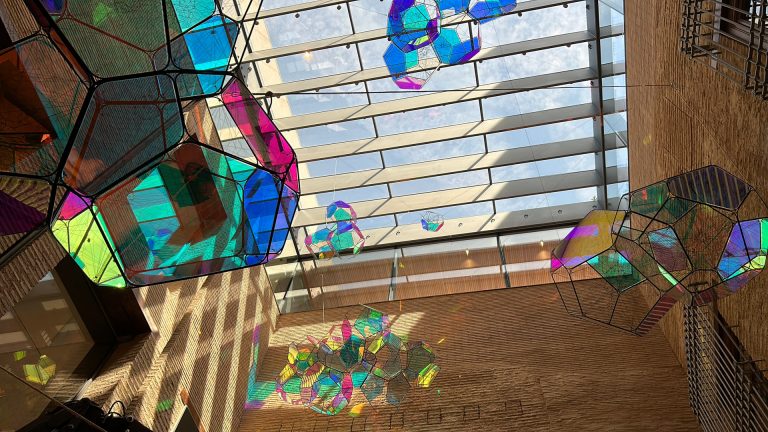
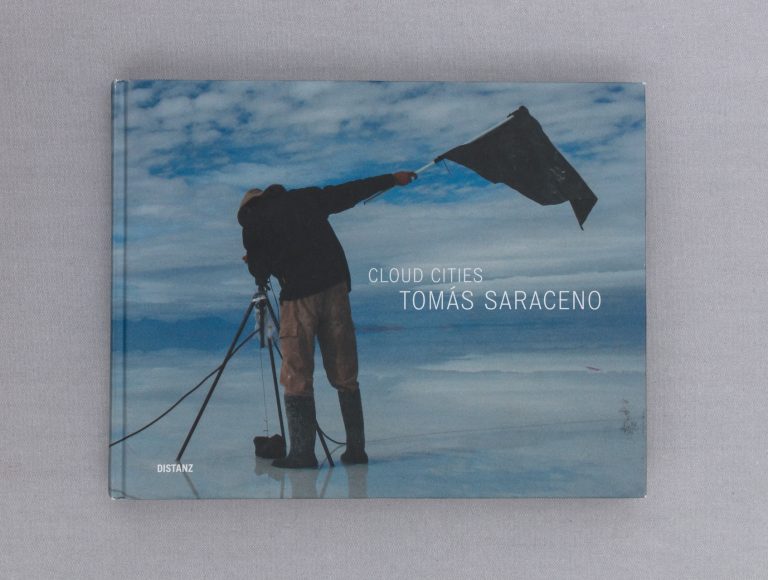
Cloud Cities
On the Roof: Cloud City
In Orbit
On Space Time Foam: a Conversation
On Space Time Foam
Moving Beyond Materiality – MIT Visiting Artist Tomás Saraceno
Air-Port-City/Cloud Cities
Cloudy Dunes. When Friedman Meets Bucky on Air-Port-City
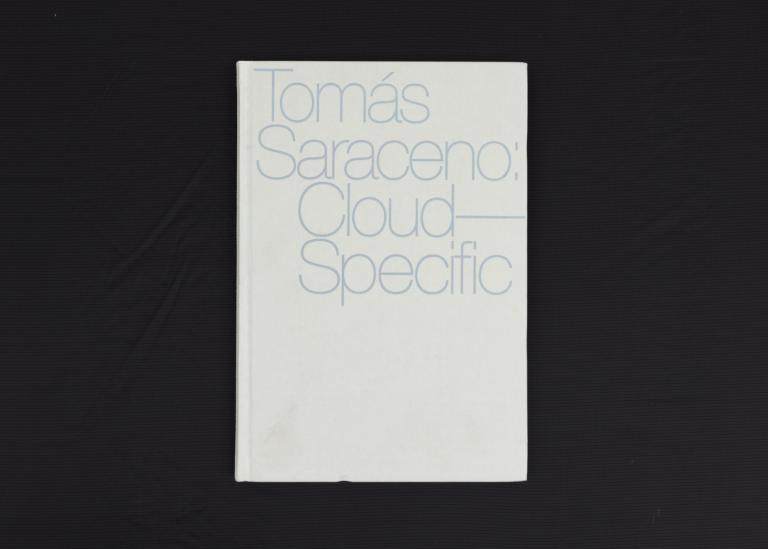
Cloud-Specific
14 Billions (Working Title)
Cloud Cities Connectome
From Camogli to San Felipe, spiders weaving stars…
Galaxies Forming along Filaments, like Droplets along the Strands of a Spider’s Web
Biospheres
Tomás Saraceno
Cloudy House
Lighter than Air
Observatory, Air-Port-City
Microscale, Macroscale, and Beyond: Large-Scale Implications of Small-Scale Experiments
Poetic Cosmos of the Breath
Flying Gardens
Cumulonimbus/Air-Port-City
Cumulus
Infinite Actives
When Spheres Meet Spheres From Miami to Cuba
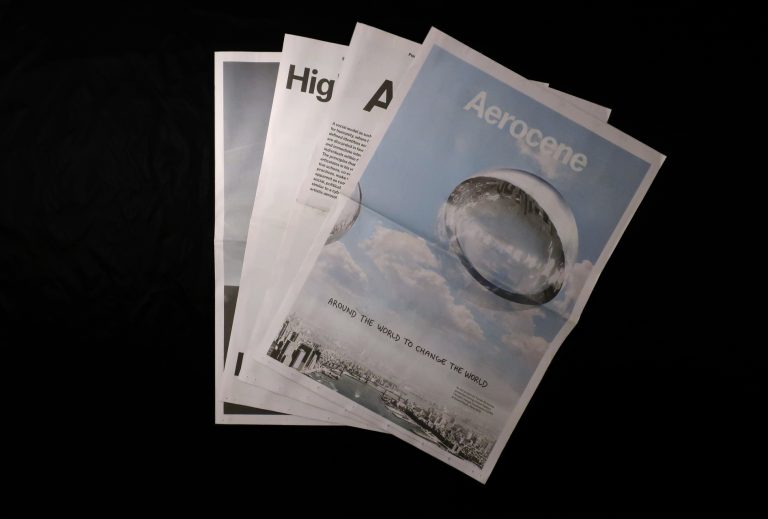
On Air
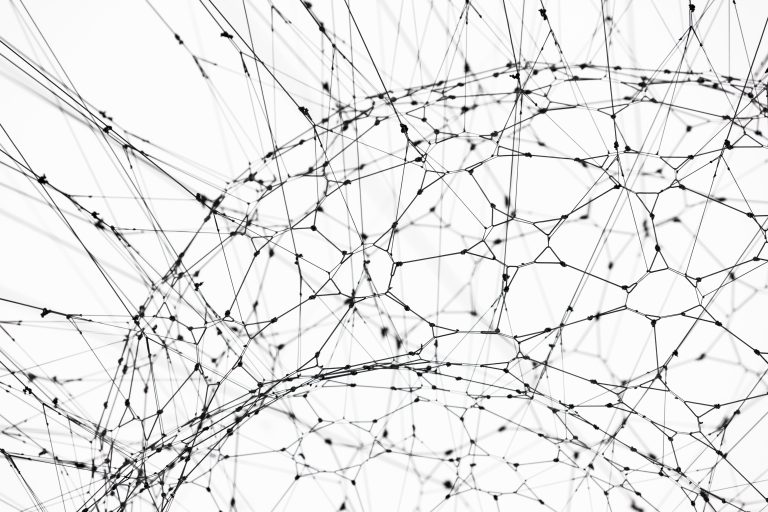
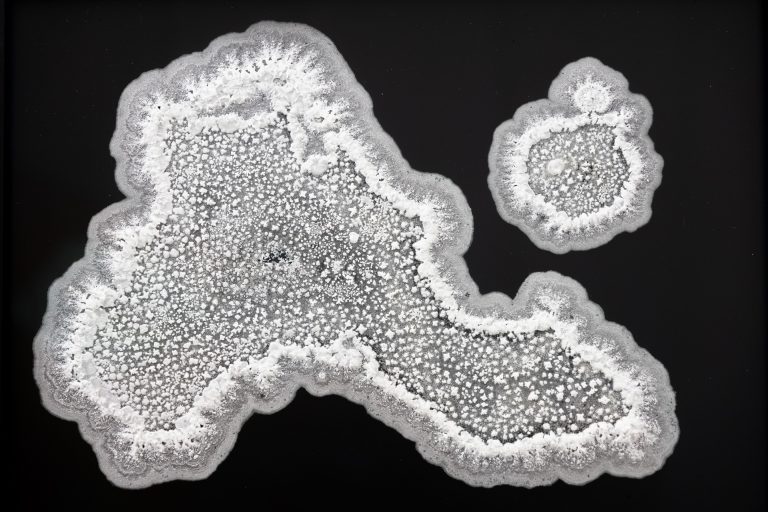
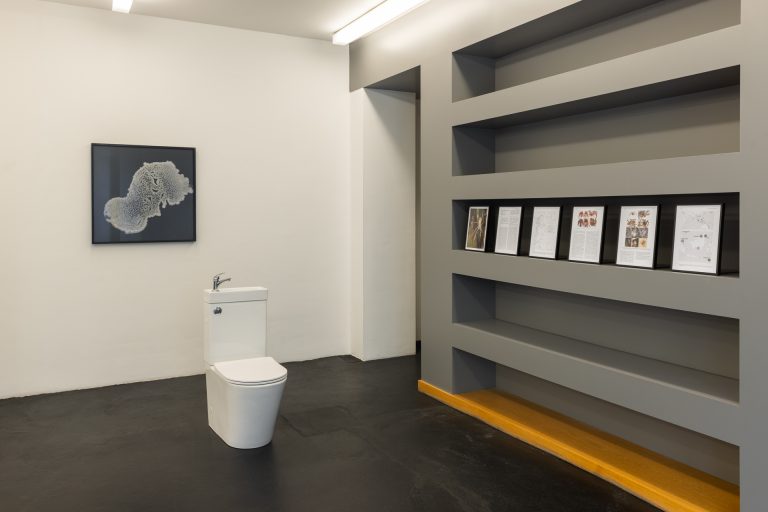
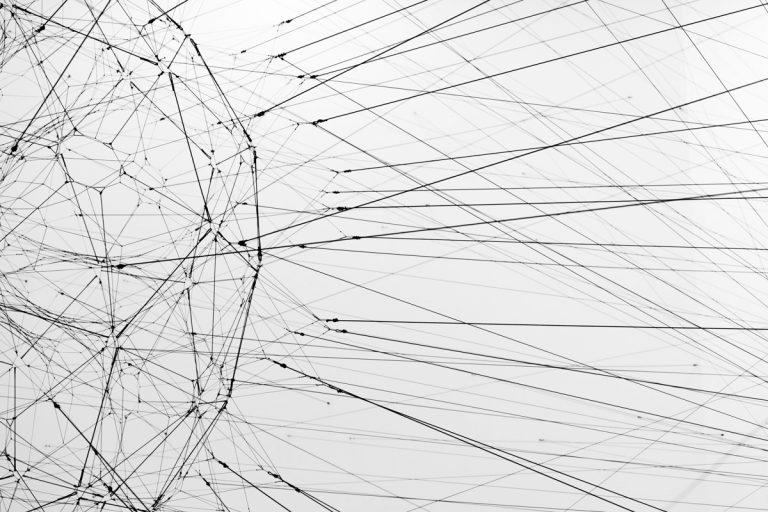
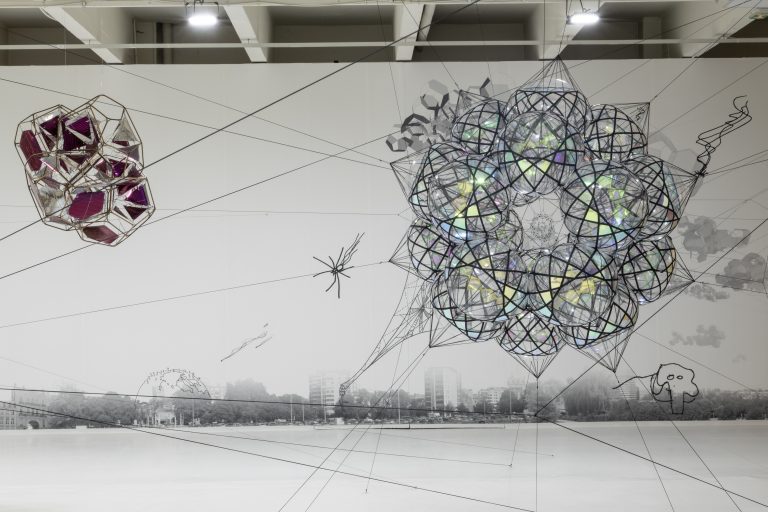
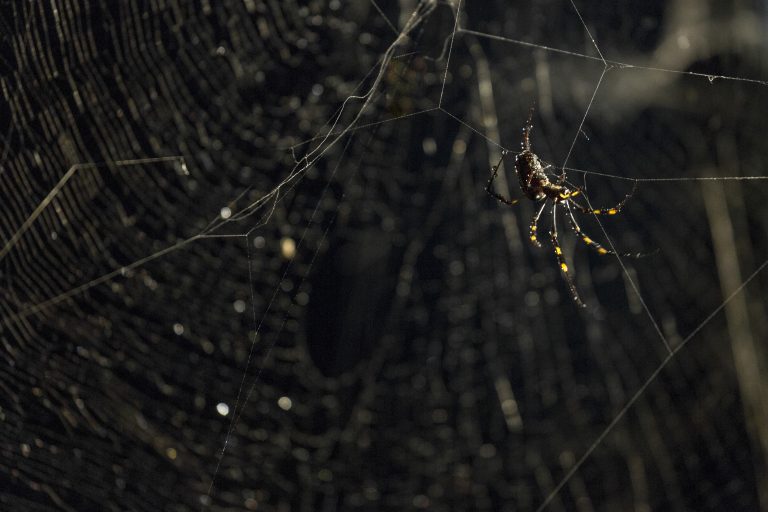
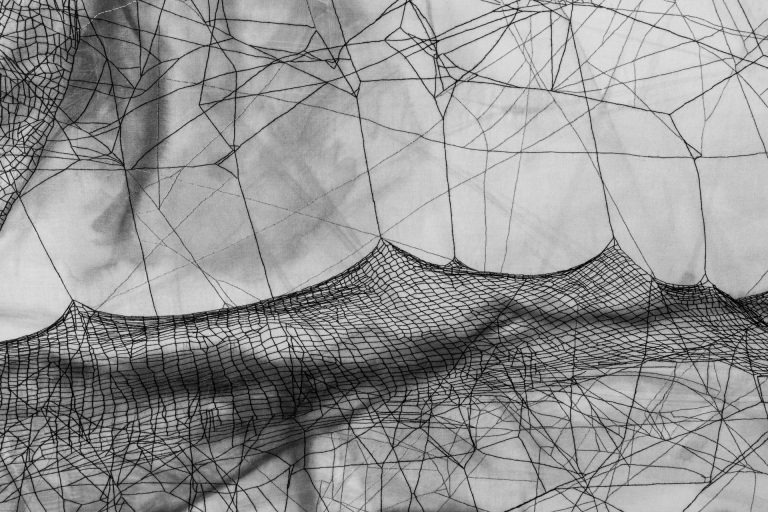
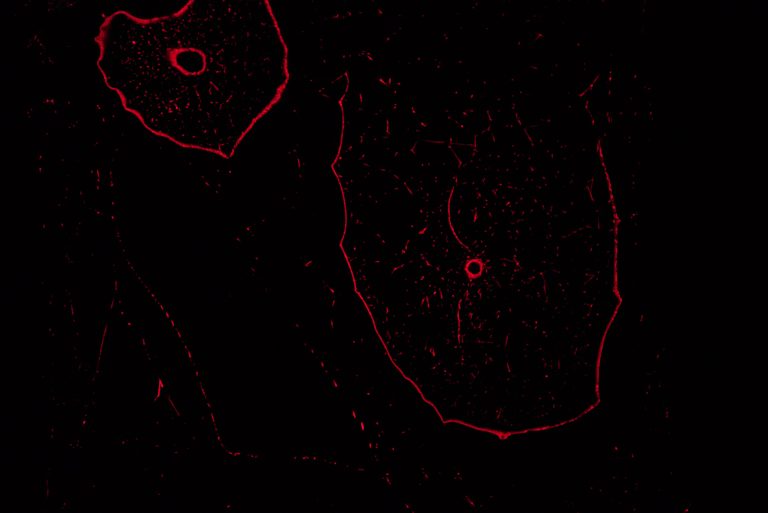
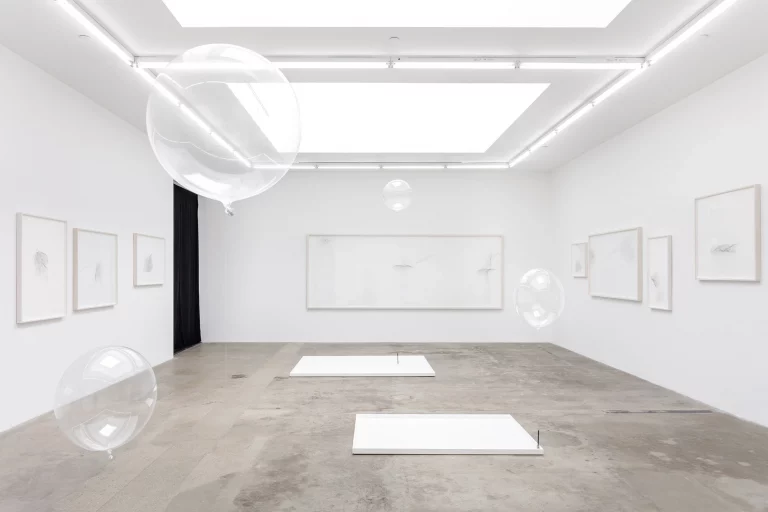
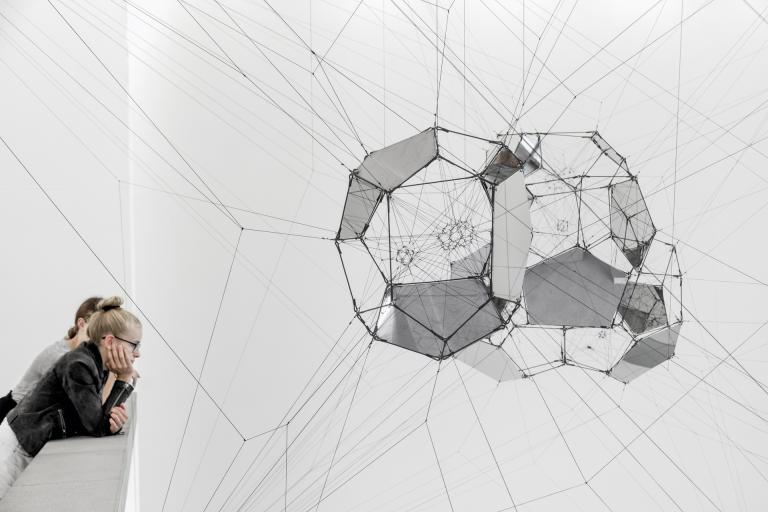
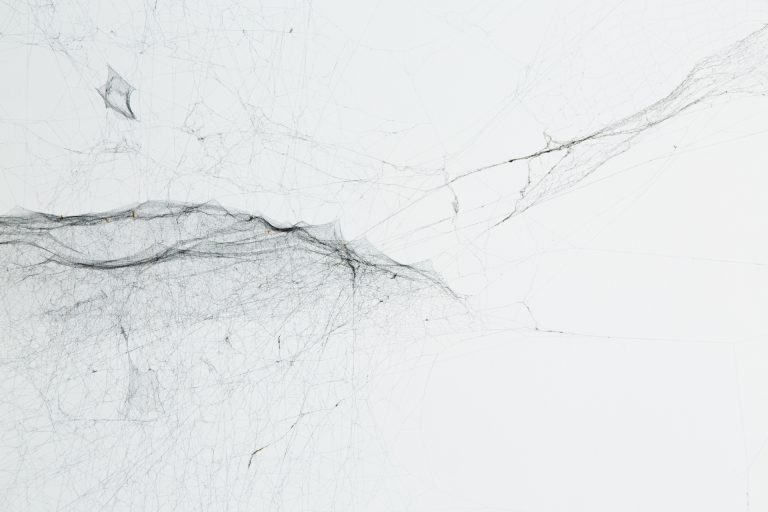
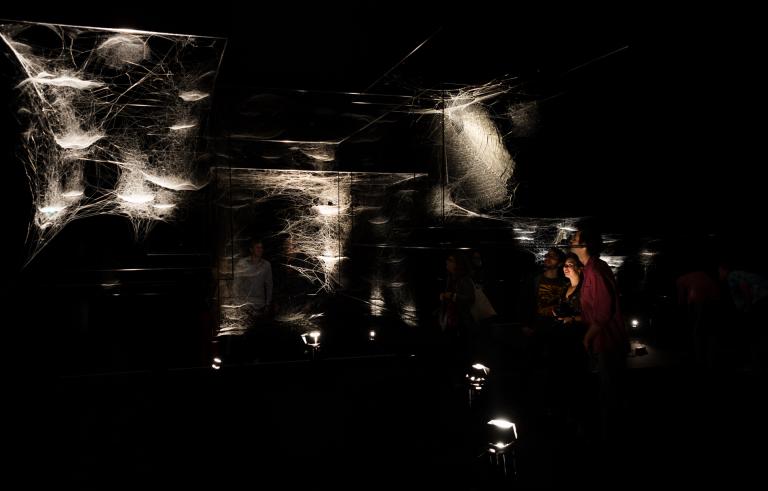
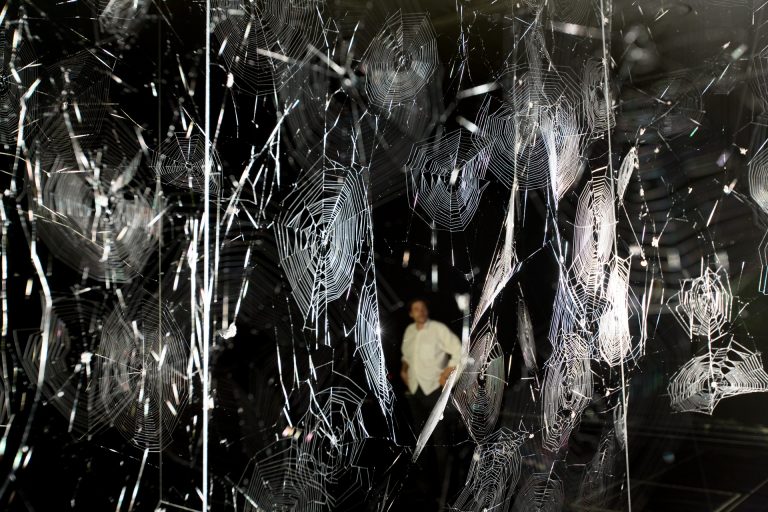
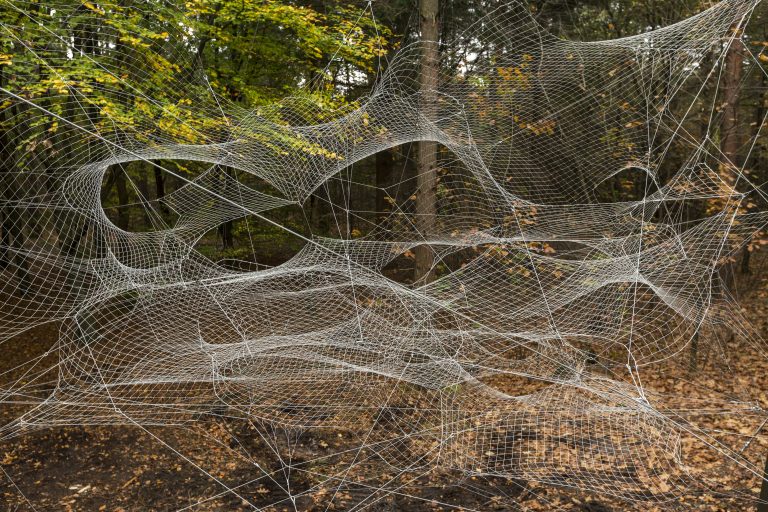
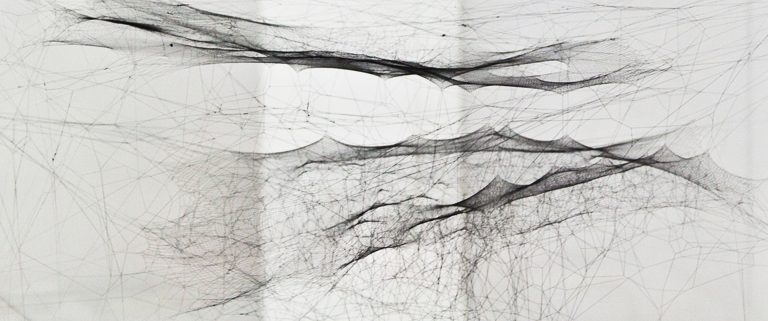
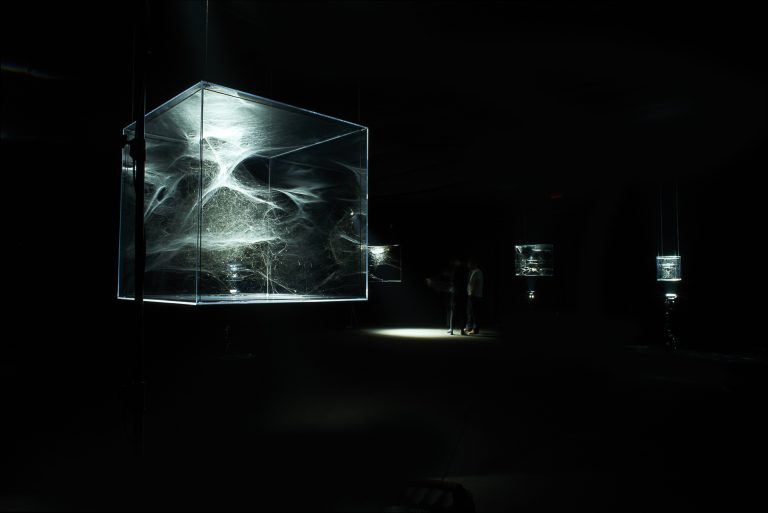
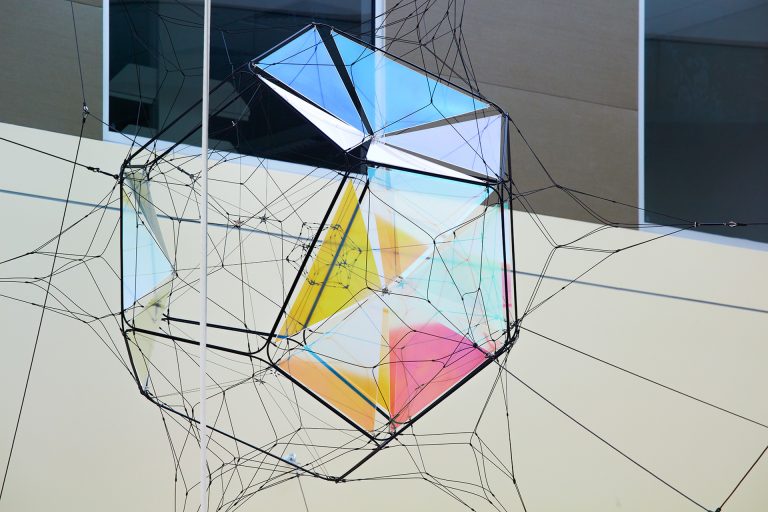
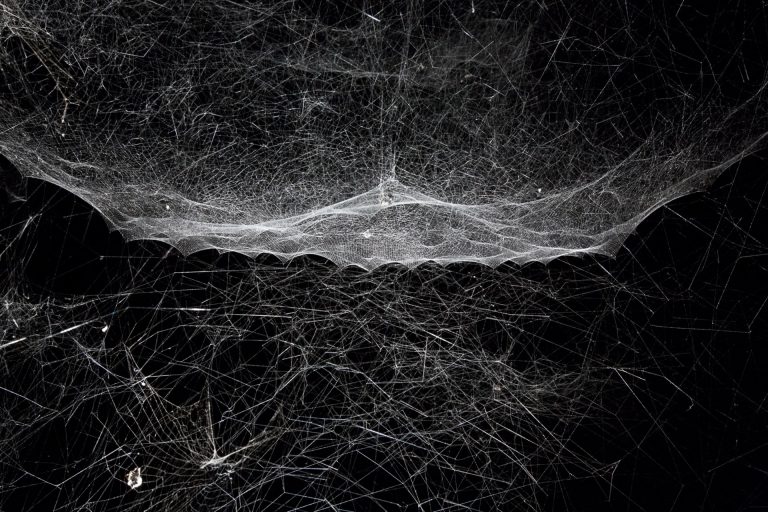
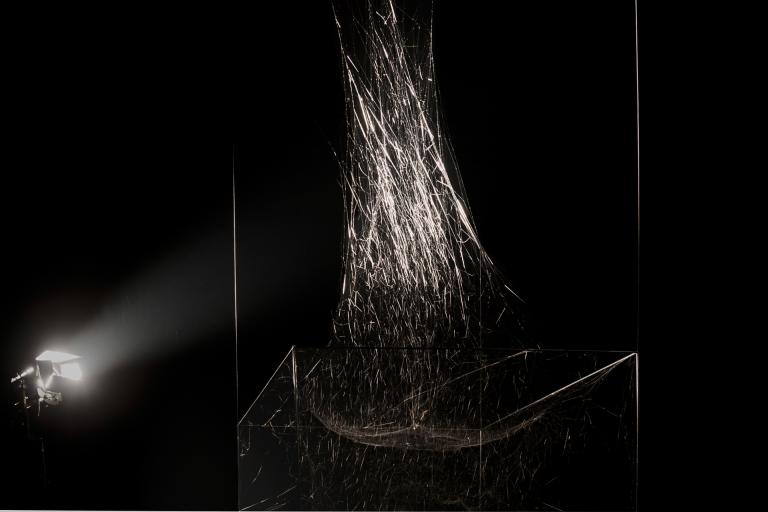
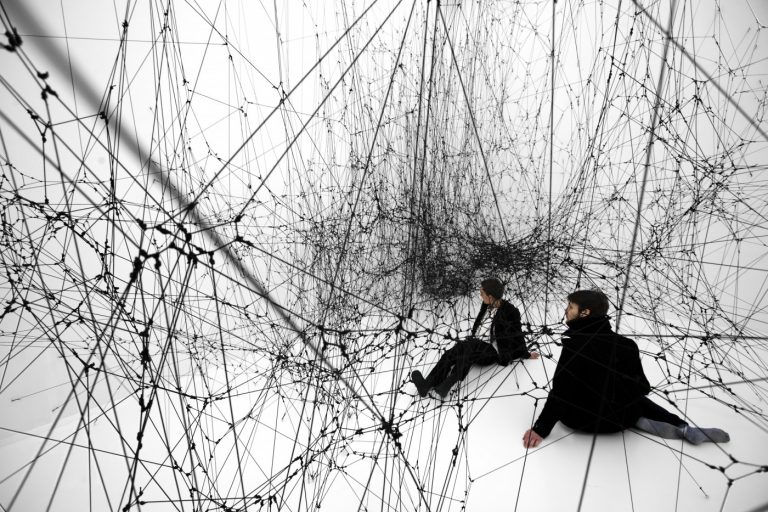
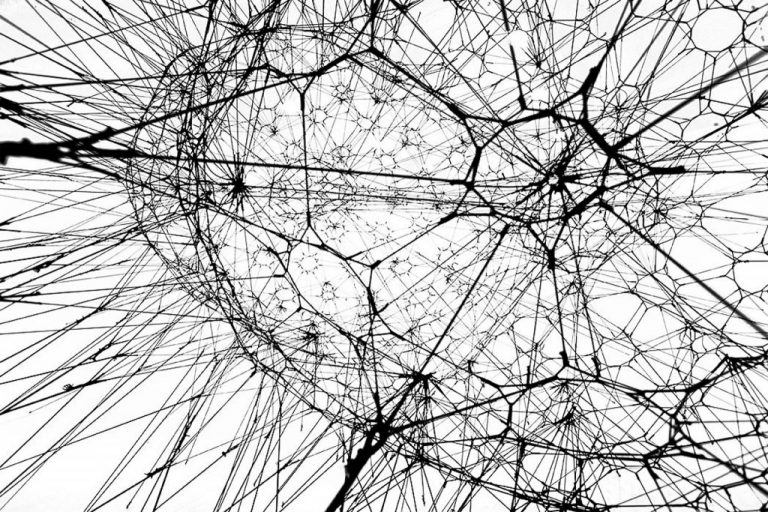
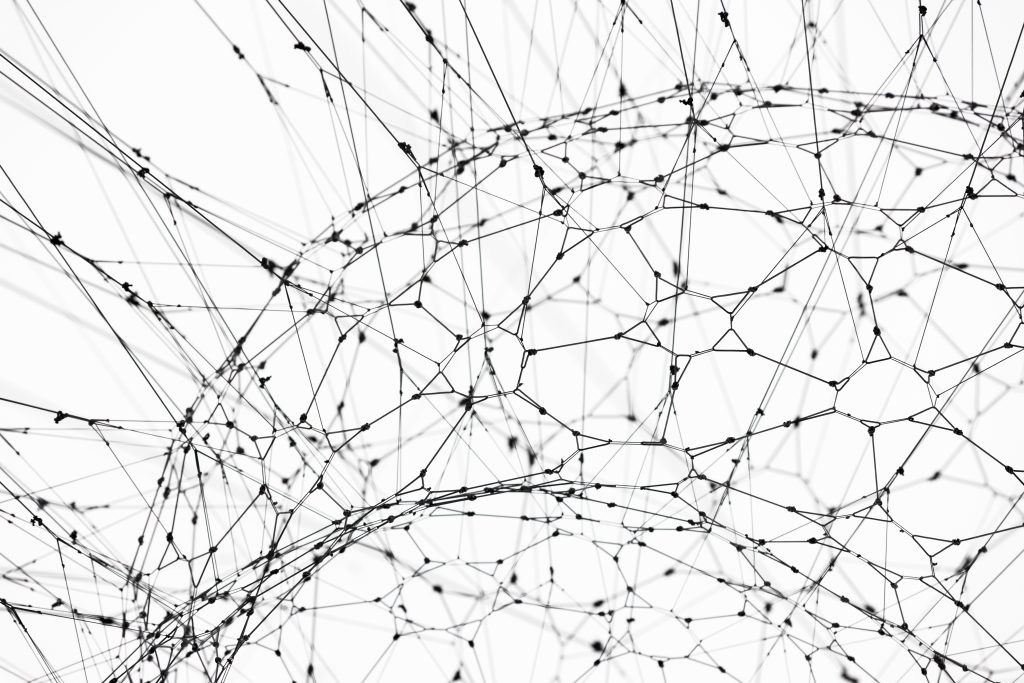
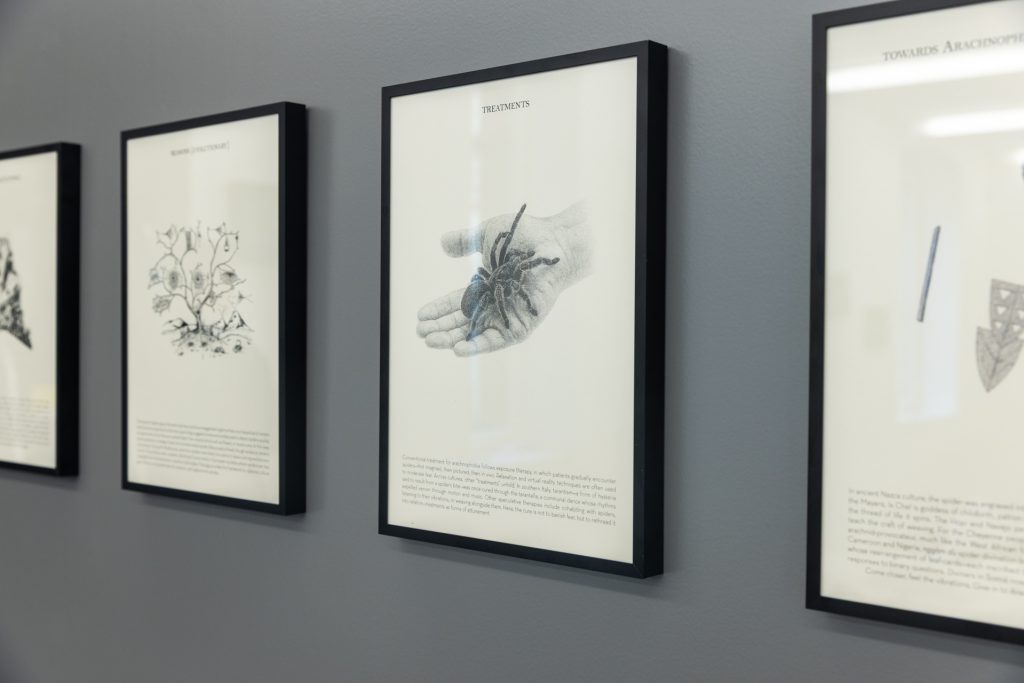
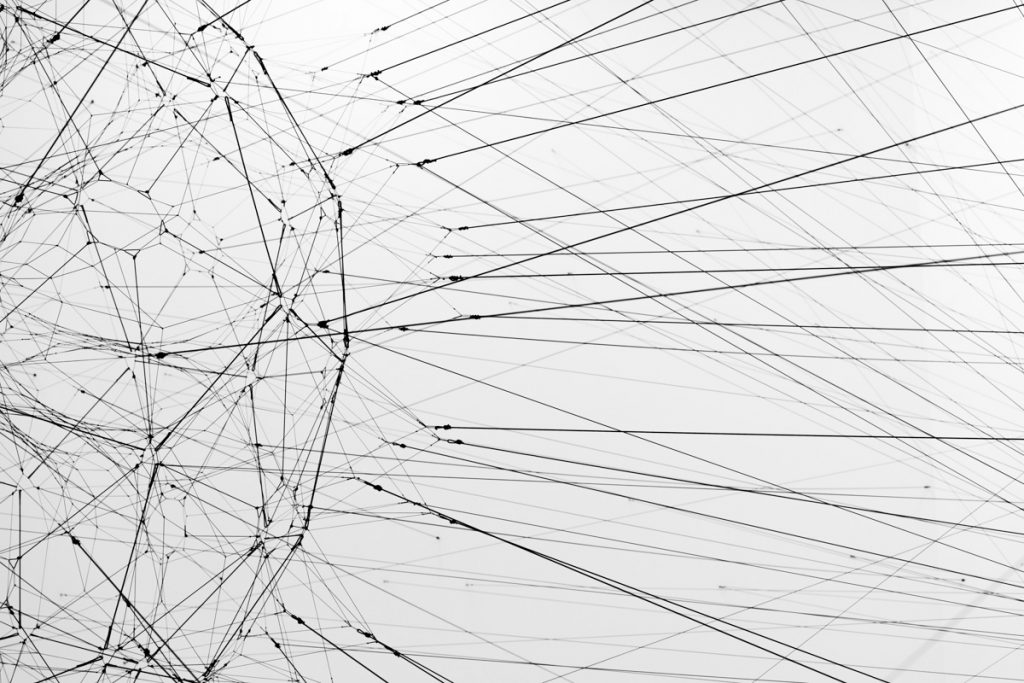
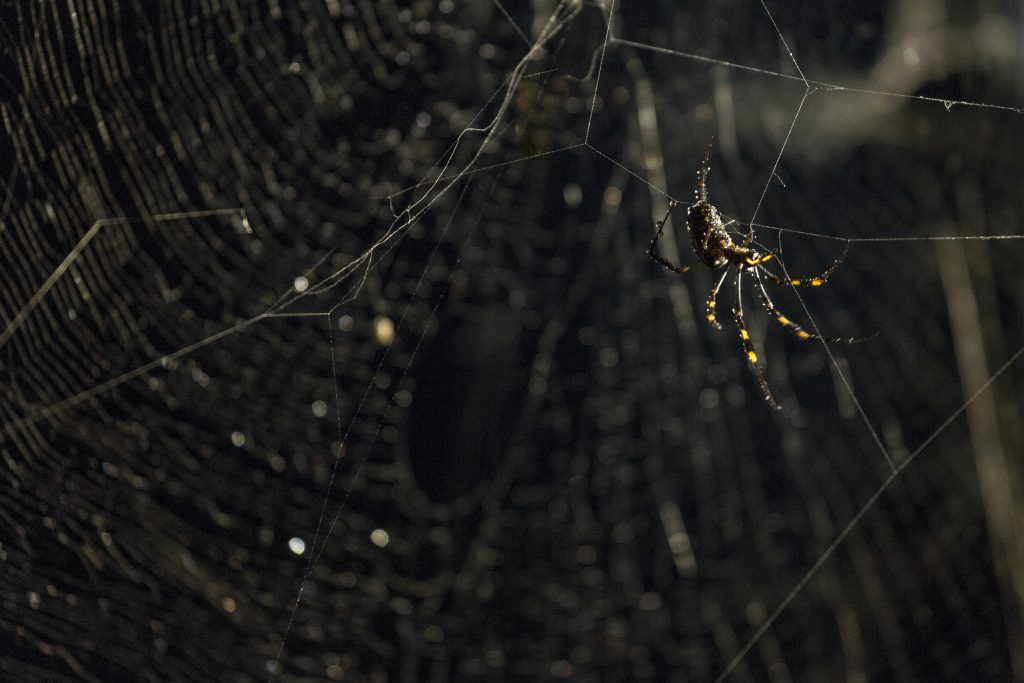
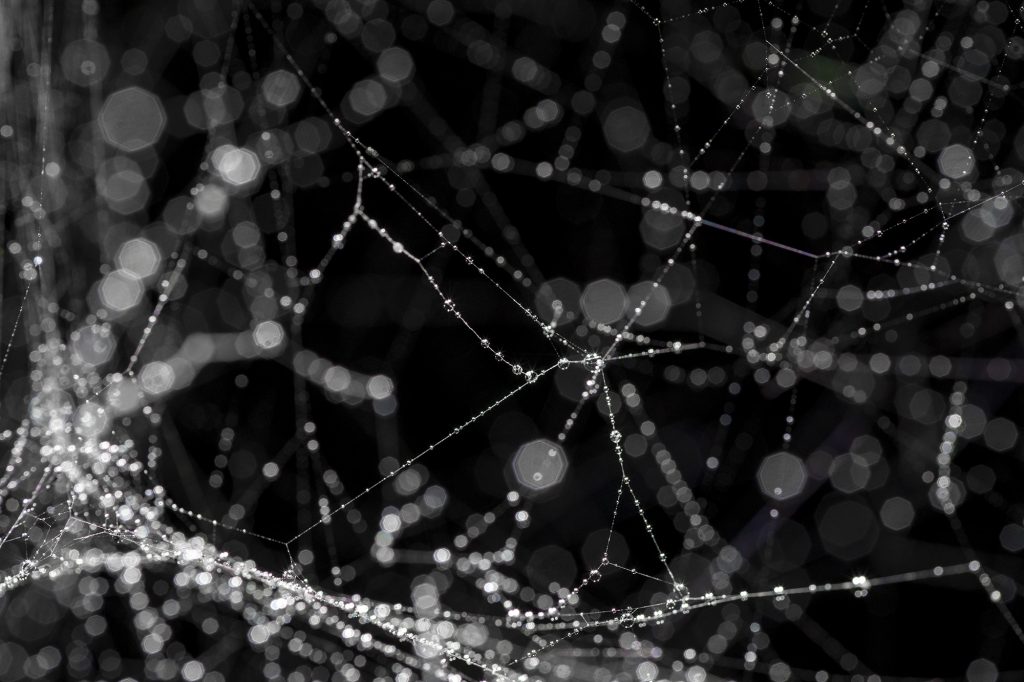
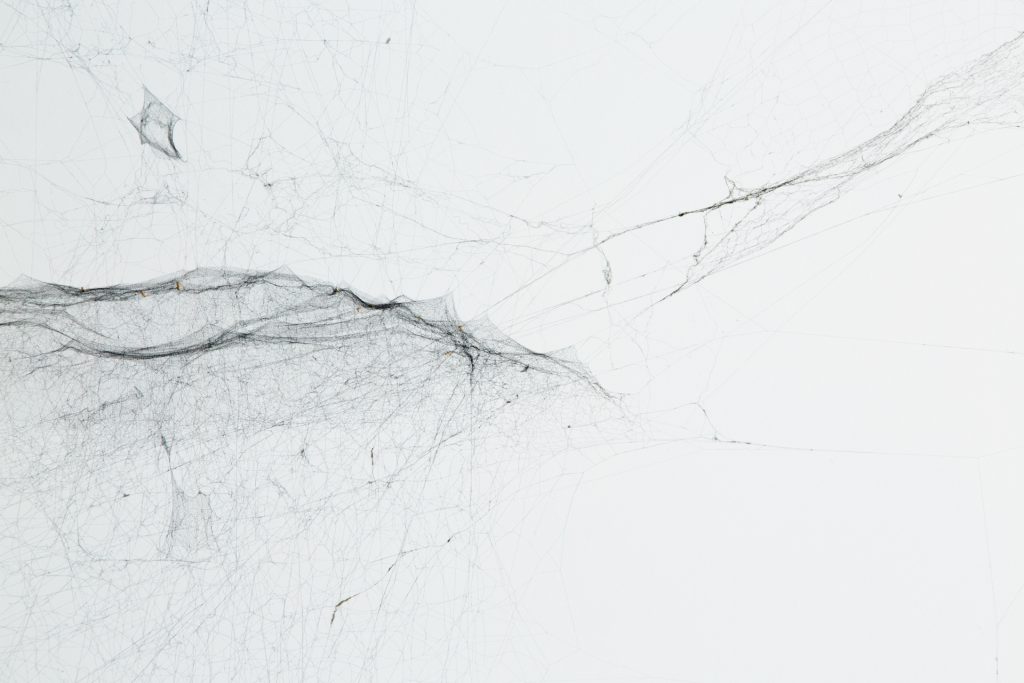
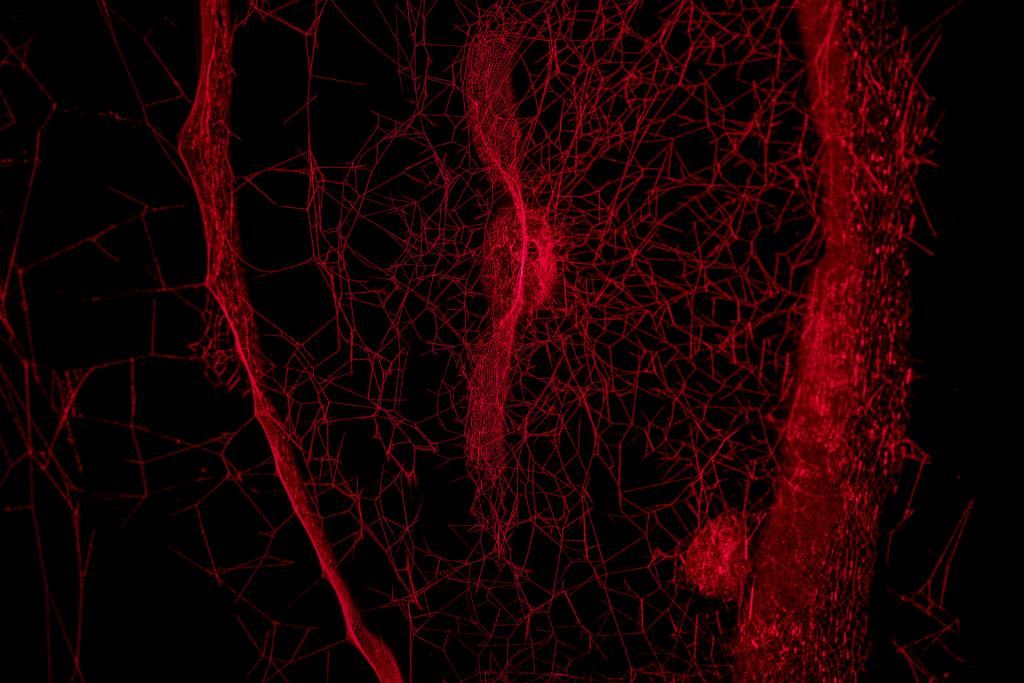
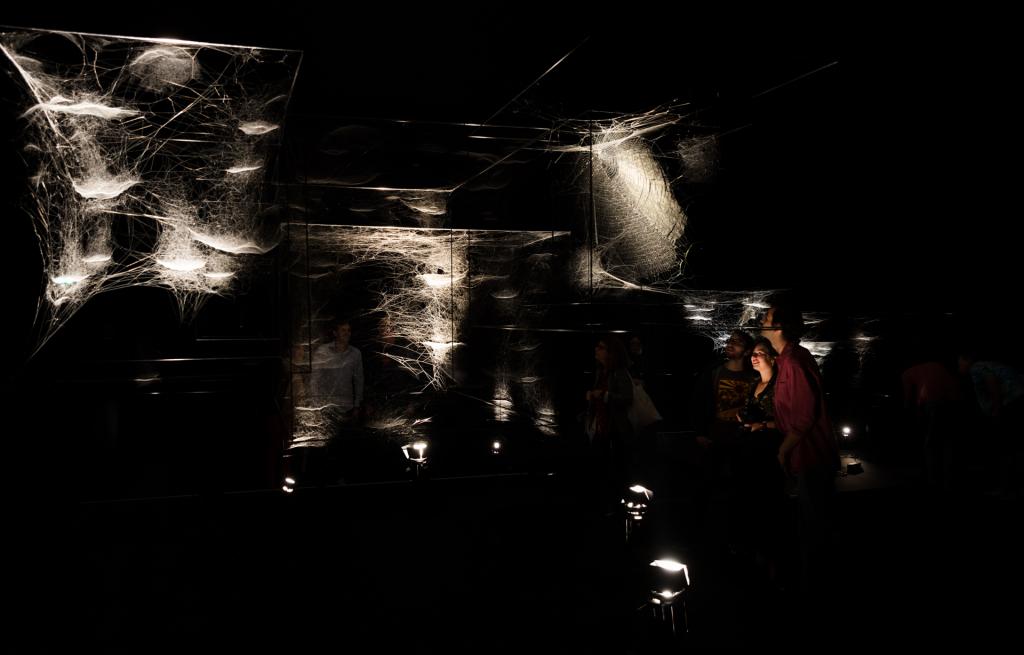
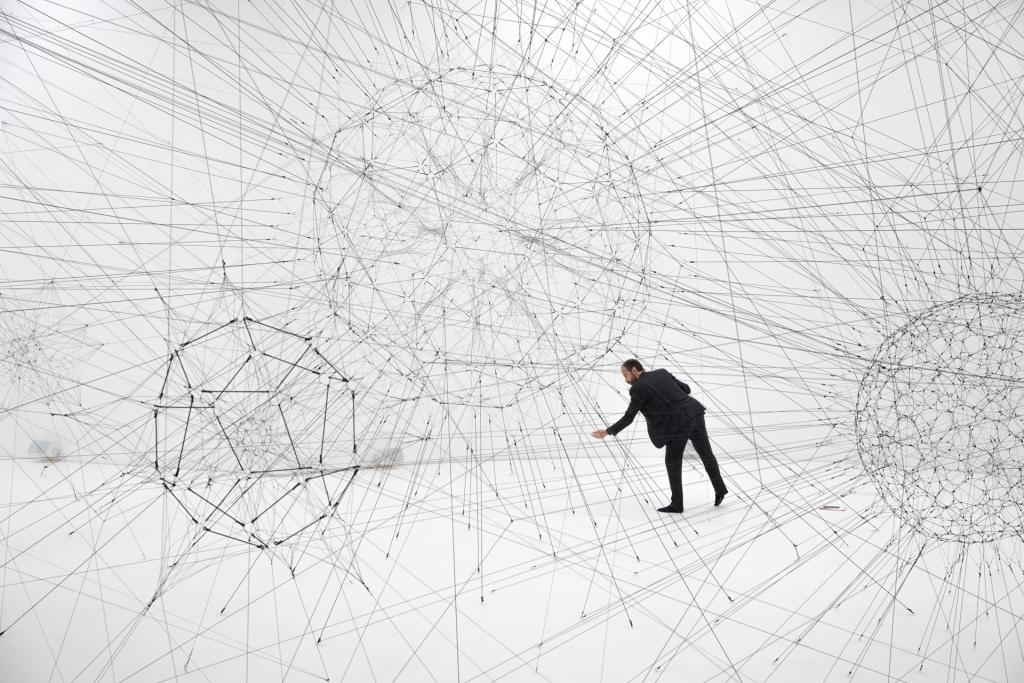
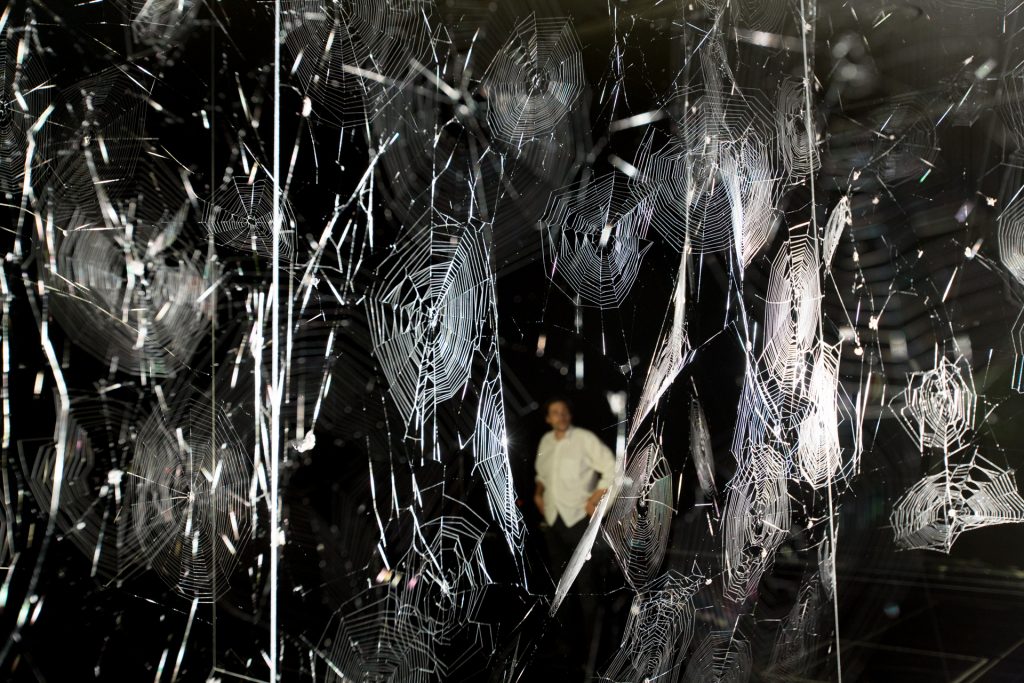
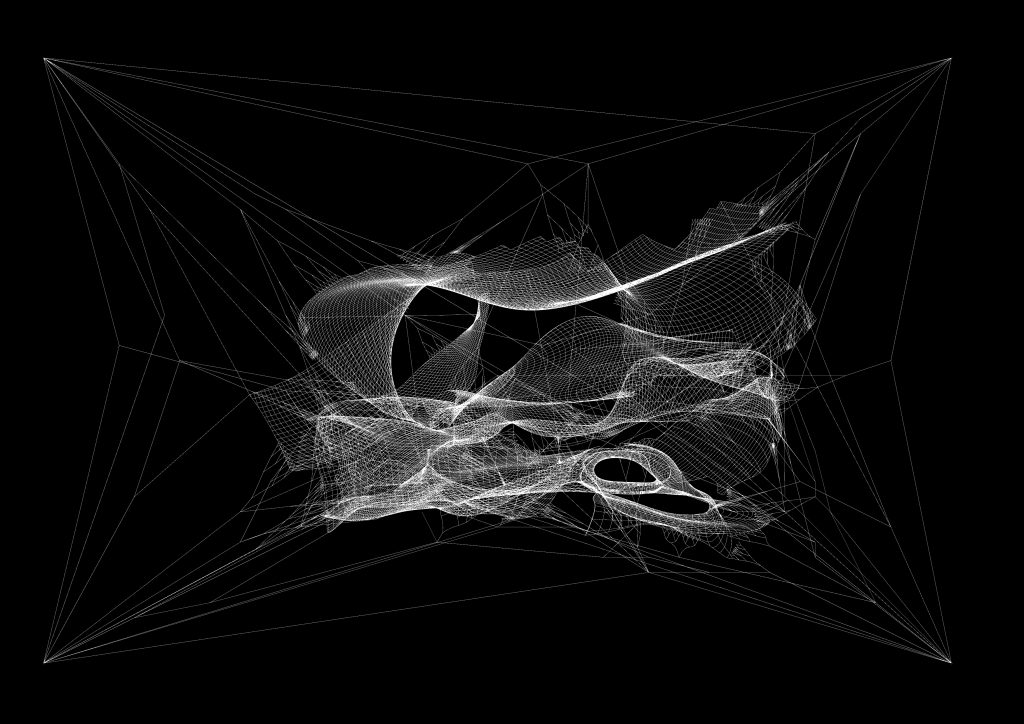
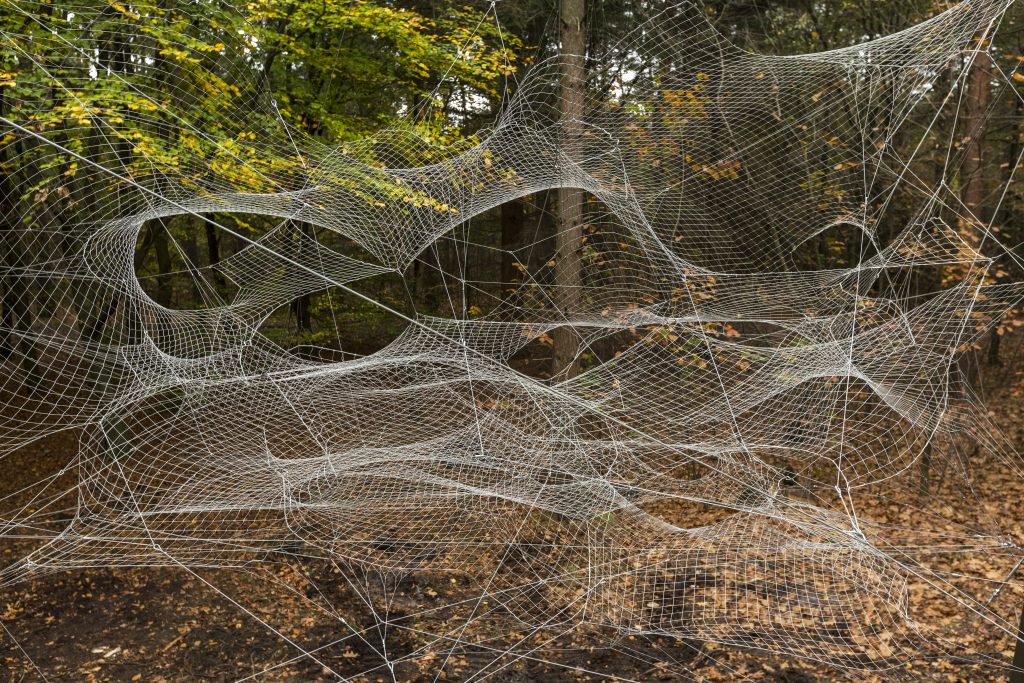
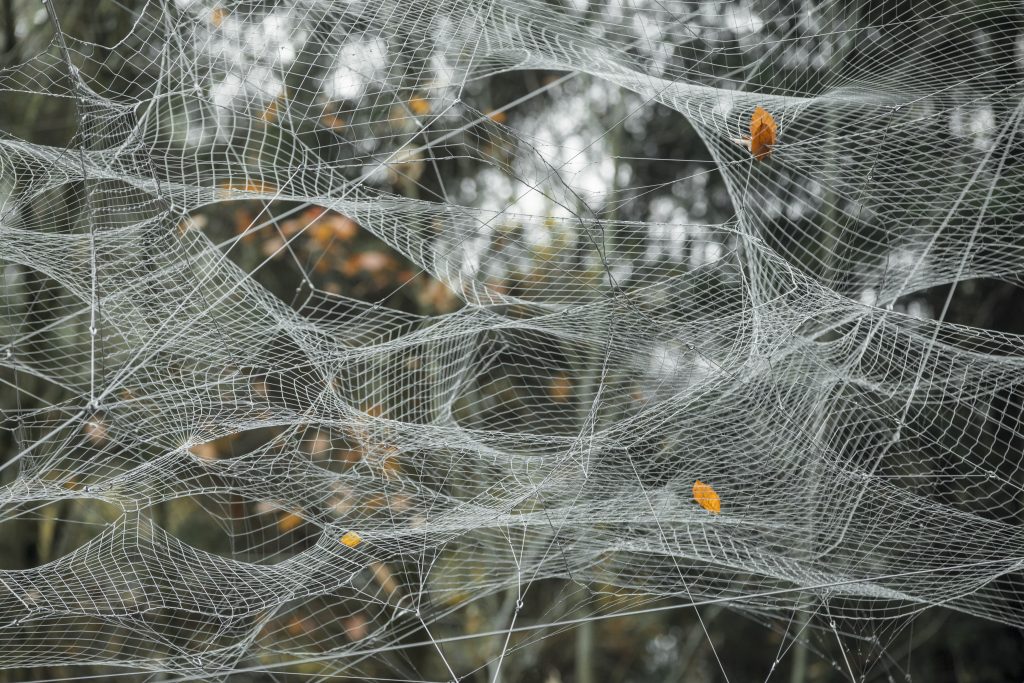
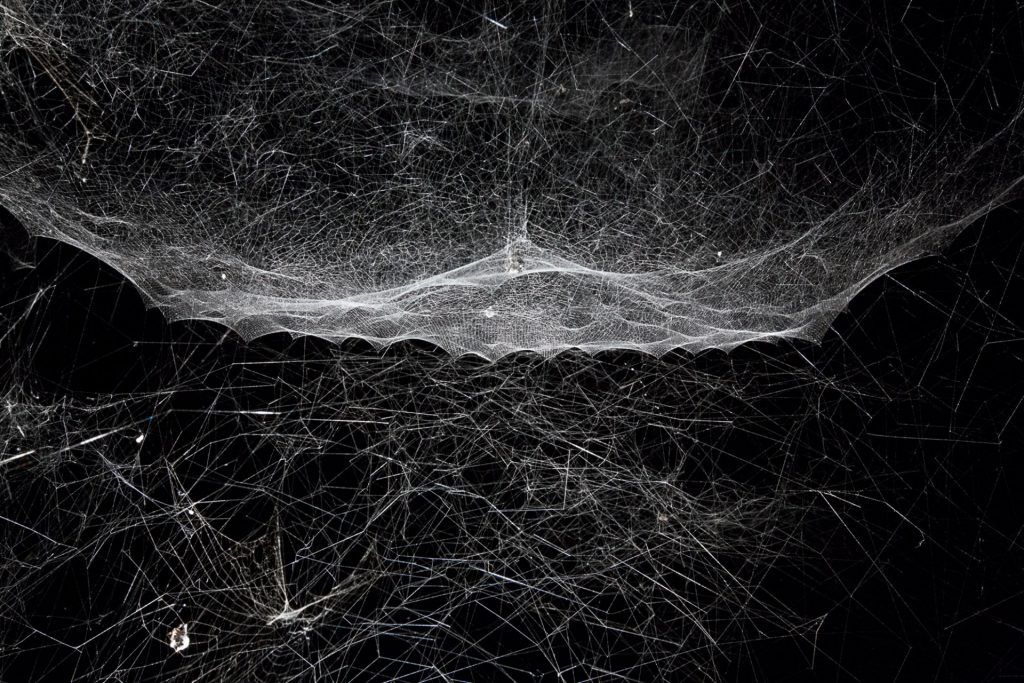
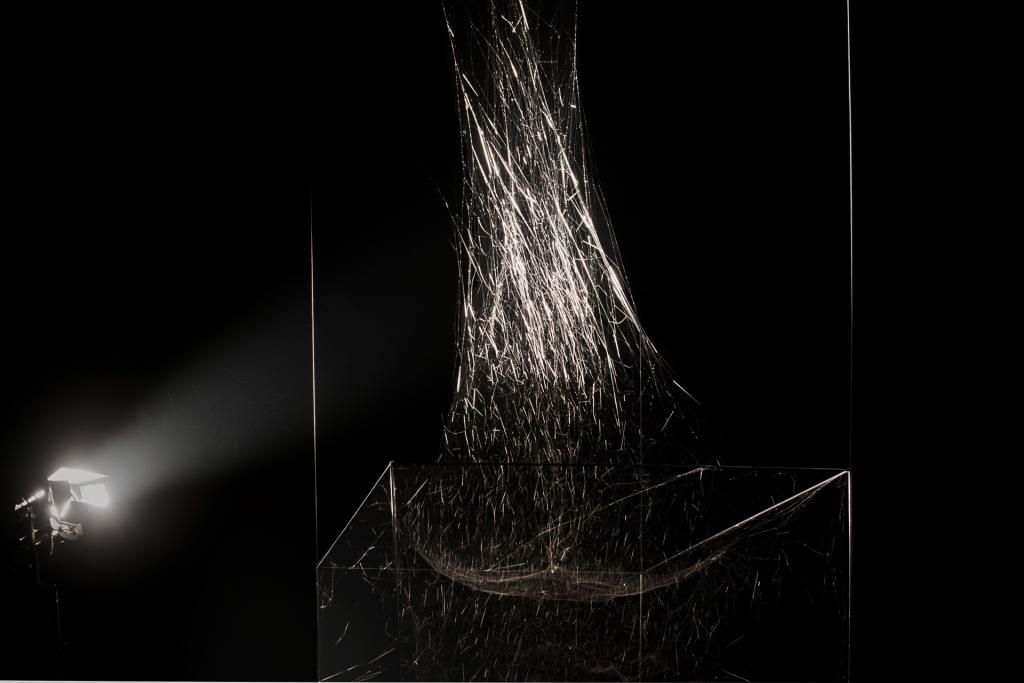
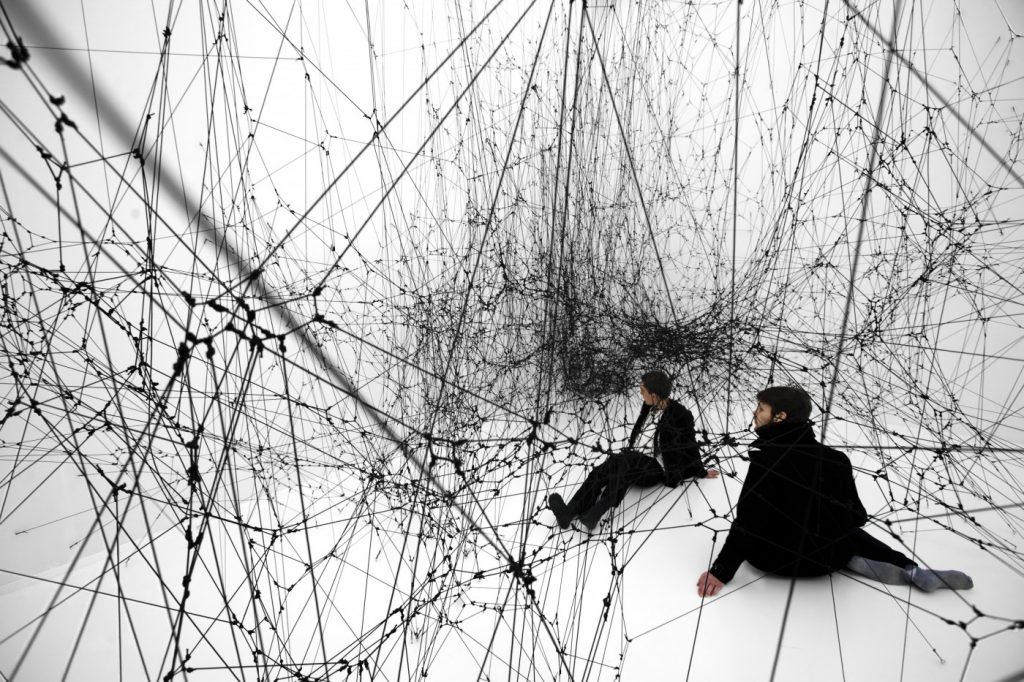
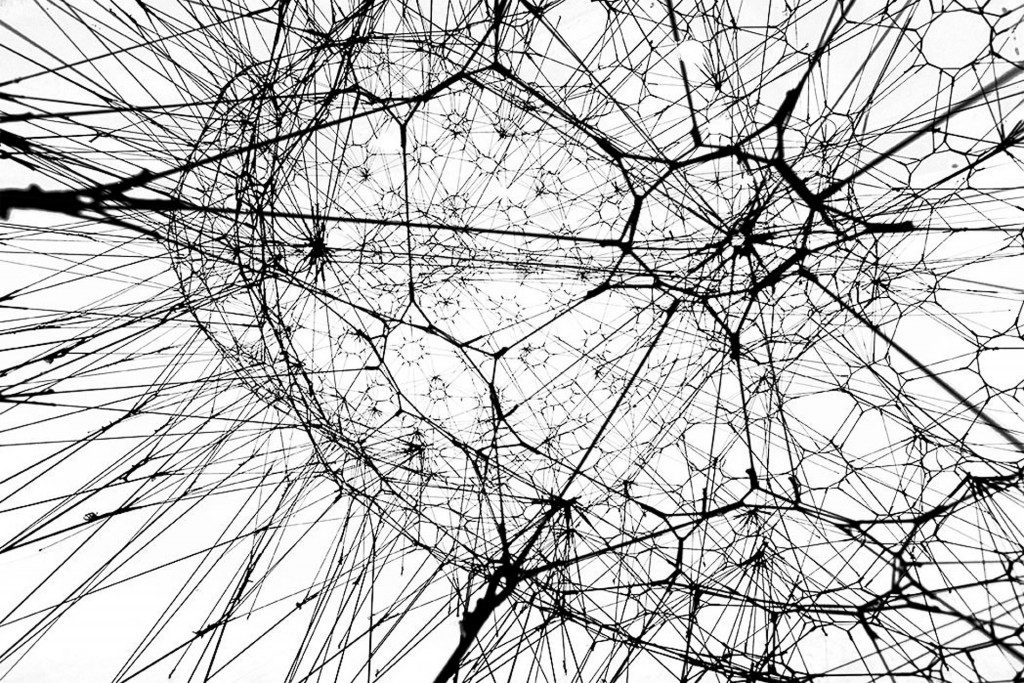
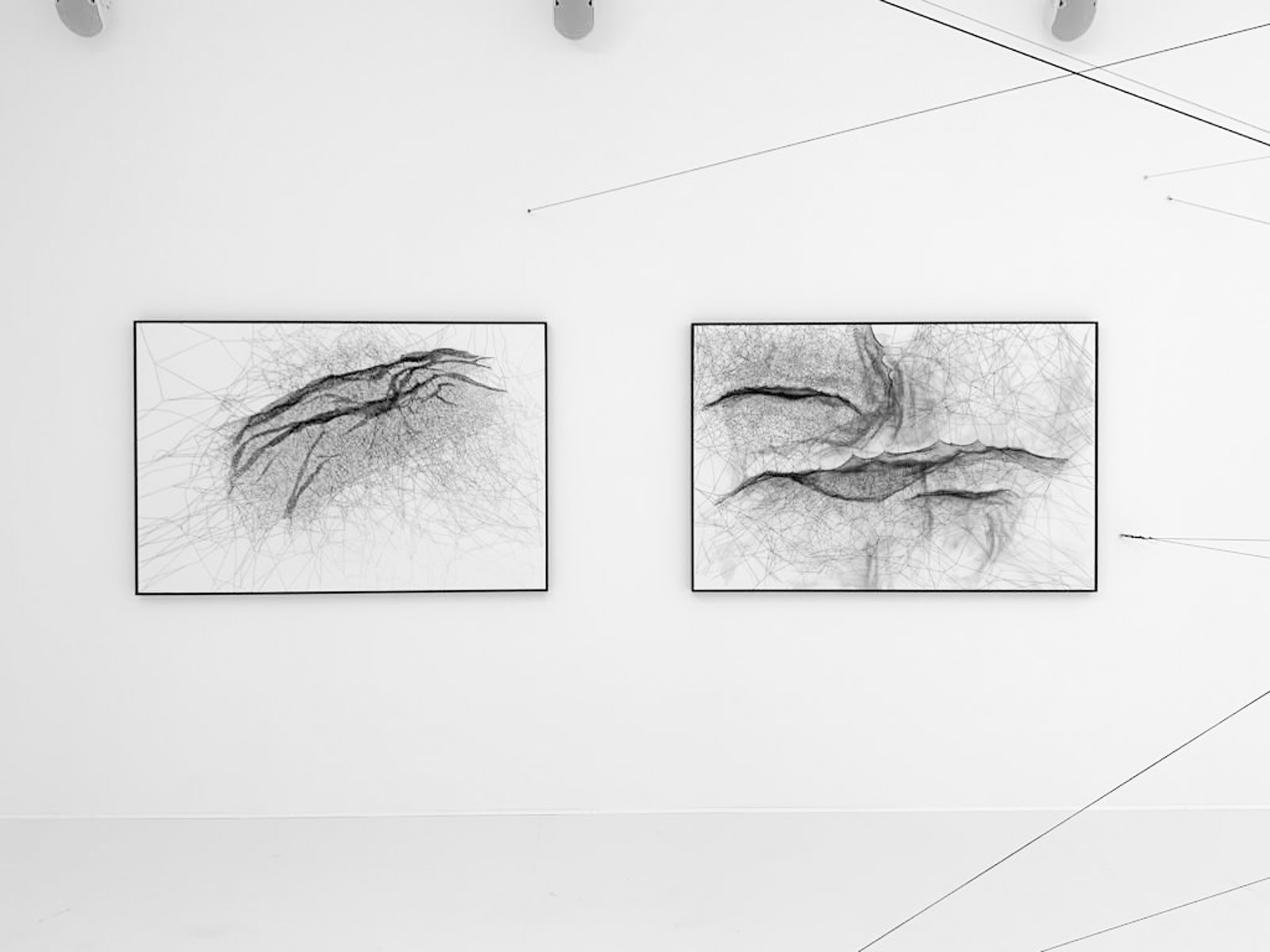
The spider/web is a dynamic, living species-habitat assemblage, its construction a story of tensions and attentions between the materials, surfaces, geologic forces and temporalities of its milieu. When the spider departs, the web it leaves behind is both a material memory and spatiotemporal diagram of the spider’s psychogeographic drifts on air: tracing past and tentative trajectories, mapping lines of thought. Transposing and reinscribing the dexterities of a spider’s silken architecture, using a handweaving technique borne through its own stories of relating to the world, the artworks produce a renewed at-tent(s)ion within its viewer and emerges analogous to proximal and distant webs across multitudinous scales—from the microscopic to the cosmic.
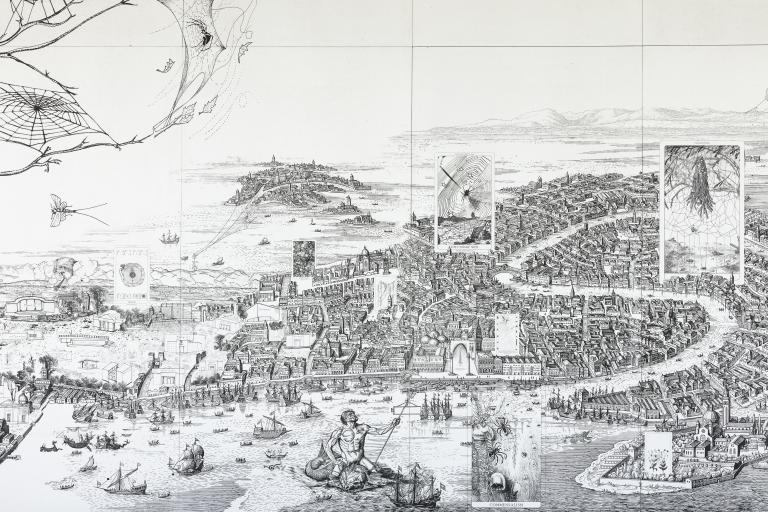
Inviting Argentine artist Carolina Berro into this process, a member of the Makiwan collective of 288 textile artisans from the Quebrada and Puna of Jujuy, Argentina, her use of the historic and trans-generational randa technique weaves a physical and symbolic story into its architecture. A story of the Arachne’s web; a story of Makiwan’s own networks, micro-networks and local communities: those that include the Red Puna, Uppajs, Lloque, Alfarcito, Cusi Cusi, Susques, Lagunillas del Farallón, Cieneguillas, Santa Ana and Caspalá.
During the randa process, a foundational mesh is first produced to support the actual embroidery, woven by hand with a thread as fine as the spiders’ own. A web for life, its nodes and connections speak to the environments its makers find themselves enmeshed within. For those that weave in such a way, the randeras as they are known, their stitches are directly informed by the very climate and ecologies surrounding their lives: droplets of rain that form along a spider’s web, ears of wheat that cluster in cloud-like formation, and geodesic arrangements formed within a bee’s honeycomb can all be read on the randa. Representative not only of interspecies processes, but an intra-species kind: the randa technique is one that has been for several lifetimes passed between mother and daughter, families of generational knowledge networks in their customs, memories and stories—all carried along through lines of thought and relation. As such, the randa is not only a process of weaving or craft, but one that envelops the stories of the randeras who wove them, and the exchange of teaching and learning this practice.
Weaving Arachne’s web acknowledges not only the biodiversity found throughout the region where the randeras practice, or the kinship and transmission of knowledge between them, but the manifold cosmologies through which the spider and its web has emerged historically as a divine symbol, producing from within itself the possibility for new relations. For the ancient civilisation of Nazca people, the spider was imaged in their ‘Nazca lines’ or geoglyphs, engraved directly onto the ground as schematic and geometric figures. Amongst the Mayans, the spider/web represents the placenta of Ix Chel, Maya goddess of childbirth and patron saint of weavers, and for whom the spider creates the thread of life from within itself. The Hopi in North America count on their Mujer Araña as both a powerful spirit and ally, whose magical agency of the Earth would teach the Navajo women to weave. For other Californian tribes, she is an avenging spirit that punishes evil. In the central plains of Cheyenne or Lakota she assumes the role of the trickster, much like the mythos of Kwaku Anansi, a rogue, arachnid folk hero in West African folklore whose cunning, unpredictable and liminal figure mediates between the gods of the sky and earth-bound humans. Arachne, as entangled within a ‘web of resistance’ with Greek goddess Athena, reveals a similar tale of mediation: of two women who use embroidery as a performative textuality, confronting and defending the social order. Across all, the spider wields power in its ability to weave a web of life—of one for life and the stories enmeshed within them.
In the knowledge that 5% of the world’s population currently protects 80% of its biodiversity, the artworks centre a practice of communities closest to the Earth’s stewardship. Within the artwork, the spider/web’s three-dimensional structure is re-woven as a planar mapping, its transposed threads draw a network across its frame. To map against extinction is to notice and become sensitive to the spider/web ecologies; to weave against might then to become an active agent in its processes of sense- and mythmaking, to co-author a meshwork of sensory and bodily relation.