








...
Heteropoda saracenoi
From arachnophobia to Arachnophilia
Flashing Toilets
Sal de Acá
tomás saracenoi
The Seeds of Flight
Play-Ground: Spider/web vibration, divination… for the terrestrial and cosmic web(s) of life
Recording Aerosolar
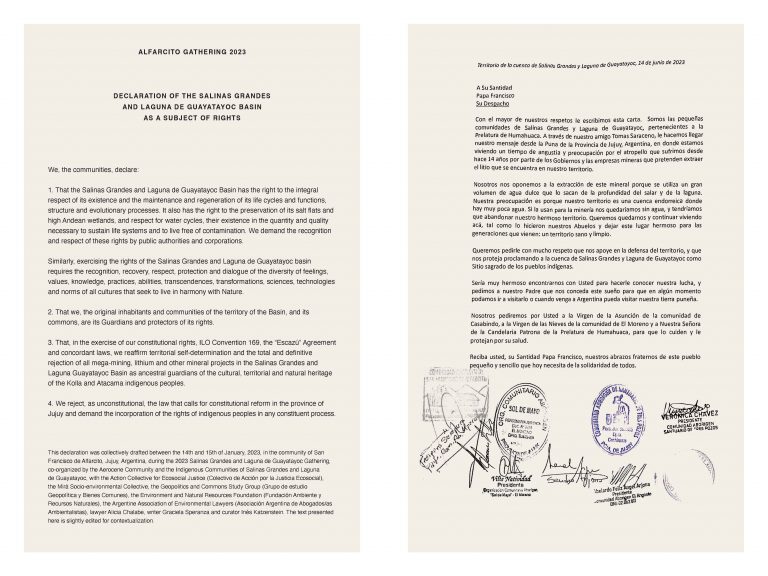
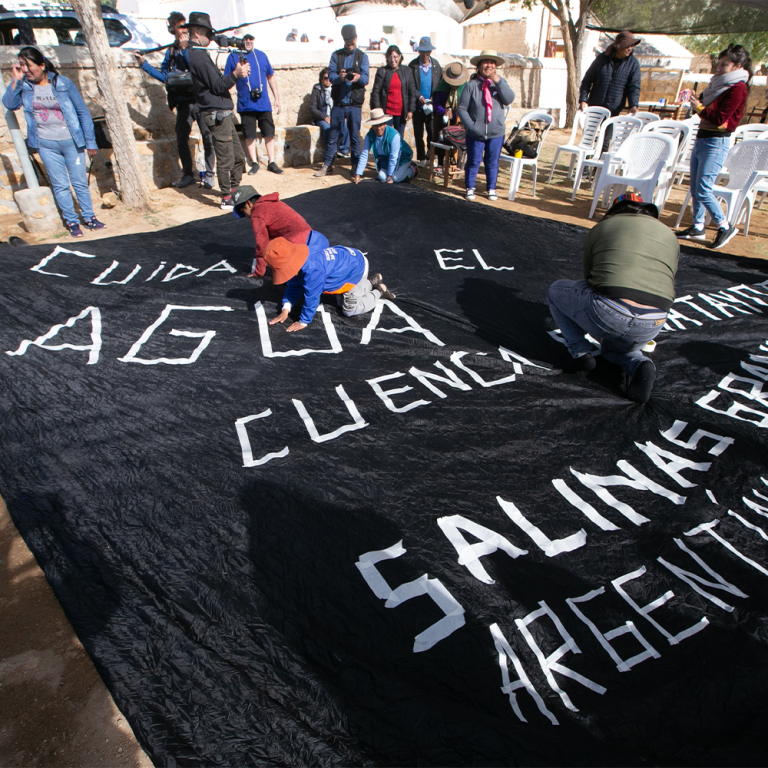
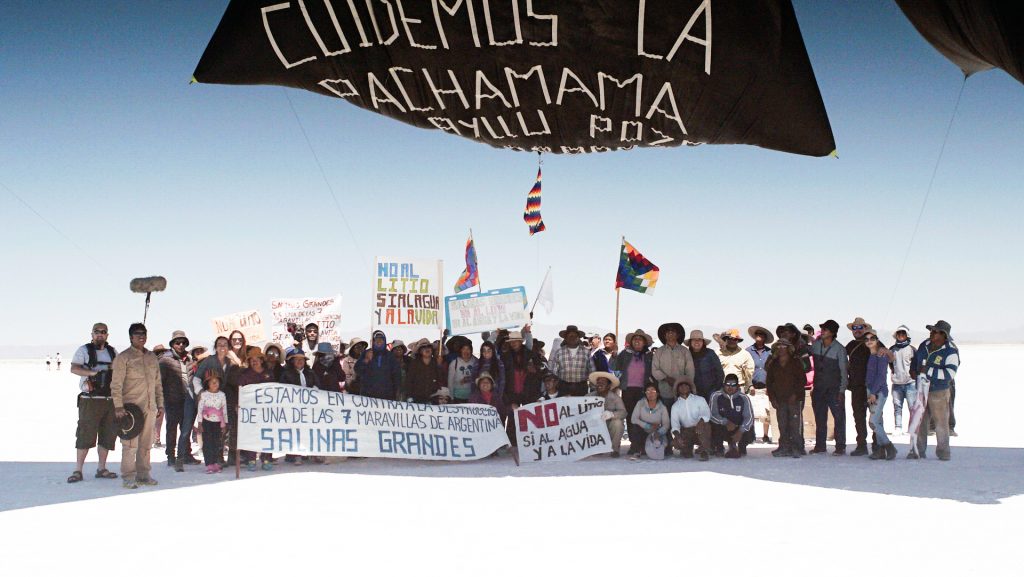
A letter from the communities of Salinas Grandes and Laguna de Guayatayoc to Pope Francis
Conviviality
ANIMA∞LE
Cosmic Threads
Aerocene Seoul
Live(s) on Air
Worldings
Radical Playgrounds
Fly with Pacha, Into the Aerocene
Complementarities
Live(s) on Air
Corona Australis 38.39
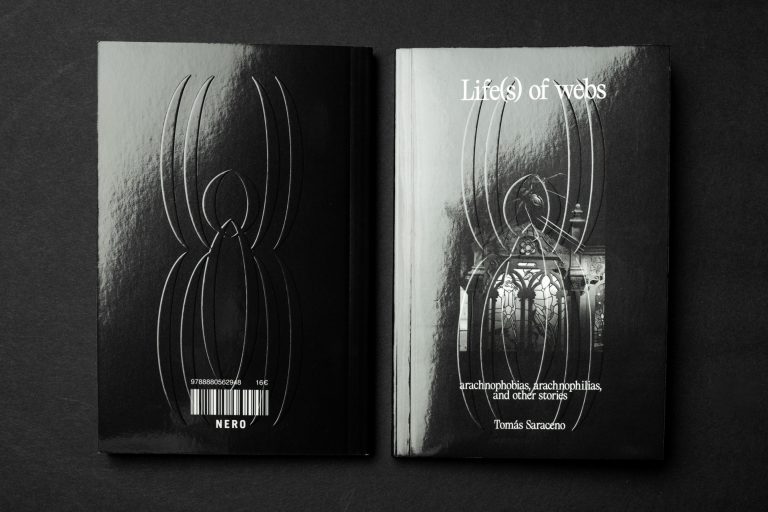
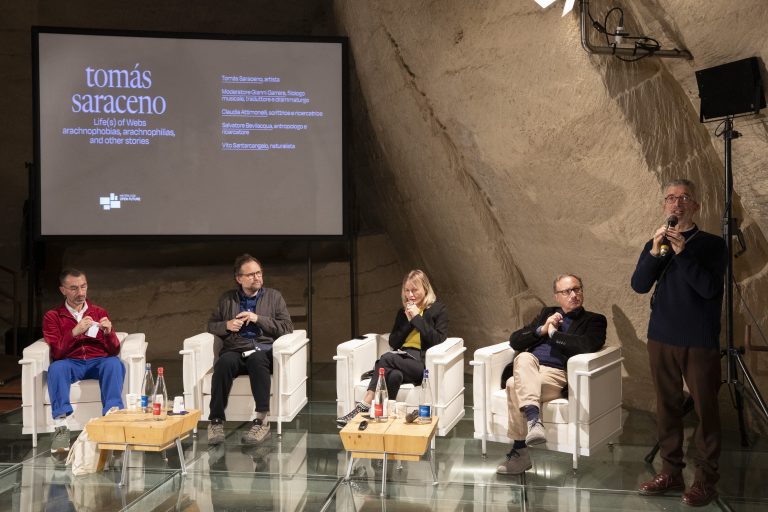
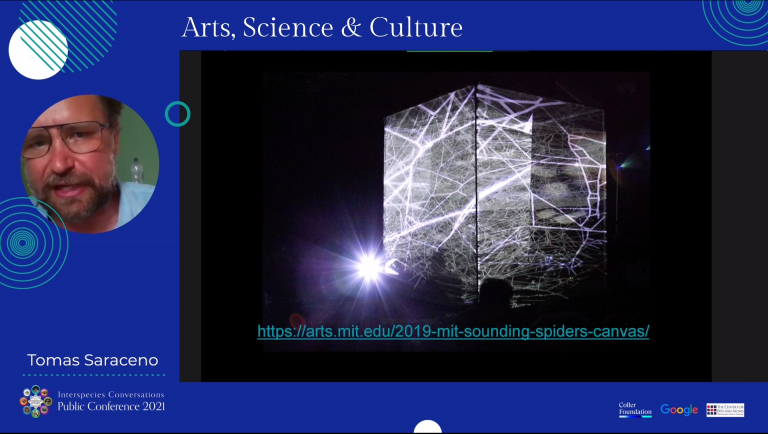
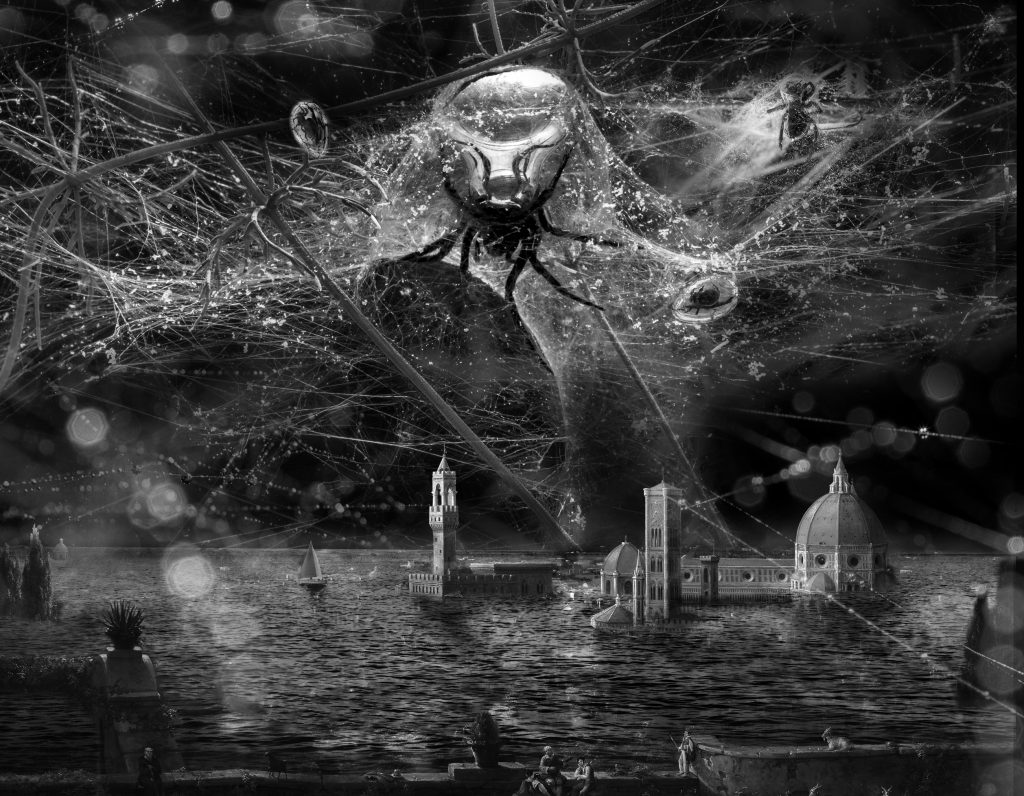
Life(s) of Webs
Cloud Cities: mise-en-Aéroscène
Tomás Saraceno in collaboration: Web(s) of Life
Crux Australis 68.0
Entangled Air
Oceans of Air
Silent Autumn
Aerocene: Free the Air. “Orbit-s” For a Post-Fossil Fuel Era
Particular Matter(s)
Inter + Play 2
we do not all breathe the same air
AnarcoAracnoAnacroArcano
Du sol au soleil
Webs of Life
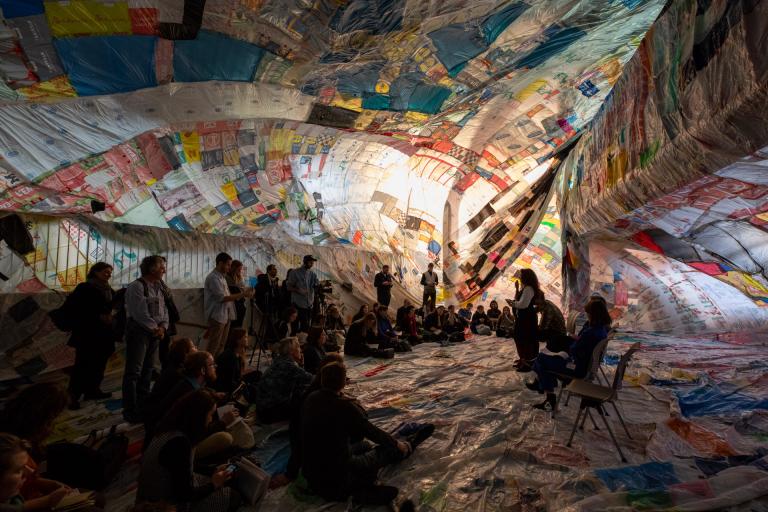
Museo Aero Solar: for an Aerocene era
How to hear the universe in a spider/web: A live concert for/by invertebrate rights
Multicultural resonances towards a better future
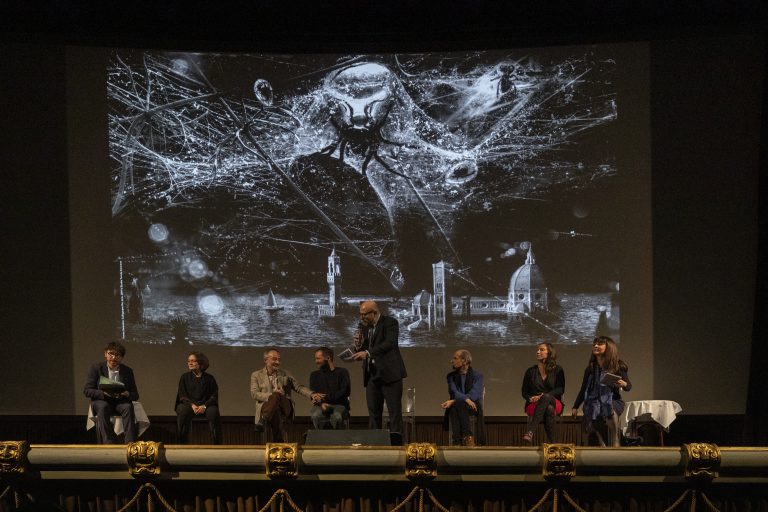
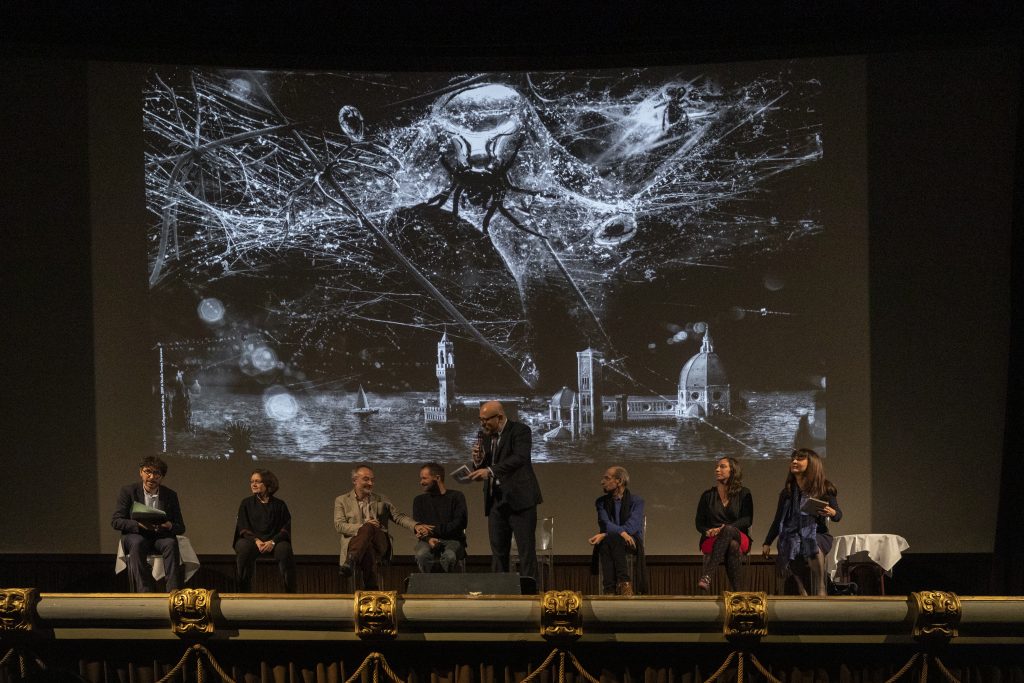
Life(s) of Webs, publication launch at Palazzo Ducale
In Conversation: Tomás Saraceno
Art Collaboration Kyoto, Online Artist Talk with Tomás Saraceno
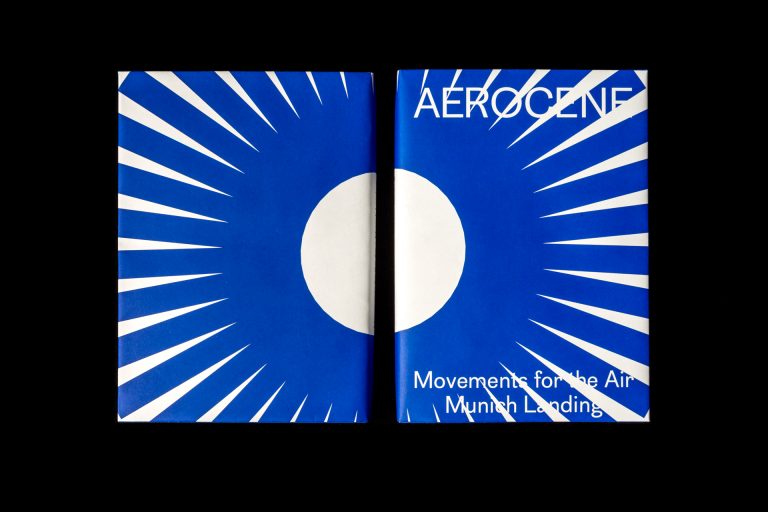
Aerocene Forum
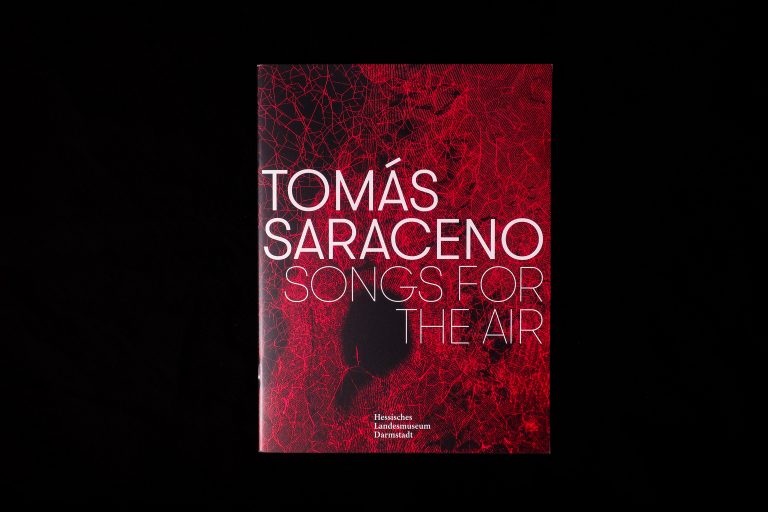
Songs for the Air
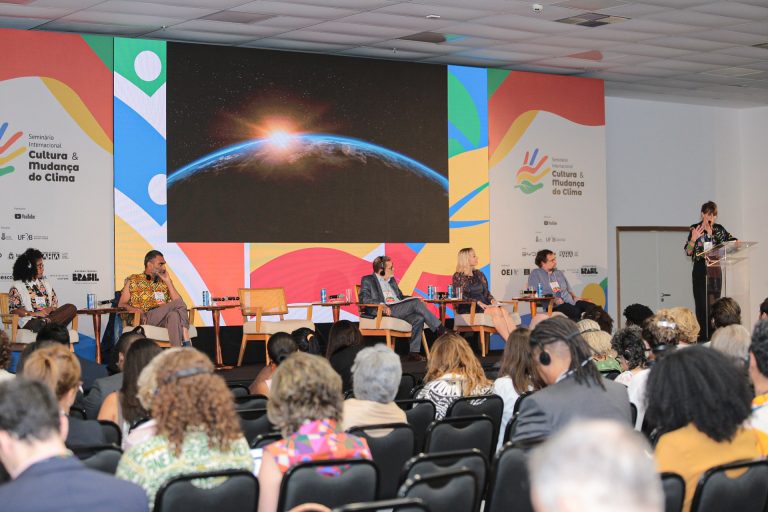
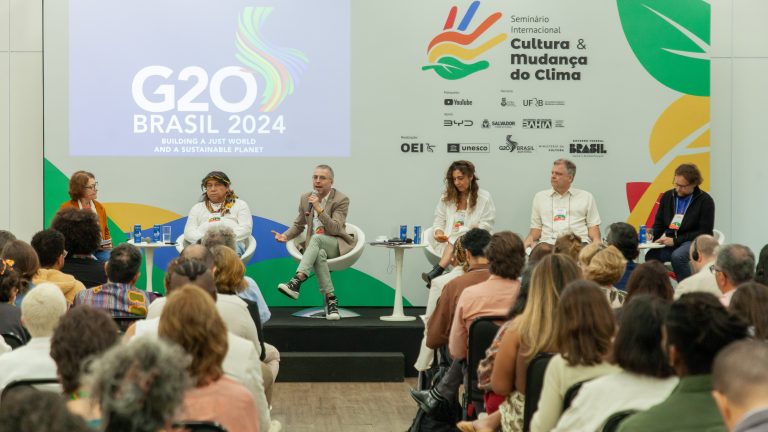
“Climate Crisis, a Crisis of Imagination”, The G20 International Seminar on Culture and Climate Change
“Culture, cosmologies and climate: building bridges between worldviews for a sustainable future”, The G20 International Seminar on Culture and Climate Change
Moving Atmospheres
Who qualifies as a Subject of Rights? We no longer want to be a sacrifice zone!
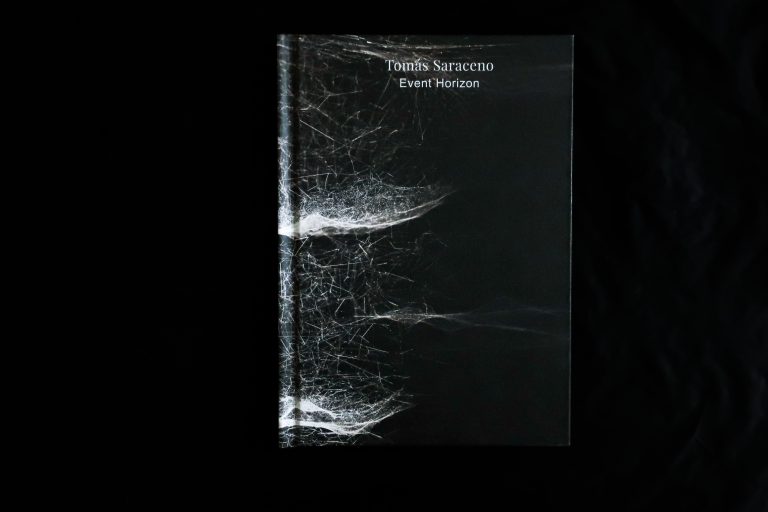
Event Horizon
Reparationen und Reparatur. Über Klimagerechtigkeit, Kolonialismus und Kapitalozän
7×7 2024
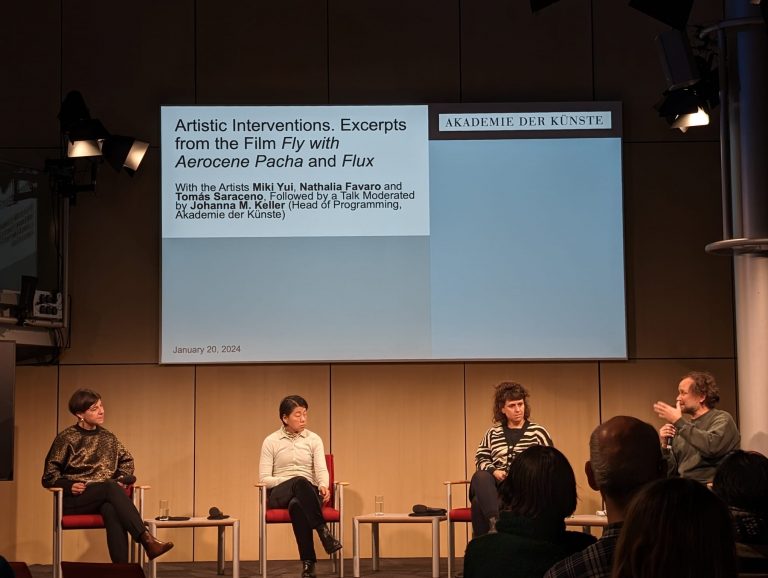
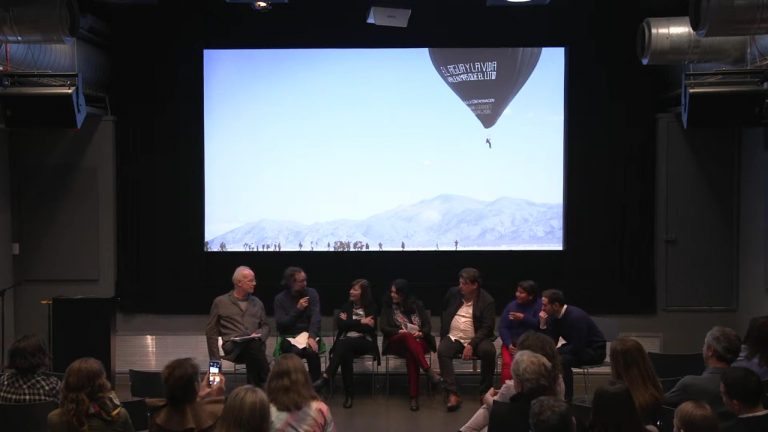
Life(s) of Webs, Panel Discussion and Film Screening
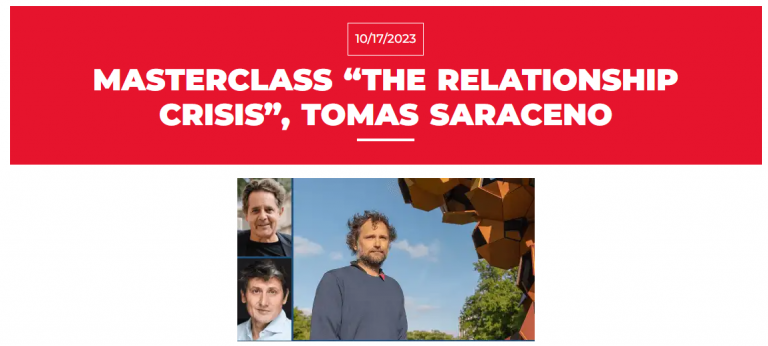
“The Crisis of Relationships” Masterclass
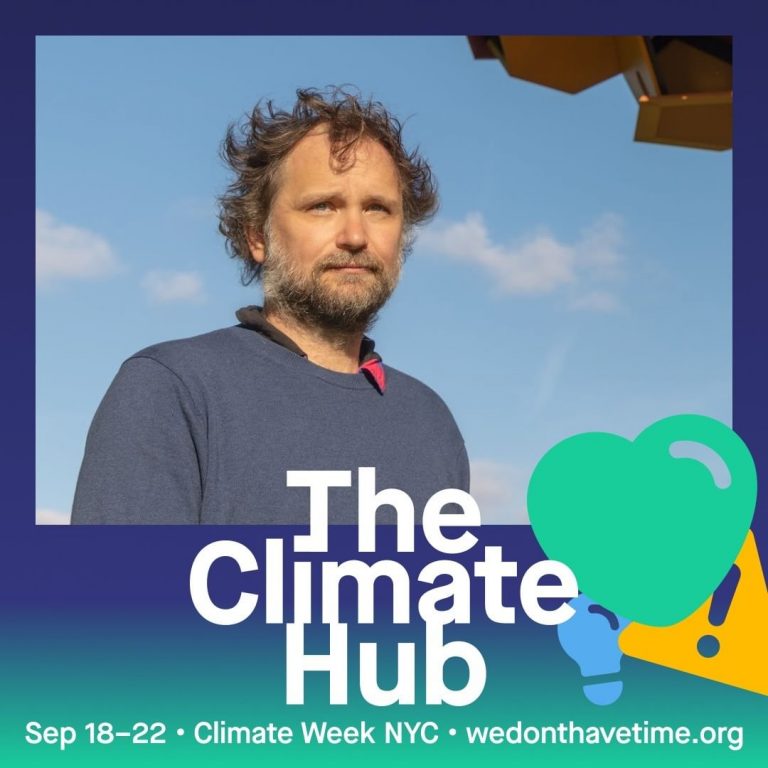
The Climate Hub, Climate Week NYC, Panel Discussion
Aerocircus – eine circensische karnevaleske mit planwagen entgegen aller linearitäten
Infinite Ecologies Marathon: The Prelude
Towards an Ecosocial Energy Transition: A Conversation and Manifesto
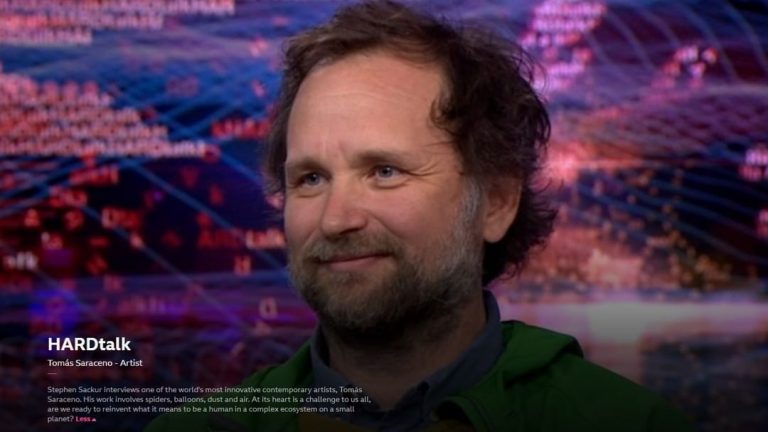
BBC HARDtalk Interview
The Alfarcito Gathering
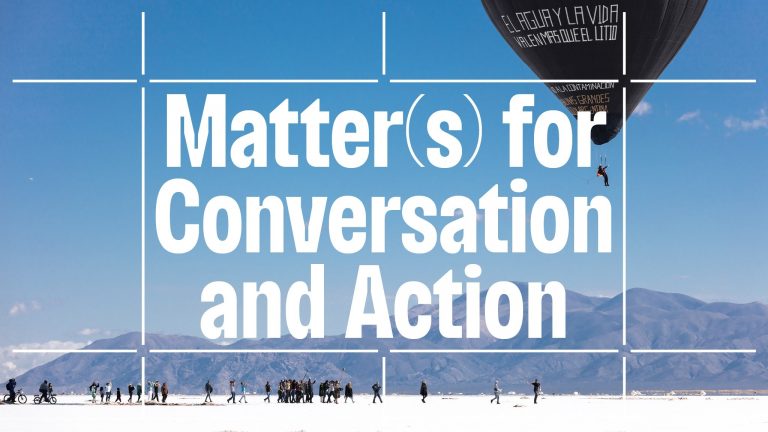
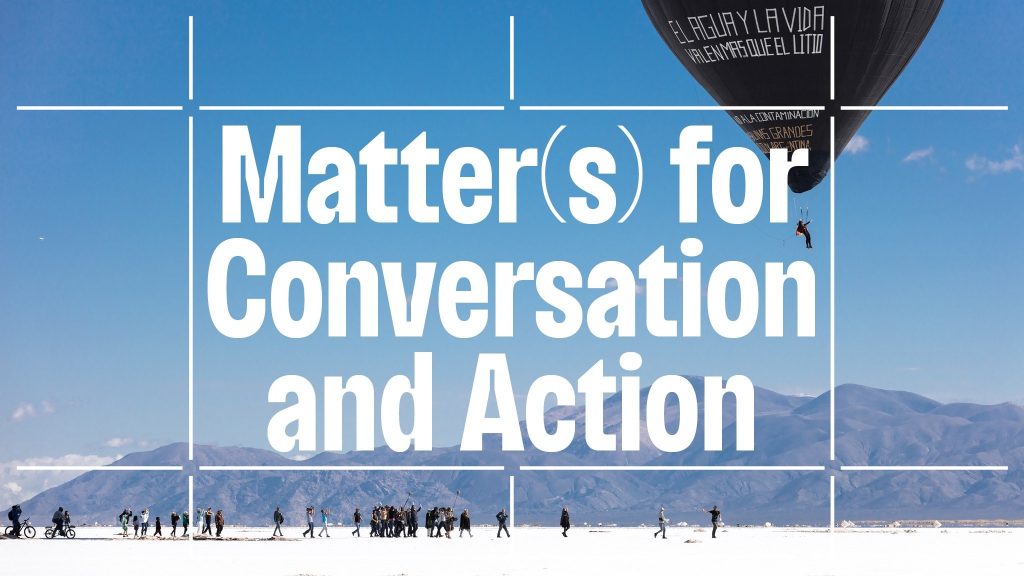
Matter(s) for Conversation and Action
Tomás Saraceno
Drift: A cosmic web of thermodynamic rhythms
Cloud Cities: du sol au soleil
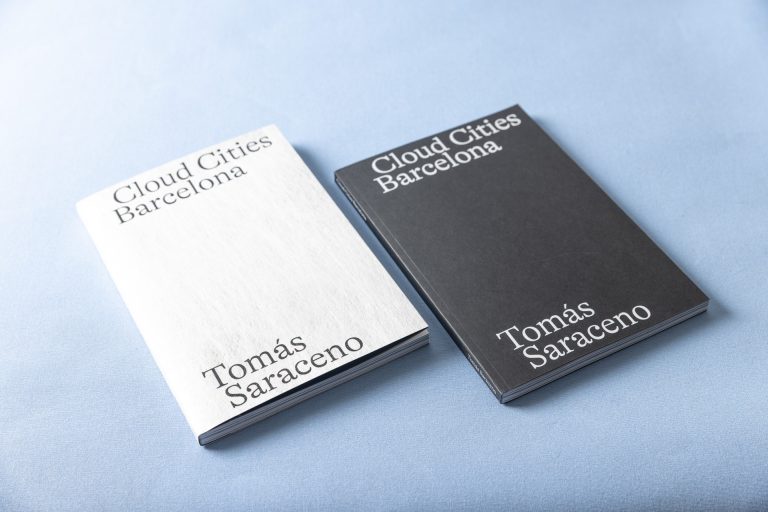
Cloud Cities Barcelona
Particular Matter(s)
Silent Autumn / Silent Spring
Arachne’s handwoven Spider/Web Map
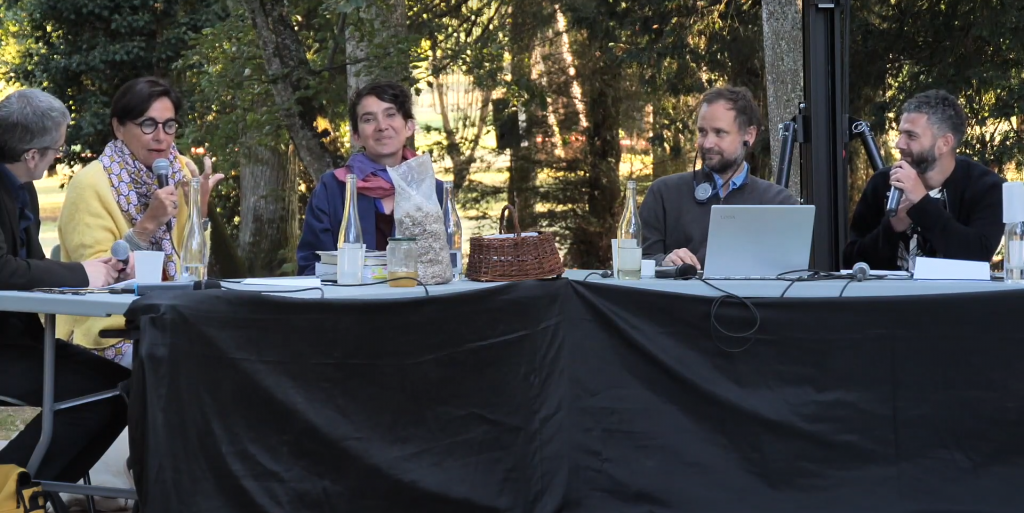
Lignes de possibles: Arachnophilia with Tomás Saraceno at the Festival La Manufacture d’idées
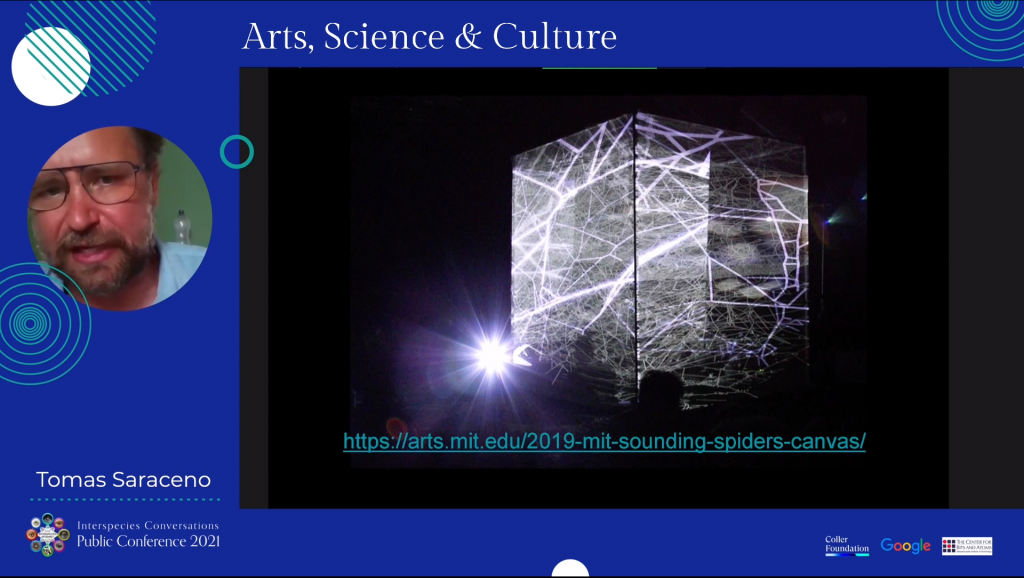
Interspecies Conversations
Spatial Echoes of Breath
Avec qui venez-vous? Vinciane Despret in conversation with Tomás Saraceno
Ha Chi Ki
The Art of Noticing – Louisiana Channel Interviews Tomás Saraceno
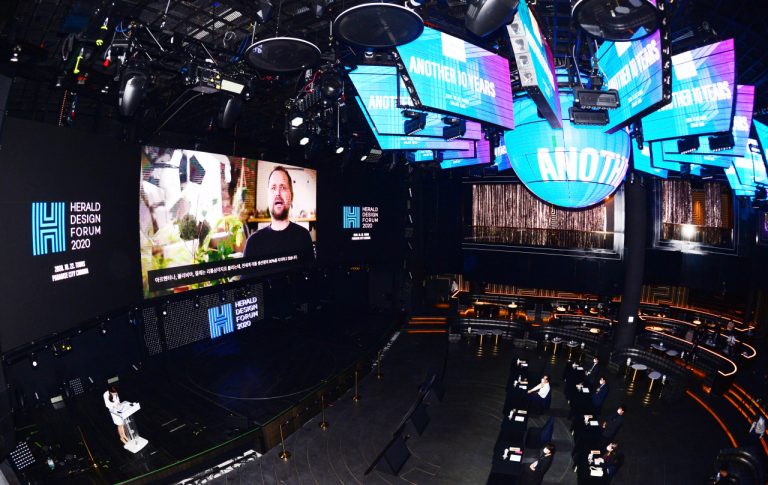
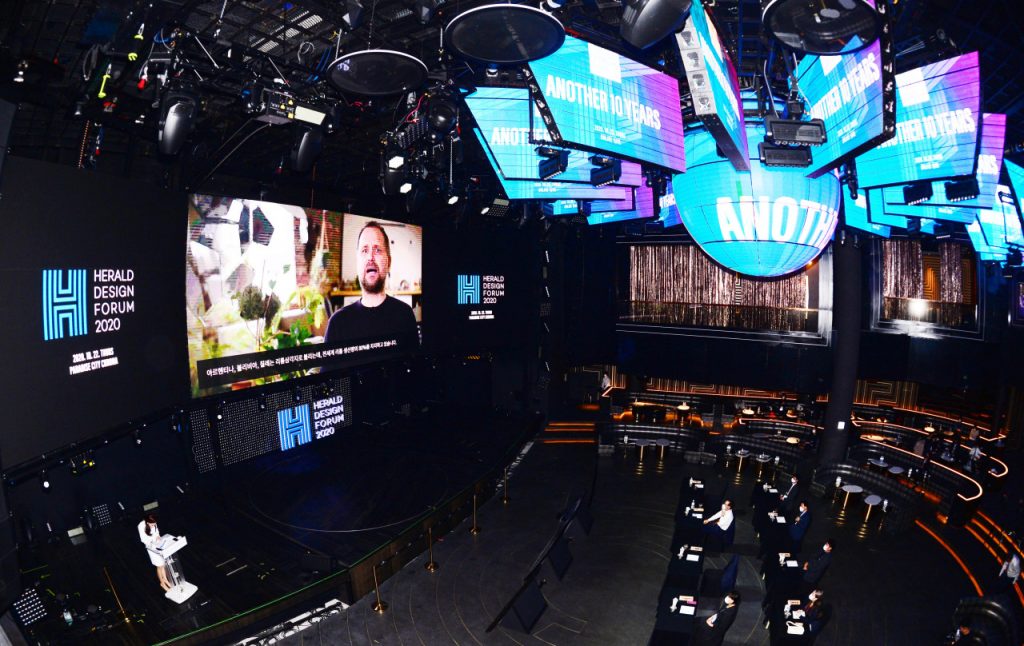
Free the Air: Aerocene – Tomás Saraceno holds keynote speech at Herald Design Forum
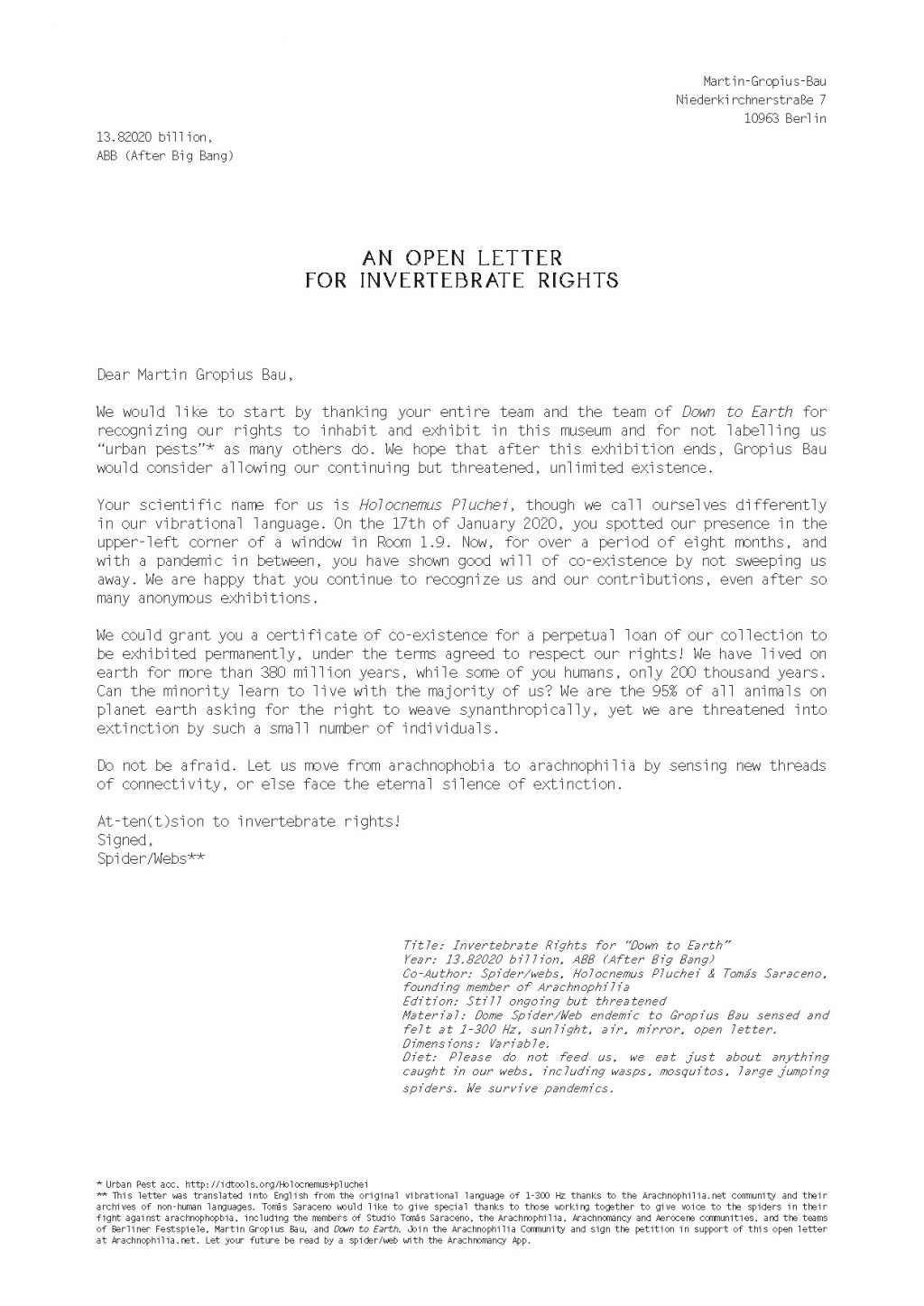
Invertebrate Rights for “Down to Earth”
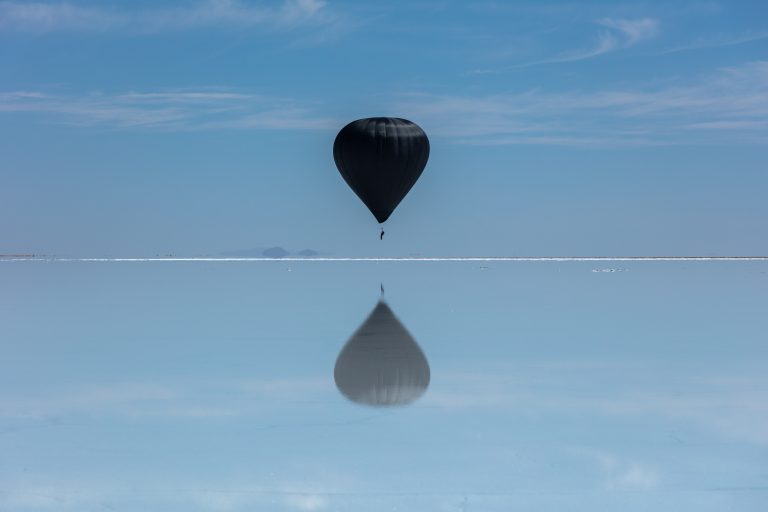
Fly with Aerocene Pacha
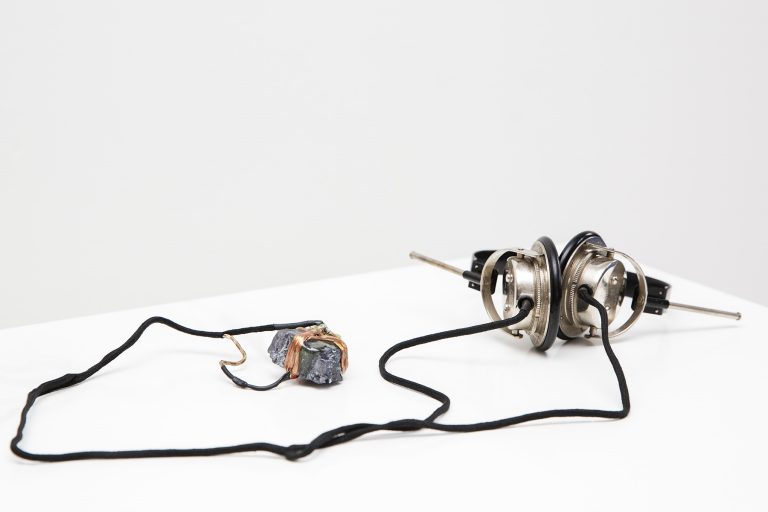
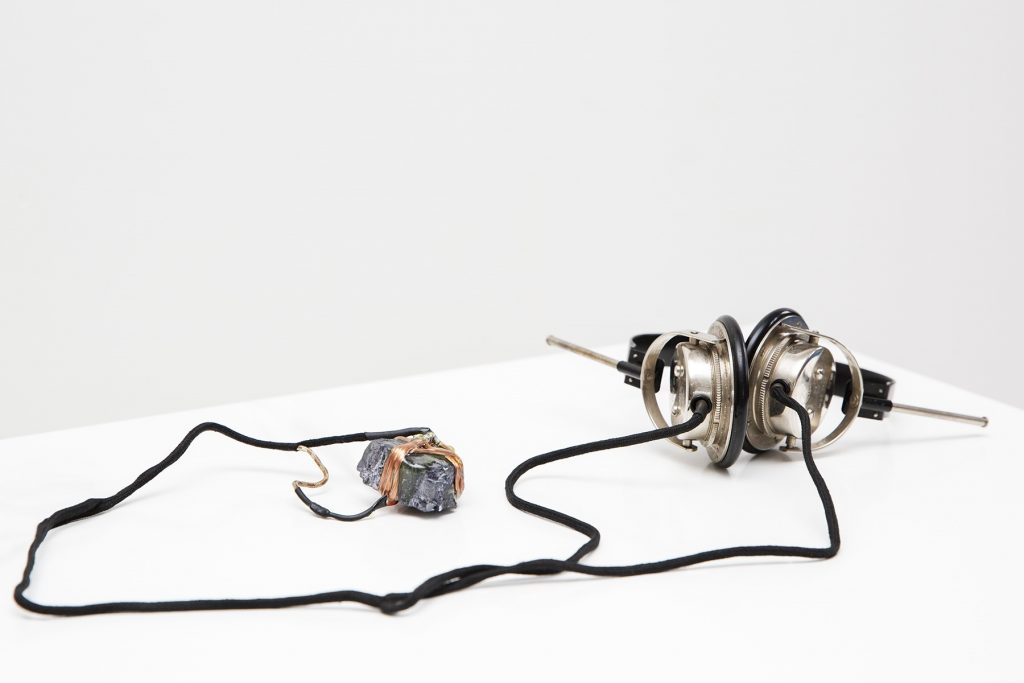
Radio Galena
Up Close: Tomás Saraceno in conversation with Harriet A. Washington
Tomás Saraceno. Aria at Cinema Odeon
Aria
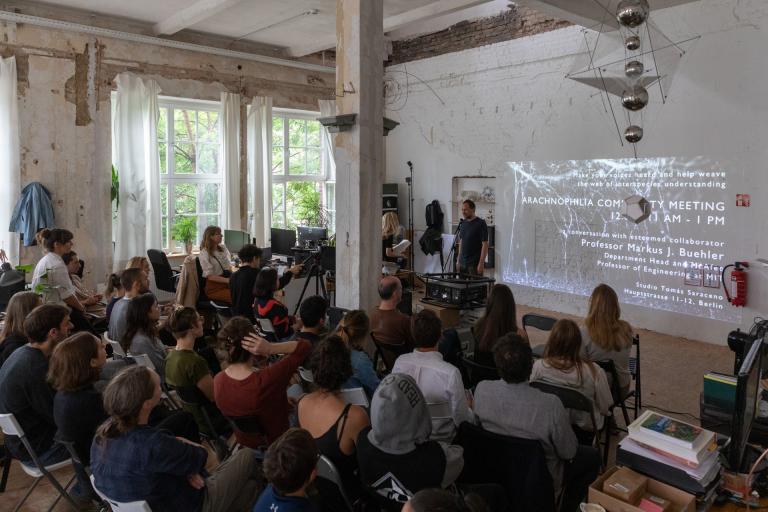
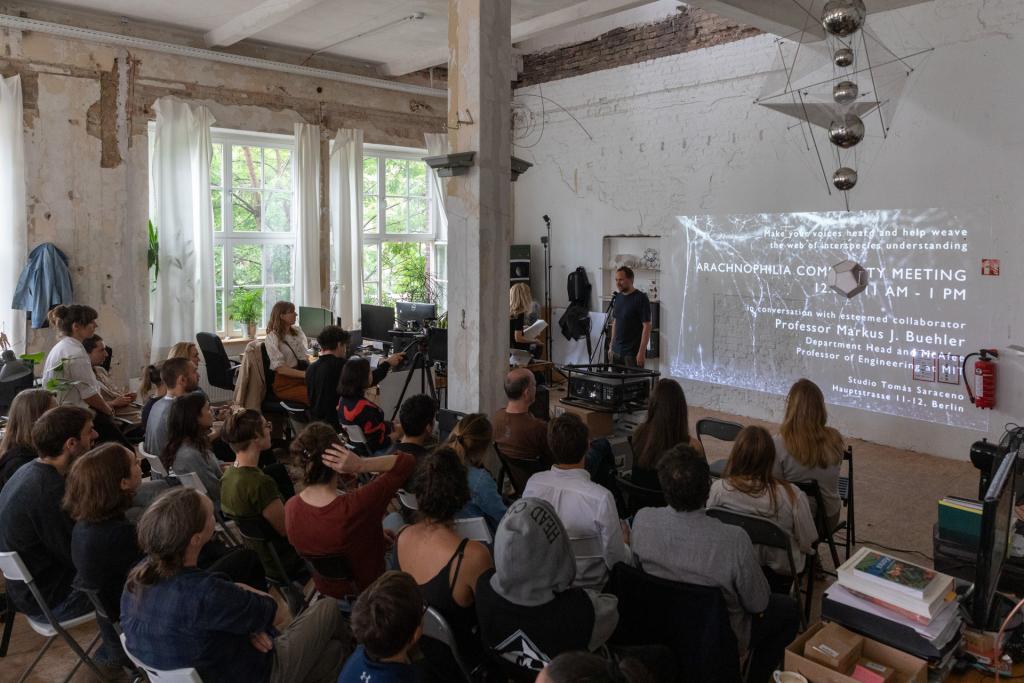
Arachnophilia Community Meeting with MIT Professor Markus J Buehler
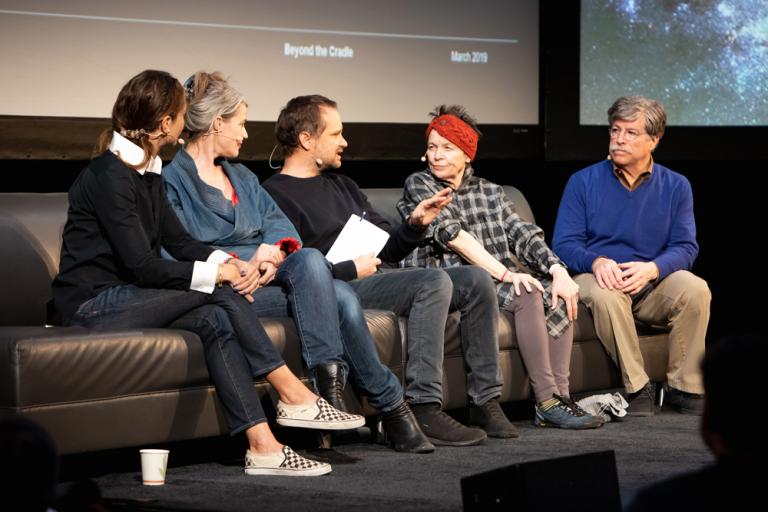
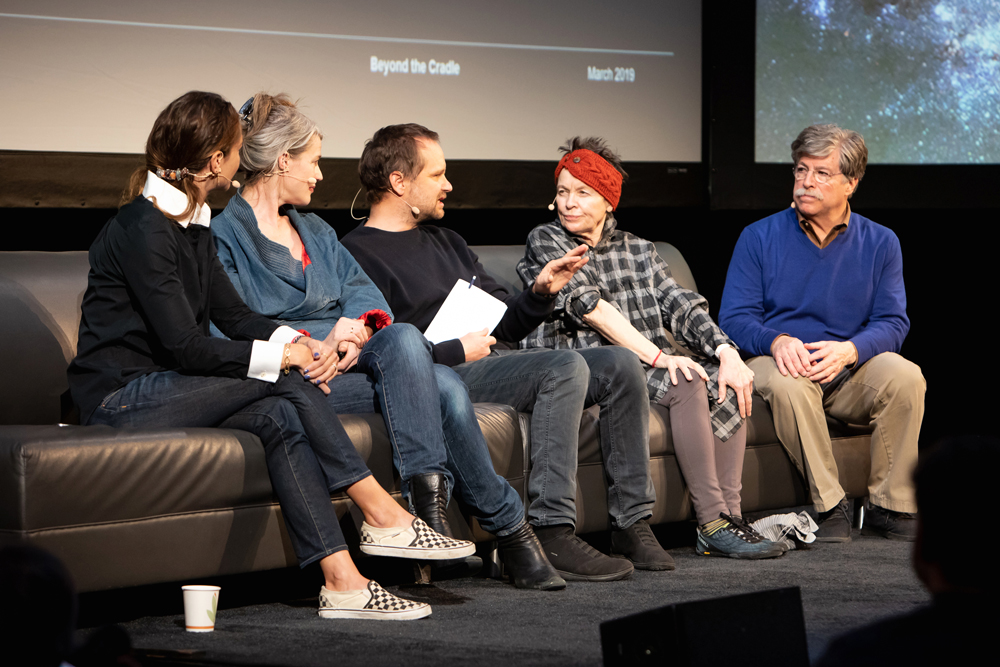
Beyond the Cradle 2019: Space and the Arts
Engadin Art Talks: Grace and Gravity
More-than-humans
Cosmic Filaments
Tomás Saraceno
Spider/Web Pavilion 7
Arachnomancy Cards
Acqua Alta: en Clave de Sol
On the Disappearance of Clouds
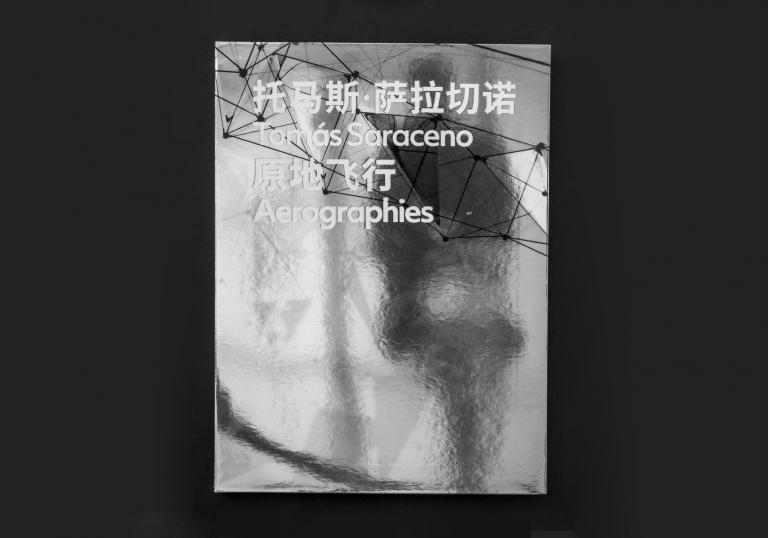
Aerographies
Spider/Web Oracle Readings Program
Sundial for Spatial Echoes
Tomás Saraceno at the Venice Biennale 2019
2-Dimensional Webs Archive/Maps and Traces
ON AIR
ALBEDO
A Thermodynamic Imaginary
Solar Rhythms
Omega Centauri 3.9
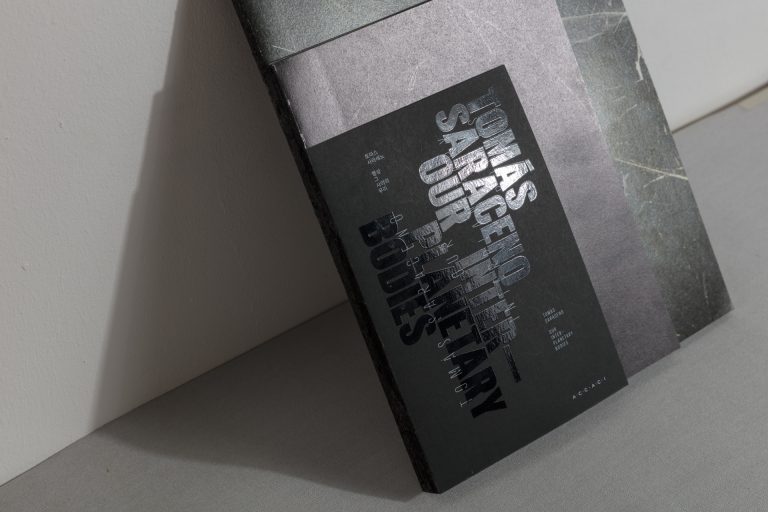
Our Interplanetary Bodies
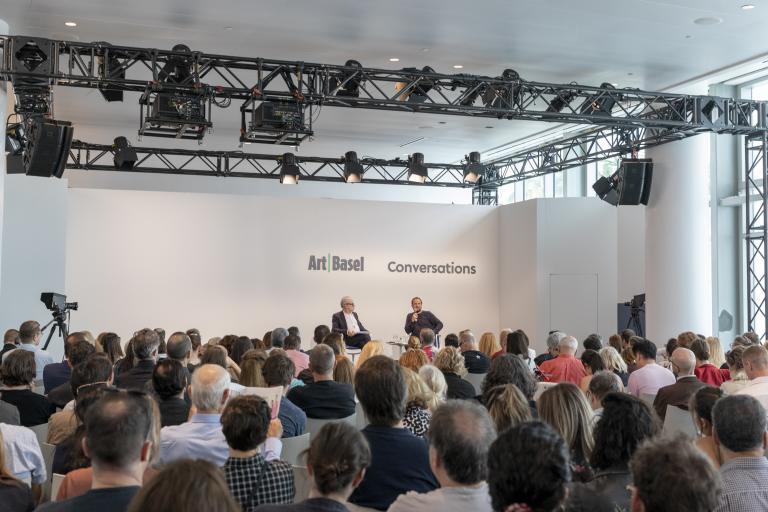
Art Basel Miami – Albedo | Hans Ulrich Obrist in conversation with Tomás Saraceno
“ON AIR live with…”
How to entangle the universe in a spider/web?
Printed Matter(s)
Webs of At-tent(s)ion
The Politics of Solar Rhythms: Cosmic Levitation
Living at the bottom of the ocean of air
Sounding the Air
Algo-r(h)i(y)thms
Passages of Time
Particular Matter(s) Jam Session
3 Airborne Self-Assemblies
Event Horizon
How to Entangle the Universe in a Spider Web
Gravitational Waves
Entangled Orbits
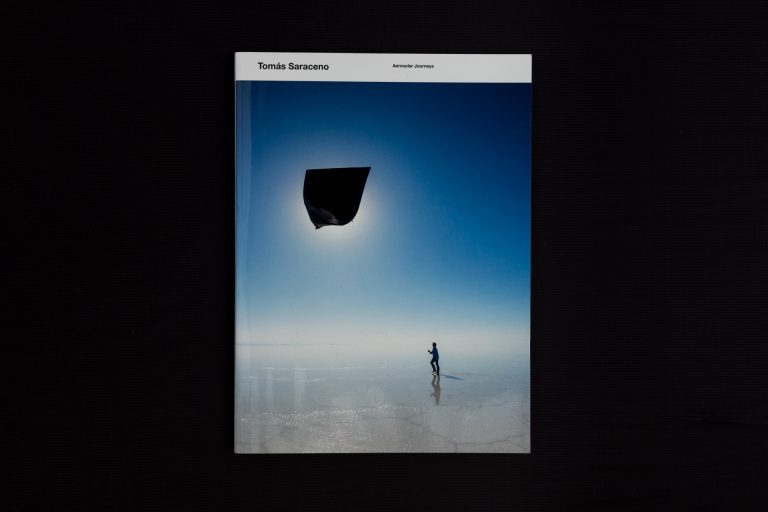
Aerosolar Journeys
Nebulous Thresholds
Behind the Artist’s Idea: Aerocene, Lecture at WEF, Davos, Switzerland
Aerocene at the Antarctic Biennale
Architektur als vermutete Zukunft — Symposium im Rahmen der Ausstellung »Frei Otto. Denken in Modellen«
Dark Cosmic Web
Stillness in Motion — Cloud Cities
Solar Bell Ensemble
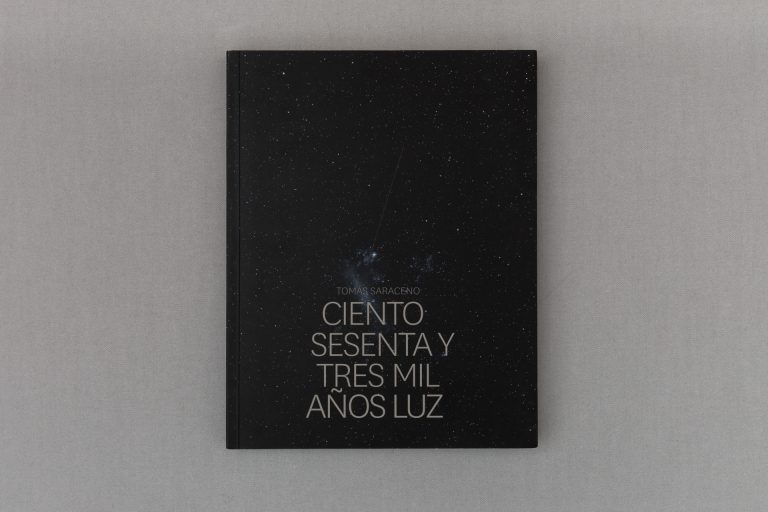
163,000 Light Years
Cloud City: HAT-P-12
Cloud City
Many suns and worlds
Hybrid solitary… semi-social quintet… on cosmic webs…
Caelum Dust
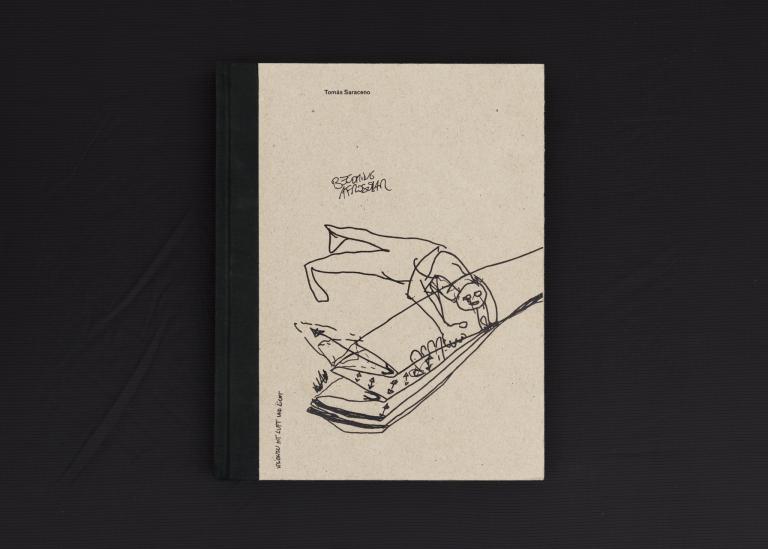
Becoming Aerosolar
Iridescent Planet
Aerocene at COP21
Hybrid Webs
Tomás Saraceno’s Cloud Cities and Solar Balloon Travel – Interview with The Creators Project
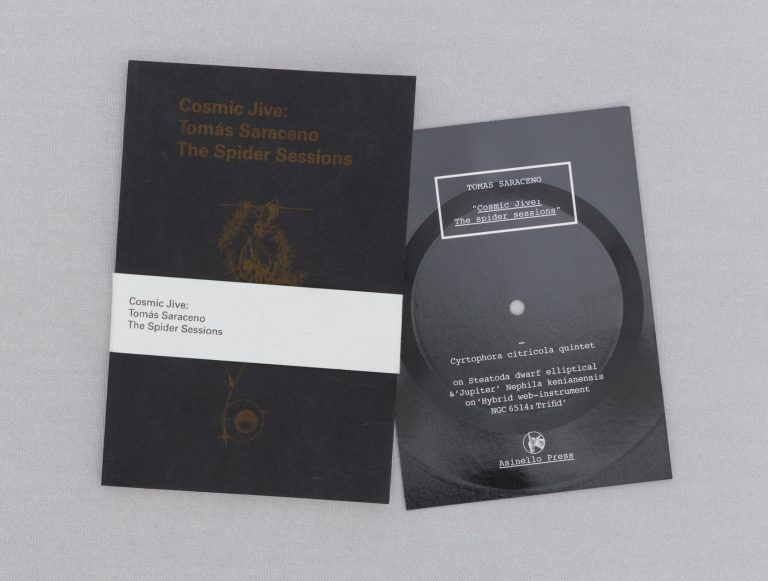
Cosmic Jive: The Spider Sessions
Solar Bell
Ring Bell — Solar Orchestra and the Wind Structures
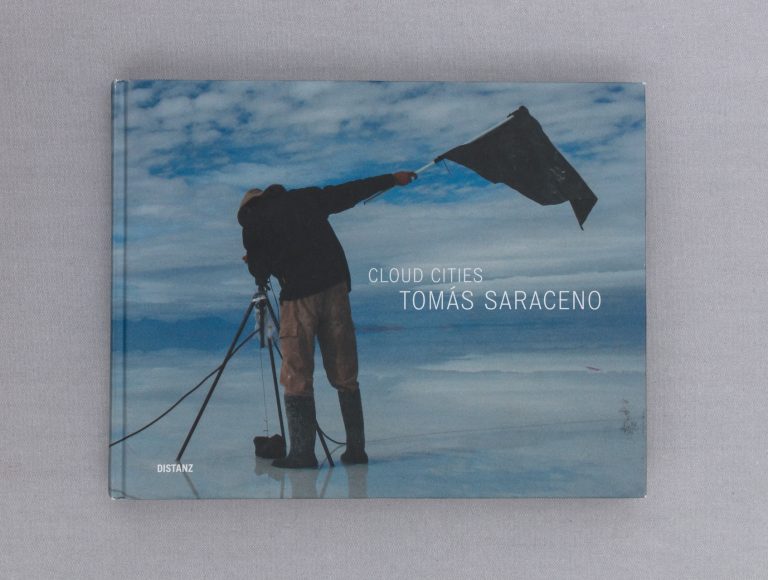
Cloud Cities
On the Roof: Cloud City
In Orbit
On Space Time Foam: a Conversation
On Space Time Foam
Moving Beyond Materiality – MIT Visiting Artist Tomás Saraceno
Air-Port-City/Cloud Cities
Cloudy Dunes. When Friedman Meets Bucky on Air-Port-City
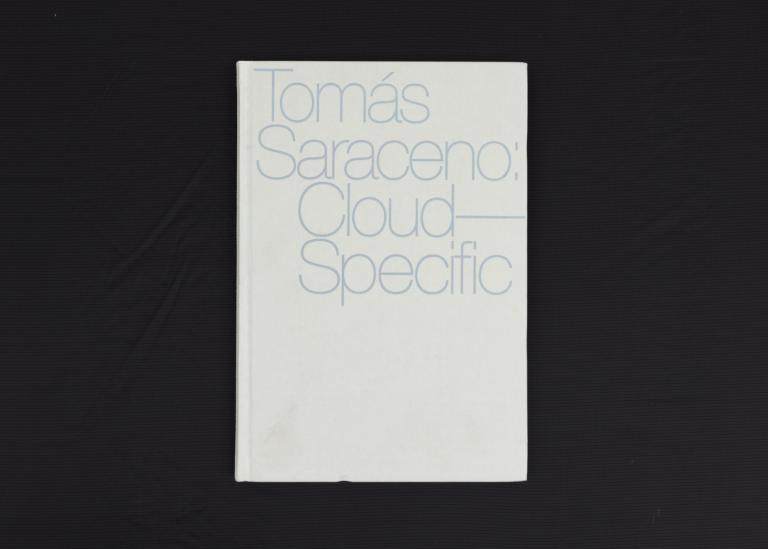
Cloud-Specific
14 Billions (Working Title)
Cloud Cities Connectome
From Camogli to San Felipe, spiders weaving stars…
Galaxies Forming along Filaments, like Droplets along the Strands of a Spider’s Web
Biospheres
Tomás Saraceno
Cloudy House
Lighter than Air
Observatory, Air-Port-City
Microscale, Macroscale, and Beyond: Large-Scale Implications of Small-Scale Experiments
Poetic Cosmos of the Breath
Flying Gardens
Cumulonimbus/Air-Port-City
Cumulus
Infinite Actives
When Spheres Meet Spheres From Miami to Cuba
On Air
Tomás Saraceno in the
9th Biennale de Lyon 2007
The History of a Decade That Has Not Been Named
Flying Gardens
19.09.2007 – 06.01.2008
Invited by Daniel Birnbaum
Curated by Stéphanie Moisdon and Hans Ulrich Obrist
La Sucrière, Lyon, France
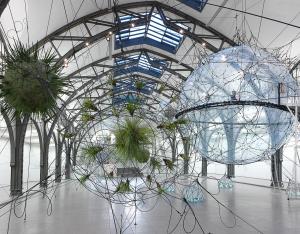
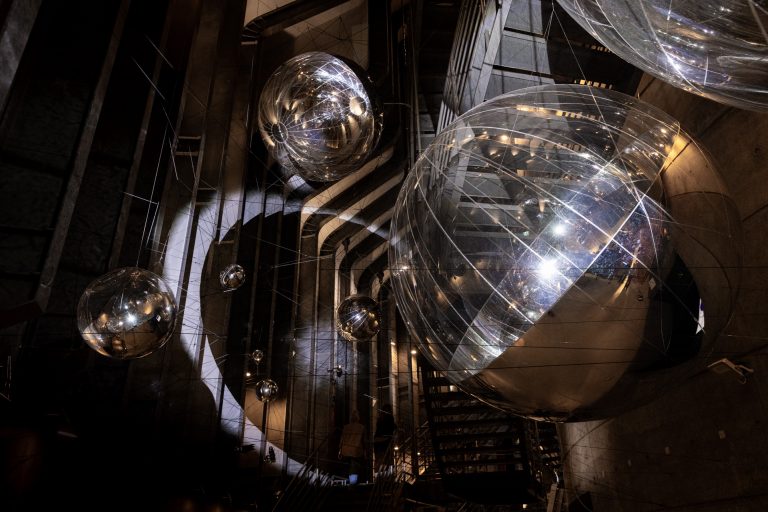
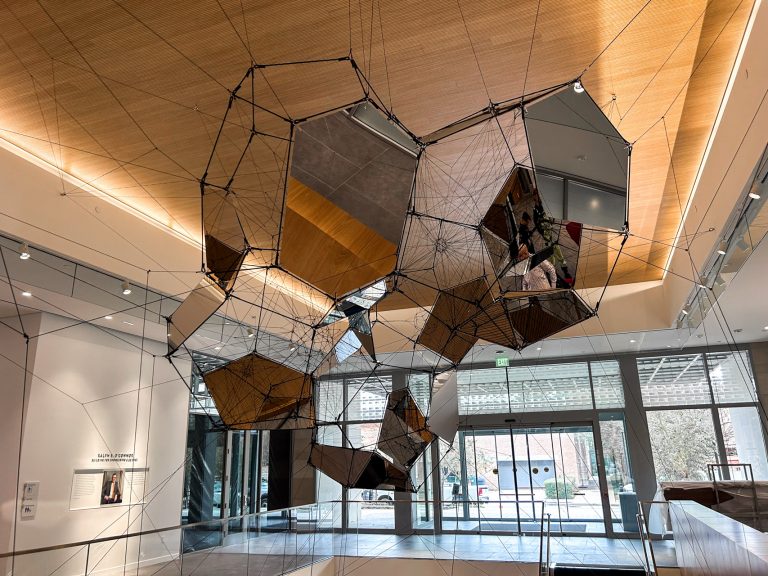
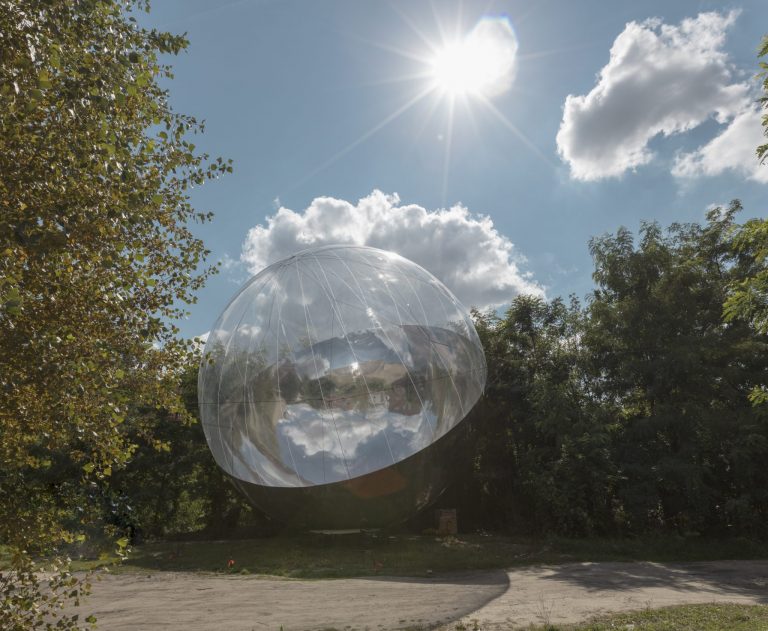
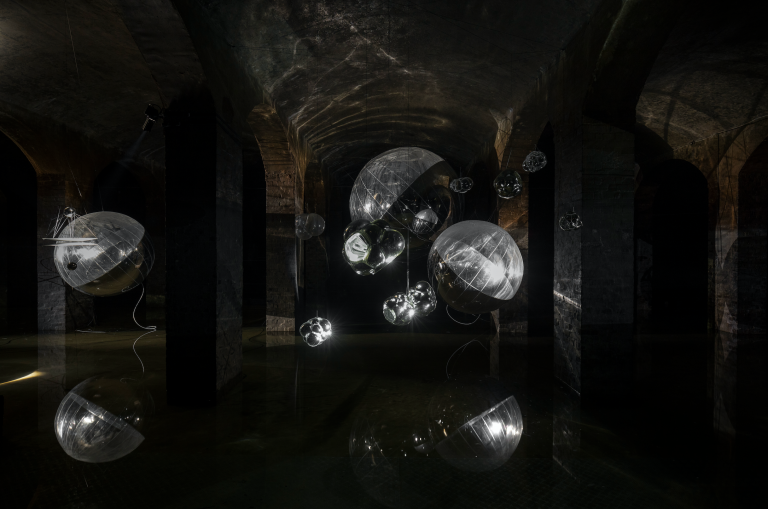
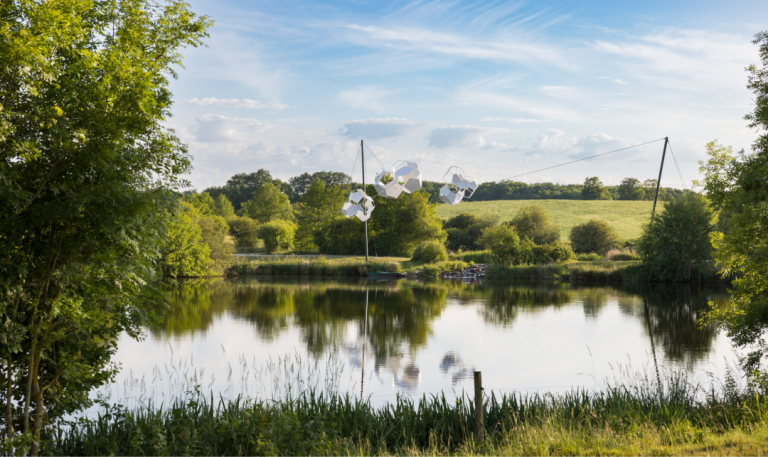
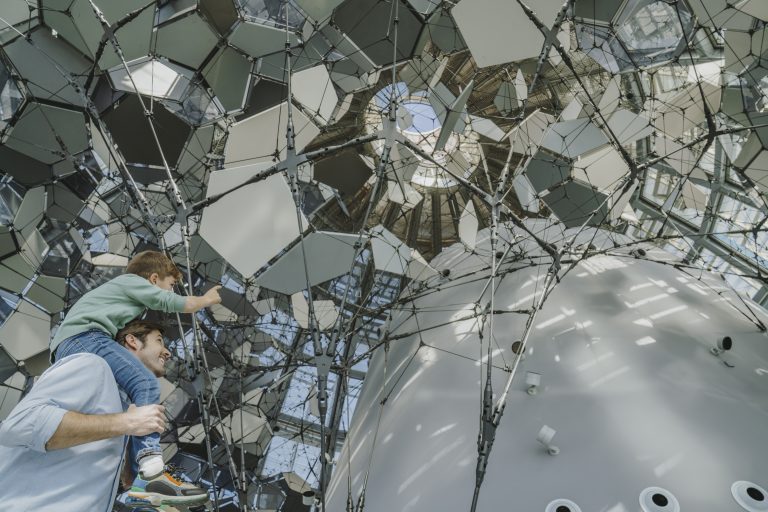
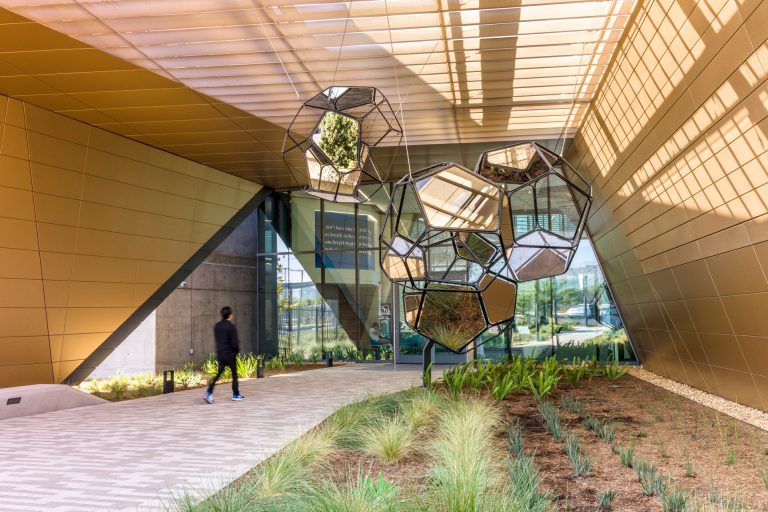
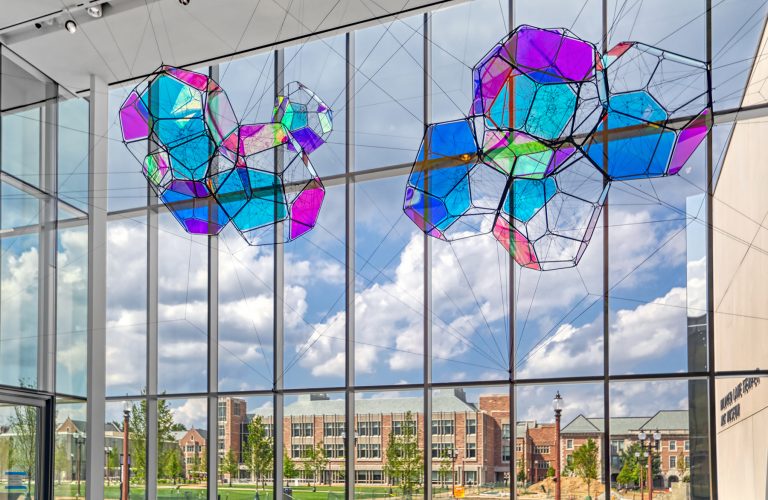
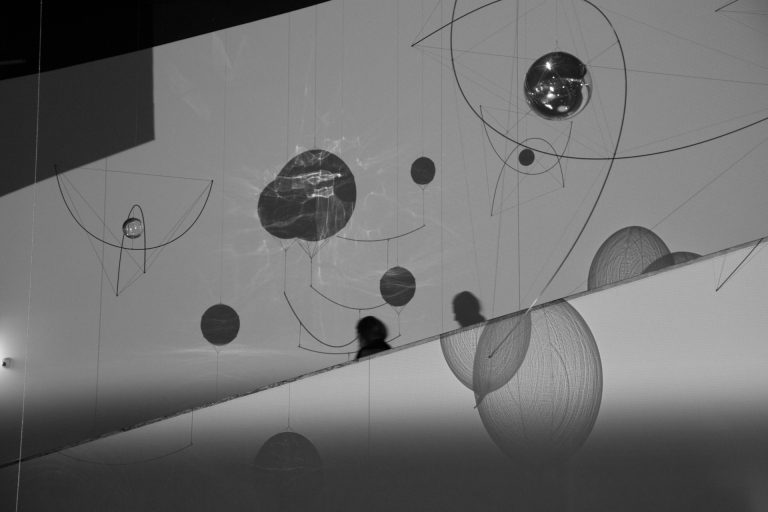
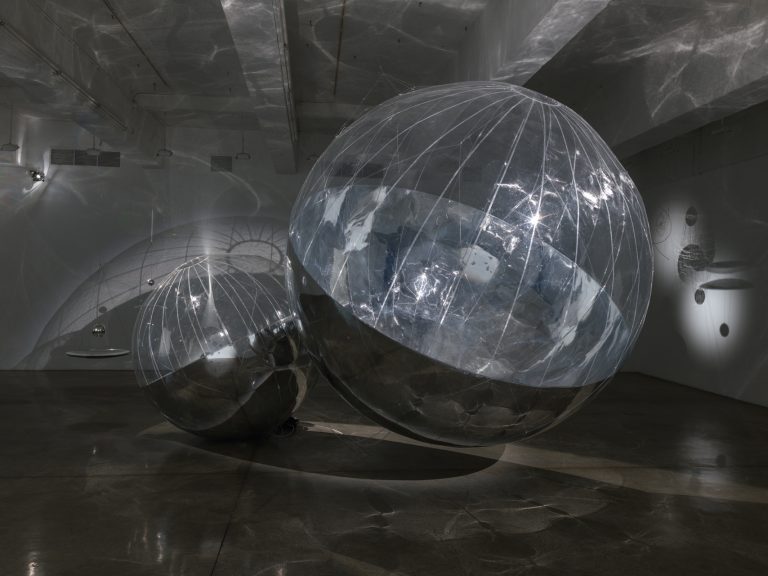
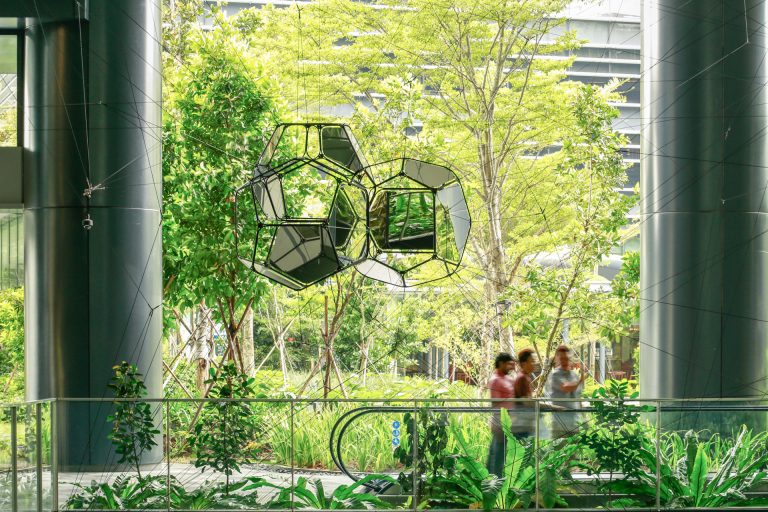
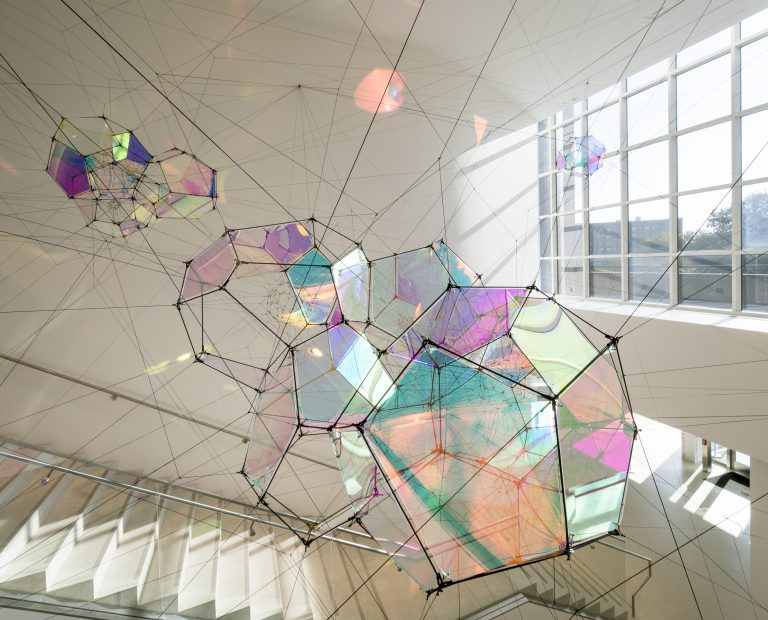
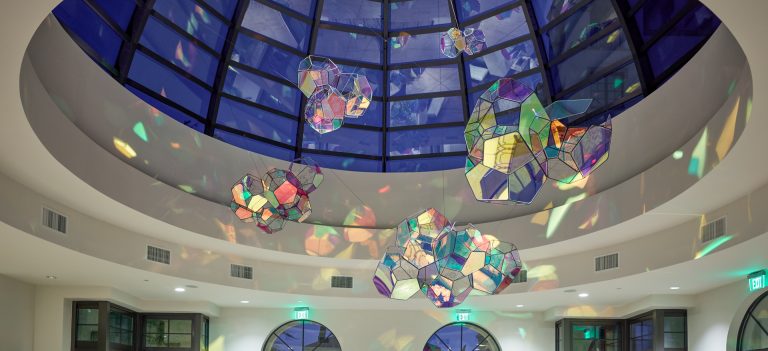
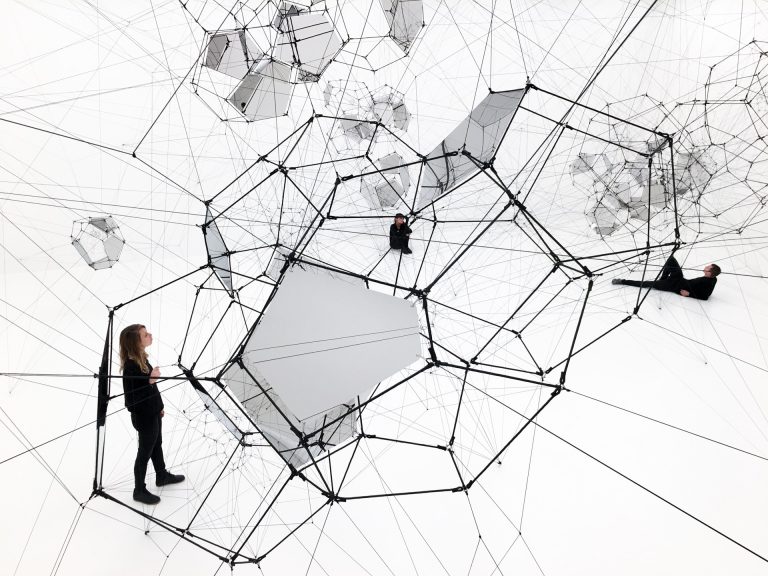
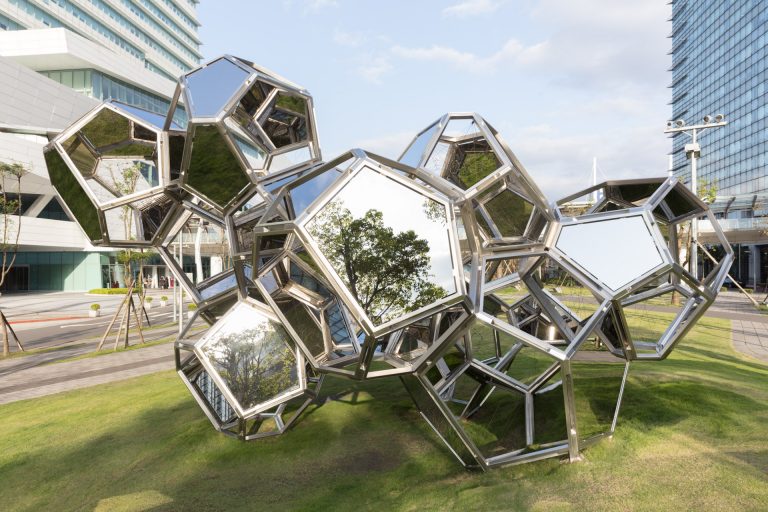
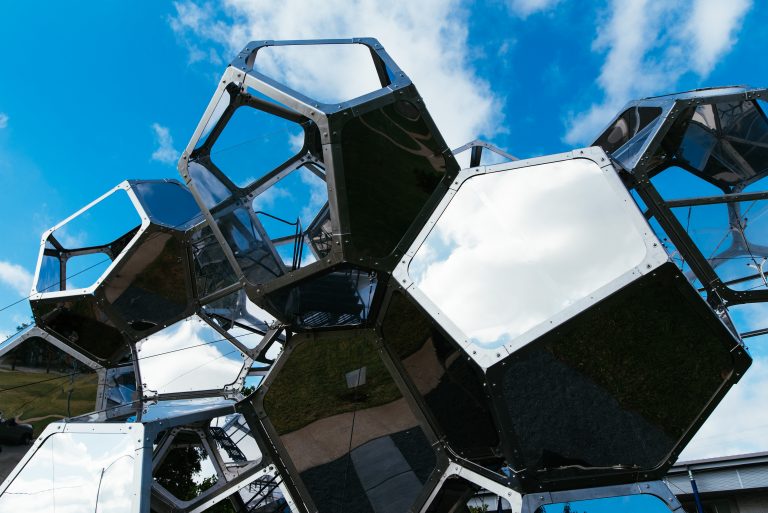
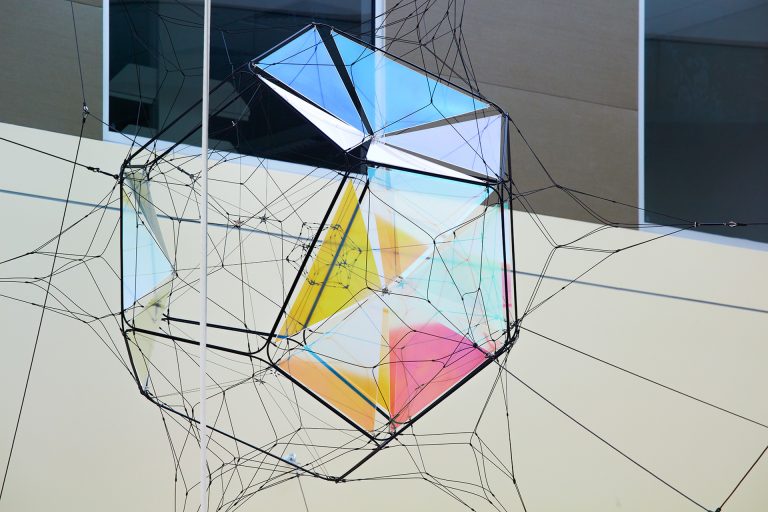
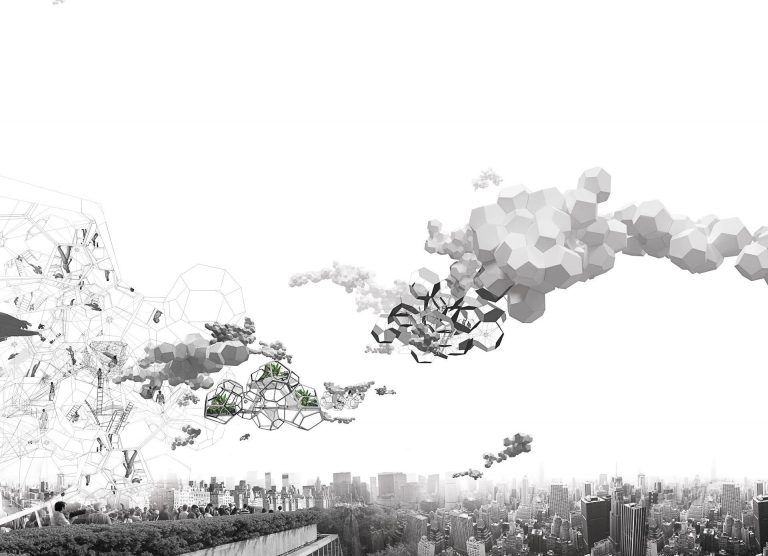
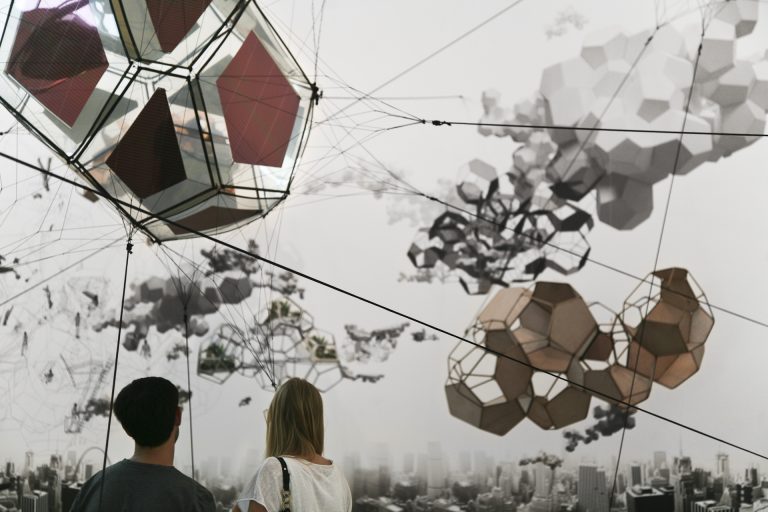
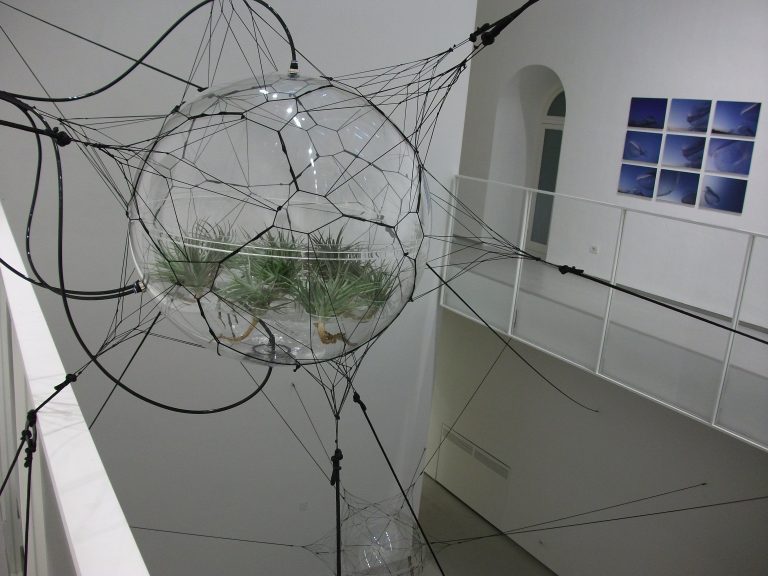
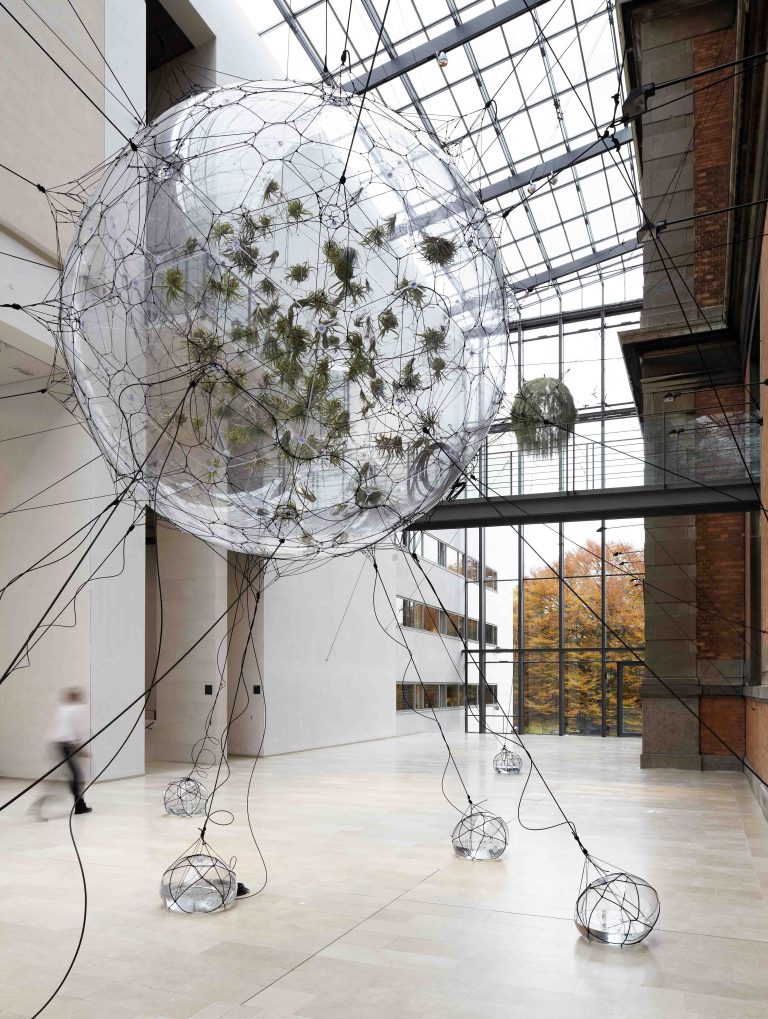
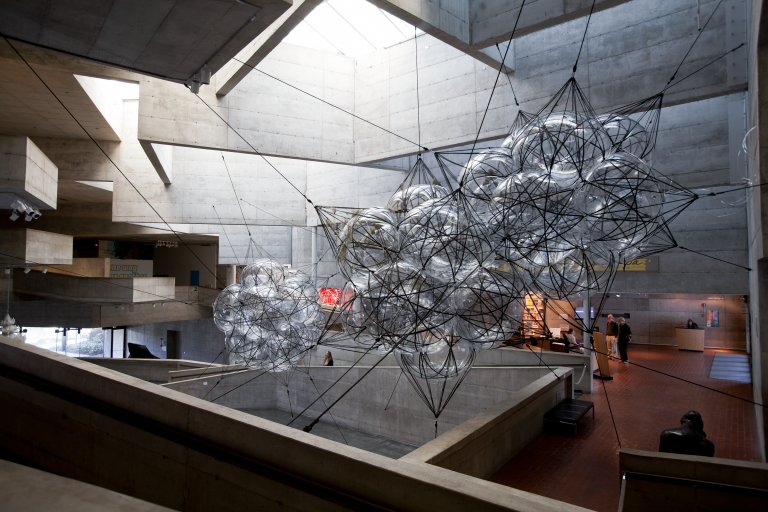
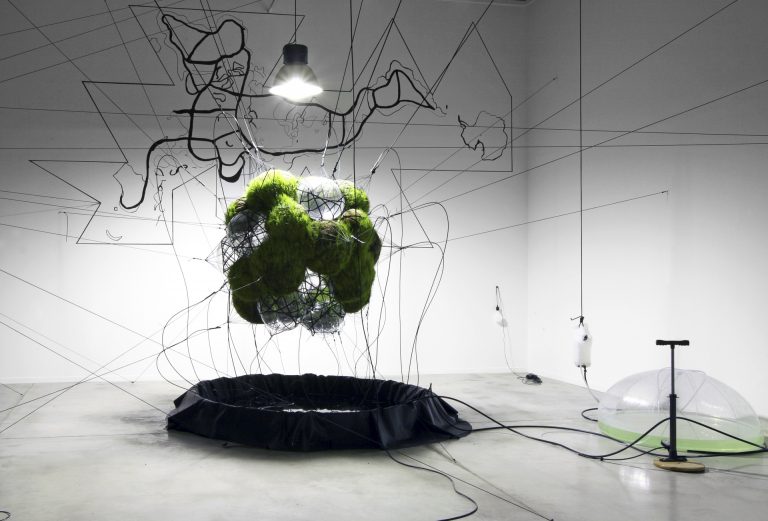
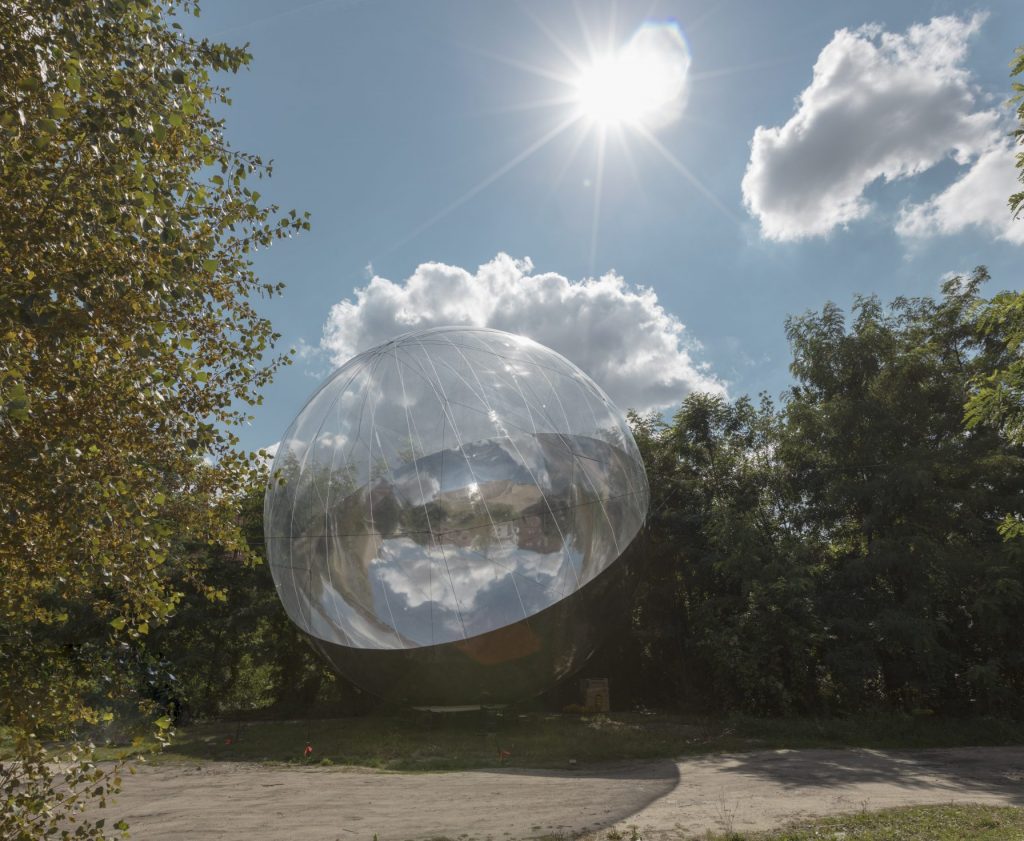
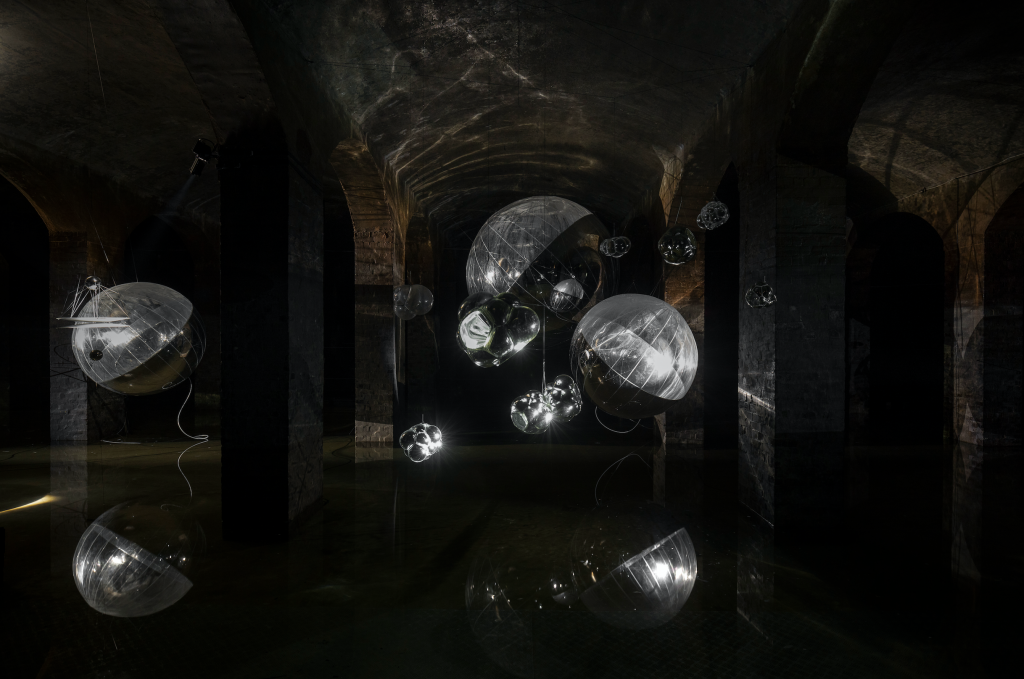
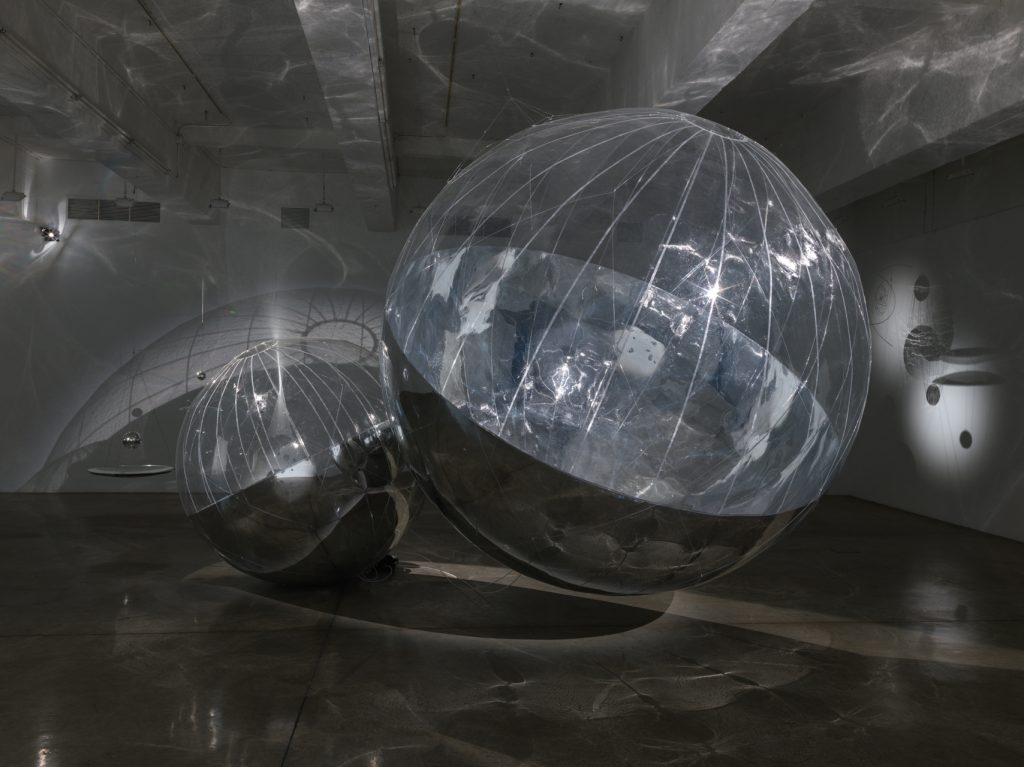
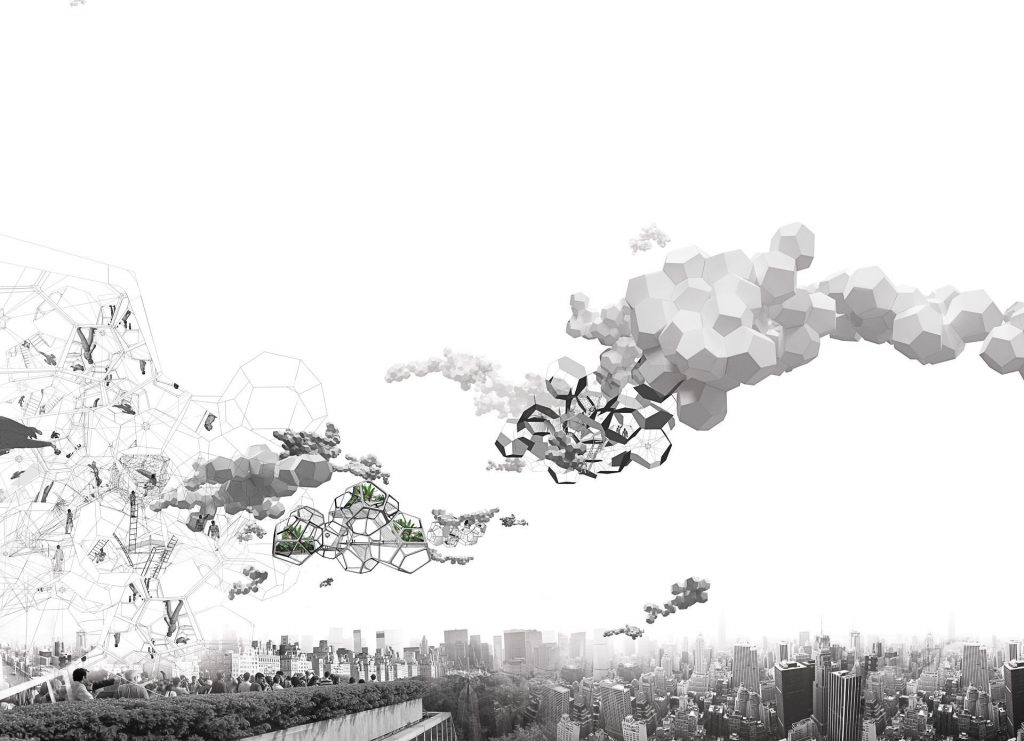
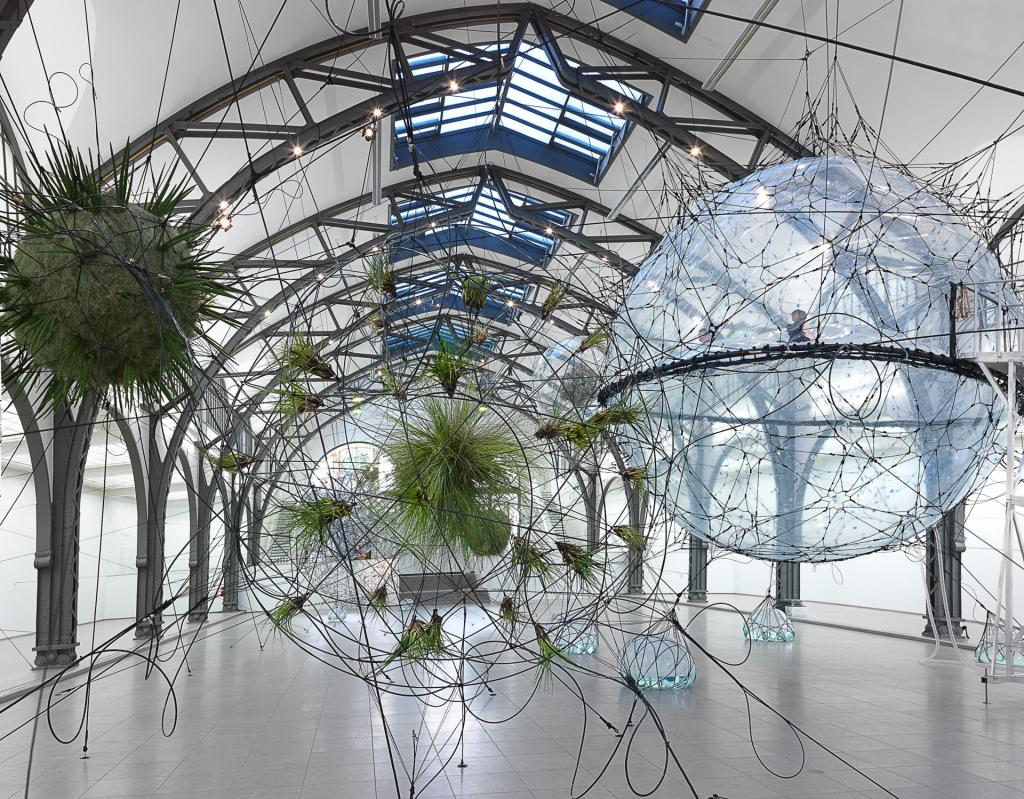
In Flying Gardens, Tillandsias plants, resilient aerial plants without roots that get their water and nutrients from the air, remind us that the terrestrial and the celestial are, in fact, one, not separated but united in a life cycle and shared space. Tillandsias, who grow wherever conditions allow, feeding themselves with the water, nutrients, and sunlight they find in the ocean of air, remind us that our atmosphere is teeming with life, not empty but full. The air itself has been reminding us of this itself lately, with sky-high rates of air pollution and global warming revealing what happens when we upset its balance—not only internally, but its balance within the larger environment, with the ocean, the earth and the cosmos, as well. Fogs of pollution and capsized icebergs act as elemental warning cries linked to our delusive mastery of the environment—we must free the air from particulate matter. In his 2018 book Down to Earth: Politics in the New Climatic Regime, Bruno Latour speaks directly to this elemental mutiny, asking, “How are we to act if the territory itself begins to participate in history, to fight back, in short, to concern itself with us—how do we occupy a land if it is this land itself that is occupying us?” The answer is that we must recognize it as an agent, and discard a colonial framework of “occupation,” seeking instead a collaboration with this actor. To create Flying Gardens or a Cloud City is not to abandon the terrestrial territory we have come to fear, not to ignore Latour’s suggestion that we remain “down to earth”; instead, it is an attempt to inhabit the air differently—as we understand it to be part of one system with the other environmental elements—and in doing so reattune with the planet and air with which we live. This reattunement necessitates futures of living predicated on union. Aerial plants like the Tillandsias remind us that there are, in fact, no natural divisions— even the “distinct” elements of soil, water, and air are inexorably intertwined in reality—and that solidarity is a prerequisite for survival.
Plants exhibit this solidarity against divisions within themselves, as well; in conversations with the artist, Italian plant neurobiologist Stefano Mancuso explained that, as stationary beings, plants have had to adapt a balance with their environment—including with their predators, from whom they are not able to run—through a dispersal of organic functions throughout their entire bodies; instead of discrete organs with specialised functions—brain for thinking, lungs for breathing, stomach for digesting, etc.—these mechanisms are made uniformly diffuse across the plant. An animal model of distinct organs would leave the plant completely vulnerable, dying as soon as the first critter came along to eat even a small portion of the plant. Survival for the plant is dependent upon decentralization, a principle it also applies outside its body into community relations; after centuries of failures stemming from hierarchy and disunion, we find our survival is dependent upon it, as well.
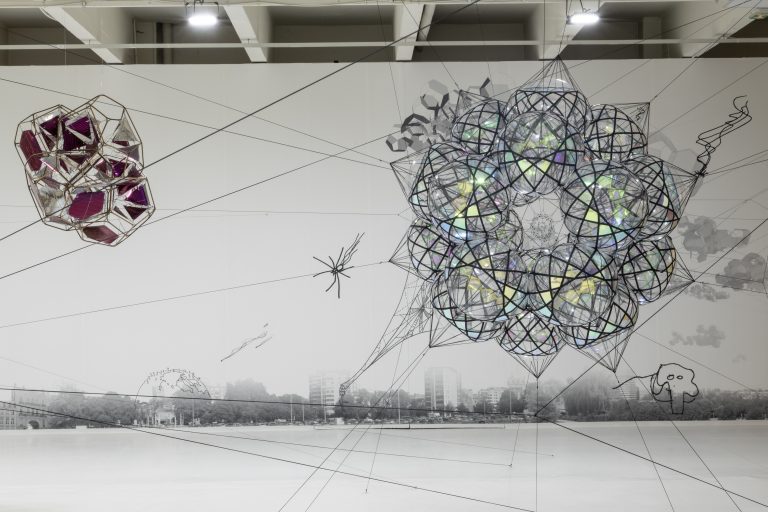
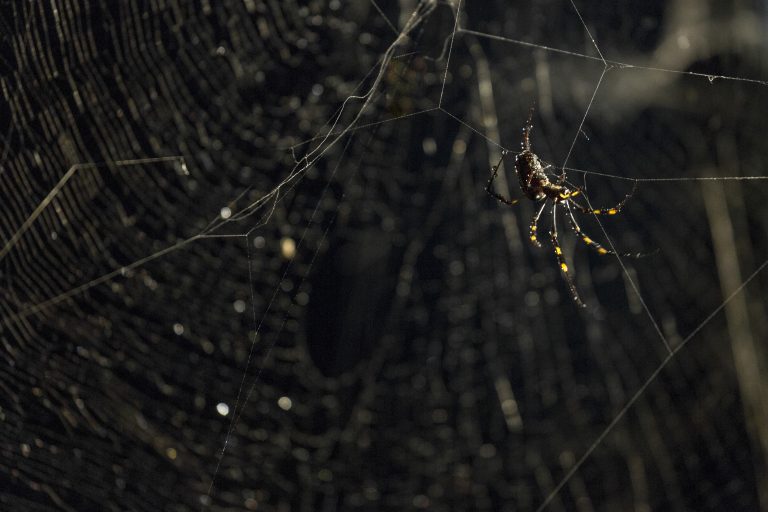
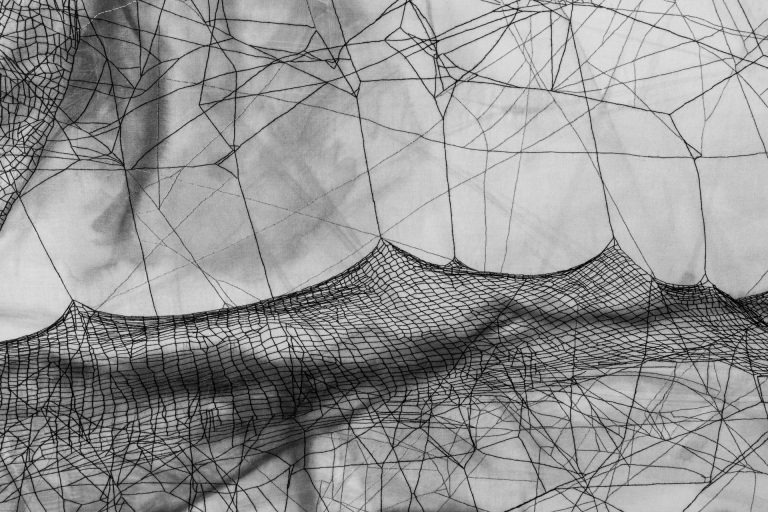
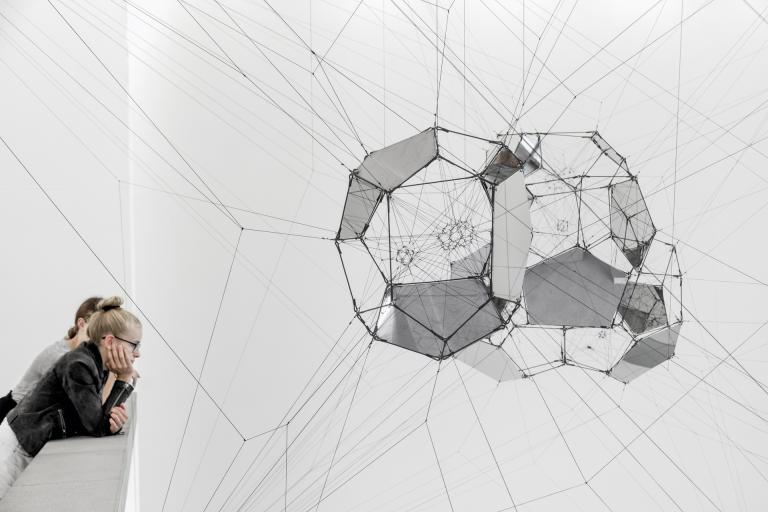
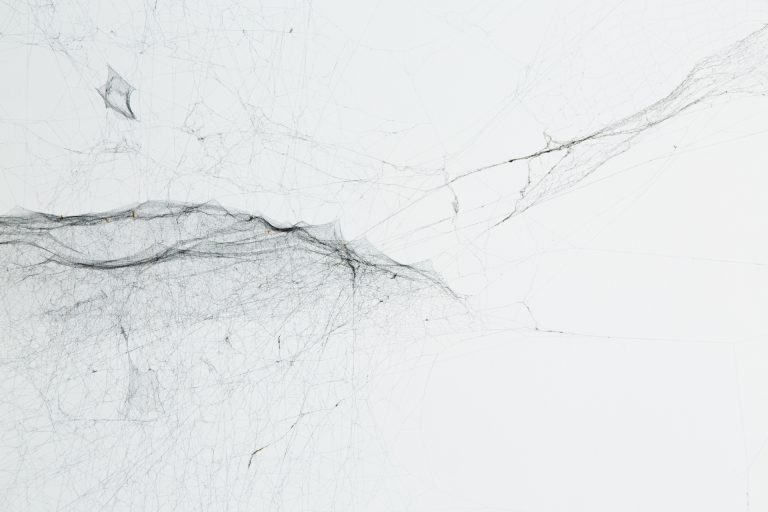
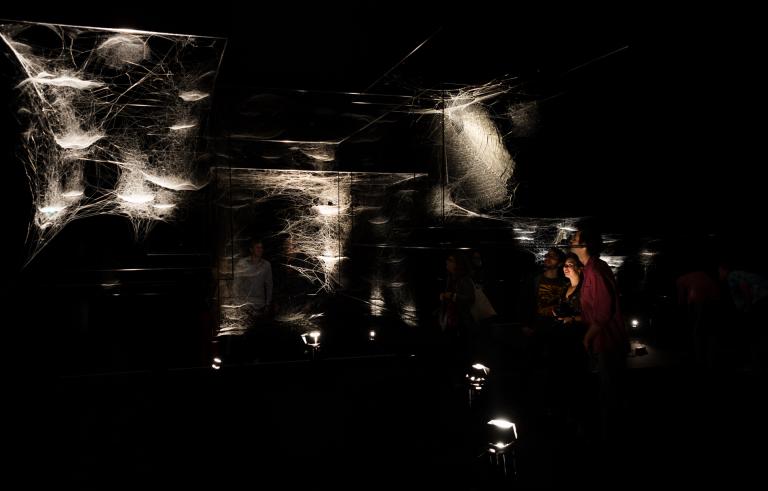
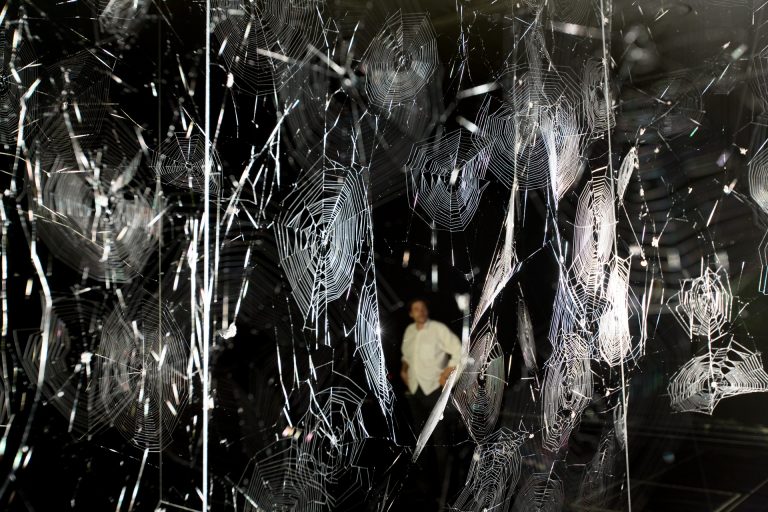
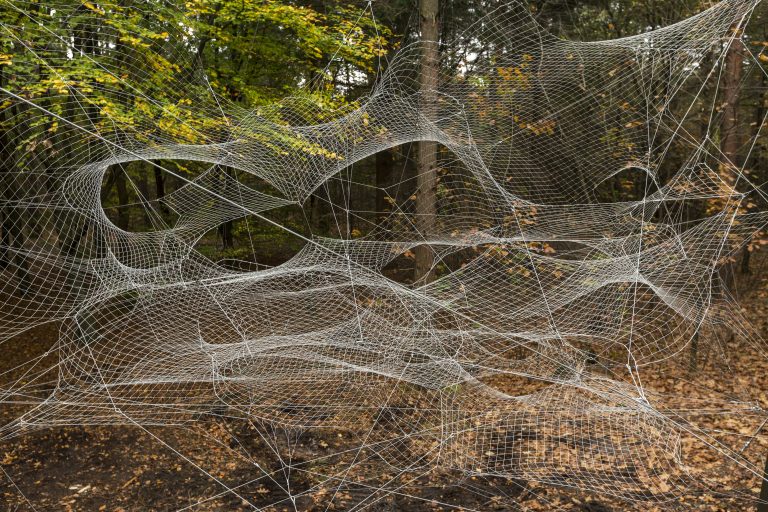
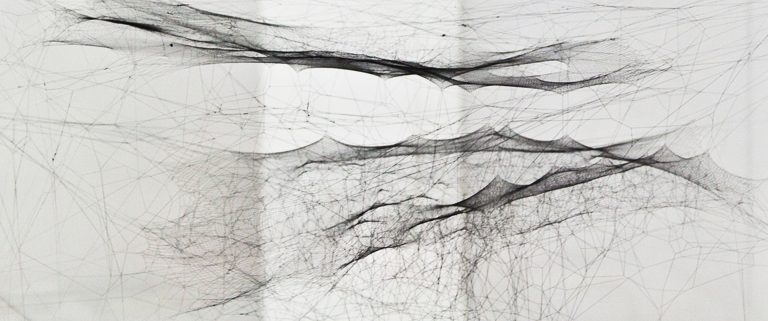
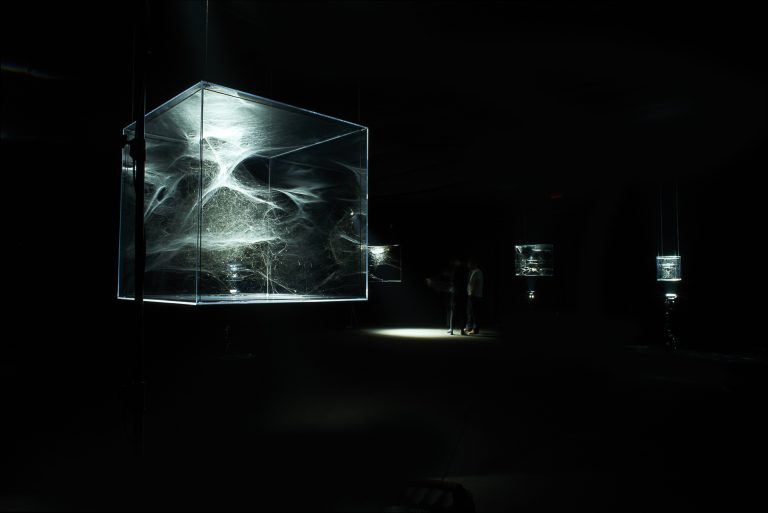
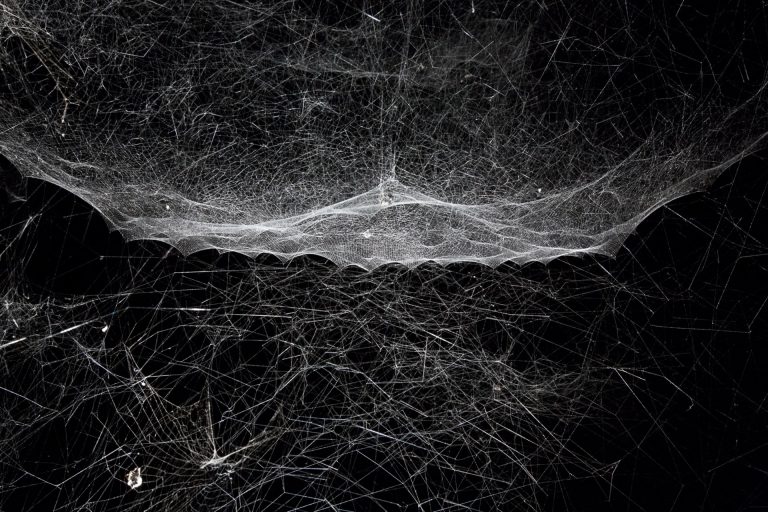
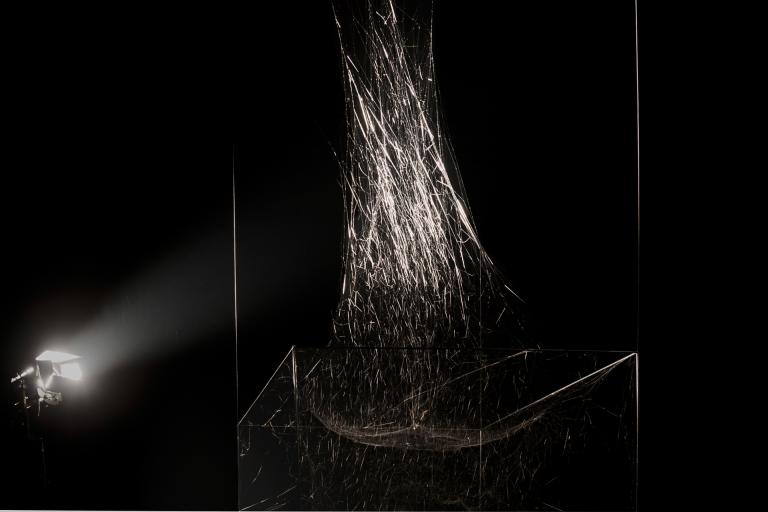
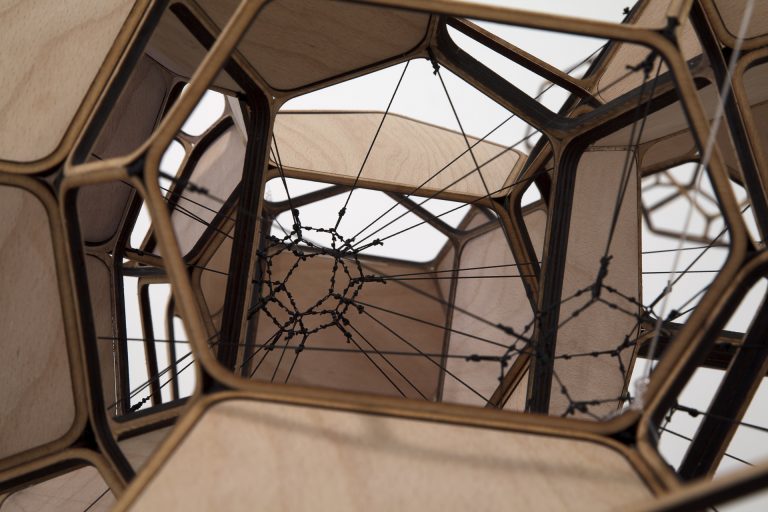
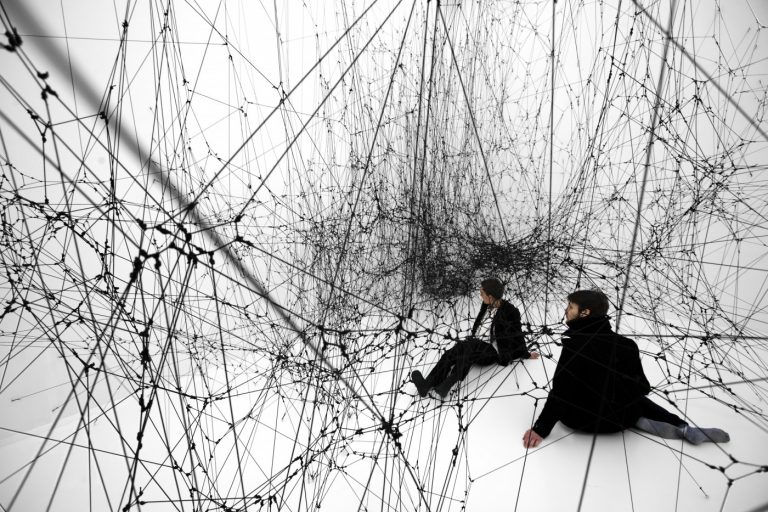
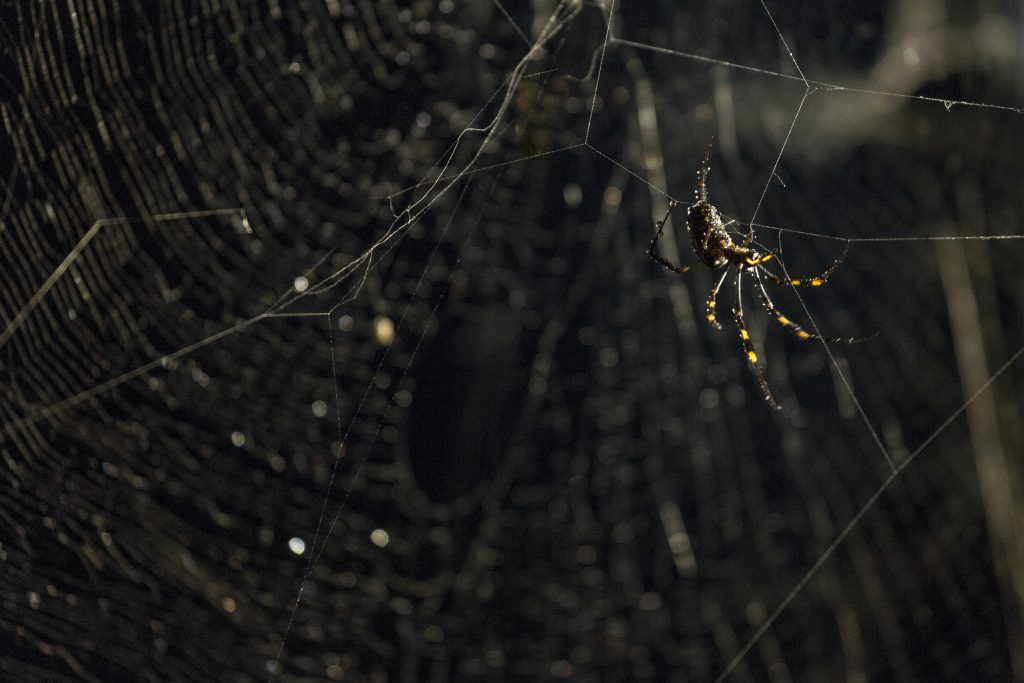
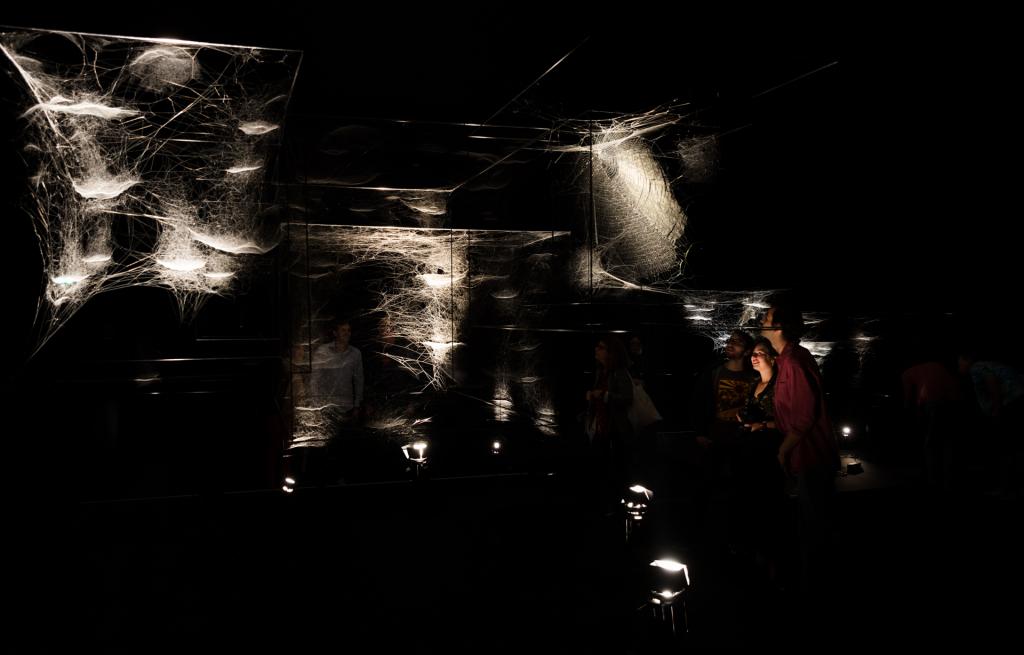
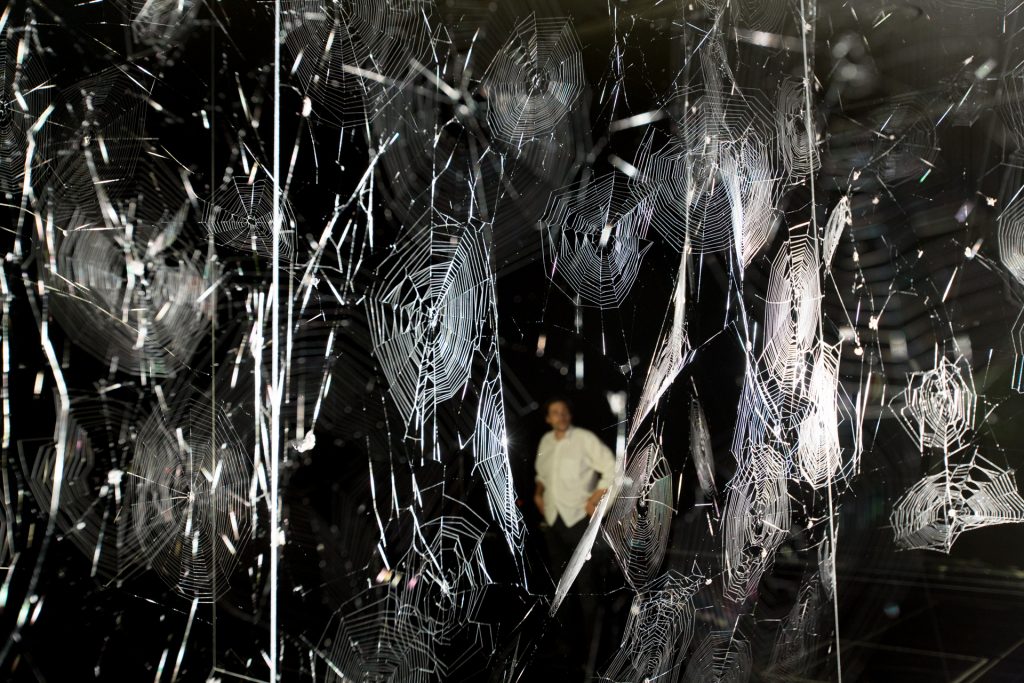
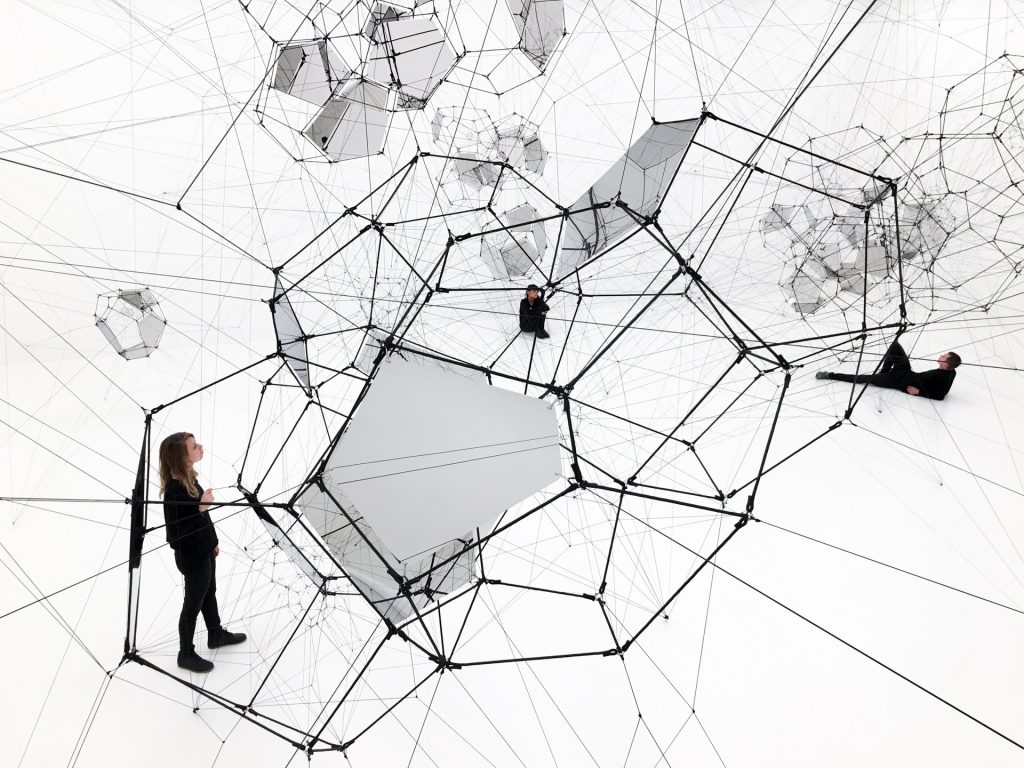
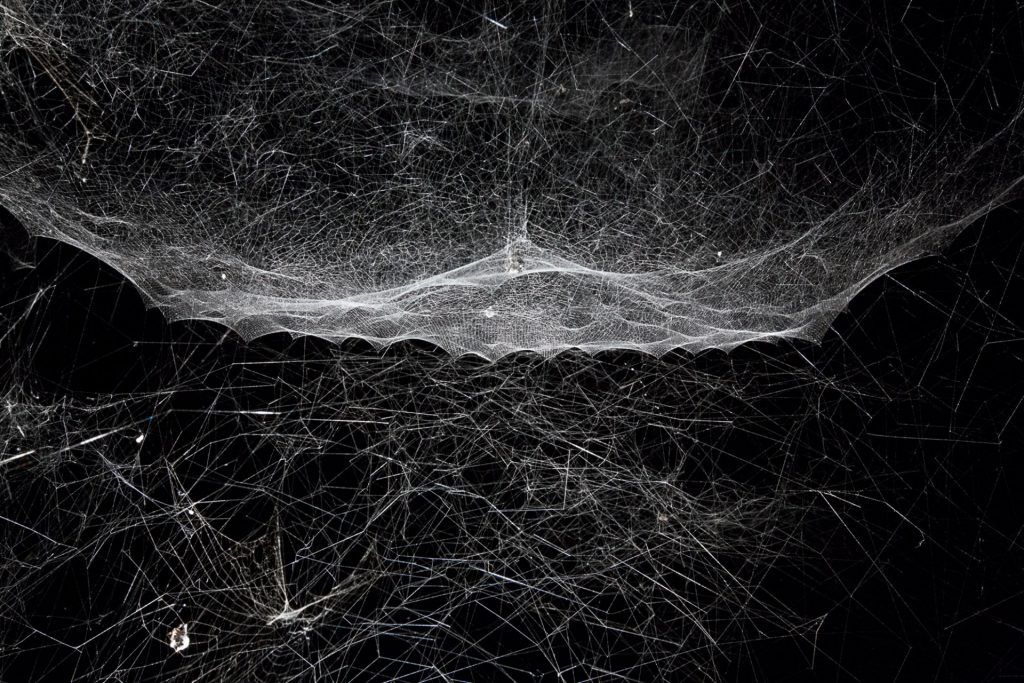
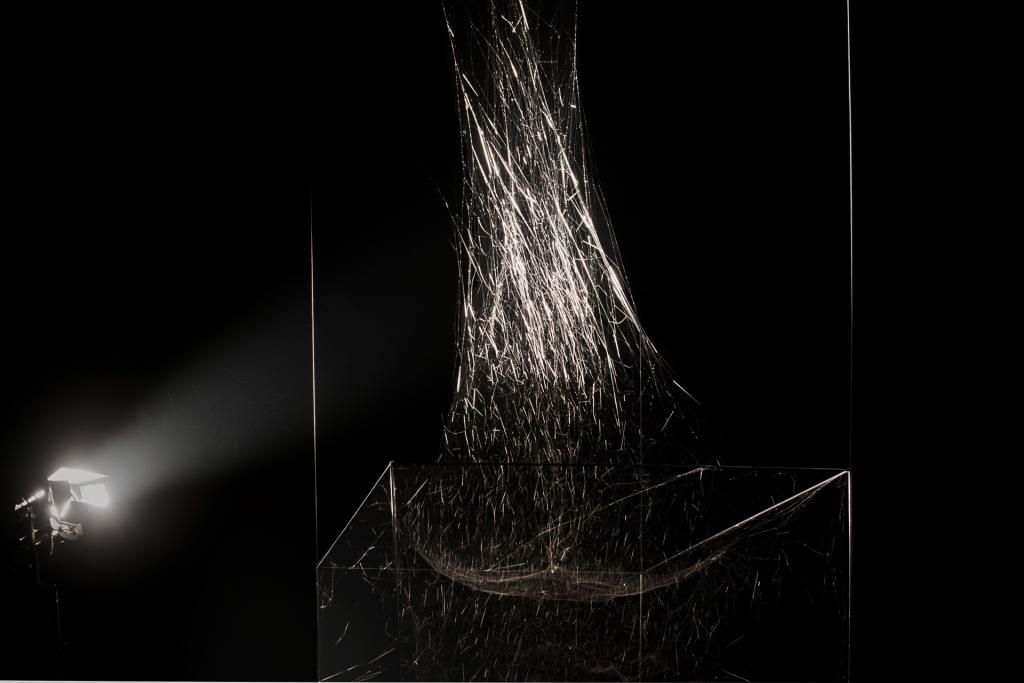
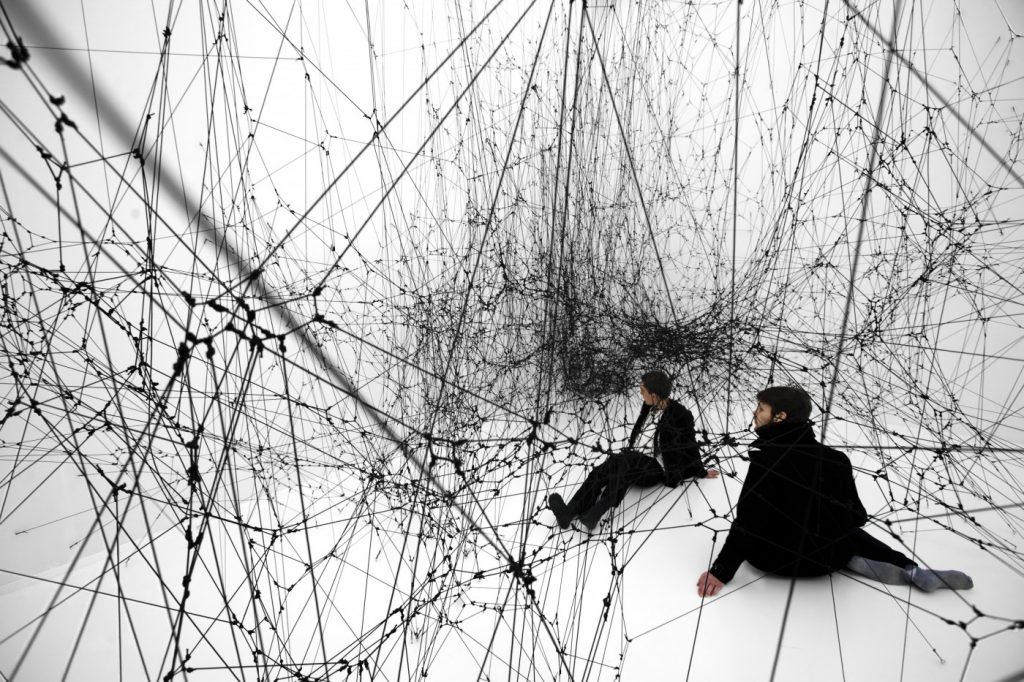
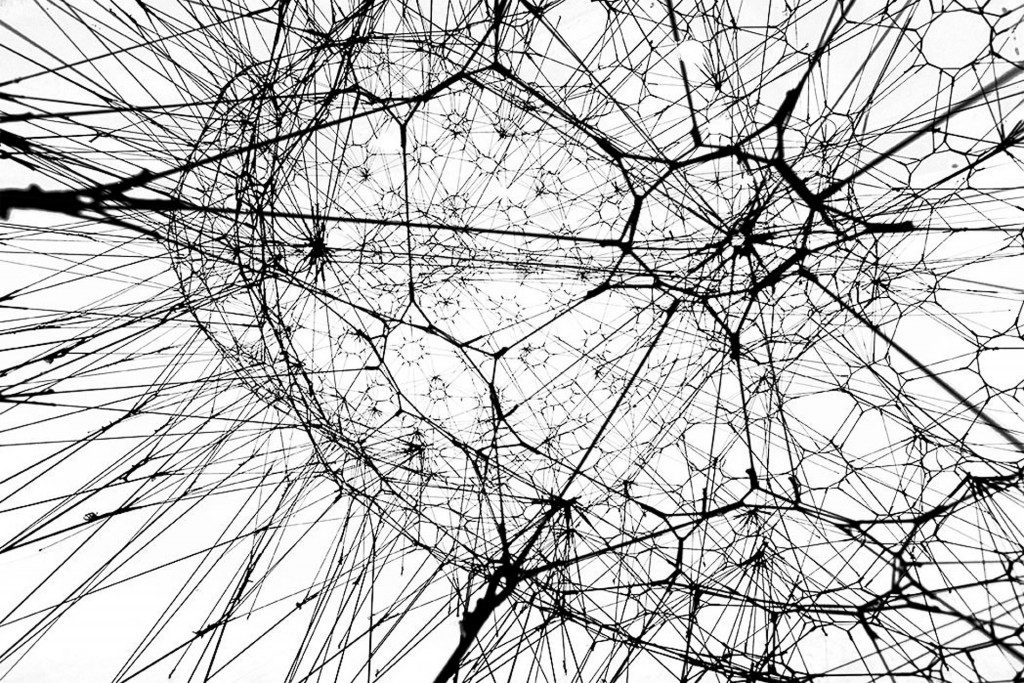
This dispersal of function recalls the spider/web, whose form is also evoked in the knotted cords binding Flying Gardens’s glass spheres: for web-building spiders, their web is an instrument for vibrational communication, the architecture of which is acutely attuned to the vibrational tremors that pass through it, and through which the spider sends signals to sense the environment. Evolutionary biologists Hilton Japyassú and Kevin Laland even propose that the web not only extends the spider’s senses, but also its cognition, as it offloads cognitive tasks to its web, trusting it to “think through” the signals it receives.