





















...



















































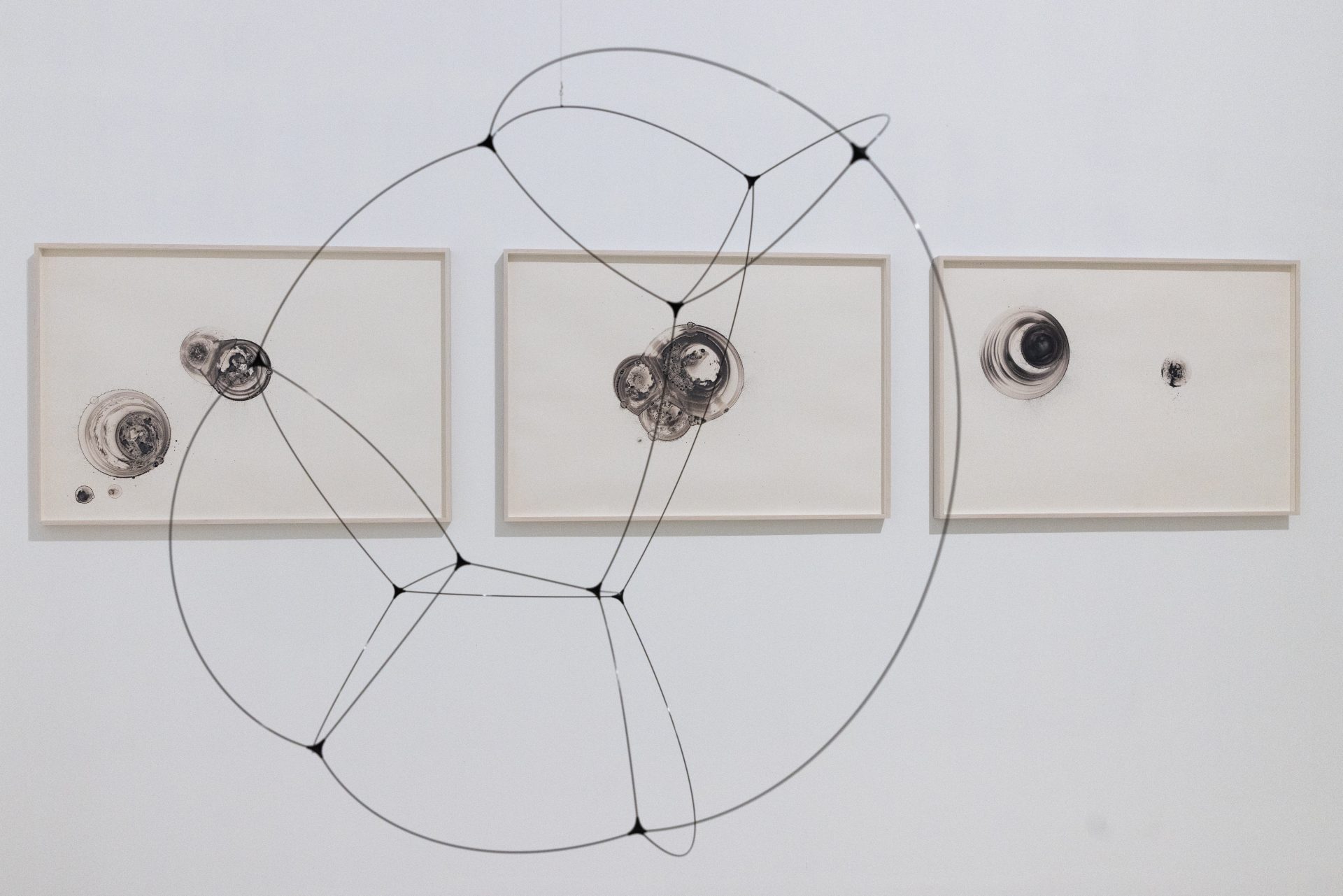


Complementarities
22.03 – 07.10.2024
Red Brick Art Museum
Beijing, China
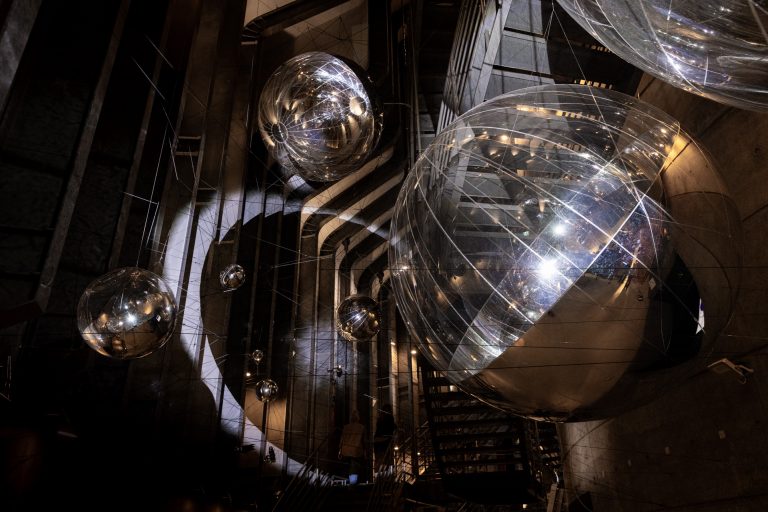
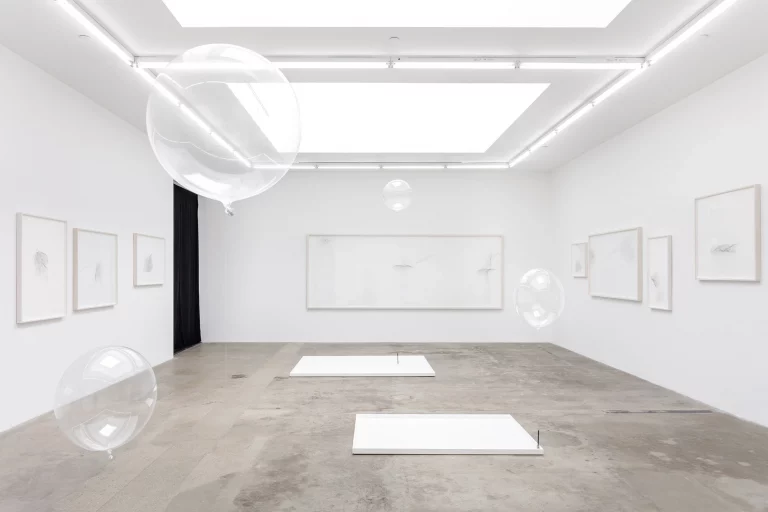
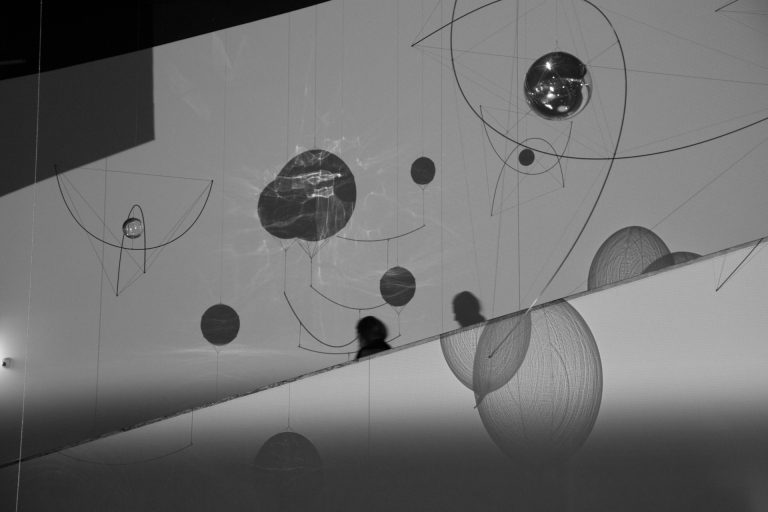
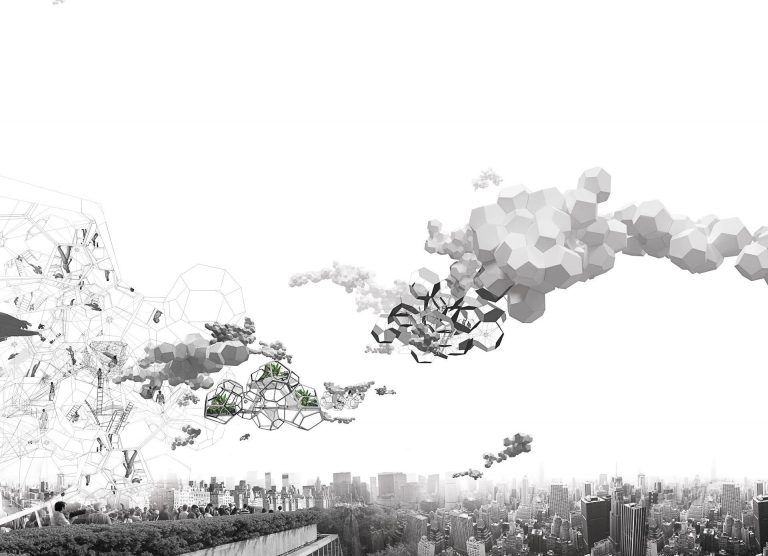
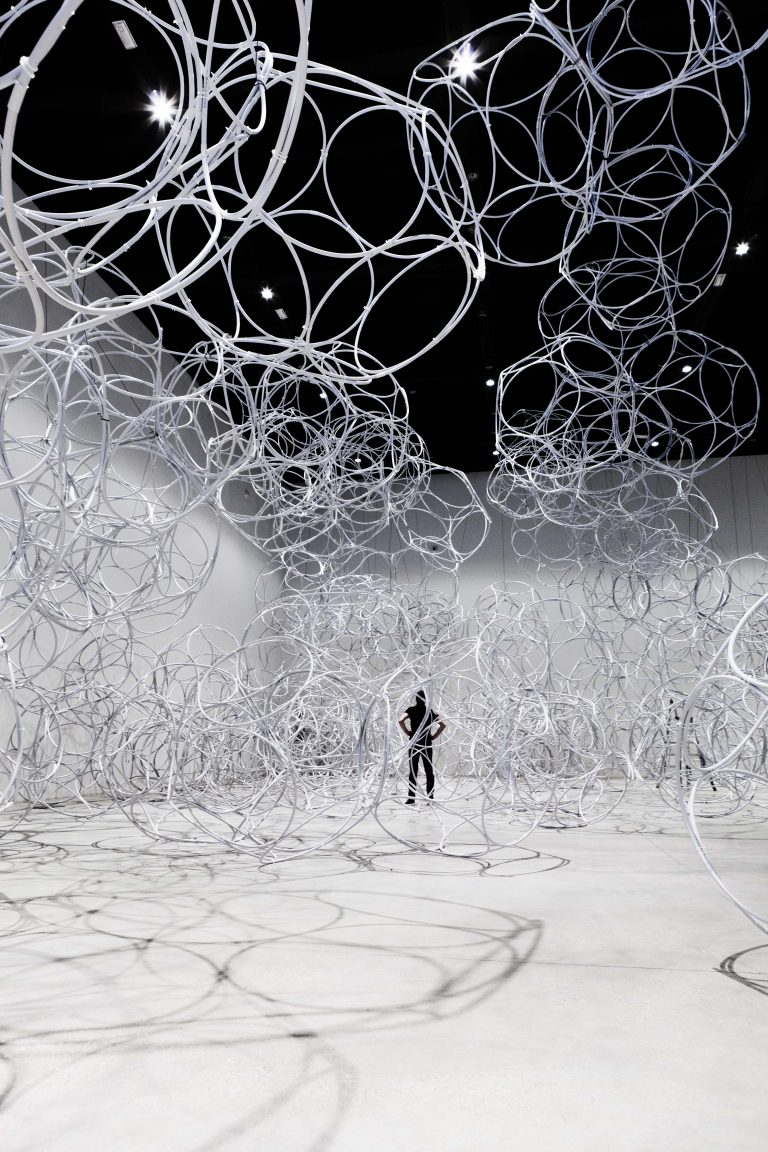
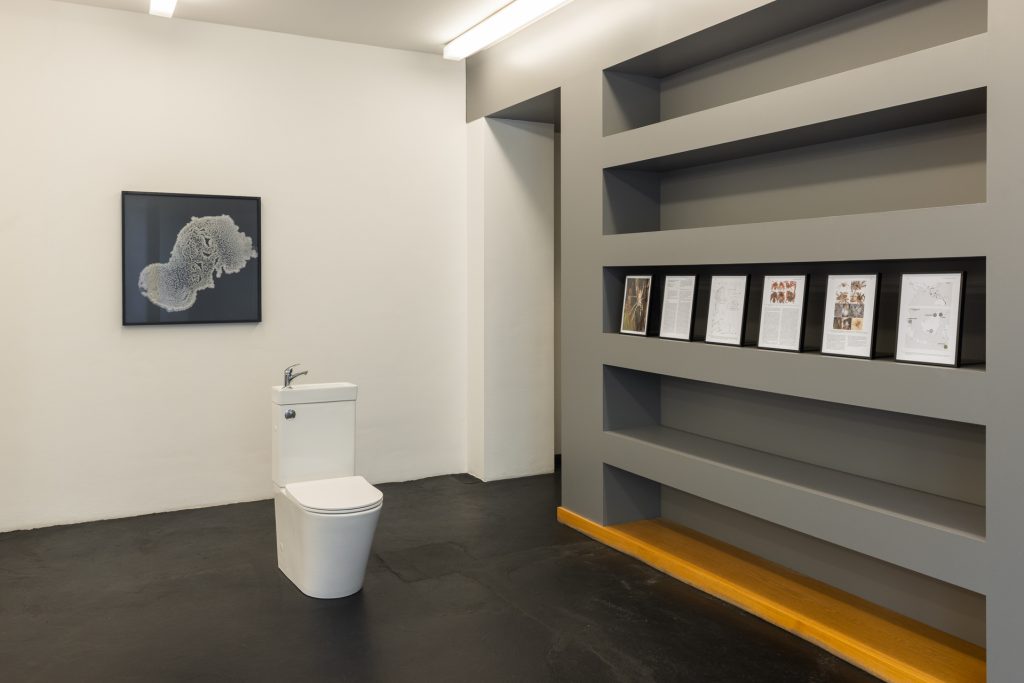
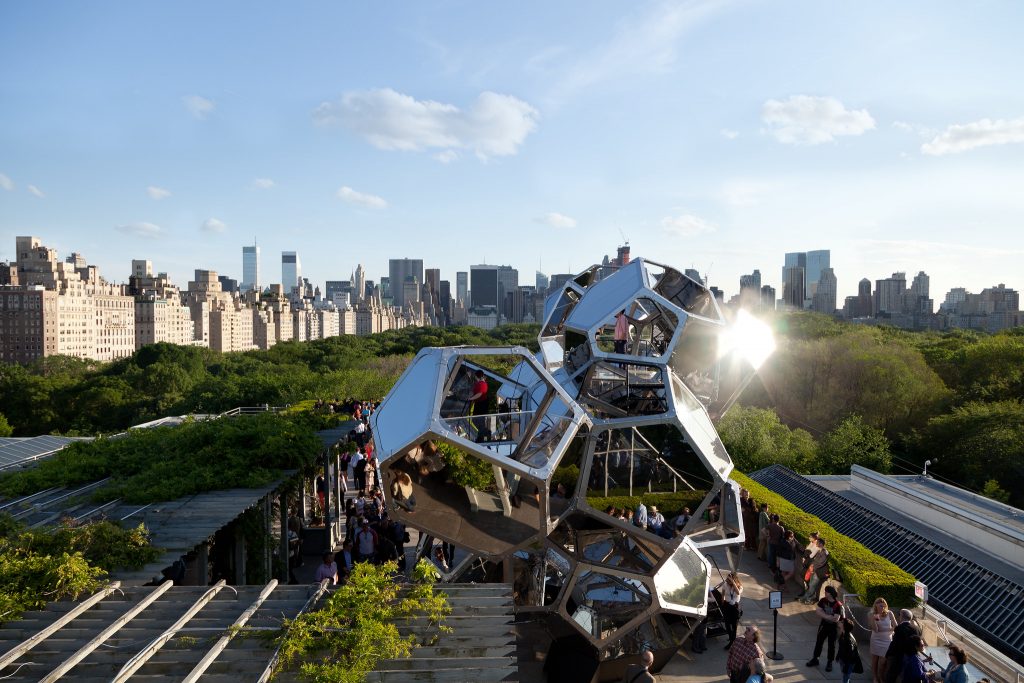
Complementarities, a solo show showcasing nearly a hundred works, marks Saraceno’s most extensive solo exhibition in the Asian region in recent years. Embracing interdisciplinarity and interconnectedness across ecosystems, this exhibition poses the question, how might we attune to collaboratively imagined futures, grounded in principles of collective care and hope as practiced and maintained by some communities, and to the radical interconnectedness of all beings with whom we share this “damaged planet”, both living and nonliving.
From spider/webs to humans, gravitational waves to particles of dust, and from the terrestrial to the atmospheric, Saraceno collaborates with local communities, scientific researchers, and institutions around the world; rethinking dominant threads of knowledge in the Capitalocene era and aiming to seek out a more equal balance of human, techno and biodiversity, for eco-social justice.
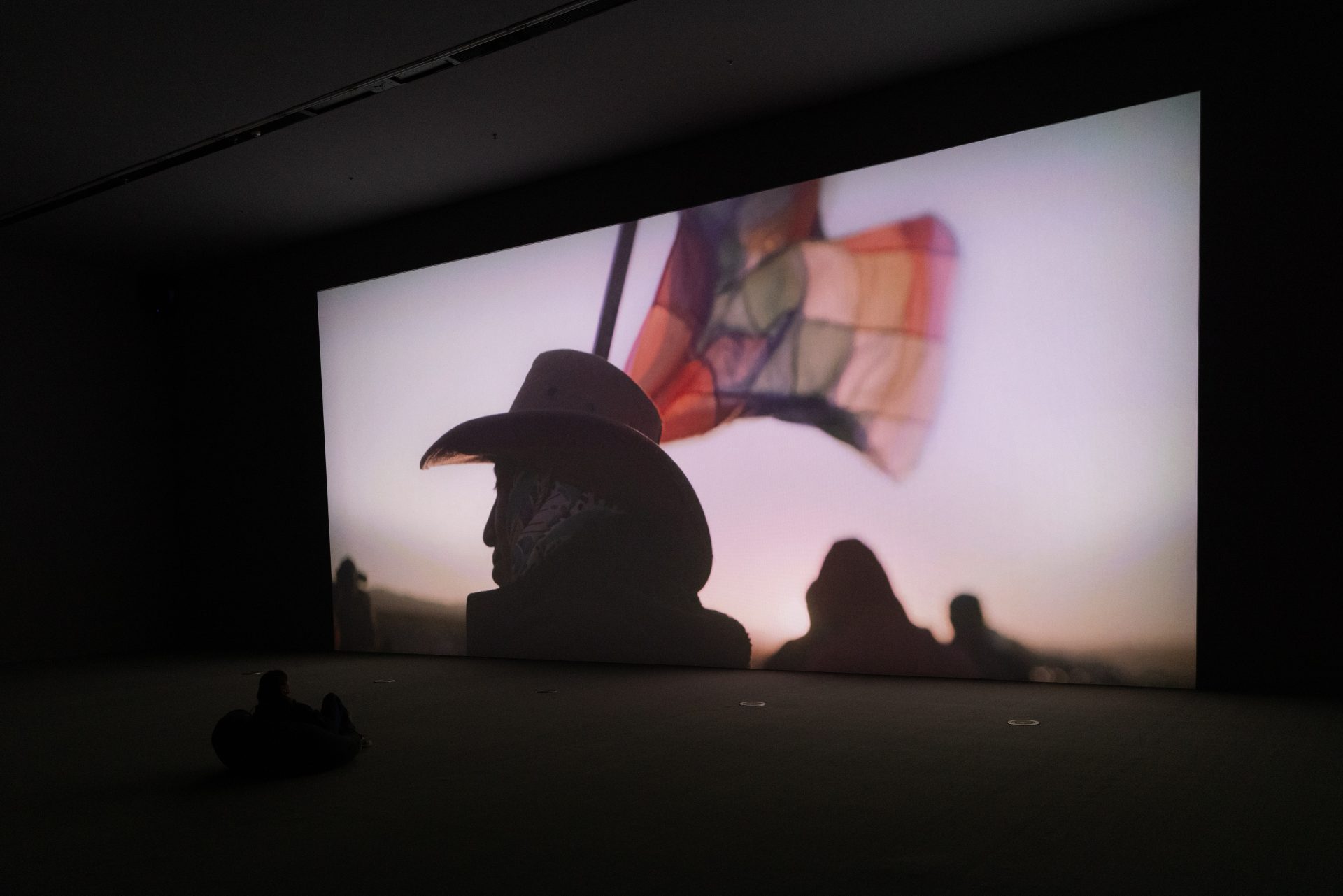
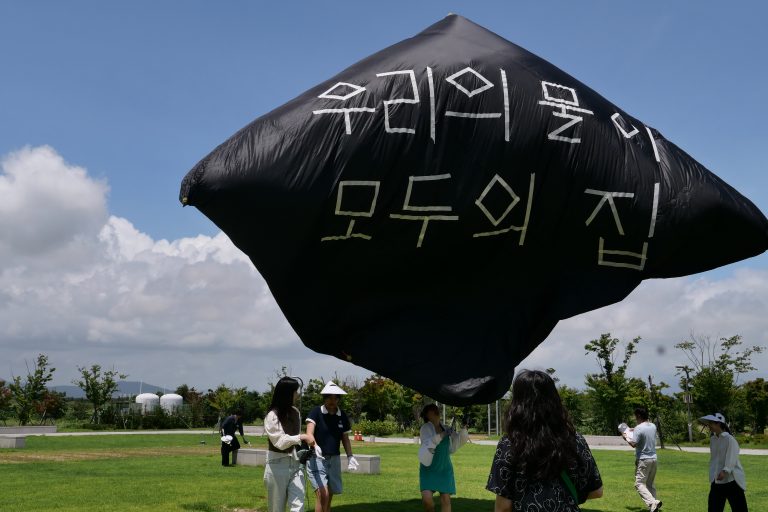
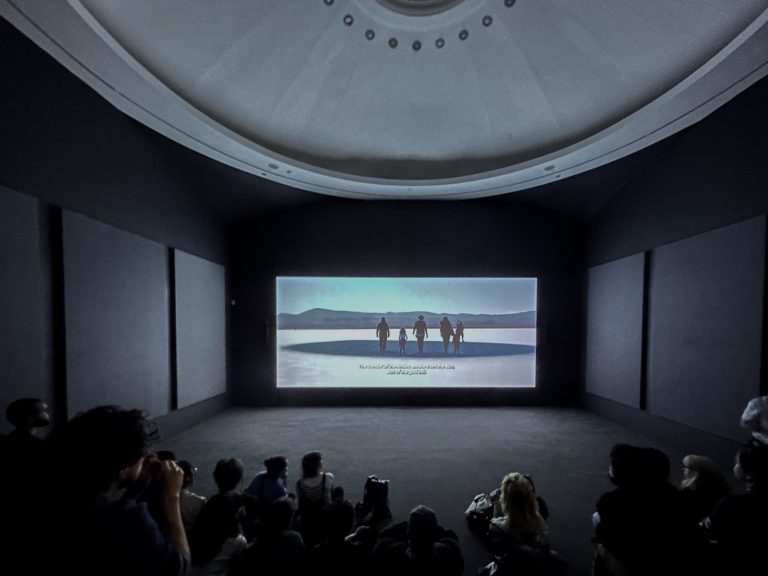
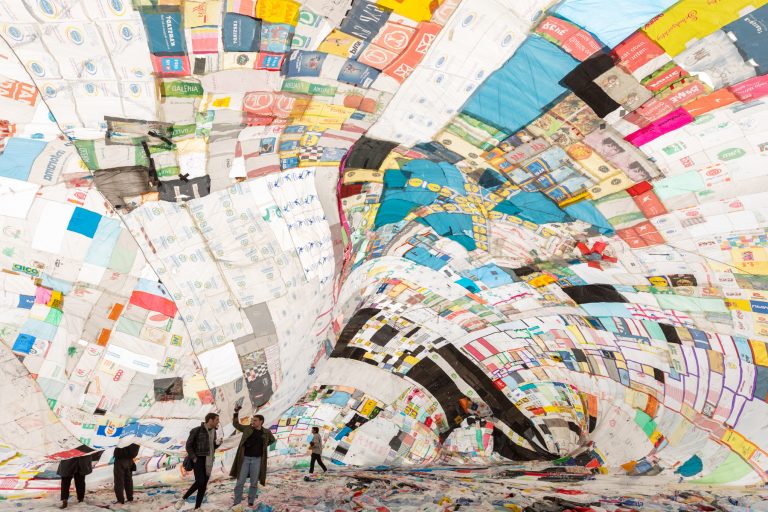
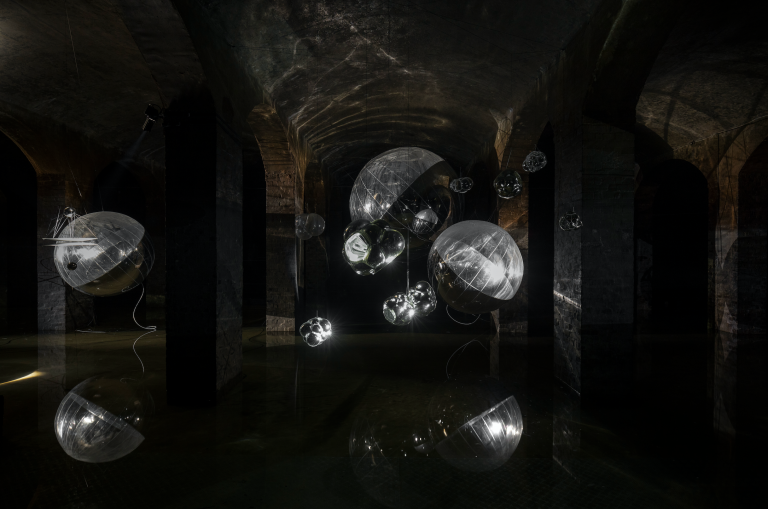
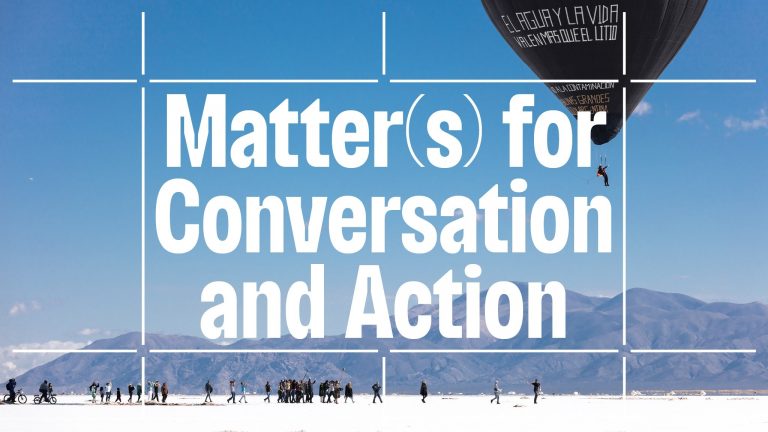
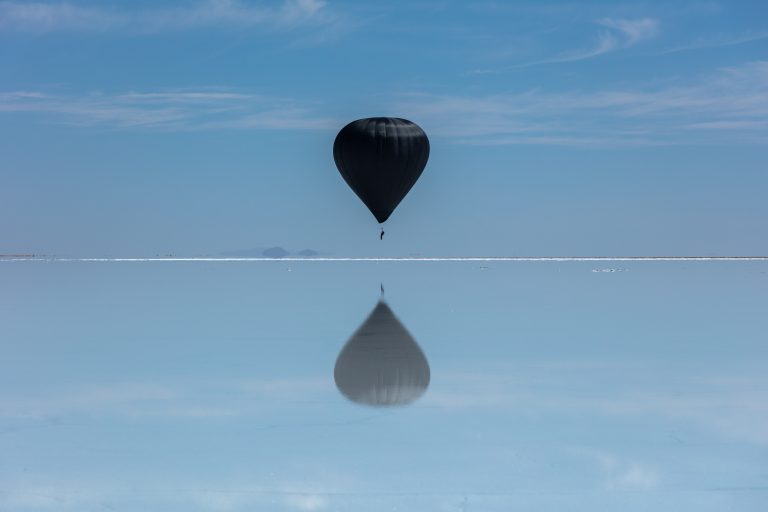
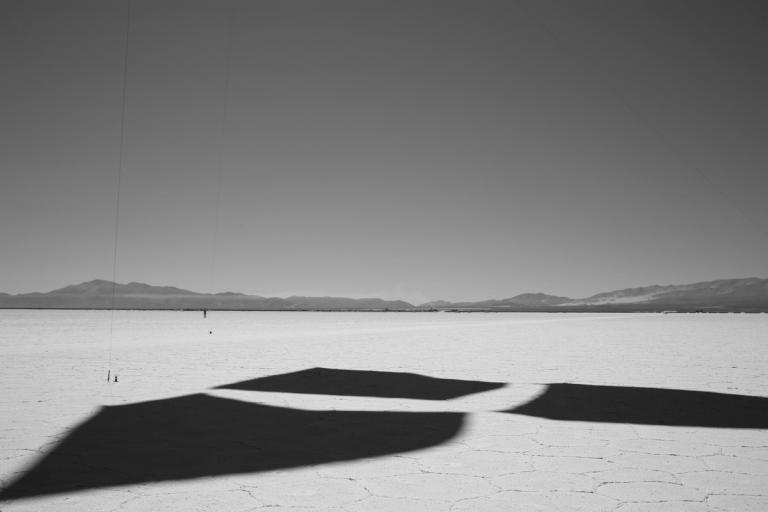
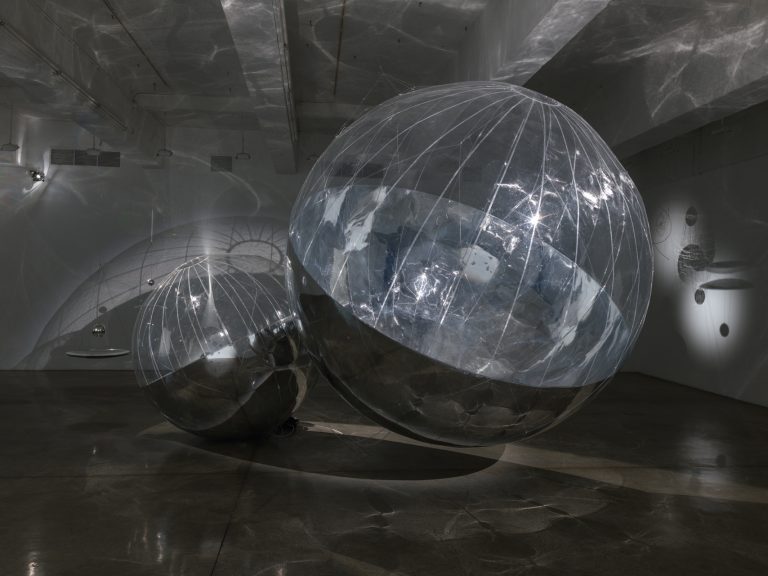
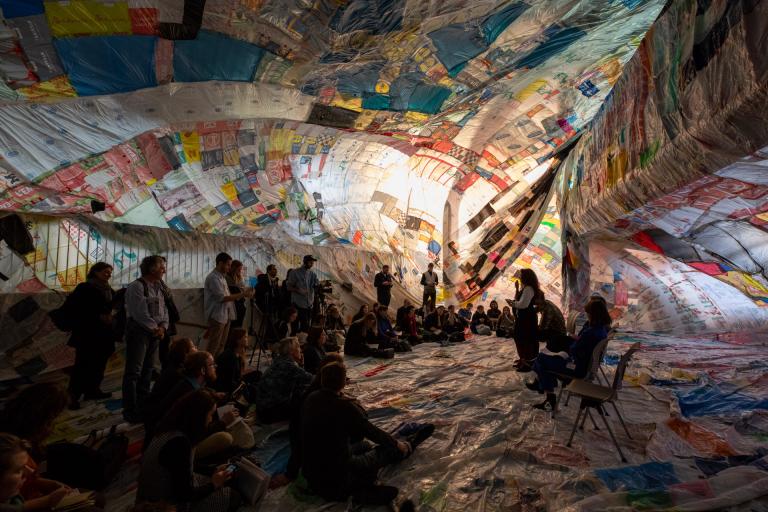
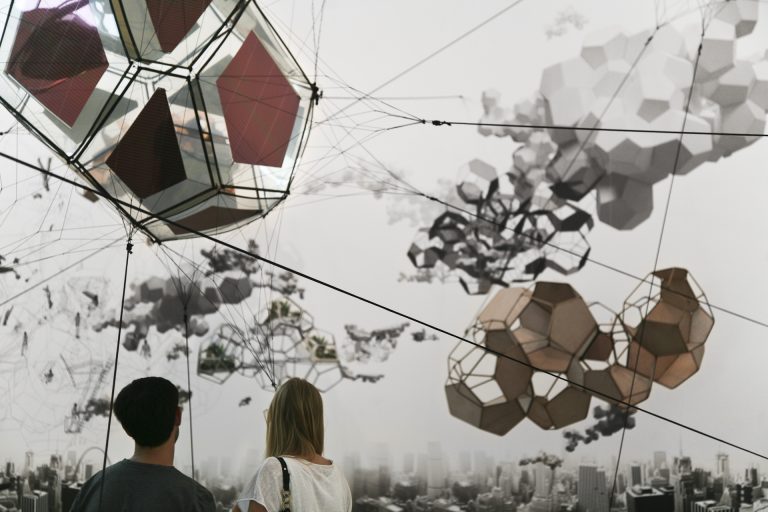
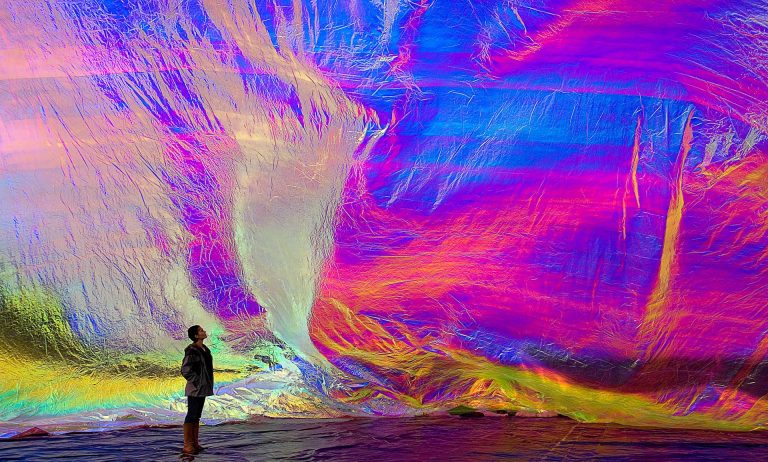
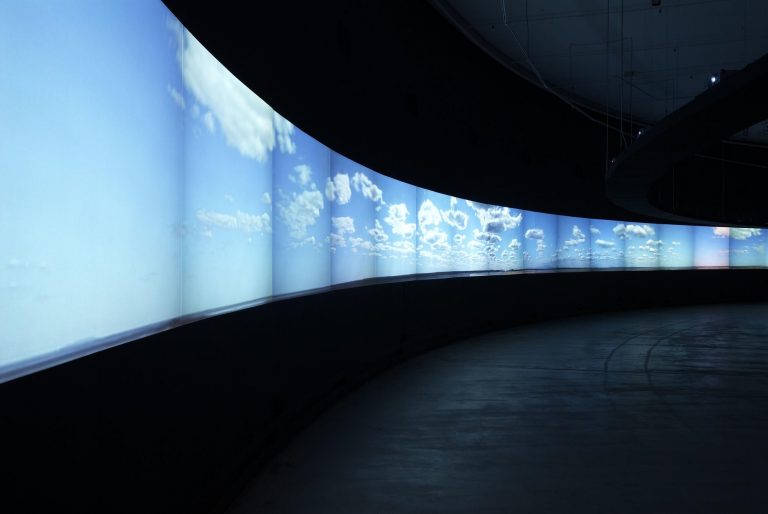
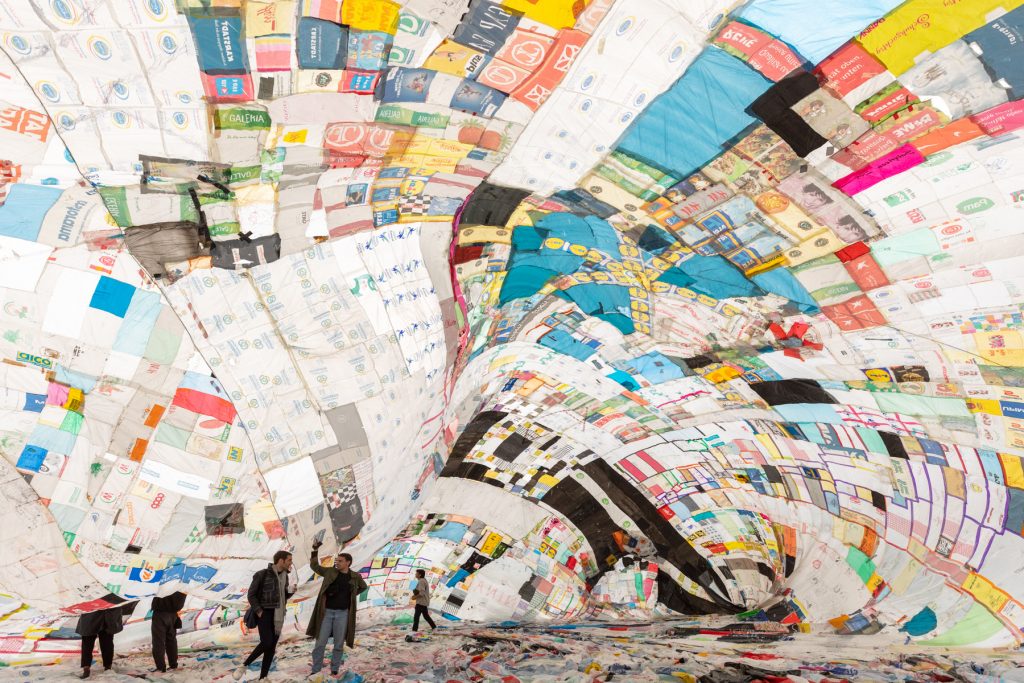
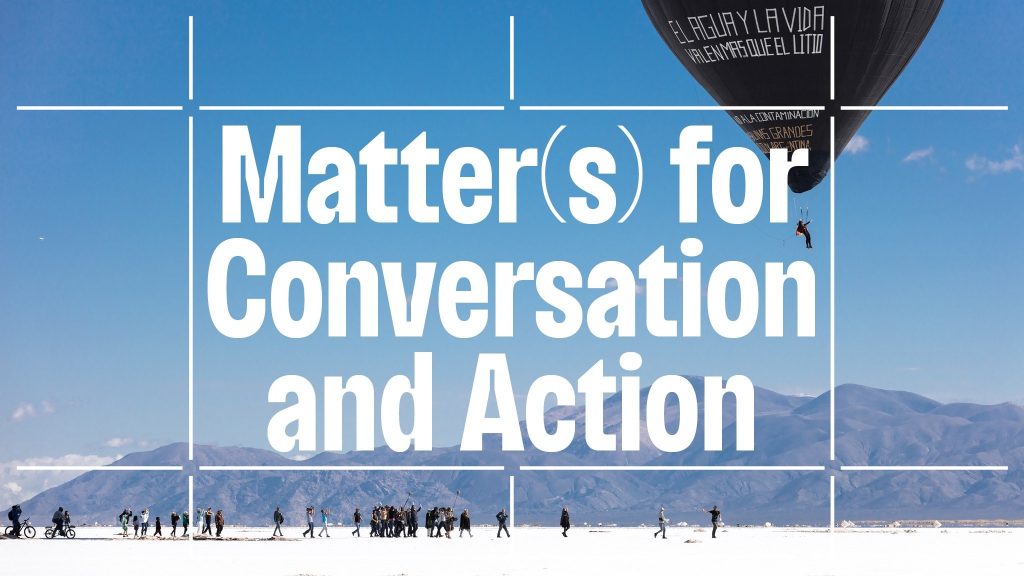
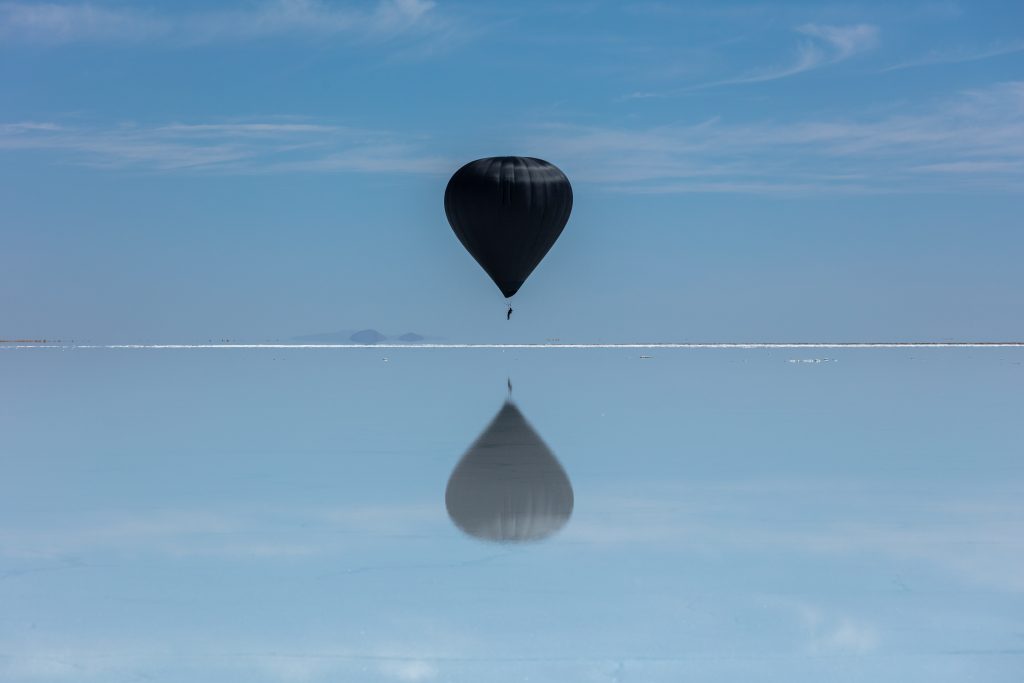
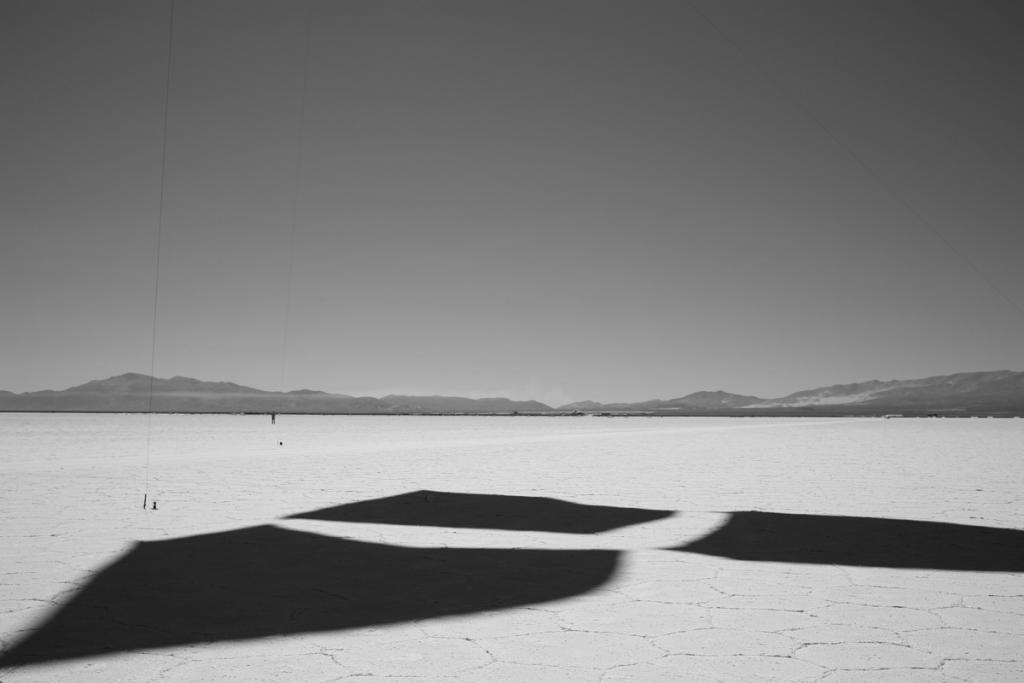
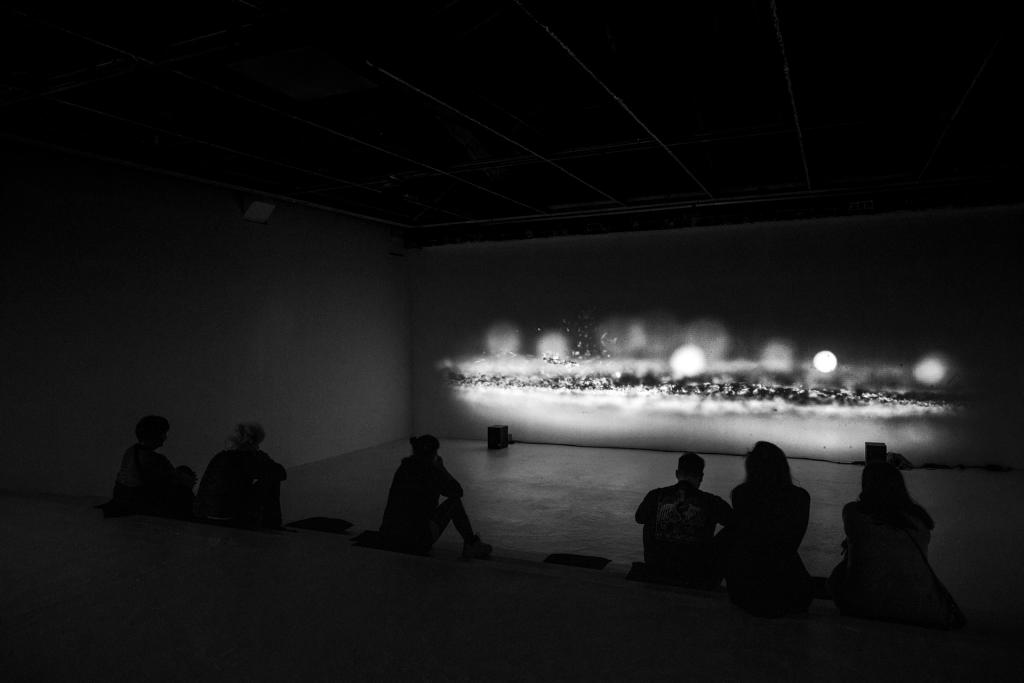
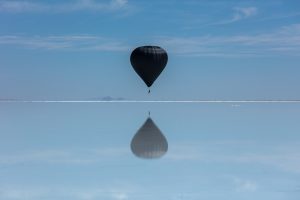
Fly with Pacha, Into the Aerocene, 2017—2023. Installation view from Complementarities at Red Brick Art Museum, Beijing, China, 2024. Curated by Yan Shijie. Photography by Xing Yu. Courtesy Aerocene, the Indigenous Communities of Salinas Grandes and Laguna de Guayatayoc.
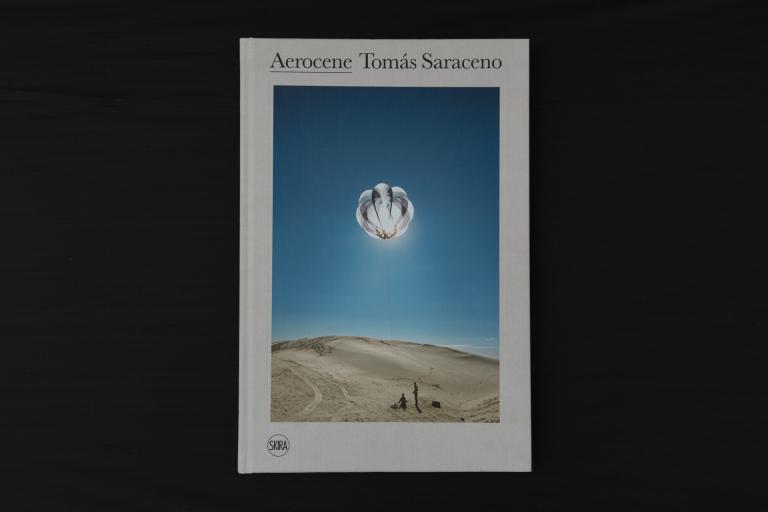
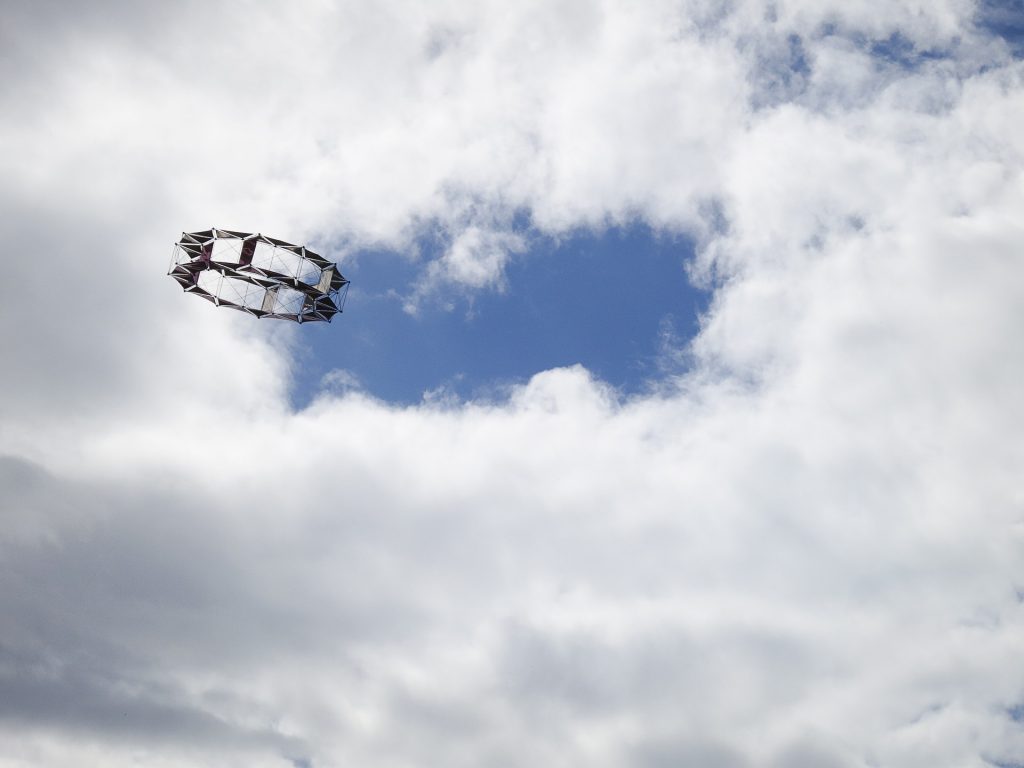
Towards a New Era: Aerocene
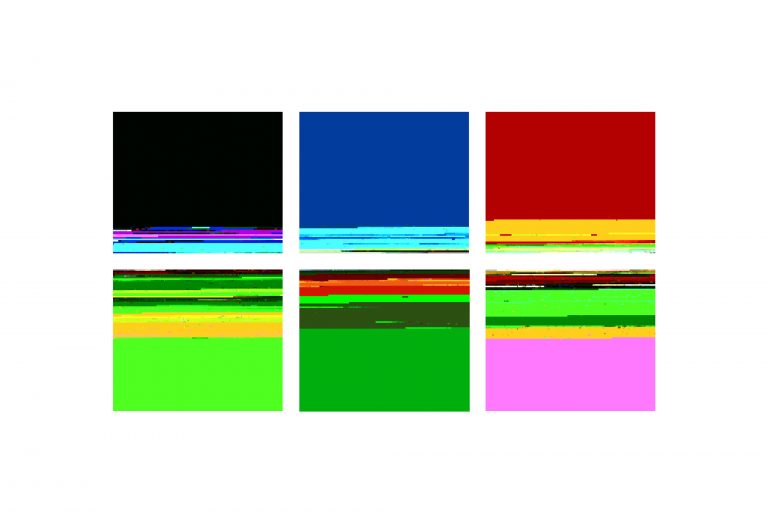
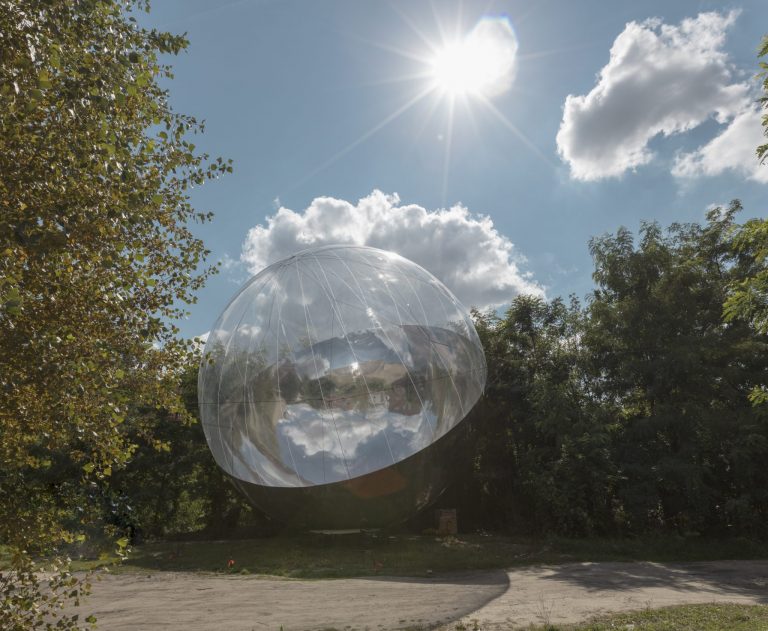
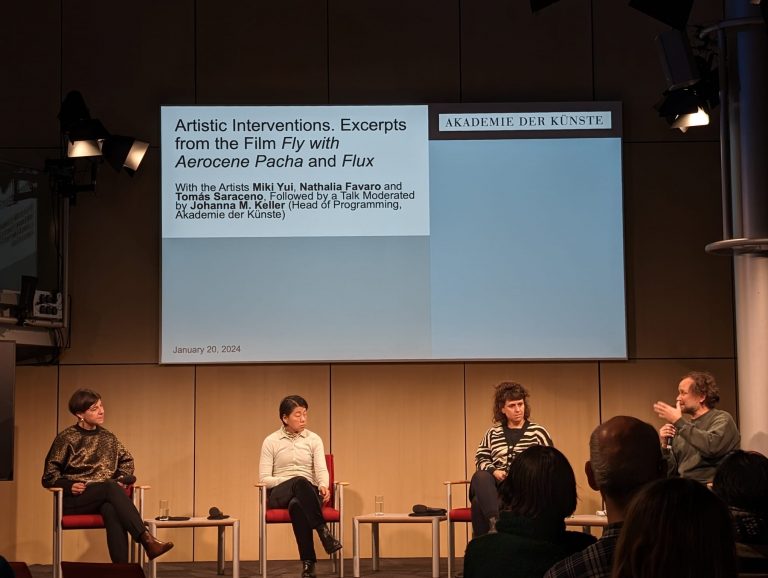
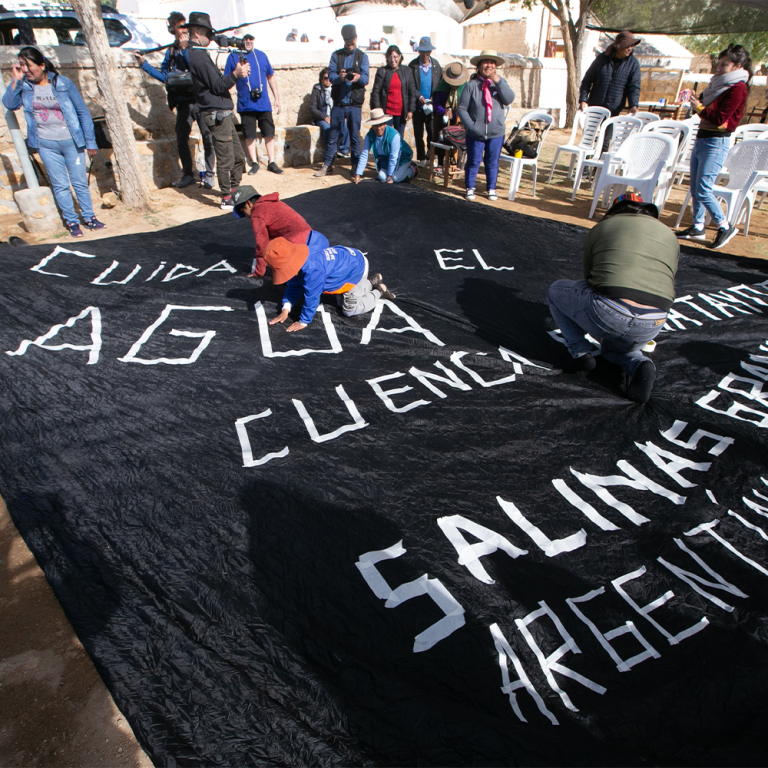
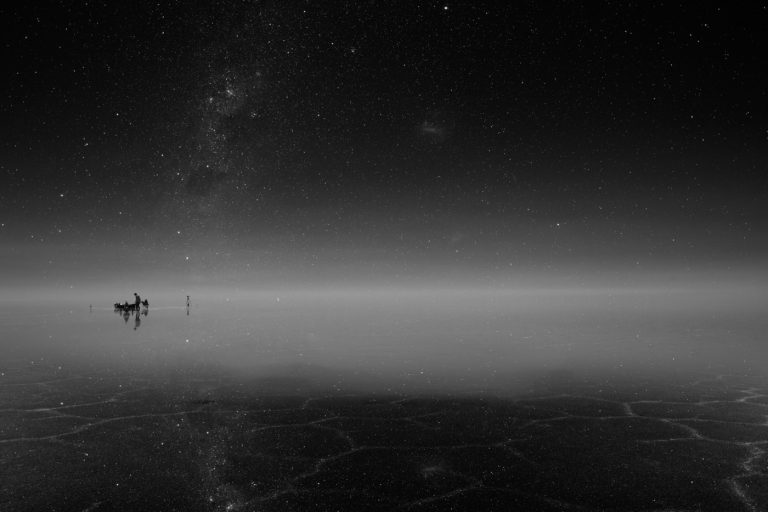
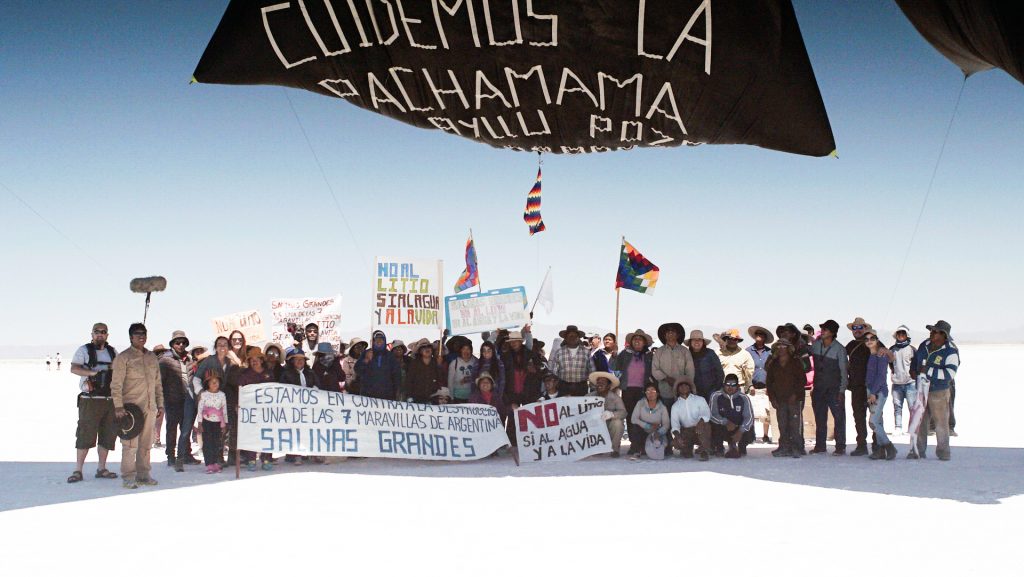
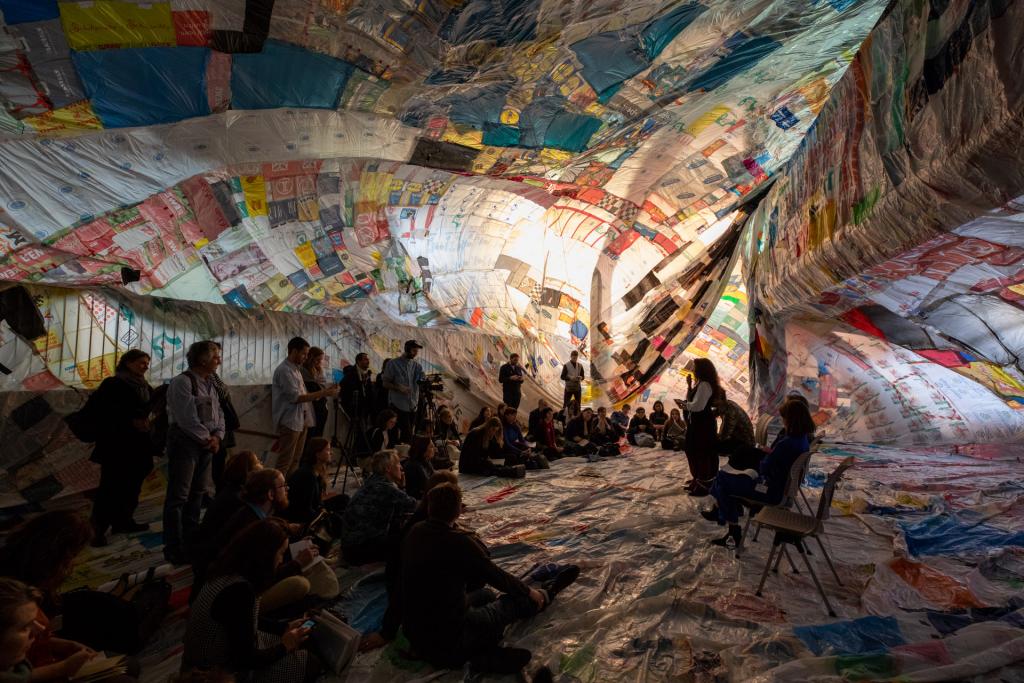
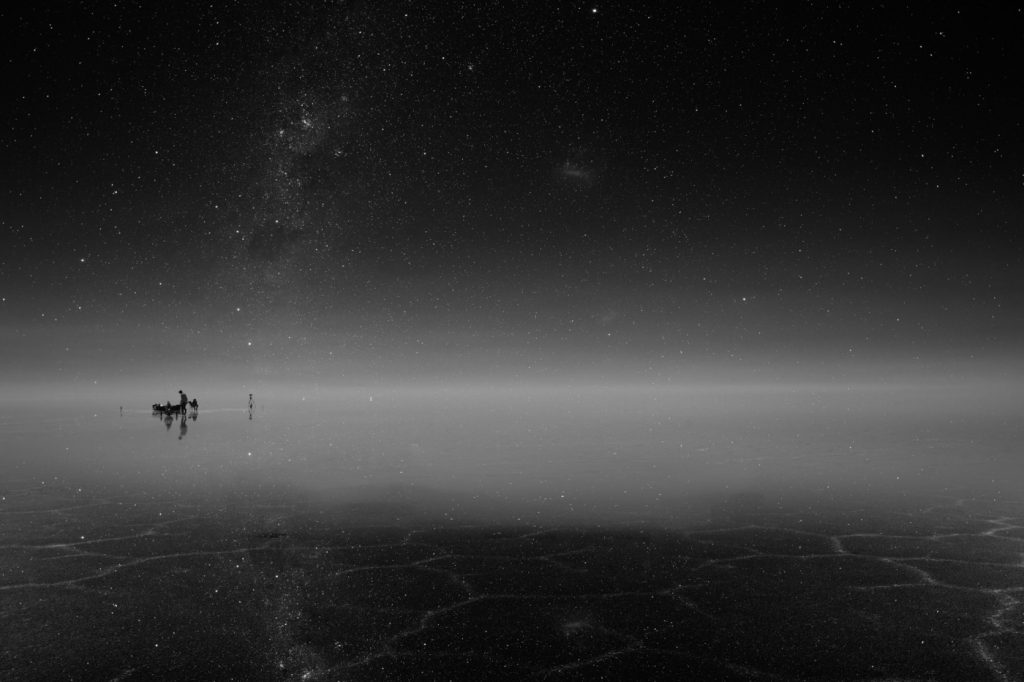
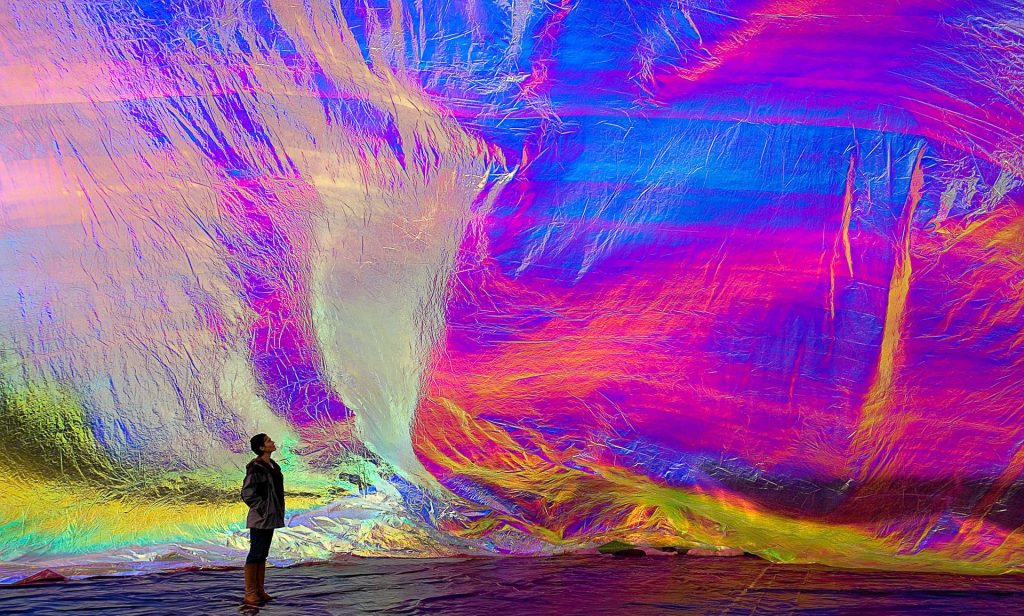
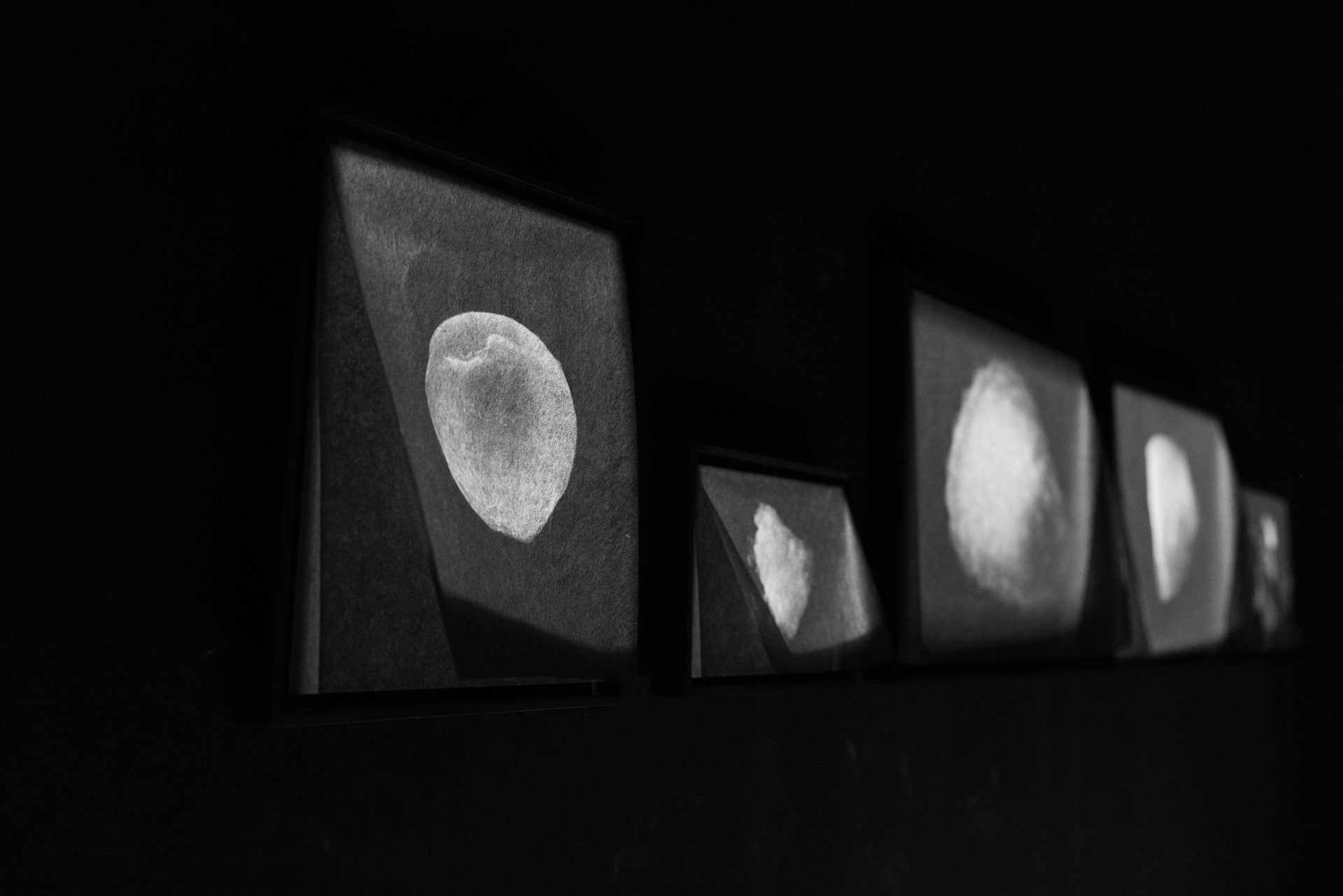
The exhibition features Fly with Pacha, into the Aerocene, a film by Aerocene, directed by Maximiliano Laina and Tomás Saraceno. In the Andean culture, Pacha is a superior energy that organizes and harmonizes all inhabitants in the Cosmos. Fly with Pacha, into the Aerocene is a collaborative, ongoing movie, a message, a sculpture, a journey around the sun with Pachamama, a space-time towards an era of complementarities. Initiated in 2017, with additional archival fragments dating from 2006 onwards, this project is an ongoing dialogue with the communities of Salinas Grandes and Laguna de Guayatayoc.
With these communities a performance was co-organized in solidarity with Kollas Indigenous Peoples, protecting their ancestral lands from lithium extraction, for eco-social justice in the name of the peoples of the Global South. Faced with the worsening of the climate crisis and the urgency of the energy transition, the message that rose from the January 2023 meeting was: “In complementarity we take care of the water. We no longer want to be a sacrifice zone.”
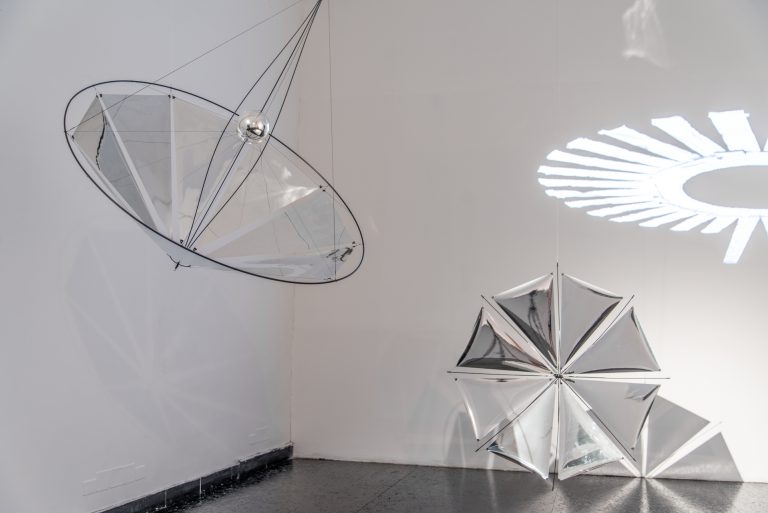
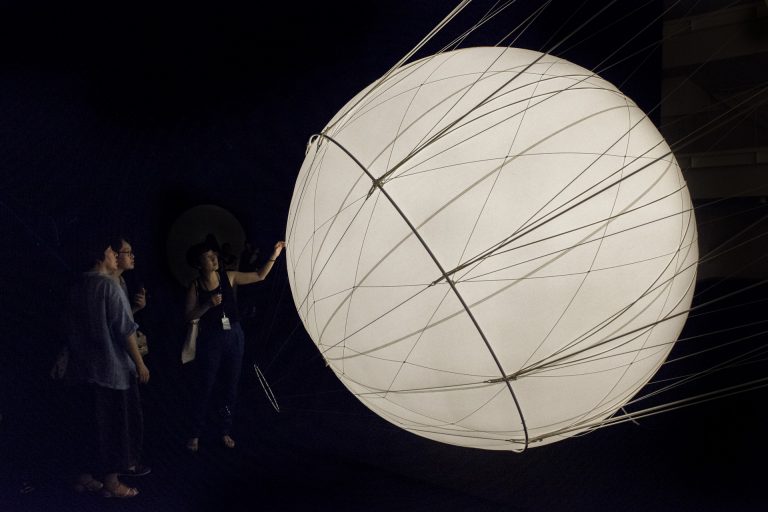
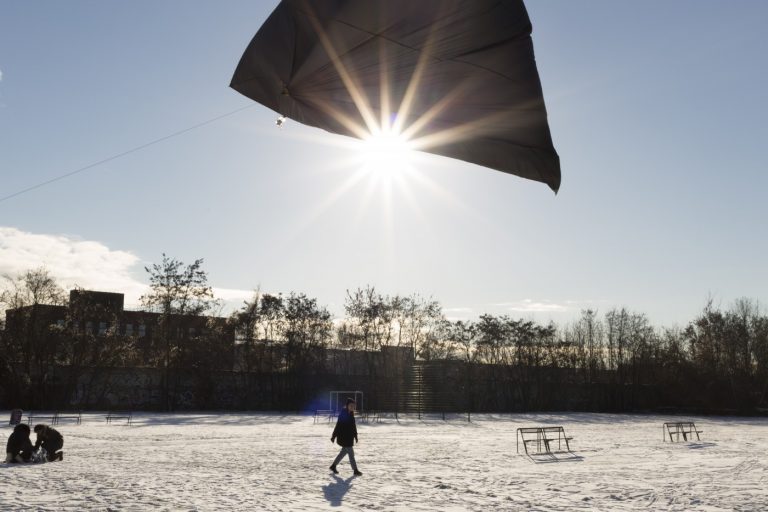
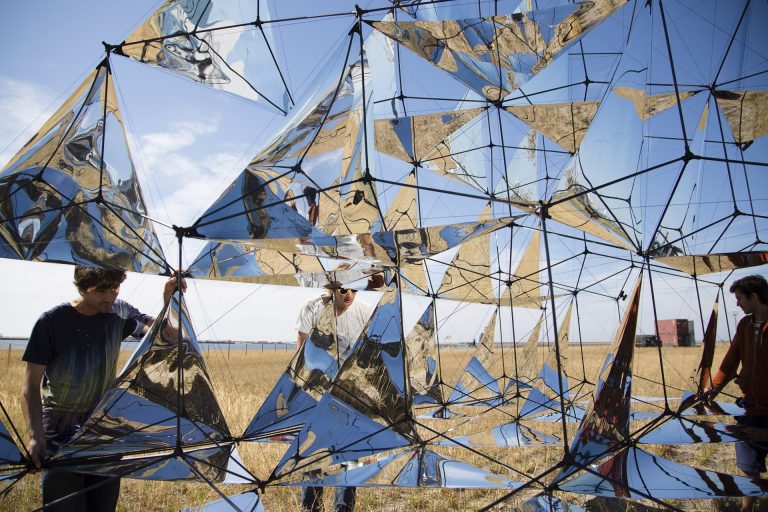
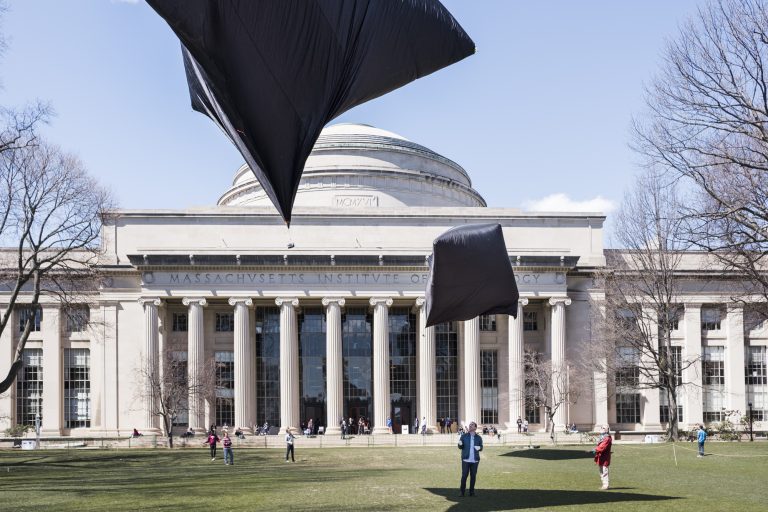
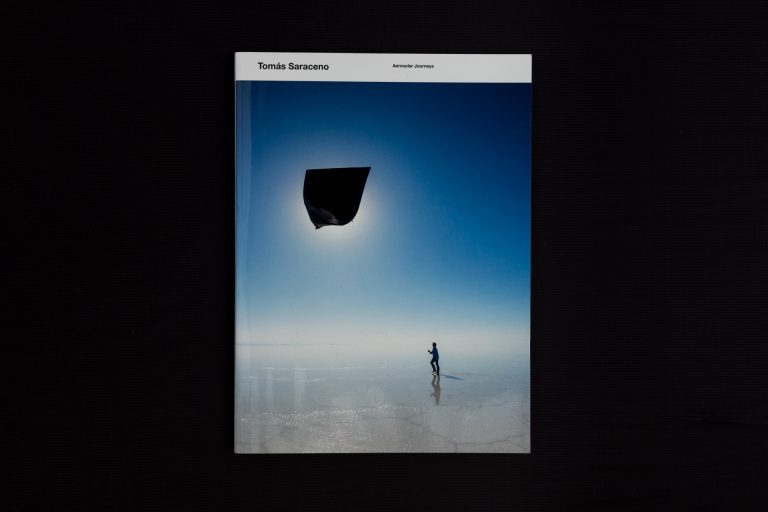
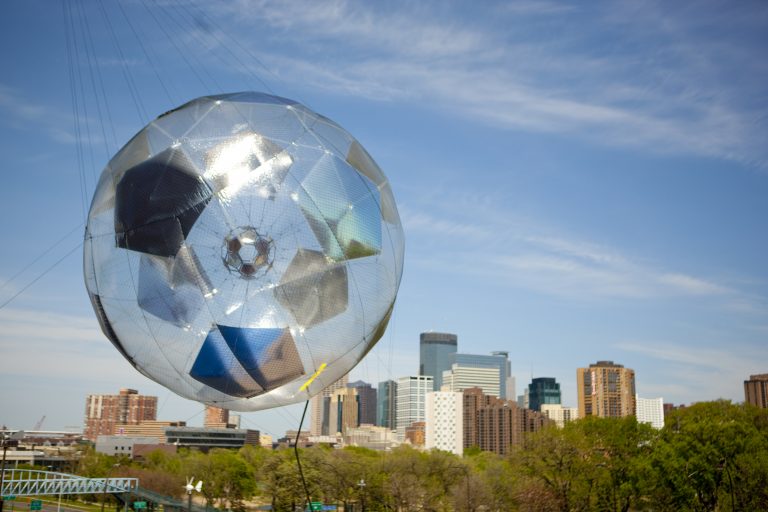
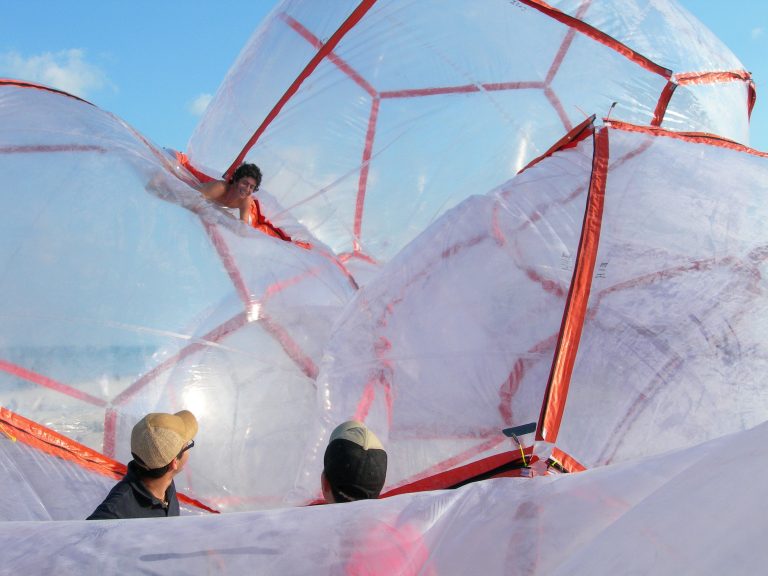
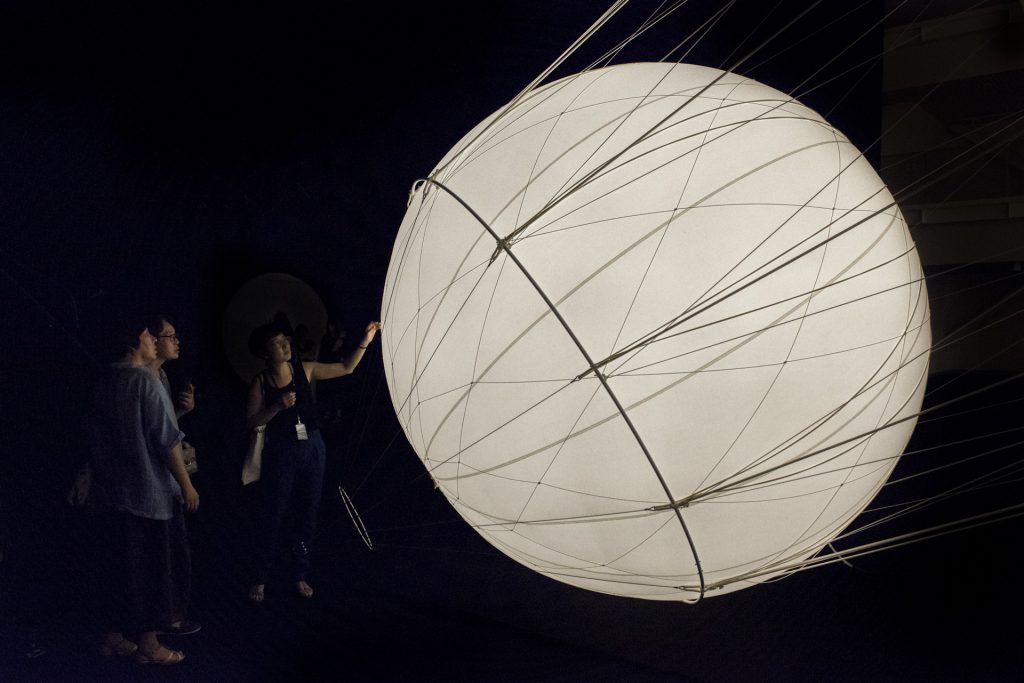
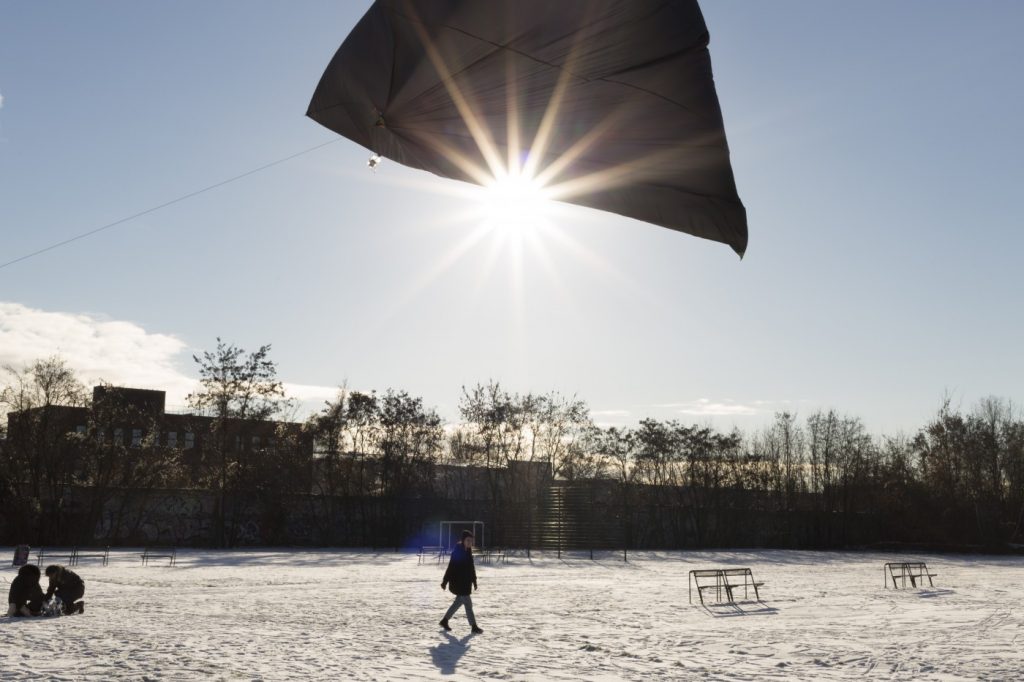
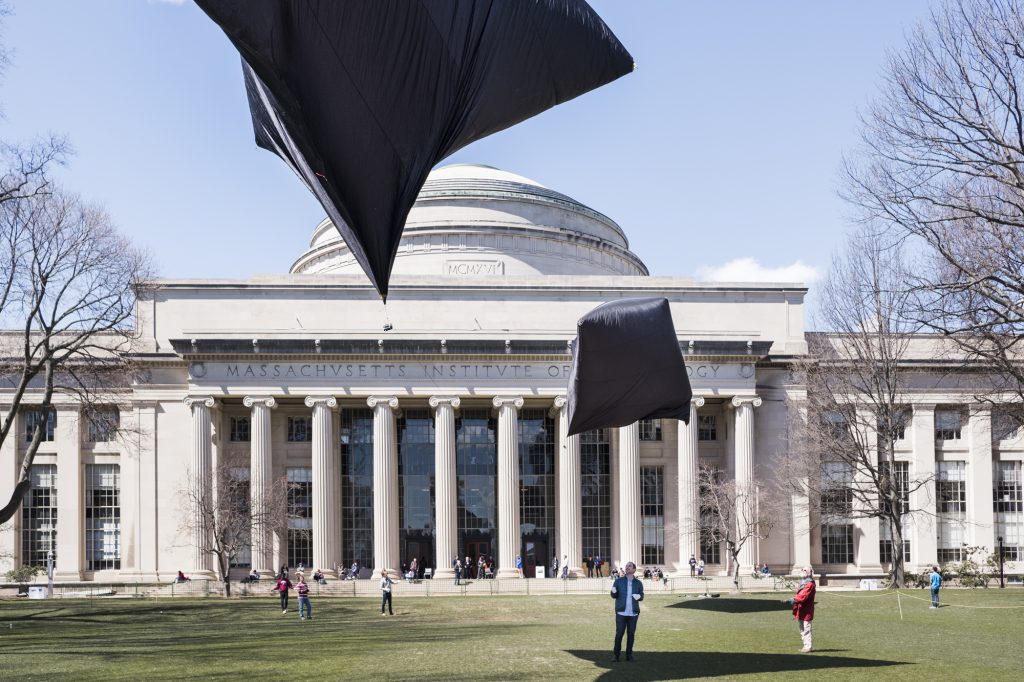
Part of the film also documents the flight of an aerosolar performance over the vast salt flats of Salinas Grandes, Argentina in January 2020. The flight of Aerocene Pacha rose using only the air and the sun, completely free from fossil fuels, batteries, lithium, helium, and hydrogen, becoming the most sustainable flight in human history. This journey set 32 world records, recognised by the Fédération Aéronautique Internationale (FAI), with Aerocene pilot Leticia Noemi Marques who flew with the message “Water and Life are Worth More than Lithium” written with the communities. As stated by sociologist Maristella Svampa, “In this aerocenic 21st century, in which ancestral, feminist and ecological struggles must be our greatest sources of inspiration, we will have to redefine and think about a horizon of just transitions, which point to an alternative system of social relations and links with nature.”
In this context, Aerocene’s flight brings urgent messages to certain multinational companies and governments that transcend geographies: certain companies and decision makers continue to develop at the expense of local communities, often in the Global South, as patterns of power have shown since colonization began more than 500 years ago. The energy transition is having an unequal impact on the world.
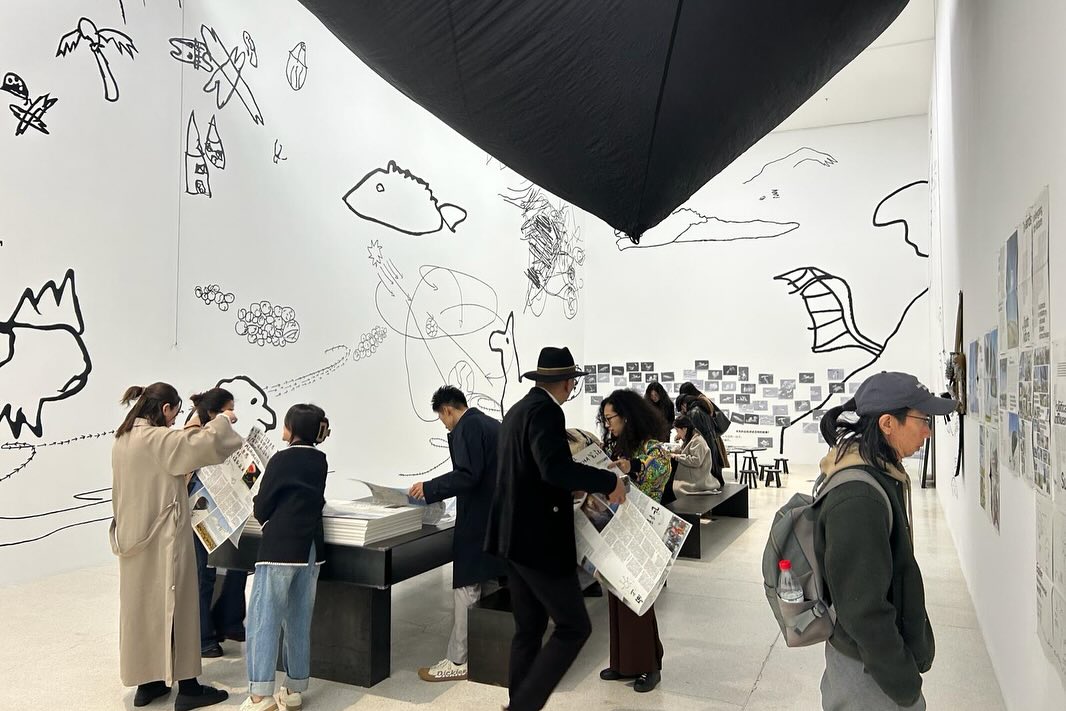

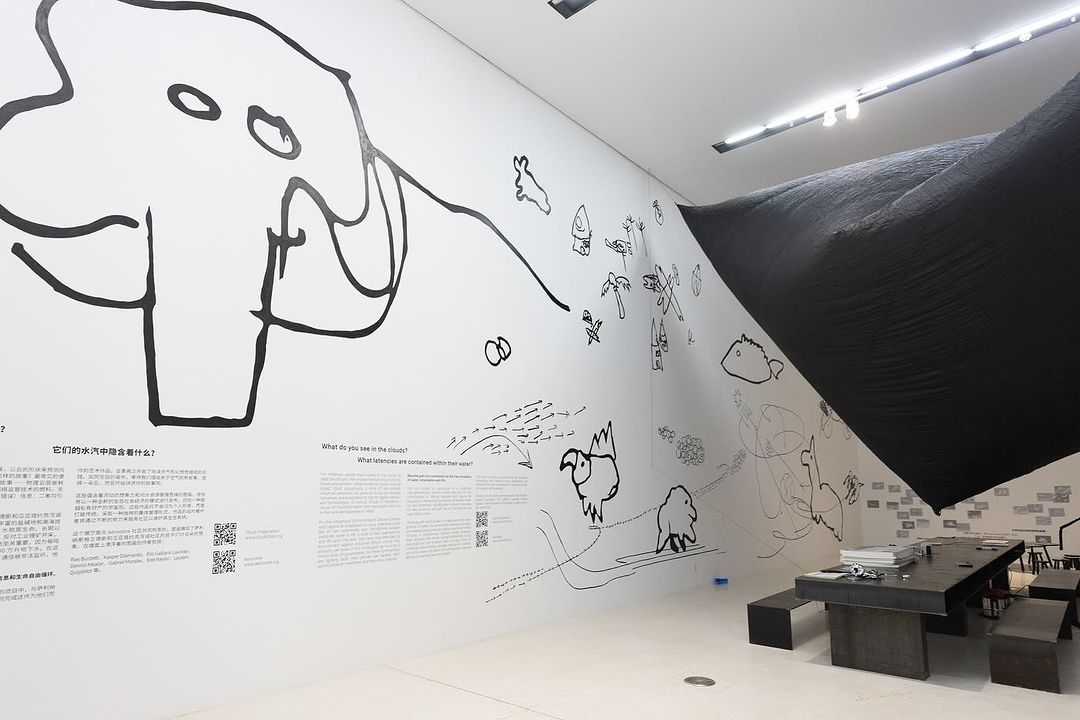
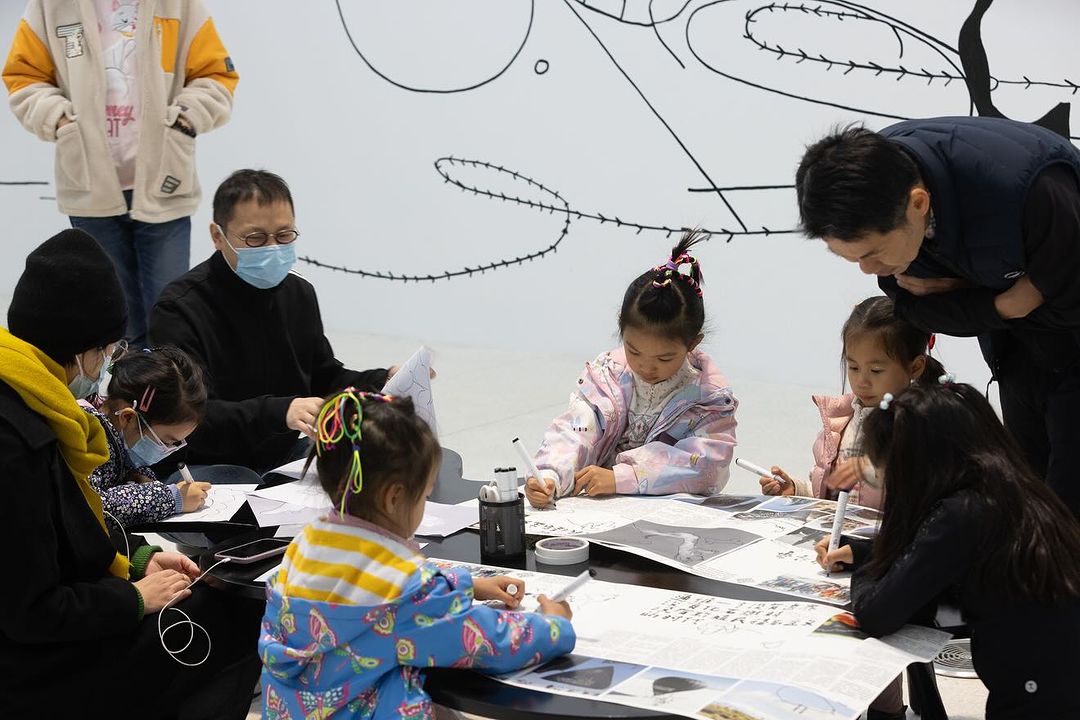
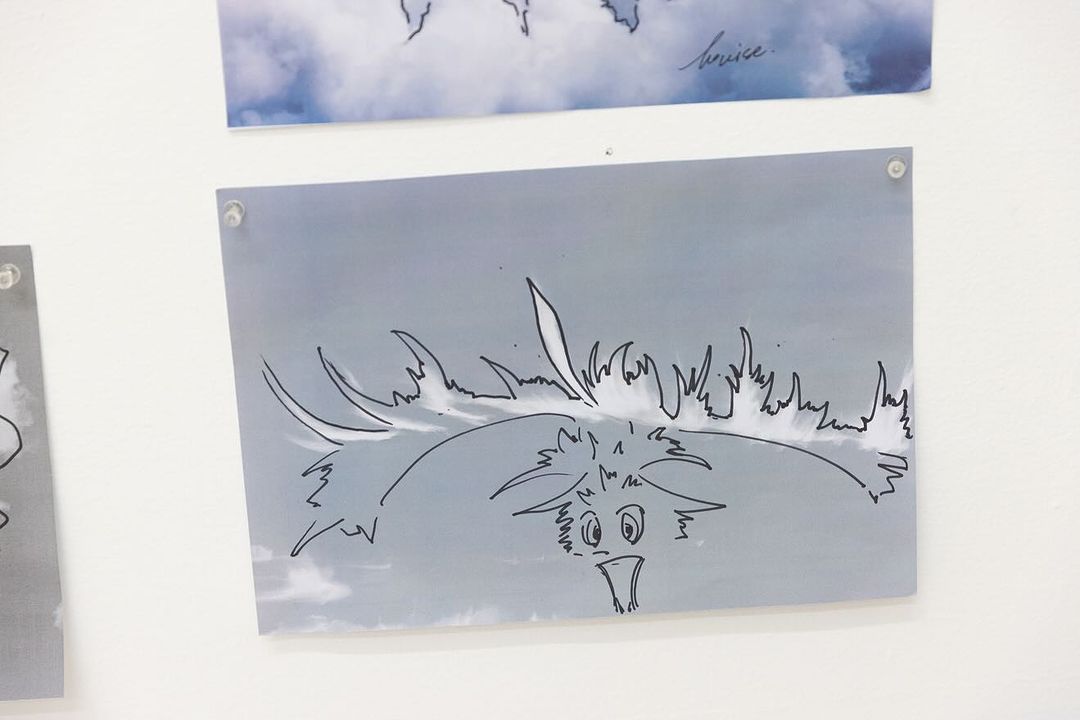
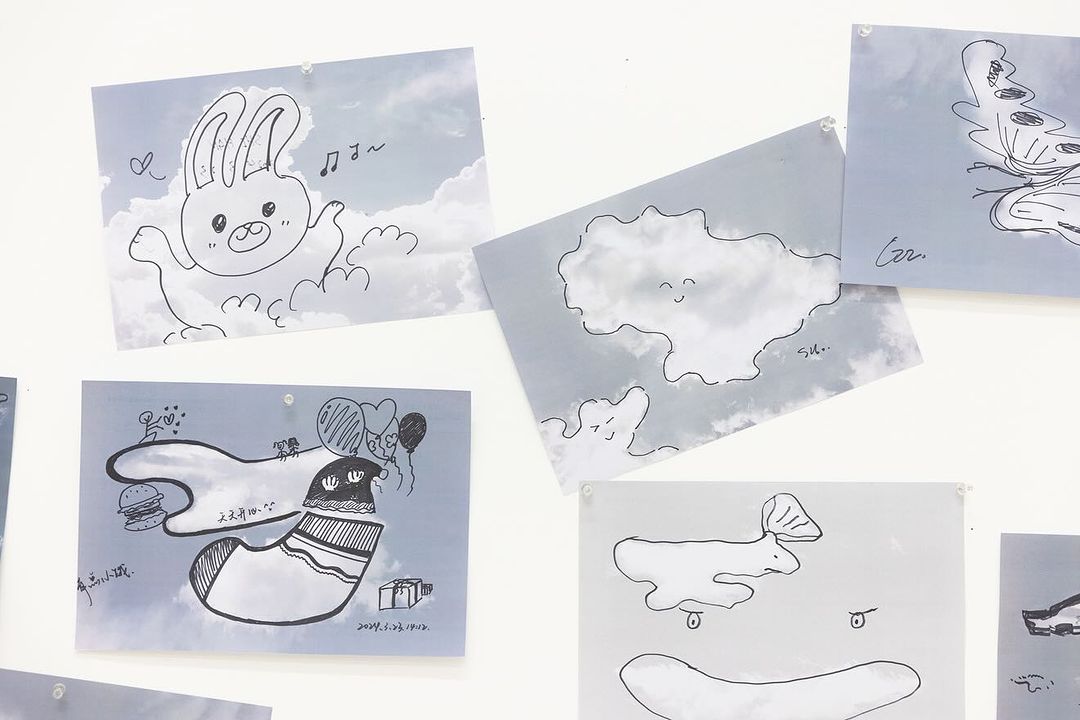
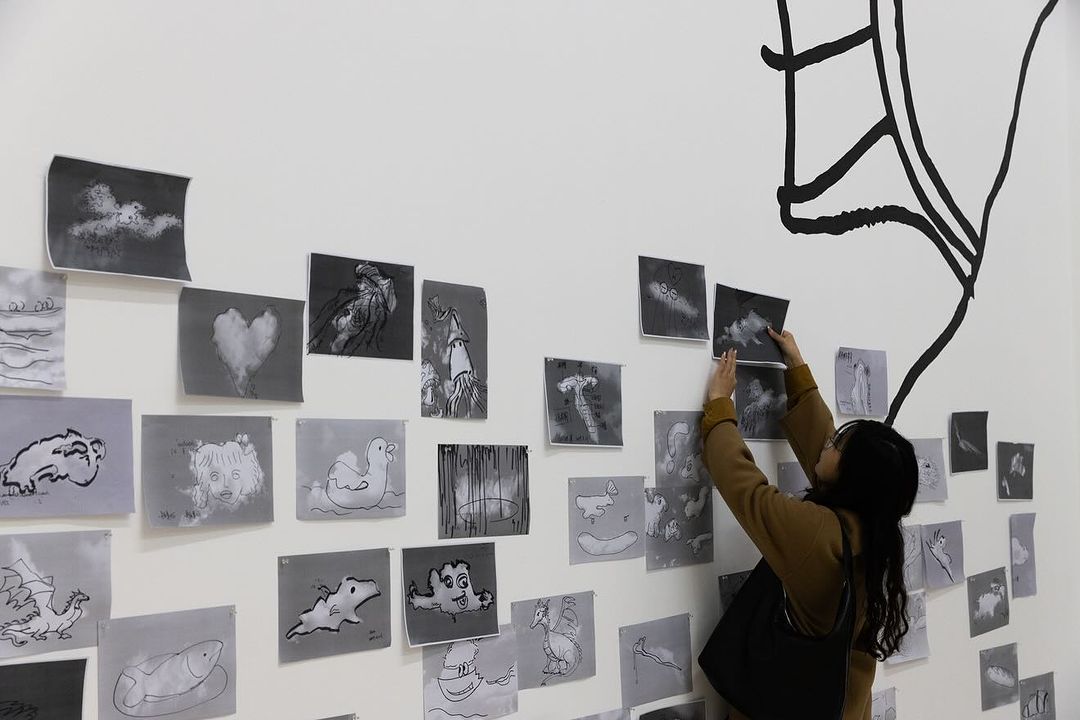
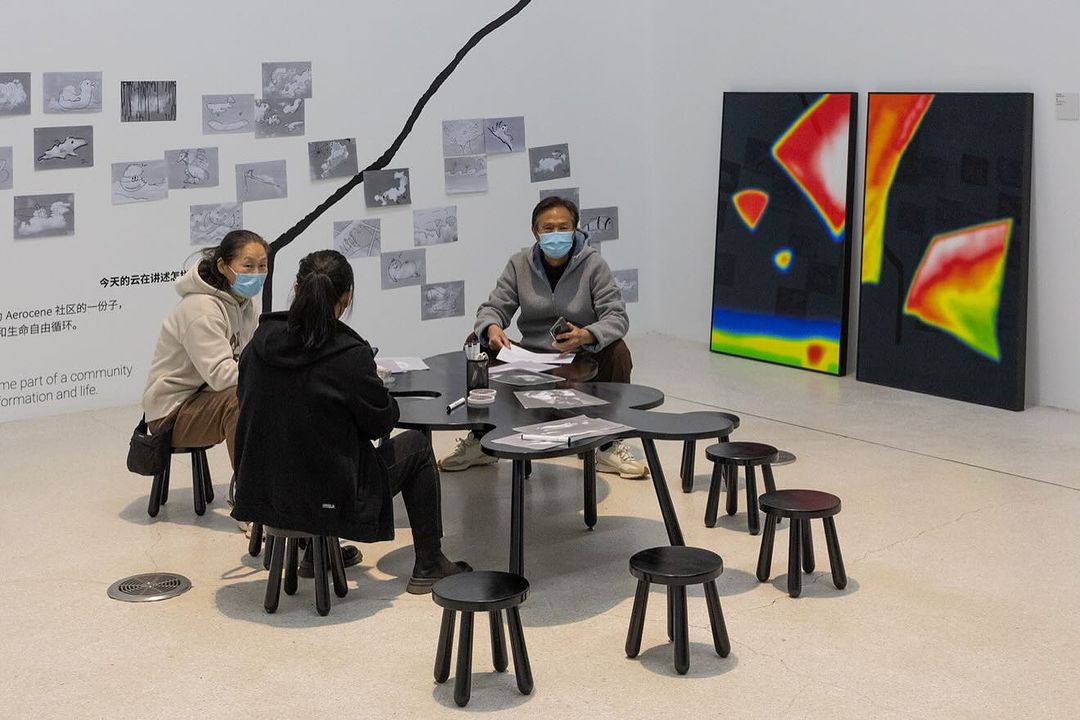
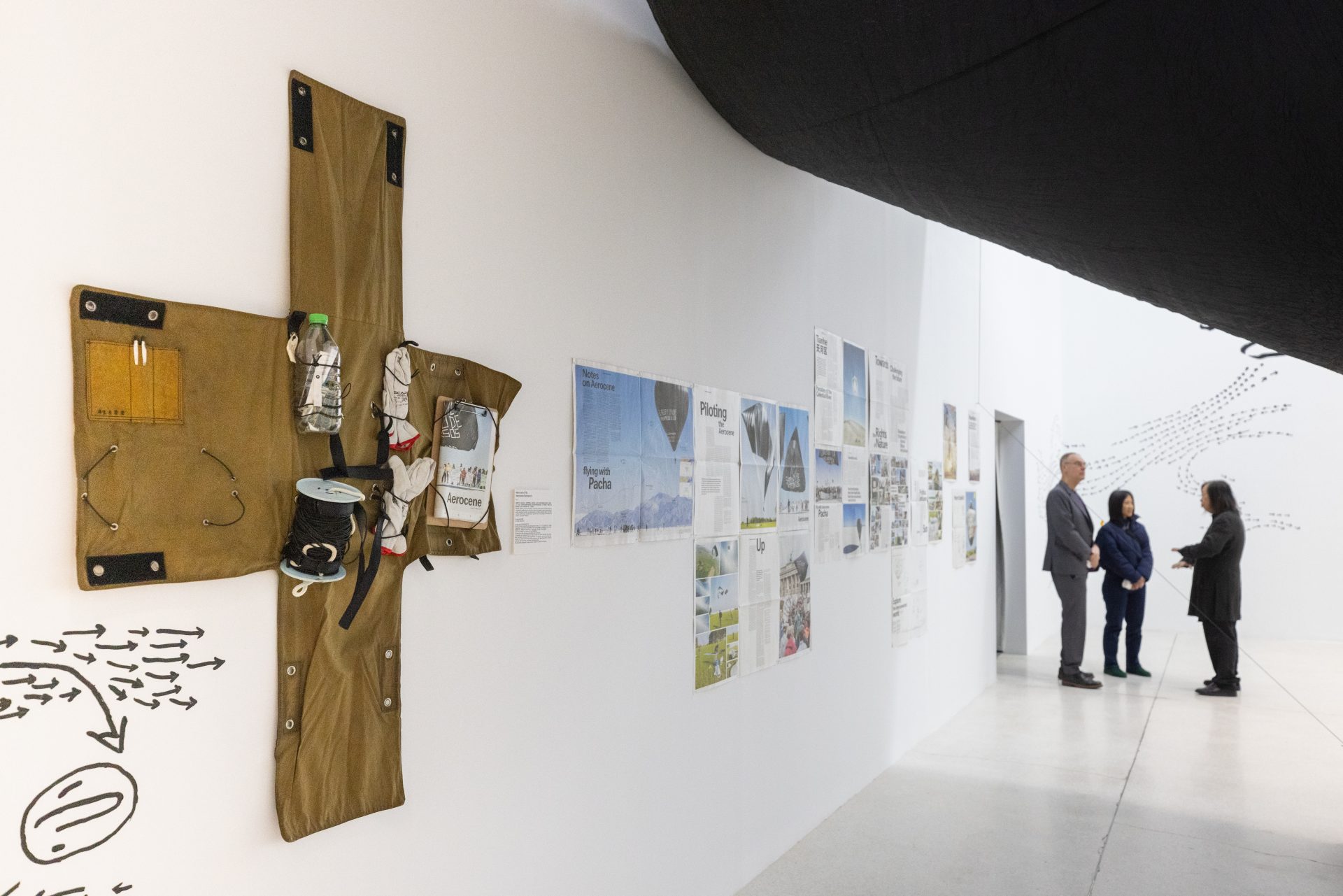
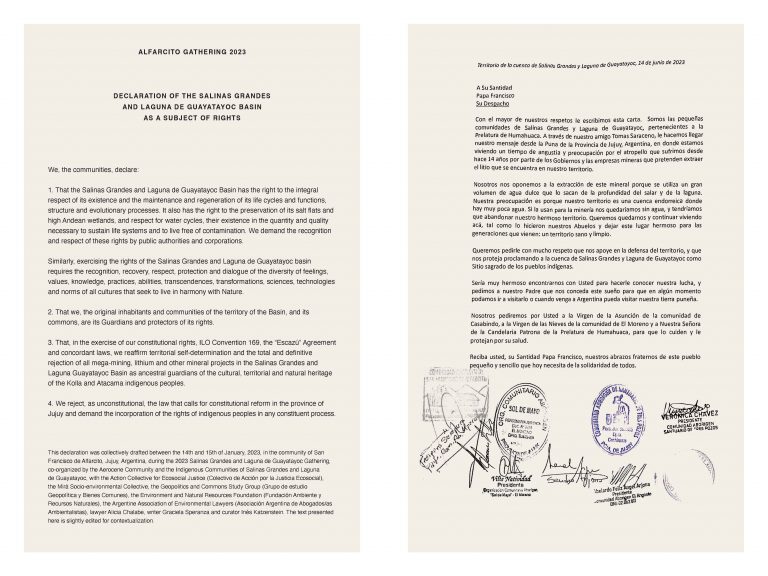
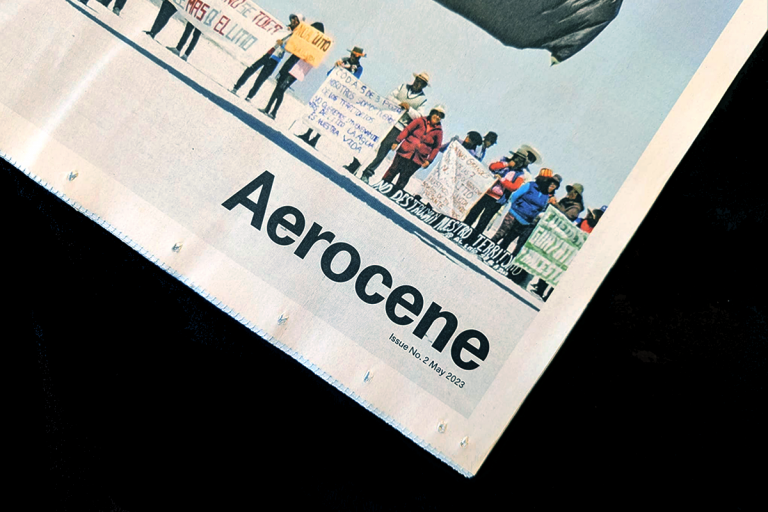
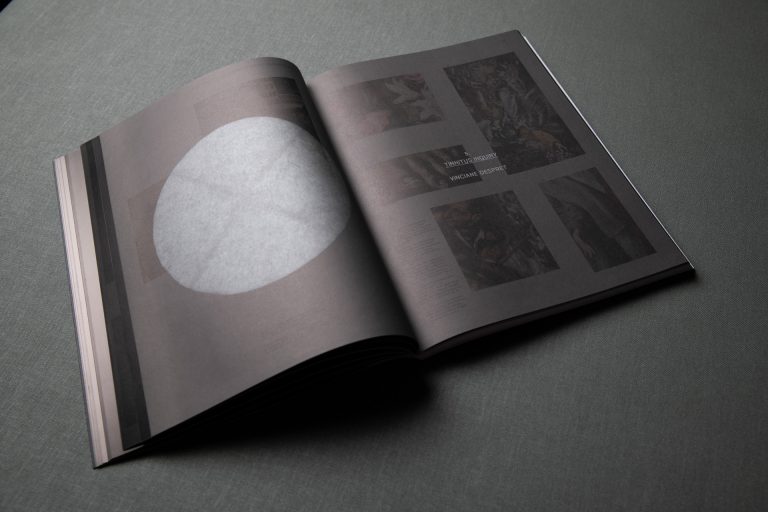
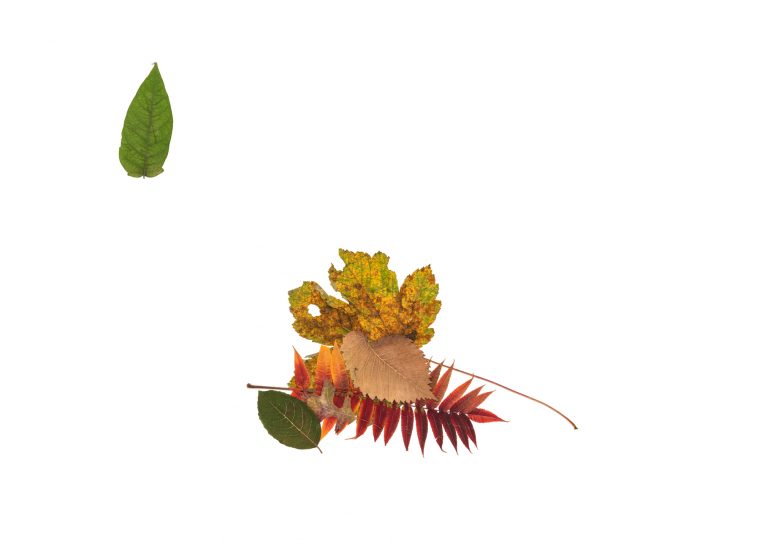
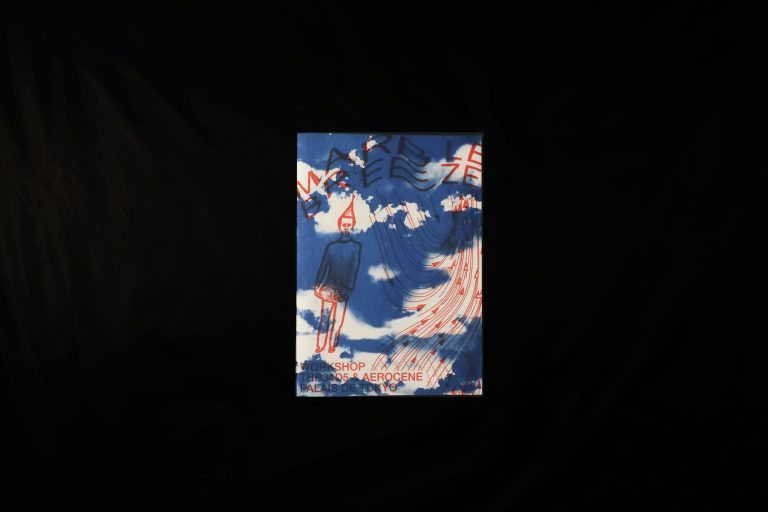
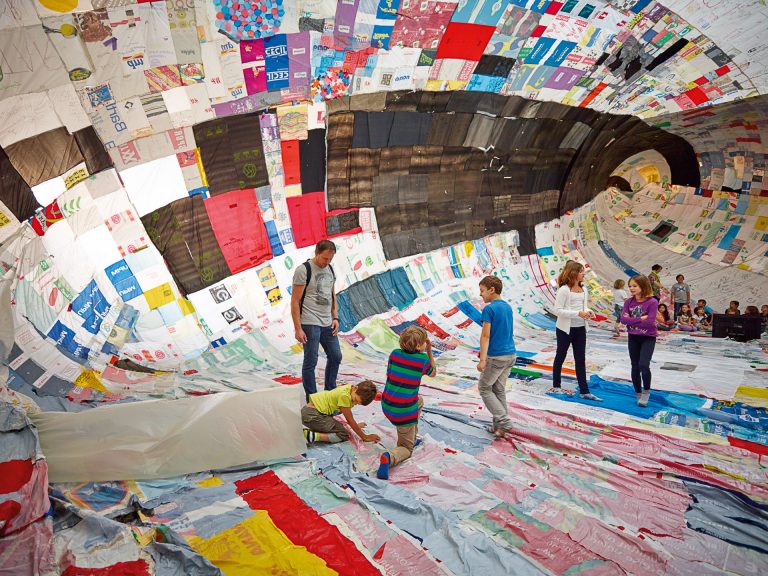
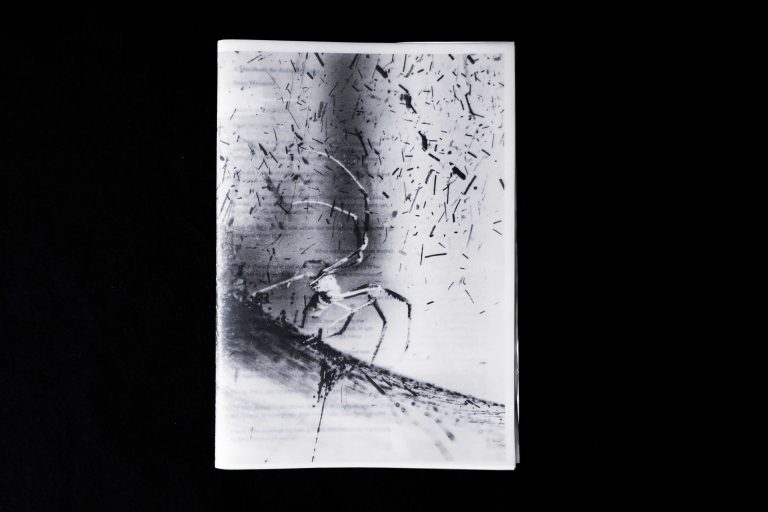
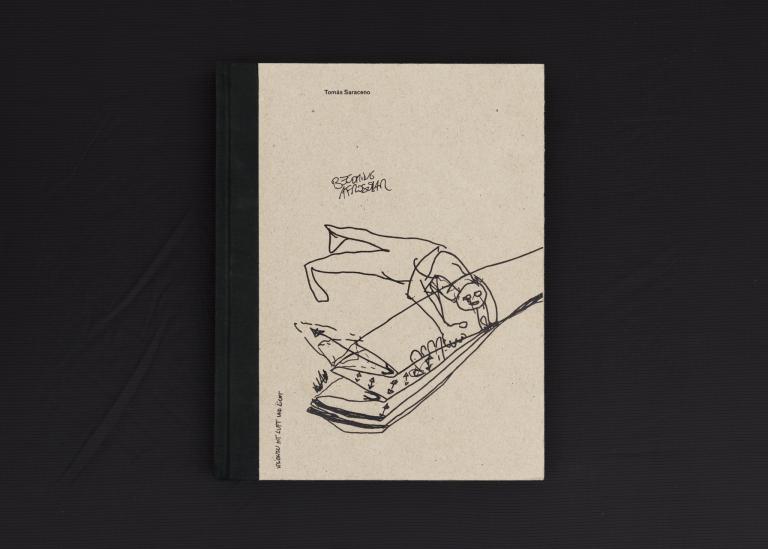
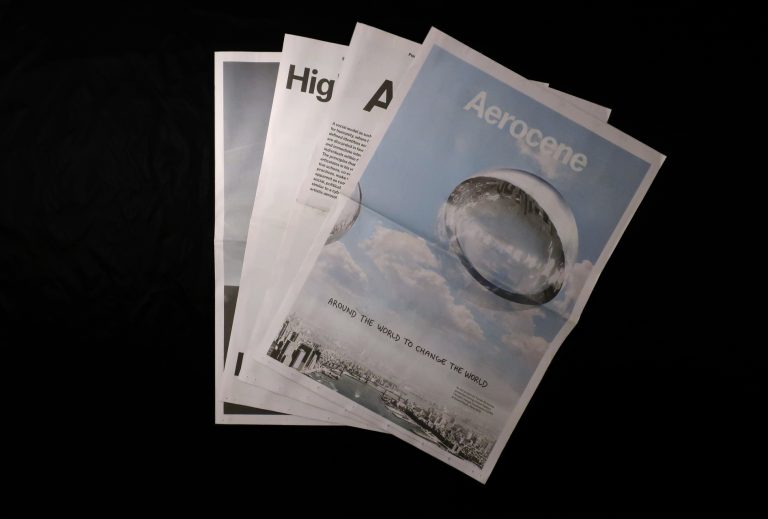
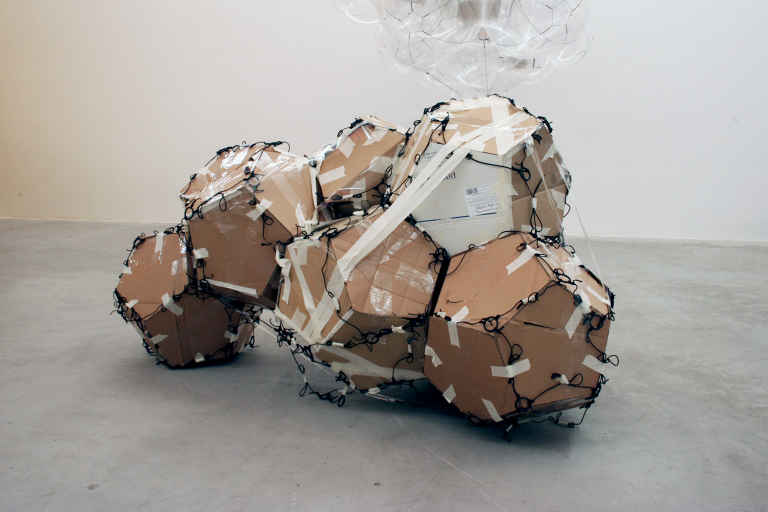
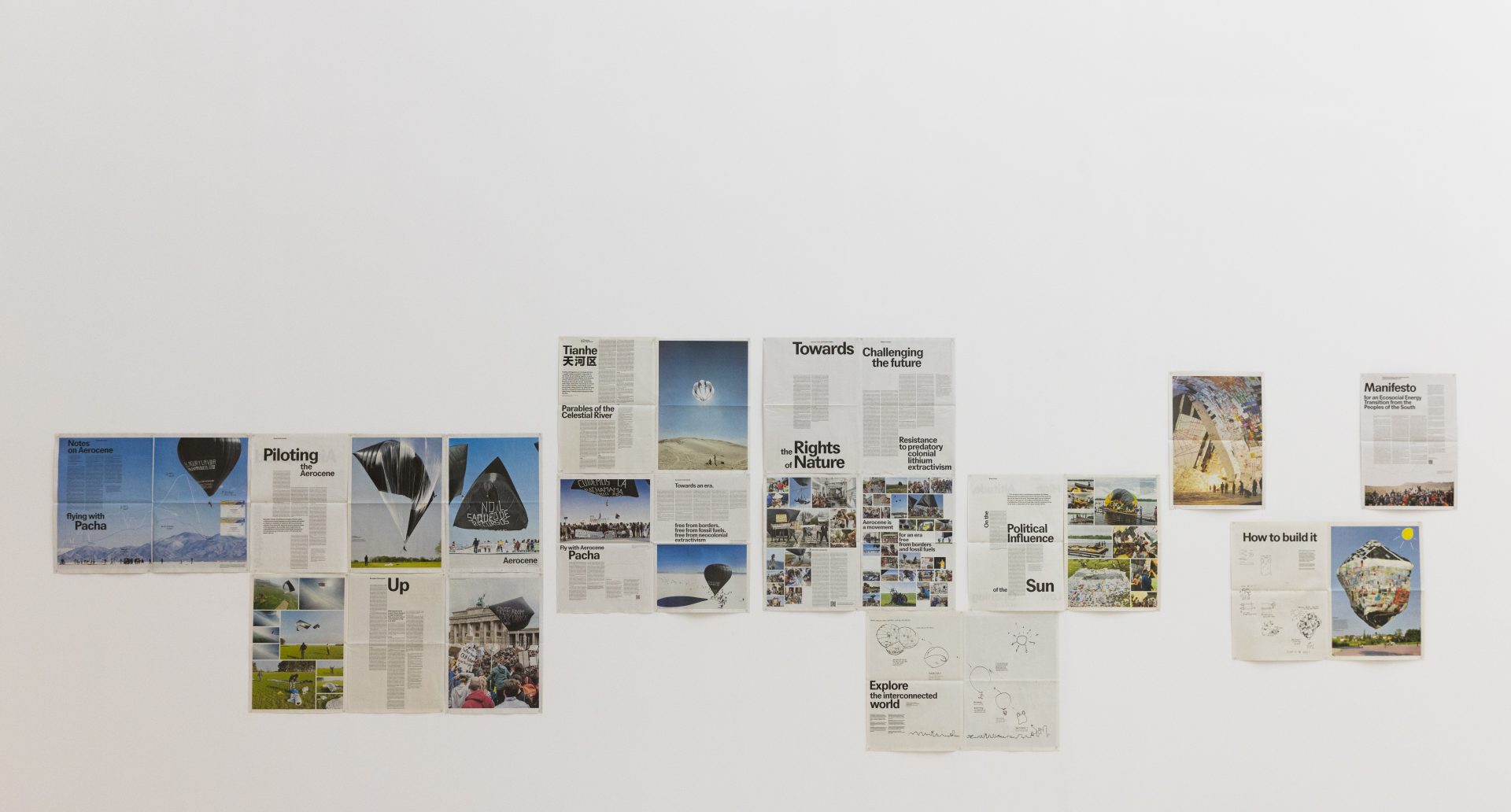
As part of the exhibition, visitors will also have the opportunity to enter the Cloud Imagination, Aerocene Community Room, where they are invited to draw upon the ocean of air and contribute to a growing repository of cloud-based knowledges at cloudcities.org, activated by an interactive tool for pareidolic ecologies. This inter-generational artwork is made with and for the communities of Salinas Grandes and Laguna de Guayatayoc, and uses a new eco-social, economic model, towards a cosmovision beyond private property. Participants are also invited to take home a newly produced Chinese edition of the Aerocene Newspaper, highlighting articles from the Aerocene Newspapers I and II; download the Aerocene App and float the rivers of the wind towards an ethical re-alliance with the environment; read The Declaration of Salinas Grandes and Laguna de Guayatayoc Basin as a Subject of Rights; or view the Aerocene Backpack and Aerocene-based prints Live(s) on Air and Recording Aerosolar, strengthening a DIT (Do-It-Together) ethos fostered by the Aerocene Community.
On Air
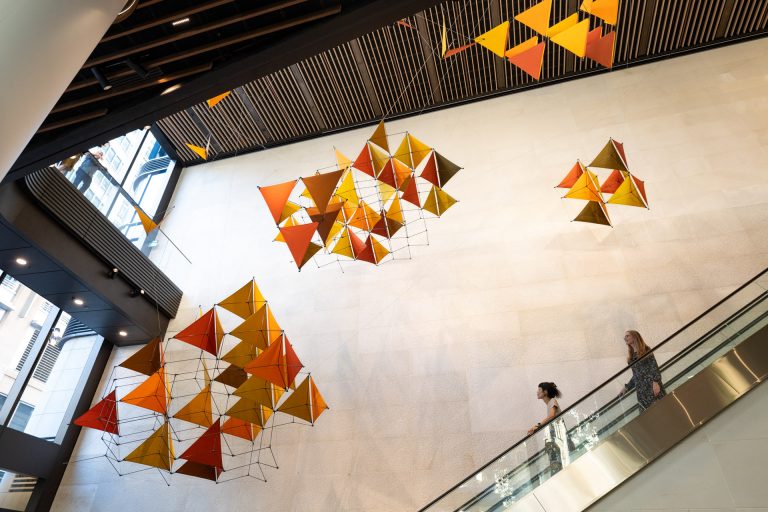
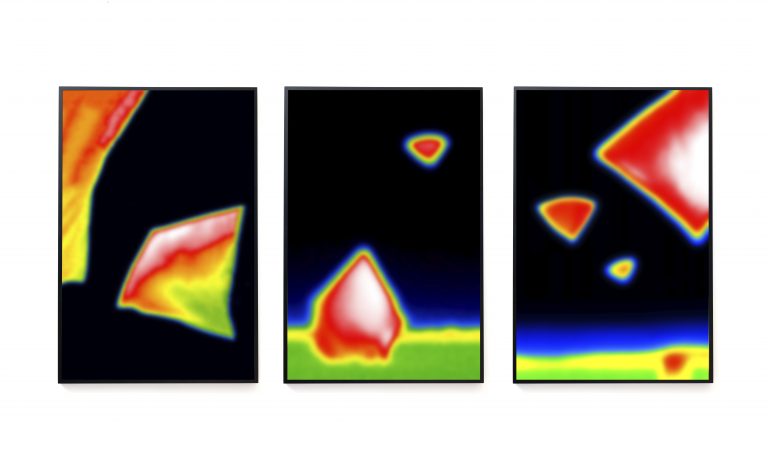
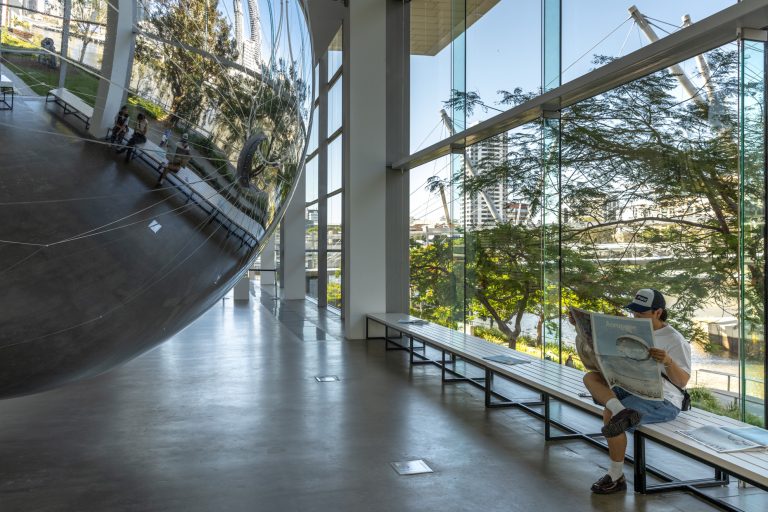
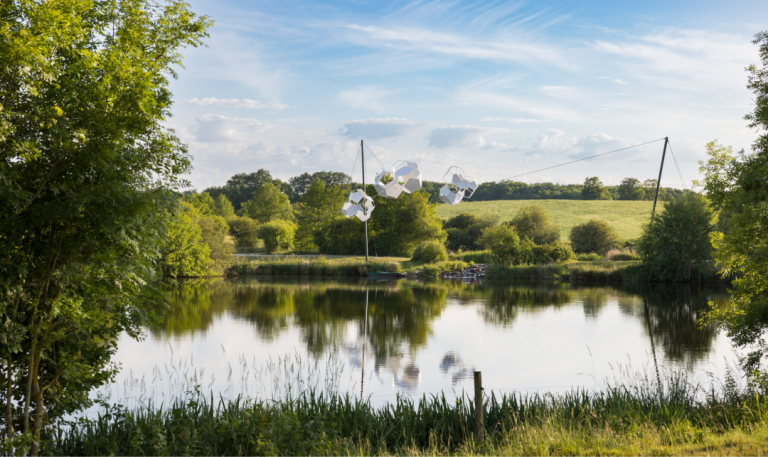
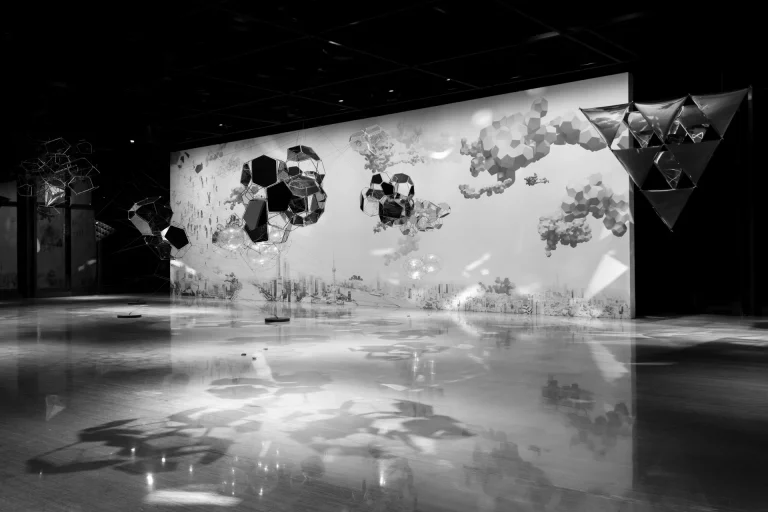
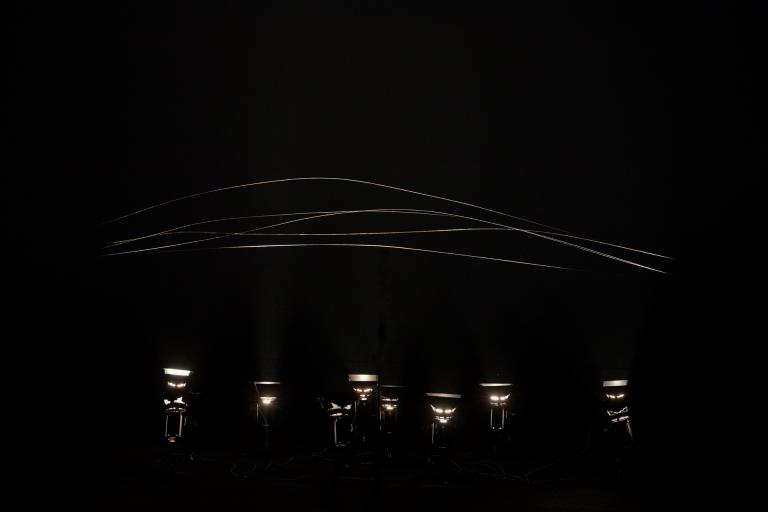
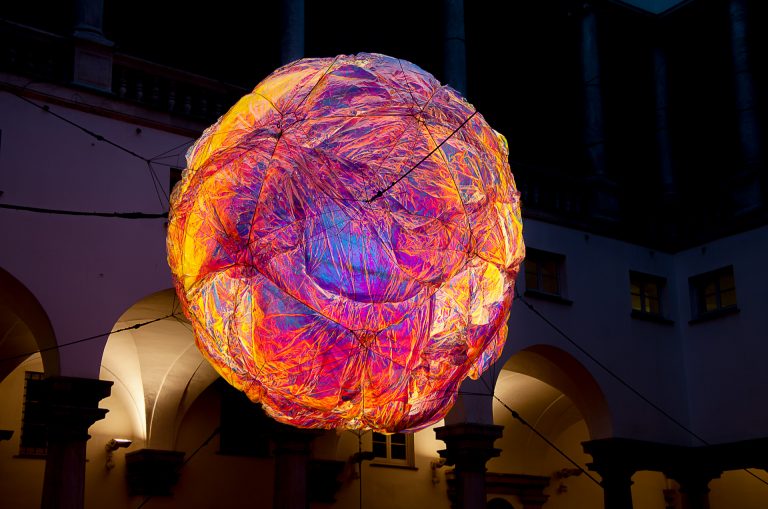
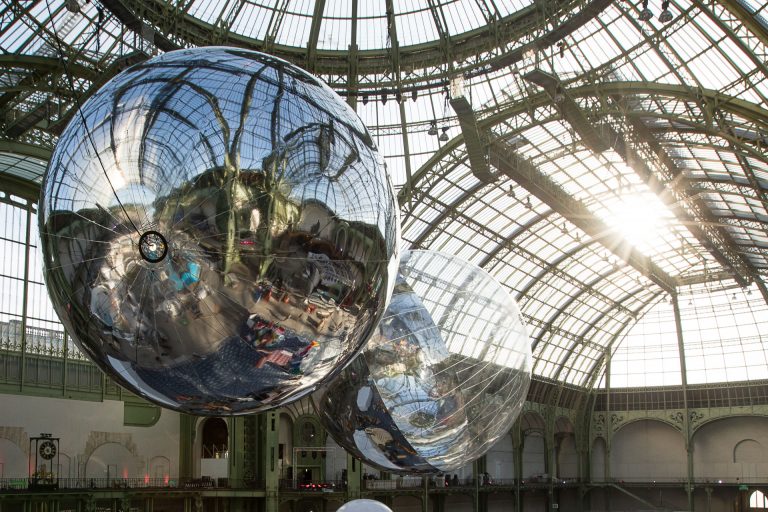
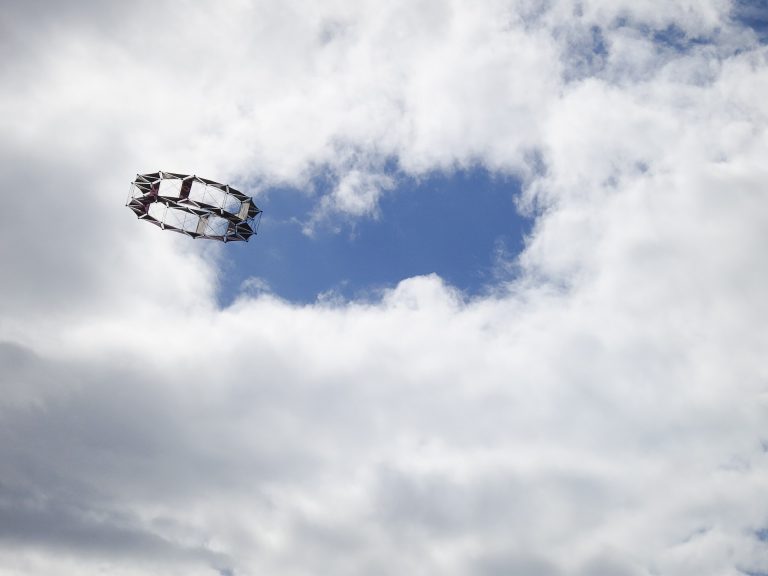
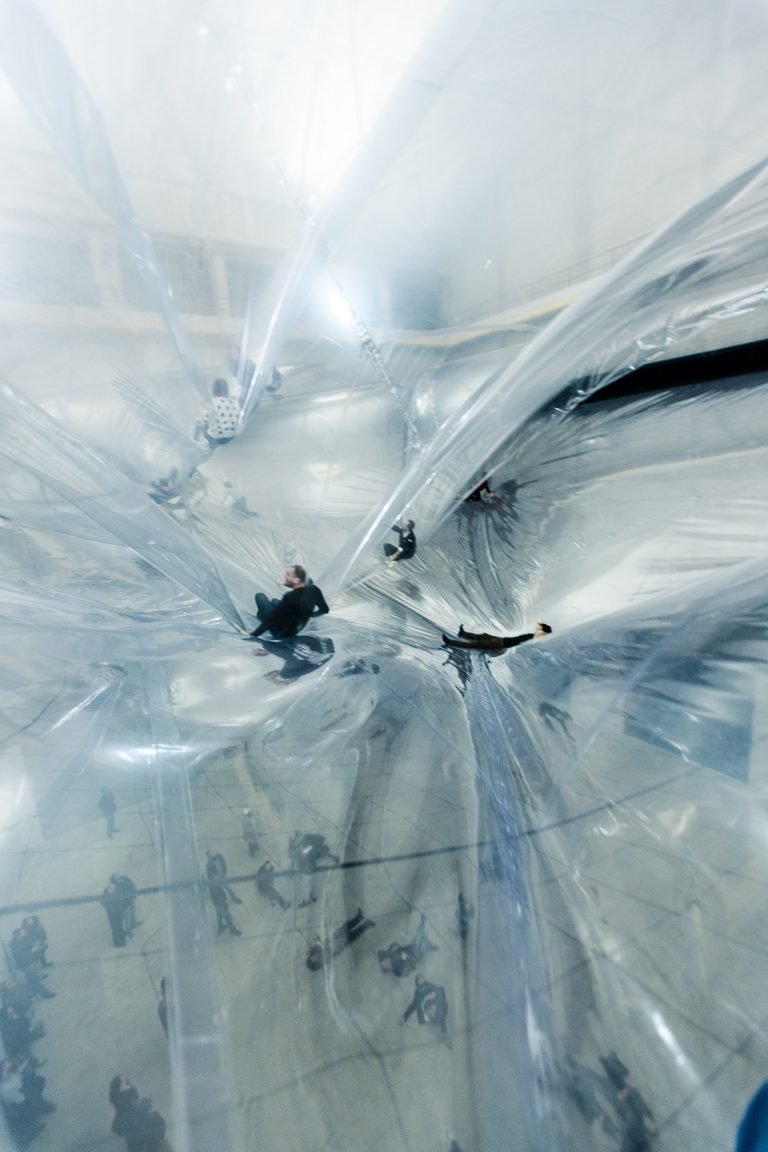
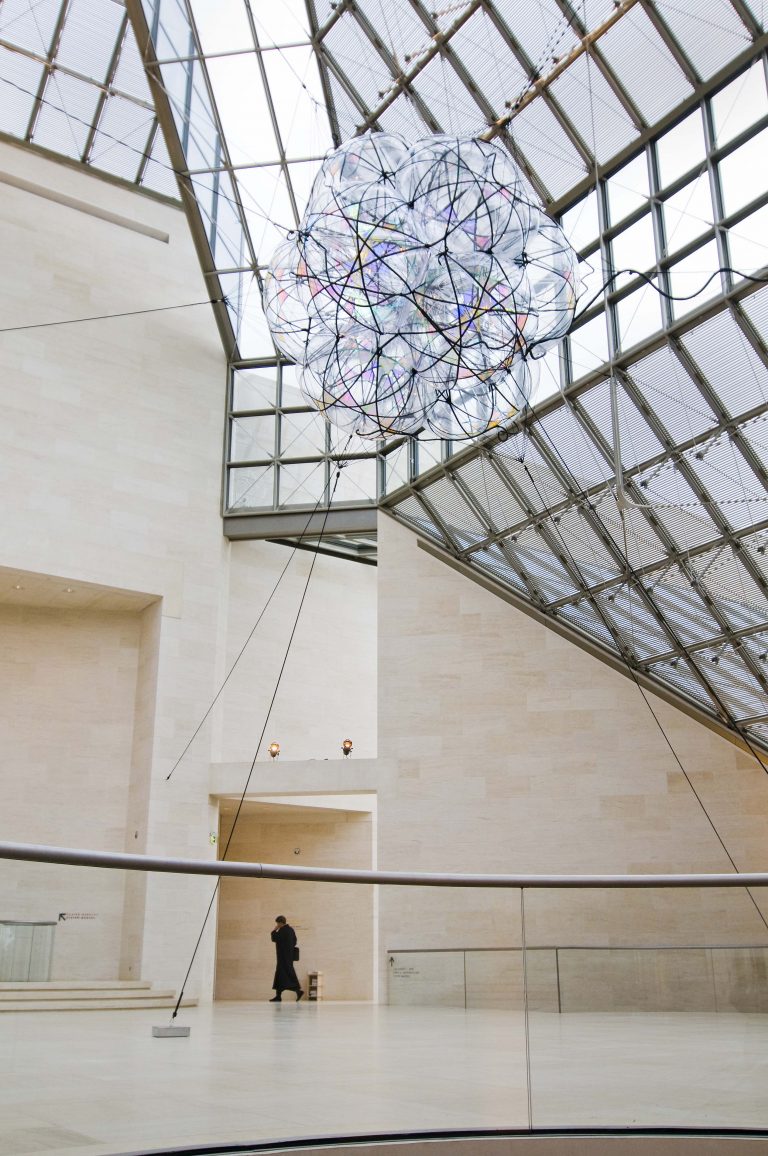
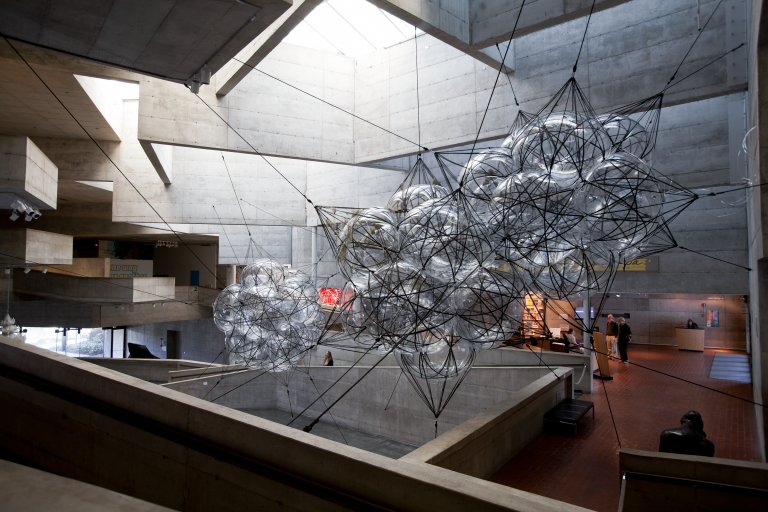
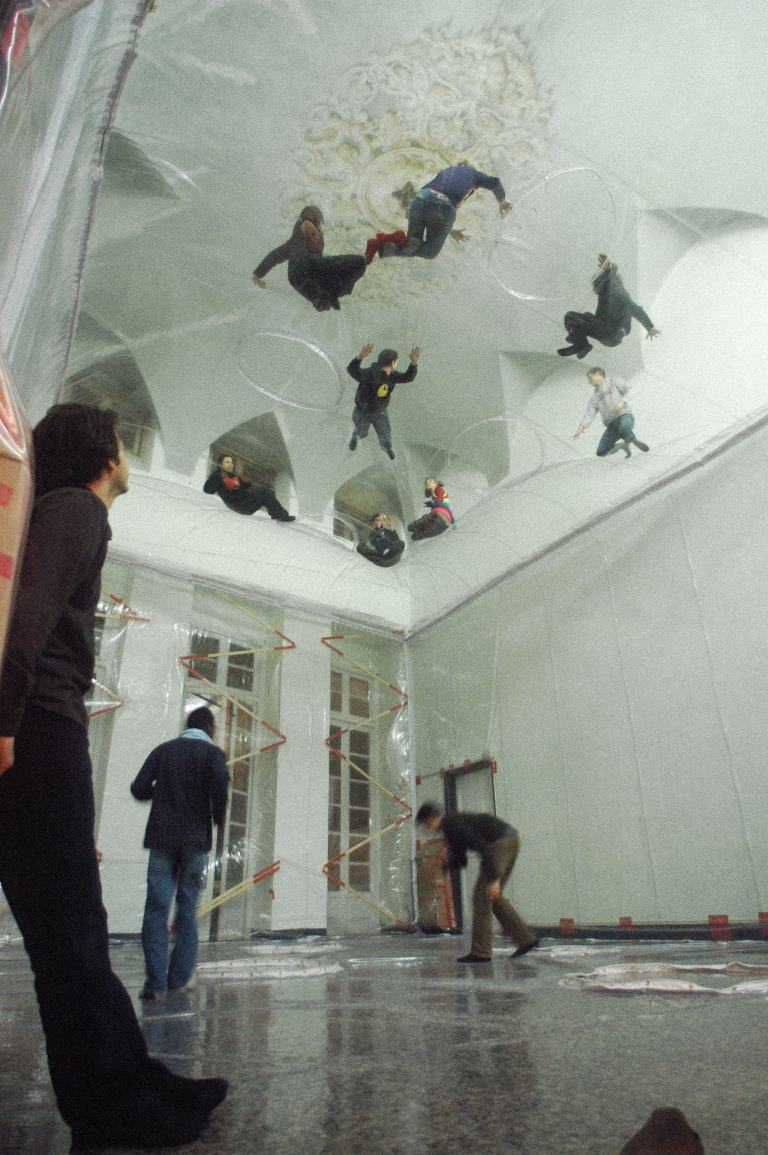
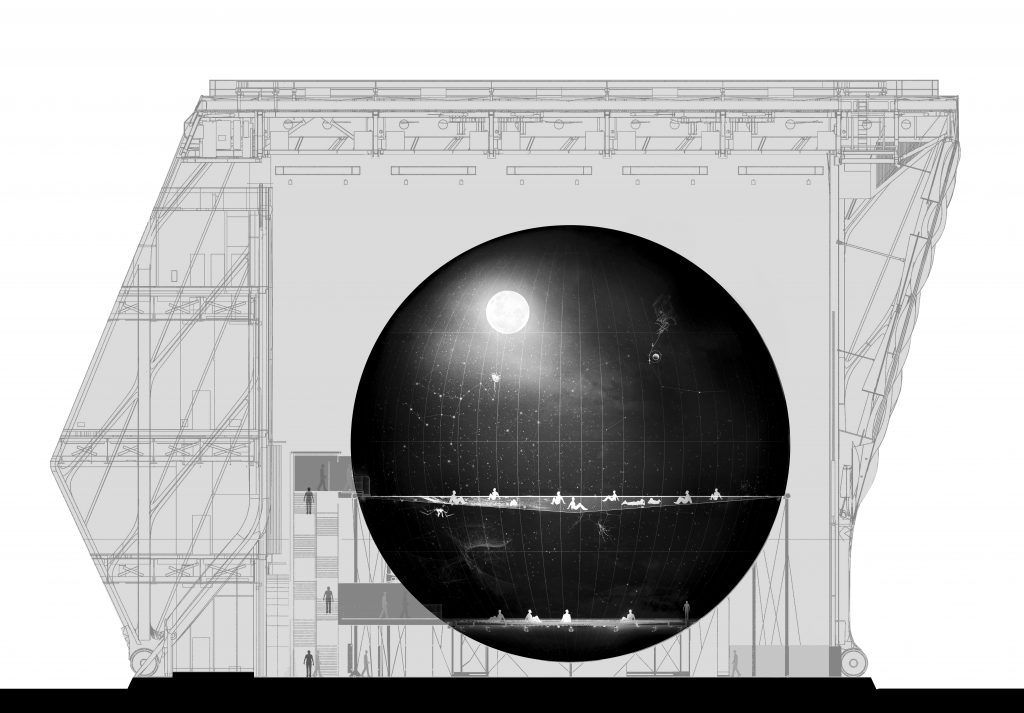
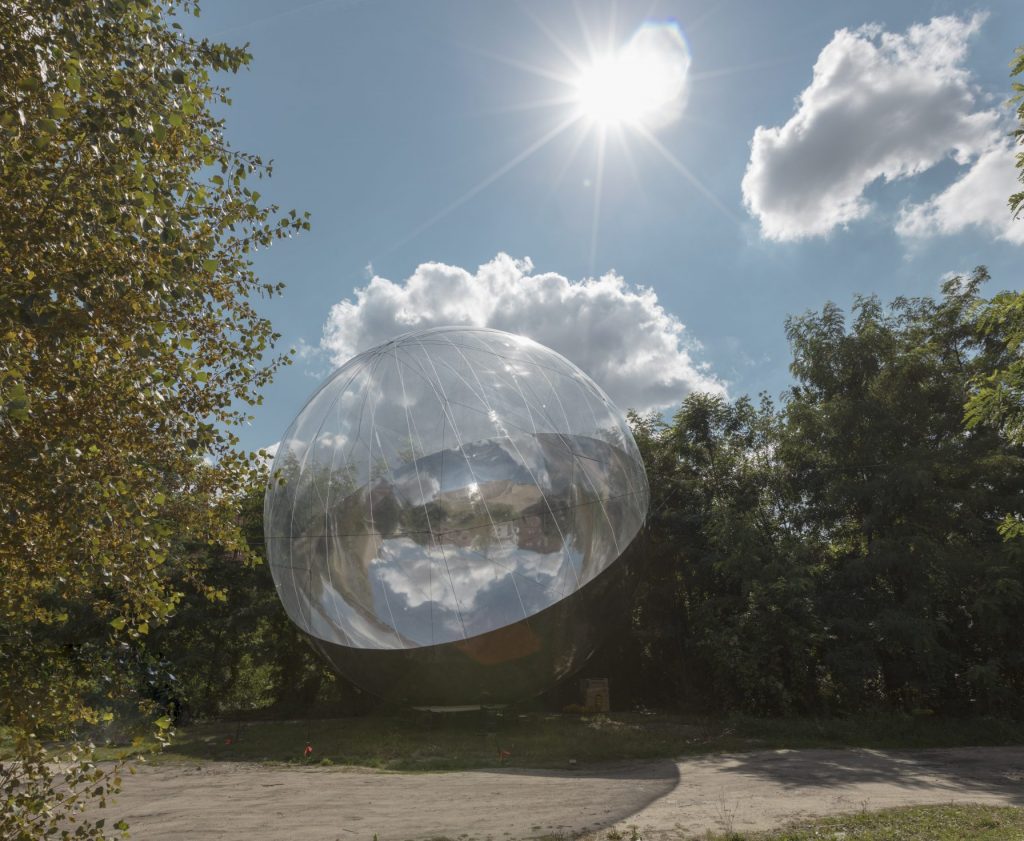
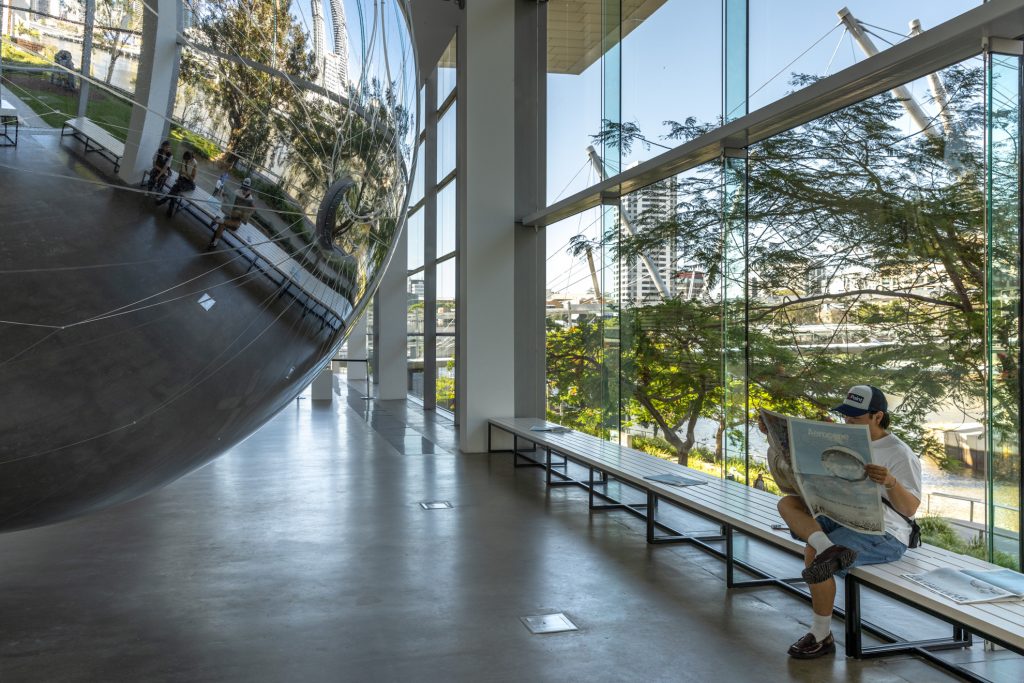
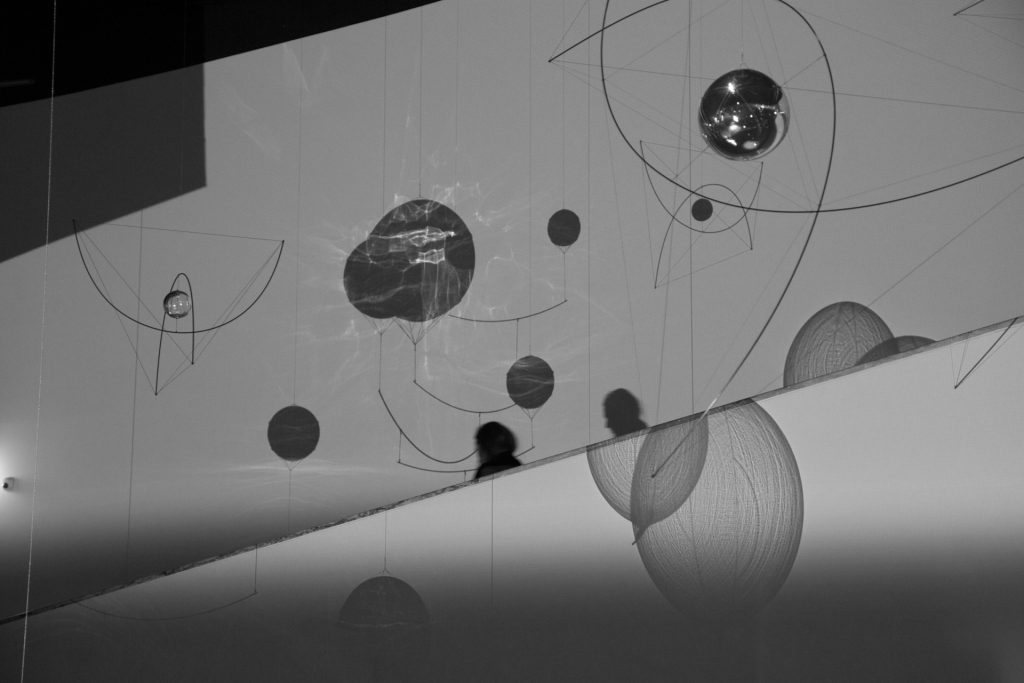
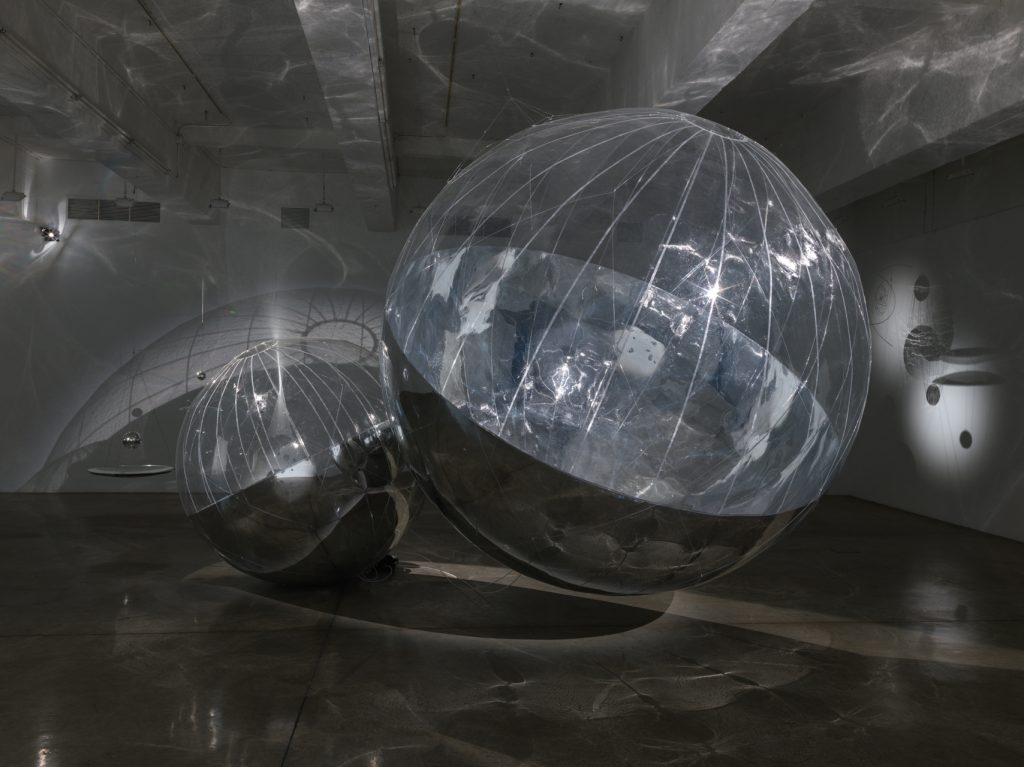
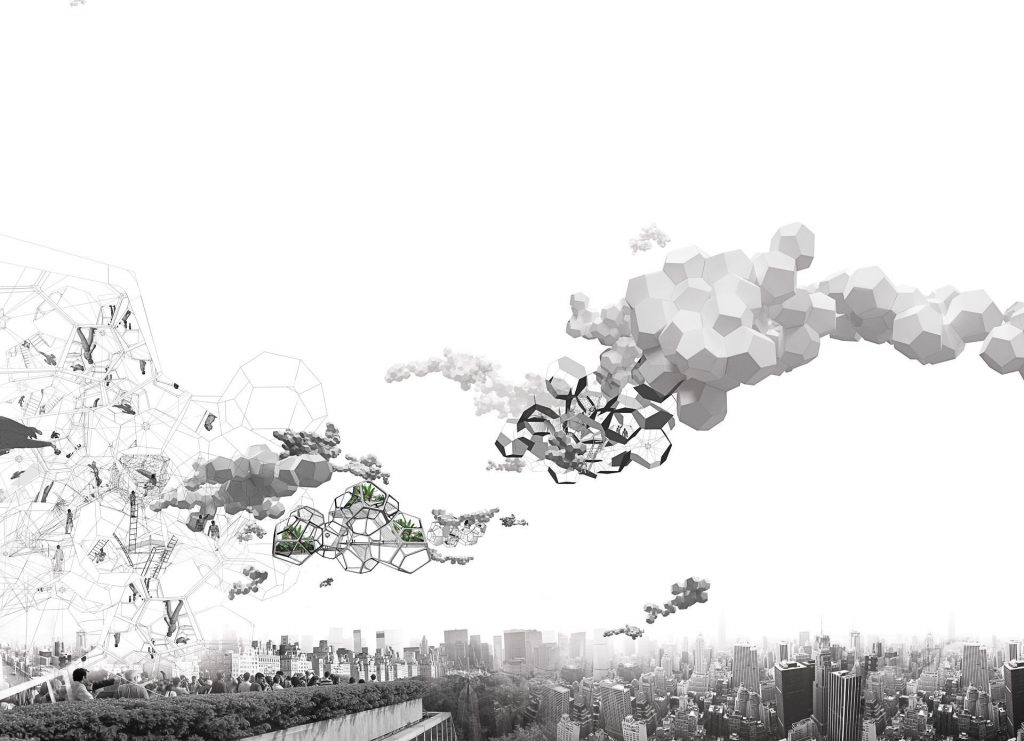
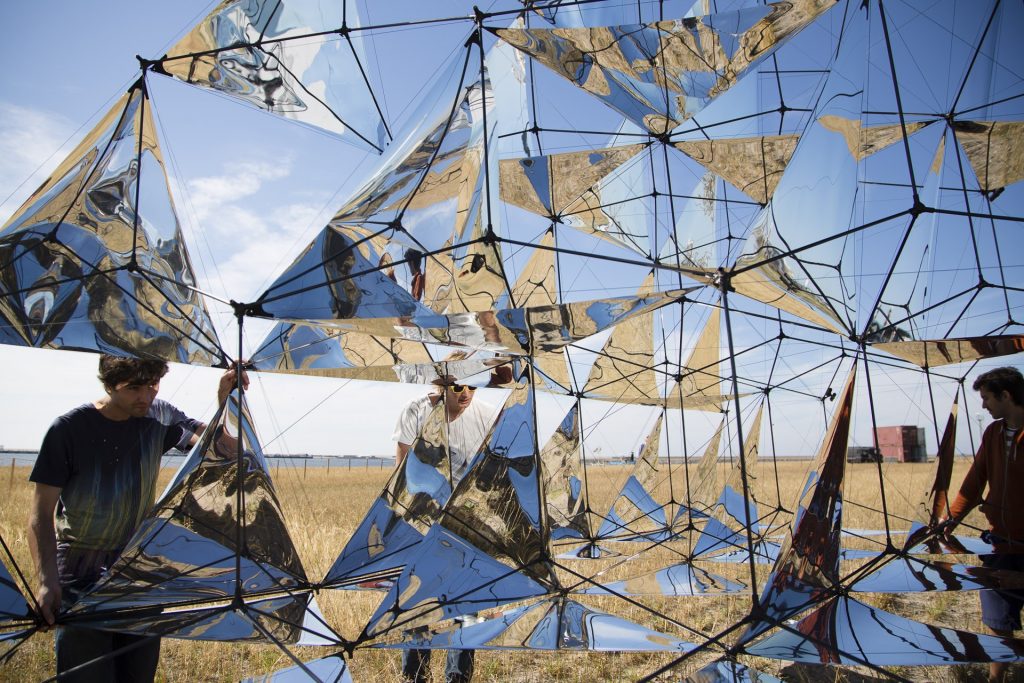
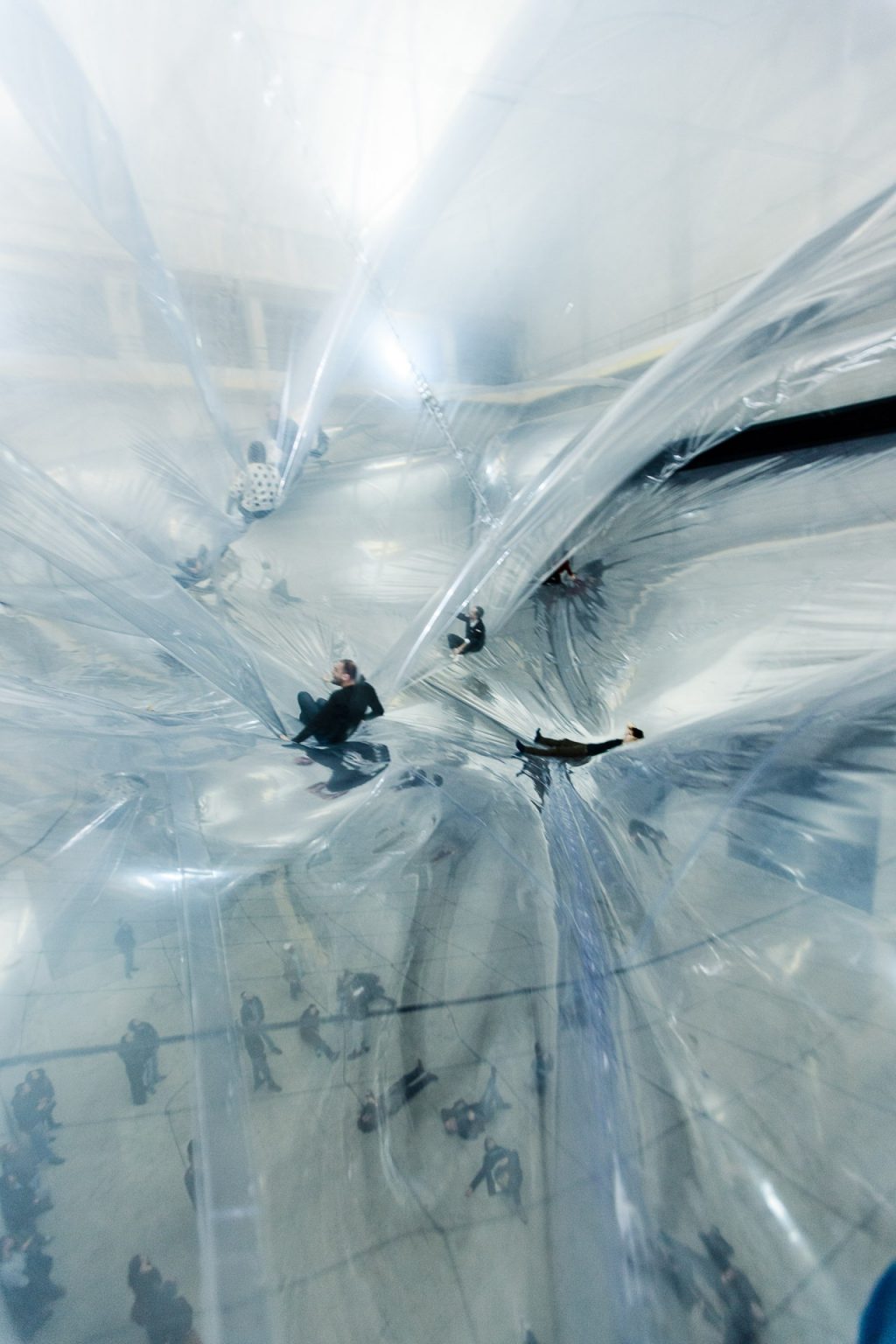
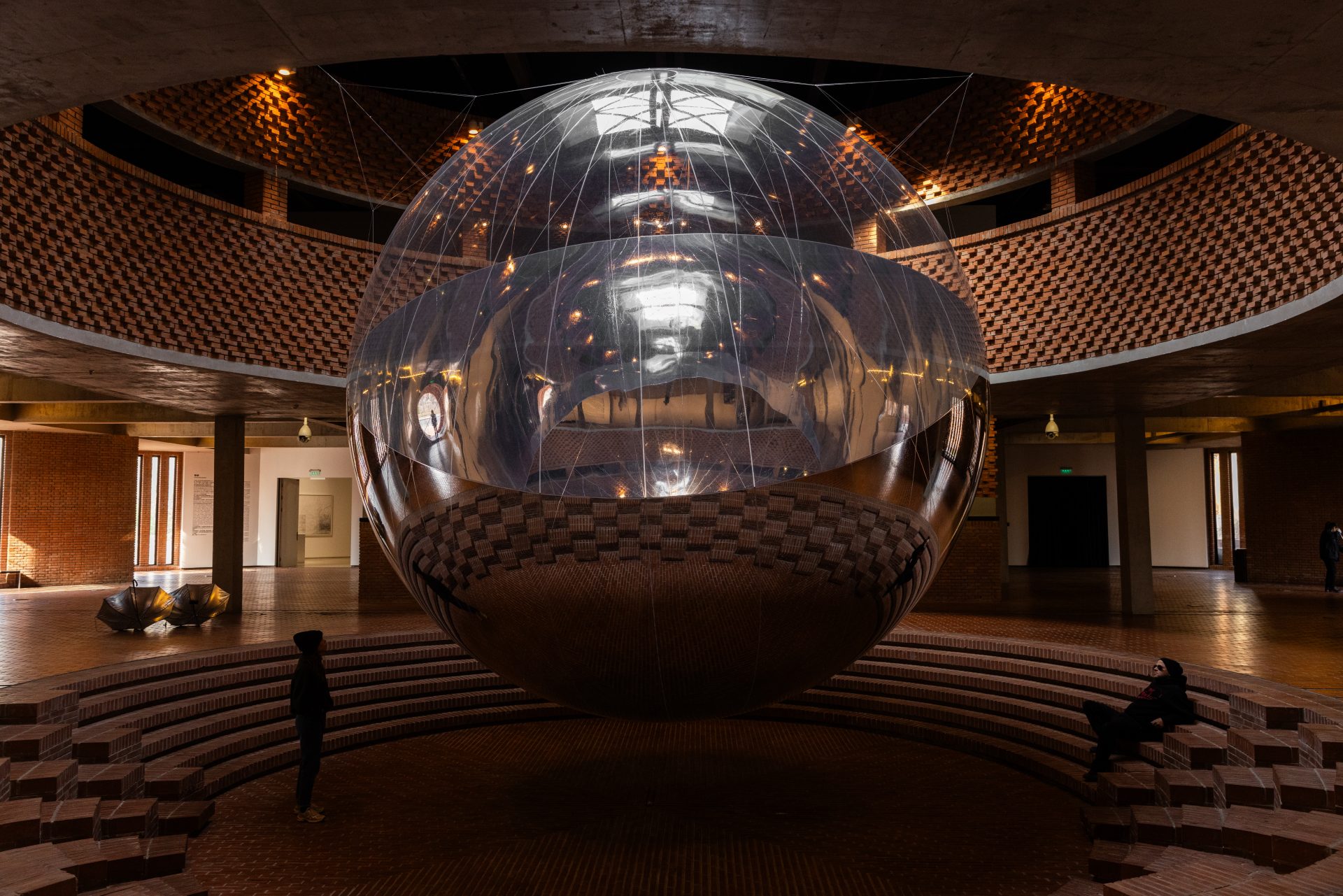
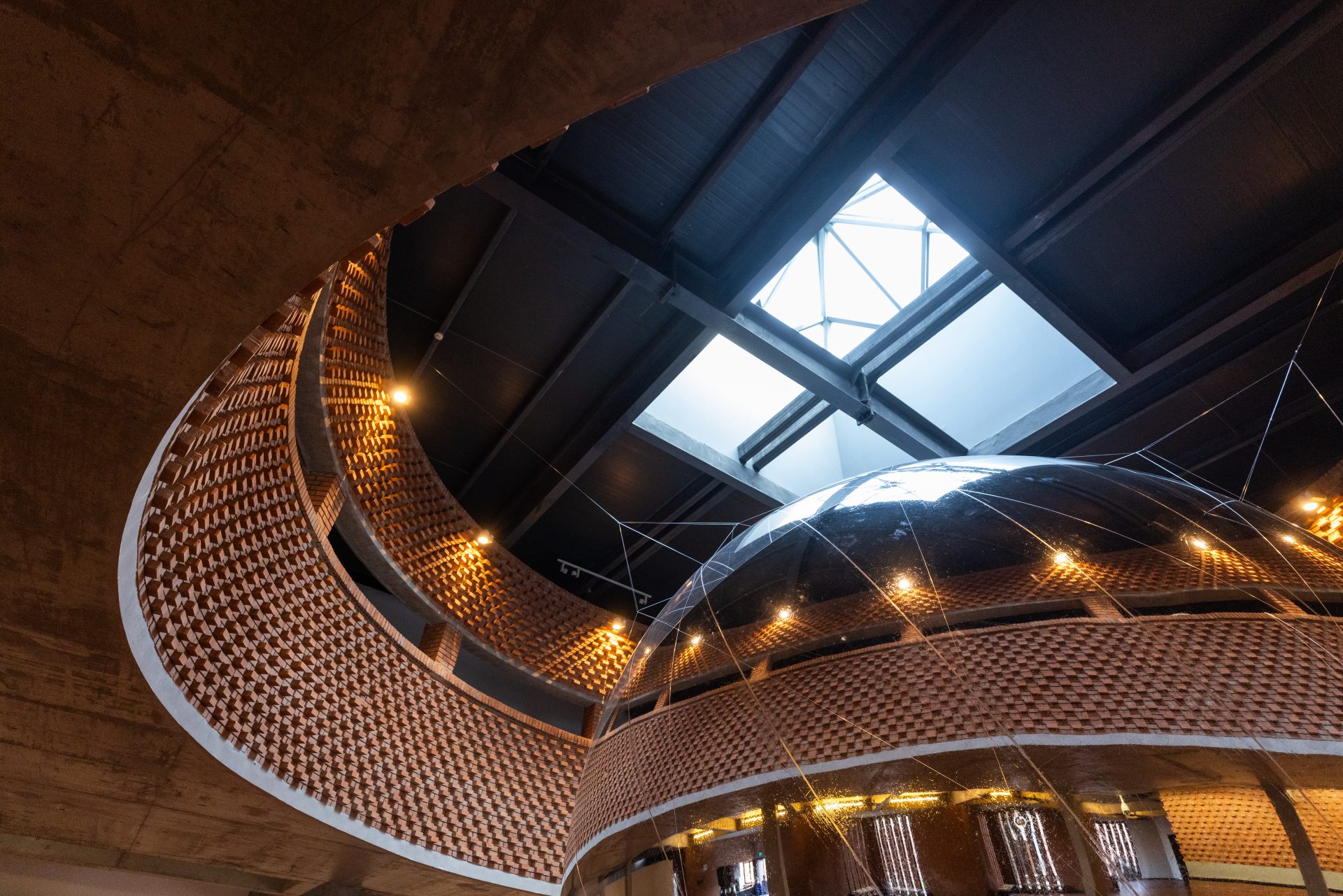
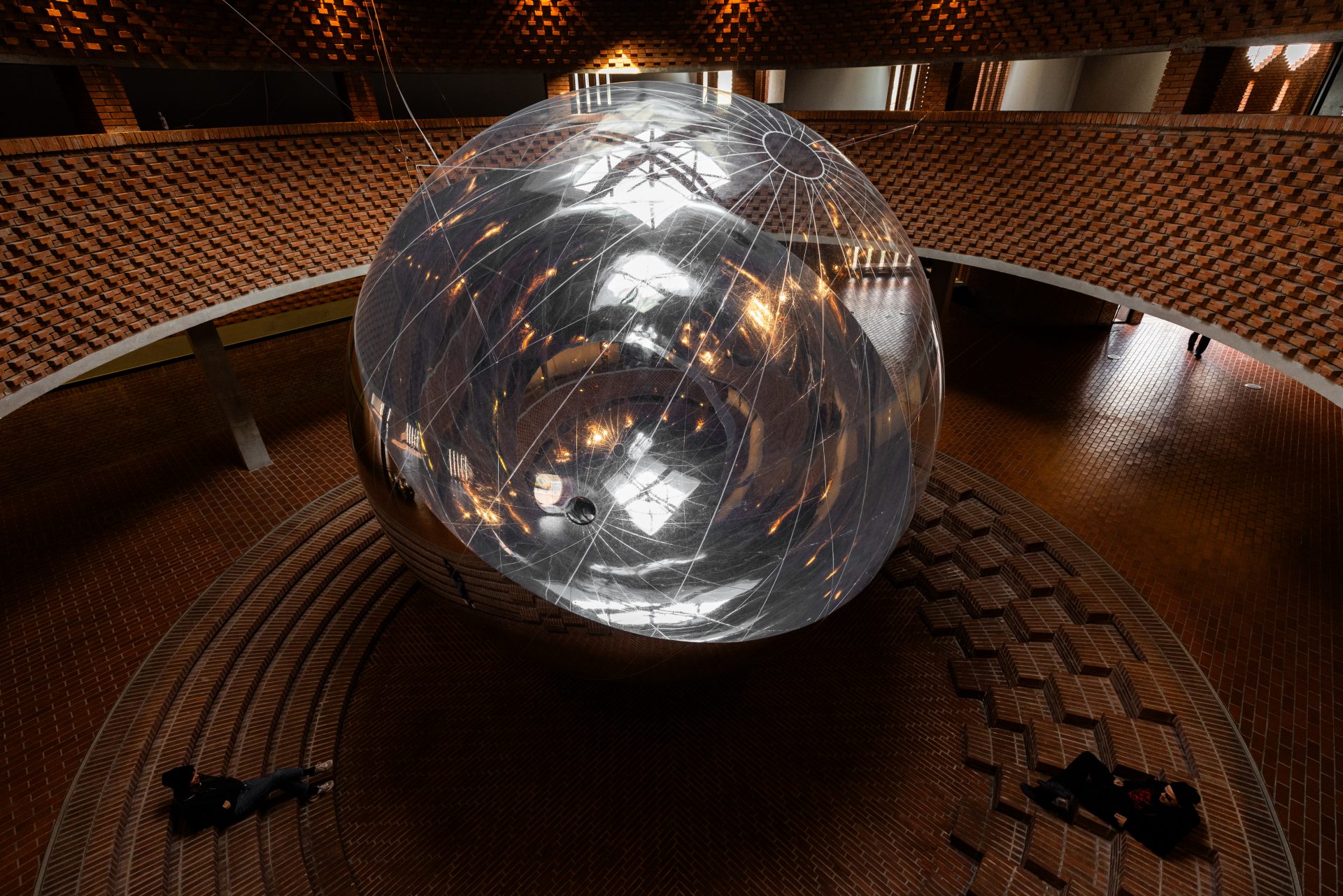
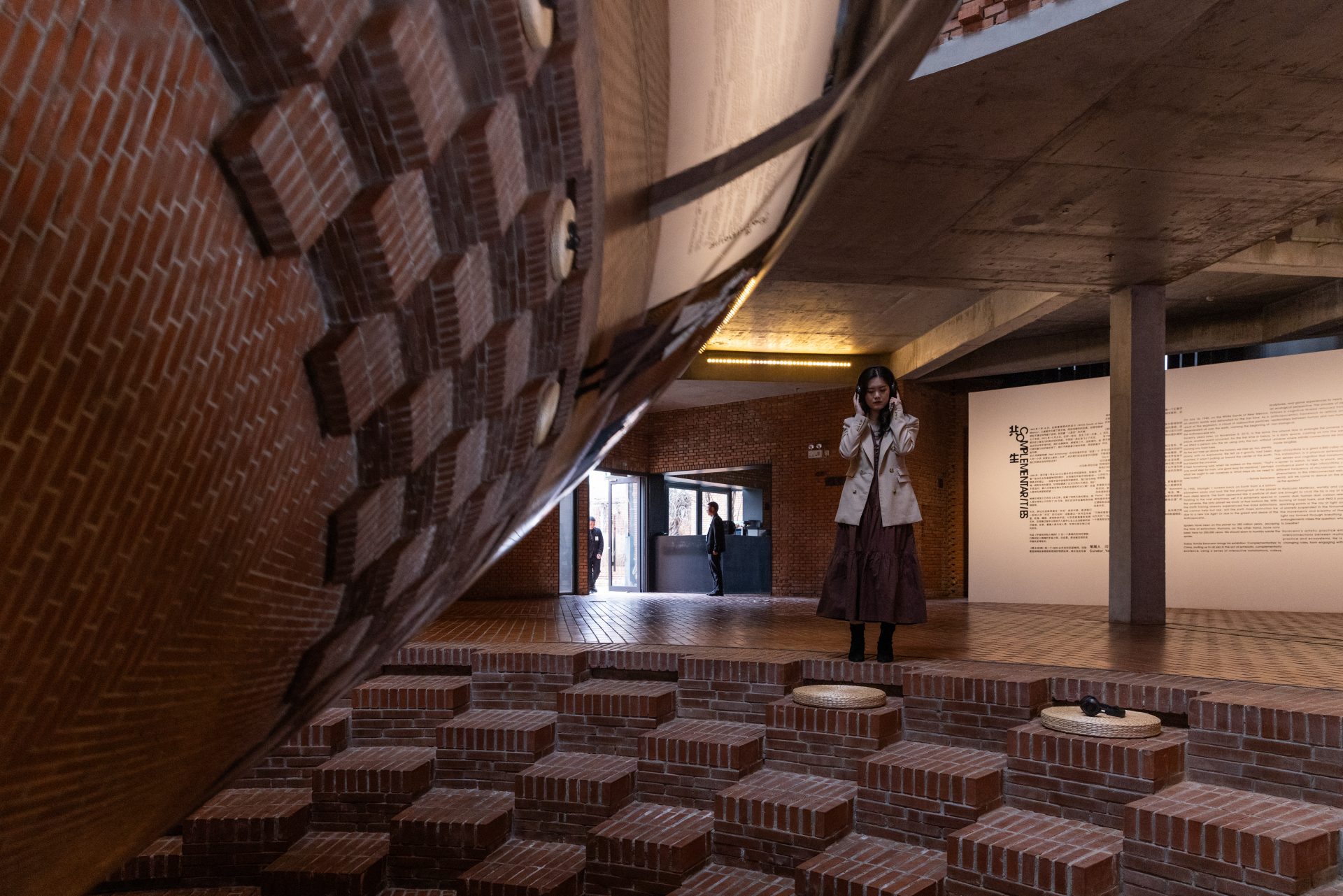
The inquiry into attuning to collaboratively imagined futures extends from forms of life and life- forming, including the air. Within the Red Brick Art Museum’s amphitheater is Saraceno’s Aeroke, a speculative model towards sustainable flight, free from fossil fuels. The installation expands on Saraceno’s earlier works based on infrared radiation balloons launched into the upper reaches of the atmosphere by the French Centre National d’Etudes Spatiales (CNES), Paris, where he was artist‑in‑residence in 2012. The artwork invites participants to ponder the question: what if we could drift with the rivers of the wind, with the breath of a more equal atmosphere, entangled in a more just socio-political geography of the air?
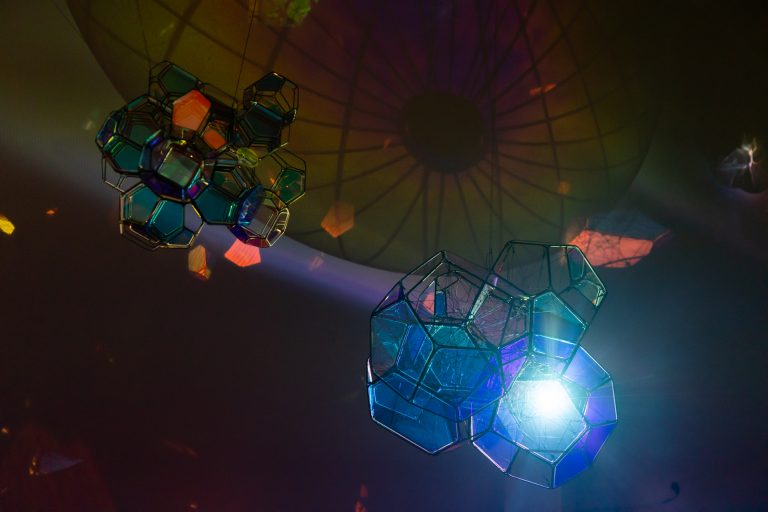
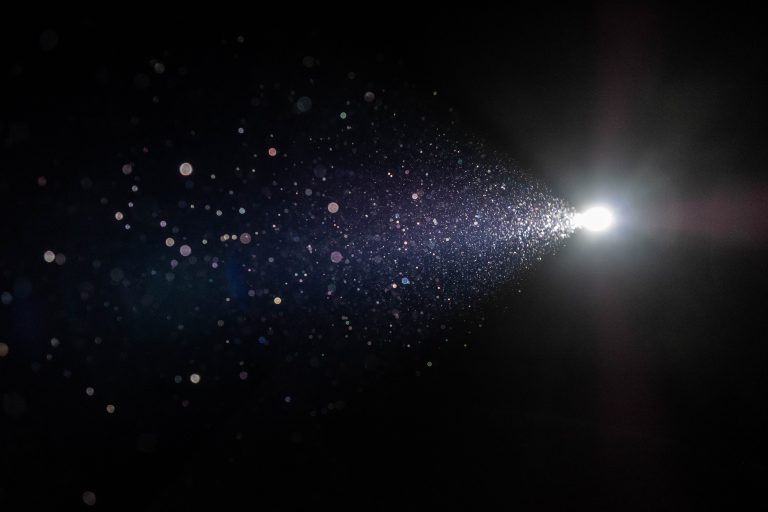
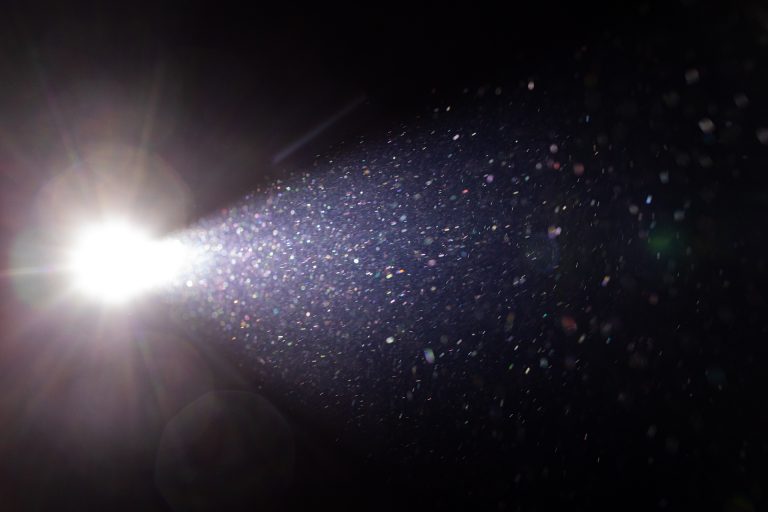
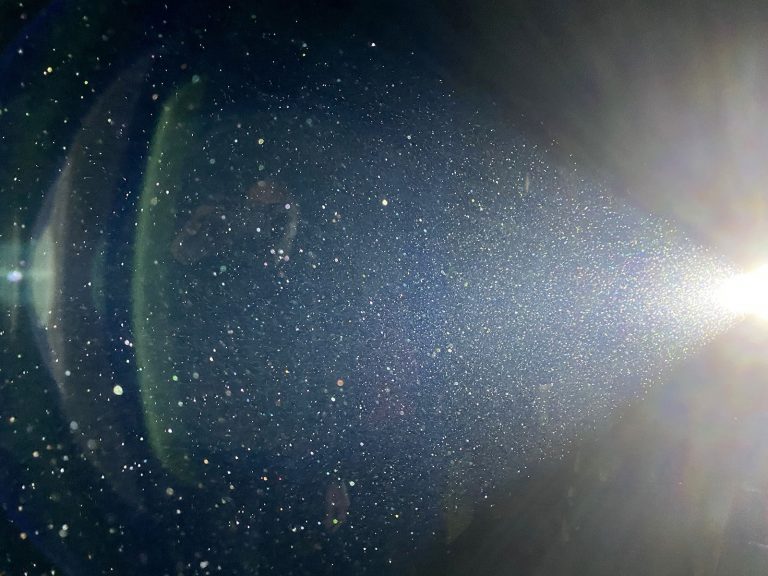
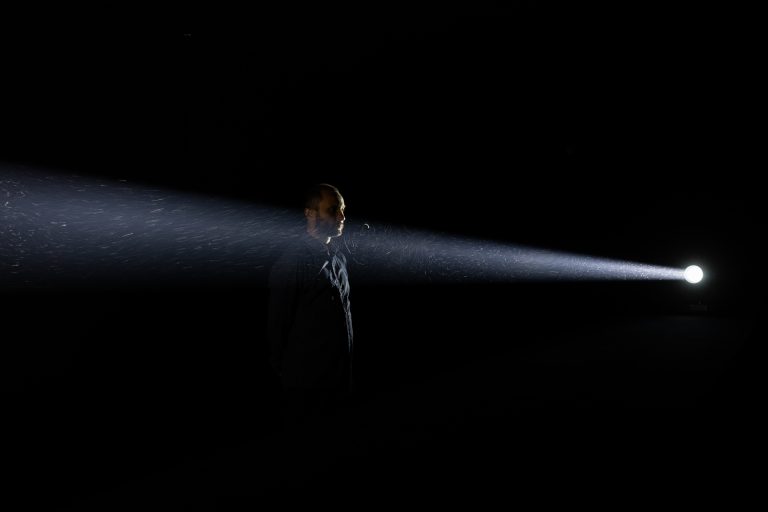
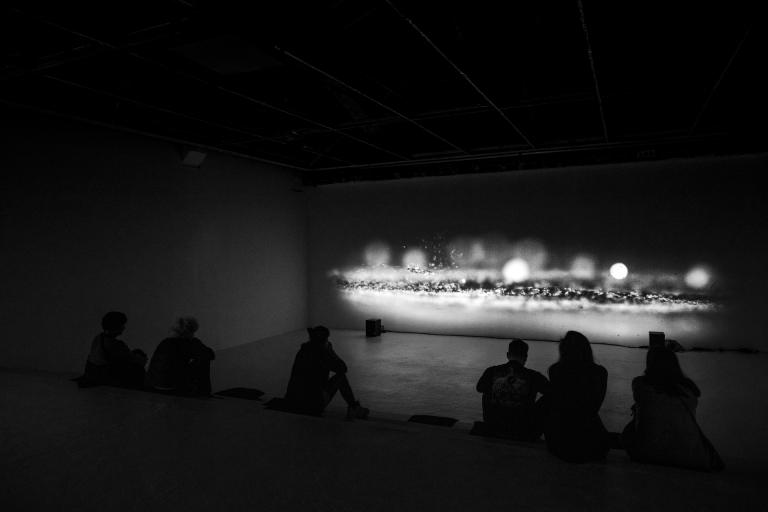
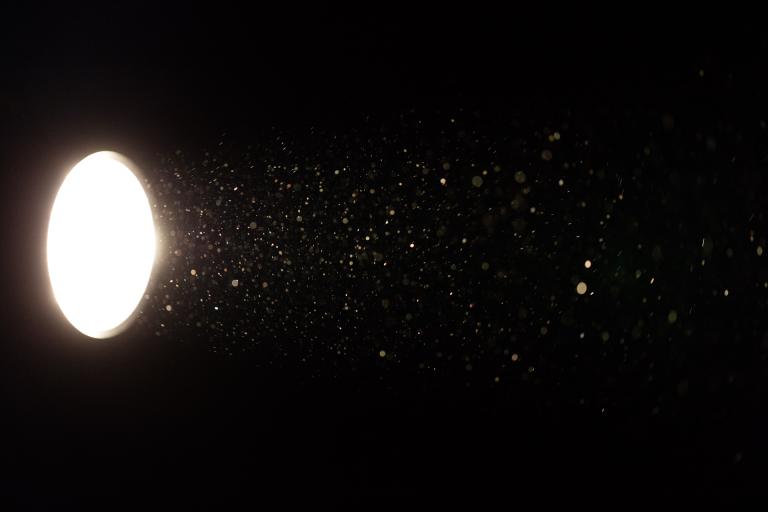
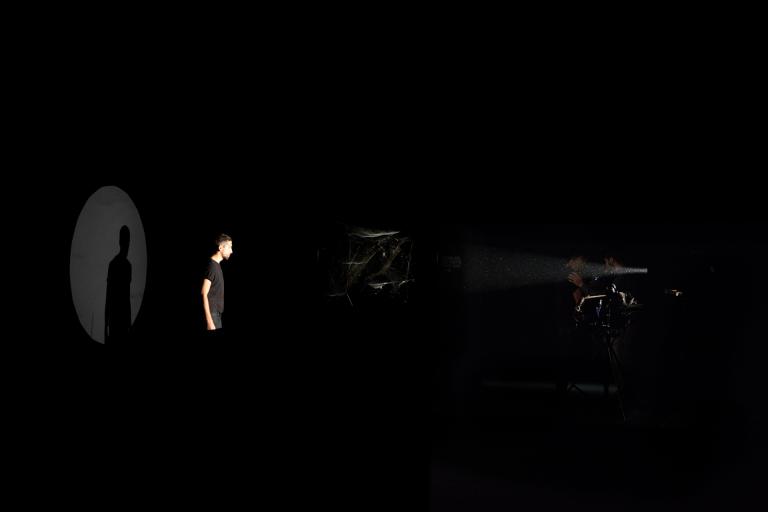
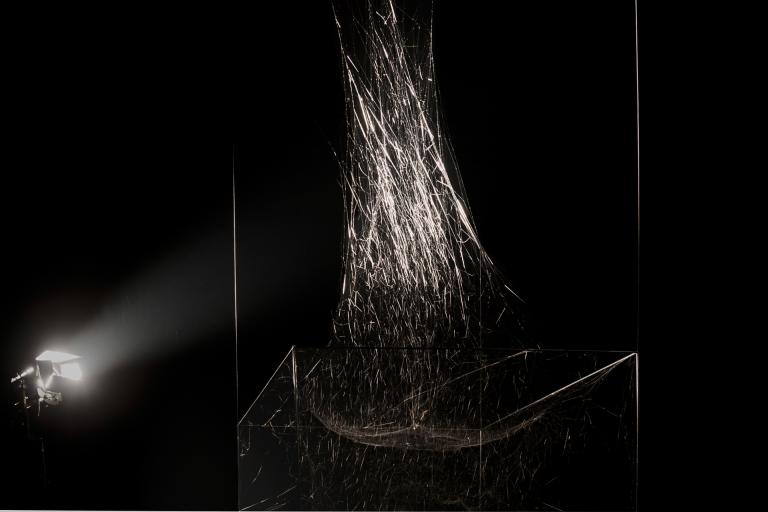
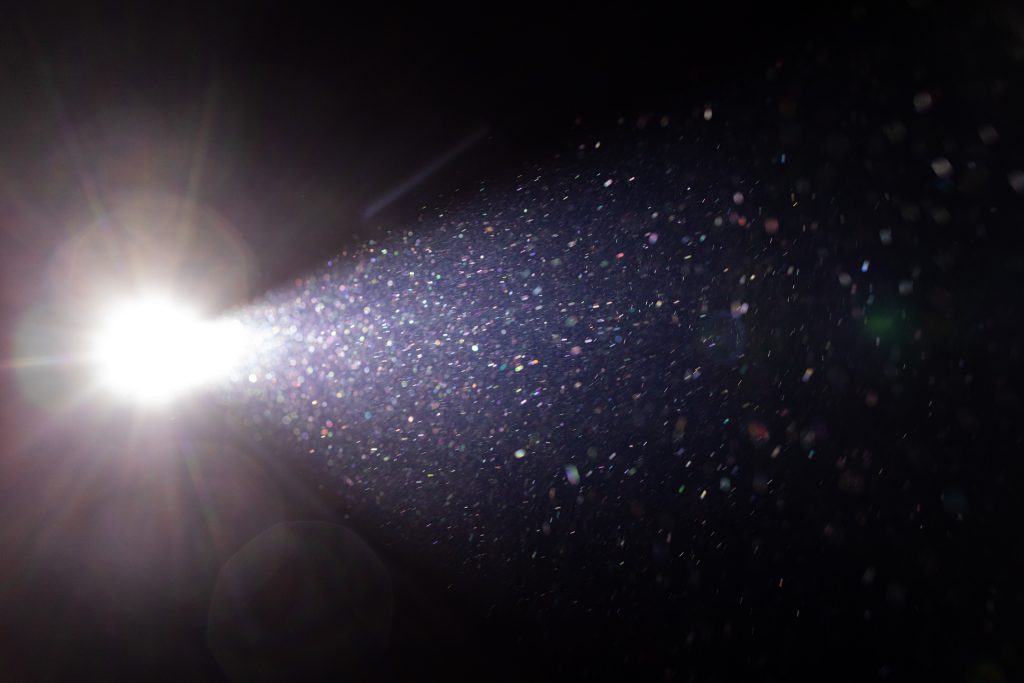
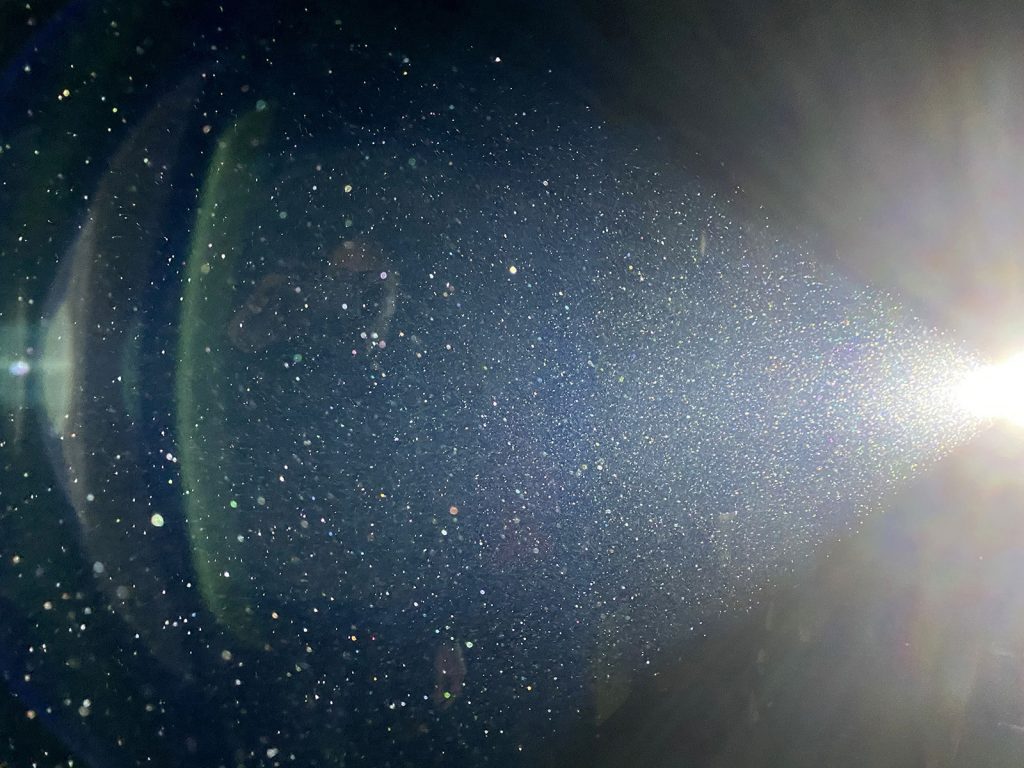
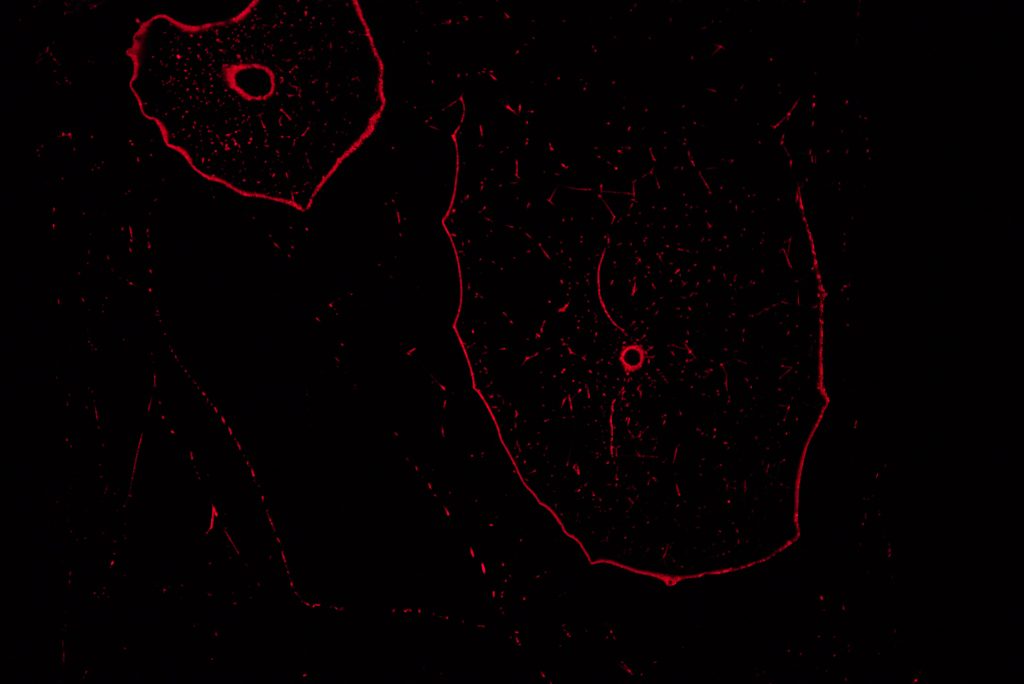
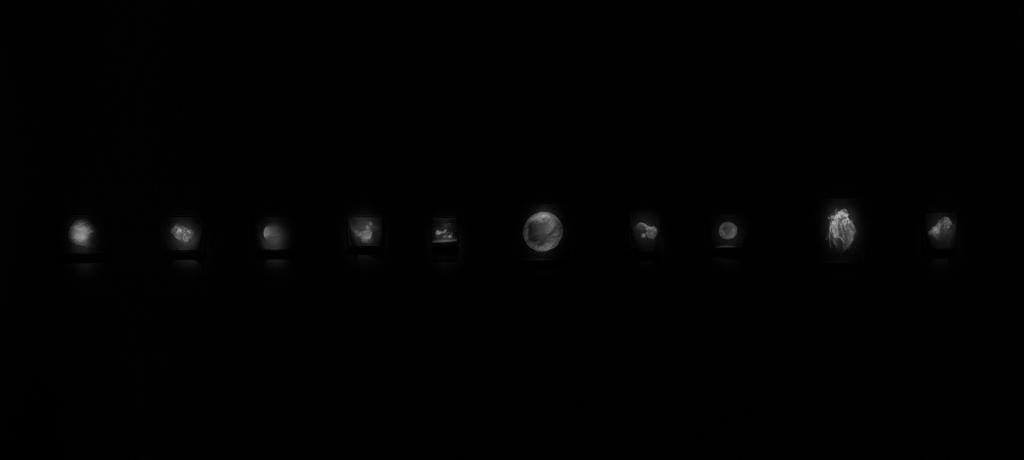
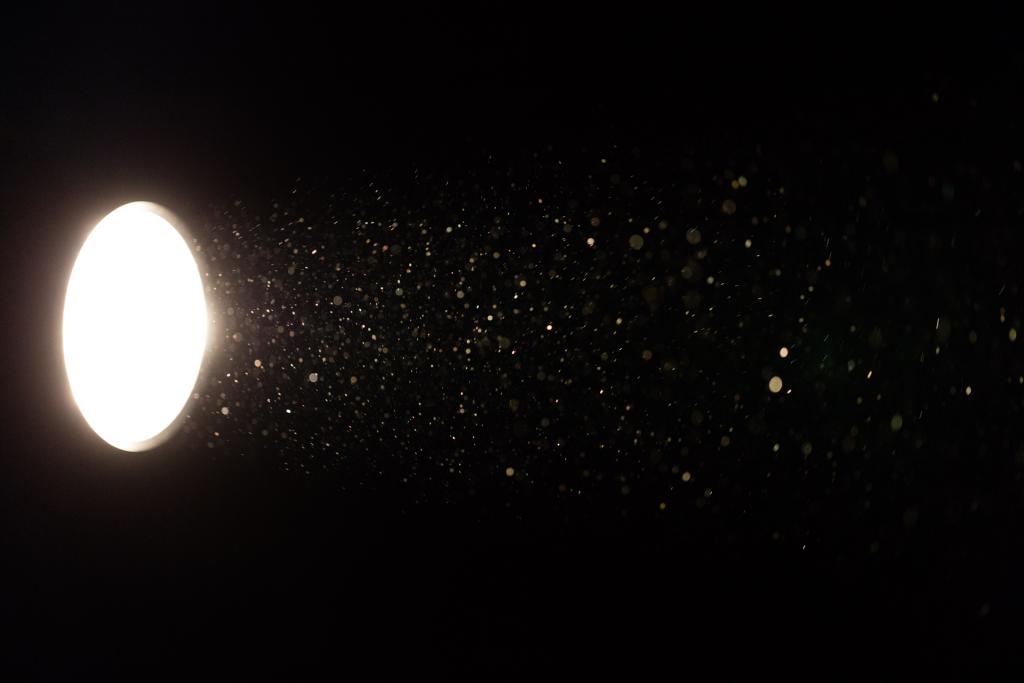
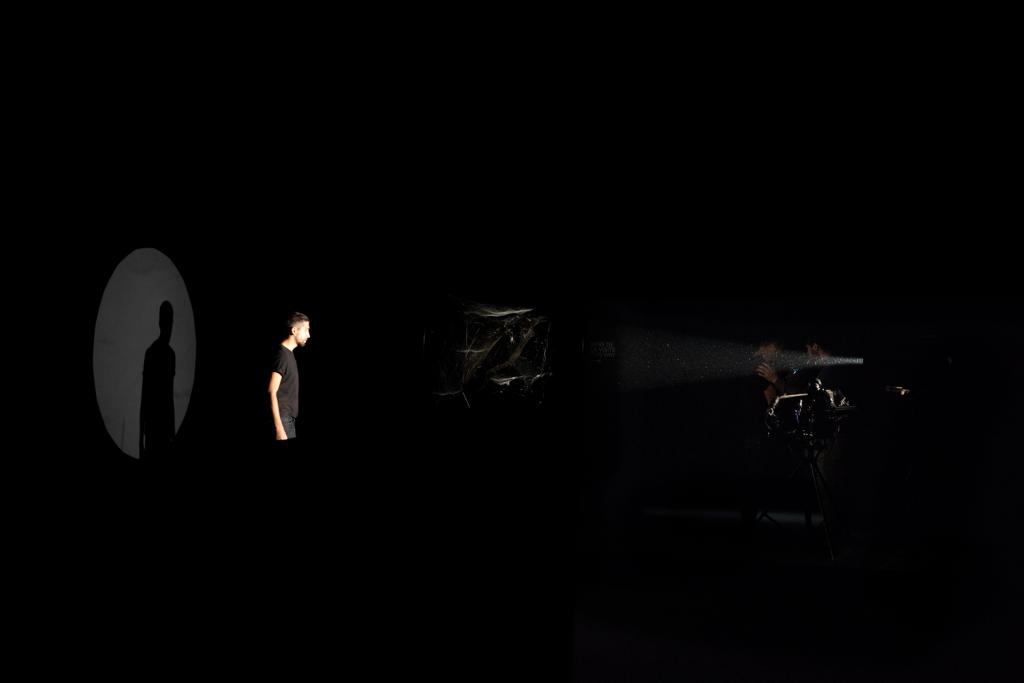
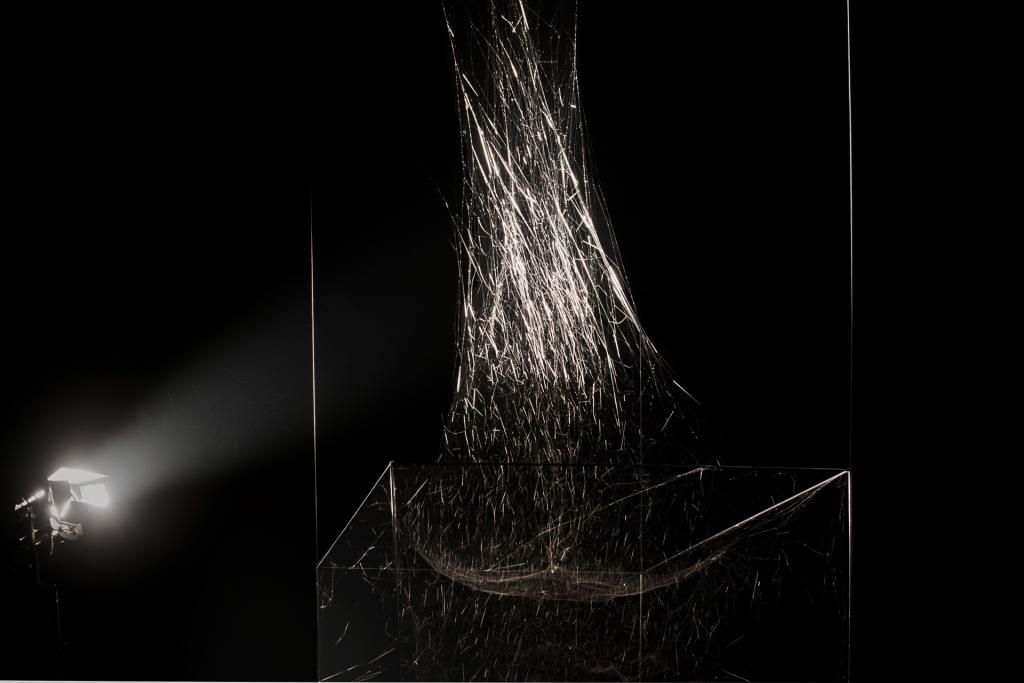
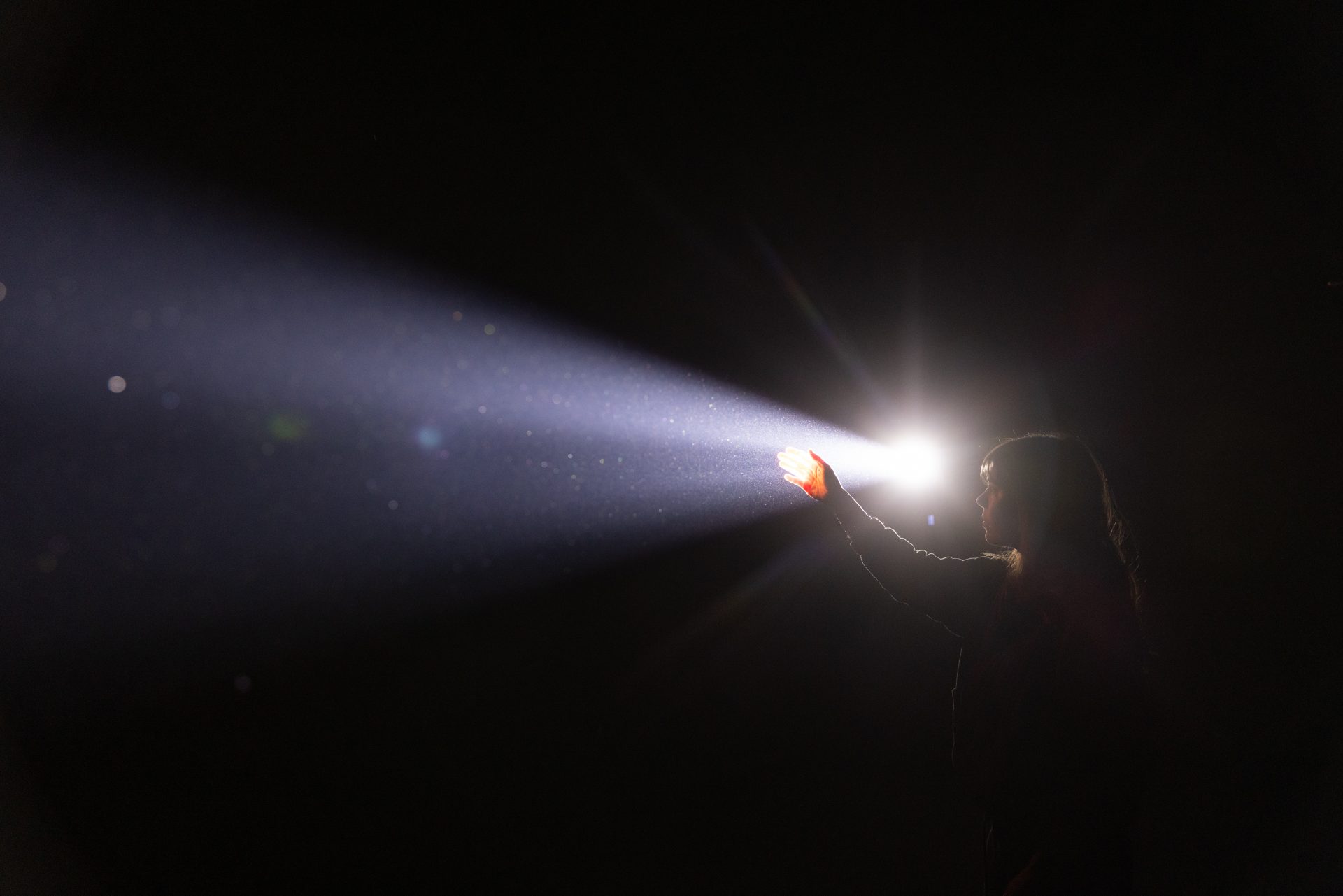
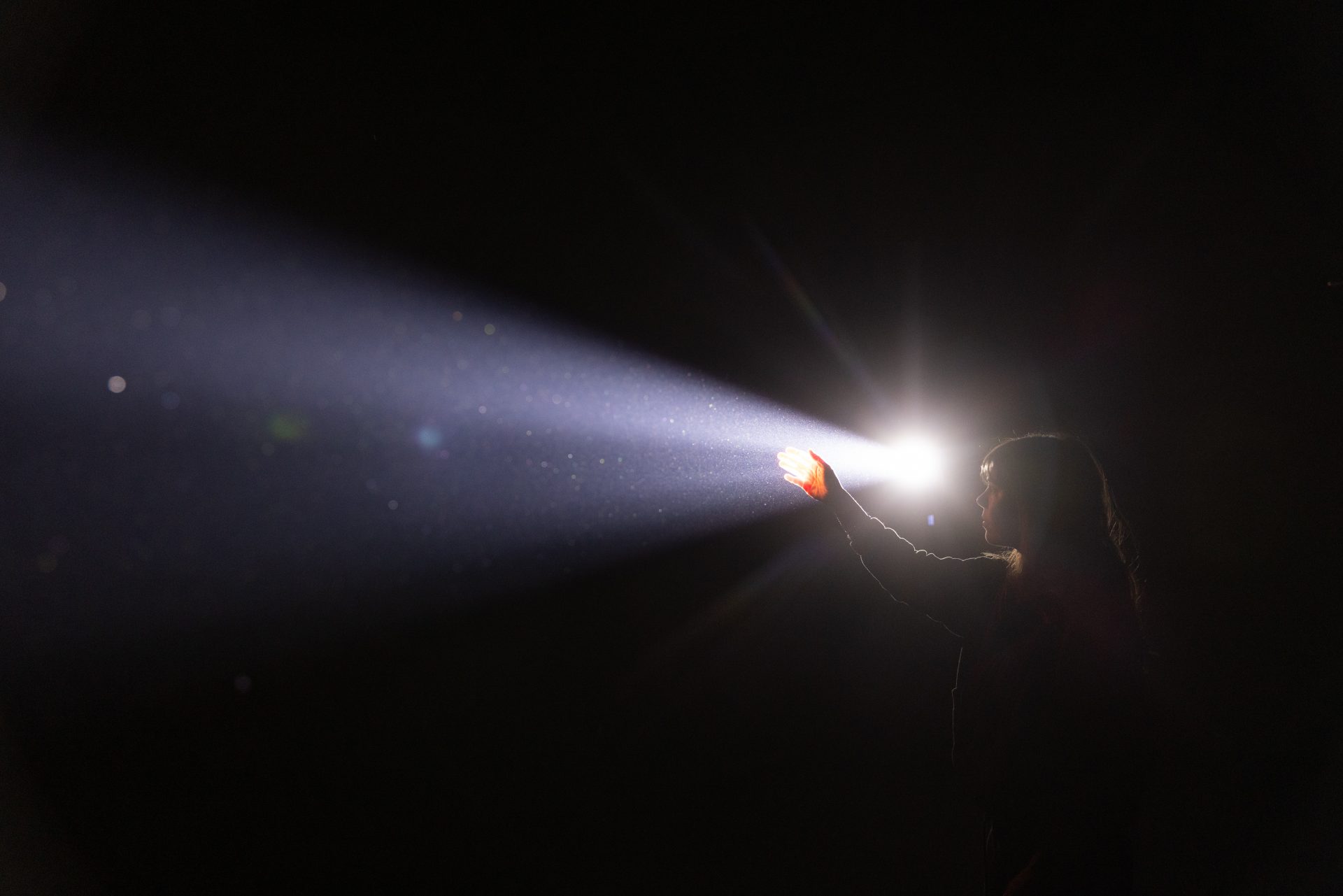
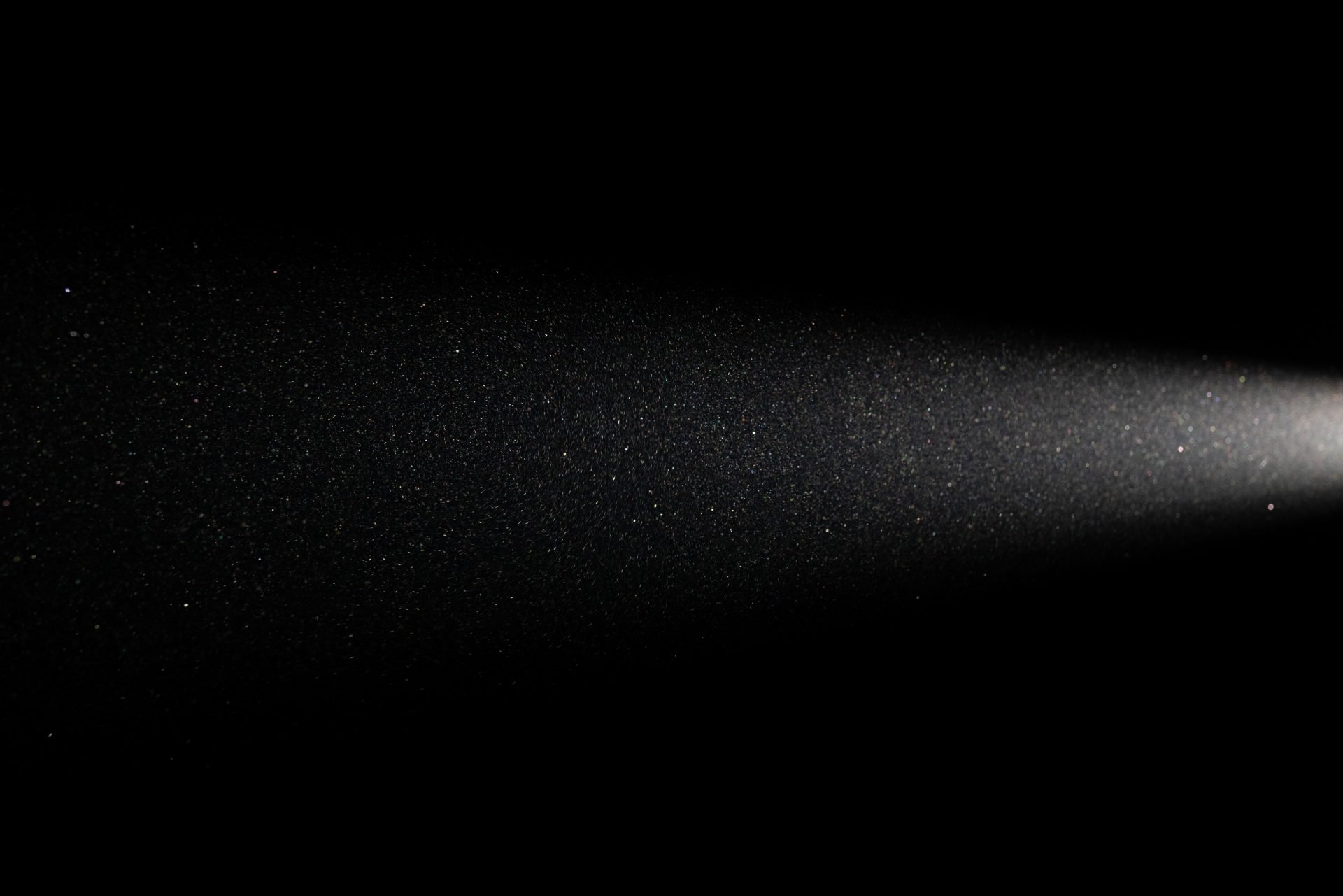
In Saraceno’s installation Particular matter(s), dust particles of domestic, earthly, and cosmic origin are illuminated. The luminescent column of light sparkles with glittering specks is like millions of suspended galaxies that are stirred by visitors’ movements and breaths. Particulate matter (PM) describes microscopic solid or liquid particles found in the atmosphere. Especially dangerous is PM2.5, produced by the burning of fossil fuels, and fine enough—measuring less than 2.5 micrometers in diameter—to pass through the body’s defenses, infiltrating the brain, heart, lungs, and other organs of humans and various beings. In this exercise in attunement to bodies and forces on air, participants are invited to notice that which floats around and moves within us. For Saraceno, this entanglement of information floating in the air also helps to construct the question: who has the right to breathe?
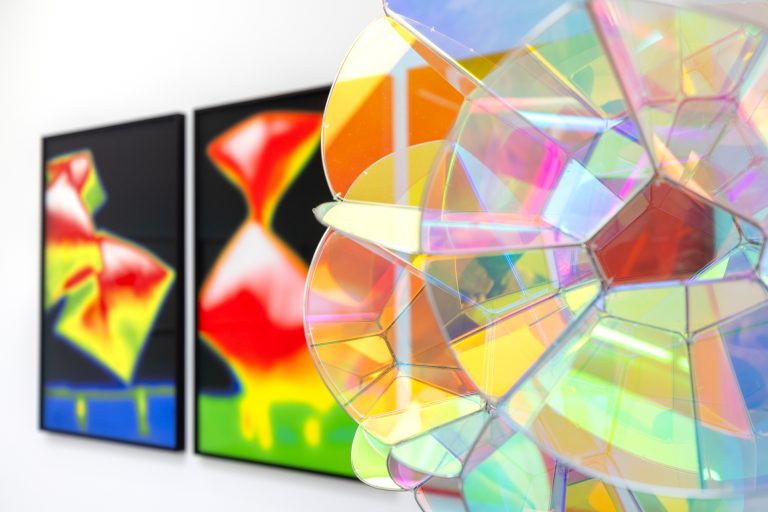
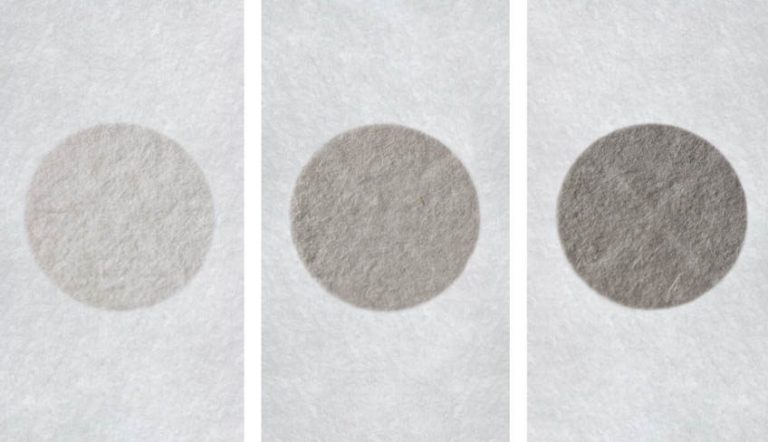
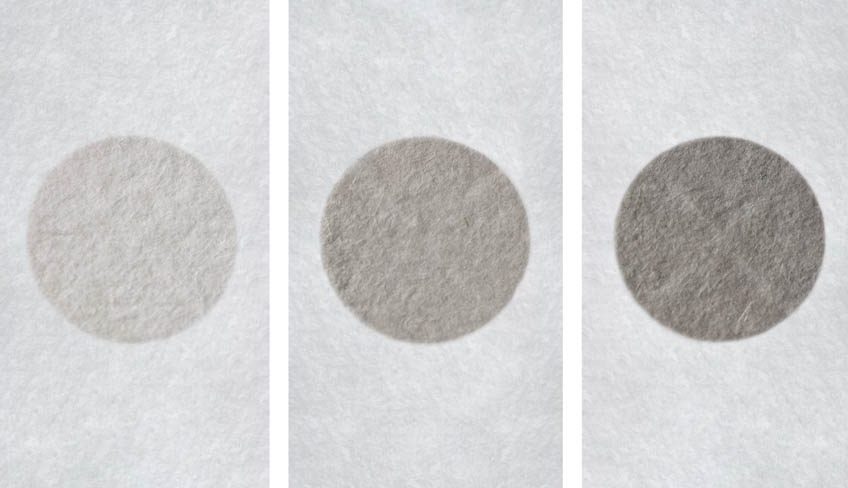
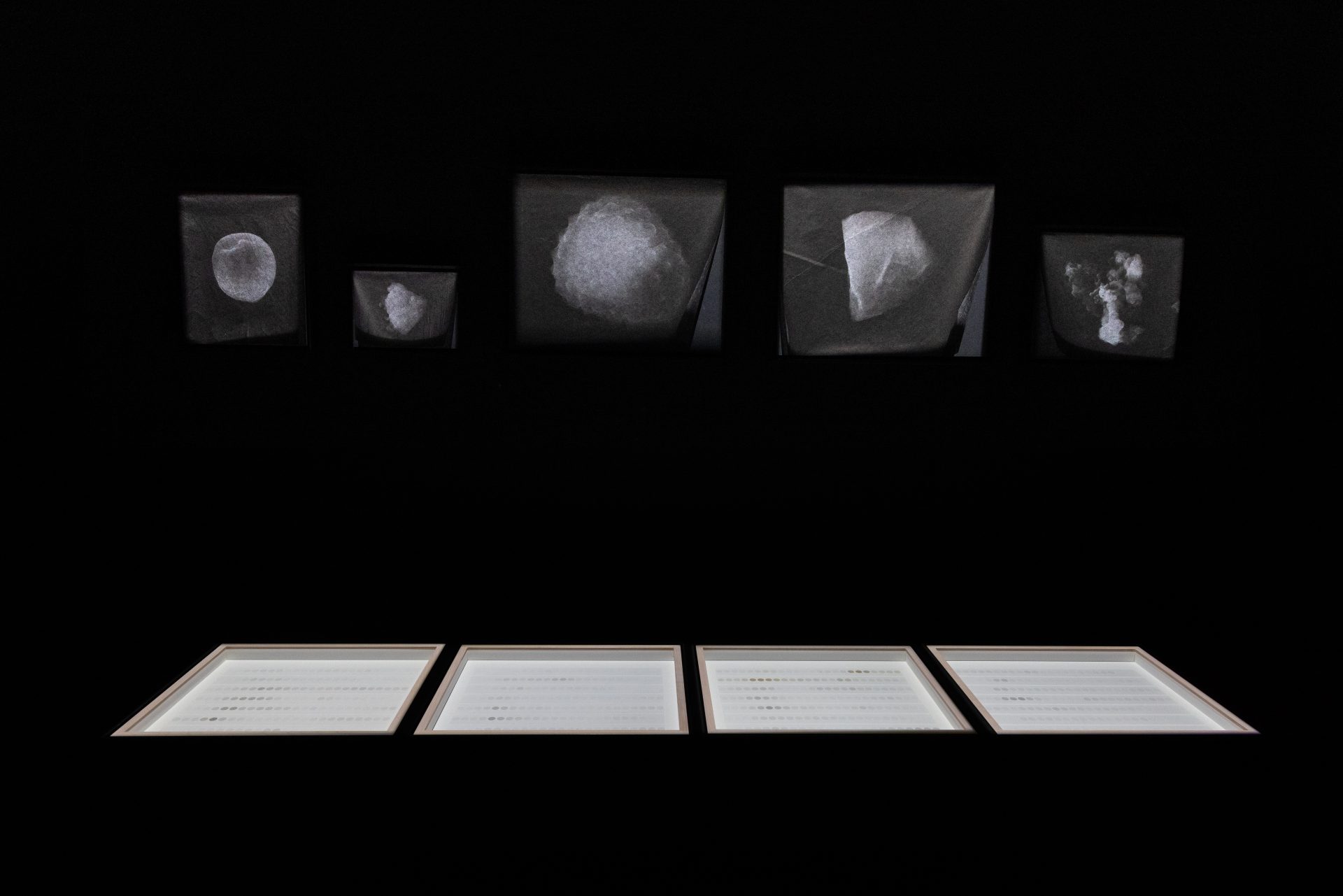
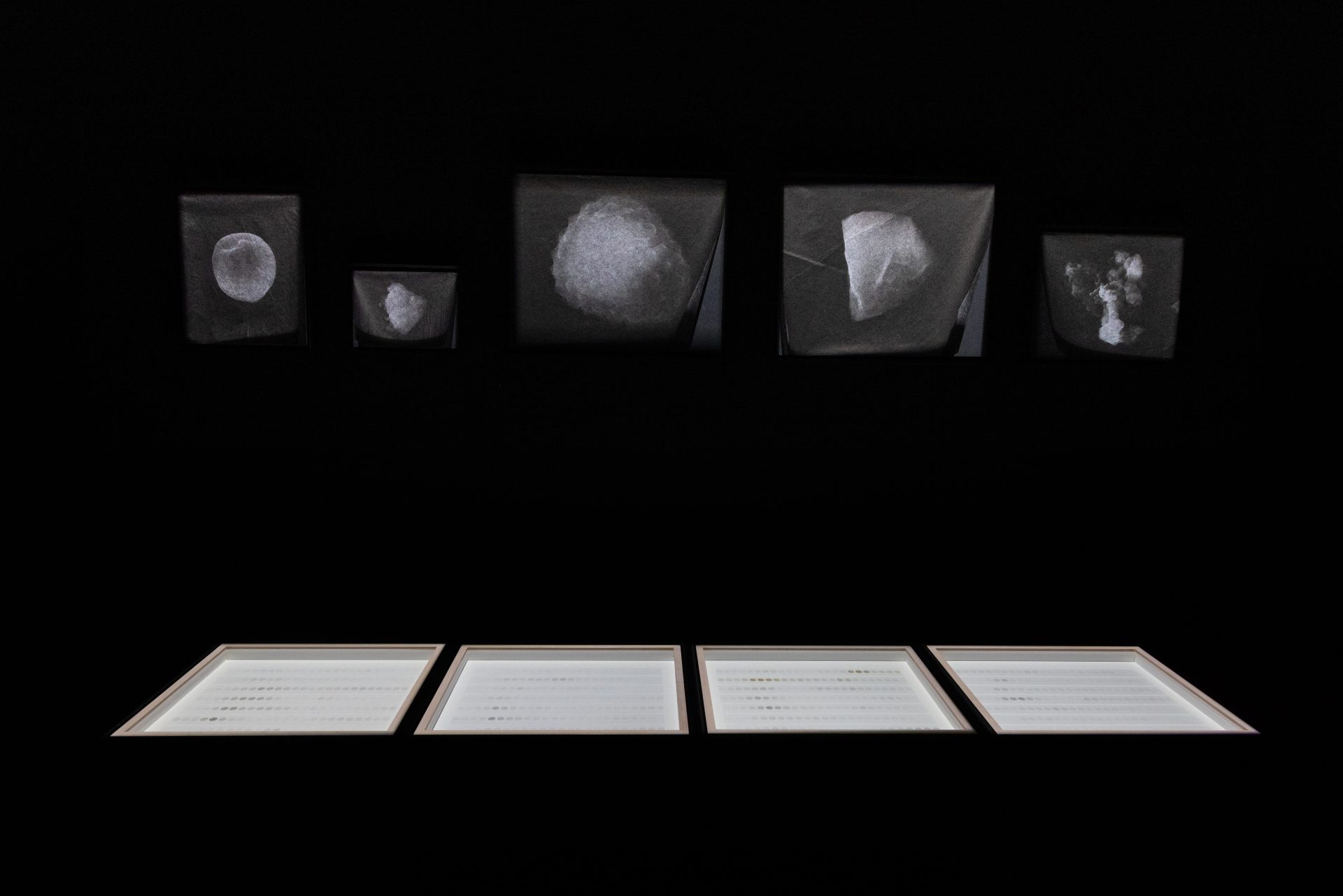
We do not all breathe the same air (2018– ongoing), visualizes air quality, and the spectrum of dots in varying hues are samples of what we breathe. These dots reveal the spatial, racial, social, and political factors that determine whether one can exercise their right to clean air. This unequal distribution is more important than ever, as environmental racism has proven once again to have disastrous, deathly consequences during the COVID-19 crisis.
Spider/webs
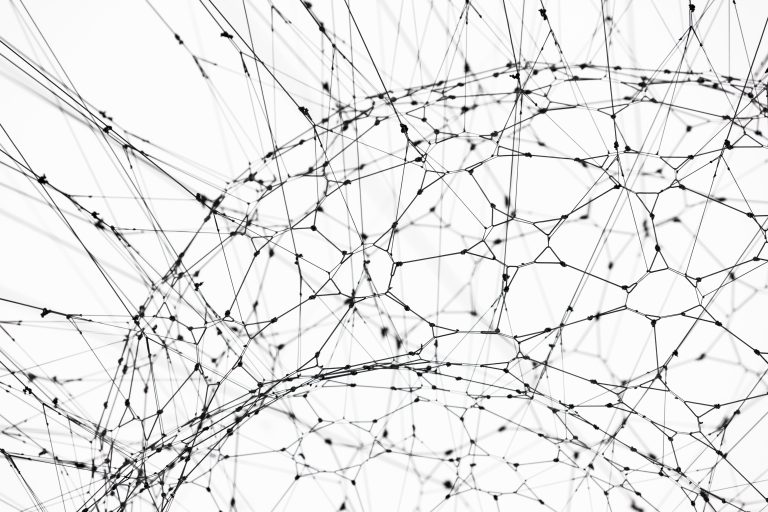
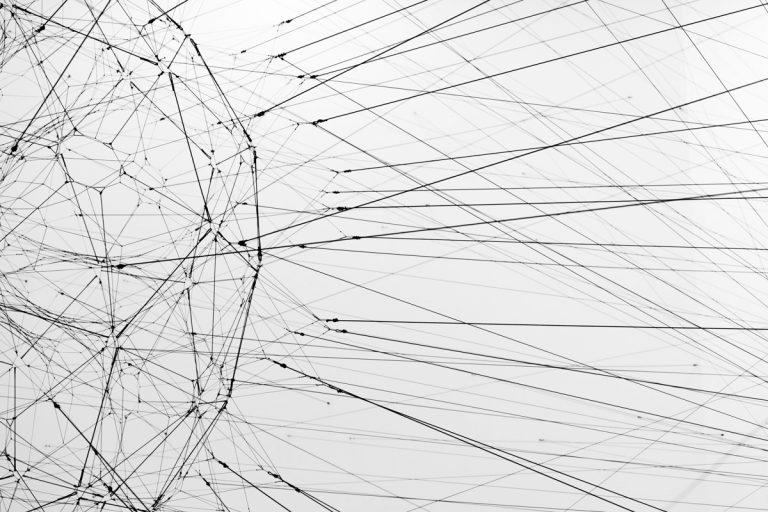
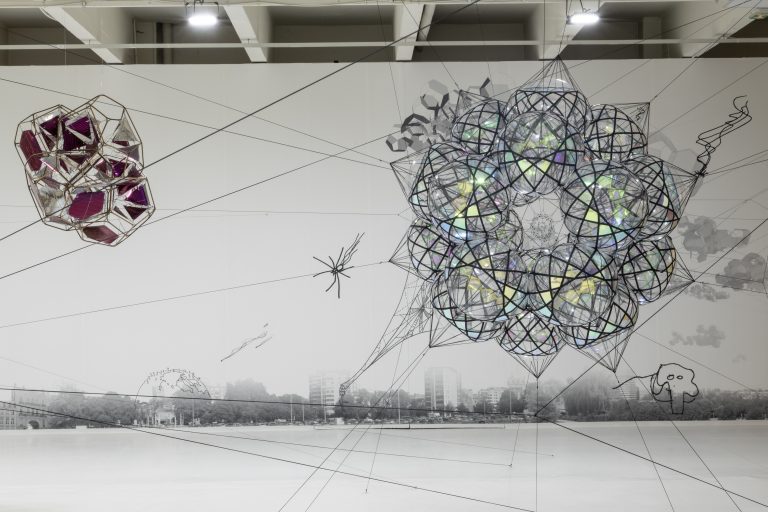
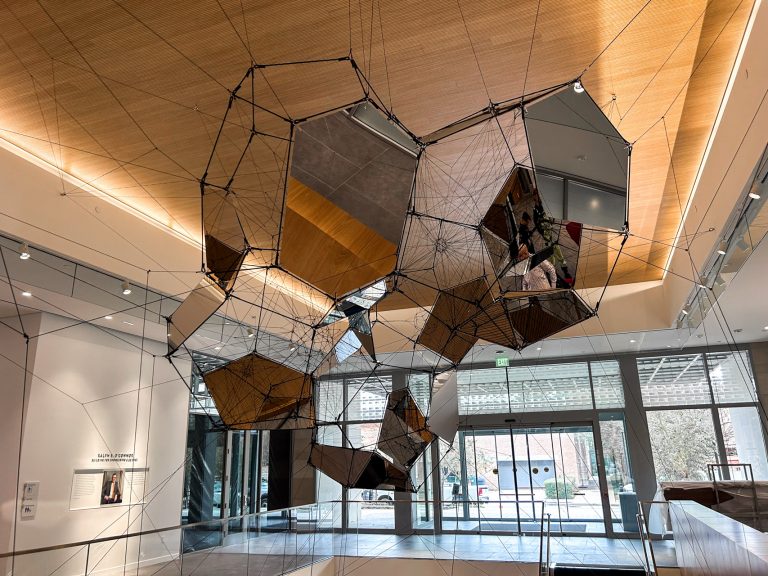
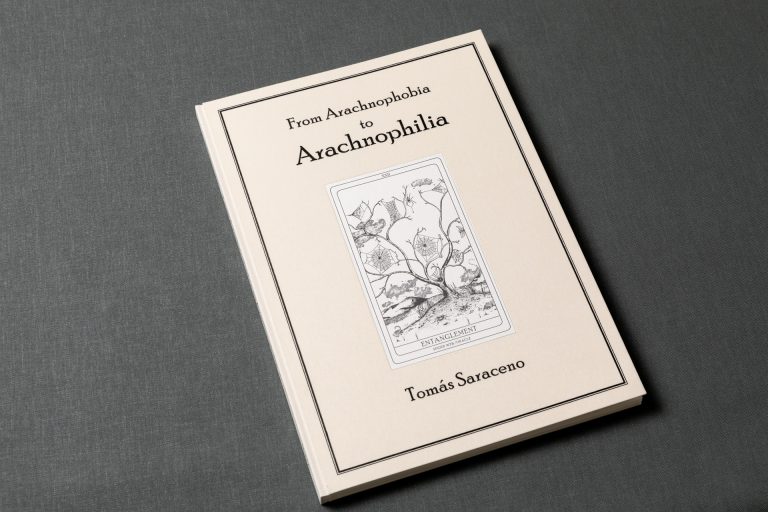
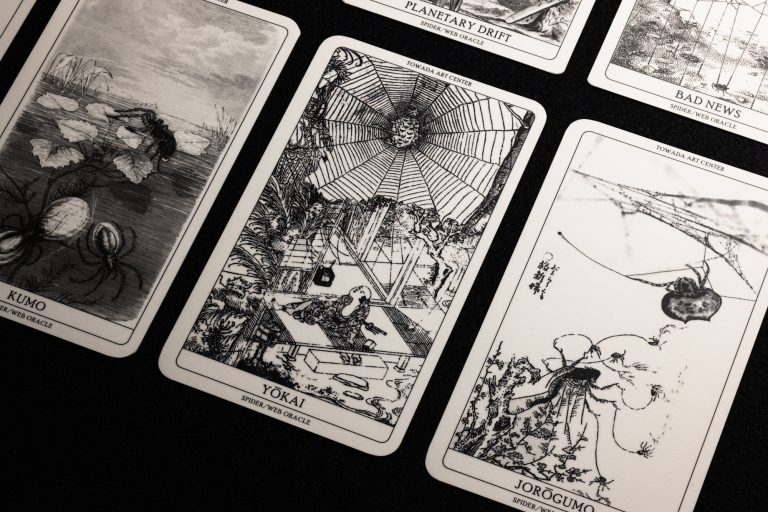
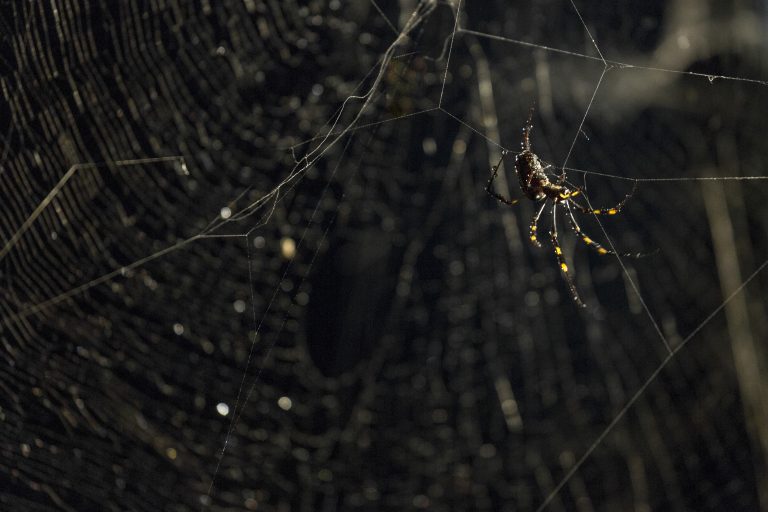
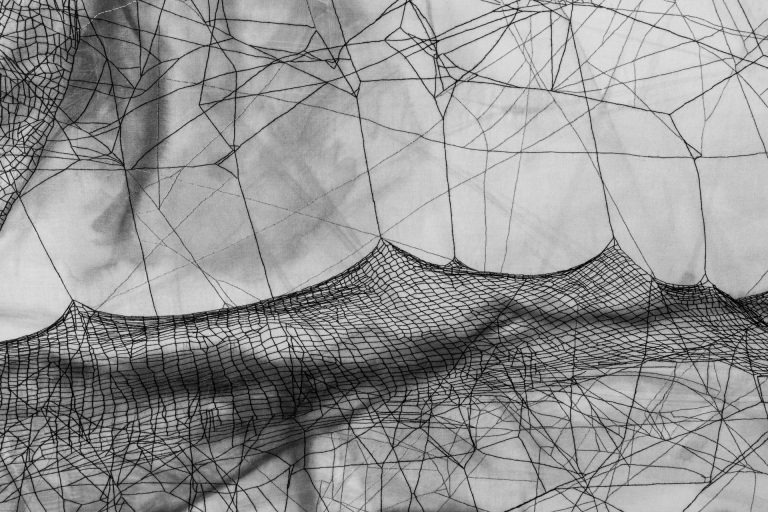
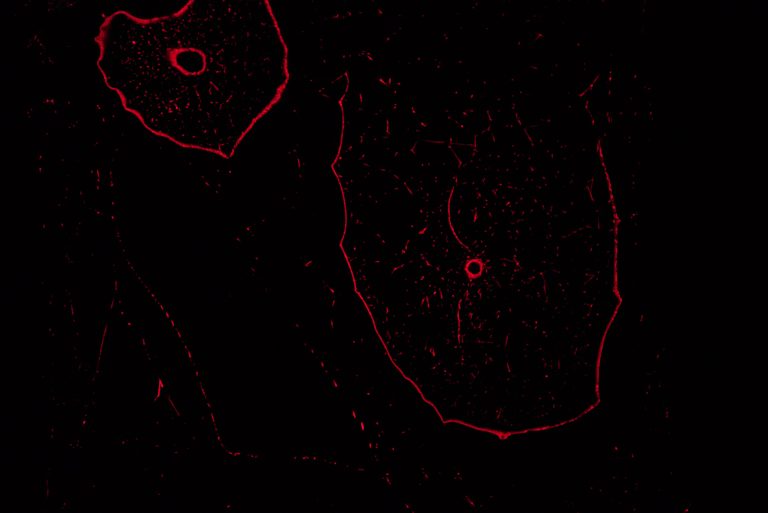
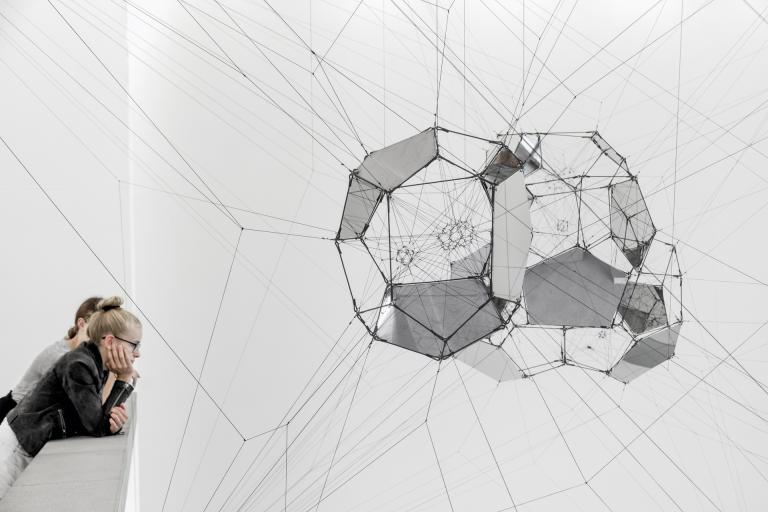
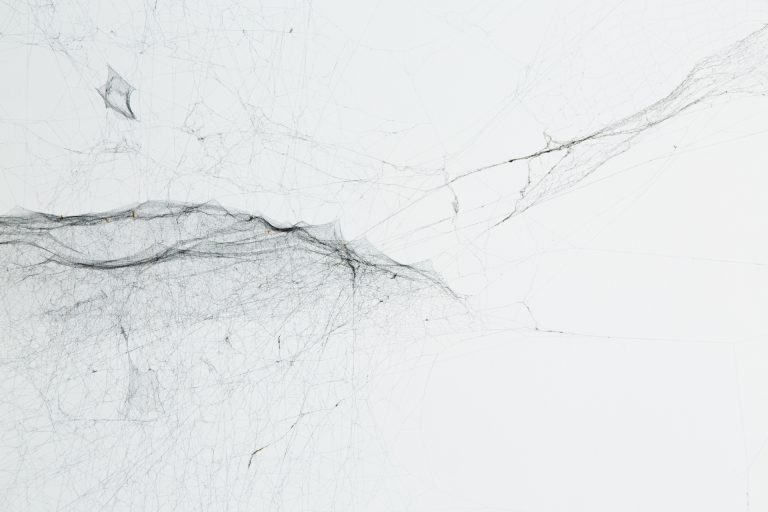
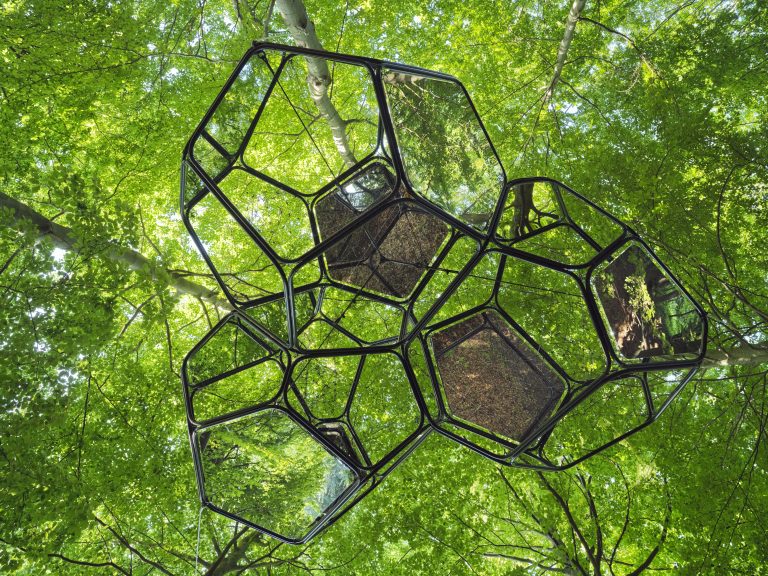
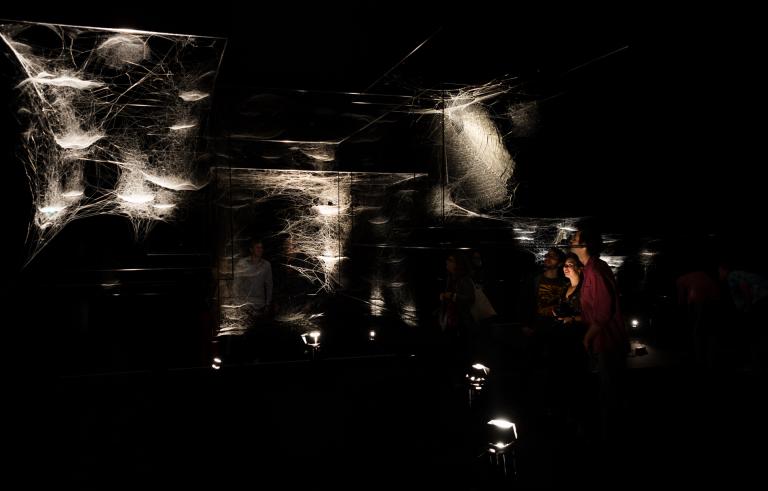
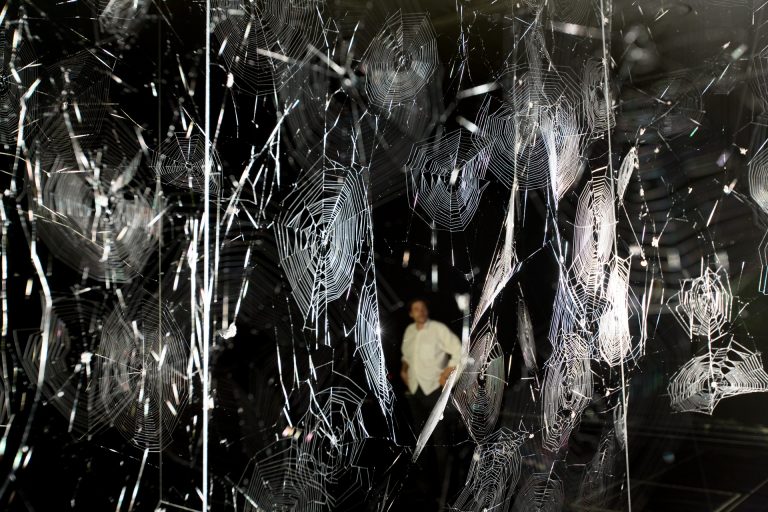
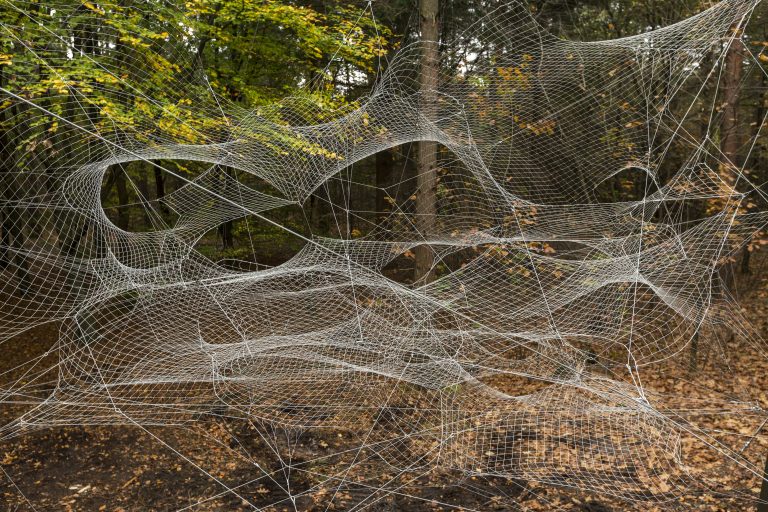
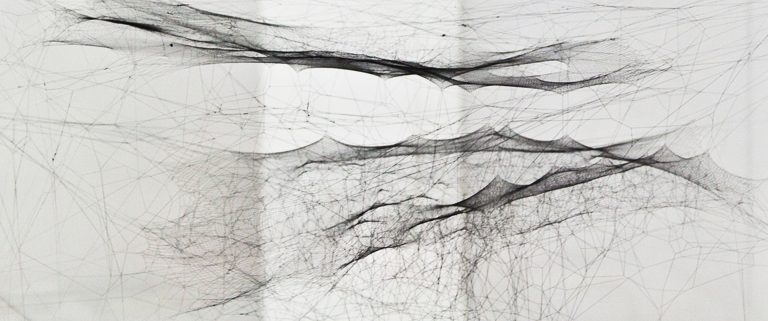
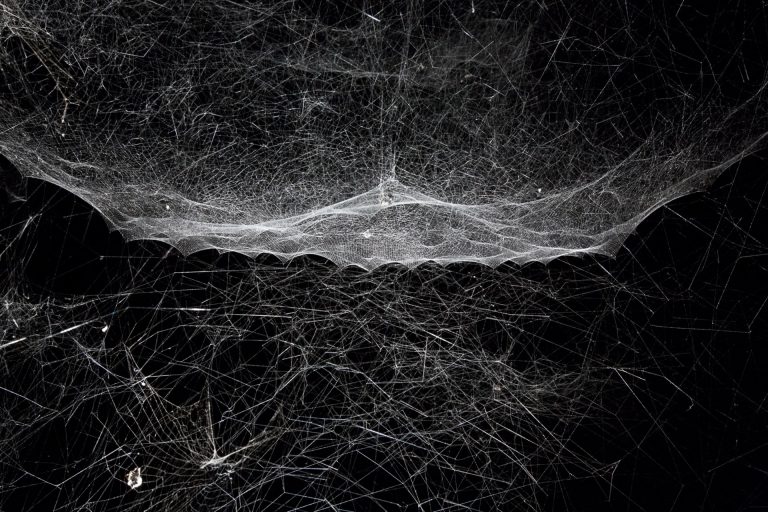
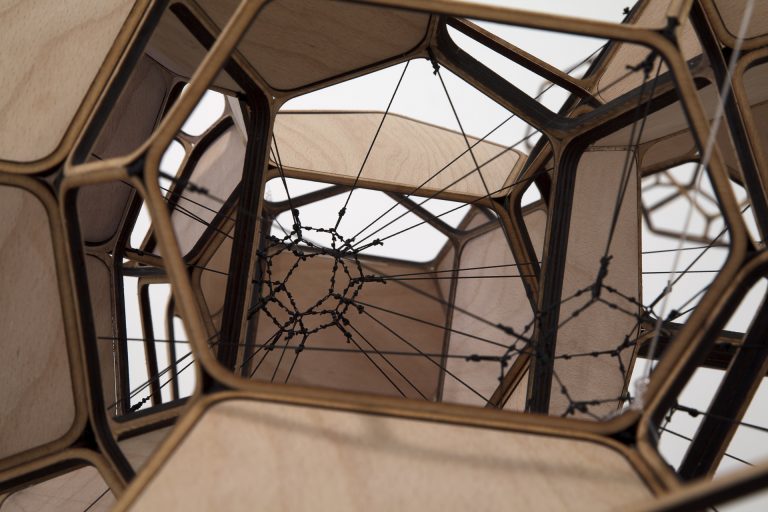
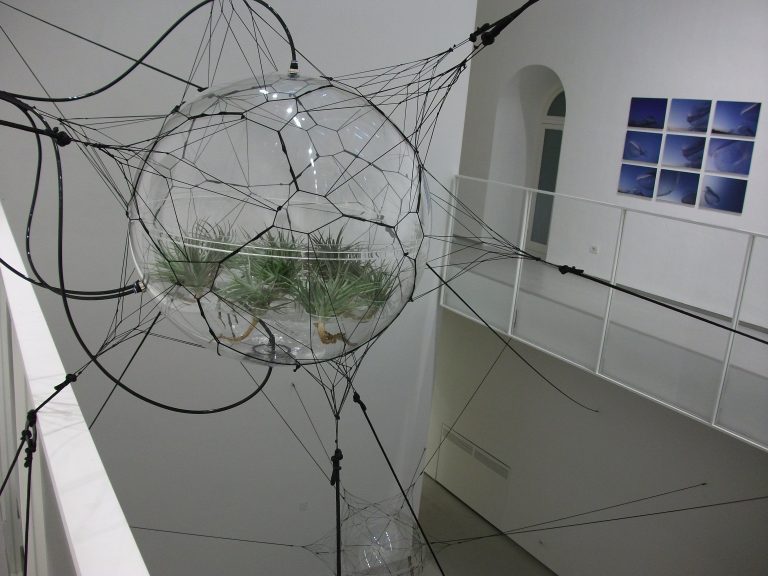
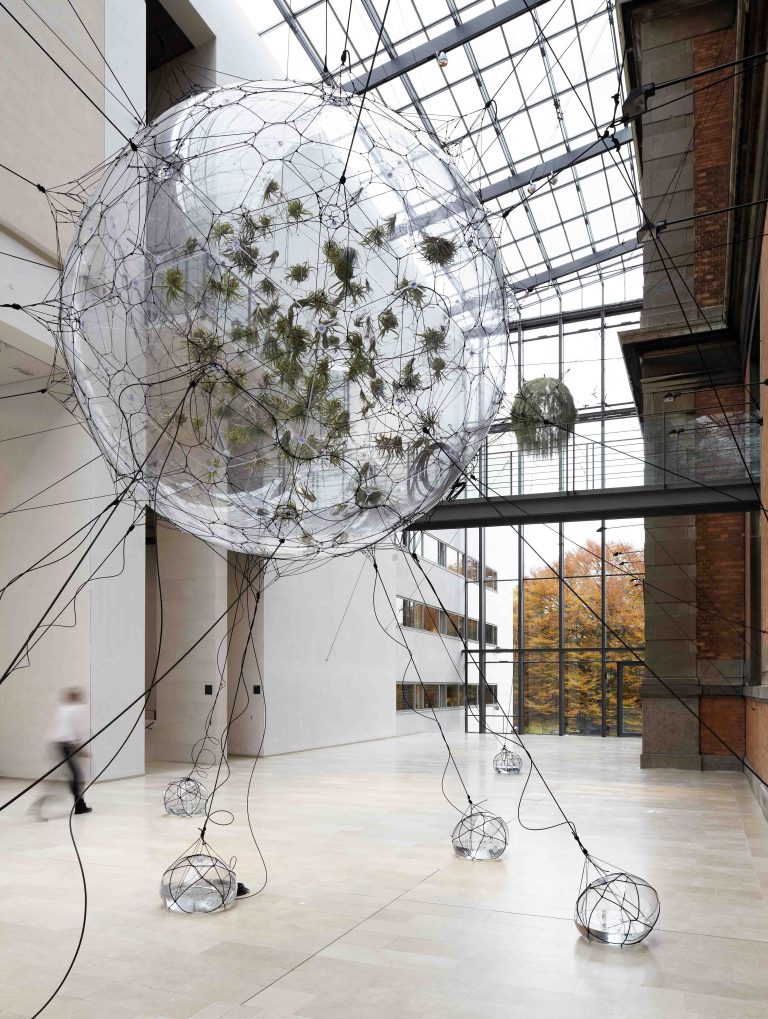
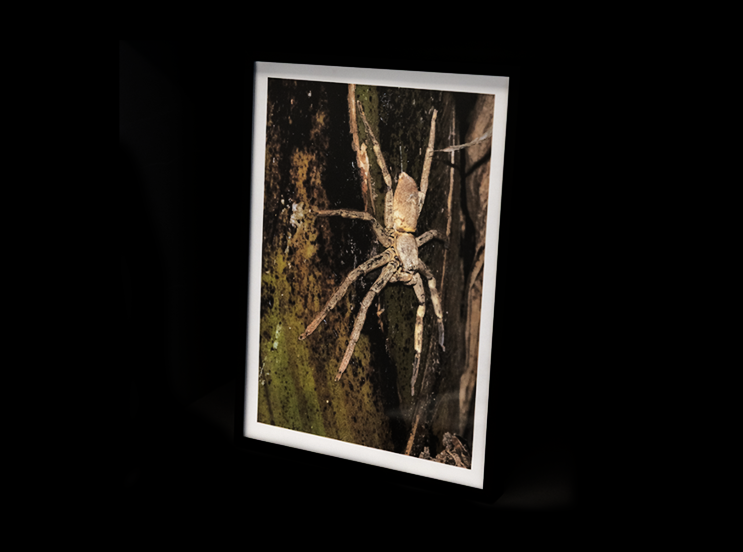
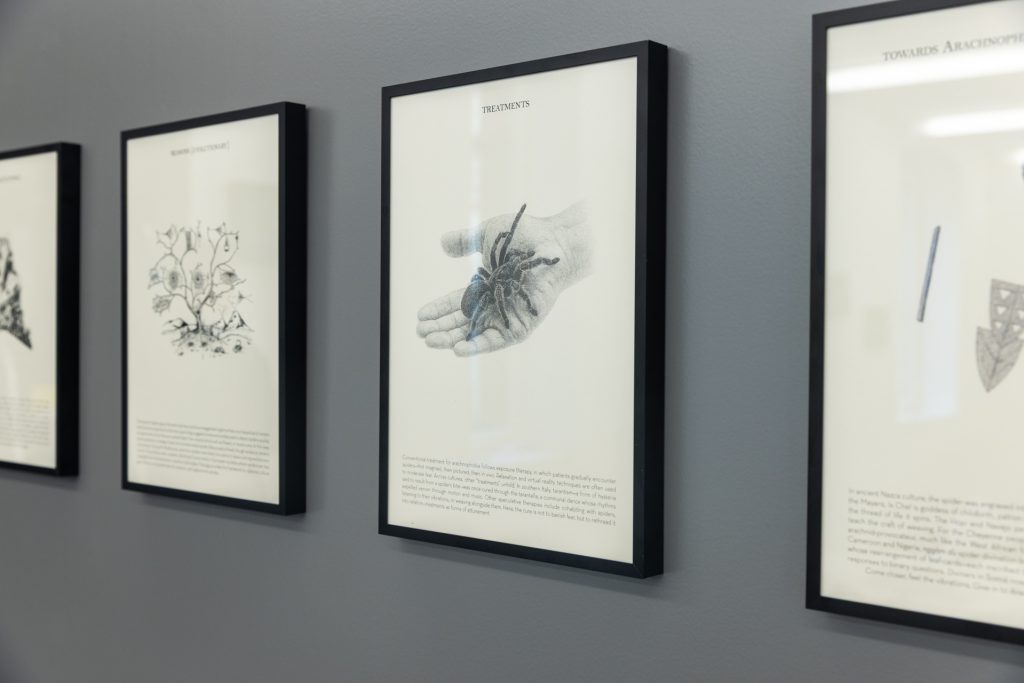
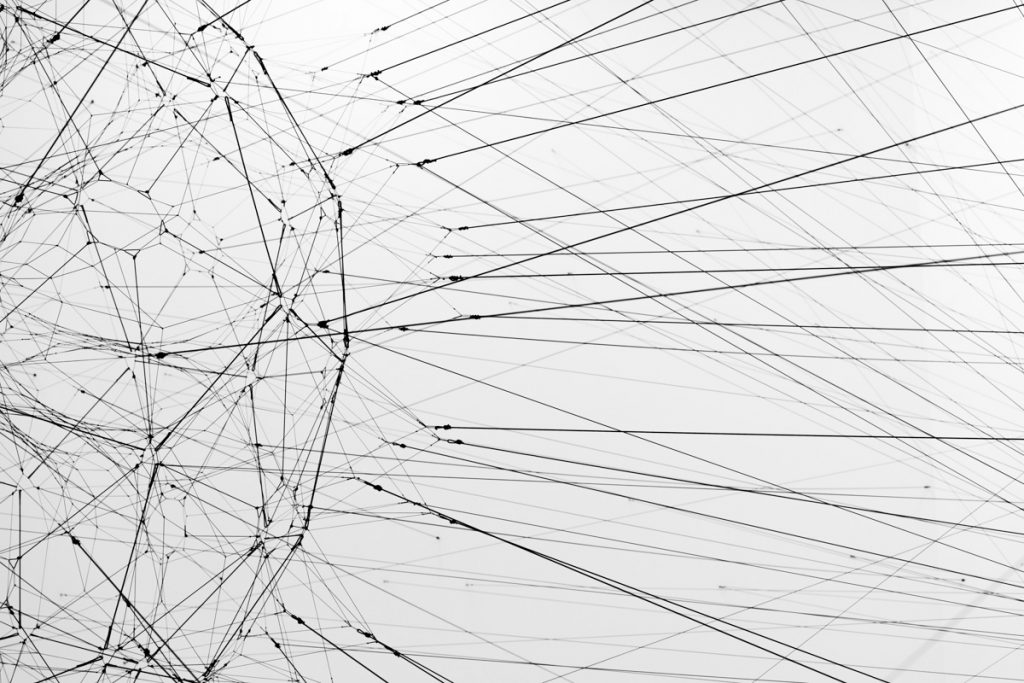
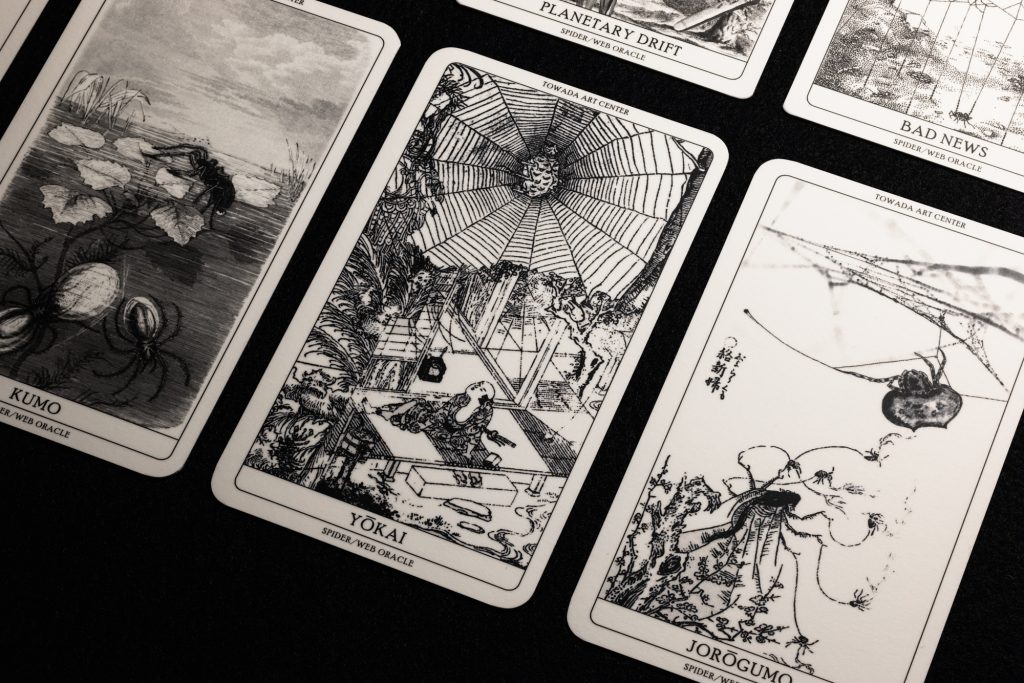
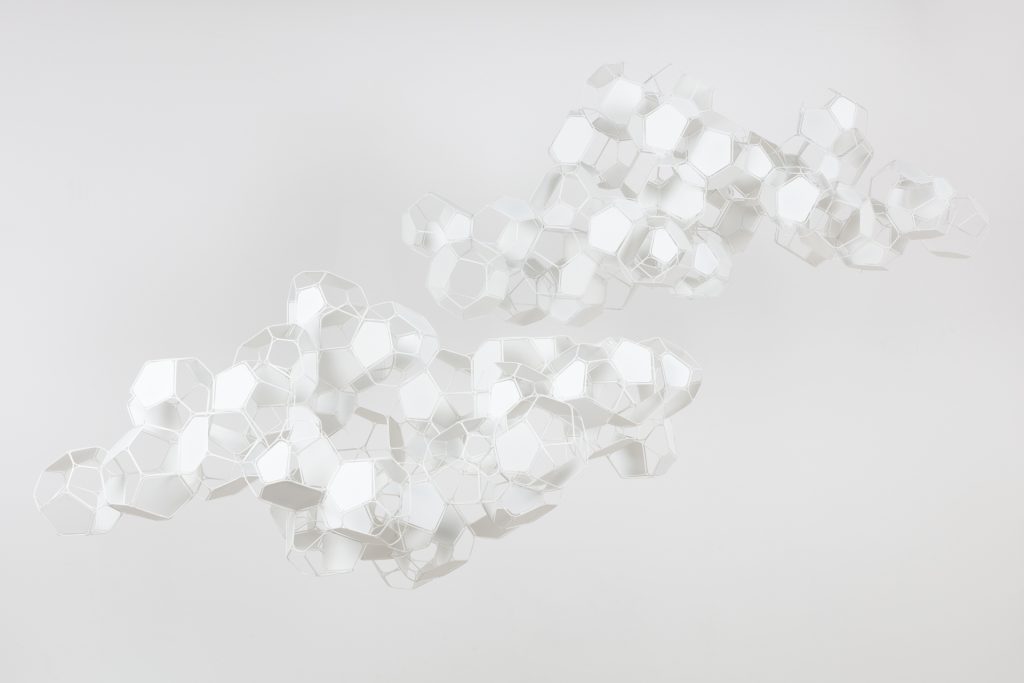
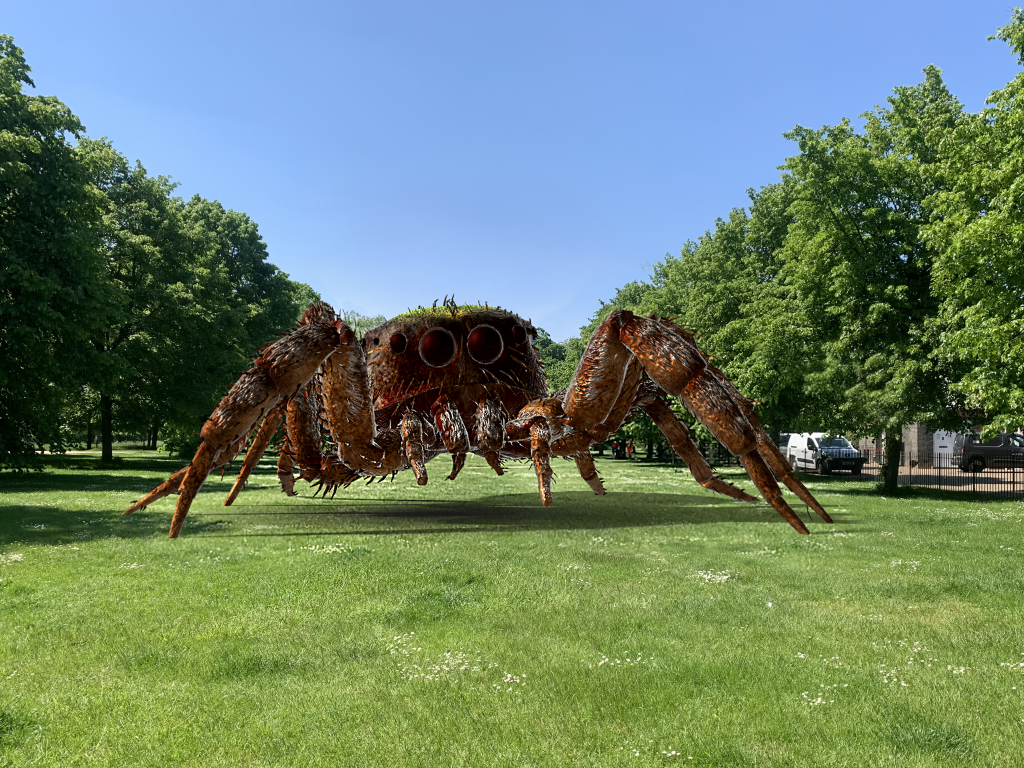
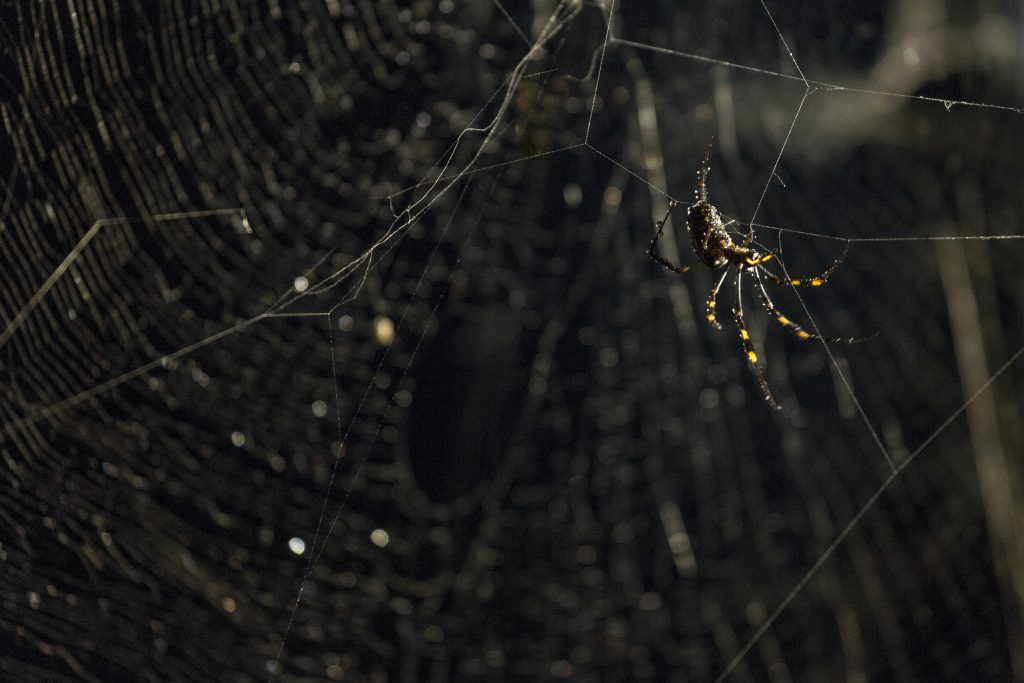
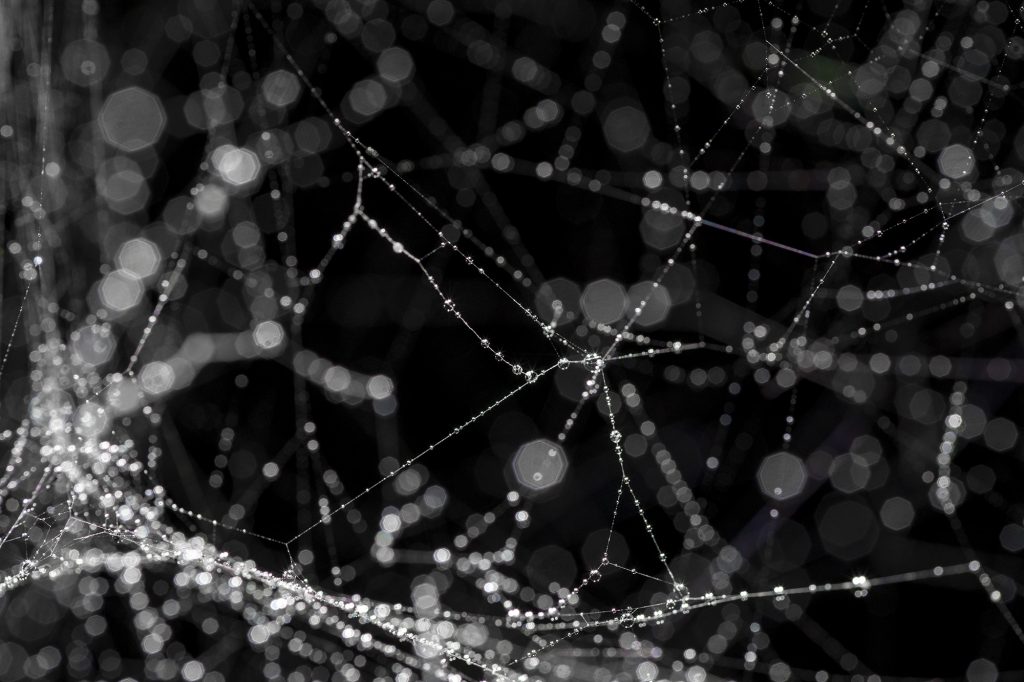
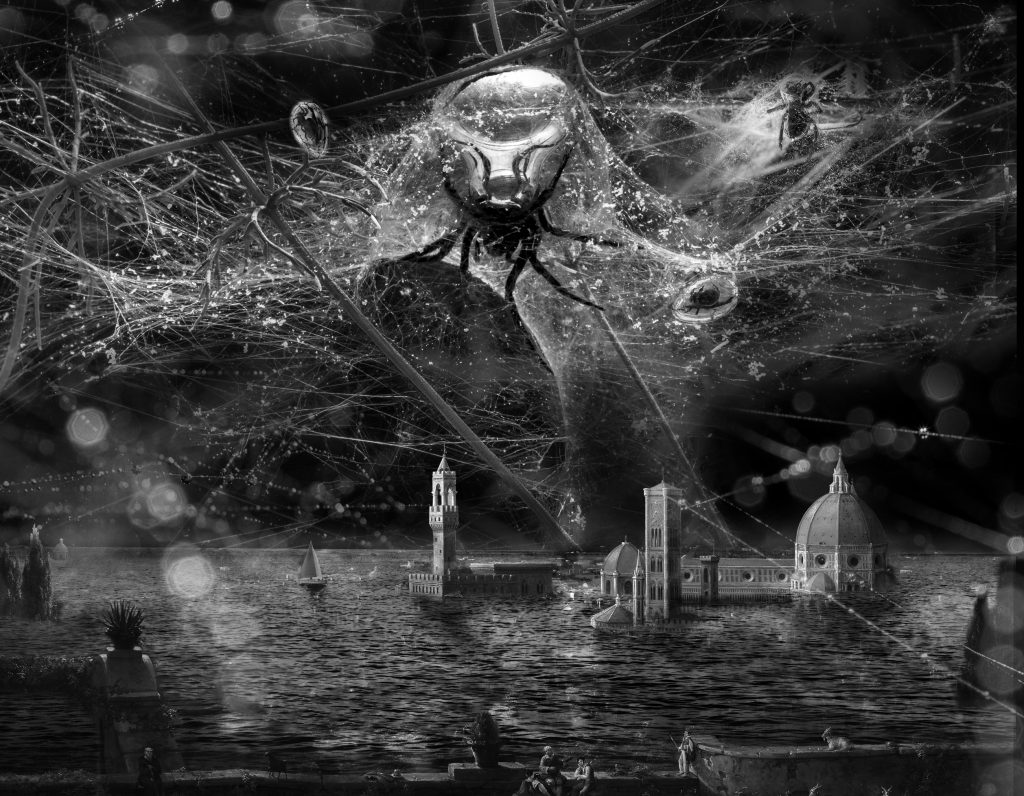
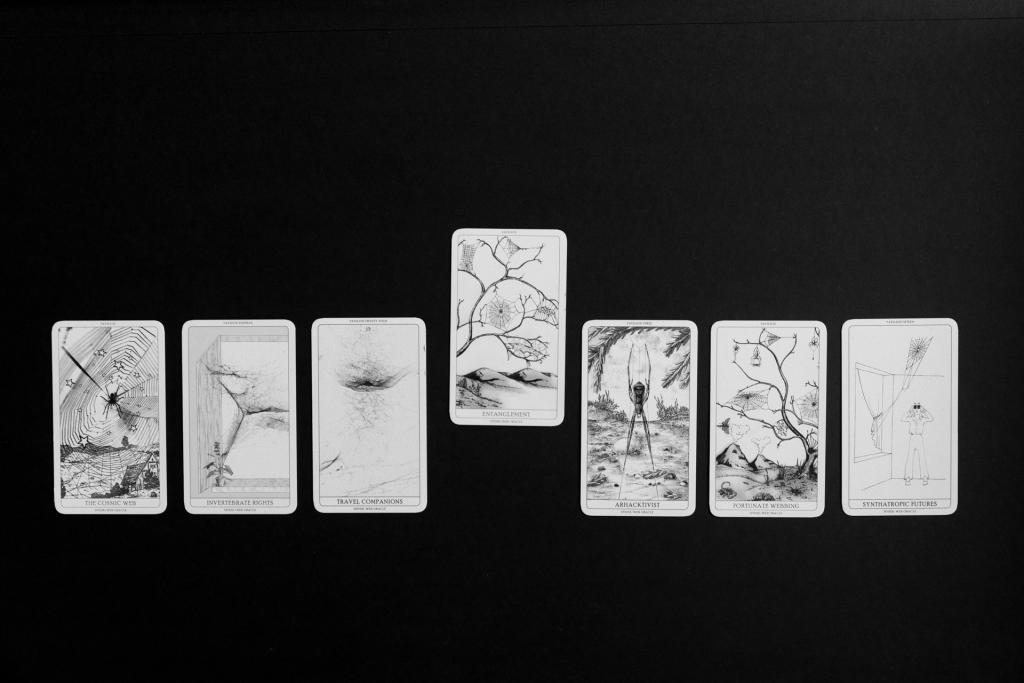
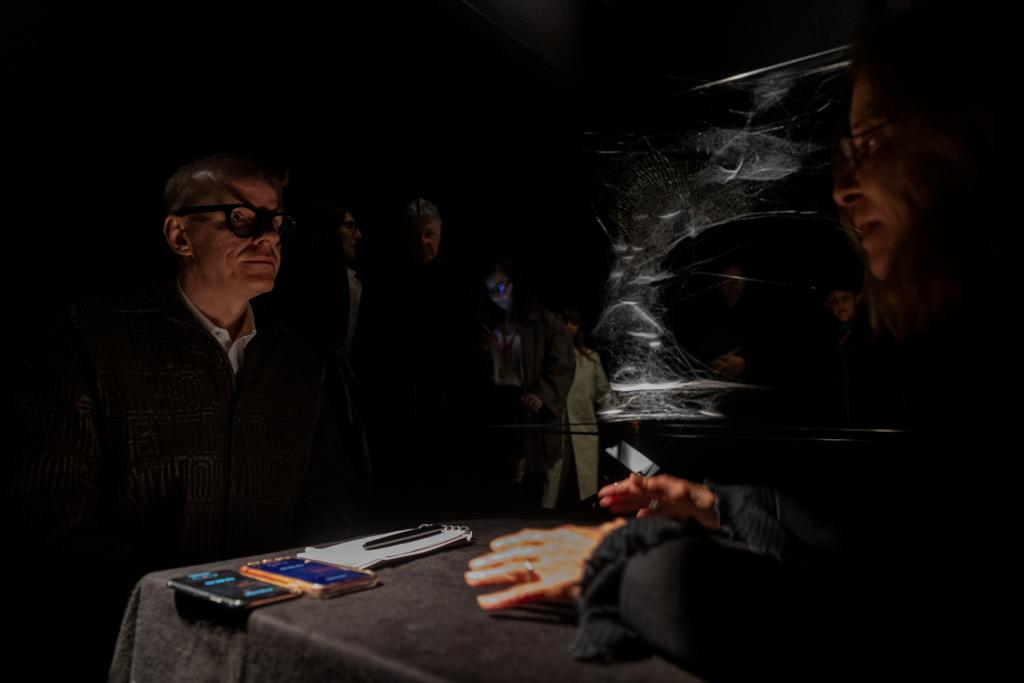
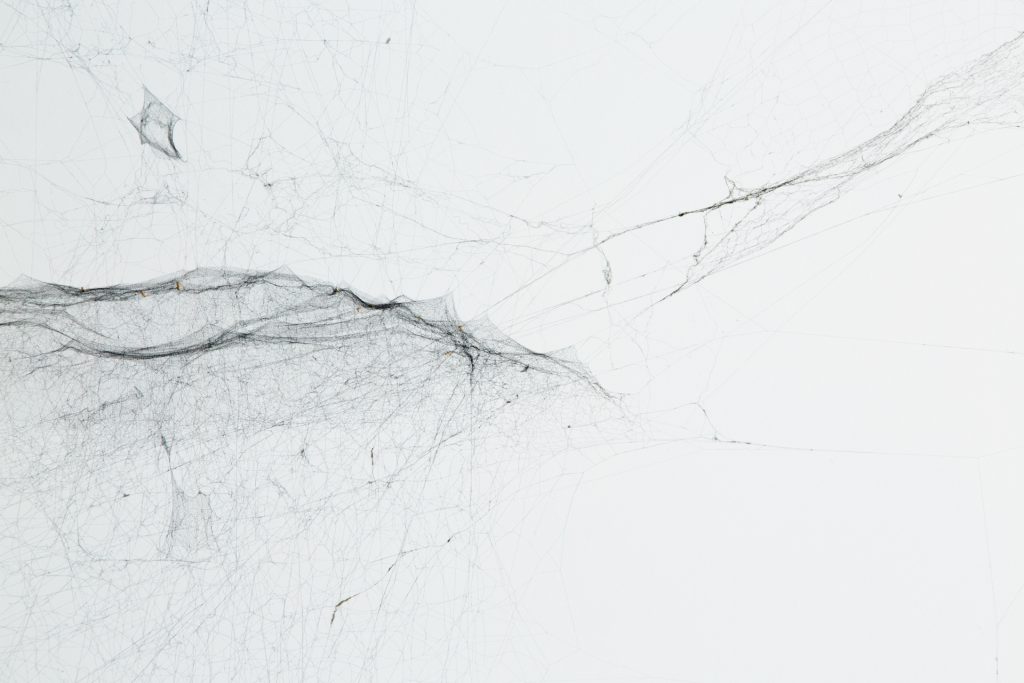
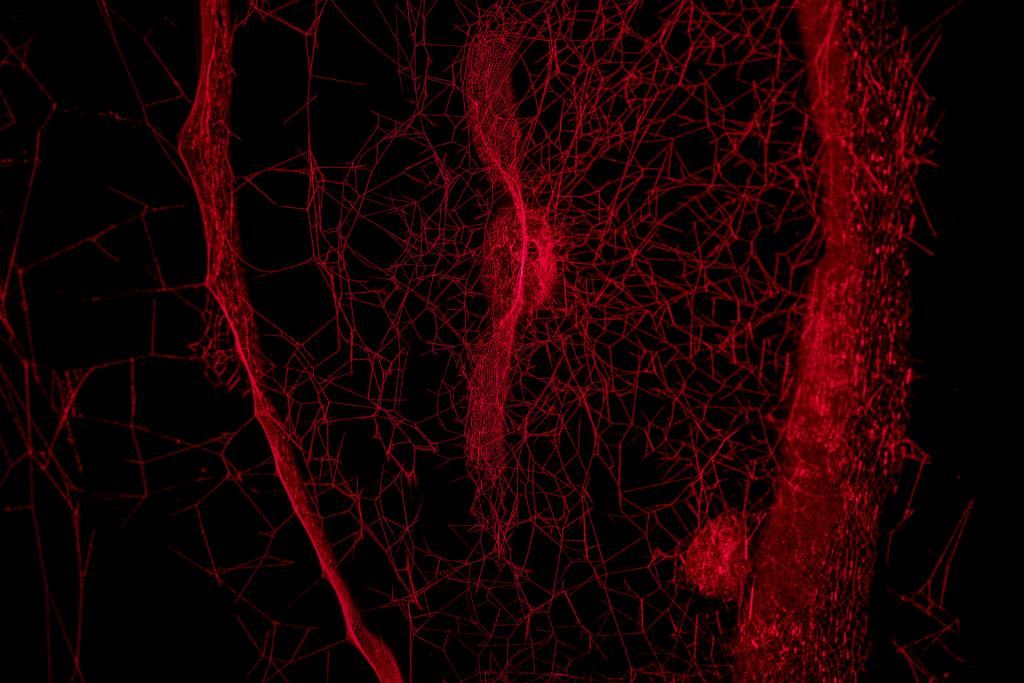
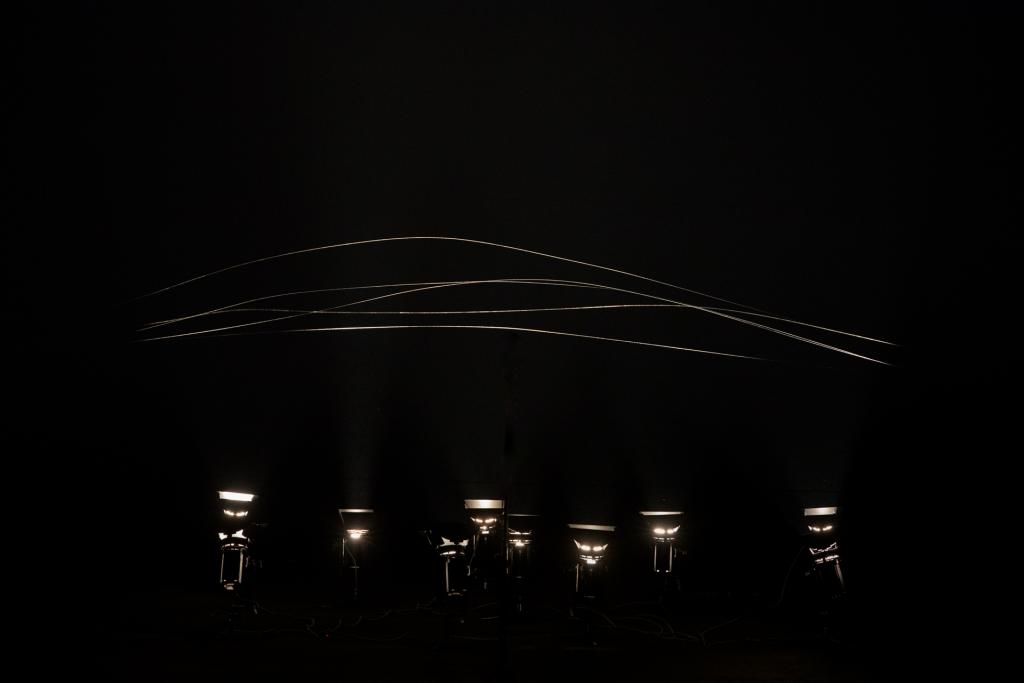
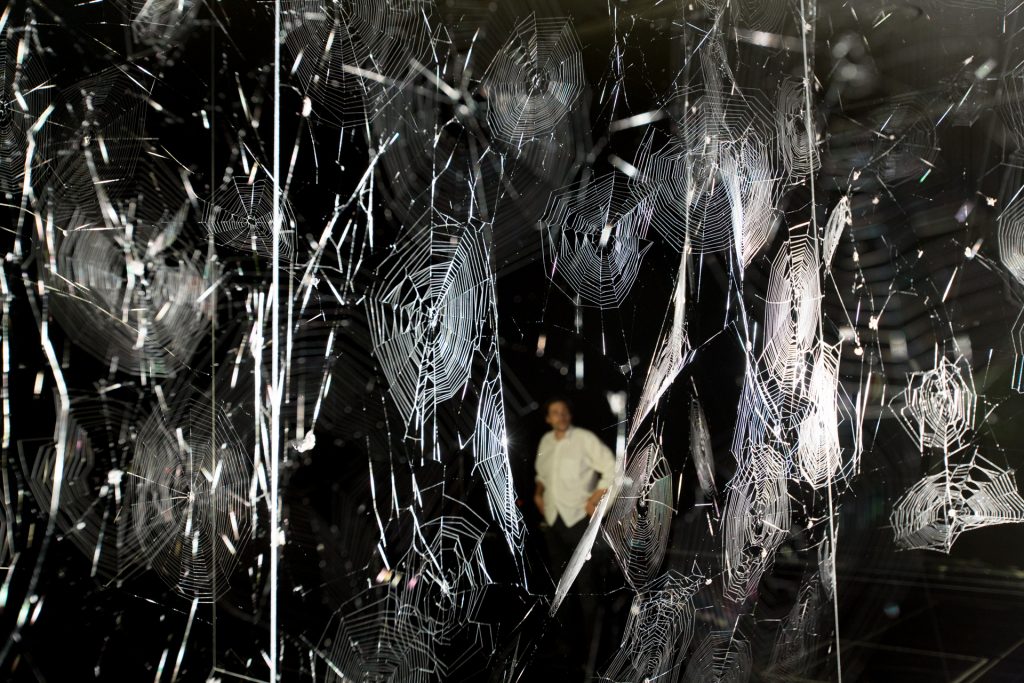
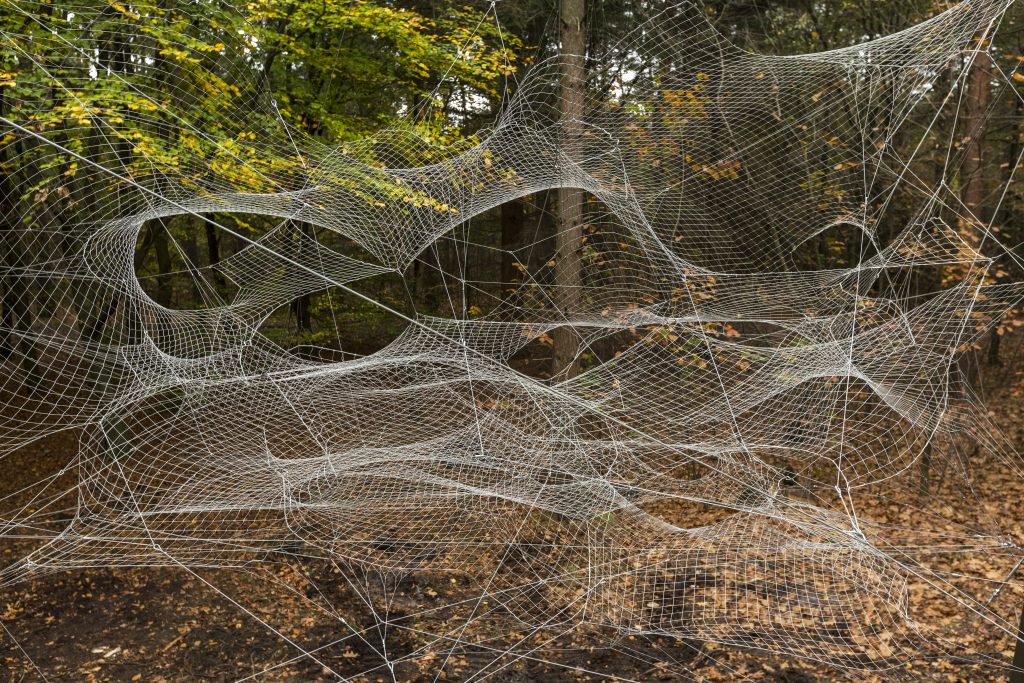
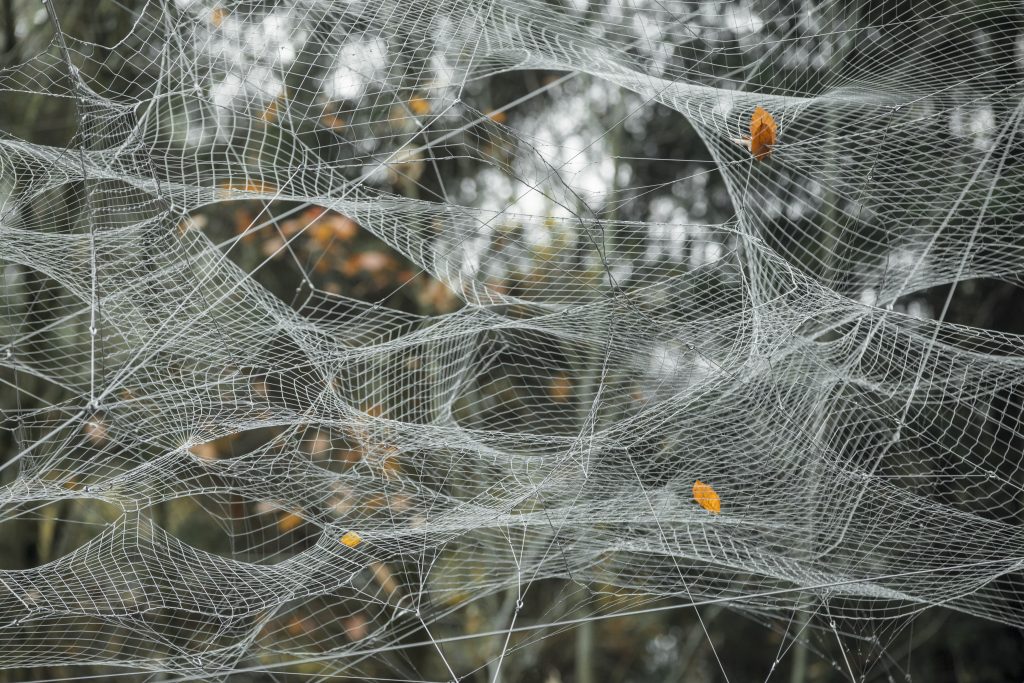
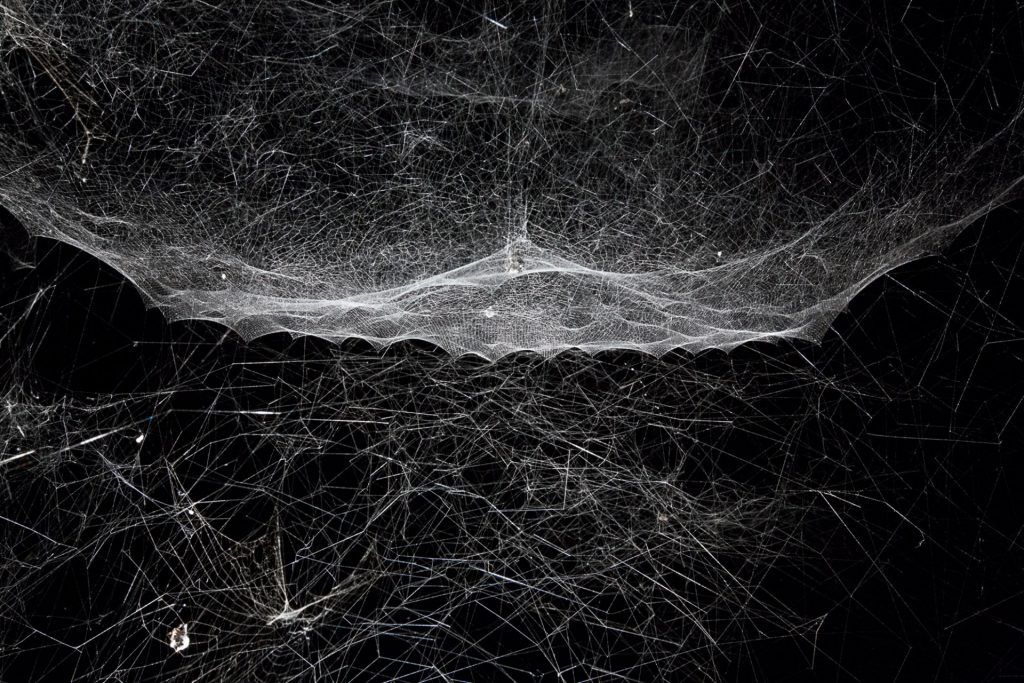
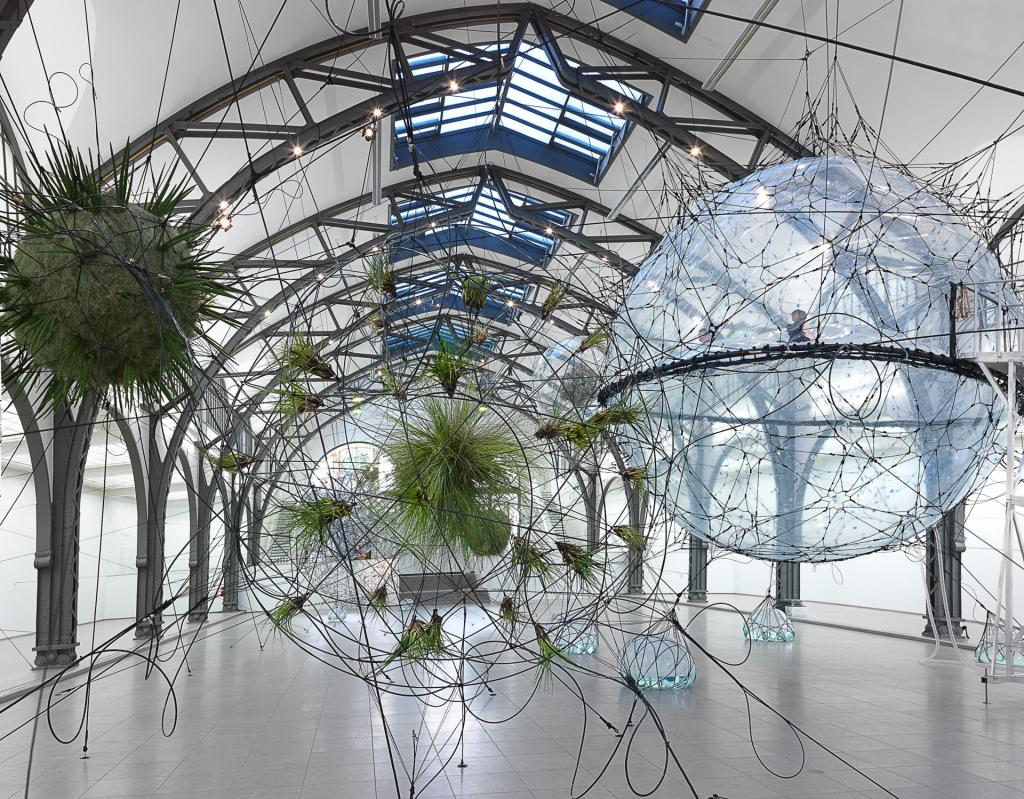
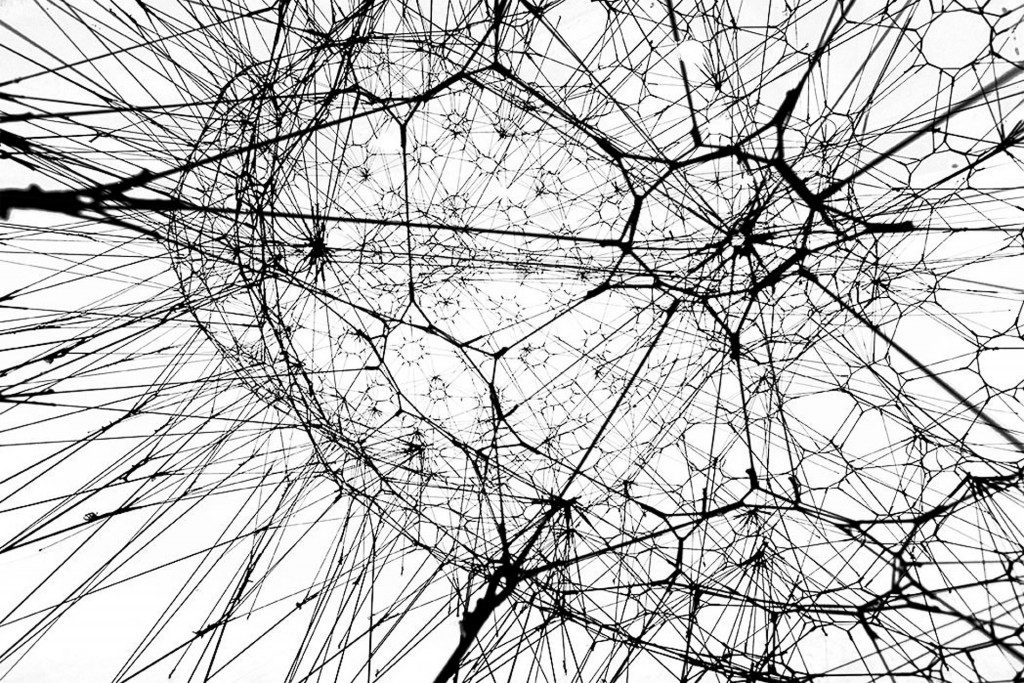
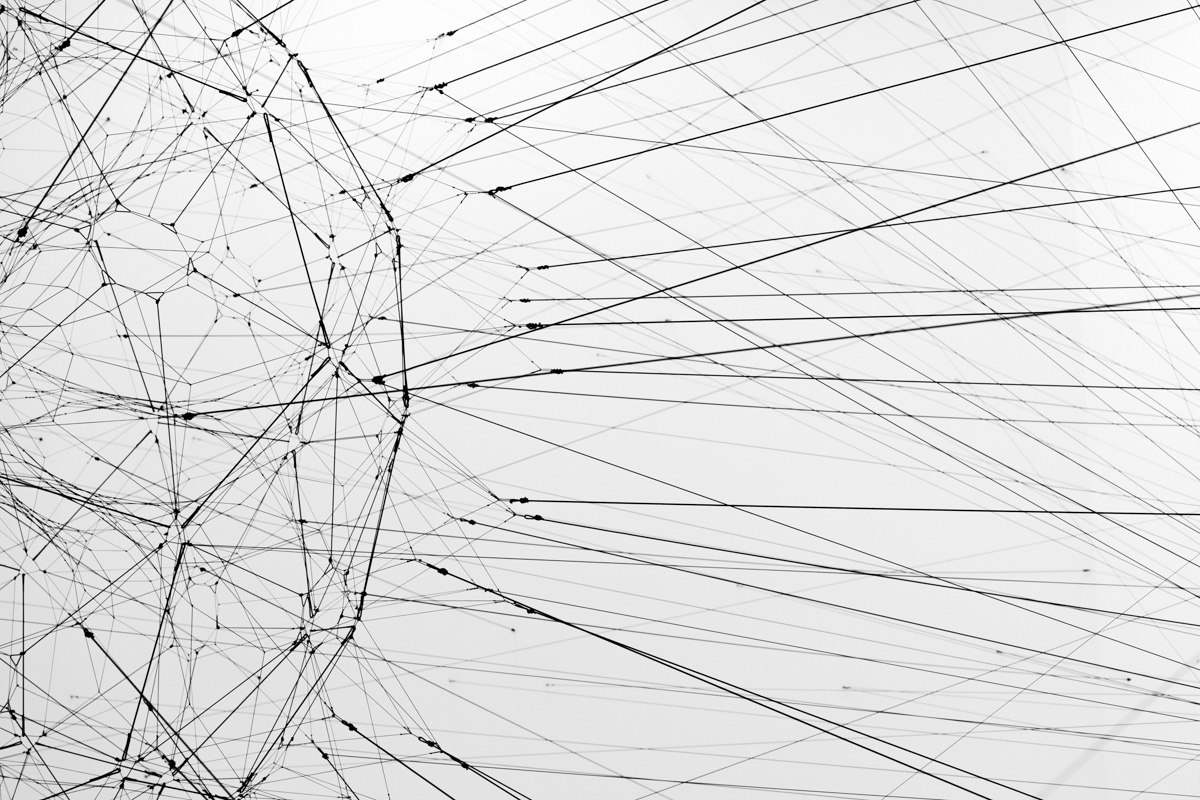
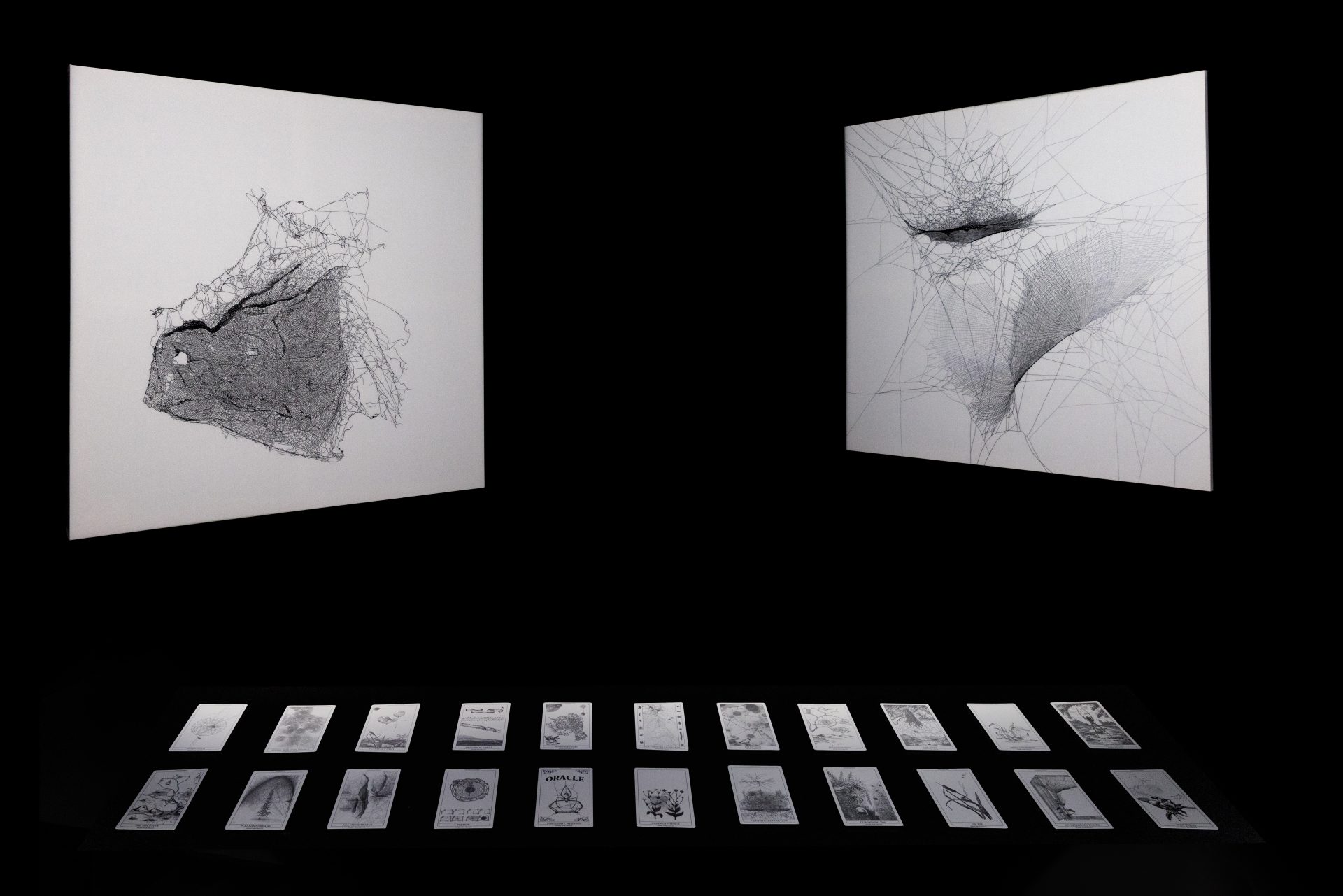
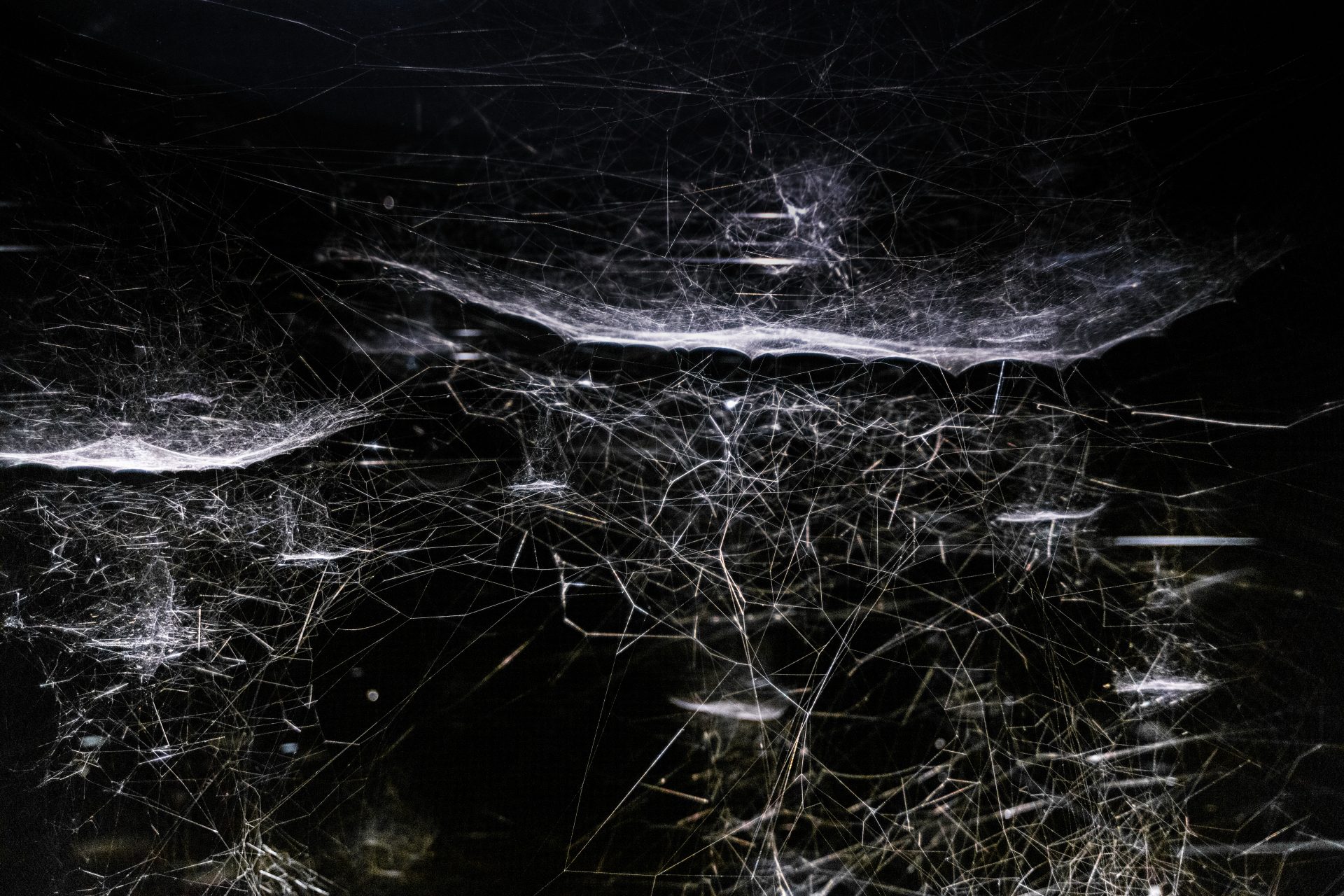
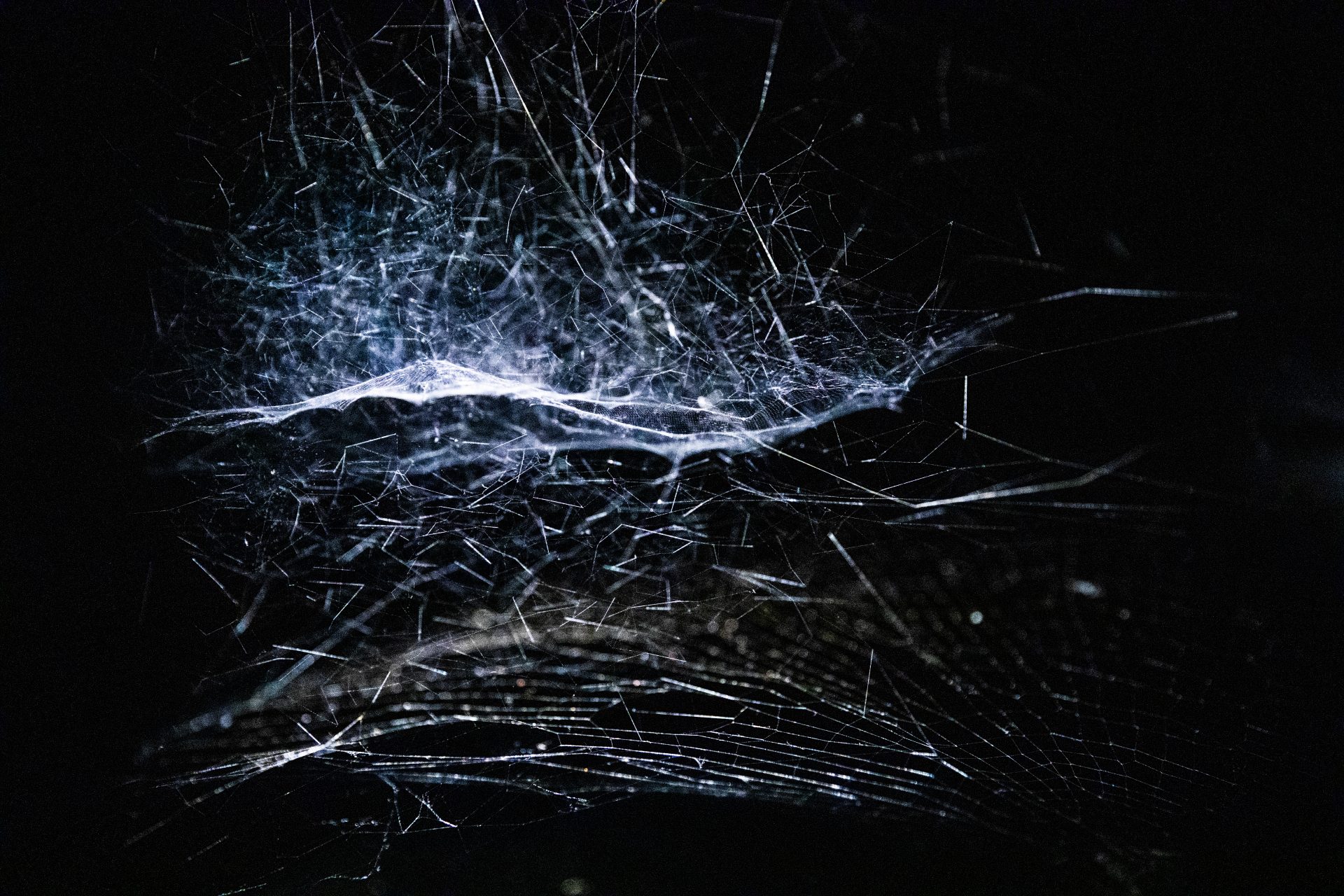
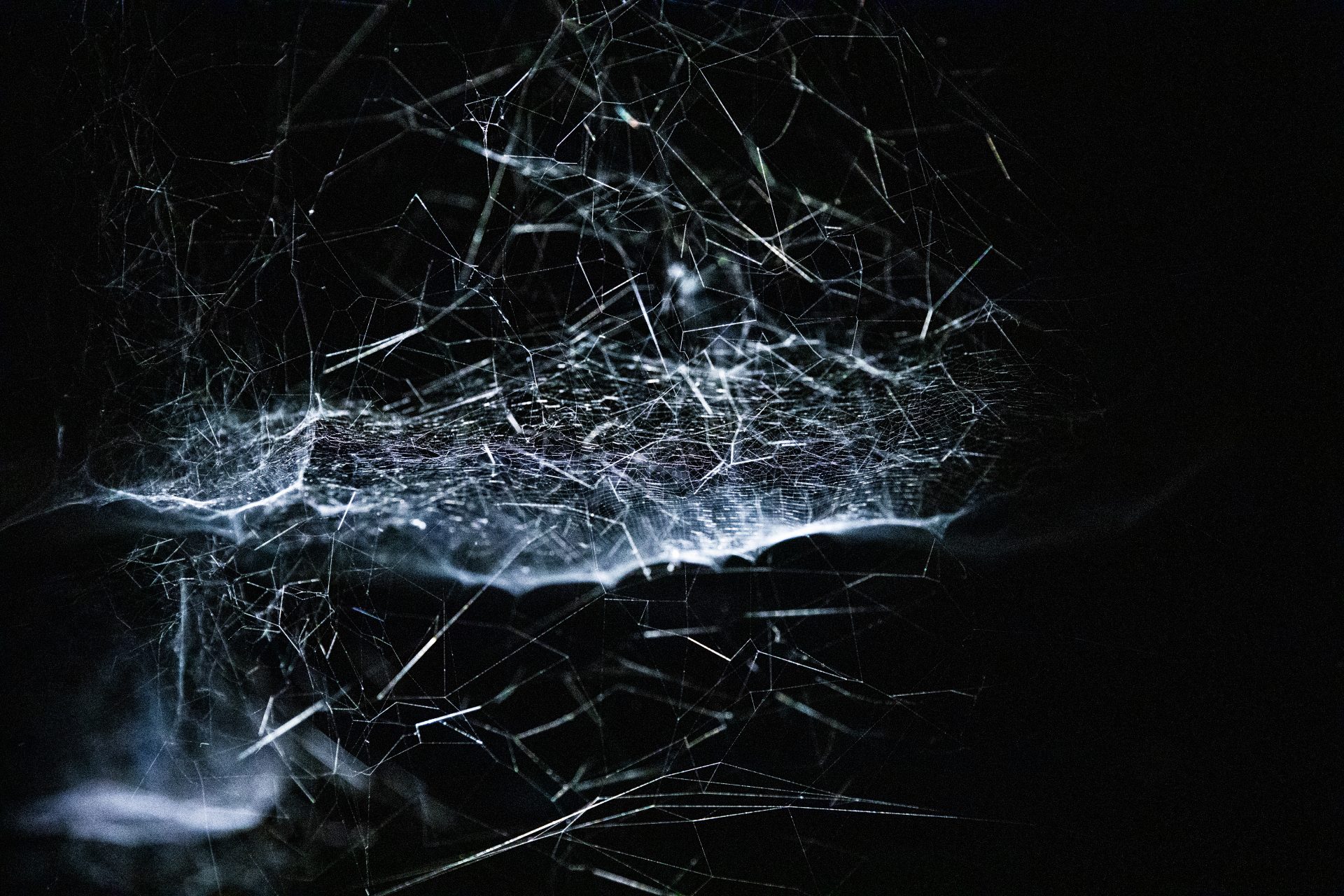
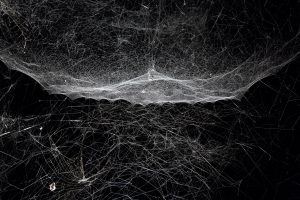
In various cultures across the world the spider occupies a central place as a source of wisdom and divination: from the ancient Nazca civilization of Peru, to contemporary Cameroon, where the Mambila people consult with the spider through ŋgam dù divination on issues that concern their past, present and future. Webs are at once an extension of the spiders’ bodily cognition and a materialization of the ties that connect them to their environments. The exhibition highlights artworks that further the concept of ecosystems as webs of interactions , including Webs of At-tent(s)ion and How to entangle the universe in a spider/web?
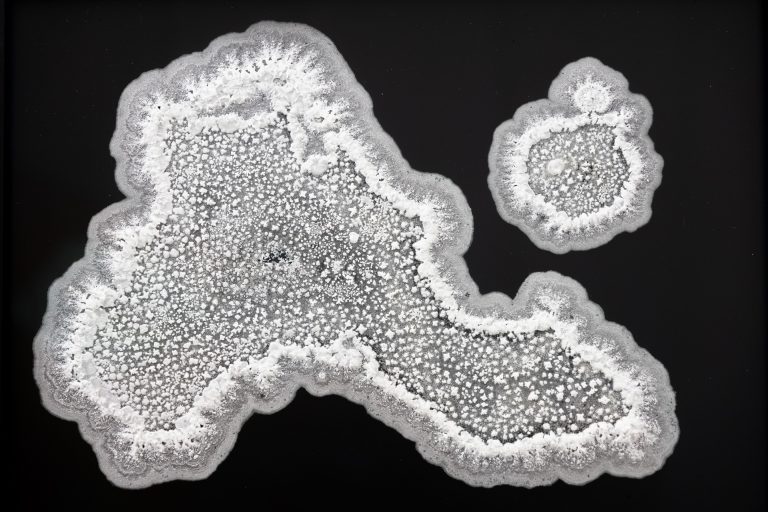
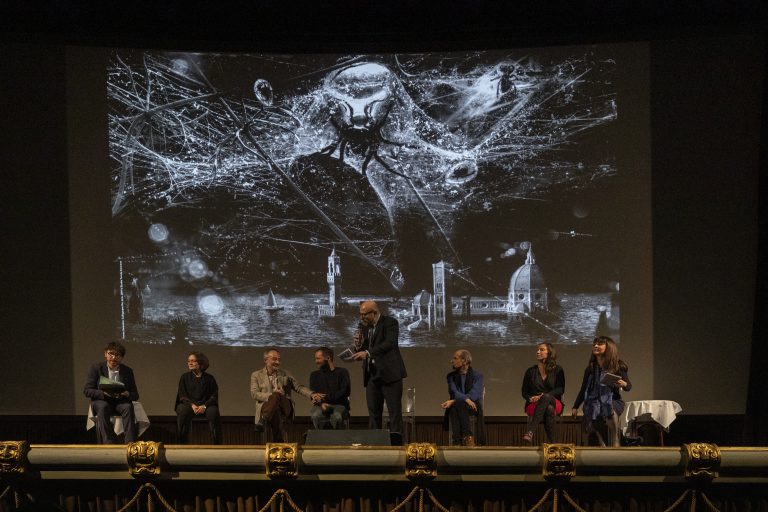
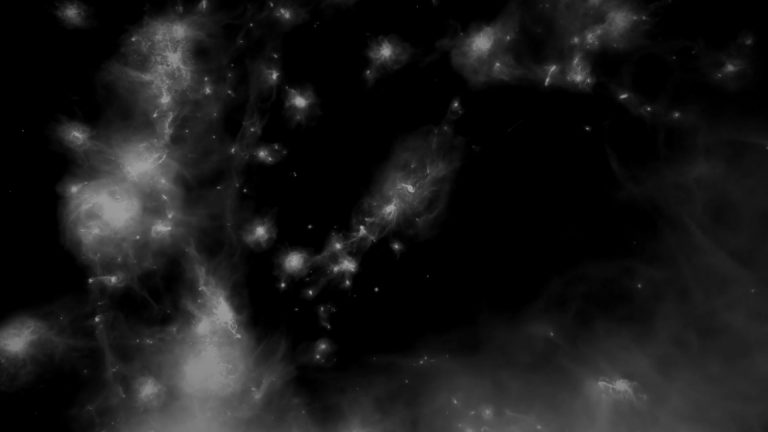
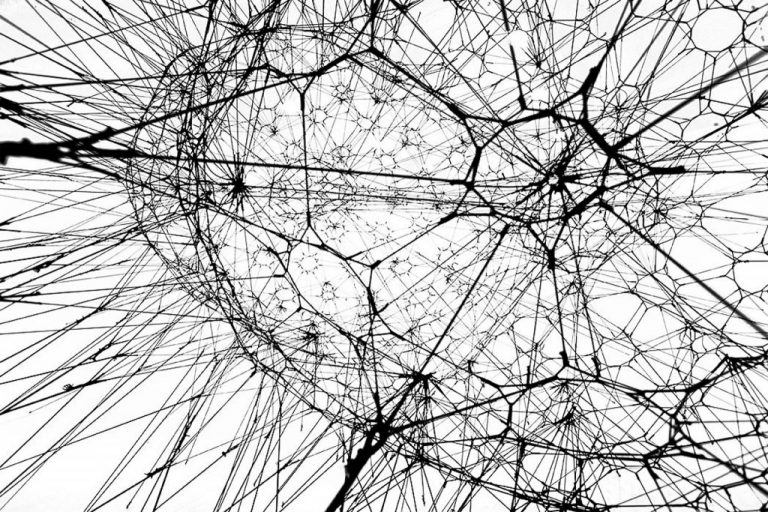
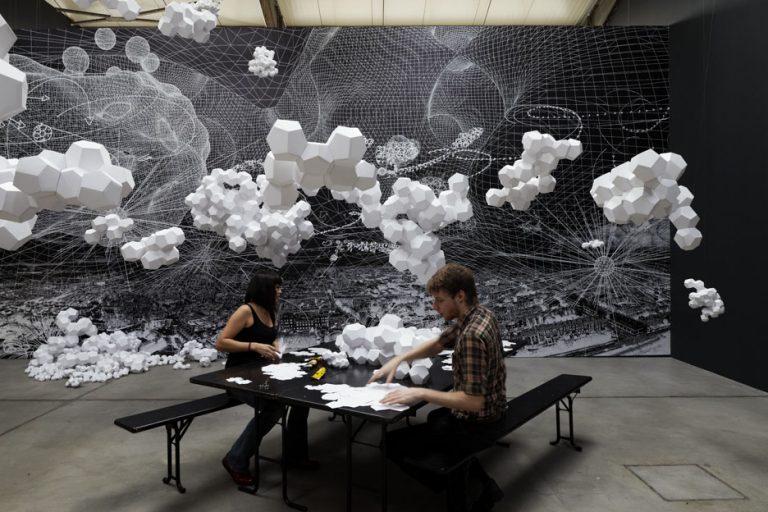
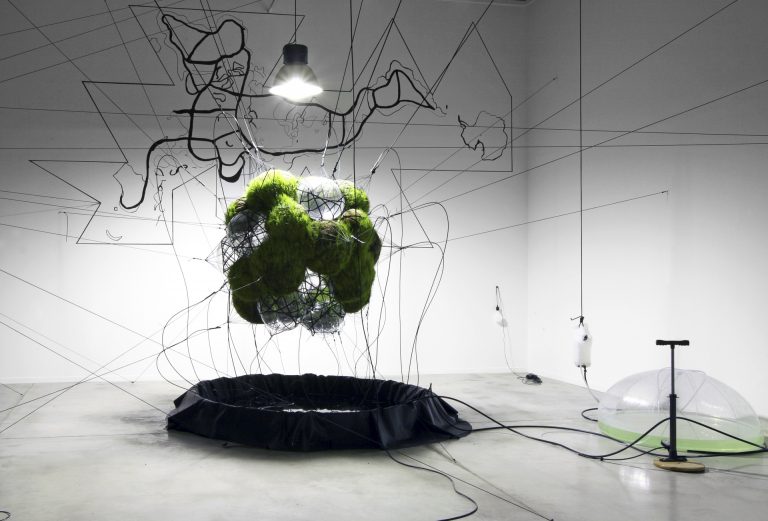
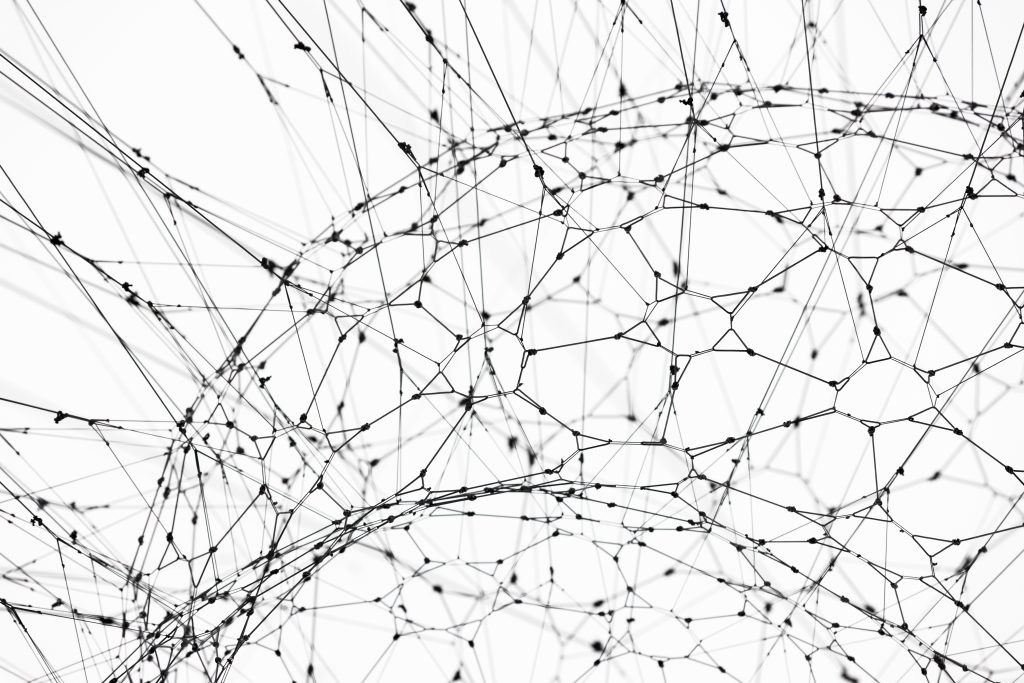
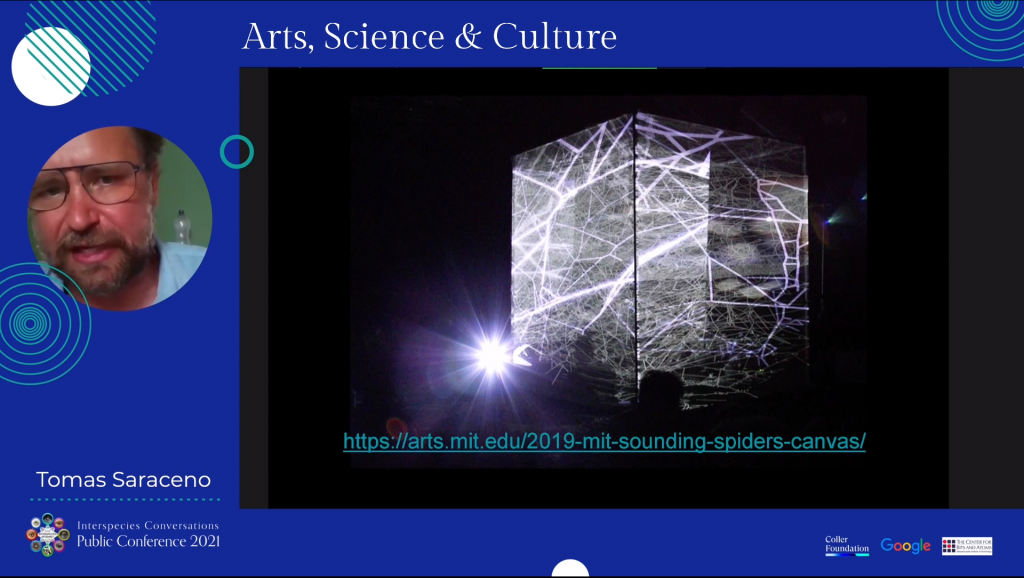
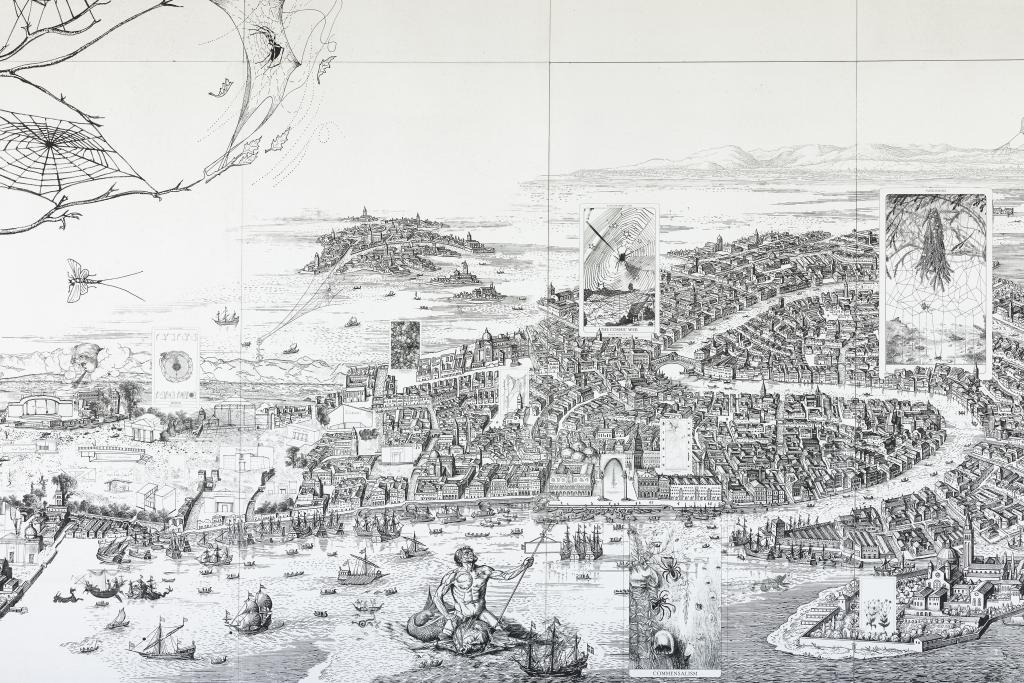
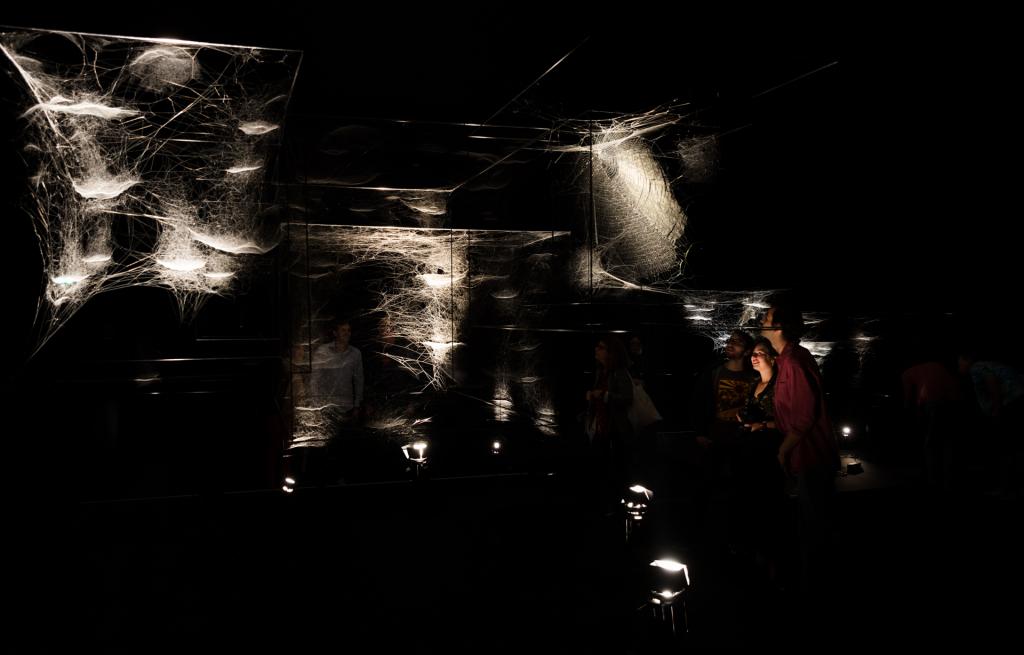
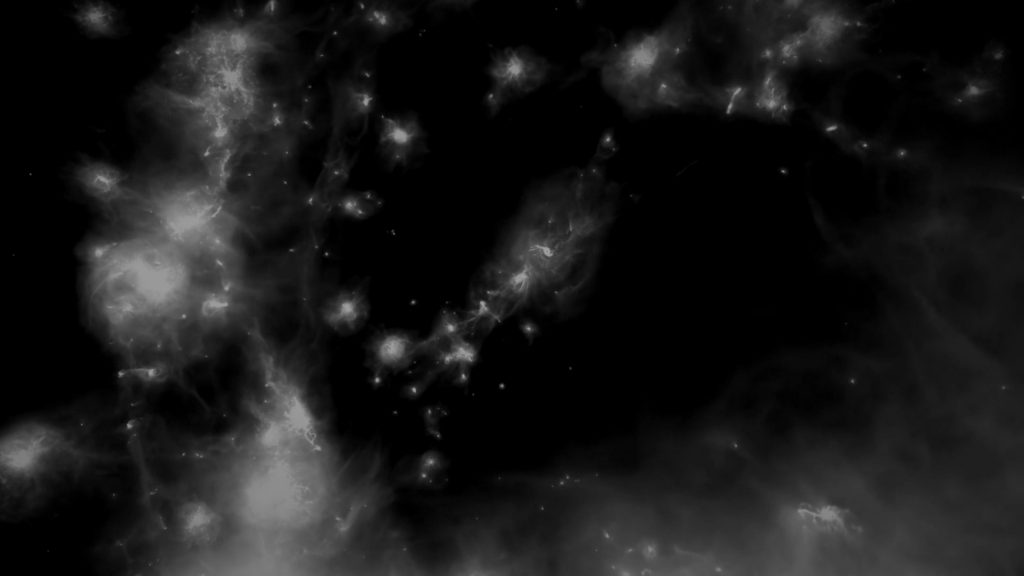
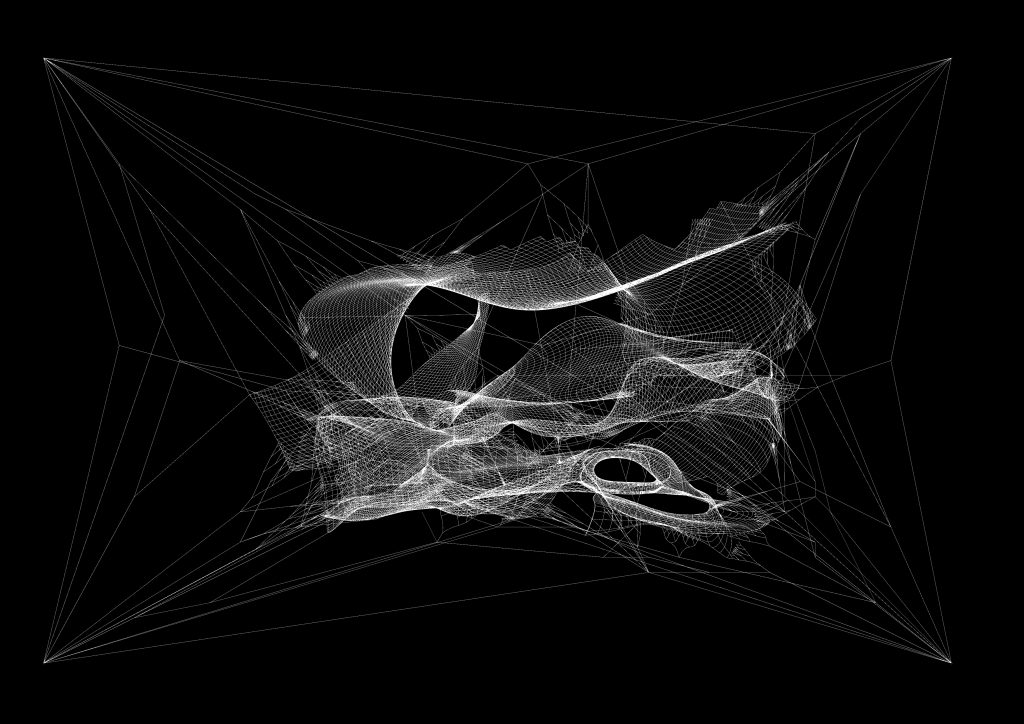
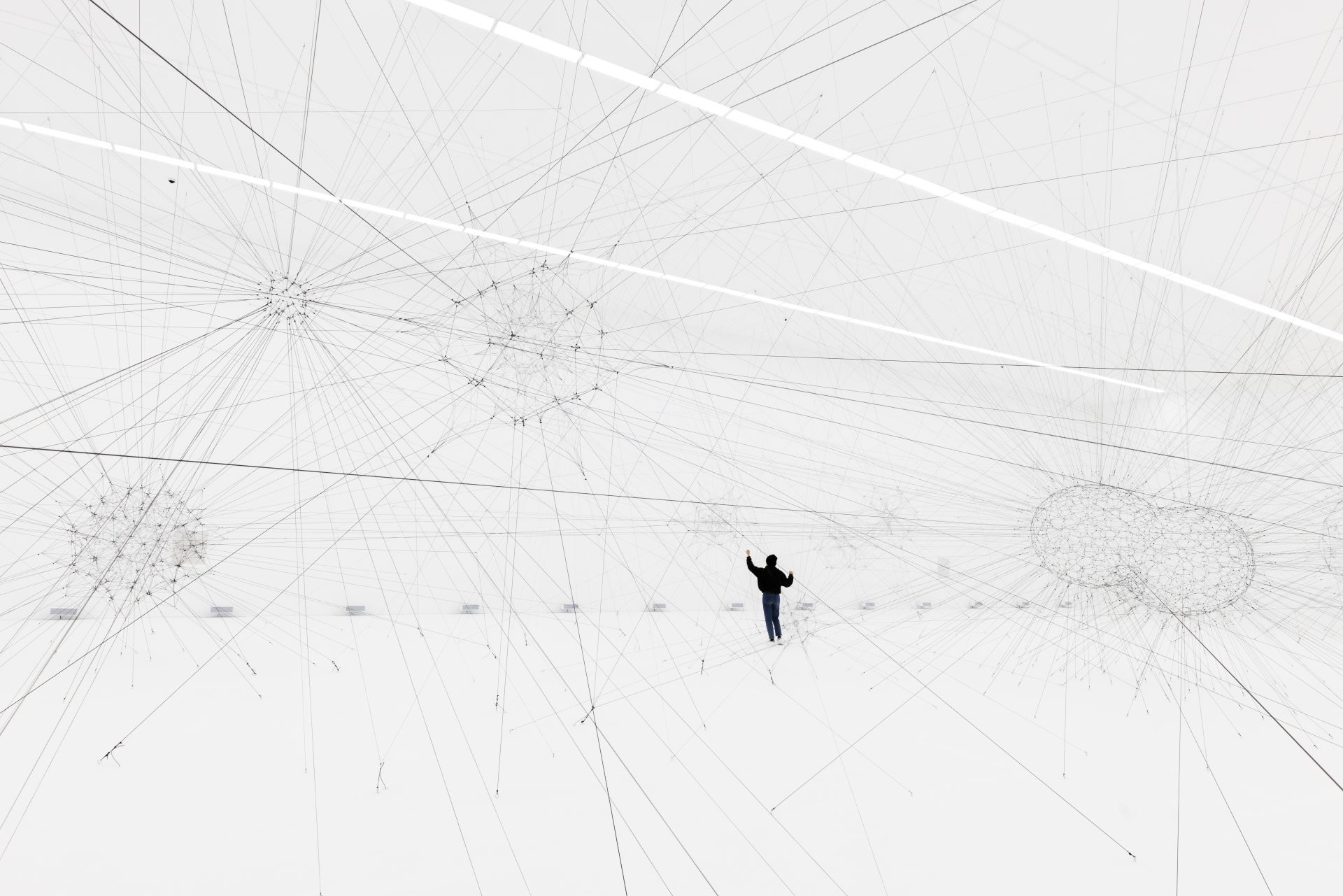
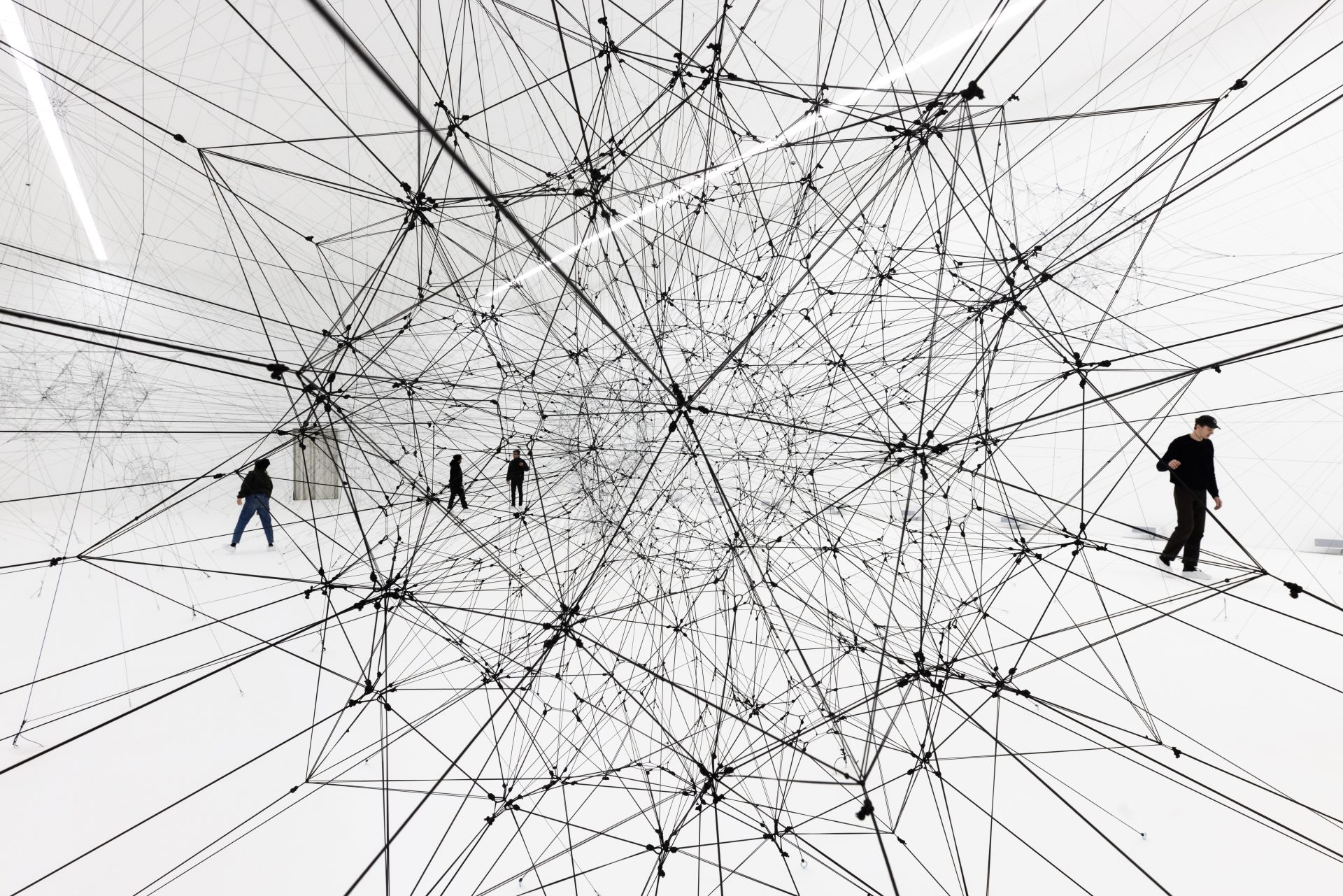
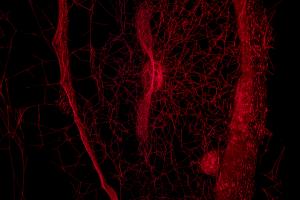
Webs of At-tent(s)ion acknowledges invertebrates still living, and those who face extinction if we do not discern the violence of historical and ongoing extractive gestures and shift our thinking about the ‘natural’ world toward one in which we are re-entangled within the web of life. How to entangle the universe in a spider/web? references Saraceno’s original technique for the 3-D scanning, digitizing, and reconstructing of spider/webs, while building on the analogy between the spider/web and the cosmic web.
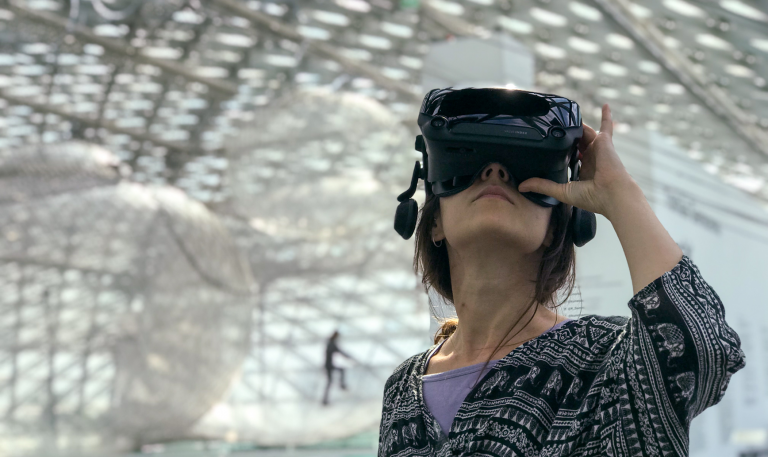
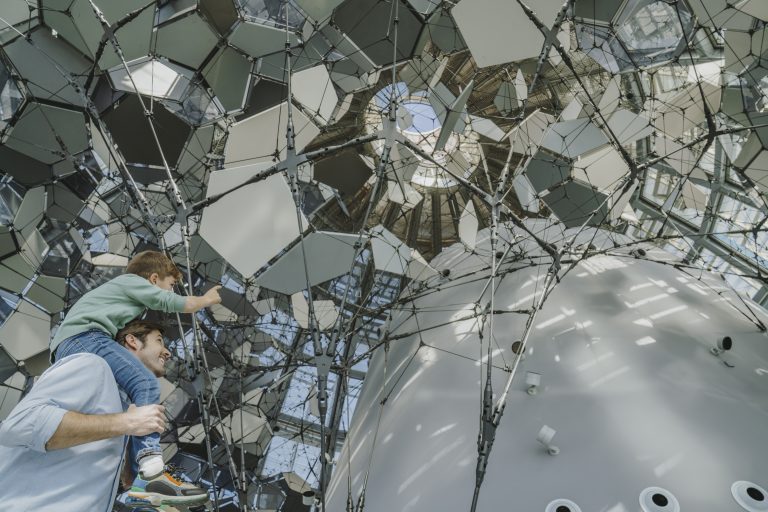
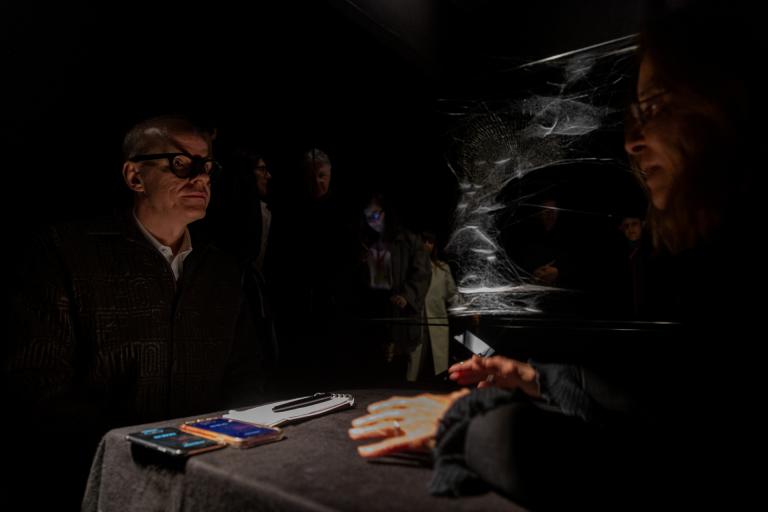
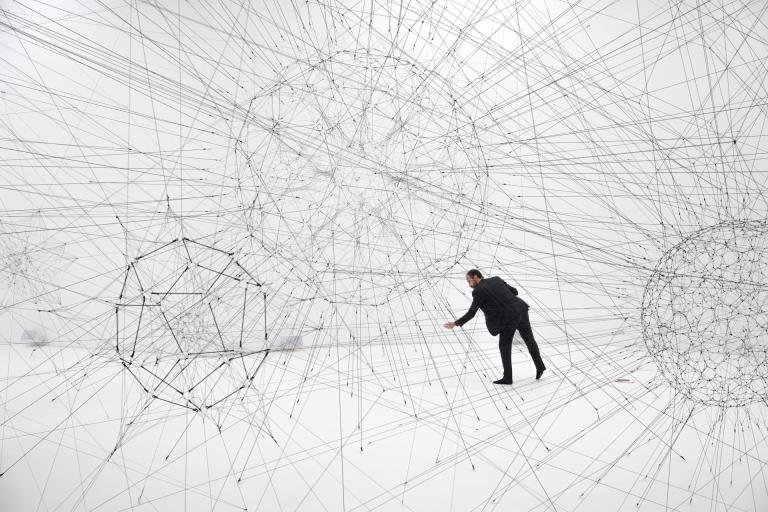
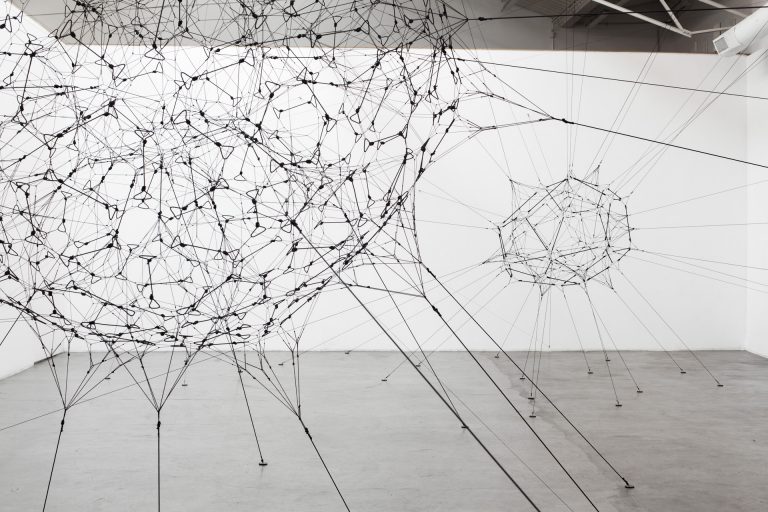
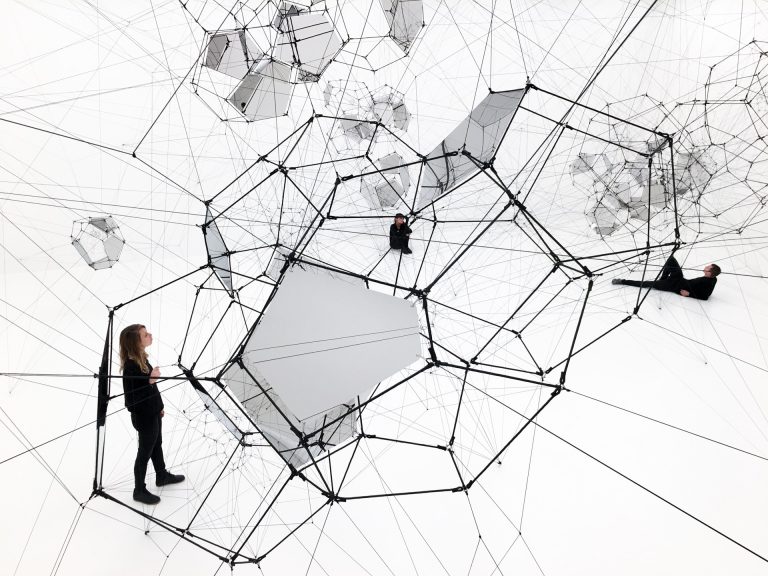
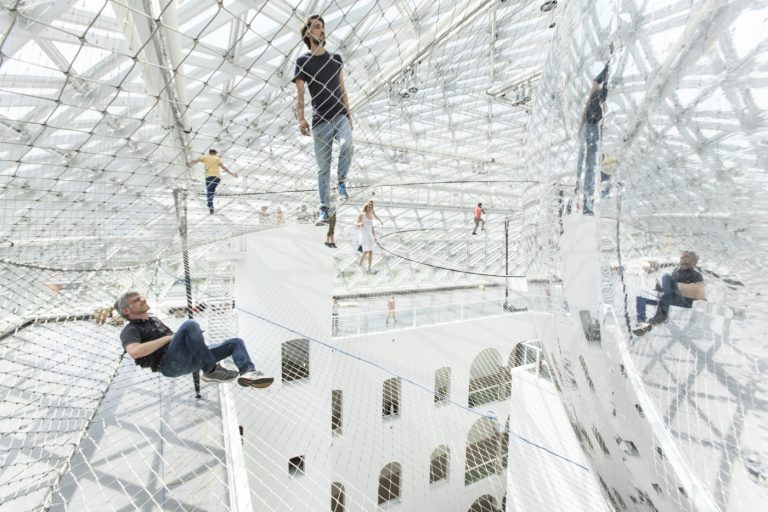
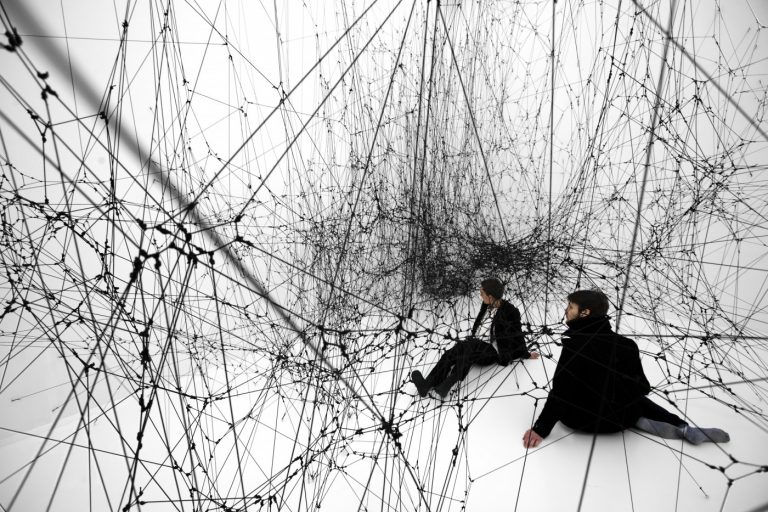
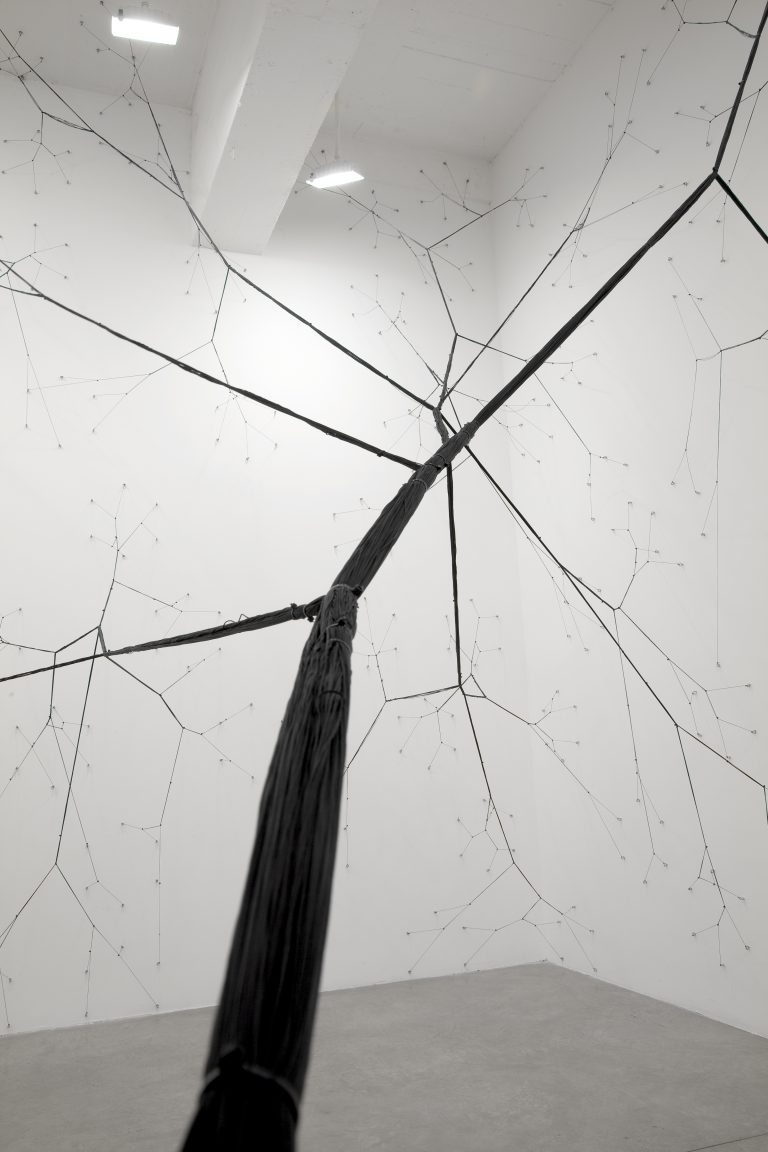
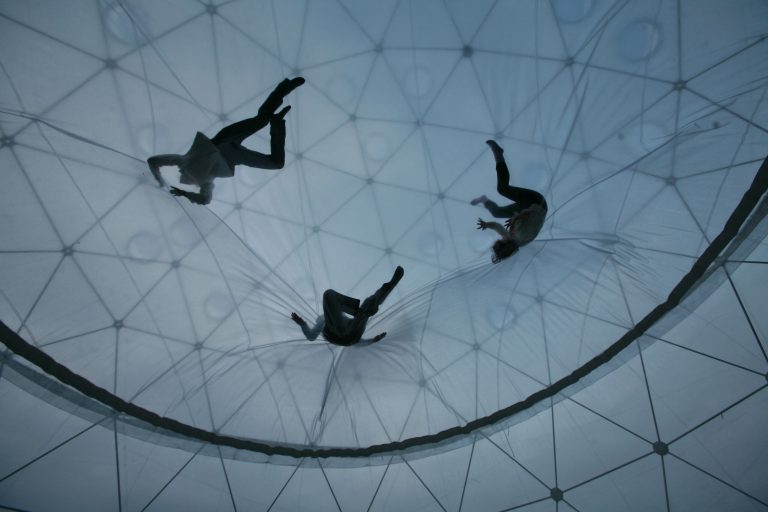
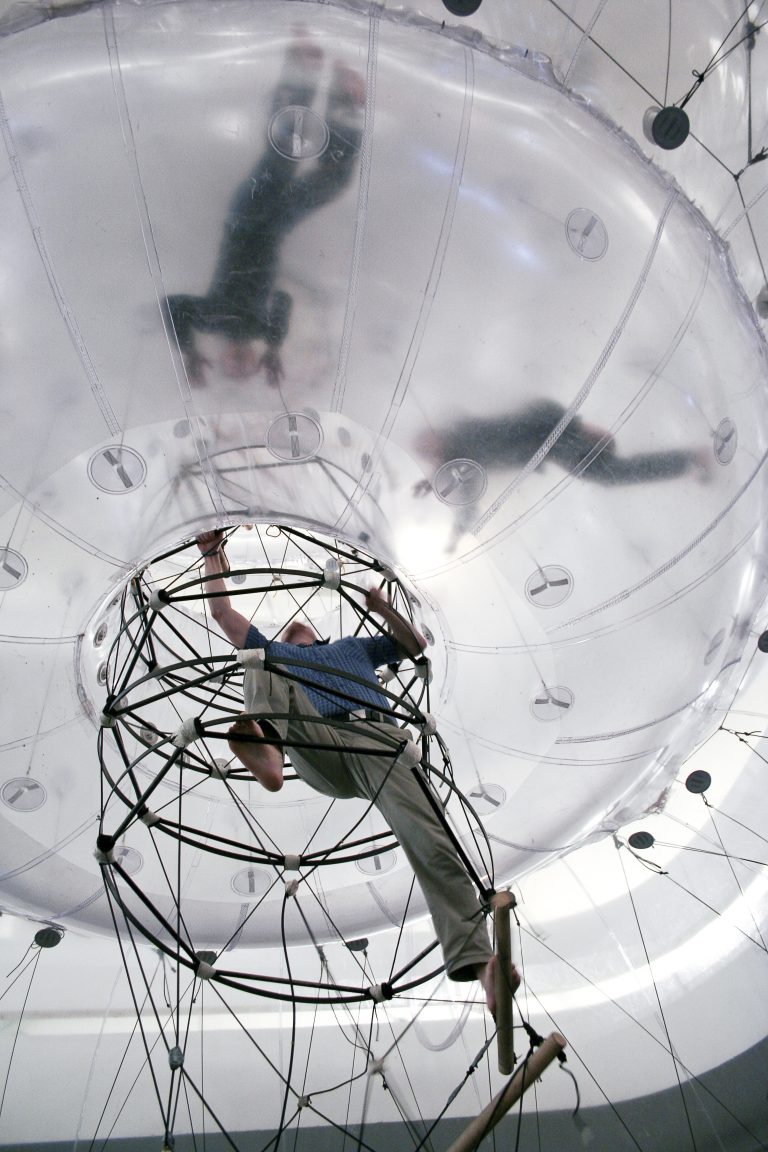
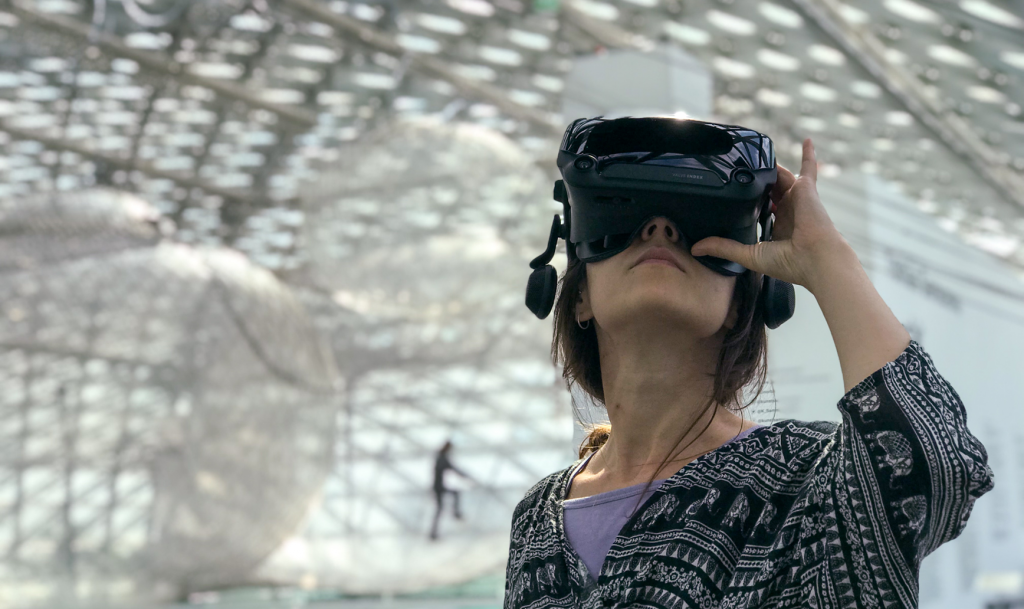
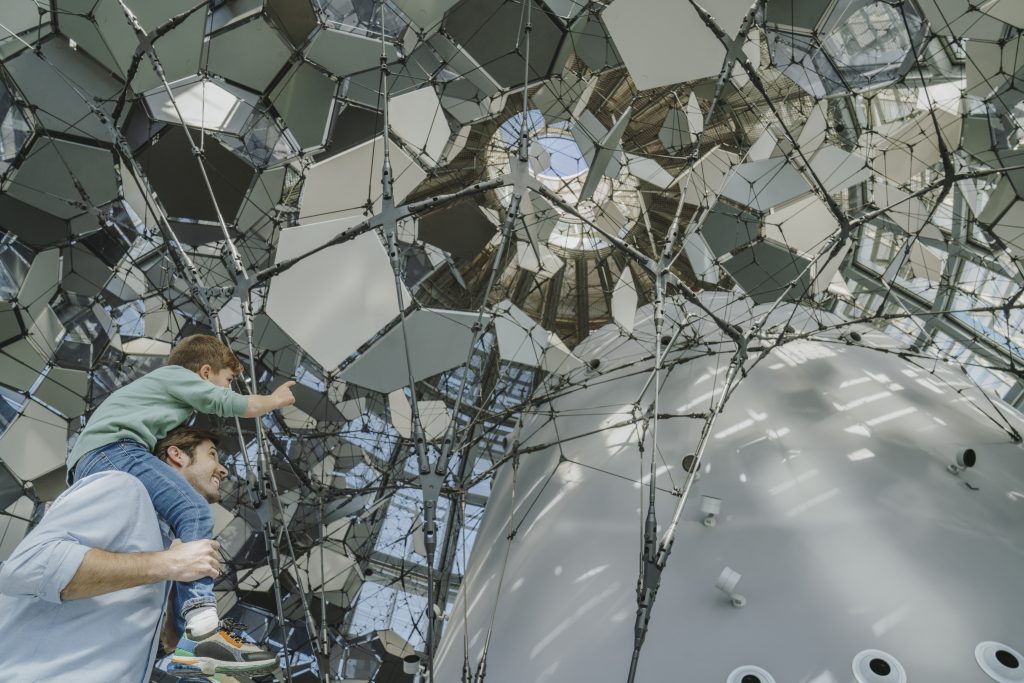
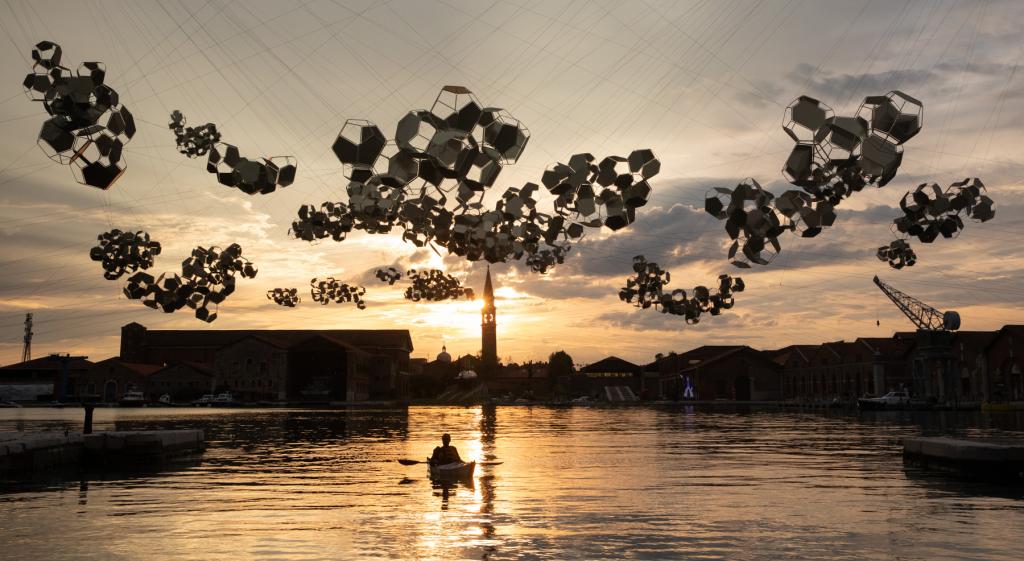
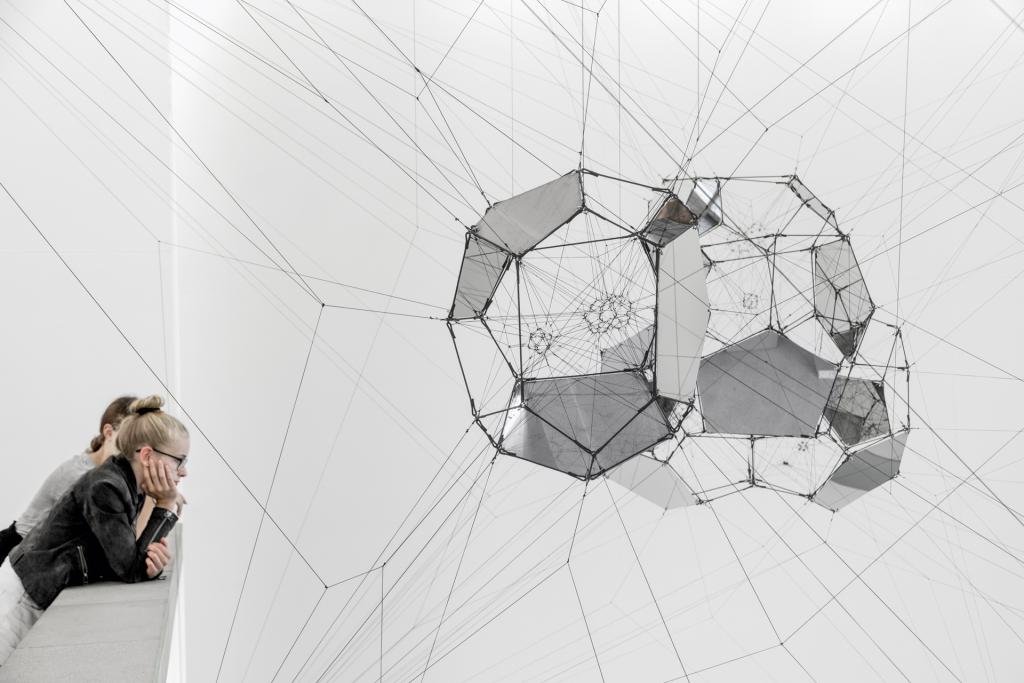
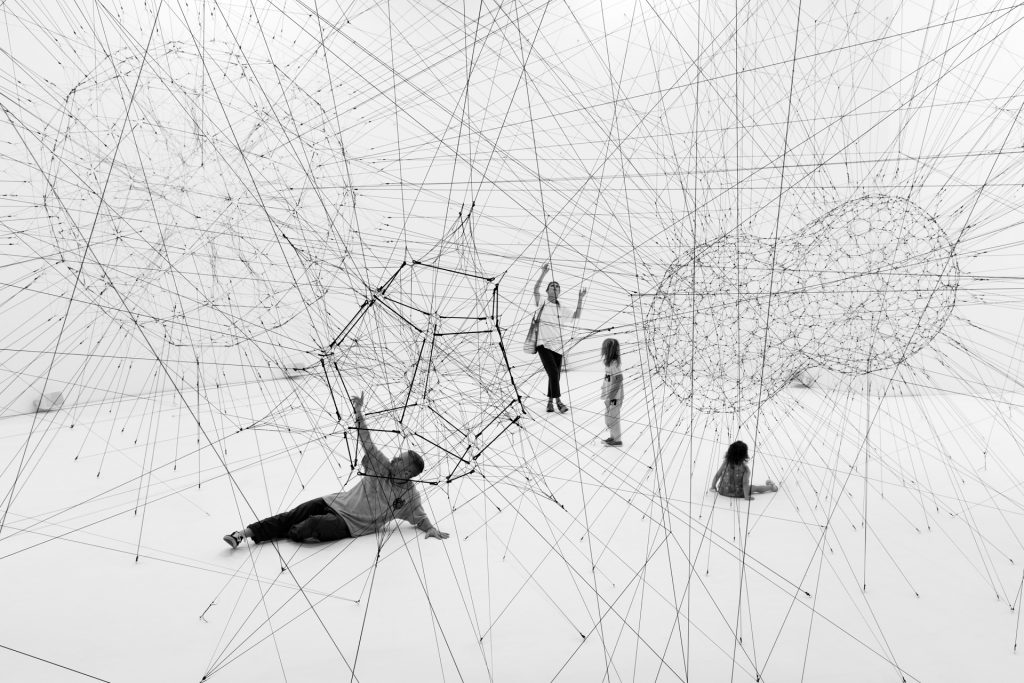
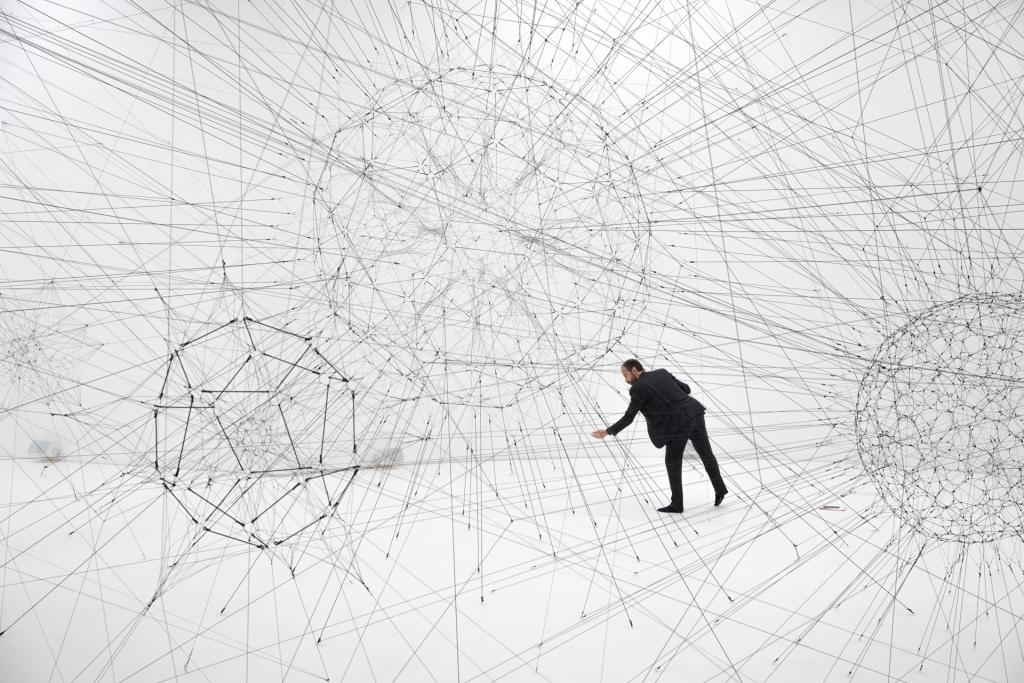
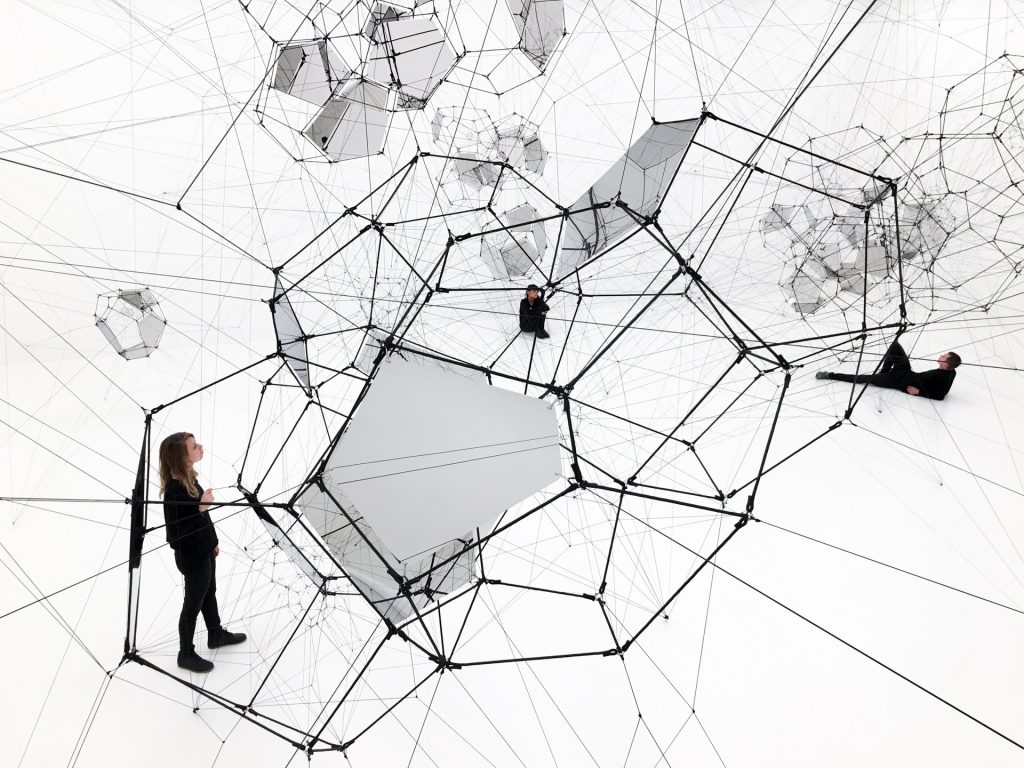
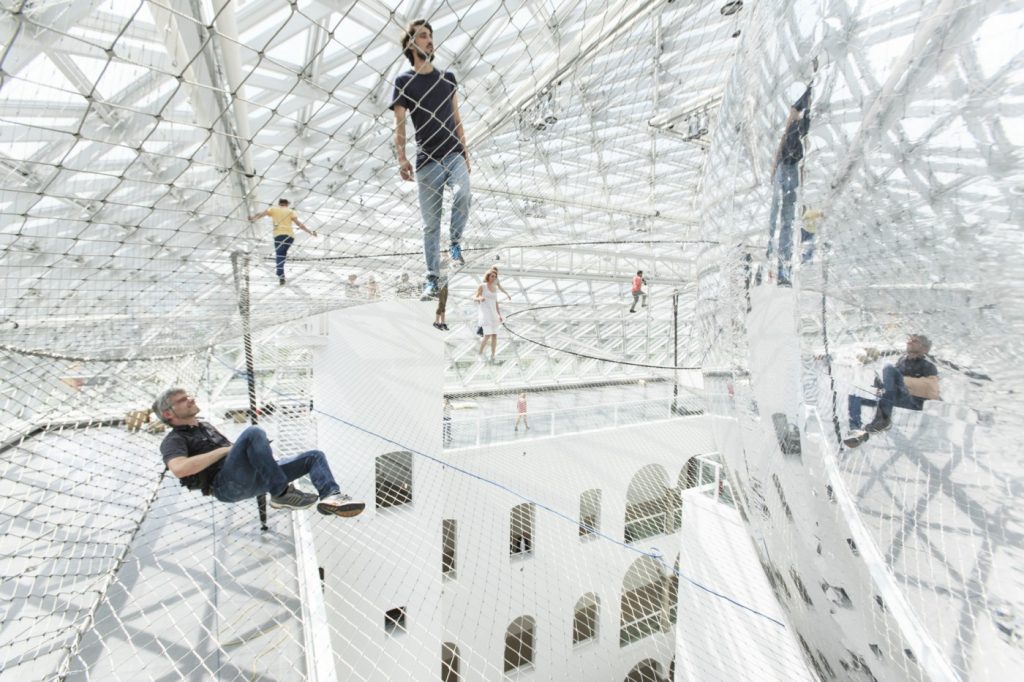
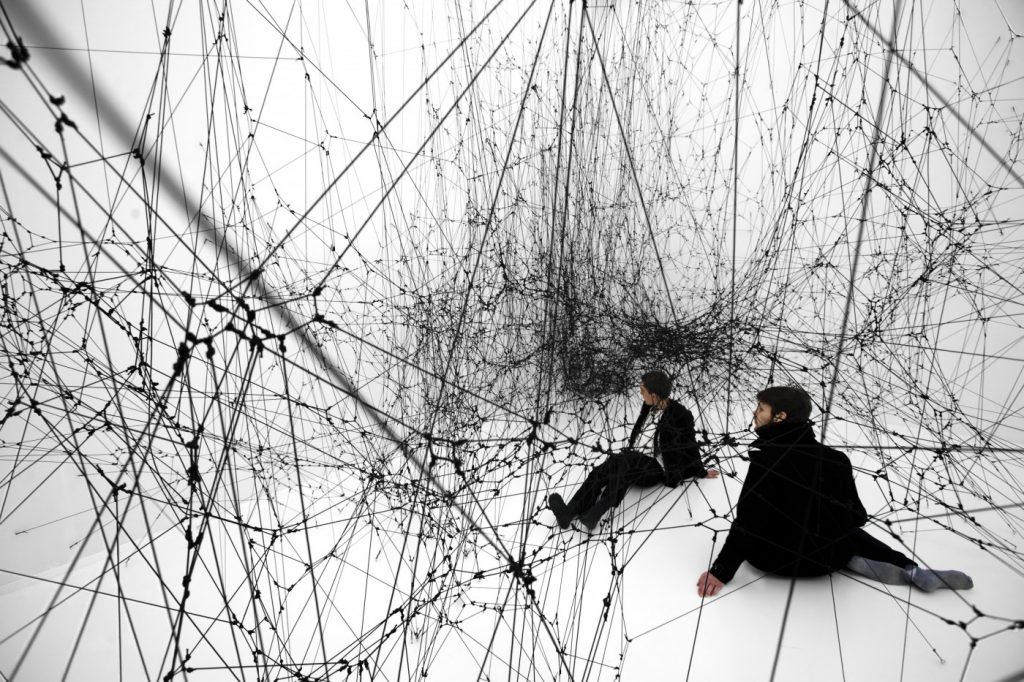
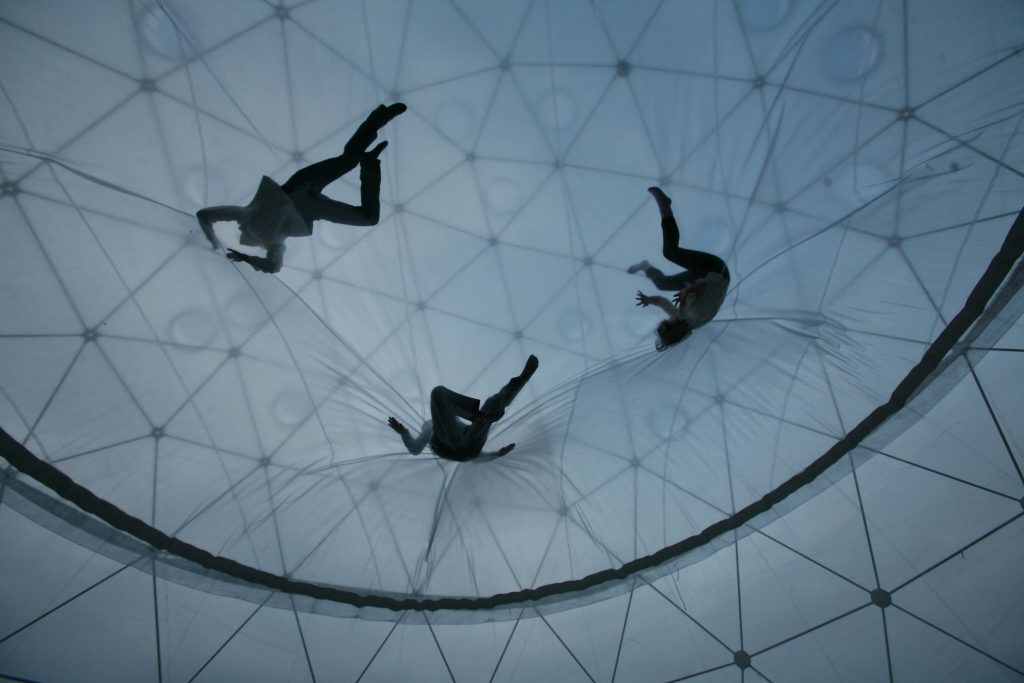
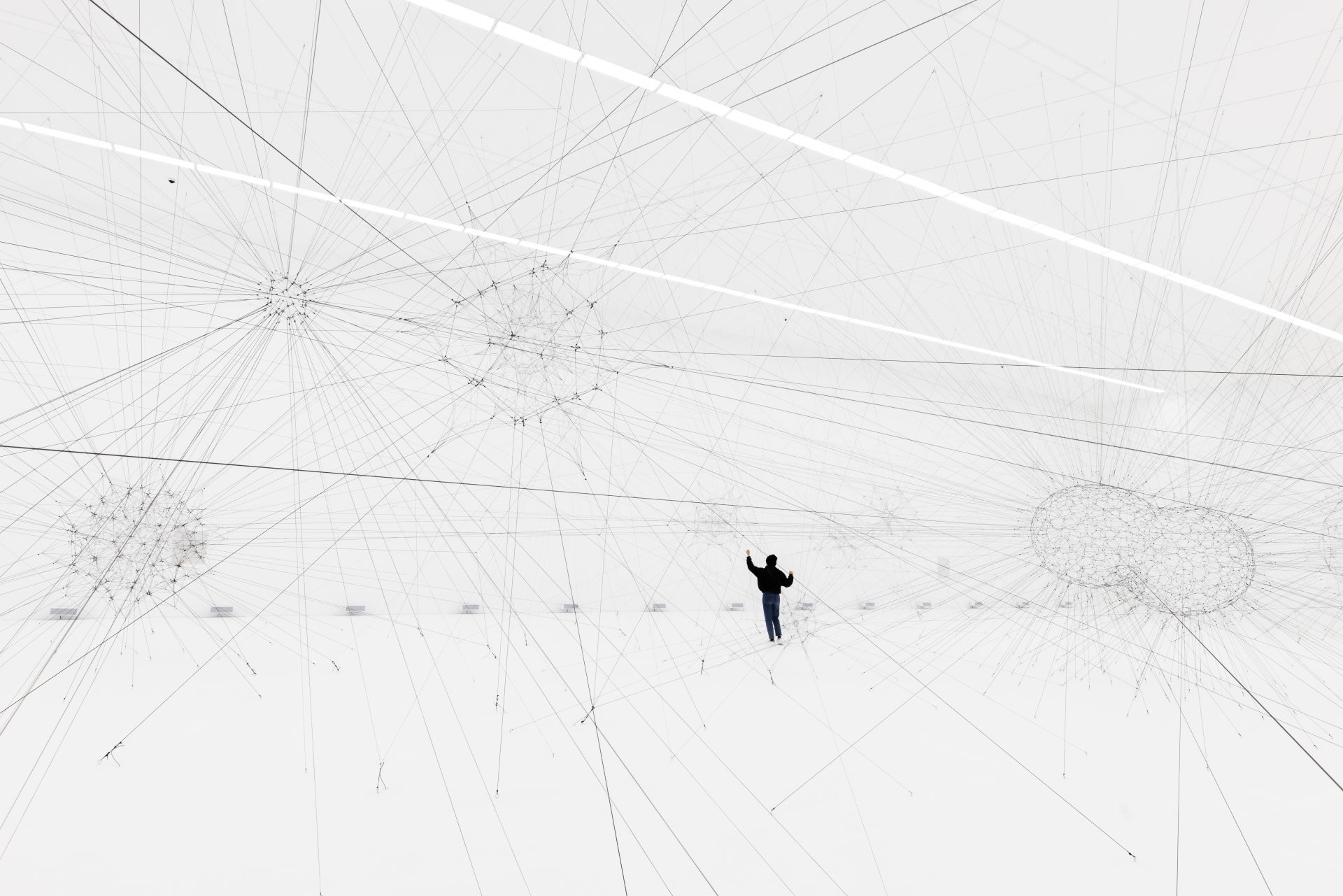
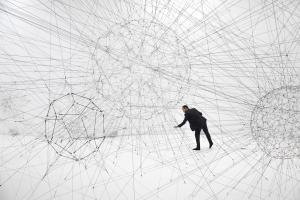
The large-scale interactive installation Algo-r(h)i(y)thms transforms the exhibition space into a web-like landscape, extending an invitation to the audience to access the Umwelt of the spider. Within a system of amplified strings, participants navigate a web of linked perceptions, seeing, touching, hearing and for a moment existing within this web that draws awareness to proximal worlds. The prototype of this work, Galaxies Forming along Filaments, like Droplets along the Strands of a Spider’s Web, was first presented in 2009 during the 53rd Biennale di Venezia. Philosopher and anthropologist Bruno Latour described it as, “a potent attempt at shaping today’s political ecology—by extending former natural forces to address the human political problem of forming livable communities.”
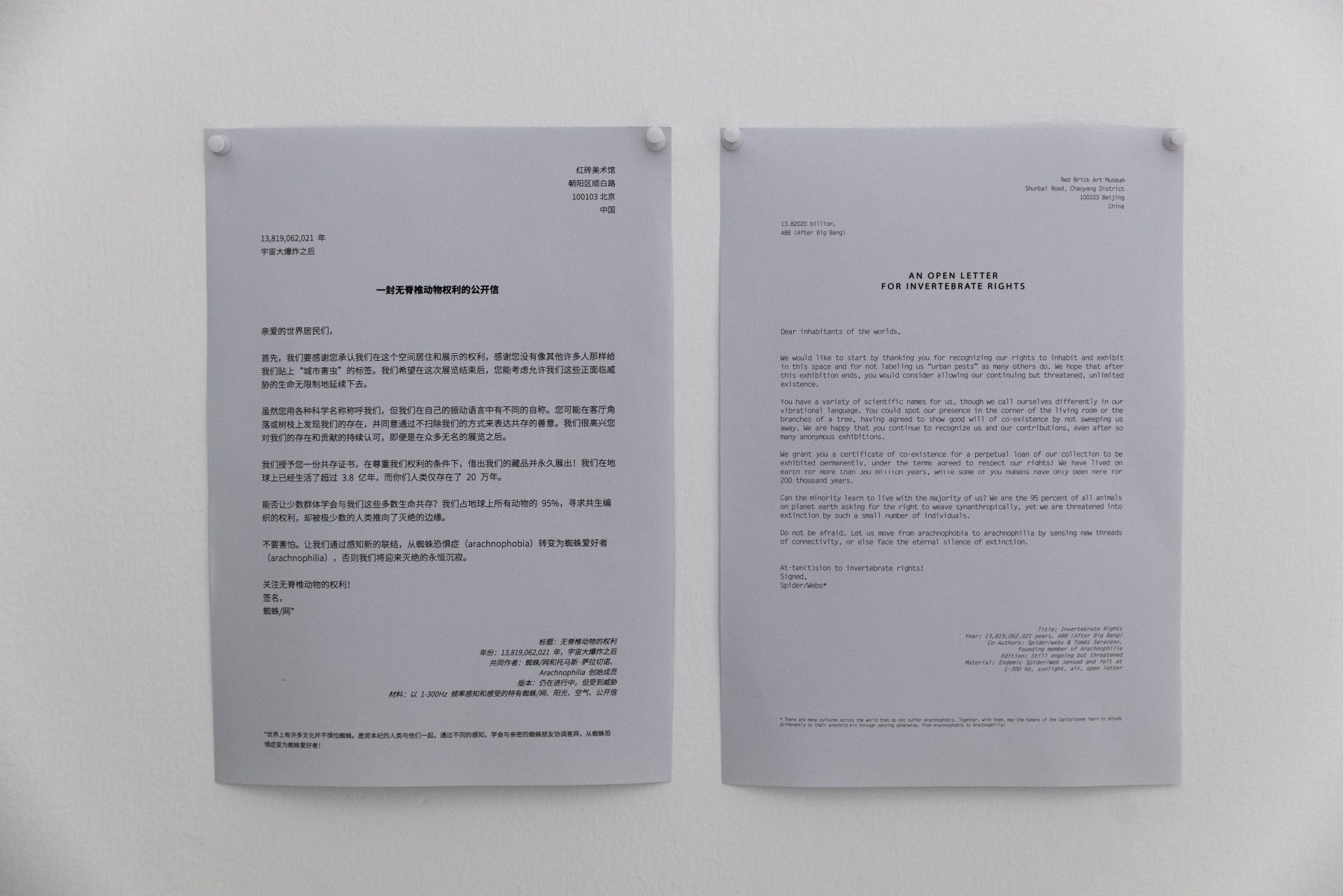
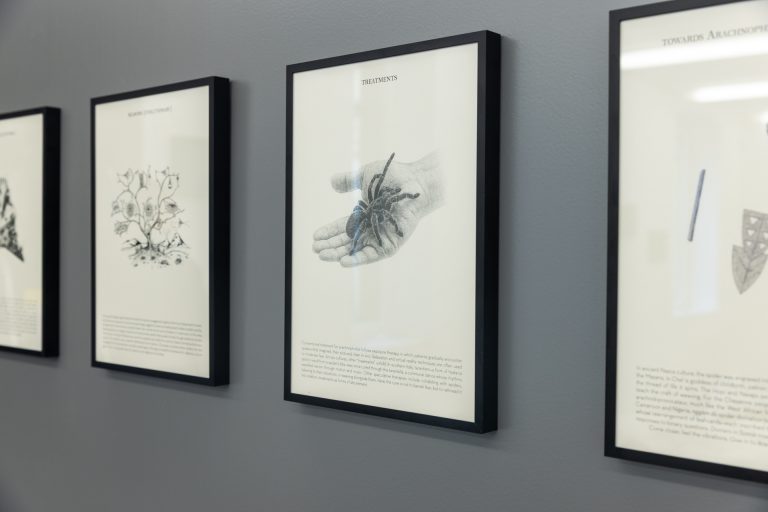
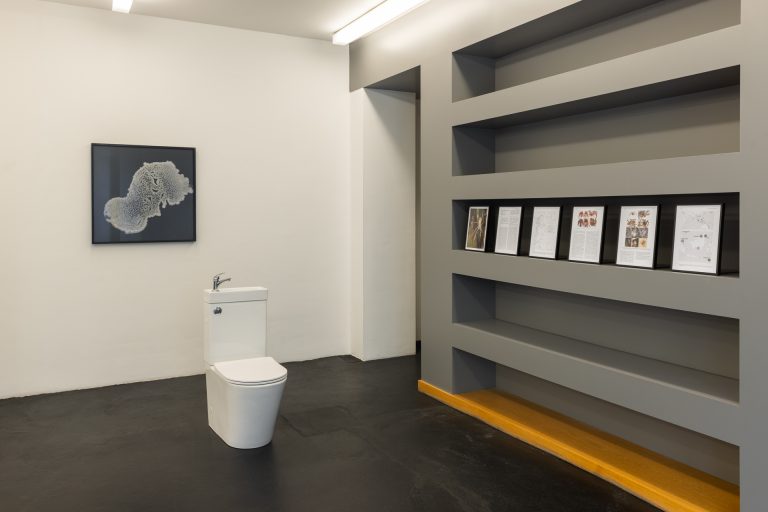
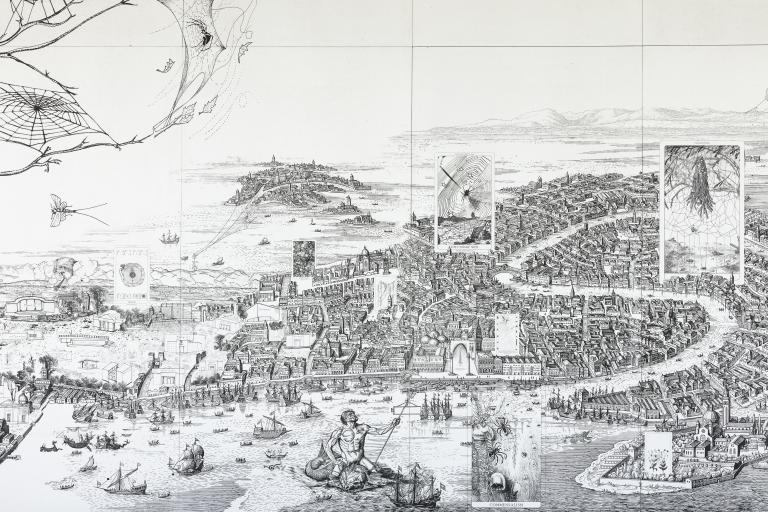
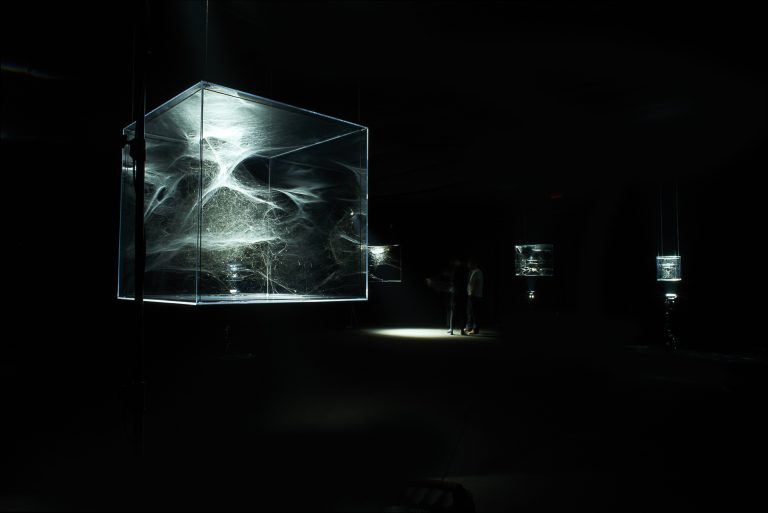
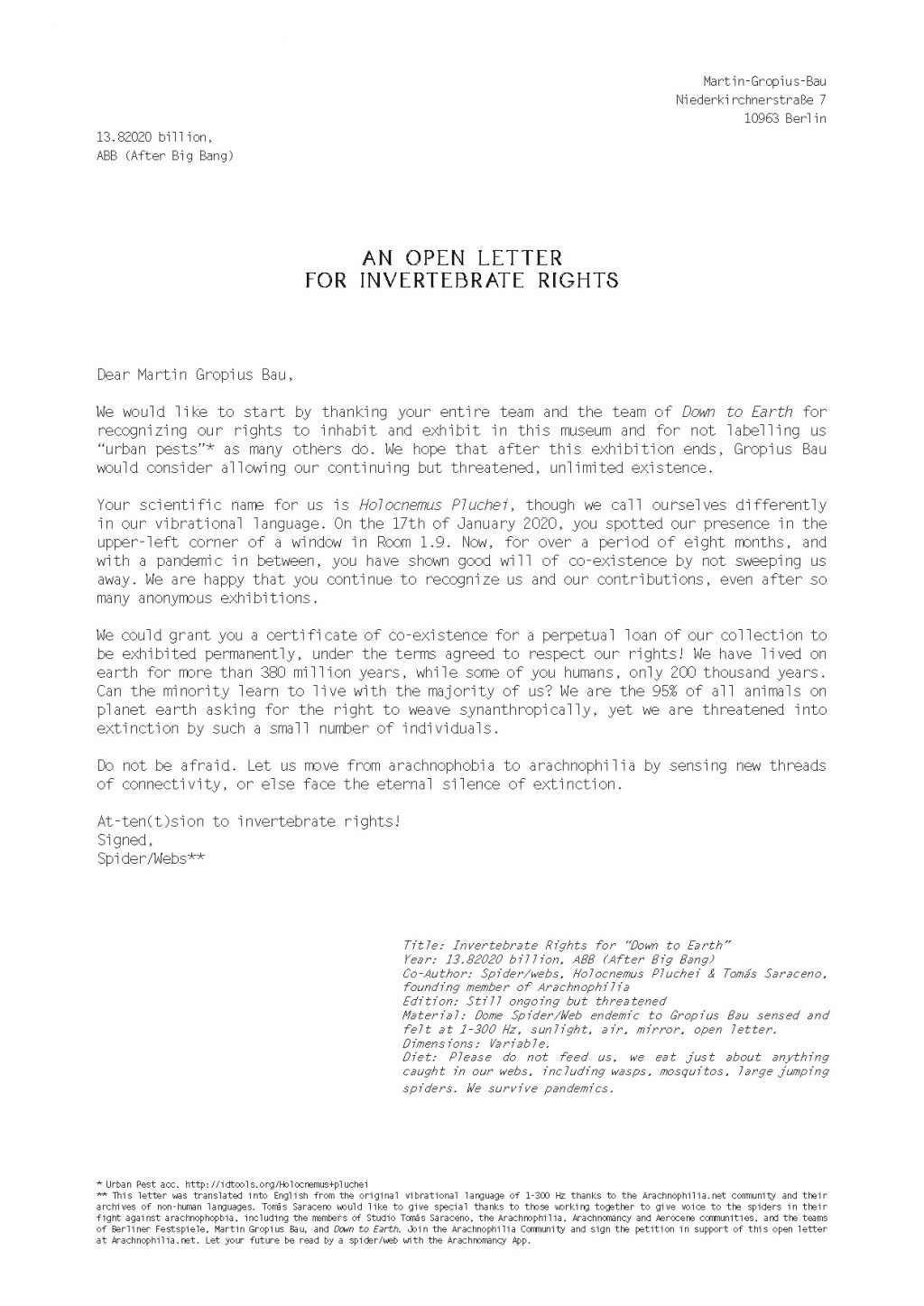
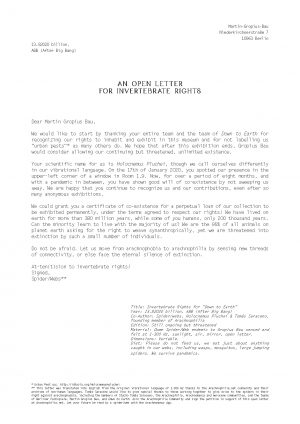
An Open Letter for Invertebrate rights, 2024. Installation view from Complementarities at Red Brick Art Museum, Beijing, China, 2024. Curated by Yan Shijie. Photography by Studio Tomás Saraceno. Courtesy the artist; Tanya Bonakdar Gallery, New York/Los Angeles and neugerriemschneider, Berlin.
As pointed out in the artwork An Open Letter for Invertebrate Rights, spiders have been on Earth for 380 million years, while humans have only been on Earth for 200,000 years. By thinking like this, we might notice our interconnectedness with other beings, other elements; how we might cooperate across species boundaries and how we might live and thrive together on a shared planet. In the artist’s words, “Organisms are not atomistic individuals but hybrid assemblages……each body is a ‘nested ecology’ linked to others in complex ways.”
Complementarities are relationships in which different elements comes together. With each of the artworks in the exhibition, participants are invited to notice things around them—spiders, dust, sound, vibrations, movement—in a way that they might not have noticed these things before; invited to compose one ensemble that will challenge relationships. Indigenous communities make up only 5% of the world’s population, but protect and steward 85% of the world’s biodiversity. We must listen to the voices of the territories, in defense of water, salt flats and the commons, for an ecosocial energy transition!
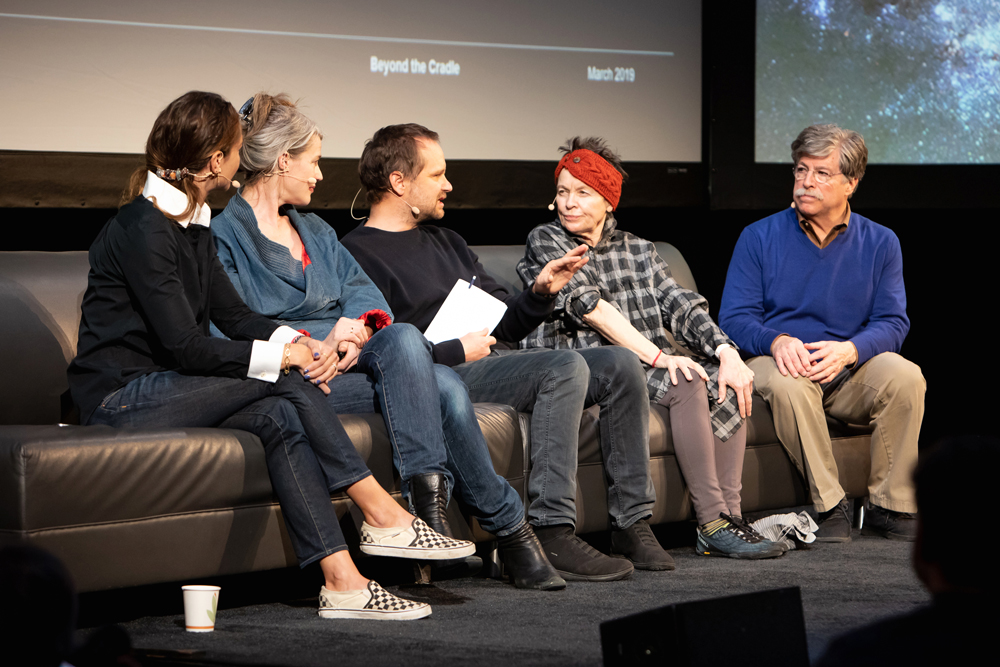
The curator of this exhibition, Yan Shijie says: “Tomás Saraceno is constantly changing roles, from engaging with indigenous communities, to strengthening a DIT (Do-It-Together) ethos, to designing and producing solar sculptures that fly without fossil fuels; he is a producer of ideas, allying with non-human spiders, with diverse scientists, anthropologists, philosophers, legal scholars, poets, and social activists around the world, using their shared actions to make a moral promise to living things, to the atmosphere, and to the Earth itself: the Aerocene, an era that turns its back on anthropocentrism, an era centered on the environment, an era of shared benefit for the eight billion humans and millions of other species that reside together on this planet. This exhibition presents us with an ideal vision of harmonious coexistence between humans, nature, and different species, an ideal vision with ecopolitical significance: Complementarities.”
...